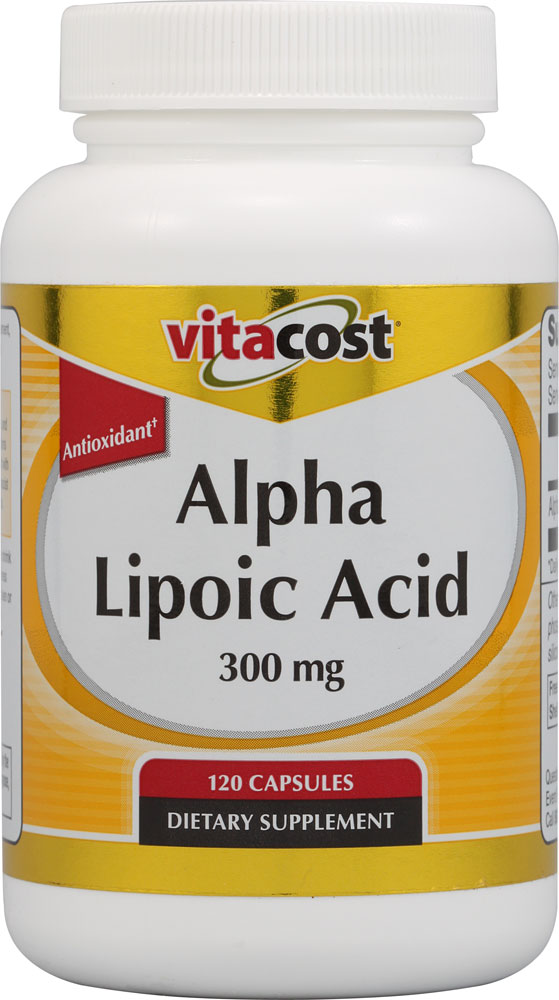
 Alpha lipoic acid (ALA) is a cofactor which is found in high concentrations in animal tissues with high metabolic activity such as the kidney, heart and liver. It is also found in broccoli, tomatoes, Brussels sprouts, peas and spinach. When ALA is ingested, it is transported via the bloodstream into tissues and cells, then into the mitochondria for energy production. Studies have concluded that dietary ALA is insufficient for sufficient free levels in the circulation, so it makes sense to take ALA supplements to reach therapeutic levels.
The human body is subjected to oxidative stress and produces free radicals in response which circulate in the body and damage tissues. ALA is easily absorbed and transported into organs such as the brain, nerves and liver, protecting against cell damage by neutralizing these free radicals. ALA also amplifies the positive effects of coenzyme Q10 and glutathione and works in conjunction with the B vitamins to convert nutrients into energy.
ALA assists the body in maintaining optimal blood sugar levels and supporting insulin sensitivity. It can improve the lipid profile in the body and reduce blood pressure. Diabetic patients who have been put on ALA supplementation have experienced some relief from diabetic neuropathy and a regulation of insulin levels in the body.
ALA has demonstrated protective effects in other age-related diseases as well. It protects against cataract formation and glaucoma and helps to prevent retinal cell death in retinitis pigmentosa, so it is vital for eye health as well. Stroke patients who were given ALA experienced reduced brain damage, and may guard against the development of Alzheimer’s disease. There is additional research to suggest that ALA supplementation reduces the inflammation associated with multiple sclerosis.ALA’s antioxidant effects may help to also preserve bone density, thus protecting the body against the bone loss that characterizes osteoporosis.
If you are interested in maintaining skin health, ALA supplementation may be something you want to consider. Topical application of creams containing ALA reduced photoaging and refined the texture of the skin.
The amount of ALA in the body diminishes over time, giving even more of a reason to take ALA oral supplements. Recommended dosage for most individuals is 300 milligrams. Side effects are minimal and include gastrointestinal upset and skin allergies. Only 30% to 40% of supplements are absorbed, so they are best taken on an empty stomach.
 dr. stacey naito's blog