Brain Benefits of Exercise

Regular physical exercise is one of the most effective ways to support long-term brain health. Research across neuroscience, aging, and psychology consistently shows that exercise benefits memory, attention, mood, learning, and resilience against cognitive decline.

How Exercise Benefits the Brain

1. Improves Memory and Learning

Exercise increases blood flow to the brain, delivering more oxygen and nutrients. It also stimulates the release of growth factors such as BDNF (brain-derived neurotrophic factor), which helps neurons grow and form stronger connections.

Areas especially affected include the hippocampus, a region critical for memory formation. Studies show that people who exercise regularly often perform better on tasks involving:

  • Learning new information
  • Recall and retention
  • Processing speed
  • Mental flexibility

Even moderate aerobic exercise like brisk walking has been associated with improved memory performance.


2. Helps Preserve Cognitive Function With Age

One of the strongest findings in brain-health research is that consistent exercise helps slow age-related cognitive decline.

Regular physical activity is associated with:

  • Lower risk of dementia
  • Reduced risk of Alzheimer’s disease
  • Better executive functioning in older adults
  • Slower shrinkage of brain volume over time

Exercise appears to protect the brain through several mechanisms:

  • Improved circulation
  • Reduced inflammation
  • Better glucose regulation
  • Enhanced vascular health
  • Increased neural plasticity

The key factor is consistency. The brain benefits of exercise accumulate over years. Sporadic workouts help temporarily, but long-term habits are what appear to preserve cognitive function most effectively.


3. Supports Attention and Executive Function

Exercise strengthens executive functions — the mental skills used for:

  • Planning
  • Decision-making
  • Focus
  • Self-control
  • Multitasking

Physical activity increases activity and connectivity in the prefrontal cortex, which governs these higher-order functions.

This is one reason exercise is often linked to:

  • Better academic performance
  • Improved workplace productivity
  • Greater emotional regulation
  • Reduced mental fatigue

4. Enhances Mood and Mental Health

Exercise affects neurotransmitters involved in mood regulation, including:

  • Dopamine
  • Serotonin
  • Norepinephrine
  • Endorphins

Regular activity can reduce symptoms of:

  • Anxiety
  • Depression
  • Chronic stress

Exercise also lowers cortisol levels and improves sleep quality, both of which strongly influence cognitive performance and emotional resilience.


5. Promotes Neuroplasticity

The brain remains adaptable throughout life, and exercise helps maintain this adaptability.

Neuroplasticity refers to the brain’s ability to:

  • Form new neural pathways
  • Recover from injury
  • Adapt to new experiences
  • Learn new skills

Aerobic exercise in particular promotes neurogenesis — the formation of new neurons — especially in memory-related regions.

This means exercise does not simply “maintain” the brain; it actively supports the brain’s capacity to change and grow.


Why Consistency Matters More Than Intensity

A major misconception is that only intense athletic training benefits the brain. In reality, regular moderate activity performed consistently is extremely effective.

Examples include:

  • Walking
  • Cycling
  • Swimming
  • Dancing
  • Jogging
  • Resistance training
  • Sports with coordination and strategy

The brain responds especially well to routines maintained over months and years.

Consistency matters because:

  • Neural adaptations develop gradually
  • Blood vessel health improves over time
  • Inflammation reduction is cumulative
  • Protective effects against cognitive decline build slowly

Even relatively small amounts of weekly exercise can produce measurable brain benefits when sustained long term.


Exercise and Brain Aging

People who remain physically active throughout adulthood often show:

  • Better preserved white matter integrity
  • Stronger connectivity between brain regions
  • Larger hippocampal volume
  • Better reaction time and reasoning ability later in life

Exercise is increasingly viewed as a foundational preventive strategy for healthy cognitive aging — alongside sleep, nutrition, social engagement, and intellectual stimulation.


Types of Exercise That Benefit the Brain

Different forms of exercise appear to support the brain in complementary ways:

Aerobic Exercise

Most strongly linked to:

  • Memory
  • Cardiovascular support for the brain
  • Reduced dementia risk

Examples:

  • Running
  • Fast walking
  • Cycling
  • Swimming

Strength Training

Associated with:

  • Executive function
  • Attention
  • Functional independence with aging

Coordination-Based Activities

Activities like dancing, martial arts, or racquet sports challenge both body and mind simultaneously, engaging:

  • Spatial awareness
  • Timing
  • Reaction speed
  • Motor planning

Mind-Body Exercise

Yoga and tai chi may improve:

  • Stress regulation
  • Attention
  • Emotional balance
  • Cognitive flexibility

The Broader Brain Health Picture

Exercise works best as part of a broader brain-health lifestyle that includes:

  • Adequate sleep
  • Nutritious diet
  • Social connection
  • Lifelong learning
  • Stress management

Still, among lifestyle interventions, exercise is one of the most consistently supported by scientific evidence for preserving brain function across the lifespan.

A physically active lifestyle does not guarantee immunity from neurological disease, but it substantially improves the odds of maintaining cognitive vitality, emotional resilience, and functional independence into older age.

A Guide to Building a Credible Wellness Influence and Ethical Growth

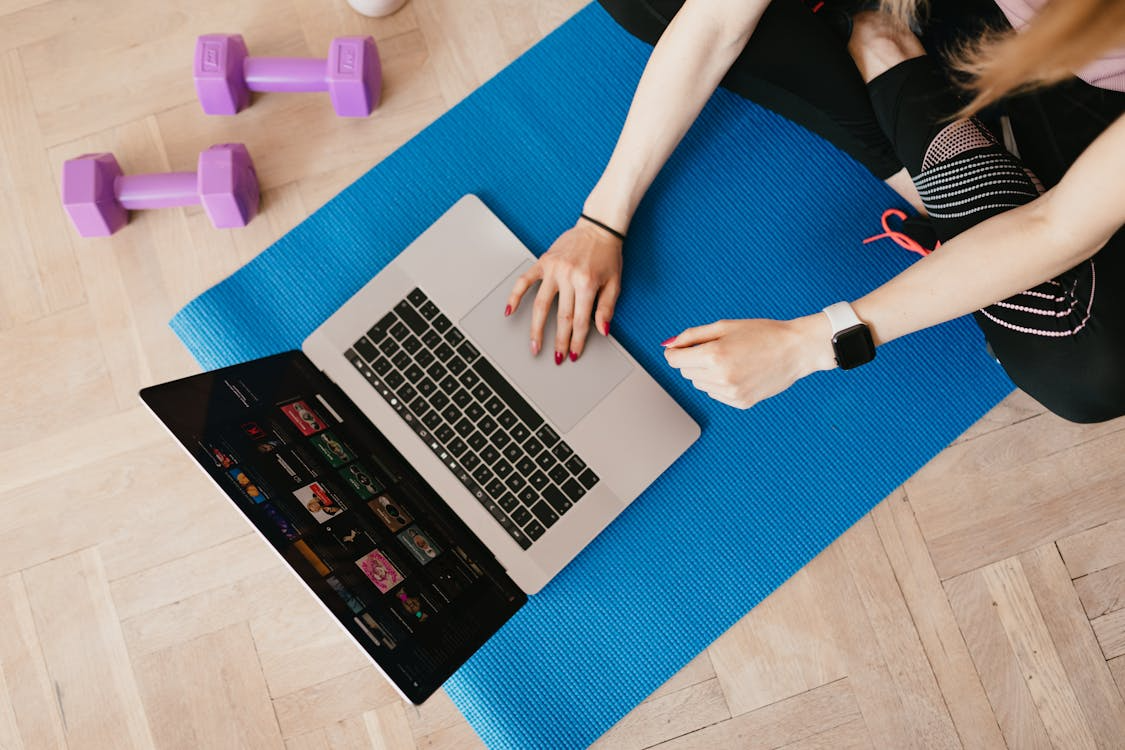
Photo by www.kaboompics.com: https://www.pexels.com/photo/unrecognizable-woman-using-laptop-on-mat-4498456/

Wondering how you can build a wellness presence which truly resonates with your audience? Then let this article, written by Camille Johnson of Bereaver.com, guide you through the process.

For fitness coaches, yoga teachers, nutrition enthusiasts, and clinicians building a public presence online, becoming one of the wellness influencers people return to can feel both exciting and risky. The core tension is simple: audience growth often rewards bold claims, while ethical wellness promotion demands care, context, and humility. Without clear niche selection in wellness, even strong creators get pulled into scattered messaging and familiar audience engagement challenges, from skepticism to backlash. With the right foundation, building credibility in health influence and a steady content strategy for wellness creators, wellness advice can be shared in a way that earns trust.

Quick Summary: Build Trust and Grow in Wellness

  • Choose a focused wellness niche to attract the right audience and clarify your message.
  • Build credibility with transparent, evidence-aware guidance and clear boundaries around your expertise.
  • Create consistent content that educates, supports, and reflects your values and brand voice.
  • Share wellness advice responsibly by prioritizing safety, accuracy, and respectful communication.
  • Grow community with engagement-first strategies that foster connection, trust, and long-term relationships.

Photo by Vitaly Gariev: https://www.pexels.com/photo/woman-recording-a-fitness-vlog-in-modern-living-room-36764393/

Turn Daily Wellness Moments Into Repeatable Reels or TikToks

Once you’ve got the big-picture moves in mind, the fastest way to show people what you’re about is through short, repeatable videos. On Instagram Reels or TikTok, capture your daily wellness routines (your morning walk, meal prep, stretching, journaling), behind-the-scenes healthy habits (how you set up your space, what you pack, what you actually do between “perfect” moments), and quick tips that fit your niche. These small slices of real life give potential followers an authentic, visual taste of what they’ll get from you, without needing a big production.

On days you can’t film yourself, consider Adobe Firefly’s AI video generator to quickly create polished, on-brand short clips. The basic idea is simple: you enter a descriptive text prompt (for example, the mood, setting, and the wellness action you want shown), and the tool generates a customized video clip you can post alongside your usual content.

Build a Simple System to Grow as a Wellness Influencer

This process helps you choose a clear wellness lane, earn trust with proof, and show up consistently without burning out. For everyday creators, a small, steady system is what turns “posting sometimes” into real community growth.

  1. Define your niche with a promise
    Start by writing one sentence: “I help ___ do ___ through ___.” Choose a focus you can demonstrate weekly (like stress-friendly movement, gut-friendly meal prep, or sober curiosity) so people instantly know why to follow you.
  2. Build trust with honest social proof
    Collect 3 to 5 proof points you can share naturally: a relevant certification, your personal before-and-after story, a simple habit streak, or kind DMs and comments (with permission). Content that shows the messy middle of healing often feels more believable than perfectly edited “after” shots.
  3. Pick one main platform and one support channel
    Choose where you can post most consistently (one short-video platform is enough), then add one place for deeper connection, like a newsletter or a small community chat. Keeping your attention on just one or two channels makes it easier to learn what your audience responds to.
  4. Set a weekly content loop you can actually sustain
    Create 3 repeatable buckets tied to your niche, such as “routine,” “teaching tip,” and “real life reflection,” then assign them to specific days. Batch one filming session a week and reuse the same structure so your feed feels familiar while your ideas stay fresh.
  5. Lock in a recognizable voice and collaborate with intent
    Choose two brand colors, one font style, and 3 phrases you say often so your posts are instantly identifiable even before people read. Then collaborate with peers who serve the same audience from a different angle, like a trainer partnering with a meal-prep creator.

Photo by Blue Bird: https://www.pexels.com/photo/crop-blogger-taking-photo-of-healthy-lunch-on-smartphone-7242746/

Ethical Monetization and Metrics Checklist

This checklist helps you earn income without eroding credibility and track what is actually moving your community forward. Use it weekly to stay transparent, refine your offers, and protect the trust you are building.

✔ Confirm disclosures on every affiliate and sponsored recommendation

✔ Choose partners aligned with your stated wellness promise

✔ Create one small paid offer that solves a single problem

Set a newsletter cadence and deliver one actionable takeaway each send

✔ Track saves, shares, and replies as primary trust signals

✔ Track link clicks and conversion rate for each monetized post

✔ Review refund requests and complaints to improve clarity and fit

Small, honest improvements compound into steady growth and reliable income.

Build Lasting Wellness Influence Through Trust and Consistency

It’s easy to feel pulled between growing faster and staying honest, especially when monetization and metrics enter the picture. A long-term growth mindset, rooted in clarity, consistency, and audience trust building, keeps the work steady, so wellness influencer motivation comes from serving people, not chasing spikes. With sustained content creation and transparent choices, influence becomes quieter but stronger: trust compounds, and the right opportunities feel aligned rather than pressured. Trust grows when your message stays consistent and your incentives stay clear. Choose one repeatable content rhythm for the next month and stay active in a supportive influencer community for feedback and accountability. This matters because steady credibility creates resilience, so your work can support health, connection, and growth for the long run.

Vibration Plates

Vibration plates—often called whole-body vibration (WBV) platforms—are machines that send rapid oscillations through your body while you stand, sit, or perform exercises on them. The idea is that these vibrations trigger reflexive muscle contractions, so your muscles are working even when you’re holding a simple position.

What vibration therapy may do

The science is still evolving, but there are a few commonly discussed benefits:

  • Muscle activation and strength: The rapid vibrations can cause muscles to contract dozens of times per second. For beginners or people rehabbing injuries, this can help “wake up” muscles without heavy loading. For trained athletes, it can add a different stimulus rather than replace traditional strength work.
  • Circulation and recovery: Some users report improved blood flow and a loosening sensation in tight muscles. That’s why vibration plates are sometimes used after workouts, similar to foam rolling.
  • Balance and stability: Because the surface is unstable, your body constantly adjusts. This can help train stabilizer muscles and coordination.
  • Bone density (potentially): There’s some evidence suggesting low-level vibration may help maintain bone density, particularly in older adults, though it’s not a standalone solution.
  • Improved digestion: When I finish my 10-minute daily vibration plate sessions, I have noticed that it moves things along in my digestive system, which is a nice bonus.

What it feels like

The experience is distinctive:

  • On the plate: You’ll feel a rapid buzzing or shaking sensation traveling through your feet and up your body. Muscles may feel like they’re “firing” on their own, especially in your legs and core. If you bend your knees slightly, it usually feels more controlled and less jarring.
  • Afterward: Many people report a sense of looseness or lightness in their muscles, similar to a mild massage effect. Others feel a bit fatigued, especially if they held positions like squats or planks during the session.

Why frequent exercisers often like it

People who already work out regularly tend to appreciate vibration plates for a few reasons:

  • Efficient add-on: It can intensify basic movements (like squats or lunges) without adding more weight.
  • Recovery tool: After heavy lifting or intense cardio, the vibration can feel like a quick way to “shake out” muscle tension. I use my vibration plate daily for 10 minutes, always after I complete weight training.
  • Neuromuscular challenge: It introduces instability, which can make even familiar exercises feel new and more demanding.

That said, most serious athletes don’t treat it as a replacement for strength or cardio training—more as a supplement.

How often and how long

General guidelines (not one-size-fits-all):

  • Session length: Typically 10–20 minutes total. Individual exercises or positions might last 30–60 seconds each.
  • Frequency: Around 2–4 times per week is common for general fitness. Some people use it briefly (5–10 minutes) after workouts for recovery. I use my vibration plate 6-7 days a week because that is how often I engage in strength training. It helps to loosen me up after my training sessions.
  • Intensity: Start with lower frequencies and shorter sessions, then build up. Too much too soon can feel uncomfortable or overly fatiguing. My vibration plate has a program which randomly switches intensity throughout the regimen.

A few practical tips

  • Slightly bend your knees to reduce stress on joints and your head.
  • Keep sessions controlled—standing passively the whole time is less effective than combining it with light movements.
  • If you have joint issues, cardiovascular conditions, or are pregnant, it’s worth checking with a medical professional first.

Overall, vibration plates can be a useful add-on for activation, balance, or recovery—but they’re most effective when paired with a well-rounded exercise routine rather than used as a shortcut.

Vibration Plate Health Benefits

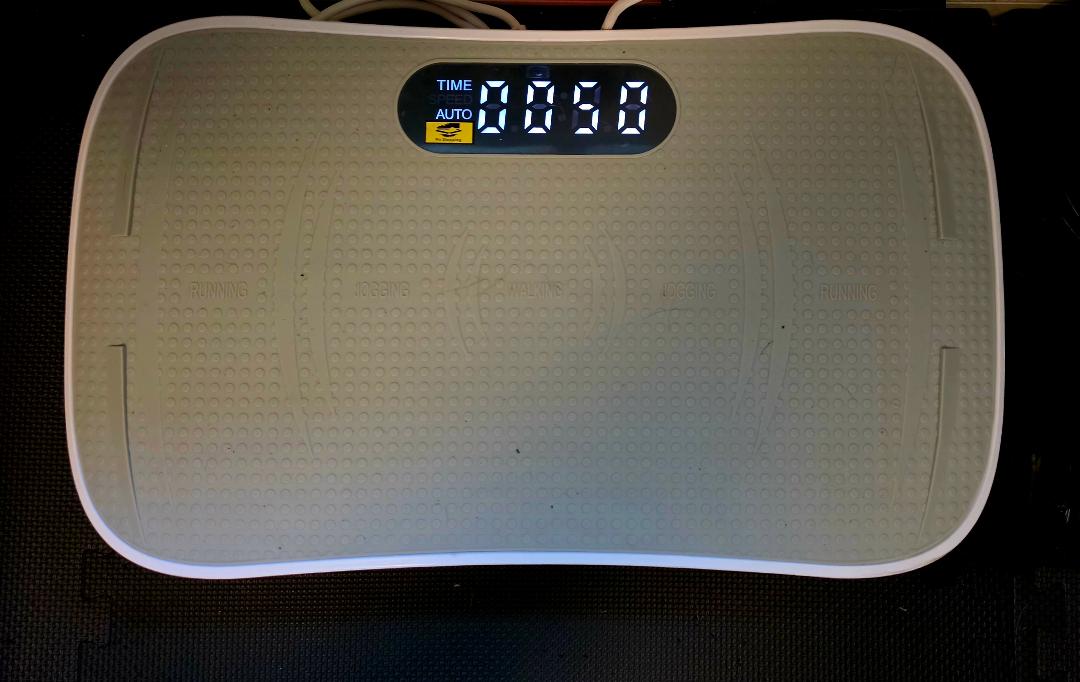
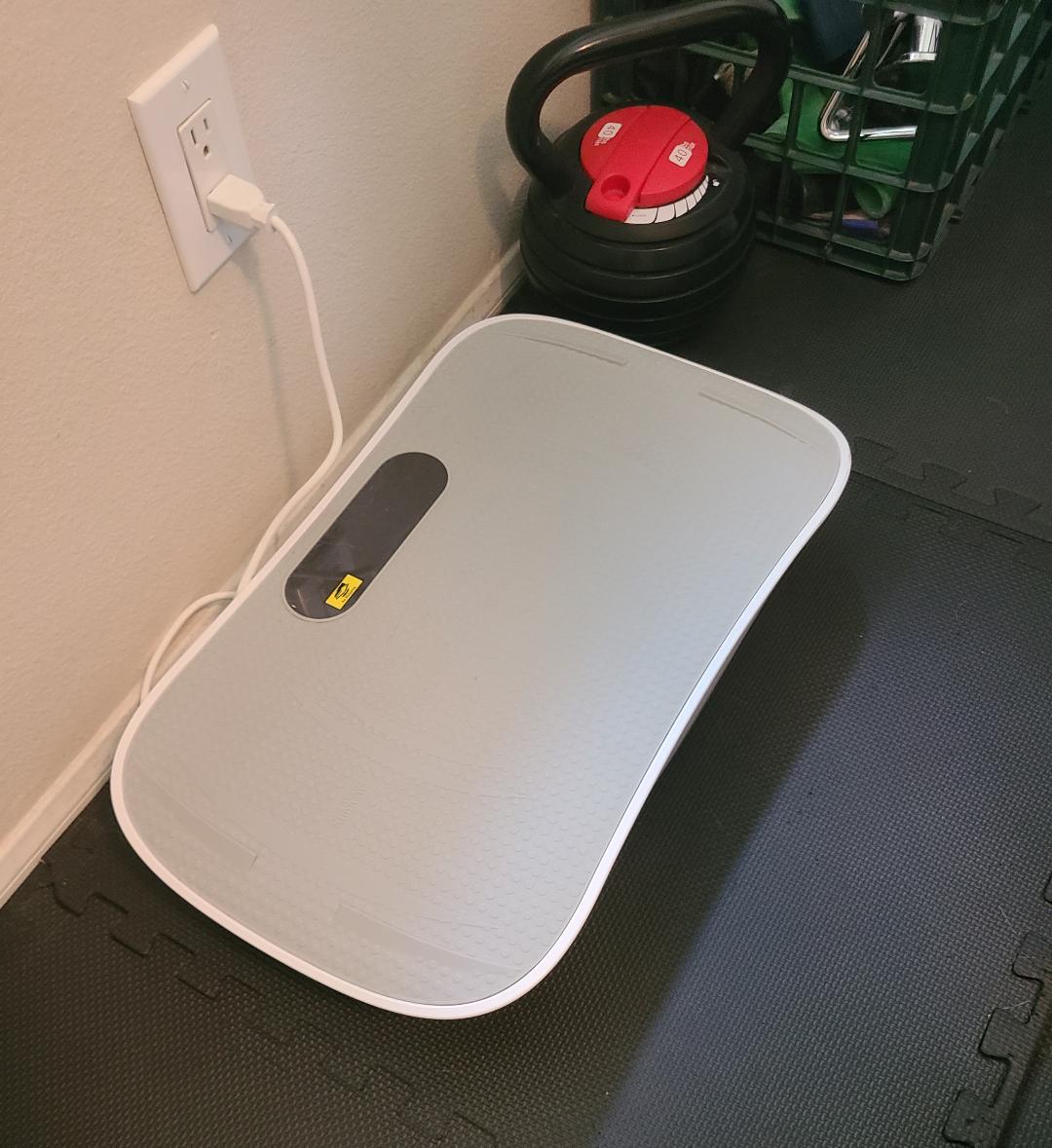
This is the vibration plate I use. There is a link in this article, but I am not being compensated for sharing the link. I truly like it!

Vibration plate therapy, also known as whole-body vibration (WBV), is a fitness and rehabilitation method that involves standing, sitting, or exercising on a machine with a vibrating platform. These vibrations transmit energy to the body, causing muscles to contract and relax dozens of times per second. One of the most appealing aspects of vibration therapy is that it doesn’t require a huge time commitment—even just 10 to 15 minutes a few times a week can offer substantial benefits. I make sure to use my vibration plate for 10 minutes daily, and once a week, I will double my time on the plate.

Key Health Benefits:

1. Improves Muscle Strength and Tone

The rapid muscle contractions stimulated by the vibration plate help build strength and tone. This can be especially helpful for people who find traditional strength training challenging due to joint pain or mobility issues.

2. Boosts Circulation

The vibrations encourage better blood flow, which can enhance oxygen and nutrient delivery throughout the body. This improved circulation supports cardiovascular health and may help reduce swelling in the extremities.

3. Enhances Lymphatic Drainage

The stimulation helps activate the lymphatic system, aiding in the removal of toxins and waste from the body. This can reduce puffiness and support immune function.

4. Increases Bone Density

Regular use has been shown to help maintain or improve bone density, making it a valuable therapy for those at risk of osteoporosis or bone loss—particularly postmenopausal women.

5. Supports Balance and Coordination

By challenging your stability, vibration therapy activates deep core muscles and can enhance proprioception (your sense of body position), which is beneficial for fall prevention and general agility.

6. Aids in Weight Management

While it’s not a calorie-torching workout, WBV can slightly boost metabolism and support fat loss when combined with a healthy lifestyle. It’s often used as a supplement to other forms of exercise.

7. Reduces Muscle Soreness and Aids Recovery

Athletes and physical therapy patients often use vibration plates to reduce delayed-onset muscle soreness (DOMS) and promote faster recovery after strenuous activity. This is the main reason why I bought a vibration plate for my home, and I swear it makes a huge difference in recovery from my workouts.

8. Helps with Joint Pain and Flexibility

The gentle stimulation can increase joint mobility and reduce stiffness, making it an appealing option for people with arthritis or chronic pain.


Minimal Time Commitment, Maximum Results

One of the greatest advantages of vibration plate therapy is how time-efficient it is. Sessions are short—typically 10 to 15 minutes—yet they activate multiple muscle groups simultaneously. This makes it an ideal option for busy individuals, older adults, or those recovering from injury who want a low-impact but effective form of exercise.

Whether you use it as a stand-alone therapy or a complement to a broader fitness routine, vibration plate therapy offers a wide range of benefits in very little time.

Why Home Gyms Rock

During my most recent visit to Hawaii in May of this year, I went to 24 Hour Fitness to get three workouts, and I was honestly rather disappointed in the experience. This is saying a lot, since I have always loved being in a commercial gym atmosphere. However, I have spent the past 5 years, ever since we were hit with Covid lockdown, primarily working out at home. I have become accustomed to being able to work on any body part I want, with whatever apparatus I need to use, without having to wait for equipment or work in with another human. I don’t have to wear earbuds for my music, and can blast whatever tunes I want without worrying about disturbing other gym goers. I don’t have to get in my car or drive anywhere, and I have 24-hour access without any additional fees. My gym smells nice and fresh, and all the equipment is clean.

Before you ask me if I can get full workouts in my home gym, I will tell you that I have no restrictions on what I can train while at home. I have a Marcy Smith Machine Multi-Gym, 285 pounds of weight plates, over 300 pounds of other weights, pulley assemblies, barbells, kettlebells, a hyperextension bench, incline bench crunch apparatus, etc. Right after I finish my workout, I hop onto a vibration plate for 10 minutes, and watch the squirrels in my neighborhood eat breakfast outside while I am getting my vibration therapy.

It’s home gym over commercial gym for me now!

Everyday Health Made Easy: Small Shifts That Build a Better You

Image: Freepik

Here’s an article with easy tips to get your mind and body in gear! It was written by Camille Johnson of Bereaver.com

Improving your health doesn’t have to mean turning your life upside down. It’s not about chasing extreme diets or waking up at 4 a.m. to train like an Olympian. Real wellness lives in the everyday stuff — how you move, what you eat, the way you breathe when life gets chaotic. When you stack up the right small habits, they start to carry serious weight, and before you know it, you’re showing up for yourself in a way that feels solid, not stressful.

Start the Day on Your Terms

Waking up just fifteen minutes earlier can be a game-changer, especially if you’re usually scrambling to get out the door. That short pocket of quiet lets you center yourself without jumping straight into reactive mode. Maybe it’s sipping coffee while watching the sun rise, maybe it’s journaling, stretching, or just sitting with your thoughts before the day floods in. Whatever you choose, starting slow gives you more control over how the rest of your day unfolds.

Prioritize Hydration

You’d be amazed at how often what feels like fatigue, hunger, or brain fog is actually just dehydration in disguise. Water isn’t flashy, but it’s fundamental. Carry a water bottle you like, refill it often, and drink before you feel thirsty. When you’re hydrated, your joints feel better, your digestion works smoother, and your mood steadies itself without much effort.

Invest in Career Fulfillment with an Online Degree

It’s hard to feel truly well when your work drains more than it gives. Career fulfillment isn’t just a luxury — it’s a major pillar of overall well-being, and sometimes, leveling up means going back to school with purpose. Choosing from an array of accredited online programs makes the process accessible and flexible; for example, online healthcare programs are readily available if you’re interested in healthcare administration. Online programs are built to support working professionals who want to grow without putting their lives on hold.

Protect Your Mental Bandwidth

You only get so much mental energy in a day — guarding it isn’t selfish, it’s survival. Say no when you need to, mute notifications that suck you into pointless scrolling, and don’t feel bad about opting out of drama. Protecting your peace helps you stay focused on what actually matters. You can’t do everything, and pretending you can is just a shortcut to burnout.

Begin a Fitness Routine That Works for You

The hardest part of any fitness journey is usually just getting started, especially if you’ve been out of the game for a while. Forget chasing fads or forcing yourself into workouts you dread — the key is finding something you don’t hate showing up for. You might begin with bodyweight moves at home, join a local walking group, or enroll in an online exercise program led by Stacey Naito, who brings both expertise and encouragement.

Eat With Intention, Not Restriction

Food doesn’t have to be complicated or joyless to be nourishing. You don’t need to give up the things you love, but it helps to check in with how meals make you feel, not just how they taste. Aim for balance — colorful produce, good fats, clean proteins — but leave space for treats without guilt. The goal is to enjoy food that fuels you, not follow a rigid plan that makes you dread your plate.

Create a Sleep Ritual You Actually Look Forward To

Scrolling your phone until your eyes burn isn’t exactly a bedtime strategy, even if it feels like wind-down time. Building a simple sleep ritual trains your brain to transition out of the chaos. Maybe it’s dimming the lights, reading for ten minutes, or running a hot bath before crawling under the covers. Sleep is when your body repairs, and if you treat bedtime like an afterthought, it’s going to show up in your mood, energy, and focus the next day.

Lean Into Joy and Human Connection

You’re not a machine — you need joy, spontaneity, and people who remind you who you are outside of your responsibilities. Grab coffee with a friend, take a weekend road trip, belt your favorite songs while driving. Laughter, touch, shared experiences — those aren’t extras, they’re part of feeling whole. When life starts to feel mechanical, reconnecting with others can shift everything back into color.

Well-being isn’t some far-off summit you have to claw your way up — it’s woven into the tiny, doable decisions you make every single day. When you show up for yourself with habits that support your mind, body, and spirit, you’re not just surviving — you’re building a life you actually enjoy living. Don’t wait for a perfect Monday or some magical motivation to strike. Start now, with what you have, and let those choices carry you to a version of yourself that feels stronger, calmer, and more alive.Elevate your wellness journey with expert nutrition and fitness plans from Stacey Naito—start transforming your lifestyle today!

The Five Keys To Optimal Brain Health (Repost)

Sharpens-Your-Brain

By: Dr. Stacey Naito – Physician and IFBB Pro

Even if your genetics put you at risk for developing dementia, there are numerous lifestyle and behavior adjustments which you can make in order to protect brain function and fight dementia. The five keys listed below are proven to improve brain health and keep your mind vital and sharp for decades.

1. MOVE YOUR BODY

Scientific research has proven that overall physical health is closely linked to brain health. Regular exercise aids in the maintenance of a healthy weight range, normal cholesterol levels, while also optimizing blood flow throughout the body and the brain and supporting the growth of new brain cells.

The benefits of physical health stem not only from regular exercise, but also from other good health practices. Support your brain’s health by doing the following:

• Exercise at least 30 minutes daily to relieve stress.
• Make sure to get between seven to eight hours of sleep each night.
• Refrain from using tobacco.
• See your doctor regularly.
• Maintain a healthy weight.

2. YOU ARE WHAT YOU EAT

Research studies indicate that diets which are low in saturated fats and cholesterol, and rich in polyunsaturated omega-3 fatty acids and nutrients like lutein and vitamin E, may have a protective effect on brain cells and overall brain health.

Brain-healthy dietary changes:

• Opt for healthy fats which are found in olive oil and fatty fish like salmon. Avoid saturated and trans fats.
• Consume a diet which incorporates milk, eggs, vegetable oils, nuts, whole grains, and dark leafy greens like spinach, all of which are rich in vitamin E. Vitamin E is an important nutrient which supports brain health. If you can’t get vitamin E from foods, you can take it in supplement form.
• Eat plenty of fresh fruits and vegetables, aiming for nine fist-sized servings each day. Select colorful fruits like cranberries, blueberries and tomatoes which are packed with powerful anti-inflammatory compounds known as polyphenols. Keep the skin on fruits and vegetables to maximize their nutritional benefits.
• Add lutein. Lutein is a potent antioxidant which is critical for eye and brain health. Foods which are rich in lutein include spinach, kale, turnip greens, collard greens, egg yolks, corn, and peas. You can also take lutein in supplement form.

3. EXERCISE YOUR BRAIN

Extensive research has proven that the brain continues to learn new skills and information throughout life, and benefits from frequent intellectual stimulation. Make sure to pursue new activities, education and games to challenge your mind. Read books to elevate your knowledge base.

How to stimulate your brain:

• Engage in regular sessions of a mental activity you enjoy, such as reading, word games such as crossword puzzles, or learning a foreign language.
• Get into a daily habit of learning a new word or fact.
• Master a new skill or subject each year.
• Manage stress and balance your energy by meditating. Meditation may help to reduce stress and body inflammation by soothing the vagus nerve, an important nerve which controls the body’s immune response.

4. NURTURE RELATIONSHIPS

Though we know that relationships with family and friends are key factors in a person’s happiness, regular social interaction promotes the formation of new brain cells and aids in brain repair. One study revealed that men and women who had the most social interaction had less than half the rate of memory loss as those who were the least socially involved. By visiting friends and family and being involved in community activities, you will protect brain health.

Social brain boosters:

• Spend time with your family and friends regularly, and make them a priority.
• Volunteer for an organization which surrounds a cause which you are passionate about.
• Work for as long as you can, and for as long as you feel motivated to do so.
• Join clubs and become involved in religious or spiritual activities which resonate with you.

5. BALANCE YOUR NEUROTRANSMITTERS

Brain function relies on important molecules known as neurotransmitters. Neurotransmitter levels affect mood, behavior, cognitive function, social function, digestion, sleep, weight regulation, and many other processes.

The problem with current society is that the vast majority of people have overly stimulated sympathetic nervous systems, which over time can drain the body of serotonin. The excitatory part of the nervous system dominates once the inhibitory neurotransmitters are depleted, resulting in anxiety and an inability to “wind down”. Eventually, even the excitatory neurotransmitters such as serotonin, epinephrine, norepinephrine and GABA are also depleted, and severe depression or chronic fatigue usually develop.

Conventional drugs cannot replenish these neurotransmitters, and in fact, tend to cause depletion of the neurotransmitters. This is the reason why some depression medications do not work on some individuals. The good news is that supplementation with amino acids can help to replenish deficient neurotransmitters.

How To Nourish Neurotransmitters:

• Eat a healthy diet. Neurotransmitter imbalance is aggravated by poor diet. Diets high in protein supply the brain with the amino acids it needs to replenish neurotransmitter levels.
• Consume branched chain amino acids to ensure a rich supply of neurotransmitter precursors.

REFERENCES
Neurotransmitter Assessment Brings Light to Management of Psychiatric Problems
Monday, 15 August 2005 00:59By Erik L. Goldman | Editor in Chief – Vol. 6, No. 3. Fall, 2005

Resistance Training: The Ultimate Anti-Aging Tool

Regular resistance training is one of the most powerful tools for maintaining youthfulness and slowing down the aging process. It benefits the body and mind in multiple ways, including preserving muscle mass and bone density, improving digestion, boosting cardiovascular fitness, and benefitting cognition and mental attitude. Let’s explore these in detail:

1. Muscle Mass Preservation and Growth

As we age, we naturally lose muscle mass—a process called sarcopenia—which can lead to frailty, loss of mobility, and metabolic decline. Resistance training:

  • Stimulates muscle protein synthesis, helping to maintain and build lean muscle.
  • Increases metabolic rate, making it easier to maintain a healthy weight.
  • Enhances insulin sensitivity, reducing the risk of type 2 diabetes.
  • Supports functional strength, improving balance and reducing the risk of falls and injuries.

2. Skin Integrity and Anti-Aging Effects

The skin’s health and appearance are directly affected by lifestyle choices, including exercise. Resistance training:

  • Improves circulation, ensuring better oxygen and nutrient delivery to skin cells.
  • Stimulates collagen production, which helps maintain skin elasticity and reduces wrinkles.
  • Reduces cortisol levels, lowering inflammation and minimizing stress-induced skin aging.
  • Increases human growth hormone (HGH) levels, which contributes to cell regeneration and youthful skin.

3. Digestive Health and Metabolism

Aging often slows digestion and can lead to issues like bloating, constipation, and poor nutrient absorption. Resistance training:

  • Speeds up metabolism, ensuring efficient digestion and energy utilization.
  • Stimulates gut motility, reducing the risk of constipation.
  • Helps regulate hormones like insulin and cortisol, which affect digestion and appetite control.

4. Cardiovascular Fitness and Longevity

While resistance training is not traditionally associated with cardio health, it plays a crucial role in keeping the heart young. It:

  • Lowers blood pressure and improves vascular flexibility, reducing strain on the heart.
  • Enhances circulatory function, improving blood flow and oxygen delivery to tissues.
  • Reduces inflammation, lowering the risk of heart disease.
  • Helps control cholesterol levels by reducing LDL (bad cholesterol) and increasing HDL (good cholesterol).

5. Joint Health and Mobility

Contrary to the myth that weightlifting damages joints, resistance training actually protects and strengthens them. It:

  • Increases the production of synovial fluid, which lubricates the joints.
  • Strengthens the muscles around joints, providing better support and stability.
  • Reduces inflammation associated with conditions like arthritis.
  • Improves flexibility and mobility, reducing stiffness and pain.

6. Bone Density and Strength

Osteoporosis and bone fractures become major concerns with aging. Resistance training combats this by:

  • Stimulating osteoblast activity, which helps build stronger bones.
  • Increasing bone mineral density, reducing the risk of fractures.
  • Enhancing posture and balance, minimizing fall-related injuries.
  • Supporting calcium and vitamin D absorption through hormonal regulation.

7. Hormone Regulation: Testosterone, HGH, and More

One of the most underrated benefits of resistance training is its ability to optimize hormone levels, which naturally decline with age. Strength training has been shown to:

  • Boost testosterone production, which is essential for muscle maintenance, fat metabolism, energy levels, and libido in both men and women.
  • Increase human growth hormone (HGH), which supports tissue repair, fat loss, and skin regeneration.
  • Improve estrogen balance in women, reducing the risk of osteoporosis and metabolic disorders.
  • Lower cortisol levels, reducing stress, inflammation, and belly fat accumulation.
  • Improve thyroid function, enhancing metabolism and energy levels.

8. Mental Attitude and Cognitive Health

Aging isn’t just physical—it’s mental. Resistance training improves cognitive function and emotional well-being by:

  • Releasing endorphins, reducing anxiety and depression.
  • Boosting dopamine and serotonin, improving focus, clarity, and happiness.
  • Enhancing memory and brain function, reducing the risk of dementia.
  • Increasing self-confidence, making you feel strong and capable at any age.

9. Resistance Training and Insomnia

Struggling with sleep? Resistance training can help improve sleep quality and reduce insomnia by:

  • Reducing cortisol levels, helping the body wind down for sleep.
  • Boosting deep sleep cycles (slow-wave sleep), which is crucial for recovery and memory consolidation.
  • Regulating circadian rhythms, ensuring better sleep-wake cycles.
  • Reducing stress and anxiety, making it easier to relax at bedtime.
  • Increasing energy during the day, leading to natural tiredness at night.

Conclusion

Regular resistance training is one of the most powerful ways to stay young, both physically and mentally. It preserves muscle, strengthens bones, supports joints, enhances skin health, regulates digestion, protects the heart, optimizes hormone levels, improves sleep, and boosts mental well-being. If you want to age with strength, vitality, and confidence, lifting weights should be a non-negotiable part of your lifestyle! 💪