Want to Revamp Your Eating? Try This Meal Plan…

I have had so many questions about how to eat in a healthy fashion that I am posting a sample meal plan which will balance your metabolism, optimize fat burning, and impart greater energy.  This meal plan incorporates dairy, fish, wheat, nuts and poultry, so keep that in mind if you have certain sensitivities or are practicing a vegetarian or vegan lifestyle.  Make sure to eat every two to three hours to keep your metabolism whirring throughout the day.  It’s a good idea to pack your meals the night before so they are ready to go the next day.  Keep in mind that this meal plan is not for competitors, but for the average person who either wants to eat healthier and who might want to lose weight.

For those of you who want a more customized plan, please contact me at hot.hapa@yahoo.com for rates on packages.  You may also visit my websites at http://www.1hothapa.com and http://www.staceynaito.com.

Sample Meal Plan:

MEAL 1 – 4 egg whites with 1 tablespoon tomato salsa, 1/3 cup old fashioned oats (NOT instant!) with dash cinnamon, 1/4 cup blueberries, 1 tablespoon slivered almonds or walnut pieces, 1/4 cup almond milk

MEAL 2 – 1 cup Greek yogurt (Fage is my favorite brand) with 1 apple

MEAL 3 – 5 ounces tilapia or mahi mahi, 2 cups Romaine salad with cherry tomatoes, 1/2 sliced cucumber, 2 teaspoons olive oil, 1 tablespoon balsamic vinegar, 2/3 cup green peas

MEAL 4 – whole wheat wrap filled with 4 ounces chopped grilled chicken breast, 1 tablespoon low fat mayo, 1/4 cup chopped celery, spices of your choice

MEAL 5 – Two slices Ezekiel bread with 1 tablespoon raw almond butter or peanut butter (no sugar or salt added), 2 hard boiled egg whites

MEAL 6 – 4 ounces salmon, 1/2 cup whole wheat pasta, 10 asparagus spears, 2 cups spring greens salad with 2 teaspoons olive oil, 1 tablespoon balsamic vinegar
Move Over, Potato Chips…Here Come Healthy Kale Chips!

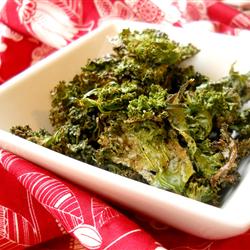
Kale chips are a healthy alternative to potato chips and they are absolutely DELICIOUS!   You can either purchase these ready-made from stores like Whole Foods or save a considerable amount of money and make them at home.  They are incredibly easy to make, even for people who are oven-shy.  YUM!

Preheat oven to 375 degrees
You will need a large bunch of kale, about the size of a basketball.  Rinse and dry very thoroughly.  Separate the leaves from the thick stems and break up into small bite size pieces.  Spread out on cookie sheets.  Drizzle one tablespoon of olive oil over pieces.

This is where it gets fun.  You can sprinkle Parmesan cheese, garlic powder, black pepper, kosher salt, or use my favorite which is lemon pepper (Trader Joe’s makes a great version).

Bake for approximately 15 minutes, until edges turn sightly brown and kale is crispy.  Remove from pan and allow to cool before eating.

Tips on Healthy Grocery Shopping

Grocery stores are designed to tempt shoppers to make impulse purchases.  Such impulse buys can be especially tempting if you are ravenous with hunger when you shop.  Here are some guidelines which will help you to make healthy food choices when perusing a traditional grocery store.

1.    Shop around the perimeter of the store – Most processed foods are found in the aisles of a regular grocery store, while whole foods like fresh produce and meats are found around the perimeter.

2.    Read food labels – Be aware of hidden sugar, sodium, artificial flavors and colors, and preservatives.

3.    Keep purchases of packaged foods to a minimum – Beware of foods which are packaged in boxes, bags, or cans, as these foods tend to be filled with preservatives.

4.    Prepare a shopping list and stick to it – Making a list will ensure that you do not forget any necessary items and will also help prevent impulse purchases if you adhere strictly to the items which are on your list.

5.    Eat a meal before you shop – If you shop for groceries when you are satiated, you will be less likely to make impulsive purchases or buy more than what you need.

6.    Fill your cart with fruits, vegetables, whole grains, lean meat, fish, poultry, nuts and beans. 

7.    Try a new fruit or vegetable each week – This will add variety to your meal plan.

8.    Spend the most time during your shopping trip in the produce section.

9.    When choosing whole grain cereals, aim for at least 4 grams of fiber per serving – Make sure the sugar content is minimal.

10.  Choose lean cuts of meat – Good beef cuts are round, top sirloin and tenderloin.  When buying poultry, purchase the skinless variety.

11.  Choose frozen fruits and vegetables over the canned variety.

12.  Avoid food items that contain more than five ingredients, artificial ingredients, or ingredients you can’t pronounce. 

13.  Be careful when choosing bread – Many refined breads are dark from added molasses, caramel or other coloring.   Look for breads which contain 100% whole wheat or other grain as their first ingredient.  Try to avoid enriched wheat flour as it is actually made with processed white flour.  Make sure the bread you select has at least 2 grams of fiber per slice.

14.  Select fish which is high in omega-3 fatty acids – Best selections are salmon, rainbow trout, lake trout, and tuna.

LOWEST MERCURY:

  • Anchovies
  • Catfish
  • Clam
  • Crab
  • Crawfish
  • Flounder
  • Haddock
  • Herring
  • Mackerel
  • Mullet
  • Oyster
  • Perch
  • Pollock
  • Salmon
  • Sardine
  • Scallop
  • Shrimp
  • Sole
  • Squid
  • Tilapia
  • Trout
  • Whitefish

15.  Choose strong-flavor chesses – Sharp cheddar, feta and Parmesan have strong flavors which means you will need to use less to flavor your foods.

16.  Purchase Greek yogurt – Greek yogurt is thicker and creamier than other varieties, and the protein content is much higher.  My favorite is Fage Total 0-Percent Greek Yogurt.

17.  If you must buy frozen entrees, make sure they contain less than 400 calories, 4 grams of saturated fat, and 600 milligrams of sodium, with at least 14 grams of protein and 2 grams of carbohydrate.

18.  Add vegetables and/or cooked brown rice or quinoa to your frozen entrée to increase the size and nutrition level of the meal.

19.  Add frozen fruit to cooked oatmeal to provide sweetness without added sugar.

20.  Eat oatmeal – Make sure to buy regular oatmeal, not the instant variety.

‘Tis The Season – How To Stay Lean During The Holidays

Last year I posted a little blurb about off-season maintenance which I think deserves a re-post.  This is especially appropriate since I recently made homemade (unclean) fudge and plan to make it again.  Keep in mind that you can still indulge in these little cheats as long as you keep the rest of your meals clean.  If you do this, you can absolutely maintain a good degree of leanness throughout the holiday season.

There are a few tricks to minimize the amount of bad foods which you may be tempted to devour.  You can consume a small amount of lean protein right before you have a carb cheat.  This will slow down digestion so that the carbs aren’t stored as readily.  Another trick is to drink a glass of water before you indulge in a decadent treat.  This will help to fill you up so you consume less food afterward.  When you are aware that you will be at a function in which tempting foods will be around, make sure your meals beforehand are kept clean and that you you eat every 2-1/2 to 3 hours to ensure that you won’t be ravenous come party time.  One of the worst things you can do is skip meals beforehand in hopes that the caloric deficit will balance out the overindulgence later.  All this does is squash your metabolism and increase your chance of overeating.

As long as you eat clean the remainder of the time, you should be able to stay within a few pounds of your maintenance weight if you do not compete, or within a few pounds of competition weight if you do compete.  Case in point:  I have been eating clean the vast majority of the time, with rare cheats here and there.  Though I was not in contest prep mode for NPC Nationals on November 9th and 10th, I weighed in that week at 117 pounds which is one pound over my competition weight, and had a waist measurement of 22.75 inches.  Last week, I had pizza twice but kept all other meals clean, and was able to maintain my weight at 117 lbs. with a 23 inch waist measurement.  The last thing I want to do is to unravel the results of all the hard work I have invested and continue to invest into my physique.  I did not skip any meals when I had these fun foods but just continued on my usual clean food path.

Some of you may be wondering what the cleanest choices are when you are at the holiday banquet.  Though this reflects the common holiday foods which are rather calorie dense, here are some of the better choices out of the bunch:

  • Roast turkey breast
  • Green beans without butter
  • Mashed potatoes made with whipped butter and Greek yogurt instead of milk and regular butter
  • Pumpkin Pie

Some of you may also be wondering what I am planning on cooking and eating, so here is my Thanksgiving menu:

  •  16 pound turkey
  • my secret stuffing recipe which has lots of goodies in it but is relatively low in fat and calories compared to other exotic stuffing recipes
  • mashed potatoes made with light butter and Greek yogurt
  • creamed spinach
  • my homemade fudge
  • whole cranberry-mandarin orange relish
  • turkey gravy
  • rolls
  • wine
  • store-bought chocolate pecan pie (which I probably won’t eat)

Obviously there are some items on my menu that fall outside of my “clean food guidelines”, but since the holidays only come once a year, and since I am only cooking one holiday feast which will be served on one day, I have no qualms about it.   This is the time during which we should count our blessings and spend quality time with the people we love without getting anxious about what we are eating.  However, this does not mean you have free license to go nuts on bad foods for the next month!  If you end up indulging in other foods, don’t beat yourself up.  Instead, enjoy the feast and resume healthy eating the next day.  Happy holidays!

Supplements I Won’t Live Without

If you saw the piles of supplements I take each day, you would probably gag.  But I am very consistent about taking each supplement and have felt the difference when I have had to go without something for a day.  When I integrated each supplement into my regimen, I made sure to add only one supplement at a time in order to determine my tolerance for each one.  It was by doing this that I was able to determine that I could not tolerate chondroitin, so I switched my glucosamine formula to one that had MSM instead.

Here is a list of supplements which I take on a daily basis, along with some of their associated benefits:

  • multivitamin/multimineral – numerous benefits
  • fish oil – healthy fat source, protective to cell membranes
  • flaxseed oil – healthy fat source, protective to cell membranes
  • biotin 5000 mcg – healthy hair and nails, regulation of blood glucose
  • B-complex – supports memory, combats effects of stress
  • DIM-Plus – supports healthy estrogen metabolism
  • collagen – some benefit in joints
  • cranberry extract – urinary tract health
  • zinc 50 mg – general cell health
  • li>

  • ALA 300 mg (twice daily) – regulation of blood glucose, optimizes carbohydrate consumption
  • phosphatidylserine complex 200 mg – adrenal support
  • glutamine 12 grams in divided doses per day – muscle building support
  • digestive enzymes (three times daily) – digestive support

By no means am I suggesting that you take what I take.  I just get lots of questions about what supplements are part of my regular regimen.  If you decide to take any supplement, make sure it does not interfere with any medical conditions you have or interact with any medications you may currently be taking.  Also be aware that some products have ingredients which may cause allergic reactions.

If you decide to start taking certain supplements, add each one in ONE AT A TIME and give it a couple of weeks to determine your level of tolerance.

  • vitamin C 1000 mg – immunity, antioxidant, lowers blood pressure, diuretic effect
  • calcium 500 mg (three times daily) – bone health
  • DHEA 10 mg – adrenal support
  • folic acid 800 mcg – lowers blood pressure
  • CoQ10 100 mg – cardiovascular support
  • curcumin 300 mg – anti-inflammatory
  • glucosamine/MSM – joint support
  • branched chain amino acids – muscle building support
  • 7-keto 50 mg – thermogenesis
  • GABA 750 mg – memory support
  • CLA 1250 mg (three times daily) – optimization of fat metabolism</
  • My Favorite Clean Snacks

    I will start out by saying that I rarely allow myself to snack on foods that are not on my meal plan.  However, every once in a while I will get a hankering for something different, and will allow myself to indulge in small yet healthy food items.

    Here are some of my favorite snacks:

    • 1 cup of Fage nonfat Greek yogurt with 1 tablespoon agave nectar, 1/4 cup fresh blueberries or dried cranberries, and 1/4 cup high protein granola
    • Lundberg Sesame Tamari rice cake with 1 tablespoon of spicy hummus
    • low carb wrap (if I use the P28 wrap I will use 1/2 wrap) with 1 tablespoon of spicy hummus, 3 ounces of shredded chicken, dash of hot sauce and 1/2 cup mixed greens
    • low carb wrap with 1-1/2 tablespoons of raw almond butter and 1/2 sliced banana
    • 1/2 apple and 1/4 cup raw almonds or raw walnuts
    • 1 slice of toasted P28 Bread with 1 tablespoon of raw almond butter
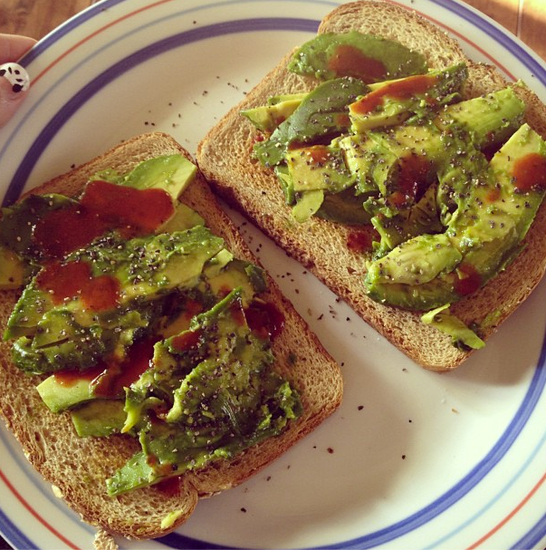
    • 1 slice of toasted P28 bread with 1/2 sliced avocado, hot sauce, garlic powder and fresh black pepper
    • 1 sliced tomato with several slices of buffalo mozarella and a drizzle of olive oil with fresh black pepper
    • Quest Bar
    • Protein shake made with unsweetened almond milk and 3-4 ice cubes (EvoPro Chocolate is my favorite)
    • pancake made with 1 scoop vanilla protein powder, 1/4 cup dry rolled oats, dash unsweetened almond milk and 3 egg whites
    • 4 ounces Hinoichi Firm Tofu scrambled with 3 egg whites, 1/2 cup brown rice, dash of low sodium soy sauce
    • 1 inch slice of vegan banana bread (one of these days I will share my secret recipe which I developed and which is moist and DELICIOUS!


    The general guideline I use, besides selecting foods I truly love, is to make sure I get a decent amount of protein in each snack.  I also make sure that the fat in my meal comes from a healthy source.

    I hope this dispels the rumor that snacks cannot be healthy, nutritious or filling.

    What’s In My Kitchen?

    When I first began competing in 2009, I decided to rid my pantry of food items which contained unhealthy ingredients.  Things like bleached flour, granulated sugar, canned soups, dry soups, crackers and breads were cleared off the shelves.  Frozen dinners were tossed out, as were cheeses, cold cuts, cow’s milk, and juices.  I replaced those items with whole foods which I continue to stock on a regular basis.


    Here is a list of items which I have on hand at least 95% of the time, if not constantly.  I also eat these items on a daily basis:

    • eggs
    • boneless, skinless chicken breast
    • ground turkey
    • ground beef
    • orange roughy or tilapia
    • old fashioned oats
    • brown rice
    • rice cakes
    • whole wheat pasta
    • marinara sauce
    • whey protein isolate
    • P28 Bread Products
    • spinach leaves
    • asparagus
    • romaine lettuce
    • cucumber
    • green peas
    • green beans
    • yams
    • apples
    • prunes
    • bananas
    • almond butter
    • raw almonds
    • raw walnuts
    • olive oil
    • balsamic vinegar
    • almond milk


    With respect to pantry items, I always have:

    • green tea bags
    • ground coffee
    • tomato salsa
    • hot sauce
    • oat flour
    • couscous
    • cream of wheat
    • a LARGE variety of all types of spices


    Occasionally, I will purchase:

    • firm Japanese tofu
    • fresh salmon filet
    • flank steak
    • Fage Nonfat Unflavored Greek Yogurt
    • Nonfat feta cheese
    • Spicy Hummus


    I make sure to avoid stocking forbidden foods for the most part, though I do admit that there are a couple of gluten free cracker brands which I will purchase from time to time, as well as chocolate peanut butter, 70% cacao bars and a high protein granola.  Keep in mind that these items are RARE treats and for whatever reason I have enough willpower to let these items sit on the shelf for the vast majority of the time.

    The key to shopping in a healthy fashion is to purchase whole foods and also be prepared to purchase these items at least once weekly for maximum freshness.


    Stay tuned for segments on how to cook for a whole week so that you have all your food ready to go for a busy work schedule!

    The Beginner’s Guide to a Flat Belly!

    Many years ago I earned the nickname “Ab Queen” due to my naturally defined midsection (thanks Mom and Dad!) and  my penchant for working my abs consistently.  I realize that I am very blessed to have the genetic predisposition to defined abs but I do not take it for granted.  I also realize that for many people the abdominal region is the most problematic area from which to eradicate excess fat.  This is due in part to genetics, lack of exercise, excess cortisol release, and improper diet.   In an effort to aid those who may believe that attaining defined abs is a pipe dream, I am posting some general guidelines.

    BEGINNER’S AB REGIMEN:

    Diet: 

    The most important thing you can do is to completely eliminate processed foods, including sugar, white flour, carbonated sodas and luncheon meats from your regular daily intake.  This alone will aid tremendously in carving up your abs and slimming down your waistline.  Try to eat 5 or 6 small meals consisting of the following in each meal:

    • Lean protein (3 to 5 ounces) – Good examples are skinless chicken breast, tuna, tilapia, salmon, orange roughy, eggs, and ground turkey breast.
    • Vegetables (1 to 2 cups) – Spinach, Romaine lettuce, kale, zucchini, red bell peppers, green beans, green peas and eggplant are excellent choices.
    • Grains (1/3 to 2/3 cup) – old fashioned oats, brown rice, quinoa, couscous, sweet potatoes and new potatoes are excellent choices.

    Make sure to get adequate hydration!  This means that you should take in at least two liters of WATER (that’s right, coffee, sodas and alcohol do NOT count).

    Exercises:


    Perform the following exercises in order, completing the number of repetitions indicated.  You can perform 3 to 4 sets for each exercise, then move to the next exercise.

    Crunches – Lie on your back on a mat with feet on floor and knees bent.  Cross your arms on your chest.  Raise your head and shoulders off floor a few inches by contracting your abdominals, then return to start.

    Reverse Crunches – Lie on your back with knees bent and feet a few inches off floor.  Slowly contract abdominals while rotating pelvis up and bringing knees towards your chest.  Hold, then return to start.

    Bicycle – Lie on your back hands behind head and knees lifted to a 45-degree angle.  Move legs as if pedaling on a bicycle while touching your elbow to the opposite knee as you twist back and forth.

    Stability Ball Crunches – Lie on a stability ball with it positioned under your lower back.  Place hands behind head.  Contract your abdominals and lift your torso off the ball while keeping the ball stable.  Lower back down to start position.

    Plank – Lie on your belly on the floor, then raise body up by resting on your forearms with shoulders directly above your elbows while also coming up on your toes (more challenging) or knees (less challenging).  Hold this position for three deep breaths and return to start.

    Food Is Not The Enemy: Three Valuable Lessons I Have Learned About Dieting

    All too often children formulate emotional associations with food which extend into adulthood. Some of us might have been coerced as youngsters into consuming every morsel on our plates, while others may have developed fixations on foods which delivered a feeling of comfort in the midst of stressful times. Many times the foods which appeal to us are very closely linked to our ethnic heritages and continue to tempt us when we find ourselves at family gatherings. I am half-Japanese and consequently grew up eating glutinous white rice on a daily basis as a child. When I began omitting this substance from my diet I recall feeling guilty, as though my Japanese ancestors would never forgive me for shunning a staple food.

    There is no doubt in my mind that the food associations I had formulated as a child set the stage for aberrant eating. Once I entered my late teens, I developed a pathological relationship with food which was intimately linked with the quest for perfection, and found myself inextricably trapped in guilt when eating calorie dense food items. Over the span of a few short months I developed the classic signs of anorexia nervosa, consuming a paltry amount of calories, taking laxatives and keeping a daily log of calories and fat grams consumed. Yet I was fortunate enough to overcome this disorder within a year.

    I have been successful over the past two decades in maintaining a healthy relationship with food. However, there are rare occasions in which I am tempted to indulge in forbidden foods, especially during the last couple of weeks prior to a competition. In an effort to assist others in “staying the course”, I have defined three primary guidelines which have been instrumental in keeping me in line.

    1. Food is fuel

    A particularly insidious relationship with food is one in which eating is a mostly emotional event. One may stubbornly insist on indulging in cultural comfort foods, rationalizing that they define one’s character. Though it was challenging for me to omit sticky white rice from my diet, it became easier over time. When I allow myself this rare indulgence, my gut will rebel within minutes, thus reinforcing the message that such cultural ties are not worth the gastrointestinal insult which ensues.

    Those who are involved in contest prep follow rigid meal plans which place “regular” foods on the banned list. If strong emotional ties to food exist, avoidance of forbidden foods may be a torturous undertaking. However, by regarding food simply as fuel which the body requires for optimal function, the emotional component can be virtually eliminated. I have noticed that when I am less than thrilled about consuming prepped meals consisting of asparagus, green beans, spinach, tilapia, or salmon, I simply remind myself that these foods are considered fuel and that they serve specific purposes. I also pay attention to how my body processes these foods versus how it fails to properly digest prohibited foods.

    2. A little planning goes a long way

    I can already hear readers grumbling about the arduous ritual of food prep because it invariably occupies a good portion of at least one day of the week. However, prepping meals ahead of time and having them stored in individual storage containers acts as an insurance policy to prevent any dietary transgressions. When I consult patients for weight management I make sure to show them my food cooler and explain to them that I travel with my food on a daily basis. I go to such an extent that I will attend dinner meetings and social events with my food in tow. People will frequently shoot odd glances in my direction, and some may even ask why I would do such a thing. These queries often take place while a calorie-laden dessert is being served and various individuals are lamenting about how said dessert will derail their efforts to shed the excess pounds they have been carrying around. However, I never have to worry about scrambling to find clean food items as long as I remain adequately prepared.

    3. Listen to your body

    Hunger is a primary biological drive which signals a departure from a balanced physiological state known as homeostasis and which is essential for our survival. This drive is so deeply rooted in our evolutionary history that the main regulator of hunger and satiety, the hypothalamus, is also one of the oldest portions of the brain. There also exists a potent psychosocial component to the hunger drive which may at times supersede the biological element. Thus it is important to differentiate between a pure physiological need for sustenance and a psychological one, especially when the food sources contain little nutritional value.

    By tuning into one’s biological need for food and permitting the body’s natural feedback loop which signals satiety, overeating can be avoided. There is some research which has revealed a slight depletion of dopamine receptors in the brain. The very neurotransmitter which is a driving force of hunger and which generates a mild euphoric feeling during meals is hence depleted during binges, and has also been found to be depleted in obese individuals. This engenders a vicious cycle in which one needs more food over time to generate the same feeling of euphoria.

    Most people have experienced the physical discomfort which comes with consuming excessive portions of food, but consider what physical symptoms may manifest after such a session:

    • Nausea
    • Gas
    • Heartburn
    • Difficulty breathing
    • Sleepiness

    The most prudent course of action when sitting down to a meal is to remain aware of the body’s response to the foods ingested and to discontinue the activity if there are clear signs of discomfort or pain.

    Summary

    Though it can be challenging to develop relatively neutral responses to foods which may have in the past evoked feelings of joy, or conversely, revulsion, such neutrality will ensure that the power remains with the individual, and not with the food items.