Tag Supplements
Natural Libido Enhancers
Originally published on mensphysique.com on Wednesday, 05 June 2013
http://www.rxmuscle.com/blogs/the-lab-supplement-school/8399-natural-libido-enhancers.html

Testosterone is responsible not only for optimal muscle mass, it is also vital for sexual drive and function. For those of you who compete, chances are that you are already consuming several of the foods, minerals and herbs which are known to enhance testosterone production, but let’s review them here. If you are having issues with a lagging libido, you might want to add a couple of substances that are not yet in your regimen.
ZINC: This mineral has an essential role in testosterone production, and for this reason EVERY man (barring any medical contraindication) should make sure that he consumes enough zinc to maintain normal levels in the body. The most readily absorbed form of zinc is found in animal protein, which is normally consumed in large quantities by people in the bodybuilding and fitness industries. Another well known source of zinc is oysters, but these are not usually consumed on a regular basis. You may wish to supplement your animal protein intake with zinc tablets or capsules to ensure optimal levels of zinc.
L-ARGININE: This amino acid is also referred to as Nature’s Viagra due to its support of nitric oxide release during sexual arousal. Perhaps you may have noticed a sexual surge when pumping iron at the gym and pounding your pre-workout matrix. You can thank l-arginine for that surge since it maximizes nitric oxide release and thus blood vessel dilation EVERYWHERE in the body. That translates to firmer erections in the bedroom. Great food sources of l-arginine include red meat, poultry, salmon, garlic, oatmeal, nuts, beans and dairy products.
MACA: This herb has been used for centuries to increase sex drive and function.
HORNY GOAT WEED: This potent herb is quite effective at increasing libido with little to no side effects.
MUIRA PAUMA: Another herb known for enhancing the libido.
GINSENG: Enhances libido.
YOHIMBINE HCL: I am not a huge fan of yohimbine due to its side effects (gastrointestinal upset, sudden blood pressure drops, nausea), but it can be effective in increasing blood flow to the genitals. Make sure to look for the pharmaceutical grade product if you choose to use this substance. Take 5 to 10 milligrams three times daily.
TRIBULUS: This is also known as devil’s Weed, and has been used for many years as a natural libido booster. Tribulus contains saponins which stimulate the production of luteinizing hormone in the pituitary gland, thus supporting the body’s production of testosterone. However, the general consensus is that tribulus does not have an appreciable effect on boosting testosterone levels, but it still has a positive effect on libido.
ASPARAGUS: Many of you are aware of the diuretic effect of this vegetable, but asparagus is also a rich source of vitamin E, which enhances sex hormone production. Asparagus also triggers production of histamine which facilities orgasm.
AVOCADOS: This fruit is not only rich in healthy fats, it is also loaded with folic acid, vitamin B6 and potassium, all of which support optimal androgen production.
BANANAS: Bananas are rich in bromelain which enhances libido and may help with erectile dysfunction.
CELERY: This vegetable increases androstenone and androstenol in a man’s sweat and also increases the patency (decreases risk of clogging) in the arteries.
CHOCOLATE: I had to include this despite the fact that it is not the most contest friendly substance. Chocolate is rich in arginine, which increases nitric oxide levels in the body and supports strong erections. It also supports feelings of sexual desire by supporting dopamine secretion via a substance called phenylethylamine.
Hormone Roller Coaster
Originally published on RxGirl on Tuesday, 09 April 2013

http://www.rxmuscle.com/rx-girl-articles/7895-hormone-roller-coaster.html
Oh, to be a woman. We are blessed with goddess energy and are also capable of being strong and muscular while holding onto our femininity. But with our female distinction we also have hormonal fluctuations which can wreak havoc on our health and our moods. It can be a tricky thing to keep estrogen and progesterone levels balanced consistently, especially for those of us who compete. Estrogen imbalance can also bring about early menopause, premenstrual symptoms, menstrual irregularities, and skin issues.
Women who practice a healthy diet, regular exercise, adequate sleep and stress management have the best chance of keeping their hormones in balance throughout their cycles. Overly processed foods, especially refined sugars, should be avoided. Strength training is also an excellent way of regulating estrogen levels in the body. However, I realize that the majority of you who are reading this are already on board with clean eating and weight training, but may still struggle with mood swings, food cravings, menstrual irregularities, and menstrual cramps.
Here are some tips on how to combat mood swings and food cravings which may emerge each month. These supplements will not affect contest prep, and may actually equip you with the best chance of staying on track even during THAT time of the month.
MOOD SWINGS: I am a big fan of the B vitamins because they are proven to reduce stress and anxiety. In fact, I make sure that all of my patients who suffer from depression and anxiety take a B-complex supplement to regulate their mood. It is also a good idea to take magnesium glycinate to restore the magnesium that is depleted during times of stress. Start with 250 milligrams daily, then increase to three times daily with meals. If you get drowsy or have frequent bowel movements, decrease your dose down to once or twice per day.
FOOD CRAVINGS: One of the reasons why women tend to crave chocolate around that special time of the month is because they are often deficient in magnesium, which is found in high amounts in chocolate. For this reason, I suggest taking magnesium glycinate(as stated before) to normalize magnesium levels in the body. Dosage parameters are the same, but if you prefer, you can take magnesium for two weeks at a time, starting a week before your period and ending a week after you get your period.
Another great supplement to take for food cravings is alpha lipoic acid. Take 100 milligrams three times daily. If you really get slugged with strong food cravings before flow visits, add chromium picolinate (200 micrograms three times daily) and vanadyl sulfate (10 milligrams three times daily) to your regimen.
The Many Benefits Of Cinnamon
Originally published on mensphysique.com on Tuesday, 05 March 2013
http://www.rxmuscle.com/blogs/the-kitchen-eating-strategies/7644-the-many-benefits-of-cinnamon.html

Most of you have added cinnamon to your meal plans and know what a flavor boost it can provide to an often dull and monotonous regimen. Some of you also recognize the health benefits which cinnamon provides. This article is directed at individuals who are not aware of the powerful health benefits of this spice.
Ever since I discovered the health benefits of cinnamon a few years ago I have made sure to incorporate a half-teaspoon of this fragrant spice in my first meal of the day. Cinnamon spice is obtained from the bark of the cinnamon tree and can be purchased either in its whole quill form (cinnamon sticks) or as ground powder. I find it more convenient to use the powdered form, but a cinnamon stick in a mug of hot tea is fantastic on a cold winter day.
Cinnamon got a lot of attention a few years back in a 2003 study involving patients with diabetes. Subjects who were given 1, 3 or 6 grams of cinnamon per day demonstrated a measurable reduction in blood sugar, triglycerides, blood pressure, body fat mass, waist circumference, LDL cholesterol and total cholesterol. Studies conducted since that time have determined that cinnamon helps to stabilize blood sugar levels by decreasing insulin response in non-diabetics as well.
As if the blood sugar stabilizing effects weren’t enough, cinnamon has the following health benefits:
· ANTI-FUNGAL AND ANTI-CANDIDA: Especially effective in individuals who are prone to yeast overgrowth.
· ANTI-CLOTTING EFFECT
· ANTIOXIDANT PROPERTIES
· RELIEVES PAIN FROM ARTHRITIS
· INHIBITS BACTERIAL GROWTH AND FOOD SPOILAGE
· FIGHTS ULCER CAUSING H. PYLORI
· FIGHTS E. COLI BACTERIA IN UNPASTEURIZED JUICES
· INHIBITS GROWTH OF LEUKEMIA AND LYMPHOMA CANCER CELLS
· NATURAL MIGRAINE REMEDY
· EXCELLENT SOURCE OF MANGANESE (almost 50% of RDA)
· GOOD SOURCE OF CALCIUM AND DIETARY FIBER
Cinnamon is a versatile spice which can be added to savory dishes while also enhancing sweeter dishes. It can also serve to curb cravings for sugary food items because of its satisfying flavor. Cinnamon is especially tasty in tea, oatmeal, cream of wheat, protein pancakes. If you haven’t added this amazing spice to your daily meal regimen, I highly recommend you do so today!
What Is 7-Keto?
Originally published on mensphysique.com on Sunday, 17 February 2013
http://www.rxmuscle.com/blogs/the-lab-supplement-school/7523-what-is-7-keto.html
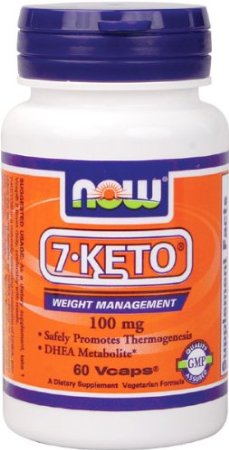
For those of you who do not know what 7-Keto is, it is a metabolite of the hormone dehydroepiandrosterone (DHEA), which has gained popularity among those who are interested in battling the aging process. Keto-7 boosts immune function and helps to reduce body fat without the risk of conversion to estrogen and testosterone which characterizes DHEA.
Keto-7 (or 7-Keto) is a brand name for the chemical 3-acetyl-7-oxo-dehydroepiandros-terone which is a metabolite mainly produced in the adrenal glands and skin as well as the brain. Levels of this compound rise in the body until about age 20, then start to drop after age 30, declining by 50% by age 50. When Keto-7 levels drop, body fat and total body weight tend to increase, and immune function drops as well. In addition, since the decline in Keto-7 is more pronounced than that of cortisol, cortisol becomes dominant and further challenges the strength of the immune system. So it certainly makes sense to supplement the body with Keto-7 as we age.
Probably the best features of Keto-7 are that it carries no negative side effects, is rapidly absorbed and does not accumulate in the body over time. It counteracts the effect of circulating glucocorticoids such as cortisol, thereby conferring a protective effect on the body’s immune function. For those of you who are asking how it can enhance your health and performance, consider the fact that Keto-7 is a powerful thermogenic and can cause an appreciable increase in the body’s metabolic rate. The process by which Keto-7 does this is by enhancing the activity of three thermogenic enzymes which stimulate fatty acid oxidation. These enzymes drive liver cells to burn fatty acids for energy, resulting in lowered triglycerides. In addition, Keto-7 causes a surge in thyroid hormone activity which further stimulates fat oxidation. Another encouraging effect of Keto-7 on the body is that it improves the blood cholesterol profile. Though Keto-7 only has a slight effect on decreasing LDL cholesterol, it causes a significant increase in HDL levels, thus shifting the total cholesterol profile. Keto-7 also causes a significant rise in apolipo-protein A-1 which has a protective effect on cardiovascular health.
Many proponents of Keto-7 supplementation suggest combination therapy with both Keto-7 and DHEA. Both of these substances can work in tandem to boost estrogen and testosterone levels to optimum range. DHEA can cause facial hair growth and oily skin in women who take large amounts of DHEA, so the use of Keto-7 with a smaller dose of DHEA can eliminate this problem. DHEA cannot be administered to individuals with prostate cancer or breast cancer, which makes Keto-7 an acceptable alternative.
Make sure to supplement with Keto-7 in the morning when the body’s natural production is at its peak. I take my dose with my first meal in the morning, but you can also take this supplement on an empty stomach. Some proponents advise taking two doses daily, but I believe a 100 mg dose once daily in the morning suffices for most individuals. Avoid taking it in the evening, as it may stimulate brain activity and result in insomnia.
Keto-7 should be taken by anyone who wants to combat the aging process and improve body composition without adversely affecting natural hormonal levels of estrogen and testosterone.
Ironman Magazine January 2014 Hardbody Feature

Click to access IRONMAN-JAN2014-HARDBODY.PDF
Please read the full article by clicking on the link above. In this article I mention SWAT Fuel 9mm thermogenic fat burner. What I love about this particular fat burner is that I have never, ever gotten the jitters or shakes from it, yet it is extremely effective in giving me great energy and the ability to focus on whatever task I am engaged in, whether it is seeing patients at work, lifting weights at the gym, or writing articles. This product keeps me going on days when I may be at risk of going through an energy slump. I enthusiastically recommend 9mm and 9mm+P (which contains an appetite suppressant) to those of you who want to accelerate fat loss, maintain focus and energy, and avoid the jitters.
Fenugreek Enhances Performance
Originally published on mensphysique.com on Wednesday, 16 January 2013
http://www.rxmuscle.com/blogs/the-lab-supplement-school/7362-fenugreek-enhances-performance.html

Fenugreek (Trigonella foenum-graecum) is a plant indigenous to India and Northern Africa that has demonstrated effectiveness in treating sexual dysfunction and which can increase sexual arousal partially by boosting testosterone levels. Fenugreek also has a myriad of other benefits, among them reductions in cholesterol and lower fasting blood glucose levels in diabetics. For this article, let’s focus on performance related benefits which fenugreek offers.
A 2011 study which examined the effects of 600 milligrams of fenugreek extract versus placebo in men who suffered from erectile dysfunction found a significant increase in sexual arousal and stamina in the men who were supplemented with fenugreek. Fenugreek also helped to maintain a normal testosterone level in the test subjects. For many men, that is reason enough to supplement with this plant, but fenugreek also has a beneficial effect on body composition and strength.
One published study from 2010 examined 49 men who engaged in regular resistance training and had them supplement with either 500 milligrams of fenugreek extract daily or with a placebo. During this time, the participants continued a four-day per week weight training program. After eight weeks the subjects were assessed in their strength while performing bench presses and leg presses and also had their body fat measured. The men who were given fenugreek supplementation had significant improvements in both weight training strength and body fat percentage when compared with the group who were given the placebo. In addition, a measureable increase in testosterone levels was discovered in the men who took fenugreek.
The reason for the boost in testosterone which fenugreek confers is due to a substance known as diosgenin. Diosgenin is one of a class of substances known as steroidal saponins, substances which can be converted to the sex hormones testosterone, progesterone, and estrogen. In men, diosgenin increases the testosterone metabolite DHT, which is then converted easily to testosterone. For this reason, it may be especially helpful to take supplements with fenugreek in men who have fluctuating or low natural testosterone levels.
Why Zinc Is So Important
Originally published on mensphysique.com on Friday, 04 January 2013
http://www.rxmuscle.com/blogs/the-lab-supplement-school/7294-why-zinc-is-so-important.html

Zinc is a vital mineral which is found in every tissue in the body due to its involvement in cell division. In the world of fitness and bodybuilding, zinc has a number of roles, including maintenance of normal hormonal levels, proper endocrine function, body composition, energy levels, optimal physical performance and protein synthesis. Thus it is crucial to maintain normal levels of zinc in the body when training or prepping for a competition.
Zinc is highly concentrated in meat, dairy and some seafood. This is why vegetarians most commonly suffer from zinc deficiency. So how can you tell if you suffer from a zinc deficiency? Common symptoms include an altered sense of taste which leads to cravings for sweets and salty foods. Other symptoms of zinc deficiency include low energy, infertility, low libido, memory problems, poor immunity and diarrhea.
A relatively easy way to test yourself to see if you are deficient in zinc is to do a taste test. Take 1 to 2 teaspoons of zinc sulfate (you can get this at health food stores) and add to a cup of water. If it tastes just like water, you are very zinc deficient. If you experience a slightly metallic taste, you are moderately zinc deficient. If it is strongly metallic and unpleasant, you most likely have normal zinc levels. Please bear in mind that this test is never as accurate as a blood test, but at least it will give you an idea of what your levels are.
For those of you who want to know the specific health benefits of zinc, here is a list of benefits.
Enhances Strength and Athletic Performance:
Zinc plays a major role in anabolic hormone production which makes it a key player in optimizing athletic performance and strength. When zinc levels in the body are normal, more growth hormone and insulin-like growth factor-1 is released, which result in enhanced muscle growth and performance. Researchers have also noted that zinc enhances the conversion rate of androstenedione to testosterone, which improve strength gains during the recovery phase.
Enhances Reproductive Health and Fertility in Both Men and Women:
The cells of the male prostate require an extremely high concentration of zinc for proper function. To give you an idea of how much zinc is necessary in the prostate, male prostate tissue requires ten times more zinc than other cells in the body for normal function. There is a correlation between low zinc levels in men and increased risk of developing prostate cancer and infertility. There is also evidence to support the link between low zinc levels and low libido. Another implication with low zinc levels is its importance in maintaining optimal testosterone levels. Men with low zinc also tend to have low testosterone, which puts them at greater risk of andropausal symptoms.
In women, proper levels of zinc are essential for egg maturation and ovulation. Zinc also optimizes utilization of estrogen and progesterone and regulates their levels. During pregnancy, zinc plays a vital role in ensuring proper cell division in the growing fetus and helps to prevent premature delivery.
Essential For Taste, Smell and Appetite:
Zinc activates areas in the brain that process information from taste buds in the mouth and olfactory cells in the nasal passages. In addition, levels of zinc in the plasma influence taste preference and appetite. Many programs which treat anorexics use zinc to revive taste and appetite.
Makes Skin, Hair and Nails Healthy:
Zinc accelerates skin cell renewal which is why it is commonly used in diaper rash creams, acne treatments and creams which are used to treat dermatitis. It has strong anti-inflammatory properties and has a soothing effect on rashes, burns and blisters. Some shampoos contain zinc to help prevent dandruff. What you may not know is that zinc is important for healthy hair and that low zinc levels can cause hair loss, dull and thin hair, and loss of pigmentation.
Essential For Vision:
Zinc is found in high concentrations in the retina, but this level declines with advancing age, precipitating age-related macular degeneration which is characterized by a partial or complete loss of vision. Zinc also has a protective effect against the development of cataracts and night blindness.
Supports Cardiovascular Health:
Zinc is vital to normal cardiovascular function. When levels of zinc are low, the endothelial layer in blood vessels becomes inflamed and accumulates cholesterol deposits, both of which increase one’s risk of heart disease. Low levels of zinc can amplify the negative cardiovascular effects of diets which are high in fat and cholesterol, whereas adequate levels of zinc will inhibit the progression of heart disease.
Increases Insulin Sensitivity:
The presence of zinc is essential for normal function of most hormones, including insulin. Zinc binds to insulin and aids in storage in the pancreas as well as release of insulin in the presence of serum glucose. In addition, zinc is found in the enzymes which enable insulin to bind to cells so that glucose can be utilized for fuel, a process better known as insulin sensitivity. Why is this important? If zinc levels are low, enzyme levels drop, insulin sercretion drops and glucose remains in the bloodstream, a process which can lead to diabetes if it is chronic.
Improves Mood:
Dopamine, a chemical in the brain which boosts mood and energy, is partially regulated by zinc, so zinc once again plays an important role in the body. There is also evidence to support the theory that the presence of zinc boosts serotonin levels in the brain.
Supports Immune Function:
Zinc supports T cell function and is thus strongly tied with combating inflammation. T cells are responsible for mounting an immune response to invaders such as bacteria or viruses.
Has Potent Antioxidant Effect:
Zinc can remove toxins from the body and prevent accumulation of harmful compounds in tissues. This mechanism has a protective effect against the development of cancers, especially in the prostate, ovaries, pancreas, breast and colon. In addition, zinc prevents the buildup of heavy metals in the brain such as aluminum, which has been closely linked with Alzheimer’s disease.
If you suspect that you are deficient in zinc, you can supplement daily with 20 to 30 milligrams.
Why You Should Add Curcumin To Your Diet
Originally published on mensphysique.com on Sunday, 09 December 2012. The original post was published with white text on white background, so the only way to read it on the site is to highlight the text. To make things easier for everyone, I have copied and pasted the article here for you to read.
http://www.rxmuscle.com/blogs/the-lab-supplement-school/7143-why-you-should-add-curcumin-to-your-diet.html
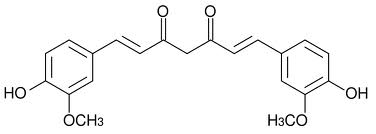
Antioxidants have become a hot topic in combating disease in recent years, and the list of these substances has grown thanks to extensive research which has been conducted and disseminated to the public. A particularly powerful antioxidant is curcumin. Curcumin, an extract which is derived from turmeric, has been used in Asian curries for many centuries and has also been used for treatment of arthritis and other health conditions. Only recently has curcumin received attention from the United States regarding its remarkable benefits as a potent antioxidant.
Perhaps the most exciting potential benefit of curcumin is that it may help to prevent and treat cancer by inhibiting cancer cell growth and the growth of blood vessels which feed into tumors. There is some speculation that curcumin can prevent cancer cells from multiplying and is also capable of causing self-destruction of cancer cells. As if this wasn’t enough, there is a possibility that curcumin may prevent Alzheimer’s Disease by decreasing the accumulation of amyloid which characterizes this disease.
Here is a list of other benefits which curcumin confers:
· Accelerates wound healing
· Acts as a cleanser for the liver
· Regulates metabolism and assists in weight loss
· Reduces LDL cholesterol and raises HDL levels
· Decreases severity of inflammatory skin disorders such as psoriasis
· Acts as a natural painkiller
If these reasons are not enough to compel you to add curcumin supplementation into your meal plans, consider the fact that curcumin reduced the COX-2 enzyme in the body, thus decreasing the pain and swelling of arthritis. In fact, recent studies revealed that curcumin was even more effective than ibuprofen (Motrin, Advil) in its anti-inflammatory effects. One particular study in Italy which was conducted on 50 patients, all of whom had confirmed knee osteoarthritis, found a 58 percent decrease in reported overall pain and stiffness as well as an improvement in physical functioning among the curcumin group versus the control group.
How To Take Curcumin
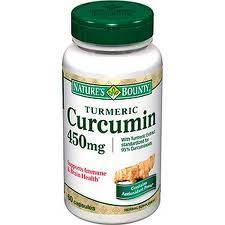
Some individuals may prefer to ingest curcumin in the form of straight turmeric powder which can be added to meals or tea. However, I prefer to take curcumin in capsule form. If you opt for the capsule version, look for formulations which contain piperine, or black pepper extract. Piperine augments the gastrointestinal absorption of curcumin. Recommended daily dosage is 400 to 600 milligrams per day. For acute flare-ups of arthritis or other musculoskeletal pain, you can double the dosage until the acute phase abates.
Supplements Women Need
Originally published on RxGirl on Friday, 30 November 2012. The original post was published with white text on white background, so the only way to read it on the site is to highlight the text. To make things easier for everyone, I have copied and pasted the article here for you to read.
http://www.rxmuscle.com/rx-girl-articles/7082-supplements-women-need.html
The number of nutritional supplements which are available today can be pretty intimidating to those who are not familiar with the benefits which they confer on those who take them. If you also consider the performance supplements which are marketed to fitness-minded individuals, and which are marketed mostly to men, women are often left bewildered. Since it is my aim to address the issues of women in this article, I will not discuss general supplements such as multivitamins, CLA, fish oil, CoQ10 or the like. Rather, I will focus on supplements which have demonstrated efficacy in treating female-specific woes.
Biotin: This substance promotes growth of healthy hair and nails and is something I have taken daily for many years. Though I have horribly thin nails (and continue to suffer from them despite biotin), my hair has actually gotten considerably thicker in the past ten years, and I honestly believe that biotin has played a large role with respect to my hair health. Another great benefit of biotin is the demonstrated effect it has on regulation of blood glucose. I recommend taking the maximum dose possible, 5,000 micrograms per day.
Calcium: Calcium is a mineral which is a critical component of bone health. There are three mistakes I see people making when taking this supplement:
1. Taking it without Vitamin D or magnesium – Both Vitamin D and magnesium must be present in order for the body to be able to absorb calcium.
2. Taking it on an empty stomach – Calcium is best absorbed when taken with food.
3. Taking large doses at one time – The body is unable to absorb much more than 500 milligrams of calcium at one time. Since the general daily dose in women of childbearing age is 1,000 mg, supplementation should be broken up into 2 doses of 500 milligrams each per day.
DHEA: Dehydroepiandrosterone (DHEA) is a precursor hormone which is produced in the adrenal glands which is later converted to sex hormones such as estrogen and testosterone. Levels of DHEA fall with advancing age and can also decline as a result of exposure to stress. Signs of declining DHEA include stress, fatigue, memory loss, depression, dry skin, and decreased libido. Women are struggling with infertility may also find that DHEA will increase their fertility by promoting hormonal balance and ovulation. I generally feel that any woman over the age of 35 would benefit from supplementation with DHEA at 5 to 15 milligrams per day.
Folic Acid: Many women are aware that supplementation with folic acid decreases the risk of neural tube defects in a developing fetus, but not many know that folic acid has been proven to lower blood pressure in women and prevent development of hypertension. A daily dose of 800 micrograms is advised.
ALA: Alpha lipoic acid, or ALA for short, is effective in regulating blood glucose, optimizing carbohydrate consumption and reducing sugar cravings. Effective dose ranges are between 100 to 200 milligrams, taken two to three times daily.
Chromium Picolinate: Chromium picolinate can decrease sugar cravings and is effective at regulating blood glucose. A dose of 200 micrograms three times daily is optimal.
Vanadyl Sulfate: This is another supplement which can curb sugar cravings. Take 10 milligrams three times daily.
Phosphatidylserine Complex: This supplement supports the adrenal glands during stressful times. Those with poorly functioning adrenal glands should not take this supplement. A daily dose of 200 milligrams taken earlier in the day is recommended.
Melatonin: Melatonin is well known for its effectiveness in balancing out sleep patterns and treating insomnia. This is due to the fact that it reduces cortisol levels (cortisol is known as the stress hormone). Women who suffer from infertility should not take this as it can aggravate the condition. Start with 0.5 milligrams shortly before bedtime and slowly increase the dose by 0.5 mg increments ever few days until you get the desired effect. Do not take more than 5 mg in a dose. Some experts recommend that melatonin only be taken in the short term for isolated insomnia bouts.

B-Complex – B-complex formulations consist of the following: B complex capsule contains the following vitamins: folic acid, thiamine (B1), riboflavin (B2), niacin (B3),panthothenic acid (B5), pyridoxine (B6), cyanocobalamin (B12) and biotin. This complex supports memory, improves mood, decreases anxiety and combats the effects of stress. It also boosts metabolism, thus increasing energy. I have encountered remarkable responses to B-complex in people who have suffered from depression and who did not respond to prescription antidepressants. I recommend 100 mg per day.
GLA: Gamma-linoleic acid can be very effective in treating the symptoms of PMS, such as menstrual cramps and breast tenderness, especially when taken in tandem with magnesium and vitamin B6. Take 500 to 1,000 milligrams per day.
Magnesium Glycinate: This is a highly bioavailable form of magnesium which helps not only with PMS but also with hot flashes which some menopausal women experience. Recommended dosage is 250 milligrams one to three times daily, and should be taken with food.
Vitamin B6: Vitamin B6 is effective in mellowing the symptoms of PMS, menopause, and morning sickness associated with early pregnancy. It is also effective for depression, acne, and bladder inflammation. Take between 50 to 600 milligrams per day in two to three divided doses.
Cranberry Extract: This is an excellent supplement for good urinary tract health, as it renders the inner bladder walls slippery so that bacteria are unable to adhere to them. Any women who have recurrent bladder infections should take this supplement at a daily dosage of 400 to 500 milligrams.
Diindolylmethane: This extract is found in cruceiferous vegetables such as broccoli and cauliflower and supports healthy estrogen metabolism by optimizing breakdown of excess estrogen. A great formula is DIM-Plus by Nature’s Way. Take two capsules per day.
 dr. stacey naito's blog