Maintaining A Healthy Perspective With Contest Prep Plans

The following article is featured on SportsNutritionSupplementGuide.com as well:

http://sportsnutritionsupplementguide.com/authors/authoritative-experts/stacey-naito/item/1496-maintaining-a-healthy-perspective-with-contest-prep-plans#.VVezzPlVikp
brainfood1

Those of us who compete are well aware of the critical importance of following specific meal plans which are designed to optimize lean muscle mass and promote fat loss. However, these meal plans, especially during cutting phases, can be extremely restrictive. In our quest for attaining the ideal physique for whatever division we compete in, we may find ourselves in a spiral of obsessive nose-to-the-grindstone adherence to foods we may have grown to abhor, intertwined with strong temptation to deviate from the plan and indulge in forbidden foods, only to berate ourselves afterwards for doing so. After all, we are only human, and after weeks or months of eating clean, we may be so exasperated with daily servings of asparagus, tilapia, chicken breast, and sweet potatoes that our emotional food triggers may kick in and undermine our contest prep efforts.

With orthorexia, there is an unhealthy fixation on clean foods and one’s moods are dictated by how rigidly a clean diet is maintained. So how is this different from what competitors do in the weeks leading up to a competition? The mentally healthy approach is to regard food simply as fuel and to dismiss any emotional association with particular items. I have been witness to and a participant in the fantasizing of forbidden foods in a manner akin to lustful, sexual craving. I have heard competitors talk backstage at length about all the foods they were planning to indulge in immediately following their final visit onstage for the night.

What I find interesting about such food fixations is how they are distinguishable from anorexic behavior. When I was 19, I battled anorexia, dropping to 85 pounds on a 5’5’’ at my lightest. With anorexics, they have a clear and complete aversion to calorie-rich foods and have successfully turned off any interest or cravings for such items, whereas with bulimics, orthorexics and many healthy competitors in contest prep mode, coveting indulgent foods is rather commonplace. Among all these groups, there is a propensity for obsessive and compulsive behaviors. One may argue that such obsessions and compulsions are a vital component of contest prep and that without such tendencies a competitor will lack the focus necessary to succeed.

It seems apparent that competitors as a general rule, are dangerously close to that fine line which separates a healthy relationship with food from orthorexia. I remember quite well how rigid I was about the food I ate when I was anorexic and even kept a daily food journal in which I wrote down the calories and fat grams of every food substance ingested. I also recall how horrified and ashamed I was of myself when I would reluctantly consume a food I regarded as fattening.

Over 20 years later, I have a healthy relationship with food and for the most part regard it as fuel. Yet I am immersed in the world of contest prep and like many other competitors will balk and grumble about the clean foods I must eat. There are times when the mere thought of eating another spear of asparagus seems like the most disgusting activity in the world. On the rare occasion that I find myself in a restaurant, I find it an alien concept to peruse a menu and actually be able to order whatever I want from any part of the menu. There are also times during which my metabolism is in hyperdrive and I could eat almost nonstop for the duration of the day.

Here’s the thing: if I indulge in something that is not part of a contest prep meal plan, I don’t flog myself. Rather, I allow myself to enjoy the rare treat and move on. If you find yourself wallowing in extreme anxiety and prolonged guilt over ingesting a food item which is on the banned list, beware. This could signify the beginning of a food-related psychopathology.

Women’s Health & Fitness: Relationship-Based Solutions For Female Clientele Of Any Age

Please click on this link to read the original blog submission for the month of May in which I was a featured contributor:

http://us9.campaign-archive2.com/?u=2a517c301526ee432715a7f55&id=a975e73eed&e=fe80cede46

Many women can often be intimidated by health club or gym environments for a multitude of reasons. Women who don’t have a clue how to use unfamiliar exercise machines may find the experience of navigating through a whole collection of them rather terrifying.

As if that isn’t enough, some women question their ability to perform exercises with the necessary degree of coordination, balance and strength. Other women may hold onto the common misconception that lifting weights will make them extremely muscular and masculine, so they will shy away from free weights and weight machines, opting instead for more aerobic style activities. What is remarkable is that once these women are educated on the importance of regular exercise and proper nutrition, they experience profound health benefits which impact every aspect of their lives.

Gym owners who are willing to make an effort to address the unique concerns of women have a wonderful opportunity to build trust in their female clients, while also potentially increasing revenue by offering classes, training packages, classes, supplements and apparel which are designed for women.

If one-on-one training is offered at your facility, make sure to develop a group of trainers which can motivate female clients and address their unique concerns without making them feel inadequate or overwhelmed. Women also tend to have more questions about how to eat healthy, and often practice chronic caloric restriction which their bodies eventually adapt to, making it more difficult to drop those last few pounds, so it also makes sense to offer nutritional advice or refer female clients out to a dietician or nutritionist who is affiliated with your facility. Once the clients begin to experience physical and mental transformations, they become great cheerleaders for the gyms in which they train.

On a personal note, I am a proponent of weight training and supportive nutrition, especially in older individuals. One of the cruel consequences of aging is that a progressive loss of muscle occurs, beginning as early as one’s 20’s. I explain to clients that resistance training and an increase in protein intake are both critical for combating the insidious deflation of muscle and sagging skin which are the dreaded signs of advancing age.

It is important to make clients aware of the fact that resistance training will increase muscle-fiber diameter and overall strength, as well as naturally boost growth hormone and testosterone levels in the body.

Such hormonal and metabolic boosts can be incredible blessings for a menopausal woman who has been riding the unpredictable and often uncomfortable wave of hormonal decline, which is fraught with hot flashes, mood swings and, insomnia.

Basically, it is never too late to begin strength training!

For more information on age-related muscle loss in older women, please read my feature article in the September 2014 issue of Muscle & Body Magazine.

Clean Eating or Eating Disorder?

Muscle-Building-Dietfood-and-exercies

Most people are familiar with anorexia and bulimia, but there is a lesser known eating disorder which has high prevalence in the world of competitive bodybuilding.  Though it is not classified as an official eating disorder, orthorexia meets the criteria of one:  obsession, social isolation, and emotional lability.

Orthorexia is an obsessive-compulsive disorder which involves an obsession with healthy eating.  The orthorexic will go to great lengths to avoid foods which contain substances he determines to be unhealthy, such as fats, preservatives, processed foods, etc.  For an orthorexic individual, the focus is on the quality of food, which is in stark contrast to the anorexic’s focus on quantity.  Frequently this disorder may begin as a normal diet or an effort to eat in a healthier fashion, but after some time is taken to the extreme.  In the quest for pure, clean foods, the sufferer becomes obsessed and self-imposed food restrictions become a primary focus.

The distinction between normal individuals and orthorexics is that the health conscious person will practice moderation and won’t wallow in guilt if they indulge in a food which may be deficient in healthy nutrients.  In contrast, the orthorexic individual will obsess about the quality of food and will feel extremely guilty after straying from a self-imposed rigid diet.

Physical Signs and Symptoms of Orthorexia:

  • Because orthorexics limit themselves to foods they deem healthy, they may appear emaciated or malnourished

Behavioral Signs and Symptoms of Orthorexia:

  • Social isolation
  • A tendency to eat alone
  • Aversion to certain foods which have been deemed dangerous or disgusting
  • Criticism of people who don’t engage in healthy eating
  • Experience extreme pleasure in eating properly
  • Feel guilty when they deviate from a rigid diet
  • Strong desire to eat forbidden foods when under stress
  • Has difficulty eating foods prepared in a restaurant or by another person

Medical Signs and Symptoms of Orthorexia:

  • Malnutrition
  • Hypotension
  • Weakness
  • Calcium deficieny
  • Anemia in those who avoid animal protein
  • Decreased gastric motility
  • Abdominal bloating
  • Constipation

An essential element in contest preparation for competitive bodybuilding, physique, fitness, figure and bikini divisions is rigid meal planning.  As a result of this, competitors often dance along, and sometimes cross, the fine line that separates clean eating from a psychopathological relationship with food.  When taken to the extreme, sufferers may experience medical signs of malnutrition similar to anorexia.  While it is common for a competitor to experience feelings of guilt when a specific contest prep meal plan is not adhered to, warning flags should go up when a competitor becomes so obsessed with such transgressions that compensatory behaviors are adopted, such as excessive cardio sessions, laxative usage or starvation.   If such behaviors are commonplace for an individual, behavioral intervention will become necessary in order to restore one’s emotional and physical well-being.

Since prepping for competitions places excessive pressure on an individual and underscores the pursuit of “perfection” in the sport, orthorexic behavior may be so irresistible that it is rationalized as a necessary component of one’s prep.  This in and of itself makes orthorexia particularly insidious and dangerous.

You Know You Are A Die-Hard Competitor When…

292570_402146109815831_628597727_n
• You eat most of your meals out of plastic containers
• You avoid restaurants because it is too tough to find clean choices
• You will only travel somewhere if there is a gym nearby
• You think vascularity and sweat are sexy
• You gaze longingly at forbidden foods
• You know what a protein bomb is!
• The smell of tanning solution is very familiar to you
• If you are a lady, you know what it means to use a cup in the restroom
• You have a love-hate relationship with asparagus, fish, and/or chicken
• You walk around your house in clear heels and practice posing when showtime approaches
• You know what two-a-days are
• You are accustomed to using dark sheets and towels post-tan

Competitors, can you think of any others you would like to share here?

Use Social Media To Blow Up Your Brand

social media logos
Those of you in the world of fitness and bodybuilding who have aspirations of becoming the next big fitness sensation have chosen an amazing industry, but it is saturated and the competition is fierce. These days, the most successful fitness people have built social media followings which help to get them on the map and generate interest in what they have to offer. The individuals who really stand out are the ones who know their target audience’s interests and needs, and accommodate them by posting relevant material which continues to lure their followers back to their profiles.

It doesn’t really matter how buff, attractive, or photogenic you are if you don’t have an understanding of how to appeal to your audience. It is no surprise that the pool of beautiful, fit people who are scrambling for stardom is considerably large, which makes it vital for fitness people to establish something unique and marketable if they want to rise to the top of the heap. This is where branding comes in. What IS your brand? What is your message? Do you know your target audience?

You can look at trends from social media to see who is following you and target the largest group. Then you need to determine what it is about you that grabs that target audience, whether it is your age, your gender, a specific training style, a distinctive look, a great product, etc. Once you have done that, you can use hashtags on social media to describe your unique qualities and to spark the interest of your target audience. If you have a certain key phrase you use all the time, USE IT! It is astonishing how effective using a key phrase can be in promoting your personality.

There are so many social media platforms now (Twitter, Facebook, Instagram, Pinterest, LinkedIn, Flickr, Vimeo, YouTube, etc.) that you have countless opportunities to build your fan base and also build your brand. Be sure to also tag your friends and industry people who are in your corner and believe in what you have to offer. There’s nothing like having a cheering section of friends who can help spread the word and grow your social media tree.

Make sure you have a website which is updated regularly, and direct your followers to that website whenever possible. Though having a slick website is a nice bonus, it is more important to have SOMETHING for followers to go to, even if it is a free site like Wix or WordPress. Many people will just shy away from fitness personalities who do not have a site established. There are several website template sites which are decent and which provide all the basics you need. Once you have established your brand, you can always upgrade to a more complex or detailed site.

On another note, I am always surprised by how many people want to establish a foothold in the fitness industry, but do not have business cards. I cannot tell you how unprofessional you look when you are trying to network, only to tell interested parties that you do not have a business card to hand to them. Business cards are pretty inexpensive these days, and in some cases free (Vistaprint.com is one site which offers free cards), so GET ON IT!

Progress Pictures Of One Of My Clients

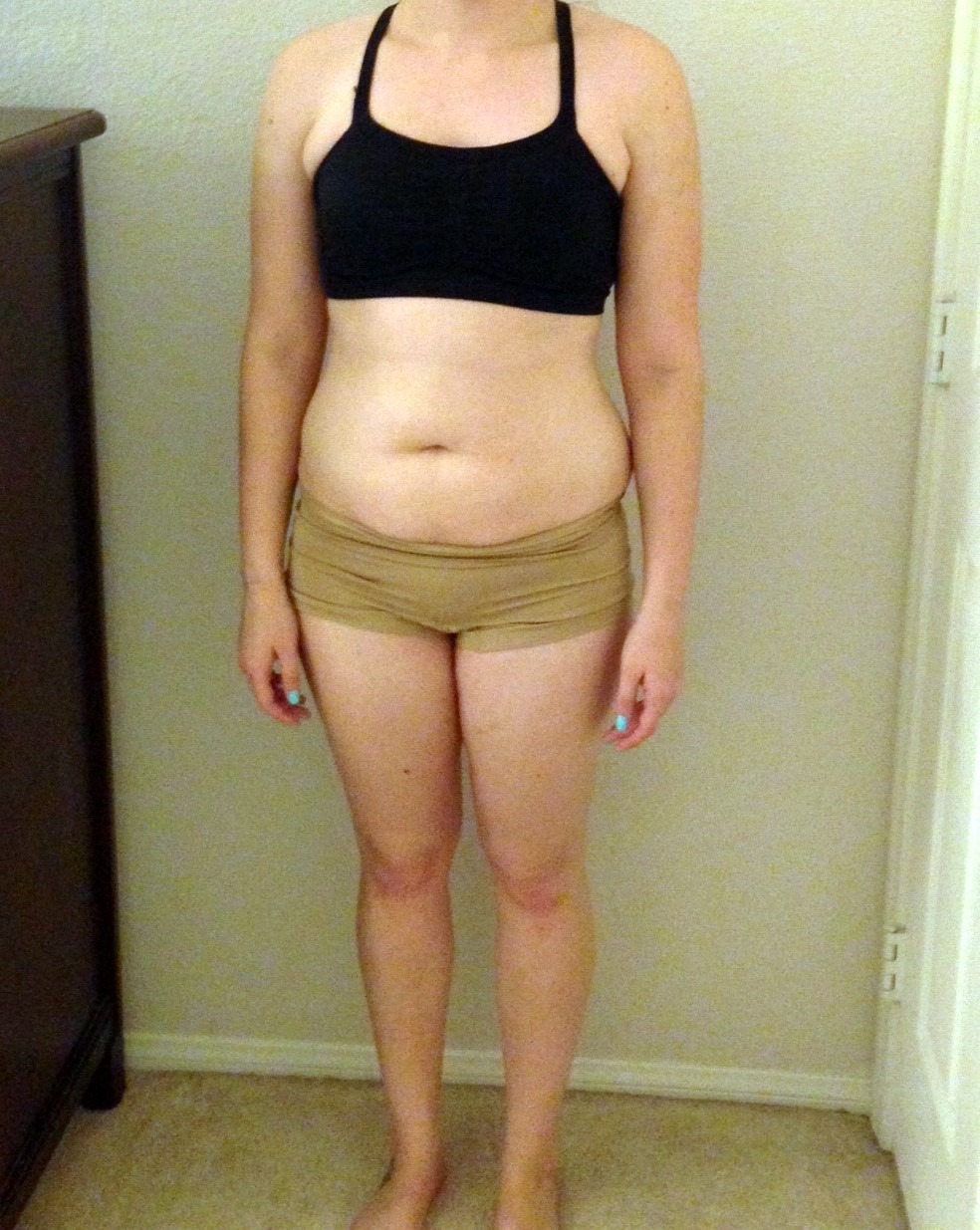
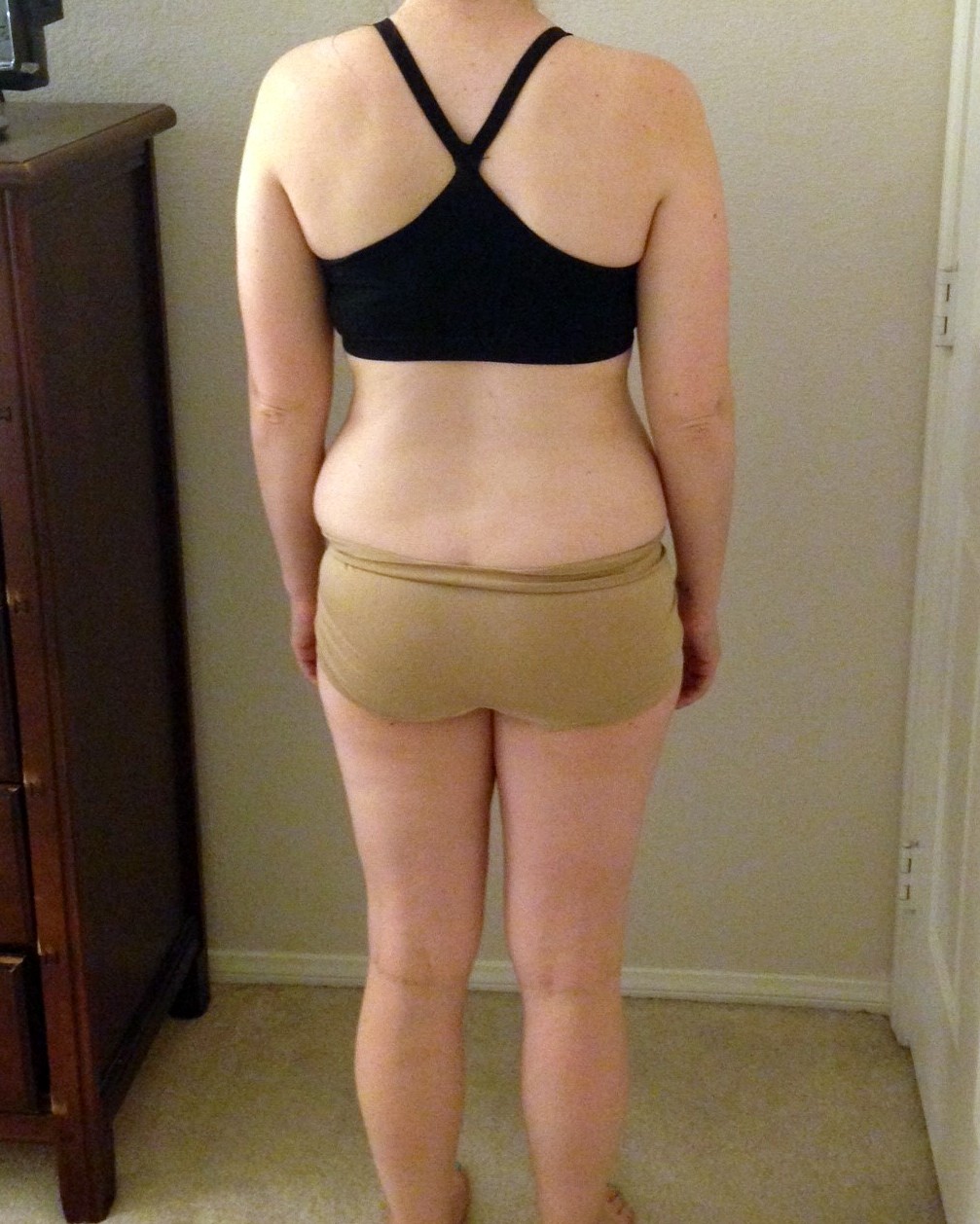
I had recently gotten an email from this client, lamenting what she felt was a lack of progress after ten months. Since she has a significant medical issue, I have been extremely cautious with her nutrition and supplements. Thankfully, she has had no issues with weight training, so I have been more aggressive with her lifting regimen. Upon receiving her email, I pulled up her baseline images from last summer, and WOW. I am very impressed by her progress and so proud of her! The images on the left are from mid-June of last year, and the ones on the right are from April of this year.

6.15.14 front ML 4.24.15 front ML

6.15.14 back ML 4.24.15 back ML

My Five Favorite Booty Building Exercises

A15Q9940-Edit

There is no doubt that we are in the Age of the Booty, with celebrities like Kim Kardashian and J Lo worshipped and admired for their rather prominent rears. The trend is completely supported by social media platforms which are replete with images of gluteal mounds which may be taut, toned, fleshy, round, enormous, or compact.

What if the butt fairy didn’t bless you with round humps, red beans and rice DID miss you, and the ravages of time have made your tush look more like a pancake than two luscious lumps? Here are my five favorite booty building moves to sculpt an admirable tush.

Hip Raises On Bench – This can be done with a weight plate or a barbell balanced across the hips. It can also be done using a Smith Machine and bench.

Another interesting variation is to perform hip raises on a leg extension machine: https://youtu.be/BrTpdpck1_c

Cable Kickbacks https://youtu.be/1CWNwSnDFCI

Plie Squats https://youtu.be/PVIuc4cL5fE

One Legged Presses On Assisted Dip Machine https://youtu.be/tTvg9AT_gbo

Butt Blaster – This can be done on a traditional Butt Blaster machine, a prone leg curl machine, or https://youtu.be/cyVRPZDDnq4
(variation: perform glute presses on mat with ankle weights or resistance band if you don’t have machine access)

Set A Contest Date And Stick To It!

Shut up and do it

I am writing this blog post in honor of those of you who have a tendency to constantly change your proposed competition date. I am not talking about situations in which your coach advises you to select a different contest as a means to give you sufficient time to be in proper condition. Instead, I am talking about competitors (new or seasoned) who keep changing proposed contest dates for a multitude of reasons, and end up frustrating coaches, friends and family as a result. Sometimes the reason for pushing back plans to compete may be solely financial, which is understandable since competition expenses can be quite high, especially for national level amateur NPC events and international IFBB Pro events. However, some people fall into a dangerous and self-sabotaging habit of pushing contest dates back because they are anxious and afraid of stepping onstage. This fear of competing is often accompanied by self-sabotaging behavior which includes eating too many mini-cheat and full cheat meals, skipping cardio, and skipping parts of workouts or entire workouts. In my experience as a coach and trainer, I can smell this behavior from a mile away, and always get confirmation when I see progress pictures. Sometimes the competitor is so ashamed of his or her deviation from the prep program that progress pics aren’t taken and sent over to me.

I honestly wish I could completely ignite that flame of INTENTION and DRIVE which is essential for success in competing in every single one of the clients I have worked with, but unfortunately, one or two have slipped through the cracks as a result of their defeatist thoughts and behaviors. Complete focus is critical for success as a competitor. Every dip, blip, obstacle, bad day and negative thought needs to be pushed aside. Watch any competitor who has an eye on the prize at all times, and you will see someone who never gives up, who doesn’t switch from one contest to another as a goal date, and who almost moves like a machine, determined to get things done. The phrase “I CAN’T” doesn’t exist for the successful competitor.

Make a decision to stick to the plan. Don’t deviate. Quit overthinking and analyzing. Get into a groove and stick with it. Be a beast. Be a machine.

FOCUS!