Why I Love My Slow Cooker

My chicken comes out drier than this which is what I prefer.

My chicken comes out drier than this which is what I prefer.


Slow cookers are incredible time savers, but I have always struggled with the texture of foods which results from this method of cooking. Red meat cooks incredibly well, but the cuts which work best are higher in fat and tend not to fit into my meal plans. That isn’t much of an issue since I tend to buy 90% lean ground beef patties and just broil them when I need them.

Chicken and yams are another story entirely. I consume both of these food items regularly, and find prepping them to be incredibly tedious. My favorite method of cooking chicken is to grill them outside, so that I get that crispy char, but the intense summer heat has discouraged me from doing this. I was tempted to use my slow cooker but I didn’t like the mealy texture that slow cooking imparted to chicken, so I decided to experiment a bit, and finally hit a winning prep method that works for me. Until the mercury drops to acceptable levels, I will use my slow cooker to cook chicken, employing an incredibly simple prep method.

Here’s what I do: I take about 8 pounds of boneless, skinless chicken breast and place it in the slow cooker, then I season HEAVILY with salt free seasoning and lots of black pepper, white pepper and parsley. I then add two to three coarsely chopped onions (usually a mix of red and yellow) and a few cloves of garlic. Sometimes I will also add a few stalks of chopped celery. I DO NOT ADD WATER. I used to add water and never liked the almost mealy consistency which resulted, but then I read Ashley Kaltwasser’s tip about not adding water and tried it, with great results. I allow this mixture to cook for 10 hours on low. The only issue I have with slow cooker chicken is that I need to add a LOT of seasonings to make it tasty, but then again, I like stronger flavors in my meats.

Once I had my chicken slow cooker method down I was pretty happy, but I wanted to figure out a way to make yams with the same marinade I usually use, but in the slow cooker. Typically I will marinate my yams, then throw them on a cookie sheet and bake them, but the summer heat once again got me thinking about cooking methods that didn’t require me to stand near a strong heat source. I turned to my slow cooker once again, but added only a small amount of liquid (contrary to what the manufacturer recommends), resulting in yams which had the perfect degree of softness.

Here’s my slow cooker yam recipe: I wash about ten pounds of yams, then cut them into large cubes. Then I place them in a clean plastic bag. In a bowl, I combine about 1/4 cup olive oil, 1/4 cup pomegranate vinegar, 1/4 cup balsamic vinegar, 1 tablespoon pure vanilla extract, 1 tablespoon pumpkin pie spice, 1 teaspoon cinnamon, 1 teaspoon ground cloves, and 1 teaspoon ground nutmeg. I mix this well, then toss into the bag with the yams and shake vigorously until the yams are completely coated. I let this sit overnight. Then the next morning, I simply place the yam mixture into the slow cooker, add 1/2 cup water. I set cooker to 10 hours and let it do its thing. I LOVE the flavor in my yams because it is highly seasoned, and the yams are soft yet not mushy.

Try these recipes and let me know if you like them!

My Nutrition Coach Certification

NAFC-Logo-05
Despite the fact that I am a fully licensed and board-certified physician, and also hold a Bachelor’s Degree in Exercise Science, I realize that some people get hung up on specific certifications. My education covered nutrition in exhausting detail, which is why I am able to customize meal plans for clients and patients based on a myriad of factors. However, I also obtained a Nutrition Coach certification from NAFC to fortify the credentials I already had.

For those of you who are curious about the course, here are some details:

NAFC’s Nutrition Coach Foundations delivers scientifically-based nutrition education so health and fitness professionals can better serve their clients.

Develop the skills, knowledge and abilities to successfully work with clients seeking goal-based nutritional guidance.
Gain an occupational advantage with enhanced education and a credential to differentiate you from your competition!

NAFC’s Certified Health & Fitness Coaching course blends sound basic science with the latest in nutritional science along with proven coaching skills to help you successfully guide your clients toward better health, better performance, and a better body!

In Section I of this course, you’ll get a strong introduction to the basic sciences; in Section II you’ll become immersed in the field of nutritional science; in Section III you’ll learn about the art & science of being an effective coach; and finally in Section IV you’ll go through a step-by-step set of instructions on how to implement nutritional coaching competently & profitably (including over 30 pages of questionnaires and assessment tools to use with your clients).

No other nutrition certification puts all of these components together. No other nutrition certification was written by a physician with over 35 years of experience in the areas of nutrition, fitness, personal training, anti-aging medicine, and performance enhancement.

The National Association for Fitness Certification was established in 1992 to provide scientifically-based, standards-focused education and training for Group Fitness Instructors, Personal Trainers, and Wellness Consultants. The NAFC’s combination of demanding standards, practical application of scientific principles, and affordable program pricing have defined it as the most rapidly-expanding certifying organization in the industry today.

The NAFC was established by a forward-thinking group of fitness professionals, representing expertise in fields including Exercise Physiology, Adaptive Physical Education, Medicine and Nursing, and Professional Coaching. Their desire was to enhance current fitness certification standards by providing access to convenient and comprehensive – yet practical and affordable – education and skills.

The NAFC follows guidelines established by the American College of Sports Medicine, emphasizing practical information with respect to a comprehensive knowledge base.

Royal Sport Ltd. Ultra Clean 100 Whey Protein

royalwhey
From the makers of Cellucor comes Royal Sport Ltd., a sports supplement line which is sold exclusively through GNC. Royal Sport Ltd. has a number of products in their lineup, but the newest product is the Ultra Clean 100 Whey Protein. Ultra Clean 100 is gluten free, and contains NO Yeast, NO Wheat, NO Preservatives, NO Added Sugars, NO Hydrogenated Oil, and NO Artificial Colors, Dyes, or Fillers. One scoop of this clean whey protein delivers 20 grams of protein and 100 calories per scoop. This protein mixes so beautifully well that I have NEVER had an issue with shaking it up in a mixer cup. You will never need to use a blender with this protein!

I have tried all of the flavors and truly love them all. They are:

Chocolate Cupcake – This is a very rich chocolate, and I absolutely love it. All you chocolate fiends out there will be very happy with this flavor!

Cinnamon Bun – I love the subtle hint of cinnamon which comes forth in this flavor. It’s not over the top, but you will definitely be able to taste the cinnamon as you drink this.

Vanilla Cream – This is a great vanilla, very creamy with excellent and true vanilla flavor.

Ice Cream Sandwich – This is my favorite flavor in the lineup. It reminds me exactly of the slow churned, super creamy, almost frothy consistency of the ice cream which is found in a really good, old-fashioned style ice cream sandwich. The mouth feel on this one is outstanding and definitely tricks your palate into believing that this is a decadent, fat laden ice cream shake.

I encourage you to try this fantastic protein!

Curbside Consults

Even though my board specialty is family practice, this works!

Even though my board specialty is family practice, this works!

Ask any physician if he or she minds being asked a medical question by a stranger or acquaintance while at a party, and I will bet that the answer will bean emphatic YES across the board. Just because we docs take the Hippocratic Oath and are committed to the service of healing does not mean that we want to be on call wherever we go, doling out free medical consultations to anyone who asks. I am waiting for the day when an auto mechanic asks me to diagnose a medical condition so that I can respond with, “Hey, you’re a mechanic. Would you mind looking at my car and telling me what that ticking noise is?” Honestly, I am SICK OF IT. I have people private message me on Facebook because they know that I am a doctor, and they will go in to great detail in their descriptions of whatever ailment plagues them, then implore me to diagnose them for free.

There have been instances in which my friends have introduced me to people and have said, “Oh! Stacey is a doc…you know what? You should ask her about that thing on your shoulder!”, which is immediately followed by a quick history and an expectation for me to provide a quick consultation and diagnosis. I almost want to say, “Do you have any idea how much my education cost? Do you know how much it costs me for the privilege of being a doctor? Yet you want a free consultation? I’m trying to get to my gym bag here!” There are a few professions which get such queries for free advice, such as massage therapists, chiropractors and attorneys. Perhaps we would communicate our exasperation more clearly if we just said, “You want fries with that?” when someone asked us for free professional advice. I think that reply would stop anyone dead in their tracks.

I implore any of you who are considering asking a doctor for medical advice to resist the urge. We often cannot diagnose sight unseen, and we certainly don’t wish to take on the liability of providing medical advise, diagnoses or treatment suggestions in such an environment. Though you may balk at the process of scheduling an appointment to see a physician and driving to the office, please understand that we cannot provide a fast food type service in medicine. When we are off the clock, let us enjoy our lives outside of medicine.

I Will Be At The Muscle And Performance Booth At Olympia This Week!

Muscle & Performance

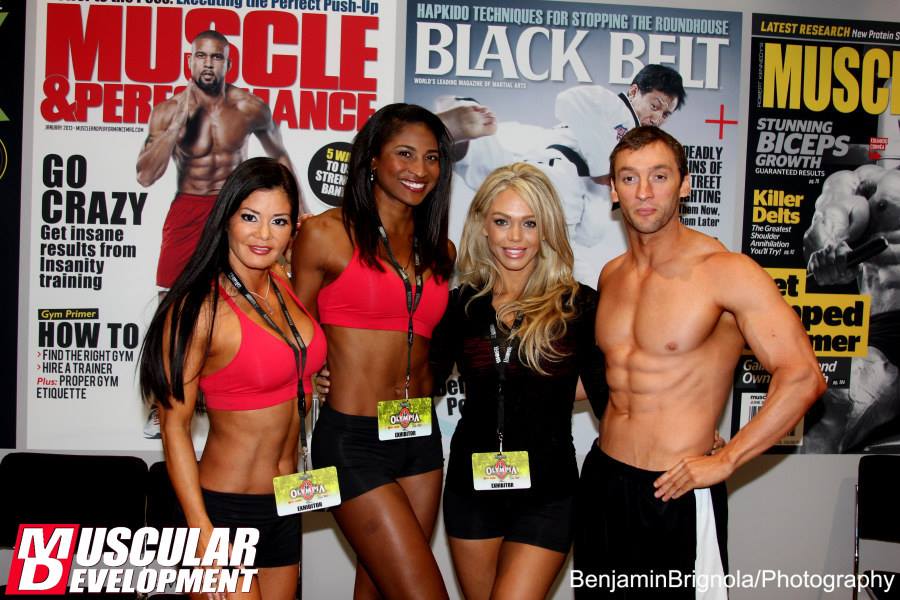
Come to the 50th Anniversary of Olympia! I will be at the Olympia Expo on Friday, September 19th, and Saturday, September 20th, working at the AIM Publications booth, which features magazines like Muscle & Performance, Oxygen, MuscleMag, and Black Belt. Be sure to stop by to say hello, and get some free magazines!

2014-OLYMPIA

Here we are at the AIM booth from the Arnold Sports Festival earlier this year:

793845_621258061299572_6095940993017910437_o

And from last year’s Olympia:

Olympia 2013

Bigger Breasts Are Not Better

Very-Large-Breasts cropped
There is such a thing as TOO BIG when it comes to breasts that are surgically augmented. In my humble opinion the limit has been reached when each of a woman’s breasts is larger than her face. Some women don’t have a choice and have to deal with what Mother Nature bestowed upon them, but other women actually choose to go under the knife to have excessively large implants surgically installed. I have even heard women say pre-surgery that they were hoping to achieve a cartoonish Jessica Rabbit look with extremely large, round implants. In other words, they wanted their breasts to look fake.

When breasts look like distorted balloons, the natural curved architecture is lost. Another problem with extremely large implants is that men (and women) tend to regard women who have them as cheap, slutty, and lacking in intelligence. I realize that these are gross generalizations, but they are so common that any woman who tries to deny this is a fool. It’s important to be aware of how people may potentially regard you once you have a surgical augmentation, and if you have a problem with society’s impression of very large breasts, you might want to reconsider the size you are getting (if you don’t care, then more power to you!). Every once in a while I will see a beautiful woman with a delicate face and petite body who went overboard with the implants and as a result looks top heavy. For women who compete in the bodybuilding world, large implants can be very distracting, and not in a positive way.

Some augmented breasts may look alluring or eye catching when clothed, but horrifying when uncovered as a result of surgical revisions, scarring, ripples, unevenness, improper nipple position or capsular contracture. Almost every single woman I have talked to who has had extremely large implants (i.e., implants which have created a DDD or larger cup size) has had to have surgical revision. Some women who have had breast augmentation surgery also lose sensation in the nipples and in the breasts, obliterating that area of the body as an erogenous zone. It is also important to consider the anterior load on the chest which results from large implants and how it impacts posture. And forget about finding clothes off the rack that fit an extremely large bust.

The breast area is quite prone to body dysmorphia, which in large part explains why gargantuan breast implants are sometimes requested. Since the breast’s primary function is to provide nutrients to a baby, women and men will often equate a fuller or larger breast with greater fertility and femininity. While it is fine for a woman to desire larger breasts, selecting an extremely large implant size may only reinforce any insecurities about a woman’s sense of self and sexuality.

Traveling Is Hard For Fitness People

flex gym
Ever since I began competing in 2009, I have become a high maintenance traveler. It’s almost impossible to avoid becoming high maintenance when things like finding a gym and locating clean food are foremost in one’s mind. I’m not saying that it’s not possible to stay on track with workouts and food while traveling, but foraging for certain “fitness” resources becomes an essential part of prepping for a trip in a fitness person’s life.

I honestly believe that it is always possible to create intense workouts in any location by performing plyometrics, calisthenics, climbing stairs, running on the beach, etc. However, I also know that those of us who love lifting weights go through iron withdrawals when a gym is not available during travels. My first question when a trip is being booked is, “Where is the closest gym, and how is it equipped?”, rather than what sights there are to check out. No hotel room routine or outdoor workout will ever feel as good to me as weightlifting.

Road trips are the easiest since a car can be loaded up with meals and water, but I am always concerned about whether there is a refrigerator in the hotel room at my destination. Though I am resourceful and can put my food on ice, food spoilage is almost inevitable after a couple of days. Packing food when traveling by plane is much trickier since certain food items either travel poorly or are not allowed by TSA. If you need to bring a lot of food and decide to check in your food bag, be prepared for the possibility of lost luggage. My food bag was lost for 24 hours on one trip when I was traveling to a national contest, all because the airline had cancelled a flight, yet had neglected to reroute my food after they booked me on a replacement flight! I also had to spend the night in a freezing cold airport terminal during that trip, so by the time I got to my final destination, I was exhausted and frustrated. When I discovered that my food had been lost, I literally began crying. Eventually my bag was found and delivered to me, but 7 pounds of chicken and beef were on the verge of spoiling by the time the bag was back in my possession.
OLYMPUS DIGITAL CAMERA
Traveling abroad holds even more challenges for the fitness person, since many countries don’t offer clean meal prep services. Even if a local market is located, how will food be prepped if your hotel room lacks a kitchen? I am currently facing this challenge as I prepare for a trip to Hungary. I will make sure to pack a bunch of whey protein, Quest bars and nuts to at least ensure that I meet my body’s daily protein needs. I have also looked into purchasing prepped meals and having them shipped to the hotel on the day of my arrival. Thank goodness I will be staying in a room with a kitchenette when I travel to Sydney, and can cook up a bunch of fish and chicken once I arrive there.

I know that those of you who are not involved in the fitness industry must be reading this and thinking that I am nuts, while those of you in fitness will be able to relate to what I have been saying in this article. The thing is, I don’t want my body to rebel from radically different eating habits or food choices, so I will uphold my high maintenance perspective and do everything in my power to eat clean. Most countries tend to consume whole foods and aren’t in the habit of eating copious amounts of fast foods, a fact which I am thankful for. I look forward to consuming the local produce and trying new foods while staying clean.

Driving Is A Privilege…Enjoy It While You Can Do It

Many teenagers cannot wait until they learn to drive, because it is a rite of passage and a means to a certain amount of freedom and movement which they never had before. I remember being excited to drive, but that feeling dissipated very quickly when I found out how tedious it could be to navigate through Los Angeles traffic. I guess it’s a small price to pay for the flexibility I get from having a reliable car and all the necessary faculties to drive it. I have become so dependent on being able to drive wherever I need to that taking the car in for servicing is a major test of patience. It seems ridiculous that I can’t sit still for one hour while my car is serviced, but I simply can’t stand it. I also do not enjoy riding with other people to events which I may want to make an escape from earlier than my friends do. Even when I travel, I prefer to drive to the destination in my own car or rent a car while there.

I have seen elderly loved ones lose the ability to drive over the past few years, and it breaks my heart. My favorite aunt, my mother and now my father have lost the ability to drive as a result of progressive weakness, arthritis, loss of vision and cognitive decline. Both of my parents initially exhibited a stubborn refusal to accept their diminishing ability to drive, and kept talking about how they were going to resume driving soon. Sadly, they are both ambulating with great difficulty and only with the use of assistive devices. It is especially difficult to see this when I used to rely on them to drive me around when I was a child.

Even getting my parents into a vehicle is a major task, because flexing both at the knees and hips is no longer rapid or automatic. It terrifies me to think that I might ever get to that point in my later years. I don’t ever want to lose the freedom to jump in a car and go whenever I need to. I would hate having to rely on others to cart me around all the time. I hope and pray that my body remains nimble and that my distance vision remains sharp (thanks to Lasik). Driving is definitely a privilege and one which I value greatly.

front_spoiler_8

Oil and Water: Why Crossfit Is Detrimental For Bodybuilders

I will boldly state right now that I cannot stand Crossfit, and will be delighted when its novelty wears off. There are substantial reasons for my argument against the principles of Crossfit, especially when it comes to speaking to NPC and IFBB competitors who believe that Crossfit will enhance their efforts to get into contest shape. Not only will Crossfit widen your waistline as a result of the constant heavy lifting, it will also cause cortisol spikes which make your body hold onto belly fat for dear life.

Here are the nine fundamental exercises which Crossfit is built upon:

Air Squat
Front Squat
Overhead Squat
Shoulder Press
Push Press
Push Jerk
Deadlift
Sumo Deadlift High Pull
Medicine Ball Clean

I can only imagine how many lumbar disc herniations have occurred in weekend athletes as a result of performing most of these movements, not to mention the rotator cuff strains and tears from the stress on the shoulders. I also find it pretty annoying that Crossfit renamed the free squat or bodyweight squat in an effort to be catchy and original. What’s more, I see no point in getting a client to perform 200 or 300 “air” squats in a row, not unless your objective is to drive your client to complete exhaustion and overtraining. Based on what I have witnessed with the design of Crossfit regimens, exhaustion and overtraining is the inevitable outcome.

Crossfit routines also incorporate other exercises such as pullups and pushups. What bothers me is that these movements are performed in a high rep range, to the tune of 100 or more. Then the client may be pushed to do tire flips or some of the asinine Olympic lifts that Crossfit holds so dear to its faddish foundation. I am NOT impressed with the super high intensity workouts that define Crossfit. They tax the central nervous system to an excessive degree. Crossfit fanatics may love the feeling of being pushed to the limit, but this sport is downright DANGEROUS. When the body is fatigued to the extent that it is in a Crossfit routine, the risk for muscle breakdown and frank rhabdomyolysis is considerable. No physical discipline is worth the risk of landing in the hospital.

I understand that Crossfit offers a great social environment and a feeling of camaraderie, but at what price? Every single person I know who is a fan of Crossfit has been injured while doing it. The suggested Crossfit regimen of 3 days on, 1 day off is too rigorous when you consider the fact that Olympic lifts are part of the core of Crossfit training. The body simply cannot repair itself in enough time. To fatigue a Crossfit client by having him/her do a WOD (workout of the day for those of you not familiar with Crossfit) and then stack on deadlifts for reps or 5 foot high box jumps is insane. Benefits drop dramatically when the body is completely depleted like that. The Crossfit mentality of deplete and endure is pure bullshit. Bodybuilders, in contrast, train hard and heavy, and yes, they often train to depletion or failure, but they certainly aren’t going to attempt 100 pullups after destroying a traditional back workout. They understand the law of diminishing returns all too well.

Proponents of Crossfit often state that the training is functional and enhances the day to day activities which people perform. When was the last time you had to do a clean and jerk while on the job? Unless you work as a firefighter, stock room clerk or some other physically demanding work role, I seriously doubt that you are performing movements which mimic what happens while in a Crossfit box. Besides, if you’re injured as a result of Crossfit (or should I say WHEN), you can’t possibly perform any challenging physical movement which strains your injured body part.

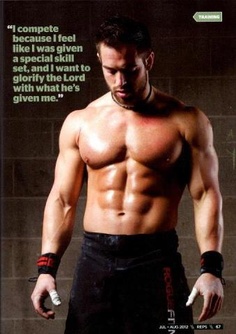
Rich Froning World Champion Crossfit Athlete

Rich Froning World Champion Crossfit Athlete


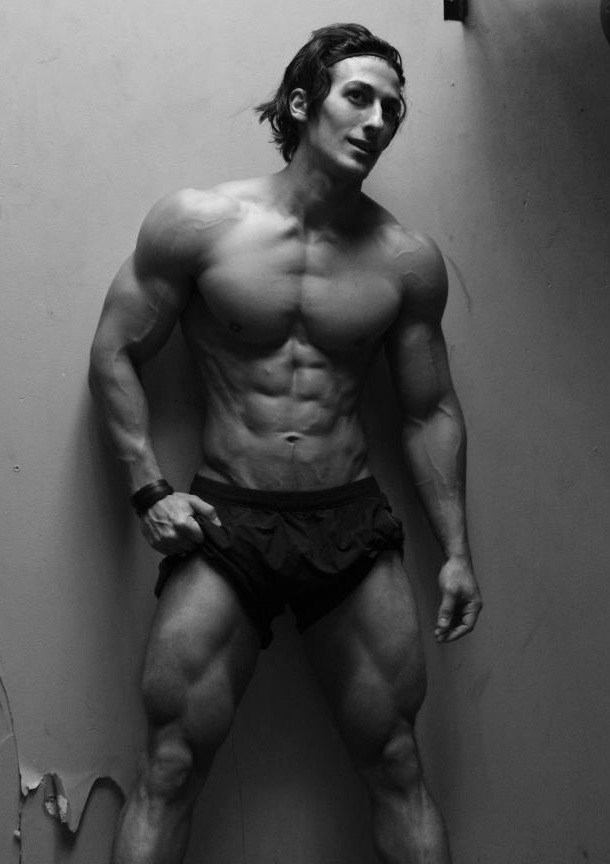
Sadik Hadzovic IFBB Men's Physique Pro

Sadik Hadzovic IFBB Men’s Physique Pro


For those of you who compete in the NPC or IFBB (or INBA, WBFF, etc.), don’t expect to be able to incorporate Crossfit into your contest prep training and sculpt your physique in the manner required for bodybuilding. I actually had a client who begged me repeatedly to let her do Crossfit two days a week despite my recommendation that she abandon it and focus on traditional weight lifting. I finally acquiesced, and allowed her to incorporate Crossfit as part of her training. As I had predicted, she sustained an injury, her waist widened from all the heavy complex movements which made her midsection boxy, and she became soft as a result of the cortisol spikes which the high intensity Crossfit training created. After 3 weeks of seeing all her efforts from pre-Crossfit training unravel, I asked her to reconsider her decision to engage in Crossfit. As soon as she stopped doing Crossfit, her waist began to nip in, and her body began to tighten up again. Amen for old school weightlifting!

If it sounds like I am saying you will have to decide between doing Crossfit and competing in any of the bodybuilding divisions, I am. You simply cannot create the nipped in waist and beautiful taper that defines every single bodybuilding division. If you do Crossfit, you will create a strong body (plus some injuries), but you will also widen your silhouette and carry a layer of fat as a result of all that cortisol you will release from constant high intensity training. Look at a typical Crossfit athlete. Shoulders are broad, quads and hams are thick, and the abdominal region is thick and boxy. That is what happens when compound Olympic lifts are performed on a regular basis. If that is your aesthetic ideal, by all means knock yourself out with Crossfit, but you will be destroyed on a bodybuilding stage.

On the subject of Olympic lifts, even powerlifters have the sense not to rep out on these movements. Yet Crossfitters, blinded by the so-called warrior mentality that leads them to do stupid things that invite injury, will rep out on movements which recruit a tremendous amount of muscle fibers and hence tax the central nervous system. I am willing to bet that the Crossfit nation contends with adrenal burnout, permanent muscle damage, and repetitive tendon and ligament ruptures on a relatively consistent basis, and that such negative aspects will eventually cause the demise of this fad sport.

I will always staunchly defend the focus and the principles behind bodybuilding. I know that NPC and IFBB competitors are true warriors and know how to push through grueling training. I also strongly believe that for the most part, most competitors are smart enough not to overtrain or invite injury by performing movements which are biomechanically unsound. The world of bodybuilding not only rewards strength, but it also recognizes the aesthetic ideal which all bodybuilders aspire to achieve, regardless of division. Bodybuilding is not about flipping a massive tire across a gym, it’s about sculpting and defining muscle.

(Please also check out sportsuppguide.com for a posting of this article there.)