What Is 7-Keto?

Originally published on mensphysique.com on Sunday, 17 February 2013

http://www.rxmuscle.com/blogs/the-lab-supplement-school/7523-what-is-7-keto.html
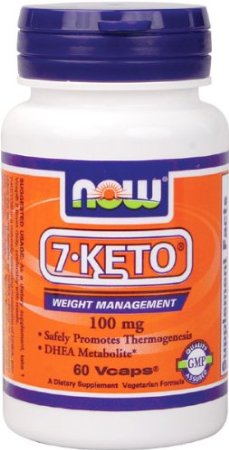
keto7
For those of you who do not know what 7-Keto is, it is a metabolite of the hormone dehydroepiandrosterone (DHEA), which has gained popularity among those who are interested in battling the aging process. Keto-7 boosts immune function and helps to reduce body fat without the risk of conversion to estrogen and testosterone which characterizes DHEA.

Keto-7 (or 7-Keto) is a brand name for the chemical 3-acetyl-7-oxo-dehydroepiandros-terone which is a metabolite mainly produced in the adrenal glands and skin as well as the brain. Levels of this compound rise in the body until about age 20, then start to drop after age 30, declining by 50% by age 50. When Keto-7 levels drop, body fat and total body weight tend to increase, and immune function drops as well. In addition, since the decline in Keto-7 is more pronounced than that of cortisol, cortisol becomes dominant and further challenges the strength of the immune system. So it certainly makes sense to supplement the body with Keto-7 as we age.

Probably the best features of Keto-7 are that it carries no negative side effects, is rapidly absorbed and does not accumulate in the body over time. It counteracts the effect of circulating glucocorticoids such as cortisol, thereby conferring a protective effect on the body’s immune function. For those of you who are asking how it can enhance your health and performance, consider the fact that Keto-7 is a powerful thermogenic and can cause an appreciable increase in the body’s metabolic rate. The process by which Keto-7 does this is by enhancing the activity of three thermogenic enzymes which stimulate fatty acid oxidation. These enzymes drive liver cells to burn fatty acids for energy, resulting in lowered triglycerides. In addition, Keto-7 causes a surge in thyroid hormone activity which further stimulates fat oxidation. Another encouraging effect of Keto-7 on the body is that it improves the blood cholesterol profile. Though Keto-7 only has a slight effect on decreasing LDL cholesterol, it causes a significant increase in HDL levels, thus shifting the total cholesterol profile. Keto-7 also causes a significant rise in apolipo-protein A-1 which has a protective effect on cardiovascular health.

Many proponents of Keto-7 supplementation suggest combination therapy with both Keto-7 and DHEA. Both of these substances can work in tandem to boost estrogen and testosterone levels to optimum range. DHEA can cause facial hair growth and oily skin in women who take large amounts of DHEA, so the use of Keto-7 with a smaller dose of DHEA can eliminate this problem. DHEA cannot be administered to individuals with prostate cancer or breast cancer, which makes Keto-7 an acceptable alternative.

Make sure to supplement with Keto-7 in the morning when the body’s natural production is at its peak. I take my dose with my first meal in the morning, but you can also take this supplement on an empty stomach. Some proponents advise taking two doses daily, but I believe a 100 mg dose once daily in the morning suffices for most individuals. Avoid taking it in the evening, as it may stimulate brain activity and result in insomnia.

Keto-7 should be taken by anyone who wants to combat the aging process and improve body composition without adversely affecting natural hormonal levels of estrogen and testosterone.

Ironman Magazine January 2014 Hardbody Feature

Hardbody Main Image

Click to access IRONMAN-JAN2014-HARDBODY.PDF

Please read the full article by clicking on the link above. In this article I mention SWAT Fuel 9mm thermogenic fat burner. What I love about this particular fat burner is that I have never, ever gotten the jitters or shakes from it, yet it is extremely effective in giving me great energy and the ability to focus on whatever task I am engaged in, whether it is seeing patients at work, lifting weights at the gym, or writing articles. This product keeps me going on days when I may be at risk of going through an energy slump. I enthusiastically recommend 9mm and 9mm+P (which contains an appetite suppressant) to those of you who want to accelerate fat loss, maintain focus and energy, and avoid the jitters.

Fenugreek Enhances Performance

Originally published on mensphysique.com on Wednesday, 16 January 2013

http://www.rxmuscle.com/blogs/the-lab-supplement-school/7362-fenugreek-enhances-performance.html
fenugreek leaves and seeds (1)
Fenugreek (Trigonella foenum-graecum) is a plant indigenous to India and Northern Africa that has demonstrated effectiveness in treating sexual dysfunction and which can increase sexual arousal partially by boosting testosterone levels. Fenugreek also has a myriad of other benefits, among them reductions in cholesterol and lower fasting blood glucose levels in diabetics. For this article, let’s focus on performance related benefits which fenugreek offers.

A 2011 study which examined the effects of 600 milligrams of fenugreek extract versus placebo in men who suffered from erectile dysfunction found a significant increase in sexual arousal and stamina in the men who were supplemented with fenugreek. Fenugreek also helped to maintain a normal testosterone level in the test subjects. For many men, that is reason enough to supplement with this plant, but fenugreek also has a beneficial effect on body composition and strength.

One published study from 2010 examined 49 men who engaged in regular resistance training and had them supplement with either 500 milligrams of fenugreek extract daily or with a placebo. During this time, the participants continued a four-day per week weight training program. After eight weeks the subjects were assessed in their strength while performing bench presses and leg presses and also had their body fat measured. The men who were given fenugreek supplementation had significant improvements in both weight training strength and body fat percentage when compared with the group who were given the placebo. In addition, a measureable increase in testosterone levels was discovered in the men who took fenugreek.

The reason for the boost in testosterone which fenugreek confers is due to a substance known as diosgenin. Diosgenin is one of a class of substances known as steroidal saponins, substances which can be converted to the sex hormones testosterone, progesterone, and estrogen. In men, diosgenin increases the testosterone metabolite DHT, which is then converted easily to testosterone. For this reason, it may be especially helpful to take supplements with fenugreek in men who have fluctuating or low natural testosterone levels.

Why You Should Add Curcumin To Your Diet

Originally published on mensphysique.com on Sunday, 09 December 2012. The original post was published with white text on white background, so the only way to read it on the site is to highlight the text. To make things easier for everyone, I have copied and pasted the article here for you to read.

http://www.rxmuscle.com/blogs/the-lab-supplement-school/7143-why-you-should-add-curcumin-to-your-diet.html
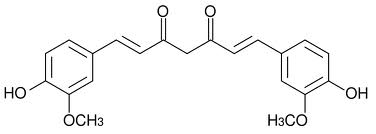
Curcumin diagram
Antioxidants have become a hot topic in combating disease in recent years, and the list of these substances has grown thanks to extensive research which has been conducted and disseminated to the public. A particularly powerful antioxidant is curcumin. Curcumin, an extract which is derived from turmeric, has been used in Asian curries for many centuries and has also been used for treatment of arthritis and other health conditions. Only recently has curcumin received attention from the United States regarding its remarkable benefits as a potent antioxidant.

Perhaps the most exciting potential benefit of curcumin is that it may help to prevent and treat cancer by inhibiting cancer cell growth and the growth of blood vessels which feed into tumors. There is some speculation that curcumin can prevent cancer cells from multiplying and is also capable of causing self-destruction of cancer cells. As if this wasn’t enough, there is a possibility that curcumin may prevent Alzheimer’s Disease by decreasing the accumulation of amyloid which characterizes this disease.

Here is a list of other benefits which curcumin confers:
· Accelerates wound healing
· Acts as a cleanser for the liver
· Regulates metabolism and assists in weight loss
· Reduces LDL cholesterol and raises HDL levels
· Decreases severity of inflammatory skin disorders such as psoriasis
· Acts as a natural painkiller

If these reasons are not enough to compel you to add curcumin supplementation into your meal plans, consider the fact that curcumin reduced the COX-2 enzyme in the body, thus decreasing the pain and swelling of arthritis. In fact, recent studies revealed that curcumin was even more effective than ibuprofen (Motrin, Advil) in its anti-inflammatory effects. One particular study in Italy which was conducted on 50 patients, all of whom had confirmed knee osteoarthritis, found a 58 percent decrease in reported overall pain and stiffness as well as an improvement in physical functioning among the curcumin group versus the control group.
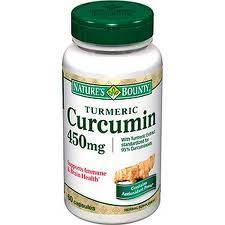
Curcumin bottle
How To Take Curcumin
Some individuals may prefer to ingest curcumin in the form of straight turmeric powder which can be added to meals or tea. However, I prefer to take curcumin in capsule form. If you opt for the capsule version, look for formulations which contain piperine, or black pepper extract. Piperine augments the gastrointestinal absorption of curcumin. Recommended daily dosage is 400 to 600 milligrams per day. For acute flare-ups of arthritis or other musculoskeletal pain, you can double the dosage until the acute phase abates.

Emotional Eating

Originally published on RxGirl.com on Monday, 12 November 2012. The original post was published with white text on white background, so the only way to read it on the site is to highlight the text. To make things easier for everyone, I have copied and pasted the article here for you to read.

http://www.rxmuscle.com/rx-girl-articles/6941-emotional-eating.html

emotional-eating ice creamRather than discuss well-known emotional eating disorders such as bulimia, I will concentrate on binge eating which many women engage in from time to time. It is important to recognize this behavior if it becomes a regular pattern, because frequent emotional eating warrants a diagnosis of binge eating disorder and requires treatment and intervention.

Binge eating is characterized by eating compulsively to cope with negative emotions and stressful situations. A binge eater is rarely hungry when she begins to eat and will continue to eat well after she is full. Such episodes can last for up to two hours or can occur off and on throughout the day. The binger feels guilty both during and after the episode, but will not attempt to counteract it by fasting, taking laxatives, vomiting, fasting or over-exercising. A strong lack of self-control as well as feelings of shame will accompany this behavior pattern. There is a strong association between binge eating and depression. Binge eating is also driven by social components such as social pressure to be thin, emotional and sexual abuse, parental criticism of a child’s weight, and the use of food as reward or punishment.

Food cravings are usually the strongest when you are in emotional crisis. You may reach for food for comfort or to serve as a distraction. Consider the following highly stressful events and think about whether you reached for comfort foods during such times:

· Financial problems
· Health problems
· Work issues
· Relationship issues
· Fatigue
· Family issues

Though some people will lose their appetites when stressed and will refrain from eating, many others will engage in impulsive eating in an effort to deal with negative emotions. This may be relatively harmless if such emotional eating occurs on a very rare occasion, but becomes a serious problem when it is used as the only coping mechanism for stressful situations or negative emotions. Just bear in mind that if you have a rare moment of weakness, it is important to recognize it as just that and to prevent yourself from spiraling into excessive feelings of guilt over the incident. If you engage in an episode of emotional eating, learn to forgive yourself and have a fresh start the following day.

Why We Engage in Emotional Eating

What occurs almost invariably when we eat emotionally is that we turn to cookies, cakes, candy, fried foods and breads rather than to healthy foods. There is a biochemical basis for such behavior. Carbohydrates which are high in sugar or fat release dopamine in our brains which in turn stimulates the brain’s pleasure center, creating a sense of euphoria. These foods are usually associated with pleasurable memories, such as cake which you may have looked forward to on your birthday, or macaroni and cheese as a treat after school when you were a child.

Food can also serve as a happy distraction from conflict or stressful events by stimulating the aforementioned pleasure centers. What will frequently occur is that an excessive amount of these foods will be consumed. However, if you remain aware of such automatic connections between food and mood and realize when you are eating for reasons other than hunger, you can break this cycle and get back on track with healthy eating habits which are associated with true hunger.

How To Combat Emotional Eating

· Keep a food diary. Get in the habit of writing down everything you eat and drink, including the quantity, the times at which you eat, your emotional state while eating the meal, and your level of hunger. By doing this you may see patterns which will reveal your emotional relationship with food.

· Remove tempting foods. Avoid stocking comfort foods in your home if you find that they are difficult to resist. And by all means avoid making trips to the grocery store if your emotions are spiraling out of control!

· Practice stress management. Yoga, meditation, and relaxation techniques are effective methods of managing your stress.

· Determine whether you are truly hungry. Many times people may believe they are hungry when in reality they are actually emotionally distraught and desperately searching for a way to defuse such emotions.

· Make sure you consume adequate calories. Individuals who are trying to lose weight will often restrict their calorie intake too much, and will turn to the same foods in an effort to remain on track without rewarding themselves with an occasional treat. Adding variety to your meal plan will also help to keep you on track.
Emotional_Eating cake
· Distract yourself. If you get an urge to snack when you aren’t truly hungry, distract yourself by watching a movie, calling a friend, reading, listening to music, or taking a walk.

· Consume healthy snacks. If an urge to snack between meals strikes, choose a low-calorie snack such as vegetables with seasoned nonfat Greek yogurt, fresh fruit, low fat cottage cheese or rice cakes.

· Get enough sleep. Getting enough sleep is an important component in decreasing cravings for comfort foods.

· Eat at regular intervals. Consume smaller meals every three to four hours to keep you from feeling hungry or deprived.

· Focus on the experience of eating. Learn to eat in a mindful manner, in which you pay attention to your meal and only your meal. Become aware of the sensations associated with eating.

· Reward yourself. It is both physically and emotionally unhealthy to practice excessive calorie restriction for prolonged periods. Allow yourself to have a favorite food or meal once each week.

· Connect with your emotions. When a food craving hits during an emotional time, write down the emotions you are experiencing, such as sadness, loneliness or anger.

· Seek professional help if emotional eating is frequent. There are countless support groups which you can join which will help you to develop insight as well as the skills to avoid engaging in such behavior.

High Fructose Corn Syrup

Originally published on mensphysique.com on Monday, 01 October 2012

http://www.rxmuscle.com/blogs/the-lab-supplement-school/6661-high-fructose-corn-syrup.html
Corn Syrup
Corn sugar, or high-fructose corn syrup (HFCS) as it is more commonly called, is the most common sweetener which is used in processed foods and beverages. In fact, HFCS comprises more than 40 percent of caloric sweeteners added to foods and beverages and is the sole caloric sweetener in soft drinks in the United States. It is adored by the food industry because it is extremely sweet, incredibly cheap, easy to transport and keeps foods moist. Like its chemical cousin table sugar (sucrose), it has raised eyebrows in the research world and prompted a growing body of studies which examine the manner in which the body processes it. The general consensus is that consumption of large quantities of any type of sugar is closely linked to dental cavities, obesity, malnutrition, and increased triglycerides. One study which was published in Metabolism Journal discovered that individuals who drank a beverage sweetened with HFCS had fructose blood levels five grams higher than those consuming a beverage sweetened with table sugar. This may not seem like much, but when you consider the cumulative effects, HFCS becomes a much more insidious dietary villain.

Fructose and GlucoseLet’s examine the composition of HFCS. This substance contains from 43 to 55 percent fructose with the remainder as glucose. In contrast, sucrose is 50 percent fructose and 50 percent glucose. Both are quite similar except when it comes to chemical bonds. When HFCS is made from cornstarch, the fructose molecules are not bound to other sugar molecules, while with sucrose, every fructose molecule is bound to a glucose molecule. When sucrose is ingested, it must undergo an extra metabolic step before the body can use it. With HFCS, the body reacts to the fructose readily. The problem is that fructose has no effect on glucose levels and insulin release (in other words, it skips glycolysis) and thus will not trigger the release of leptin (the hormone which signals your body to stop eating when it is full) nor create a feeling of satiety. This can lead to a higher caloric intake with a corresponding body weight increase. Basically, HFCS tricks the body into thinking it’s hungry when it may already be full.

Foods Containing Large Levels of HFCS
· Regular soft drinks
· Salad dressings
· Breakfast cereals
· Frozen yogurts
· Canned soups
· Canned fruits (if not in their own juice)
· Jarred and canned pasta sauces
· Bread
· Fruit-flavored yogurts
· Pancake syrups fruit juice and fruit drinks
· Popsicles
· Ketchup and barbecue sauces

Make sure to check ingredient listings, especially with the foods listed above, and try to avoid HFCS whenever possible.