Check out the new series which Ian Lauer and I compiled for our viewers!
Page 124 of 201

Sexy Image In Budapest Industrial Building
Monty Python – The Black Knight
This is a favorite clip from one of my favorite films…
My Education Never Stops

For those of you who think that physicians are done with educational pursuits once they complete the rigors of medical school and residency, think again. We must complete continuing medical education credits (aka CME’s) for the length of our medical careers. This means that we must attend conferences and seminars, take online courses, complete quizzes in medical journals and take recertification exams to retain our board certification. Such CME’s aren’t cheap either. The average cost of each credit hour is $25, so when you multiply that by the 150 hours required in each three year cycle for board certified physicians like me, $3,750 has flown out of your wallet, and that doesn’t take into account the association dues for the governing sites which offer the most desirable and relevant CME credits.
Today I decided to chisel away at my ongoing requirements and took two online CME courses. The first was on diabetic foot ulcers and was quite graphic and disgusting, but since I am required to know how to treat this condition, I tolerated the images which flashed on the computer screen. I then took a course on gastrointestinal disorders which was far less graphic but yielded valuable information which was a great review for me. At the end of my two hour review, I received two CME credit hours which will be counted toward the 150 total hours I will need to accumulate by the end of 2015. I wish I could do most of my CME credits online, but there are limits on online coursework. What that basically means is that I am forced to participate in live courses, which means that I must figure out what courses my schedule will accommodate. In addition, live courses are significantly more expensive. I was investigating medical conferences yesterday and discovered that one major conference would set me back by $1,400 just for the registration alone! Since I cannot afford that conference, I must get creative and find other options which aren’t nearly as expensive.
I research CME opportunities every few months for the most respected and accessible opportunities, so I feel confident that I will find cost-effective ways of fortifying my medical knowledge while fulfilling my CME credits before the end of the current cycle. Since I also recently obtained an NAFC Nutrition Coach Certification, I will need to keep up on CEC’s for that as well. Oh, the learning never ends!
I love My New Dcore Pixel Tights!
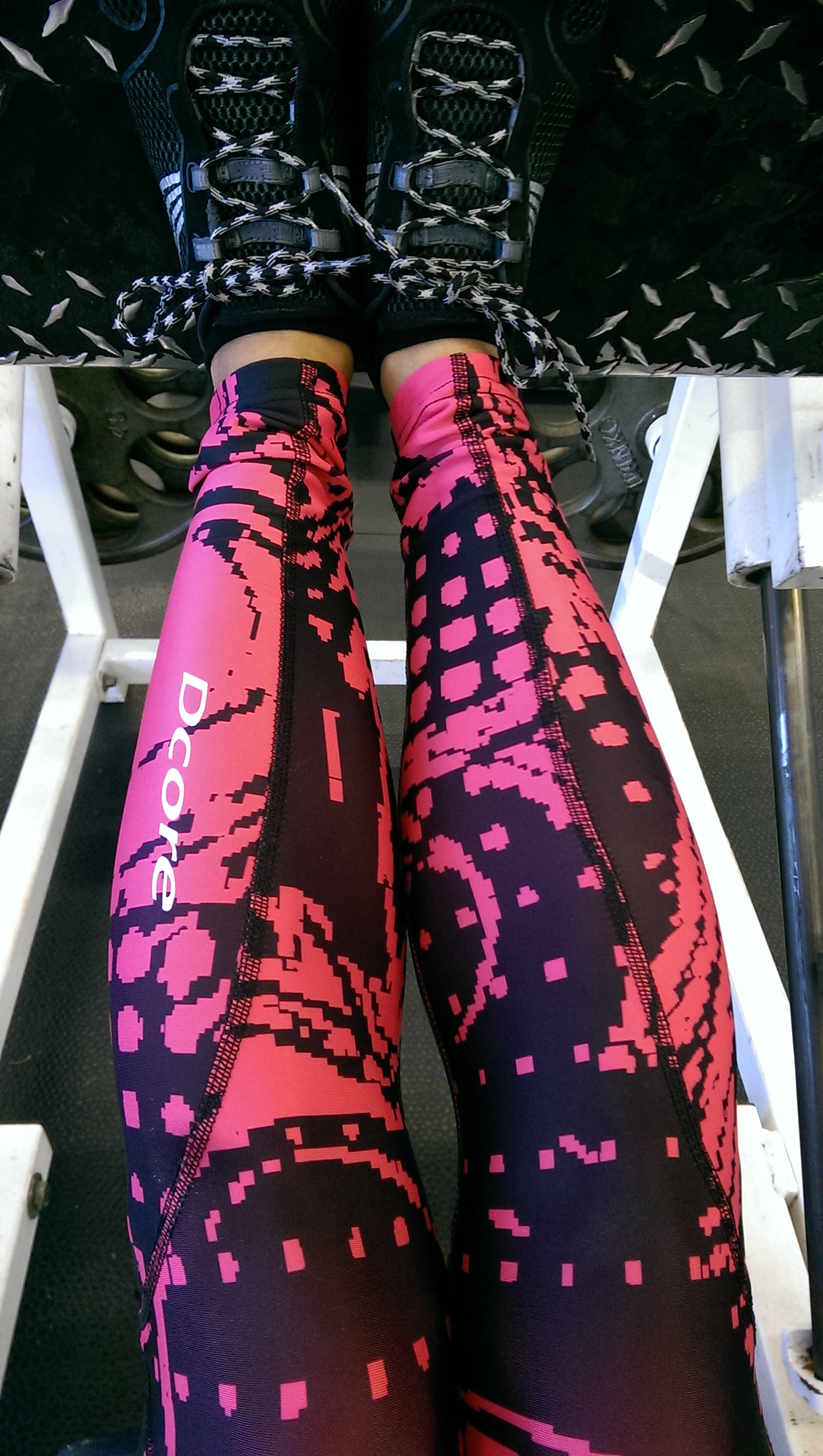
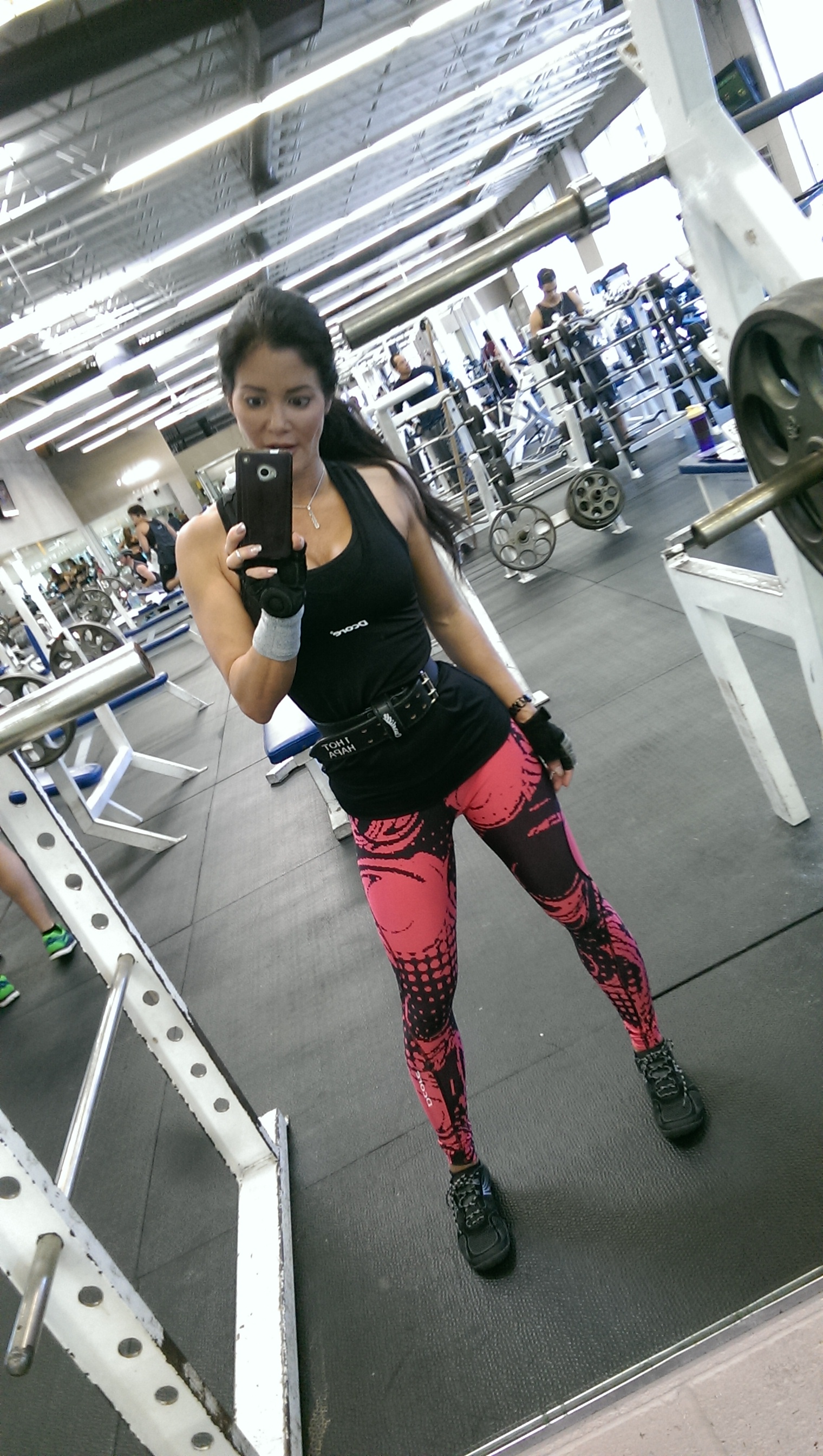
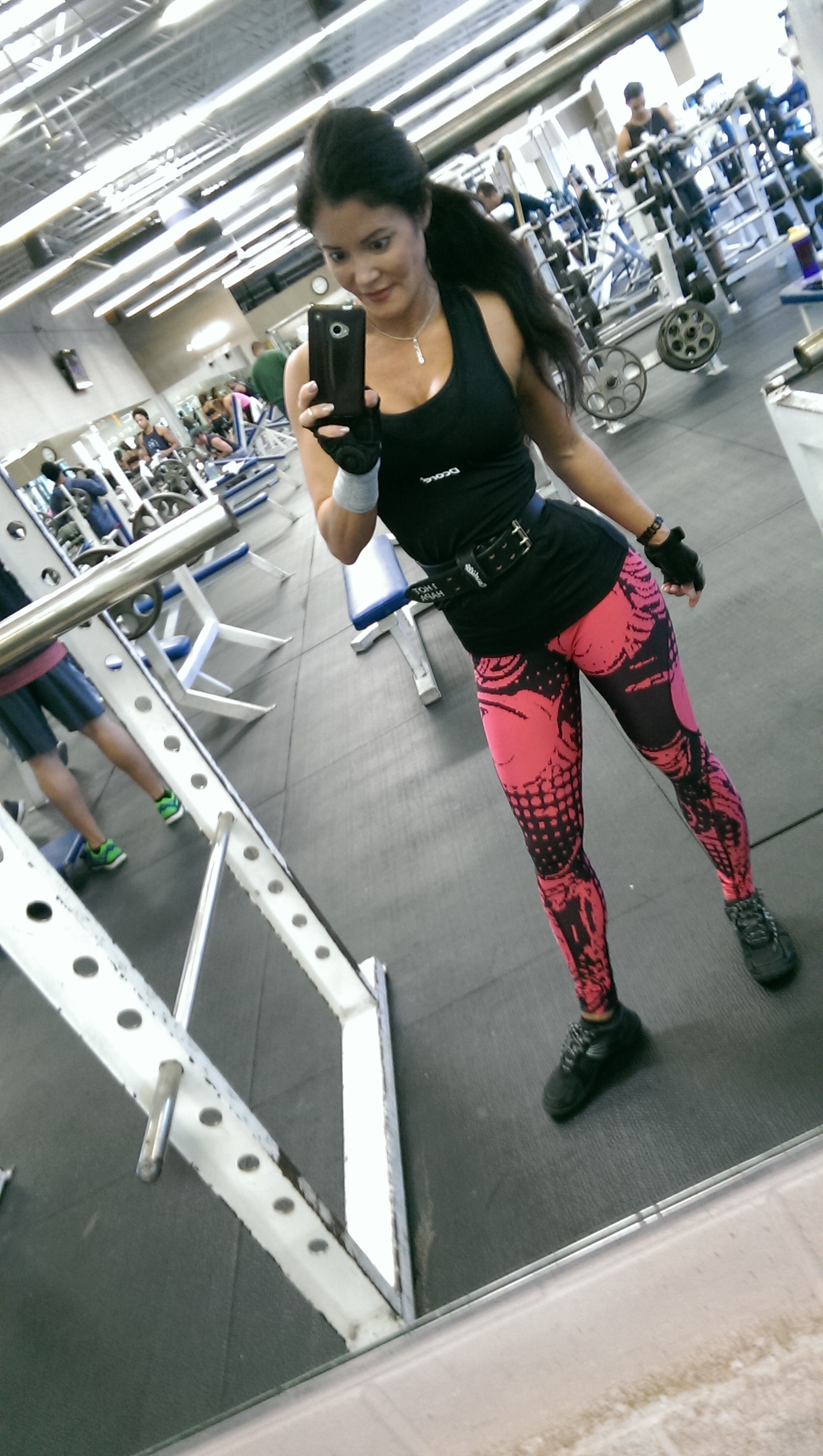
These tights are fantastic! You can order them directly from Dcore:
http://dcore.com/product/Pixel-tights-grey-rasberry
They fit so well, are made with a sturdy yet comfortable material, and the design is fashion forward. Get a pair!
Why My Blog Posts Are Usually Brief
 Back in December of 2012, I made a promise to myself that I would have a blog post on this site every day, and have kept my promise with only a couple of days which I purposely skipped as an experiment. I like the consistency of posting daily because it keeps me focused. If I didn’t commit to such a schedule, my blog posts would probably be quite erratic because I am so incredibly busy all the time. However, because of the frequency of my posts, I really don’t have the time to develop lengthy entries, so the majority are quite brief and serve as overviews rather than as detailed analyses. Another reason why I tend to post shorter blog entries is because people with busy schedules tend to prefer reading shorter posts. Lastly, it is a challenge to come up with fresh material all the time!
I welcome suggestions from my readers on topics you would like to have me cover. What would you like to read about? Would you like to see more exercise videos or product reviews? Please reply to this post with suggestions, and I will do my best to accommodate them!
Great Leg Shot From Zoltan Vegh Shoot, 7th September 2014

Eggs Are Superfoods

If you haven’t already incorporated eggs into your regular meal plan, you should. Eggs are an excellent source of protein, and also provide all eight essential amino acids which are necessary for optimal muscle gains. Eggs are also packed with the following nutrients:
· Vitamin A
· Vitamin E
· Vitamin K
· Vitamin B12
· Riboflavin
· Folic acid
· Iron
· Zinc
· Calcium
· Selenium
· Choline
You may have been duped into believing that eggs should not be eaten due to the fat content in the yolks. However, there are only 2 grams of saturated fat and a total of 5 grams of fat in an average egg. The body actually requires a certain amount of saturated fat for proper function, which translates to about 20 grams of saturated fat on a 2,000 calorie per day diet. If you add only four whole large eggs to your daily diet, you will get 20 grams of quality protein with only 8 grams of saturated fat. As for the cholesterol content in egg yolks, it has been determined that dietary cholesterol does not raise blood cholesterol levels. In fact, consumption of eggs can improve blood lipid panels.
Here is a macronutrient breakdown of one large egg:
· 71 calories
· 6 grams protein
· 5 grams fat
· Zero carbohydrates
· 211 milligrams cholesterol
· 70 milligrams sodium
· 37 milligrams Omega 3 fatty acids
· 574 milligrams Omega 6 fatty acids
As a general rule, I purchase large or extra-large eggs for our household so that I can get the most protein possible. The larger eggs cost only a bit more than small or medium eggs and are a very cheap and high quality protein source which can be consumed during contest prep.
Individuals who want to gain muscle, especially during a bulking phase, should incorporate egg yolks in order to meet the high energy requirements that such a phase demands. Eggs are very easily digested and absorbed and can help to ensure a balanced diet. They are also quite versatile and can be eaten with other foods in omelets and high protein pancakes. If you want a quick snack which provides a good amount of protein, you can hard-boil eggs, making them a portable food source which can easily be packed in a food cooler for the day.
One of the best ways to ensure proper nutrition on a daily basis is to take a multivitamin. Though many multivitamins are dosed as one pill daily, the body cannot utilize all the nutrients in one large dose, so it is more beneficial to the body to take a multivitamin several times a day to optimize absorption. What I love about SWAT Fuel’s .40 Caliber Multivitamin is that it has high bioavailability of nutrients along with a three time per day dosing recommendation. This is my personal choice of multivitamin, and yes, I do take it three times daily. This formulation is very clean and doesn’t cause the intestinal upset that some multivitamins can cause.
You can order .40 Caliber directly from the website: http://swatfuel.com/products.aspx
A Note To Cyber Creeps
 This is meant for all the men (and I use that term loosely) who seem to think nothing of hitting on women they see online. I am talking about guys who boldly send messages on social media commenting on how “hot” they think a woman is, and who are obviously looking for a casual hookup. I honestly believe that these creeps keep hitting on one woman after another in hopes that they will encounter someone with low self-esteem who is gullible enough to entertain the attention. Here are examples of recent communications I have received:
CREEP #1: 1. Hey, what kind of guys do u like? 2. Hey, why don’t u write back? Don’t have time for me? 3. U are a real tight ass, loosen your s*&% up babe
CREEP #2: 1. Hey u I saw your profile and u seem real nice and u are so f*&%^& sexy 2. Do u wanna be my online sex kitten? It will be fun and easy, u will love it!

Hey creeps, here’s a news flash: NO female should have to put up with your come-ons. I am especially amazed that you have the balls to contact a career professional with a brain, an education, and a very full plate with a lame comment, and then get upset when the woman doesn’t fall all over you and spread her legs. You are DISGUSTING and clearly have too much time on your hands (actually, I know what is probably in your hands most of the time!). GET A LIFE. Quit preying on women, and shove your sociopathic behavior where the sun doesn’t shine. You are the kind of person that women need to protect themselves against.
LADIES, PLEASE don’t engage in conversations with these guys! BLOCK THEM. All they are looking for is a cheap thrill, and they have probably have burnt through all the women in their town and developed horrible reputations. What blows my mind is that there are celebrities who engage in this behavior, and will throw their celebrity status around like it is some kind of reward for the hapless female who is being preyed upon. These guys are downright dangerous and not worth your time. Don’t even bother trying to explain yourself if one of these douchebags tries to lay a guilt trip on you by insulting you when you don’t respond or if you tell them nicely to go away. There have been times when I have received messages which seemed benign, so I have responded with a “Thank you”, only to get blasted with manipulative, insulting comments which suddenly reveal the misogynistic personality of the guy who has tried to reel me in.
Ladies, RUN, don’t walk, away from these men!
My Cat Loves Socks And Underwear
 I have a very affectionate, playful cream European Burmese cat who is an absolute joy to live with. However, don’t be fooled by her adorable face and sweet demeanor. Kazu is quite mischievous and has a tendency to steal underwear and socks. It doesn’t matter if they are clean or dirty, or even if they are brand new. Kazu just has a strange fixation on those wardrobe items. I have watched her dig through the laundry basket to find a random sock, then trot all over the house with her little treasure. Here is a photo of a recent sock heist which ended at the food bowl:
Kazu will often make a game of her conquest by tossing the item into the air with a whip of her little head so that she can chase after it, and at times will initiate a game of fetch utilizing the pilfered piece of clothing. Because of my cat’s habit, I must put away clean laundry immediately, and I also have to keep Kazu out of my closet so that she can’t go in there and hop into the dirty laundry bin. My morning ritual consists of hiding my underwear and socks so that she won’t steal them as I am showering.
More recently, Kazu has fallen into the habit of running off with my Incrediwear therapeutic sleeves. If I have to wash dishes, I will take my arm sleeve off and leave it on the coffee table or kitchen counter, only to discover that she has stolen it. Apparently she enjoys the anionic technology of Incrediwear products! In all the years that I have lived with cats (a few decades!), I have never encountered a cat who steals small articles of clothing. It’s an amusing character trait which makes Kazu even more endearing.

