
http://www.bodybuilding.com/fun/these-6-ripped-docs-have-your-fitness-rx.html
Many thanks to Dr. Brandy Segura for writing this!
http://www.bodybuilding.com/fun/these-6-ripped-docs-have-your-fitness-rx.html
Many thanks to Dr. Brandy Segura for writing this!
Originally published on mensphysique.com on Friday, 04 January 2013
http://www.rxmuscle.com/blogs/the-lab-supplement-school/7294-why-zinc-is-so-important.html

Zinc is a vital mineral which is found in every tissue in the body due to its involvement in cell division. In the world of fitness and bodybuilding, zinc has a number of roles, including maintenance of normal hormonal levels, proper endocrine function, body composition, energy levels, optimal physical performance and protein synthesis. Thus it is crucial to maintain normal levels of zinc in the body when training or prepping for a competition.
Zinc is highly concentrated in meat, dairy and some seafood. This is why vegetarians most commonly suffer from zinc deficiency. So how can you tell if you suffer from a zinc deficiency? Common symptoms include an altered sense of taste which leads to cravings for sweets and salty foods. Other symptoms of zinc deficiency include low energy, infertility, low libido, memory problems, poor immunity and diarrhea.
A relatively easy way to test yourself to see if you are deficient in zinc is to do a taste test. Take 1 to 2 teaspoons of zinc sulfate (you can get this at health food stores) and add to a cup of water. If it tastes just like water, you are very zinc deficient. If you experience a slightly metallic taste, you are moderately zinc deficient. If it is strongly metallic and unpleasant, you most likely have normal zinc levels. Please bear in mind that this test is never as accurate as a blood test, but at least it will give you an idea of what your levels are.
For those of you who want to know the specific health benefits of zinc, here is a list of benefits.
Enhances Strength and Athletic Performance:
Zinc plays a major role in anabolic hormone production which makes it a key player in optimizing athletic performance and strength. When zinc levels in the body are normal, more growth hormone and insulin-like growth factor-1 is released, which result in enhanced muscle growth and performance. Researchers have also noted that zinc enhances the conversion rate of androstenedione to testosterone, which improve strength gains during the recovery phase.
Enhances Reproductive Health and Fertility in Both Men and Women:
The cells of the male prostate require an extremely high concentration of zinc for proper function. To give you an idea of how much zinc is necessary in the prostate, male prostate tissue requires ten times more zinc than other cells in the body for normal function. There is a correlation between low zinc levels in men and increased risk of developing prostate cancer and infertility. There is also evidence to support the link between low zinc levels and low libido. Another implication with low zinc levels is its importance in maintaining optimal testosterone levels. Men with low zinc also tend to have low testosterone, which puts them at greater risk of andropausal symptoms.
In women, proper levels of zinc are essential for egg maturation and ovulation. Zinc also optimizes utilization of estrogen and progesterone and regulates their levels. During pregnancy, zinc plays a vital role in ensuring proper cell division in the growing fetus and helps to prevent premature delivery.
Essential For Taste, Smell and Appetite:
Zinc activates areas in the brain that process information from taste buds in the mouth and olfactory cells in the nasal passages. In addition, levels of zinc in the plasma influence taste preference and appetite. Many programs which treat anorexics use zinc to revive taste and appetite.
Makes Skin, Hair and Nails Healthy:
Zinc accelerates skin cell renewal which is why it is commonly used in diaper rash creams, acne treatments and creams which are used to treat dermatitis. It has strong anti-inflammatory properties and has a soothing effect on rashes, burns and blisters. Some shampoos contain zinc to help prevent dandruff. What you may not know is that zinc is important for healthy hair and that low zinc levels can cause hair loss, dull and thin hair, and loss of pigmentation.
Essential For Vision:
Zinc is found in high concentrations in the retina, but this level declines with advancing age, precipitating age-related macular degeneration which is characterized by a partial or complete loss of vision. Zinc also has a protective effect against the development of cataracts and night blindness.
Supports Cardiovascular Health:
Zinc is vital to normal cardiovascular function. When levels of zinc are low, the endothelial layer in blood vessels becomes inflamed and accumulates cholesterol deposits, both of which increase one’s risk of heart disease. Low levels of zinc can amplify the negative cardiovascular effects of diets which are high in fat and cholesterol, whereas adequate levels of zinc will inhibit the progression of heart disease.
Increases Insulin Sensitivity:
The presence of zinc is essential for normal function of most hormones, including insulin. Zinc binds to insulin and aids in storage in the pancreas as well as release of insulin in the presence of serum glucose. In addition, zinc is found in the enzymes which enable insulin to bind to cells so that glucose can be utilized for fuel, a process better known as insulin sensitivity. Why is this important? If zinc levels are low, enzyme levels drop, insulin sercretion drops and glucose remains in the bloodstream, a process which can lead to diabetes if it is chronic.
Improves Mood:
Dopamine, a chemical in the brain which boosts mood and energy, is partially regulated by zinc, so zinc once again plays an important role in the body. There is also evidence to support the theory that the presence of zinc boosts serotonin levels in the brain.
Supports Immune Function:
Zinc supports T cell function and is thus strongly tied with combating inflammation. T cells are responsible for mounting an immune response to invaders such as bacteria or viruses.
Has Potent Antioxidant Effect:
Zinc can remove toxins from the body and prevent accumulation of harmful compounds in tissues. This mechanism has a protective effect against the development of cancers, especially in the prostate, ovaries, pancreas, breast and colon. In addition, zinc prevents the buildup of heavy metals in the brain such as aluminum, which has been closely linked with Alzheimer’s disease.
If you suspect that you are deficient in zinc, you can supplement daily with 20 to 30 milligrams.
Originally published on mensphysique.com on Thursday, 01 November 2012
http://www.rxmuscle.com/blogs/the-lab-supplement-school/6894-should-you-block-cortisol-production.html
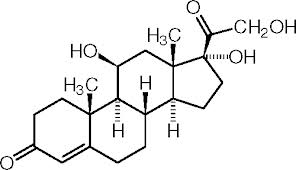
Cortisol’s Functions
Cortisol has gotten a bad rap in recent years due to its nickname, the “stress hormone”. What occurs during times of excessive emotional stress? The adrenal glands respond by producing more cortisol in an effort to provide more energy and a higher pain threshold which is in keeping with the “fight-or-flight” response you may be familiar with. Normally, cortisol levels are at their highest in the morning then decrease progressively throughout the day, but if your body is placed under excessive stress, it may produce abnormally high levels of cortisol which disrupt this natural pattern. The resulting elevation in cortisol stimulates the metabolism of carbohydrates and fats and also triggers insulin release. These activities can result in an increased appetite and uncomfortable hunger pains. Blood glucose levels also rise as a result of excessive cortisol release, and if that glucose is not used for energy, it will be stored in the body’s fat reserves, particularly in the fat cells of the abdominal region.
An alarming consequence of excess cortisol release as a result of stress is the damage to the hippocampus and potential memory loss which can occur over time. Several studies have discovered that about one fourth of the hippocampus cells in the brain are lost as we age. Since the hippocampus is responsible for giving feedback to the cerebral cortex in order to prevent production of excess cortisol, such feedback is impaired and could lead to memory loss over time.
However, while it is true that cortisol is responsible for responding to stressful situations, it is also essential for a number of important functions in the body, including regulation of blood pressure, glucose metabolism, immune system support, memory support and regulation of blood sugar. Keeping cortisol release at a balanced and normal range is the key to optimizing its beneficial effects.
Catabolism, Anabolism and Cortisol
Cortisol is a potent catabolic agent and has been shown to cause significant loss of muscle mass in sedentary individuals. When cortisol is released into the bloodstream, it binds to receptors on muscle cells and activates the ATP-dependent ubiquitin/proteasome pathway which causes the body to literally consume its own muscle tissue. It’s a disturbing thought, but the upside is that weight training is effective in counteracting some of cortisol’s direct catabolic actions. The strange paradox is that training both reduces cortisol’s direct catabolic effects and increases the body’s secretion of the substance. Cortisol also slows the body’s anabolic drive by inhibiting the release of testosterone, human growth hormone and insulinlike growth factor 1. Thankfully, weight training once again blocks this anti-anabolic action to some extent, but this block only occurs in the trained muscles.
Another bizarre paradox with cortisol is found with protein absorption. Eating any meal will trigger cortisol release, but proteins are the most potent cortisol releasers. Cortisol release can be blocked by administering alpha-1-blockers before a protein meal, but this will also adversely affect protein absorption. What this boils down to is that cortisol must be released in order to properly assimilate proteins. Keep in mind that protein-induced cortisol release is very brief, while cortisol released as a result of stress persists for a much longer period of time.
Controlling Cortisol Release
A certain level of cortisol secretion is normal. However, if you are interested in controlling excessive cortisol release, you may want to consider taking certain supplements. The most prudent manner in which to do this is to get a blood test beforehand which will determine whether you actually have abnormally high cortisol levels.
 L-glutamine: Athletes who supplement with L-glutamine are well aware of its mass building and reparative effects, but L-glutamine also halts cravings for simple carbohydrates, thus aiding in stabilizing blood sugar in individuals who have high cortisol levels.
Theanine: Theanine is naturally found in green tea and has been studied for its calming effects on the nervous system. It works by triggering dopamine and gamma aminobutyric acid (GABA) release, which serve to protect the hippocampus.
L-lysine and L-arginine: Combination oral supplementation of these two amino acids have been proven to reduce anxiety and restore cortisol to basal levels.
B-Complex Vitamins: All of the B vitamins work synergistically in adrenal hormone production, especially vitamin B-6, pantothenic acid and niacin. Not only do they support adrenal hormone production, they also protect against the effects of excess cortisol.
Vitamin C: When the body is placed under stress, free radicals are produced which cause the body to use up vitamin C as a protective mechanism for cells. Since we are unable to produce our own vitamin C, it must be ingested regularly. In fact, vitamin C intake should be increased during stressful times.
Zinc: Stress-related cortisol surges will often trigger sugar cravings which, when indulged, may result in a zinc deficiency due the fact that sugar binds with zinc and is excreted. However, individuals who supplement with zinc and refrain from sugar indulgences benefit from a protective effect which zinc confers. One study in particular, “Zinc Acutely and Temporarily Inhibits Adrenal Cortisol Secretion in Humans” by J. Brandao-Neto et al in the January 1990 issue of the journal “Biological Trace Element Research”, administered zinc to some subjects and placebo to the control group. The group which was given zinc supplementation showed an acute drop in cortisol levels compared with the control group.
Magnesium: Studies by Dr. Hans Selye revealed that when the human body shifts from an acute “fight or flight” reaction to a chronic stress response, the high levels of cortisol and norepinephrine result in magnesium depletion. When the body is deficient in magnesium, one becomes predisposed to panic attacks which lead to more stress and more depletion. Studies have also shown that 80 percent of the American population is deficient in magnesium. By supplementing with magnesium, one can boost serotonin production and provide protection against the harmful effects of excess cortisol.
ZMA: ZMA, which stands for Zinc monomethionine aspartate and Magnesium Aspartate, is a popular sports supplement which is comprised of zinc, magnesium and vitamin B6. The proportion of ingredients usually seen is 20-30 mg zinc, 400-500 mg magnesium and 10 mg of vitamin B6. This supplement meets the body’s magnesium requirement, and the zinc and vitamin B6 allegedly increase strength levels.
Pregnenalone: Pregnenalone is a precursor to progesterone and DHEA. Since progesterone has a protective effect against the effects of estrogen and cortisol, and since DHEA causes cortisol levels to fall, pregnenalone can be an effective supplement in controlling cortisol excess.
Phosphatidylserine: This phospholipid is an essential building block for cells which is extremely effective in reducing cortisol levels in response to physical stress. Phosphatidylserine can also have a positive effect on one’s mood.
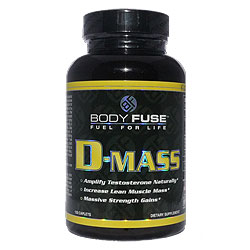 Testosterone Boosters: These substances can moderate the release of cortisol in response to exercise.
Growth hormone boosters: These substances also control exercise-induced cortisol release while leaving basal cortisol release unaffected.
Carbohydrate drinks: When a workout is lengthy, blood glucose levels fall, resulting in hypoglycemia which triggers the release of cortisol. Consuming a carbohydrate beverage can prevent this drop in blood glucose while also maintaining insulin at a high level.
To Suppress, Or Not To Suppress…Cortisol, that is:
Many of you are aware that cortisol can simultaneously cause degradation of protein and impair protein synthesis. However, there is a danger in taking supplements to inhibit cortisol release if your basal cortisol levels are already low. When basal cortisol levels are below normal, metabolism is disrupted, blood sugar drops and glycogen stores are diminished. Low cortisol levels also cause blood pressure to plummet along with a decrease in cardiac output. Diminished cortisol also causes hyperactivity in the melanocytes which produce skin pigment, precipitating dark discoloration.
If that isn’t enough, low cortisol results in impaired immune response, weakness and dehydration. When infection, excessive sweating or surgical trauma occur in such an environment, an adrenal crisis can occur. If such a crisis is pronounced, a whole host of symptoms can manifest, a number of which are life threatening. The most severe of these symptoms are loss of consciousness, low blood pressure, seizures, shock and coma.
As stated before, it is a good idea to check your cortisol levels before taking any type of supplement which is designed to control cortisol release.
Originally published on mensphysique.com on Monday, 01 October 2012
http://www.rxmuscle.com/blogs/the-lab-supplement-school/6661-high-fructose-corn-syrup.html

Corn sugar, or high-fructose corn syrup (HFCS) as it is more commonly called, is the most common sweetener which is used in processed foods and beverages. In fact, HFCS comprises more than 40 percent of caloric sweeteners added to foods and beverages and is the sole caloric sweetener in soft drinks in the United States. It is adored by the food industry because it is extremely sweet, incredibly cheap, easy to transport and keeps foods moist. Like its chemical cousin table sugar (sucrose), it has raised eyebrows in the research world and prompted a growing body of studies which examine the manner in which the body processes it. The general consensus is that consumption of large quantities of any type of sugar is closely linked to dental cavities, obesity, malnutrition, and increased triglycerides. One study which was published in Metabolism Journal discovered that individuals who drank a beverage sweetened with HFCS had fructose blood levels five grams higher than those consuming a beverage sweetened with table sugar. This may not seem like much, but when you consider the cumulative effects, HFCS becomes a much more insidious dietary villain.
 Let’s examine the composition of HFCS. This substance contains from 43 to 55 percent fructose with the remainder as glucose. In contrast, sucrose is 50 percent fructose and 50 percent glucose. Both are quite similar except when it comes to chemical bonds. When HFCS is made from cornstarch, the fructose molecules are not bound to other sugar molecules, while with sucrose, every fructose molecule is bound to a glucose molecule. When sucrose is ingested, it must undergo an extra metabolic step before the body can use it. With HFCS, the body reacts to the fructose readily. The problem is that fructose has no effect on glucose levels and insulin release (in other words, it skips glycolysis) and thus will not trigger the release of leptin (the hormone which signals your body to stop eating when it is full) nor create a feeling of satiety. This can lead to a higher caloric intake with a corresponding body weight increase. Basically, HFCS tricks the body into thinking it’s hungry when it may already be full.
Foods Containing Large Levels of HFCS
· Regular soft drinks
· Salad dressings
· Breakfast cereals
· Frozen yogurts
· Canned soups
· Canned fruits (if not in their own juice)
· Jarred and canned pasta sauces
· Bread
· Fruit-flavored yogurts
· Pancake syrups fruit juice and fruit drinks
· Popsicles
· Ketchup and barbecue sauces
Make sure to check ingredient listings, especially with the foods listed above, and try to avoid HFCS whenever possible.
Originally published on mensphysique.com on Sunday, 15 July 2012

http://www.rxmuscle.com/blogs/the-lab-supplement-school/6078-should-you-be-afraid-of-water-bottles-and-cans.html
Unless you have been living under a rock you have heard about the concern over human exposure to Bisphenol A, also referred to as BPA. BPA is an organic compound (chemical formula (CH3)2C(C6H4OH)2 ) which is a colorless solid used to confer hardness to polycarbonate plastic. It is also used in epoxy resins to create and antibacterial coating in the lining of metal cans which are used in the food industry. BPA can leech from containers into the foods they hold and become ingested by individuals when those food items are consumed.
What makes BPA a concern for people is the fact that it is a weak endocrine disruptor which mimics estrogen and has substantial negative side effects on health. A U.S. Government sponsored review of the scientific literature on BPA was conducted in 2006, resulting in the following statement:”BPA at concentrations found in the human body is associated with organizational changes in the prostate, breast, testis, mammary glands, body size, brain structure and chemistry, and behavior of laboratory animals.” I don’t know about you, but such a conclusion is terrifying to me and enough to keep me invested in using containers made of stainless steel, glass, and BPA-free plastic for the rest of my life.
The Centers for Disease Control (CDC) reported that approximately 93% of Americans have detectable levels of BPA in their bodies. Even at low doses, BPA causes diabetes, heart disease, reproductive issues, breast and prostate cancer, low sperm count, altered brain development and obesity. When one considers the long-term exposure to which most of us have been subjected, the implications become staggering and quite disconcerting.
Diseases Linked to BPA Exposure
HEART DISEASE – Data from the National Health and Nutrition Examination Surveys discovered that men with the highest levels of BPA exposure (measured through urinary samples) were 10% more likely to develop heart disease. It is believed that BPA suppresses a hormone which has a protective effect against heart attacks, oxidative stress, and damage to blood vessels.
DIABETES AND OBESITY – BPA causes an increase in insulin release from the pancreas which causes a reduction in the body’s ability to utilize fat, thus increasing the risk for both diabetes and obesity.
THYROID FUNCTION – BPA has been shown to bind to thyroid hormone receptors, thus disrupting normal thyroid function.
NEUROLOGICAL DAMAGE – Numerous research studies on different animal models have determined that low-dose BPA maternal exposure causes long-term neurobehavioral development in developing fetuses, interfering with brain cell connections vital to memory, attention and mood. Furthermore, BPA potentiates, or boosts, central dopaminergic systems, creating increased sensitivity to drug-abuse induced reward effects.
INTESTINAL DAMAGE – BPA can damage intestinal lining, causing “leaky gut syndrome”. This interferes with the gut’s ability to block toxins and bacteria from entering the body.
INFERTILITY – Chronic exposure to low doses of BPA can impair the growth and function of the egg cells which are involved in ovulation due to the fact that it binds to receptors in the cells which are designed to bind with estrogen.
ERECTILE DYSFUNCTION – A 2009 study conducted on over 200 Chinese workers in BPA factories found that those men were four times more likely to have erectile dysfunction and seven times more likely to have problems with ejaculation.
CANCER – BPA is capable of inducing neoplastic transformation in human breast epithelial cells and has also been found to reduce sensitivity to chemotherapy treatment of specific tumors.
Where BPA Lurks
BPA is far more pervasive than you may ever imagine. Here is a list of items which have been found to contain BPA:
· Water bottles
· Food cans
· Soda cans
· Infant formula
· Wine and Beer (due to fermentation in BPA resin lined vats)
· Recycled paper (including toilet paper)
· CDs
· Baby bottles
· Dental fillings
· Plastic cups
· Hard plastic 5-gallon drinking water bottles
· Credit card receipts at gas stations
· Plastic food storage containers
The Centers for Disease Control have conducted numerous studies which have detected BPA in the urine of over 90% of adults and children tested. Another study which was conducted in 2009 revealed that drinking from plastic water bottles almost doubled urinary BPA levels. Yet another study examined subjects who consumed canned soup during one test period and fresh soup during another test period. After only five days the participants consuming the canned soup had an increase in urinary BPA levels of 1221% compared to those consuming fresh soup.
Guidelines to Minimizing BPA Exposure
Fortunately a large number of food storage containers can now be found which utilize stainless steel, glass and BPA-free plastics. In fact many shaker cups are now being constructed from BPA-free plastic. A handful of bodybuilders who still incorporate canned tuna into their meal plans have the option of purchasing their tuna in foil pouches instead of cans which are lined with BPA.
I realize that the following list is rather comprehensive, so it is up to you to decide how aggressively you would like to minimize BPA exposure.
· Do not drink out of plastic water bottles unless they are BPA-free.
· Replace plastic storage containers with those made of stainless steel, glass, ceramic or paper. If you must use plastic, look for resin identification codes (the number on the underside of containers) 4, 5, 1 or 2. Make sure to avoid containers marked with 7, as these almost invariably contain BPA.
· Avoid purchasing food and beverages which are packaged in cans.
· Wrap sandwiches in paper or cloth.
· Do not drink soda from a can.
· Avoid purchasing recycled toilet paper or paper products.
· Never heat food in plastic or place warm or hot food into plastic containers, bags, or cling wraps.
· Do not put plastic items in dishwasher.
· Avoid contact between acidic or fatty foods and plastic.
· Use metal eating utensils.
· Purchase reusable water bottles and shaker cups which are labeled BPA-free.
· Buy glass appliances whenever possible. (eg: blenders)
· Replace plastic coffee filters with ceramic or metal ones
· If you use a French press for coffee, make sure it is all metal and glass with no plastic parts.
· Wash hands after touching cash register receipts or money.

Every year we have the opportunity to start fresh with a brand new set of days to change our attitudes and tackle our goals. Many people start the new year with resolutions to embark on diet and fitness programs in an effort to get into the best shape of their lives, improve their health, or perhaps enter a bodybuilding contest. I am bracing myself for the influx of new gym members this month because I know they will pack my local gym, but I am also well aware of the attrition rate which also occurs each year. I applaud anyone who makes the effort to change old habits and who truly commits to a regular exercise program and clean meal plan, and believe it is important to implement supplements which can boost energy levels and hasten fat loss and weight loss efforts.
Two of my favorite fat burner supplements are SWAT Fuel’s 9mm and 9mm+P, both of which deliver sustained energy with no jitters or crash. These thermogenic capsules were formulated with military personnel and law enforcement offers in mind, who must remain razor sharp through long vigils and who must also wield weapons which require precision aim. A case of the jitters in these individuals could be disastrous, so it is reassuring to know that 9mm and 9mm+P deliver on their promise of steady and long lasting energy. The 9mm+P formula contains an appetite suppressant which is extremely effective in halting cravings and preventing overeating. Both of these products are also excellent for anyone who wants more energy, whether it be for a workout or for work.
Be sure to check out SWATFuel.com and order directly from them!
http://www.rxmuscle.com/contibutors/3032-stacey-naito-do-aobfp-mensphysiquecom-blogger.html

Though Dr. Stacey Naito (D.O., AOBFP) is a physician and published medical researcher who is board-certified family medicine and is also highly experienced with all non-surgical aspects of aesthetic medicine, her biggest passion is fitness. She obtained her Bachelor’s Degree in Exercise Science from Occidental College and began working as a fitness trainer immediately after obtaining her degree. Weight training became an integral part of Dr. Naito’s daily routine, even during her post-doctoral residency training which at times had her working up to 120 hours per week. As a result of her determination to continue training during the most rigorous of schedules, she is committed to sending a strong message to people that anything is possible as long as it is made into a priority.
Dr. Naito started competed in the NPC in 2009 and earned her IFBB Pro card and immediately began competing in the pro league in 2013. While in the NPC, she quickly moved up the ranks at the NPC level and earned seven national first place finishes in the NPC. Stacey has also done very well on the IFBB stage. Through her experiences she has learned a great deal about every aspect of competing, and she makes every effort to pass this valuable information on to those who are new to the contest stage. When not working as a physician, training or attending or competing at an NPC/IFBB event, Dr. Naito spends her time working modeling gigs and writing articles.
Dr. Naito’s involvement in fitness, coupled with her medical expertise, has provided her with a powerful platform by which she can inspire patients and clients to reach their ultimate fitness and wellness goals through optimal exercise and nutrition.
Follow Dr. Naito on Facebook or visit her websites:
I was honored to write 25 articles for RxGirl over the past three years!
Get The Best Skin Ever Part 1: Lifestyle Adjustments
http://www.rxmuscle.com/rx-girl-articles/11853-get-the-best-skin-ever-part-1-lifestyle-adjustments.html
Easy Hairstyles For The Stage
http://www.rxmuscle.com/rx-girl-articles/11651-easy-hairstyles-for-the-stage.html
Waxing Or Threading?
http://www.rxmuscle.com/rx-girl-articles/11509-waxing-or-threading.html
Should You Do A Cleanse Or Detox?
http://www.rxmuscle.com/rx-girl-articles/11427-should-you-do-a-cleanse-or-detox.html
Melatonin
http://www.rxmuscle.com/rx-girl-articles/11102-melatonin.html
How To Beat Down Excuses That Derail You From Your Fitness Goals
http://www.rxmuscle.com/rx-girl-articles/10839-how-to-beat-down-excuses-that-derail-you-from-your-fitness-goals.html
The Ultimate Competition Packing List
http://www.rxmuscle.com/rx-girl-articles/10580-the-ultimate-competition-packing-list.html
Celiac Disease: A Blessing In Disguise For Competitors?
http://www.rxmuscle.com/rx-girl-articles/10435-celiac-disease-a-blessing-in-disguise-for-competitors.html
Weightlifting Safely While Pregnant
http://www.rxmuscle.com/rx-girl-articles/10085-weightlifting-safely-while-pregnant.html
Eating For Two: Nutrition For Competitors During Pregnancy
http://www.rxmuscle.com/rx-girl-articles/9990-eating-for-two-nutrition-for-competitors-during-pregnancy.html
Selecting The Right Suit Cut For Your Body
http://www.rxmuscle.com/rx-girl-articles/9788-selecting-the-right-suit-cut-for-your-body.html
Ignore The Haters!
http://www.rxmuscle.com/rx-girl-articles/9306-ignore-the-haters.html
How To Choose Your Next Show
http://www.rxmuscle.com/rx-girl-articles/8937-how-to-choose-your-next-show.html
Maintaining Focus In The Midst Of Chaos
http://www.rxmuscle.com/rx-girl-articles/8649-maintaining-focus-in-the-midst-of-chaos.html
Common Diet Myths
http://www.rxmuscle.com/rx-girl-articles/8325-common-diet-myths.html
Hormone Roller Coaster
http://www.rxmuscle.com/rx-girl-articles/7895-hormone-roller-coaster.html
The links below have an issue with white text on white background and thus cannot be read unless you highlight the entire body of the article. I will also re-post every article I wrote for RxGirl in future blog posts here, so stay tuned for those posts!
Posing Essentials For NPC Figure And Bikini Divisions
http://www.rxmuscle.com/rx-girl-articles/7521-posing-essentials-for-npc-figure-and-bikini-divisions.html
Help! My Face Is Falling
http://www.rxmuscle.com/rx-girl-articles/7293-help-my-face-is-falling.html
Supplements Women Need
http://www.rxmuscle.com/rx-girl-articles/7082-supplements-women-need.html
Emotional Eating
http://www.rxmuscle.com/rx-girl-articles/6941-emotional-eating.html
Competing On A Budget
http://www.rxmuscle.com/rx-girl-articles/6778-competing-on-a-budget.html
How To Bling Out Your Own Suit
http://www.rxmuscle.com/rx-girl-articles/6387-how-to-bling-out-your-own-suit.html
Booty-Building Superset Routine
http://www.rxmuscle.com/rx-girl-articles/6311-booty-building-superset-routine.html
Perfect Stage Makeup
http://www.rxmuscle.com/rx-girl-articles/6198-perfect-stage-makeup.html
Excusitis And How To Banish It
http://www.rxmuscle.com/rx-girl-articles/5936-excusitis-and-how-to-banish-it.html
It has been an honor and a blessing to write articles for MensPhysique.com! I have written 44 articles between April 2011 and December 2014. Check all of them out via the links which I have provided here:
What Do You Bring To The Table? Know Your Worth
http://www.rxmuscle.com/blogs/the-business-fitness-modeling-and-showbiz/11909-what-do-you-bring-to-the-table-know-your-worth.html
Are You A Sponsored Athlete Or An Unpaid Salesperson?
http://www.rxmuscle.com/blogs/the-business-fitness-modeling-and-showbiz/11790-are-you-a-sponsored-athlete-or-an-unpaid-salesperson.html
The If-It-Fits-Your-Macros Trend
http://www.rxmuscle.com/blogs/the-kitchen-eating-strategies/11653-the-if-it-fits-your-macros-trend.html
Supplements You Should Be Taking Based On Your Age
http://www.rxmuscle.com/blogs/the-lab-supplement-school/11503-supplements-you-should-be-taking-based-on-your-age.html
Of Crossfit Boxes And Boxy Midsections
http://www.rxmuscle.com/blogs/the-training-room-workouts-and-tips/11345-of-crossfit-boxes-and-boxy-midsections.html
Misconceptions About The Men’s Physique Division
http://www.rxmuscle.com/blogs/the-news-the-newest-in-mp/11258-misconceptions-about-the-men-s-physique-division.html
Creatine-Rich Foods Or Creatine Supplements?
http://www.rxmuscle.com/blogs/the-lab-supplement-school/11157-creatine-rich-foods-or-creatine-supplements.html
Worth Your Weight In Salt: Why Some Dietary Salt Is Good
http://www.rxmuscle.com/blogs/the-kitchen-eating-strategies/10971-worth-your-weight-in-salt-why-some-dietary-salt-is-good.html
One Step Forward Two Steps Back: Fighting Muscle Loss As You Age
http://www.rxmuscle.com/blogs/the-news-the-newest-in-mp/10590-one-step-forward-two-steps-back-fighting-muscle-loss-as-you-age.html
Sleep Deficit And Muscle Loss
http://www.rxmuscle.com/blogs/the-news-the-newest-in-mp/10329-sleep-deficit-and-muscle-loss.html
What To Do After You Have Slayed The Dragon
http://www.rxmuscle.com/blogs/the-life-inspiration-and-dedication/10154-what-to-do-after-you-have-slayed-the-dragon.html
How To Avoid Post-Contest Rebound
http://www.rxmuscle.com/blogs/the-training-room-workouts-and-tips/10049-how-to-avoid-post-contest-rebound.html
Social Media: A Double-Edged Sword
http://www.rxmuscle.com/blogs/the-business-fitness-modeling-and-showbiz/9773-social-media-a-double-edged-sword.html
Fit For Stage: There Is A Difference
http://www.rxmuscle.com/blogs/the-life-inspiration-and-dedication/9699-fit-for-stage-there-is-a-difference.html
Slow Cooker Sweet Potatoes
http://www.rxmuscle.com/blogs/the-kitchen-eating-strategies/9393-slow-cooker-sweet-potatoes.html
That Ever-Elusive Pro Card
http://www.rxmuscle.com/blogs/the-life-inspiration-and-dedication/8988-that-ever-elusive-pro-card.html
Natural Libido Enhancers
http://www.rxmuscle.com/blogs/the-lab-supplement-school/8399-natural-libido-enhancers.html
The Incredible Edible…
http://www.rxmuscle.com/blogs/the-kitchen-eating-strategies/7870-the-incredible-edible.html
The Many Benefits Of Cinnamon
http://www.rxmuscle.com/blogs/the-kitchen-eating-strategies/7644-the-many-benefits-of-cinnamon.html
What Is 7-Keto?
http://www.rxmuscle.com/blogs/the-lab-supplement-school/7523-what-is-7-keto.html
The Importance Of Digestive Enzymes
http://www.rxmuscle.com/blogs/the-lab-supplement-school/7476-the-importance-of-digestive-enzymes.html
Fenugreek Enhances Performance
http://www.rxmuscle.com/blogs/the-lab-supplement-school/7362-fenugreek-enhances-performance.html
Why Zinc Is So Important
http://www.rxmuscle.com/blogs/the-lab-supplement-school/7294-why-zinc-is-so-important.html
Why You Should Add Curcumin To Your Diet
http://www.rxmuscle.com/blogs/the-lab-supplement-school/7143-why-you-should-add-curcumin-to-your-diet.html
Should You Block Cortisol Production?
http://www.rxmuscle.com/blogs/the-lab-supplement-school/6894-should-you-block-cortisol-production.html
High Fructose Corn Syrup
http://www.rxmuscle.com/blogs/the-lab-supplement-school/6661-high-fructose-corn-syrup.html
Protein Denaturing And What It Means For You
http://www.rxmuscle.com/blogs/the-lab-supplement-school/6456-protein-denaturing-and-what-it-means-for-you.html
Collagen Controversy: Is This Protein For You?
http://www.rxmuscle.com/blogs/the-lab-supplement-school/6215-collagen-controversy-is-this-protein-for-you.html
Should You Be Afraid Of Water Bottles And Cans?
http://www.rxmuscle.com/blogs/the-lab-supplement-school/6078-should-you-be-afraid-of-water-bottles-and-cans.html
What To Bring To Your First National Show Besides Your Physique
http://www.rxmuscle.com/blogs/the-news-the-newest-in-mp/5580-what-to-bring-to-your-first-national-show-besides-your-physique.html
The Fledgling
http://www.rxmuscle.com/blogs/the-news-the-newest-in-mp/5364-the-fledgling.html
To The New Model On The Block
http://www.rxmuscle.com/blogs/the-business-fitness-modeling-and-showbiz/5254-to-the-new-model-on-the-block.html
Picture Perfect With The Ladies: How To Model With A Female
http://www.rxmuscle.com/blogs/the-business-fitness-modeling-and-showbiz/4796-picture-perfect-with-the-ladies-%E2%80%93-how-to-model-with-a-female.html
Selecting Board Shorts For The Stage
http://www.rxmuscle.com/blogs/the-look-skin-attitude-attire-and-persona/4343-selecting-board-shorts-for-the-stage.html
Why You Should Build A Show Strategy
http://www.rxmuscle.com/blogs/the-life-inspiration-and-dedication/4258-why-you-should-build-a-show-strategy.html
Dry Skin Is Not Sexy
http://www.rxmuscle.com/blogs/the-look-skin-attitude-attire-and-persona/4101-dry-skin-is-not-sexy.html
Shaving Basics
http://www.rxmuscle.com/blogs/the-look-skin-attitude-attire-and-persona/3995-shaving-basics.html
Ingrown Hairs – Ouch!
http://www.rxmuscle.com/blogs/the-look-skin-attitude-attire-and-persona/3426-ingrown-hairsouch.html
Taming Of The Brow
http://www.rxmuscle.com/blogs/the-look-skin-attitude-attire-and-persona/3329-the-taming-of-the-brow.html
Holding Onto That Faux Bronzed Glow
http://www.rxmuscle.com/blogs/the-look-skin-attitude-attire-and-persona/3217-holding-onto-that-faux-bronzed-glow.html
How To Remove Self-Tanner After A Shoot Or Show
http://www.rxmuscle.com/blogs/the-look-skin-attitude-attire-and-persona/3216-how-to-remove-self-tanner-after-a-shoot-or-show.html
The Hair Issue: Getting To The Root Of The Problem
http://www.rxmuscle.com/blogs/the-look-skin-attitude-attire-and-persona/3174-the-hair-issuegetting-to-the-root-of-the-problem.html
My Bio
http://www.rxmuscle.com/contibutors/3032-stacey-naito-do-aobfp-mensphysiquecom-blogger.html
 This article details the five most important things I have learned about training since I began weight lifting over 25 years ago. When I think back on how little I truly knew about the methods and motivation behind working out, I realize that I have come a very, very long way. It was no accident that I obtained an undergraduate degree in exercise science and a medical degree, because I have spent my adult life strongly driven to learn as much about the human body and its potential as I possibly could. However, there is so much warrior spirit and heart that goes into weight lifting, and it can never be taught, only experienced.
Lifting Lady Weights versus A Lady Lifting WEIGHTS
I began lifting weights when I was 21 years old, shortly after embarking on a mission to heal from a year-long struggle with anorexia which brought me down to 85 pounds and also sunk my spirits to rock bottom. At that time my main objective was to learn how to lift properly, which fortunately was supported by my undergraduate studies and eventual Bachelor’s degree. I was rail thin and weak, so it took some time before I made real gains in the weight room. I held the same misconception back then that many women have now, in which I had a fear of lifting heavy and getting too muscular as a result. More than 25 years later, I regularly dispel that myth by encouraging women to lift heavy weights and showing them that my physique, which is not overly muscular, is the result of some very heavy lifting over the last several years.
Maintaining a Nice Physique versus Raising The Bar
During the years preceding my journey into competitive bodybuilding, I never pushed myself to the next level because I honestly never saw the point. I was content with the degree of muscle I had built in my 20’s and 30’s and was surrounded by people who weren’t impressed with weight training, so I never set new goals. Since I was blessed with decent genetics which kept me at a low to normal body weight and a moderate amount of muscle mass, I was pretty complacent (though very consistent) about my weight training. Then I went through a dramatic shift in 2009 when I competed in my first NPC bodybuilding contest and had an “aha” moment in which I finally understood the insatiable desire to push on to the next level and continue to set the bar higher and higher. Essentially, I had been bitten by the bodybuilding bug, and it overtook me with a ferocity and intensity that I had never known. I know that if it hadn’t been for that dogged determination which made me hungry for top national placings and an IFBB Pro Card, I might never have become a Pro.
Competitions & Overtraining versus Paying Attention To Pain
Let’s just get one thing straight: ever since I began competing in 2009, I have become accustomed to training like a beast. However, when I began my journey towards obtaining IFBB Professional Status, my purpose was so singular that I was willing to train until I collapsed from complete exhaustion, a tactic which I now realize is pretty stupid since it wreaks major havoc on the body when practiced for many months or years. I now understand that it is NEVER worth overtraining, or training with injuries which won’t heal because the athlete never takes a break from lifting. Overtraining interferes with muscle gains, immune function, sleep cycles, joint health, mood and energy, and can trigger a complete metabolic meltdown if the athlete continues overtraining for an extended period of time. Though my body’s creaks and groans, along with chronic pain issues from rotator cuff tears in my shoulder and severe tendinitis (IT bands, forearms, feet) were what caused me to finally ease up on the intensity of my workouts, I only allowed myself to pull the reins back AFTER I got my Pro Card. Once the beast had been slain, I fully embraced the idea of training smart and listening to my body’s pain cues
Hurry Up Before It’s Too Late versus Improving With Age
Before I began competing, I honestly believed that there was a freshness date stamped on competitors which essentially relegated them to the dinosaur pits by the time they reached 35 or 40. So I became positively giddy when I discovered that there was a masters’ division in bodybuilding and that I could strut my 43-year old booty onstage without risk of embarrassment. I regarded each subsequent contest as a chance to improve with age, thus using my competitions as a means to beat Father Time. Through my competition journey I have also met other bodybuilding and fitness devotees who do an outstanding job of proving that one can never be too old to be in great shape.
Seeing Clients/Patients One-On-One versus Impacting The Masses
If someone had told me back in 2009 (my first year of competing) that I would build a global following in a couple of years, I never would have believed it, especially since I had become so accustomed to working with fitness training clients and medical patients on a one-on-one basis. My passion for fitness became supercharged when I began competing, and I was so enthusiastic about sharing that passion that I turned to websites and social media platforms to demonstrate favorite exercises and contest video footage. Without thinking about it, I had put myself in a position to lead by example, and used my knowledge, educational background and experience to build fan loyalty and inspire and motivate my followers and fans. To this day, I love getting messages from fans who say that it was because of me that they decided to start competing or to pursue another personal passion which gave them joy and also graced them with optimal fitness.
These days, I often refer to embarking on a fitness and wellness regimen as putting the oxygen mask over one’s own face. That was exactly what I did for myself over 25 years ago. By showing others how to do the same thing, I feel completely in line with my life’s purpose, and it’s extremely rewarding.
 dr. stacey naito's blog