Chronic Pain Sufferers Can Use This Holistic Guide For Active Living

Article written by Karen Weeks (https://elderwellness.net/)

Photo via Pexels

Living with chronic pain doesn’t mean putting life on hold. Innovative strategies and supportive resources are available that empower individuals to lead fulfilling lives despite persistent discomfort. By tapping into specialized care and community support, people with chronic pain can reclaim their daily activities and joy. In this article, presented by Dr. Stacey Naito, we’ll go over several things you can do to live an active life even with chronic pain.

PT for Movement and Pain Relief

Collaborating with a skilled physical therapist is pivotal in effectively managing chronic pain. These professionals develop tailored exercise regimens that address your specific pain points and mobility issues, whether they stem from joint pain, muscle stiffness, or injuries. Through gentle, targeted exercises, physical therapists work to strengthen your muscles, enhance flexibility, and improve overall mobility. 

Seek Out a Skilled Chiropractor 

Many things can contribute to chronic pain, but car accidents are one of the most common causes. Chiropractic care, especially from a car accident chiropractor, can significantly alleviate pain from back and neck injuries such as whiplash, herniated disks, and other accident-related conditions. These specialists focus on spine and joint alignment to help restore function and relieve tension. Treatment duration varies widely, from just a few sessions to ongoing care, based on the injury’s severity and your recovery progress. 

Pace Yourself 

Mastering the art of pacing is essential for managing chronic pain effectively. It involves balancing activity to avoid overexertion, which can exacerbate pain, and underactivity, which can lead to muscle weakening. By breaking tasks into smaller segments and taking regular breaks, you can conserve energy and avoid pain triggers. Prioritizing essential activities and learning to delegate or refuse less critical tasks also helps manage physical strain and mental stress, supporting a more comfortable and fulfilling lifestyle.

Access Pain Management Workshops 

Attending pain management workshops offered by clinics, hospitals, and organizations can provide comprehensive support and education on managing chronic pain. These workshops cover a variety of pain management strategies, from dietary tips to reduce inflammation to exercise routines and cognitive-behavioral techniques for mental coping. You can also look for telehealth services that will help you manage pain from the comfort of your own home.

Build a Supportive Community

Building connections with others who understand the challenges of living with chronic pain can significantly reduce feelings of isolation. Support groups, whether online or in person, offer a platform to share experiences, tips, and personal milestones, providing both emotional and practical support. These communities can help diminish loneliness and foster a positive, motivated mindset. Engaging with others facing similar struggles can also offer fresh perspectives and encouragement, making the pain management journey less daunting.

Track and Understand Your Pain

Regularly tracking your pain can play a crucial role in managing it effectively. Various apps are available to help monitor pain levels, triggers, and the effectiveness of different treatments, providing valuable data for you and your healthcare provider. This ongoing record helps identify patterns and tailor treatments more accurately, enhancing your ability to make informed decisions about your daily activities. Effective pain tracking also improves communication with your healthcare team, ensuring you receive optimal care tailored to your needs.

Alternative Therapies for Relief

Exploring alternative therapies can complement traditional treatments and offer additional relief from chronic pain. Techniques like acupuncture, which uses fine needles to stimulate specific body points, and massage therapy, which relaxes tight muscles and improves circulation, tap into the body’s natural healing mechanisms. These methods not only help in reducing tension and promoting pain relief but also enhance overall well-being and mobility.

Managing chronic pain effectively requires more than just enduring discomfort—it involves actively seeking solutions and support systems that enhance quality of life. With the right approaches and resources, individuals can navigate their challenges more confidently and with greater ease. This journey is about continuous learning and adaptation, enabling people to not only manage but thrive despite chronic pain. 

What Is Laryngopharyngeal Reflux?

Laryngopharyngeal reflux (LPR), also known as silent reflux, is a condition where stomach acid and digestive enzymes flow back into the larynx (voice box) and pharynx (throat), causing irritation and discomfort. Unlike gastroesophageal reflux disease (GERD), which primarily affects the esophagus, LPR often doesn’t present with classic heartburn symptoms. Instead, it can manifest with a range of symptoms affecting the throat and voice.

Symptoms

The symptoms of LPR can vary but often include:

  • Chronic cough: A persistent cough that doesn’t seem to go away.
  • Hoarseness or voice changes: Difficulty with voice, or a raspy voice.
  • Sore throat: A feeling of irritation or discomfort in the throat.
  • Lump in the throat: A sensation of something stuck in the throat, often described as “globus sensation.”
  • Post-nasal drip: Mucus dripping down the back of the throat, which can be a result of irritation.
  • Throat clearing: Frequent clearing of the throat to relieve irritation.

Less commonly, LPR can cause symptoms like sore ears, dental erosion, or a dry throat.

I am very familiar with LPR because I have been struggling with the condition since 2021. It is a persistent, annoying, and at times frightening condition which is quite resistant to treatment. I have a lump of mucus in the back of my throat the majority of the time, and this lump grows and starts to drain within a minute after eating most meals. I must frequently clear my throat to rid it of the mucus, and when the condition is particularly severe, my voice becomes raspy. The other thing I experience is very severe coughing which at times is so violent that I end up vomiting. It’s a horrible condition to have.

Diagnosis

Diagnosing LPR can be challenging because its symptoms often overlap with other conditions, such as allergies or infections. The diagnostic process typically involves:

  1. Medical History and Symptom Review: A healthcare provider will take a detailed history of symptoms and may inquire about diet, lifestyle, and other health conditions.
  2. Laryngoscopy: A procedure where a flexible tube with a camera (laryngoscope) is inserted through the nose or mouth to visualize the larynx and pharynx. This can help identify signs of acid damage or inflammation.
  3. 24-Hour pH Monitoring: This involves placing a small probe in the esophagus or throat to measure the amount of acid reflux over a 24-hour period. This can help confirm the diagnosis of LPR by documenting acid exposure.
  4. Esophageal Manometry: Sometimes used to assess how well the esophagus is functioning, though it’s less commonly needed for LPR diagnosis.
  5. Empirical Treatment Trial: In some cases, doctors might start treatment based on symptoms and response to medication as a way to confirm the diagnosis if other tests are inconclusive.

Treatment Options

Treatment for LPR often involves a combination of lifestyle changes, dietary adjustments, and medications:

  1. Lifestyle Modifications:
    • Elevate the Head of the Bed: Sleeping with the head of the bed raised can help reduce nighttime symptoms. *NOTE: I do not personally find this to be helpful at all.
    • Avoid Eating Late: Try not to eat within 2-3 hours of bedtime to reduce nighttime reflux.
    • Maintain a Healthy Weight: Excess weight can increase abdominal pressure and contribute to reflux.
    • Quit Smoking: Smoking can irritate the esophagus and throat, worsening symptoms.
  2. Dietary Changes:
    • Avoid Trigger Foods: Common triggers include acidic foods (like tomatoes and citrus), spicy foods, caffeine, chocolate, and fatty foods.
    • Eat Smaller Meals: Larger meals can increase pressure on the lower esophageal sphincter, leading to reflux.
  3. Medications:
    • Proton Pump Inhibitors (PPIs): These reduce stomach acid production and are often effective in treating LPR. *NOTE: Please be aware that I am not a fan of this treatment method.
    • H2-Receptor Antagonists: These medications also reduce acid production but are typically less potent than PPIs. *NOTE: Please be aware that I am not a fan of this treatment method.
    • Antacids: Can provide short-term relief by neutralizing stomach acid. *NOTE: Please be aware that I am not a fan of this treatment method.
    • Alginate-Based Medications: These form a protective barrier on top of the stomach contents to prevent reflux.
  4. Surgery: In severe cases where lifestyle and medication don’t help, surgical options like fundoplication (a procedure to wrap the top of the stomach around the lower esophagus) might be considered to prevent acid reflux.

Managing LPR often requires a comprehensive approach, including lifestyle and dietary changes combined with appropriate medical treatments. Regular follow-up with a healthcare provider is crucial to monitor the condition and adjust treatment as needed.

From Feet Up: The Complete Guide to Total Body Care


Image by Freepik

Embarking on a journey toward a healthier you doesn’t require monumental changes. It’s about integrating small, practical steps into your everyday routine. This Dr. Stacey Naito guide is your companion on this journey, offering simple yet effective strategies for enhancing your well-being, head-to-toe.

Article written by Karen Weeks (https://elderwellness.net/)

Energize Through Movement

Setting aside time for physical activity is more than just a fitness goal; it’s a gift to your body. Aim for at least 150 minutes of exercise weekly. Whether it’s a brisk morning walk, a cycling session, or an evening dance class, find joy in movements that invigorate your heart, strengthen muscles, and boost your mood. Regular exercise not only improves physical health but also enhances mental well-being, reducing stress and anxiety.

Consider Going Back to School for A Career Change

Work-related stress can have a significant impact on an individual’s mental health and overall well-being. If you find yourself in a job that no longer challenges you or if you feel that you’re ready for a career change, it may be time to consider switching careers to improve your mental health. An online program to get a masters degree in nursing offers a convenient way to achieve your educational goals while still maintaining your current work and family responsibilities. When selecting an online school, it’s crucial to verify its accreditation status and ensure that it offers competitive tuition rates to get the best value for your investment.

Find Time for Walking

For those with sedentary jobs, incorporating more walking into their daily routine can be highly beneficial. Scheduling regular walking breaks throughout the day can break the monotony of sitting and boost both energy and mood. Opting for the stairs rather than the elevator and walking to pick up food instead of using delivery services are simple yet effective ways to increase daily step counts. Additionally, choosing to walk to a coworker’s office for face-to-face interactions not only adds to physical activity but also fosters better workplace relationships.

Tending to Your Foundation: Foot Care

Foot health is an integral part of maintaining a healthy lifestyle. Our feet carry us through all our daily tasks, emphasizing the importance of selecting comfortable shoes, practicing good hygiene, and treating ourselves to regular foot massages. Such practices are vital not only for foot health but also for overall well-being. Proper foot care aids in preventing frequent problems such as blisters, corns, and fungal infections, which are crucial for sustaining a healthy standard of living.

Culinary Adventures with Herbs and Spices

Revolutionize your approach to healthy living by incorporating herbs and spices into your meals. This strategy is not only about tantalizing your taste buds but also about reducing your sodium intake. Each herb and spice brings not just flavor but also significant health benefits. Herbs such as basil, oregano, and thyme are rich in antioxidants, while spices like turmeric and cinnamon possess anti-inflammatory properties, all contributing to a holistic healthy living diet.

Take Advantage of Martial Arts

Martial arts offers a comprehensive approach to total body care by enhancing physical fitness, mental discipline, and emotional resilience. Regular practice improves cardiovascular health, strength, flexibility, and coordination, contributing to overall well-being. Additionally, the discipline and focus required in martial arts training promote mental clarity and stress relief.

The Whole Grain Advantage

Make a conscious choice to choose whole grains. Rich in fiber, vitamins, and minerals, they are fundamental to your health. This switch not only nourishes your body but also supports long-term well-being. Whole grains like brown rice, quinoa, and whole wheat provide sustained energy, improve digestion, and can help maintain a healthy weight.

Incorporating these simple strategies into your daily life steers you towards a healthier lifestyle. Remember, every small step counts. It’s about making choices that benefit your health, ensuring a harmonious balance between mind, body, and soul. Embrace these practices, and watch as they transform your life.

For customized nutrition and training plans, as well as contest prep coaching, contact Dr. Stacey Naito today!

Building Healthier Communities: Your Guide to Leading Advocacy Efforts

Image: Freepik

By Julia Merrill of Befriendyourdoc.org
julia@befriendyourdoc.org

Your passion for health and wellness can serve as a powerful agent of change, impacting not just your own life but also enriching your community. By directing this enthusiasm toward advocacy and educational efforts, you transform it into actionable initiatives that can significantly improve communal health. Embrace this role wholeheartedly, and you’ll find yourself at the forefront of promoting healthful changes.

Initiate Community Health Sessions

Consider launching small group sessions in your community to discuss crucial health topics like nutrition, exercise, and mental health. These gatherings offer a platform to share valuable knowledge and strategies for healthy living, providing a foundation for community members to make informed choices about their well-being. As these sessions grow in popularity, they can foster a supportive network, encouraging ongoing participation and commitment to health.

Advocate for Health Policy Changes

Dive into the complexities of local health policies to understand how they impact your community. Use your insights to advocate for enhancements or the development of new initiatives that promote better health outcomes. By engaging with policymakers and stakeholders, you can influence decisions that lead to substantial improvements in public health infrastructure and services.

Launch a Health-Focused Business

Launching your own health and wellness business not only aligns with your passion but also taps into a burgeoning market for health services. To start a business, identify your niche, create a solid business plan, secure financing, register your business, and establish your brand and online presence. Opting to establish a limited liability company (LLC) provides you with perks such as limited liability protection, potential tax benefits, and the flexibility to adapt operations with minimal bureaucratic overhead. To streamline the process and save on legal fees, consider using services like ZenBusiness to handle your LLC setup.

Collaborate with NGOs

Partner with local non-governmental organizations to create impactful health campaigns and awareness drives. These collaborations can amplify your efforts, reaching a wider audience and drawing in more community engagement. Together, you can organize volunteer opportunities that promote health education and preventative measures, making a tangible difference in the health landscape of your community.

Organize Public Health Events

Help plan and execute public events such as health screenings, workshops, or informational seminars. These events provide critical health information and services to the public, often reaching individuals who are underserved or unaware of available health resources. By making these opportunities accessible, you contribute directly to the improved health of your community.

Share Your Health Journey

Utilize the power of blogging or vlogging on sites like YouTube to share your health journey and expertise. This personal touch can resonate deeply with your audience, providing them with practical advice and emotional support. Your stories and tips can inspire others to take action toward healthier lifestyles, creating a ripple effect of health consciousness across digital platforms.

Establish Support Groups

Facilitate the formation of support groups where you and others can freely share both the struggles and victories of your health journeys. In these groups, foster an environment of trust and empathy, allowing members to connect and draw strength from each other’s experiences. This sense of unity not only bolsters individual commitment to health goals but also nurtures a supportive community atmosphere that can lead to sustained well-being.

Offer Personalized Health Coaching

Offering individualized sessions, counseling, or coaching can profoundly impact someone’s health journey. By tailoring your guidance and support to their specific needs and challenges, you equip them to pursue and achieve their health objectives more effectively. This personalized touch not only enhances their ability to meet goals but also provides the encouragement and accountability crucial for lasting health transformations.

In harnessing your passion for health and channeling it into advocacy, you create a multi-faceted approach that not only enriches your life but also significantly impacts those around you. Each step you take builds upon the next, weaving a network of health empowerment that can sustain and grow with the collective effort of your community. By stepping forward, you light a path for others, proving that individual passion can indeed lead to collective health improvement.

Unlock the secrets to a healthier, fitter lifestyle with insights from Dr. Stacey Naito. Follow her blog today for expert tips on health, fitness, and living your best life!

Reclaim Your Health Naturally With These Simple Lifestyle Changes

Please check out this great article, written by Camille Johnson, who created https://bereaver.com

Photo via Pexels

Modern life, with its relentless pace and technological advances, often pulls us away from simple, natural practices that promote health and well-being. While conveniences abound, they sometimes come at the cost of our physical and mental health. By rediscovering and embracing natural methods to enhance our health, we can experience profound improvements in our overall quality of life. In this article, courtesy of StaceyNaito.com, we’ll go over several things you can do to feel better everyday.

Embrace Nature

Spending time in nature can significantly boost both your mental and physical health. The fresh air, sunlight, and green surroundings help reduce stress, lower blood pressure, and improve mood. Whether it’s a walk in the park, a hike in the woods, or a day at the beach, engaging with the natural world rejuvenates your body and mind. Regular outdoor activities also promote physical fitness, enhance overall well-being, and contribute to a healthier lifestyle.

Perfect Posture

Practicing good posture is essential to prevent physical strain and maintain musculoskeletal health. Poor posture can lead to chronic pain in your back, neck, and shoulders, and may cause long-term damage if not corrected. If you work from home, investing in ergonomic furniture can encourage good posture while preventing wear and tear on your back, neck, and shoulders. Simple exercises and mindful sitting and standing can make a significant difference.

The Power of Herbs

Considering herbal supplements for minor ailments can be a wise and natural choice. Many herbs, such as ginger for nausea, peppermint for digestion, and chamomile for sleep, have been used for centuries with great success. Herbal remedies often have fewer side effects compared to conventional medicines, making them a safer alternative for treating everyday health issues. Always research and consult a healthcare professional before adding new supplements to your routine.

Minimize Chemical Exposure

Reducing your exposure to harmful chemicals in cleaning products and cosmetics is crucial for maintaining good health. Many commercial products contain toxic substances that can cause skin irritation, respiratory issues, and other health problems. Opting for natural cleaning agents like vinegar, baking soda, and essential oils, and choosing organic, chemical-free cosmetics can protect you from these risks. Making your own products can also be an empowering and satisfying way to take control of your environment.

Laughter and Joy

Incorporating humor and laughter into your daily routine can have a profound impact on your well-being. Laughter reduces stress hormones, increases endorphins, and boosts your immune system. Watching a funny movie, reading a humorous book, or sharing jokes with friends can lift your spirits and improve your health. Remember, laughter is not just a temporary escape; it’s a vital aspect of a balanced life that fosters long-term happiness and resilience.

Stress Reduction

Engaging in stress-reducing activities like yoga or pursuing hobbies can greatly enhance your mental and physical health. Yoga combines physical exercise with mindfulness, helping to reduce anxiety and improve flexibility. Pursuing hobbies you love can also provide a necessary escape from daily stressors, allowing you to unwind and recharge. Whether it’s painting, gardening, or playing an instrument, these activities can bring joy, relaxation, and a sense of accomplishment, contributing to overall well-being.

Focus on Gratitude

Keeping a gratitude journal to focus on the positive aspects of life is a simple yet powerful tool for improving mental health. Writing down things you are thankful for can shift your focus from negative thoughts to positive ones, fostering a more optimistic outlook. This practice can enhance your mood, increase resilience, and promote overall emotional well-being. Taking a few minutes each day to reflect on your blessings can lead to lasting happiness.

Embracing natural methods for health and well-being fosters a balanced and fulfilling life. By integrating these natural approaches into your daily routine, you can achieve a healthier, happier life, reaping the benefits of a more holistic approach to well-being and long-lasting vitality.

How Do You Use A Bidet?

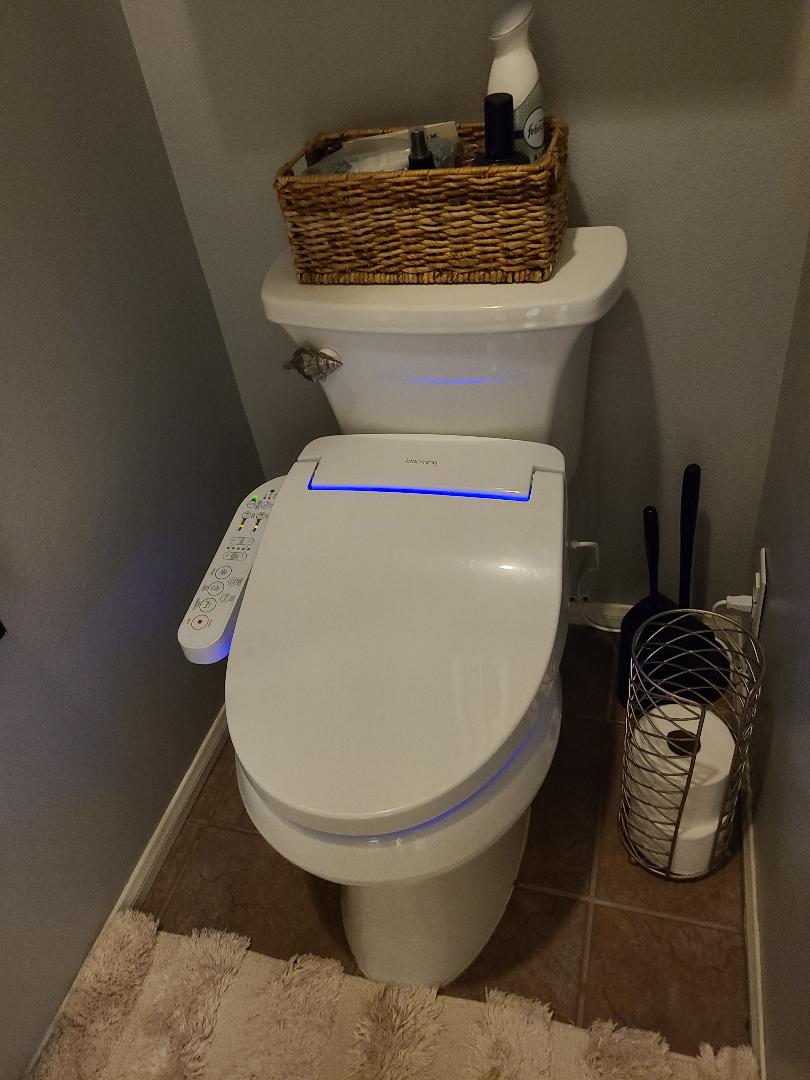
Modern bidet in my master bath

Bidets have surged in popularity over the past four years, primarily due to COVID lockdown restrictions and the toilet paper shortage. But while over 80% of households in Japan have bidets, the United States only boasts about 6% of households which feature bidets, even post-COVID. As someone who has a bidet, and had basic bidet attachments since 2016, I strongly believe that they are far superior to toilet paper and wipes for cleaning the area down under, and they result in a dramatic decrease in toilet paper use. Bidets are environmentally friendly, hygienic, and generally better for your bottom.

Since most American households don’t have bidets, I thought I would share the following video so that you will know what to do if you find yourself perched on a bidet toilet while visiting friends, and are curious about how to use one:

https://youtu.be/y9GqnTpj2So?si=4mXz0ijpLz-9xo0B

I encourage those of you who haven’t used a bidet before to try one when you get the chance. I know the sensation of having water shooting up your keister hole is very strange, but once you get over the initial shock, I promise that you will feel so clean after you use it. No amount of wiping with toilet paper will ever get you completely clean, but water will definitely wash all the residue away.

The history of the bidet is also quite interesting, as bidets were originally an upgrade from a chamber pot. For more information on the history of the bidet, check out this great article:

https://bidetgenius.com/pages/complete-history-of-the-bidet#:~:text=As%20far%20as%20historians%20can,with%20them%20on%20extended%20trips.

Bidets Are The Bomb

I am a huge fan of bidets, and truly believe that they are far superior for cleaning the nether regions than toilet paper. When I first got a bidet attachment back in 2016 (pictured below), I ordered two basic units for two different toilets. Because the attachments were very basic, I eventually became accustomed to the jet of cold water which would shoot out.

My first bidet toilet attachment, 2016

Then I visited Japan for the first time in 2020, and all the fancy bidet toilets there completely dazzled me. They were a far cry from the odd-looking bidets I saw in the late 1970’s in the bathrooms of affluent people. In fact, I used to think that only rich people ever bothered to have bidets in their homes, since they had separate plumbing and were not integrated into a toilet design. The bidet toilets in Japan had warm water, dryers, privacy music, and motion-detectors in the lid, and many of them greeted with a welcoming, opening toilet lid and privacy music.

After that Japan trip, I vowed that I would eventually get a fancy Japanese style bidet toilet. I finally got my chance to have an electric bidet toilet seat installed when the toilet in my master bath had to be replaced last November. I bought a model that doesn’t have a motion detector in the lid or privacy music, but all of the other bells and whistles are on the model I have, and I couldn’t be happier. I can’t even imagine life without one of these modern bidet toilet seats.

Blooming Bidet Seat

Resources and Tips to Help You Relax and Recharge Throughout the Day

Image via Pexels

By Julia Merrill of Befriendyourdoc.org
julia@befriendyourdoc.org

Modern life is busy. You probably have a lot of obligations to juggle, from work to family, friends, school, and more. You might find yourself getting overwhelmed and frazzled regularly. In the big picture, this can lead to mental health issues like anxiety. Read on for some resources and tips from Dr. Stacey Naito’s blog to help you unwind and recharge your battery.

Take a Break to Focus on Your Physical Well-being

Regular exercise is good for your mental and physical health. Try these tips to get more physical activity.

  • If you can’t get to the gym, try this total-body home workout. It only takes 15 minutes and requires no equipment.
  • You can also get exercise with hacks like skipping the elevator and taking the stairs.
  • Yoga is another activity you can do from home that helps to bust stress and improve mental health.

Build a stress-busting mental health toolkit

Get proactive about tackling stress head-on when it arises.

Natural Remedies

Using natural remedies to relieve stress is important because they often have fewer side effects, can be cost-effective, and work harmoniously with the body’s natural processes to promote overall well-being and resilience. Here’s a list of three natural remedies for stress:

  • Exercise: Regular physical activity, such as yoga, jogging, or swimming, can significantly reduce stress levels by releasing endorphins and improving overall mood.
  • Meditation: Practicing meditation and mindfulness techniques can help calm the mind, reduce anxiety, and enhance emotional stability.
  • THCA (Tetrahydrocannabinolic Acid): As a non-psychoactive precursor to THC found in raw cannabis, options for THCA may have therapeutic properties that help reduce stress without inducing a high.

Create a Relaxation Space at Home

When you need to take a break, curl up in your zen zone. Here’s how to make the perfect soothing space.

Know When to Ask for Help

If you’re constantly on edge and unable to relax, even with the above tips, it may be time for support. Here are some resources to help.

You don’t have to go through life feeling stressed and drained of energy. Making small changes to your daily routine can ensure you feel calm and refreshed. The resources above can help you get a better grasp on your daily well-being.
Read more informative articles on Dr. Stacey Naito’s blog today!

Eros Pro Massage Gun Review

The wonderful folks at INEVIFIT sent me this Eros Pro Massage Gun to review, and I have to say, it’s a very high quality piece of equipment! Please check out my video review for more information, as well as the limited time promo code which you can use for $35 off and free shipping.

Order one at https://inevifit.com/products/inevifit-eros-pro-massage-gun

Don’t Body Shame Women Who Have Cellulite

Copyright: flisakd

It’s startling to hear men criticize women for having cellulite, because anywhere from 80 to 98 percent of women have it. The presence of cellulite on a woman does not indicate that she has too much body fat, or that she is in some way unhealthy. Cellulite occurs when fat pushes up against the fibrous connective tissue which lies over it, causing a “cottage cheese” appearance. Cellulite can become more noticeable with weight gain, hormonal changes, and poor skin quality, but it is absolutely considered normal for those who have it. 

I recently heard one of my male friends literally exclaim “Ewww!” when I mentioned that I had some cellulite on the backs of my legs, prompting me to write this article in defense of all who sport some cellulite on their bodies. Mind you, I hadn’t even revealed the area in question on my body, but the reaction from my friend was unsettling. This is the kind of attitude that makes me want to keep my body covered up at all times, just to ensure that the backs of my legs don’t somehow offend an opinionated man. Honestly, even supermodels have cellulite, so could we stop picking on women (and men) who have it?