Can Booze Keep You Alive Into Old Age?

Copyright: angrysun

We have all heard that excessive or regular alcohol consumption can have serious adverse effects on health and can contribute to a range of health problems. That being said, some studies have suggested limited health benefits associated with moderate alcohol consumption. It’s also interesting to note that there are many instances in which centenarians, including a 105-year-old patient I once treated, have touted their regular intake of alcohol has played a part in keeping them alive and healthy into their elder years.

Here are several arguments which support the idea that moderate alcohol consumption could contribute to longer lifespans:

  1. Cardiovascular Benefits: Some research has suggested that moderate alcohol consumption may be associated with a reduced risk of heart disease. It is believed that alcohol can raise HDL (high-density lipoprotein) cholesterol levels, which can have a protective effect on the heart.
  2. Antioxidant Properties: Red wine, in particular, is often touted for its potential health benefits due to the presence of antioxidants, such as resveratrol. These antioxidants may have anti-aging and disease-fighting properties.
  3. Social and Psychological Benefits: Moderate alcohol consumption in social settings can promote relaxation, reduce stress, and improve overall well-being. These factors may indirectly contribute to a longer lifespan by promoting mental and emotional health.
  4. Reduced Risk of Some Diseases: Some studies have suggested that moderate alcohol consumption is associated with a reduced risk of certain conditions, such as type 2 diabetes. However, this relationship is complex and not well understood.

Certain populations, especially those found in regions known as “Blue Zones,” where people tend to live longer, healthier lives, include moderate alcohol consumption as part of their cultural traditions. However, it’s important to note that the longevity of these populations cannot be solely attributed to alcohol consumption but is influenced by a combination of factors, including diet, lifestyle, genetics, and social interactions. It’s important to stress that these potential benefits are associated with moderate alcohol consumption, which is typically defined as one drink per day for women and up to two drinks per day for men. Excessive or heavy alcohol consumption can have detrimental effects on health and longevity, including an increased risk of liver disease, addiction, cancer, and other serious health problems.

Furthermore, the relationship between alcohol and health is still a subject of ongoing research, and individual responses to alcohol can vary widely. If you have specific health concerns or are considering alcohol consumption for potential health benefits, it’s advisable to consult with a healthcare professional who can provide personalized guidance based on your medical history and individual circumstances. In many cases, the potential risks of alcohol may outweigh the potential benefits, and non-alcoholic means of promoting heart health and overall well-being should be considered.


Unlocking the Pinnacle of Physical and Emotional Well-Being

Image by Freepik

Here’s another informative article by Camille Johnson of bereaver.com to inspire you to get the new year off to a fresh start!

Embarking on the path toward peak self-improvement often starts with cultivating an excellent physical and emotional presence. The role of self-assurance, influenced by both appearance and state of mind, cannot be underestimated. From casual daily interactions to life-defining moments, a boost in confidence can be a game-changer. To assist you during this transformative endeavor, this guide presented below by StaceyNaito.com is designed to present a meticulously curated set of recommendations.

Forge Strong Social Ties

One’s emotional landscape is deeply enriched by the presence of fulfilling social interactions. Humans are wired for connection, and fostering these connections significantly elevates one’s emotional well-being. Studies indicate that people with strong social bonds are generally happier and may even live longer. Therefore, one should consider taking up social hobbies or participating in community events to form and maintain meaningful relationships.

Staying in Shape

Starting a fitness routine can be a transformative journey toward better health and well-being. It begins with setting realistic goals and creating a balanced workout plan that includes a variety of activities to keep you engaged and motivated. Consistency is key, as regular exercise builds endurance, strength, and confidence. Nutrition also plays a crucial role, as a healthy diet complements physical efforts. For more detailed guidance and inspiration, visiting websites like StaceyNaito.com can provide valuable resources and expert advice to help you on your fitness journey.

Elevate Hair Care and Wardrobe Choices

The relationship between well-maintained hair, stylish attire, and self-esteem is undeniable. Investing in high-quality hair care products is essential for maintaining a healthy and vibrant appearance, much like the importance of choosing the right clothing for your wardrobe. The clothes you select play a crucial role in shaping how you feel throughout your day. For instance, choosing comfortable yet fashionable items can greatly enhance your daily experience. Similarly, incorporating a hair care routine that includes products like nourishing oils and effective shampoos transforms basic grooming into a luxurious experience. To boost your daily life, consider adding thoughtful and impactful pieces to your wardrobe that bring a sense of renewed confidence.

Cultivate a Skincare Regimen

Healthy skin is the canvas for your everyday look. Establishing a skincare routine that complements your skin type can yield a radiant complexion, positively impacting your self-esteem. For example, those with oily skin may benefit from a clay mask once a week, while people with dry skin may find relief with a hydrating serum. The important thing is consistency—following a skincare routine religiously can help you achieve the look you’ve always wanted.

Pursue Goals with a New Degree

Setting and achieving goals is a powerful process that can lead to significant personal and professional growth. For instance, if advancing your education has always been a dream, you might consider going back to school. Choosing between online data science master’s programs can be a strategic step, especially if you’re interested in the field of data analytics. By enrolling in an online master’s degree in data analytics, you can deepen your understanding of data science, theory, and application, all from the convenience of your home. This goal not only enhances your skillset but also opens doors to new career opportunities and advancements.

Prioritize Sun Protection

It’s astonishing how often sun protection is overlooked, considering the irreversible damage that UV rays can inflict. Daily application of sunscreen should be as routine as brushing one’s teeth. Not only does this habit prevent premature aging, but it’s also a crucial step in warding off skin cancers. Moreover, consistent sun protection enhances your overall skin quality.

Opt for Nutritional Wisdom

Intricately tied to your physical appearance and general well-being is your diet. Avoiding processed foods and added sugars can have a remarkable effect on both your skin’s glow and your overall health. For instance, replacing soda with sparkling water or choosing whole grains over white bread can be game-changers. This shift toward mindful eating benefits not just your appearance, but also enhances your energy levels and mental clarity.

Uphold Dental Care Standards

A radiant smile compliments any look. It’s the centerpiece of your facial features and often the first thing people notice. Regular dental check-ups, along with at-home practices like brushing and flossing, play a key role in maintaining that confident smile. This ties back to the first point on emotional well-being; after all, a radiant smile is often an indicator of happiness and strong social connections.

The quest to attain the pinnacle of physical and emotional wellness is a multifaceted endeavor. It requires a balanced approach that incorporates various elements of lifestyle, grooming, and social interaction. The pursuit of the optimal self isn’t a sprint but rather a marathon, demanding consistent dedication and awareness. As you integrate these guidelines into your daily life, you’ll find yourself at the very summit of your beauty and wellness journey.

Uncover the Roots of Stress and Master Effective Management

Image: Freepik

Here’s another fantastic article by Camille Johnson of bereaver.com which offers tips on managing stress.

In the whirlwind of modern life, stress often becomes a constant, yet unwelcome, companion. Its presence can be pervasive, affecting various aspects of our lives. Recognizing the sources of stress and developing effective strategies to manage it is not just beneficial; it’s necessary. This article dives into the primary causes of stress and equips you with practical ways to address them, aiming to bring balance and tranquility to your daily life.

Identify Your Stress Triggers

To manage stress, it’s imperative to pinpoint what triggers it. Stressors vary widely, encompassing aspects like work pressures, relationship dynamics, and personal responsibilities. By understanding these triggers, you can devise targeted strategies to mitigate their impact. This process involves self-reflection and may require changes in both perspective and lifestyle, but the reward is a more peaceful and manageable life.

Prioritize Fitness

Beginning a fitness routine is a powerful tool in combating stress, as it brings both physical and psychological benefits. Engaging in regular exercise leads to the release of endorphins, known as the body’s natural mood elevators, which help in reducing stress levels and enhancing overall mood. Physically, exercise improves cardiovascular health and increases strength and stamina, contributing to a greater sense of well-being and resilience against stressors. Additionally, a fitness routine provides structure and a sense of achievement, which can be particularly beneficial for mental health. It also offers a positive distraction, allowing for a break from daily stressors and the opportunity to focus on personal health and well-being. Discover a balanced and healthier you with customized nutrition and fitness plans from Stacey Naito!

Balance Work and Life

A common source of stress is the struggle to balance professional and personal life. This doesn’t mean compromising career goals but finding a harmony that supports both professional success and personal happiness. Here are some steps you can take to live a balanced life that is less stressful and more fulfilling:

  • Set boundaries: Establish clear boundaries between work and personal life. Define specific working hours and stick to them, avoiding excessive overtime. 
  • Prioritize self-care: Make self-care a non-negotiable part of your routine. Prioritizing self-care ensures you have the energy and resilience to handle work stress.
  • Delegate: Delegate tasks when possible, both at work and home, to reduce your workload and free up time for other activities. 
  • Learn to say “no”: Saying “no” when necessary prevents burnout and allows you to maintain a healthier work-life balance. It’s important to set realistic expectations for yourself and others.

Consider Alternative Stress Therapies

Exploring alternative therapies can provide a distinctive path to stress relief, complementing traditional methods. The following methods have been recognized for their potential in managing stress:

  • Aromatherapy: The use of essential oils like lavender, chamomile, and rose have been shown to promote relaxation and emotional well-being.
  • Biofeedback: Biofeedback techniques use sensors to monitor physiological functions like heart rate and teach individuals how to control them. It can be effective in managing stress by providing real-time feedback on stress responses.
  • Progressive muscle relaxation: This technique involves systematically tensing and relaxing different muscle groups to release physical tension and promote relaxation, making it an effective stress management tool.
  • THCa: Found in raw cannabis, THCa is a non-psychoactive compound that can offer stress relief benefits. It’s typically consumed in its natural form—explore the allure of THCA diamonds.

Practice Mindfulness and Relaxation

Mindfulness is a powerful practice for relieving stress by bringing one’s full attention to the present moment without judgment. By cultivating awareness of thoughts, feelings, and bodily sensations, individuals can better understand their stressors and learn to respond to them in a more balanced way. Mindfulness meditation techniques, such as deep breathing and body scanning, promote relaxation and reduce the physiological effects of stress, such as elevated heart rate and muscle tension. Over time, regular mindfulness practice can lead to increased resilience, improved emotional regulation, and a greater sense of calm, making it an effective tool in stress management.

Cultivate a Positive Mindset

Cultivating a positive mindset can act as a protective barrier against life’s stresses. Adopting an optimistic attitude, acknowledging your successes, setting achievable goals, and engaging in self-compassion are powerful tools in diminishing the effects of stress. Additionally, being in the company of uplifting individuals and consistently nurturing a hopeful perspective not only wards off stress but also enhances overall life satisfaction. These proactive measures contribute to building resilience, enabling you to navigate life’s challenges with greater ease and confidence.

Stress, while an inevitable part of life, doesn’t have to dominate it. By identifying its sources and adopting a comprehensive approach that encompasses physical, mental, and alternative strategies, you can effectively manage stress. This journey is about discovering what uniquely works for you, leading to a balanced and fulfilling life where stress is manageable, not overwhelming. Remember, prioritizing your well-being is not just beneficial; it’s essential.

Don’t Call Them ‘Private Parts’

I wanted to share this brilliantly written article by Dr. Rachel S. Rubin, who demystifies the talk surrounding genitalia and sexual health. Hopefully readers will find some encouragement in the language and the wonderful explanations of reproductive physiology and anatomy, and will better understand conditions such as erectile dysfunction. For those of you who would like to check out the original post on Medscape.com, here is the link:

https://www.mdedge.com/familymedicine/article/265321/womens-health/dont-call-them-private-parts?ecd=WNL_FAM_231008_mdedge

By Rachel S. Rubin, MD

Today, I’d like to talk about private parts. You know: the genitals, down there.

I hate all of that. I really wish that we can get to a place where we can talk about genitals and sexual health the same way we do about high blood pressure and diabetes. In fact, when a new patient comes in and they get a new diagnosis of diabetes, you spend time explaining to them how their pancreas works. I don’t remember all the details because I’m a urologist. But you explain the details of diabetes, how it works, why therapy is important, and how it’s very important for quality of life.

I would like us to take that same understanding of anatomy and physiology and use it to explain to patients how their sexual health works because when they understand it, they then have the tools to make it better. I say to patients, “You have to know what parts you have in order to figure out how they drive, right?” We want them to drive better.

Let me give you an example. Many men come to see me with complaints of erectile dysfunction. They refuse to take sildenafil and tadalafil (Viagra and Cialis), saying, “Oh my gosh, those are magic pills. I won’t be a man if take them.” We all know that doesn’t make any sense. I explain to them how their penis works: “Your penis is a muscle. The muscle does two things. It contracts and it relaxes, just like your bicep. It’s just that your penis muscle is smooth muscle, which means it responds to fight or flight. It’s on the autonomic nervous system.”

I explain that if the muscle of the penis is relaxed, it fills with blood and expands. It gets big and hard, and it traps the blood. But when the muscles of the penis are contracted, when they are tight, it squeezes out all the blood, like squeezing out a sponge. So the important thing to do if you want to have good erections is to get the muscles to relax. Relaxed muscle increases erections. I get them to understand that sildenafil and tadalafil are phosphodiesterase 5 inhibitors: smooth-muscle relaxants. Instead of saying, “I need to take Viagra or Cialis because I’m broken,” it’s, “Oh hey honey, I need to take my muscle relaxants because my muscles aren’t working the way that they used to.”

In the future, I’ll go into what happens in erectile dysfunction. We’ll go into what can happen with erectile dysfunction and the many reasons why it happens. It’s getting them to understand that if we get the muscles to relax, you will have better erections. This is how the penis works. It’s why the medicine works. The patients will actually try the therapy and they’ll feel so much better about it. They’ll say, “Oh my gosh, this makes so much sense.” They work on their mental muscles to get the muscles of the penis to relax. Understanding anatomy and physiology helps them understand the treatments, which leads to better outcomes.

How about the female side? If a woman comes to see me reporting that she can’t have an orgasm, part of it is education and understanding the anatomy and physiology. The clitoris and the penis are exactly the same thing. The head of the clitoris and the head of the penis are the same. The clitoris has legs that go all the way down to the butt bone. So everyone is sitting on their genitals right now. The butt bones connect to the bottom of the clitoris or the bottom of the penis. They each have legs called crura. When you get patients to understand where their anatomy is and how it functions, they will then understand how to maximize their quality of life.

The clitoris has smooth muscle just like the penis. When that smooth muscle relaxes, it gorges with blood. When you stimulate it, it can lead to orgasm for most people. But, wait a minute. The clitoris is not inside the vagina. It’s outside. It’s behind the labia majora. If you follow the labia minora up, you get to the head of the clitoris. If patients understand that, they then will understand that penetration is not the way the majority of people orgasm.

I love pictures. I show everyone pictures in my office. They help patients to understand why vibration or outside stimulation on the vulva will allow orgasm to happen. And so instead of patients coming in saying, “I’m broken, I can’t orgasm from penetration,” or, “Dr. Rubin, I’m broken because I can’t get erections,” getting them to understand the anatomy and physiology helps them understand the treatment.

As we go forward, I’ll talk more about anatomy and physiology and how to increase the sexual health of our patients. For now though, please stop calling them private parts. Please use your understanding of anatomy and physiology to educate your patients to have better sexual health and higher quality of life. You may be the only clinician to ever do so, and it will make their life so much better.

Dr. Rubin is an assistant clinical professor, department of urology, at Georgetown University, Washington. She reported conflicts of interest with Sprout, Maternal Medical, Absorption Pharmaceuticals, GlaxoSmithKline, and Endo.

The Whisker

Copyright: dtiberio

This post is dedicated to all perimenopausal and postmenopausal ladies who have had to deal with the shock of seeing a large, angry, black rogue whisker poking out of their chins. You know what I’m talking about, that sneaky little bugger that wasn’t there last night when you were washing your face and getting ready for bed, but somehow mysteriously managed to grow about a half an inch overnight, thick and bold and ready to ruin your day? Yeah, that thing.

I’m not new to these witch hairs, as I have had a few sprout on my jawline and chin over the years, but I am never prepared for these atrocious things when they appear without any warning whatsoever. At least if they looked like strange blackheads in the days preceding their eruption, I’d have some kind of warning, but no, they wrangle so much keratin in no time flat, in a declaration of pure defiance. For some reason, I honestly believed that I had moved past the danger zone, but about two months ago, while I was performing a tweezing touch-up of my brows, I witnessed one big whisker on my chin right at border, asserting itself like a little punk, about a centimeter long, robust and black.

Despite the fact that I know full well that these single chin hairs are formed in response to hormonal fluctuations, I will never get over the fact that they grow lightning fast, that they are always black, and that they serve as reminders of how old I am becoming. What also irks me is that I have undergone laser treatments to eradicate these random, rare (thankfully) strands, but they persist in plaguing me.

Thank goodness for tweezers!

Strength Training For The Blood Pressure Win

Copyright: nomadsoul1

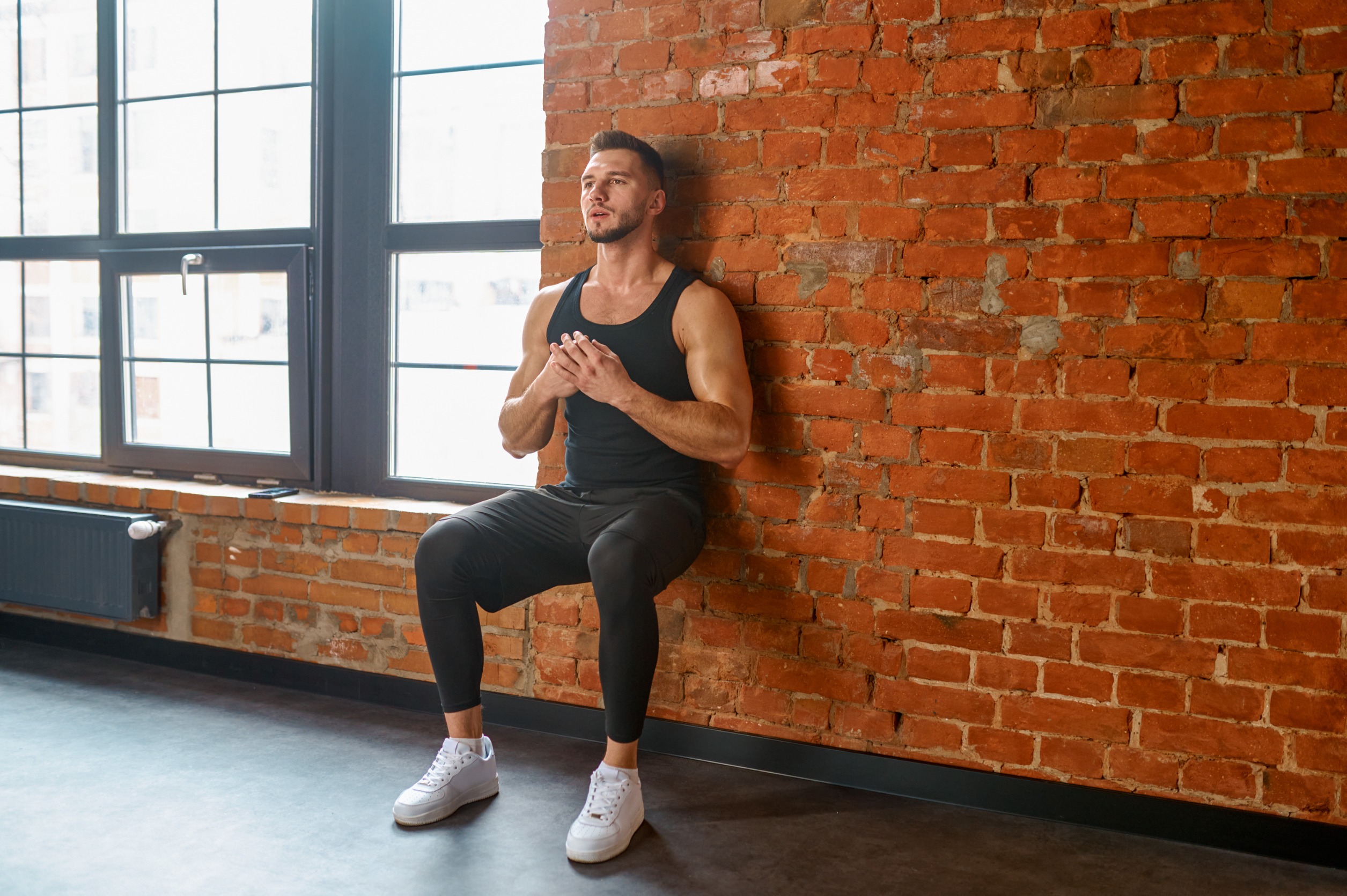
A recent study involving close to 16,000 subjects which was published in the British Journal of Sports Medicine determined that strength training exercises like planks and squats were more effective than other forms of exercise in reducing blood pressure. This flies in the face of previous recommendations by cardiologists, which focused on cardiovascular aerobic exercise. To be fair to the study, the reductions in blood pressure from strength training exercises, were minor, averaging 8.24 mm Hg for systolic blood pressure readings, and 4 mm Hg for diastolic readings, but the reductions were indeed greater than aerobic exercise such as running, which reduced pressures by 4.49 mm Hg and 2.53 mm Hg on average. However, the study did point out that various forms of exercise were proven to be beneficial with respect to lowing blood pressure.

There’s No Such Thing As Blue Eyes

Portrait of a beautiful little girl with blue eyes. Close-up.

© pixander, 123RF Free Images

Please check out this interesting article which was posted on the American Academy of Ophthalmology website, explaining the science behind eye color. I have copied and pasted it here so that you can easily read it.

By Dan T. Gudgel

Reviewed By Ivan R Schwab, MD, FACS

Jun. 16, 2023

Brown and hazel eyes get their color from melanin, the same pigment that colors your skin. The more melanin in the eye, the darker your eye color will appear. But blue eyes don’t have any blue pigment in them. Blue eyes get their color the same way water and the sky get their blue color. They scatter light so that more blue light reflects back out.

How do eyes get their color?

Eye color depends on the iris, the colored part of the eye. It’s a structure that contains muscle and other kinds of cells. You can see the iris in action when it squeezes or relaxes to let in more or less light through the pupil. The iris is made up of two layers. For almost everyone — even people with blue eyes — the back layer (called the pigment epithelium) has brown pigment in it.The front layer of the iris (called the stroma) can make eyes appear brown, hazel, blue or green. 

  • People with blue eyes have no pigment at all in this front layer, causing the fibers to scatter and absorb some of the longer wavelengths of light that come in. More blue light gets back out and the eyes appear to be blue.
  • For people with green or hazel eyes, one or both of the layers of the iris contains light brown pigment. The light brown pigment interacts with the blue light and the eye can look green or speckled.
  • Many people have variations in the color of their irises, often with one color near the pupil and another at the edge. This variation happens when different parts of the iris have different amounts of pigment in them.

Is there a way to predict a baby’s eye color?

The genetics of eye color are very complicated. You can’t predict a child’s eye color just from looking at the parents’ eyes. Even parents who have the same color eyes as each other could have a child with different colored irises.

Babies often do not have much pigment in their irises when they are born. This is why their eyes can look very blue. More pigment accumulates in the iris over the first few months of a child’s life and blue eyes can become less blue or even turn completely brown. For most children, eye color stops changing after the first year, but for some kids the color can continue to change for several more years.

Genetic research has shown that blue eyes probably only appeared in the last 6,000 to 10,000 years. Before then, everyone had brown eyes. Blue eyes have probably spread through the population just because some people like how they look and chose to have children with blue-eyed people.

Why do some eyes change colors in different lighting?

People with hazel or green eyes might notice that their eye color changes depending on surrounding light. Green and hazel eyes are a mixture of pigment color and color from scattered light, so they can look different in different lighting conditions.

Since blue eyes get their color from the light that’s coming in and being reflected back out, they also can appear as different colors depending on the lighting conditions. 

What is the rarest eye color?

The Academy surveyed more than 2,000 Americans to determine what color eyes they have. Below are the results of that 2014 Harris Poll survey, weighted to reflect the United States population at that time:

  • 45% have brown eyes
  • 27% have blue eyes
  • 18% have hazel eyes
  • 9% have green eyes
  • 1% have eyes a color not listed above

Hot Logic Mini XP Video Review on YouTube

Check out the Hot Logic Mini XP, which has a built-in food storage compartment in addition to the fantastic food heating technology of the original Hot Logic Mini!

All you need is an electrical outlet (you can even use a car inverter and heat up meals while you drive). This is FANTASTIC for work, travel, trade shows, photo shoots, etc.

To order a Hot Logic Mini or Hot Logic Mini XP, go to the following link:

https://bit.ly/31aiDb2

Be sure to enter my code STACEYNAITO for 20% off your order!

Update On My Workout Regimen

I figured it was time for me to provide an update on my current workout regimen, especially since people who don’t know me personally might assume that I have abandoned my regular exercise habits since retiring from competing in the bodybuilding world. While I don’t train for 4 to 5 hours a day like I used to when ramping up for a contest, I still consistently weight train 5 to 6 days per week, every week. There are some weeks in which I cannot resist adding a seventh day, which is usually a day in which I exclusively train abs.

I typically train legs 2 to 3 days a week, and I split my upper body workouts into three separate routines: back and chest, arms (and I will often throw abdominal training in on arm days), and shoulders. My workouts range from 45 minutes to an hour and 15 minutes, and are almost exclusively performed in my home gym, which is equipped with the following (a partial list):

Marcy Smith Machine Multi Gym

Tower 200 Body Full Gym Fitness

Foldable Decline Sit up Bench

Bowflex SelectTech 552 Adjustable Dumbbell Set with Rack

285 pounds of weight plates for the Multi Gym and numerous barbells

In the three years since I have had a full home gym, I haven’t missed the commercial gym setting at all, and I love the fact that I can just head downstairs and get a workout in without fighting for equipment. I always say that consistency is key, and I have never slacked off on regular weight training. Whenever I hear people talk about abandoning weight training for months or years, it just blows my mind. The best road to success is to stay the course, and I have certainly done that since 1989.