Category Health
How Menopause Messes With Our Hair
Women who have gone through menopause typically experience striking changes in hair texture, which can quite frankly, be distressing. For those of you who didn’t know about menopausal hair changes, be afraid. Be very afraid. Because your hair texture will morph into something you won’t understand or find very manageable.

My hair before the waves kicked in…
When a woman reaches menopause, hormonal changes can lead to noticeable differences in hair texture, volume, and growth patterns. While hair thinning and loss are commonly discussed, another fascinating change is how hair texture can become curlier or more unruly. On a personal note, my hair went from being almost arrow straight to having a pronounced wave, which makes it look like I had braided my hair and then let the crimps remain after unraveling the braid. I fight this new waviness by flat ironing my hair, because I just can’t stand the look. The waves became intense for a while (see pic below), then settled down a bit once I reached 57.

There are several scientific explanations which help account for the changes in hair texture during menopause:
1. Hormonal Changes and Hair Texture
Estrogen and progesterone, two key hormones that regulate many aspects of a woman’s body, play an important role in hair growth and structure. Before menopause, these hormones help maintain the hair growth cycle, ensuring strong and healthy strands. As estrogen and progesterone levels decline, their regulatory effect diminishes, which can lead to changes in the shape and structure of hair.
At the same time, androgen (male hormone) levels remain relatively stable or increase in comparison, which can influence hair follicles in several ways:
- Some women experience hair thinning or miniaturization, particularly along the crown.
- Androgen dominance may alter the activity of sebaceous (oil) glands, affecting hair texture.
- Hair strands may become drier, more brittle, or coarser.
2. Changes in the Hair Follicle and Muscle Relaxation
One lesser-discussed but compelling explanation involves changes in the follicular muscle layer—specifically, the arrector pili muscle, a tiny muscle attached to each hair follicle. This muscle plays a role in the positioning of the follicle in the scalp.
- During menopause, the arrector pili muscle may weaken or relax due to hormonal shifts, particularly as estrogen levels drop.
- When this muscle relaxes, it can cause the hair follicle to shift at a different angle.
- A change in the follicle’s orientation may lead to hair emerging in a more curved or spiral pattern, making previously straight or wavy hair appear curlier.
3. Structural Changes in the Hair Shaft
The cross-sectional shape of the hair shaft is a major determinant of hair texture. Straight hair typically has a round cross-section, whereas curly hair has a more oval or flattened shape.
- Hormonal shifts can influence keratin production, the protein that makes up hair.
- Changes in keratin bonding patterns could contribute to an altered hair structure, making it curlier or frizzier.
- Hair may also become thinner in diameter, which can enhance the appearance of curls or waves.
4. Aging and Changes in Scalp Health
The scalp itself undergoes changes with age, including:
- Reduced blood flow to hair follicles, which affects nutrient delivery.
- Changes in oil production, leading to drier hair that may behave differently.
- A shift in collagen and elastin levels in the skin, which might indirectly impact follicle positioning and hair texture.

The waves in my hair tend to look more like this, but I have a lot of frizz right after washing my hair. Thank goodness for flat irons!
Conclusion
Menopause brings a variety of changes to hair due to the interplay of hormonal fluctuations, follicular shifts, and changes in scalp and hair fiber structure. While some women may experience thinning, others may find their hair becoming curlier or more textured due to follicle repositioning, muscle relaxation, and shifts in keratin structure. Understanding these changes can help women adjust their hair care routines to maintain healthy, manageable hair during and after menopause.
Why Do Hot Flashes Occur?

For any of you ladies who have experienced hot flashes, you know how sudden and intense they can be. It’s as if a radiator suddenly turns on in your head, neck or chest, making you miserable. But why do perimenopausal and menopausal women get these things?
Hot flashes are related to fluctuating hormones that happen before, during and after menopause. Research suggests that dropping estrogen can change how the brain perceives temperature. In other words, our internal thermostat (hypothalamus) doesn’t work properly, so when it starts to think your body is too hot, it opens up all the blood vessels on the skin and the sweat glands to cool it off.
Here’s a breakdown of the physiology behind hot flashes:
1. Estrogen Decline and Hypothalamic Dysfunction
Estrogen plays a crucial role in regulating body temperature by influencing the hypothalamus, the brain’s temperature control center. During perimenopause and postmenopause, estrogen levels fluctuate and eventually decline, disrupting normal hypothalamic function.
2. Narrowed Thermoregulatory Zone
The hypothalamus maintains a “thermoneutral zone,” a temperature range in which the body does not need to trigger heat loss (sweating) or heat retention (shivering). In menopausal women, lower estrogen levels lead to a narrowing of this zone, meaning even small changes in core body temperature can trigger an exaggerated heat dissipation response.
3. Activation of the Sympathetic Nervous System
Due to the narrowed thermoregulatory zone, a slight increase in body temperature (which would be tolerated normally) is misinterpreted as excessive heat. This causes the hypothalamus to activate the sympathetic nervous system, leading to:
- Vasodilation: Blood vessels, especially in the skin of the face, neck, and chest, dilate rapidly to release heat, causing a flushed appearance.
- Increased Heart Rate: The heart pumps faster as part of the body’s attempt to cool down.
- Sweating: The body triggers sweat production to dissipate heat through evaporative cooling.
4. Sudden Cooling and Chills
After the hot flash, the body may overcorrect, leading to a rapid decrease in temperature, causing chills or a cold sensation.
There are measures which a woman can take to minimize the chances of getting hot flashes. They include avoiding hot weather, spicy foods, caffeine, alcohol, and stress. But hot flashes can even strike in very cold weather, because the low estrogen levels can make a woman’s thermoregulatory apparatus go haywire. What has worked exceptionally well for me in the past has been the use of table fans on both nightstands in my bedroom and a ceiling fan overhead. Sleeping with a cold gel pack between the shoulder blades is also very effective.
Resistance Training: The Ultimate Anti-Aging Tool

Regular resistance training is one of the most powerful tools for maintaining youthfulness and slowing down the aging process. It benefits the body and mind in multiple ways, including preserving muscle mass and bone density, improving digestion, boosting cardiovascular fitness, and benefitting cognition and mental attitude. Let’s explore these in detail:
1. Muscle Mass Preservation and Growth
As we age, we naturally lose muscle mass—a process called sarcopenia—which can lead to frailty, loss of mobility, and metabolic decline. Resistance training:
- Stimulates muscle protein synthesis, helping to maintain and build lean muscle.
- Increases metabolic rate, making it easier to maintain a healthy weight.
- Enhances insulin sensitivity, reducing the risk of type 2 diabetes.
- Supports functional strength, improving balance and reducing the risk of falls and injuries.
2. Skin Integrity and Anti-Aging Effects
The skin’s health and appearance are directly affected by lifestyle choices, including exercise. Resistance training:
- Improves circulation, ensuring better oxygen and nutrient delivery to skin cells.
- Stimulates collagen production, which helps maintain skin elasticity and reduces wrinkles.
- Reduces cortisol levels, lowering inflammation and minimizing stress-induced skin aging.
- Increases human growth hormone (HGH) levels, which contributes to cell regeneration and youthful skin.
3. Digestive Health and Metabolism
Aging often slows digestion and can lead to issues like bloating, constipation, and poor nutrient absorption. Resistance training:
- Speeds up metabolism, ensuring efficient digestion and energy utilization.
- Stimulates gut motility, reducing the risk of constipation.
- Helps regulate hormones like insulin and cortisol, which affect digestion and appetite control.
4. Cardiovascular Fitness and Longevity
While resistance training is not traditionally associated with cardio health, it plays a crucial role in keeping the heart young. It:
- Lowers blood pressure and improves vascular flexibility, reducing strain on the heart.
- Enhances circulatory function, improving blood flow and oxygen delivery to tissues.
- Reduces inflammation, lowering the risk of heart disease.
- Helps control cholesterol levels by reducing LDL (bad cholesterol) and increasing HDL (good cholesterol).
5. Joint Health and Mobility
Contrary to the myth that weightlifting damages joints, resistance training actually protects and strengthens them. It:
- Increases the production of synovial fluid, which lubricates the joints.
- Strengthens the muscles around joints, providing better support and stability.
- Reduces inflammation associated with conditions like arthritis.
- Improves flexibility and mobility, reducing stiffness and pain.
6. Bone Density and Strength
Osteoporosis and bone fractures become major concerns with aging. Resistance training combats this by:
- Stimulating osteoblast activity, which helps build stronger bones.
- Increasing bone mineral density, reducing the risk of fractures.
- Enhancing posture and balance, minimizing fall-related injuries.
- Supporting calcium and vitamin D absorption through hormonal regulation.
7. Hormone Regulation: Testosterone, HGH, and More
One of the most underrated benefits of resistance training is its ability to optimize hormone levels, which naturally decline with age. Strength training has been shown to:
- Boost testosterone production, which is essential for muscle maintenance, fat metabolism, energy levels, and libido in both men and women.
- Increase human growth hormone (HGH), which supports tissue repair, fat loss, and skin regeneration.
- Improve estrogen balance in women, reducing the risk of osteoporosis and metabolic disorders.
- Lower cortisol levels, reducing stress, inflammation, and belly fat accumulation.
- Improve thyroid function, enhancing metabolism and energy levels.
8. Mental Attitude and Cognitive Health
Aging isn’t just physical—it’s mental. Resistance training improves cognitive function and emotional well-being by:
- Releasing endorphins, reducing anxiety and depression.
- Boosting dopamine and serotonin, improving focus, clarity, and happiness.
- Enhancing memory and brain function, reducing the risk of dementia.
- Increasing self-confidence, making you feel strong and capable at any age.
9. Resistance Training and Insomnia
Struggling with sleep? Resistance training can help improve sleep quality and reduce insomnia by:
- Reducing cortisol levels, helping the body wind down for sleep.
- Boosting deep sleep cycles (slow-wave sleep), which is crucial for recovery and memory consolidation.
- Regulating circadian rhythms, ensuring better sleep-wake cycles.
- Reducing stress and anxiety, making it easier to relax at bedtime.
- Increasing energy during the day, leading to natural tiredness at night.
Conclusion
Regular resistance training is one of the most powerful ways to stay young, both physically and mentally. It preserves muscle, strengthens bones, supports joints, enhances skin health, regulates digestion, protects the heart, optimizes hormone levels, improves sleep, and boosts mental well-being. If you want to age with strength, vitality, and confidence, lifting weights should be a non-negotiable part of your lifestyle! 💪
I Can’t Read That!

Dealing with the loss of ability to see things up close which comes with the aging process, also known as presbyopia, is one of those frustrating realities that sneaks up on you—and it’s even more maddening if you’ve spent years basking in the glory of perfect vision after Lasik. I had Lasik in October 2007, when I was 41 years old, to correct myopia (nearsightedness) and astigmatism. I loved the freedom I had from glasses or contact lenses for about 8 years. Then when I reached full menopause at the age of 49, me reading vision tanked like the Titanic.
I went from feeling invincible, seeing the world in crisp, vivid detail, to suddenly struggling with menus, ingredient labels, and my phone screen. It feels unfair, doesn’t it? At least I was aware of the distinct possibility that presbyopia would indeed set in at some point, and had many years of crisp, perfect vision. The only thing I wasn’t prepared for was how sly the onset of presbyopia was. One day, I was fine, and then the next, I found myself doing the whole “arm stretch” thing just to read my emails or check a text. I also wasn’t prepared for the emotional toll, basically having to admit defeat by having to carry around reading glasses or magnifiers when I had been free of them my entire life. It suddenly was a nuisance to try reading a restaurant menu or a nutrition label in dim lighting. The way I adapted to the need for reading glasses was to place three prescription pairs in specific places: bedroom nightstand, my desk, my handbag.
It’s not just the practical side of things; there’s also a sense of frustration because it feels like a step backward. After Lasik, I became so accustomed to being free from glasses or contacts—it’s this incredible feeling of independence. Then, when presbyopia hit, I had no choice but to get new glasses. It’s almost insulting to the effort and investment I had devoted to my eyes when I had Lasik.
Suddenly having to wear glasses again can mess with your confidence, too. It’s one of those subtle reminders of aging, even if you don’t feel old. Despite the fact that I have had to wear reading glasses for the last ten years, I still find myself frequently ignoring my presbyopic eyes, squinting to read a text on my phone, even if I have a pair of glasses nearby.
What’s The Best Cat Litter?
70609849
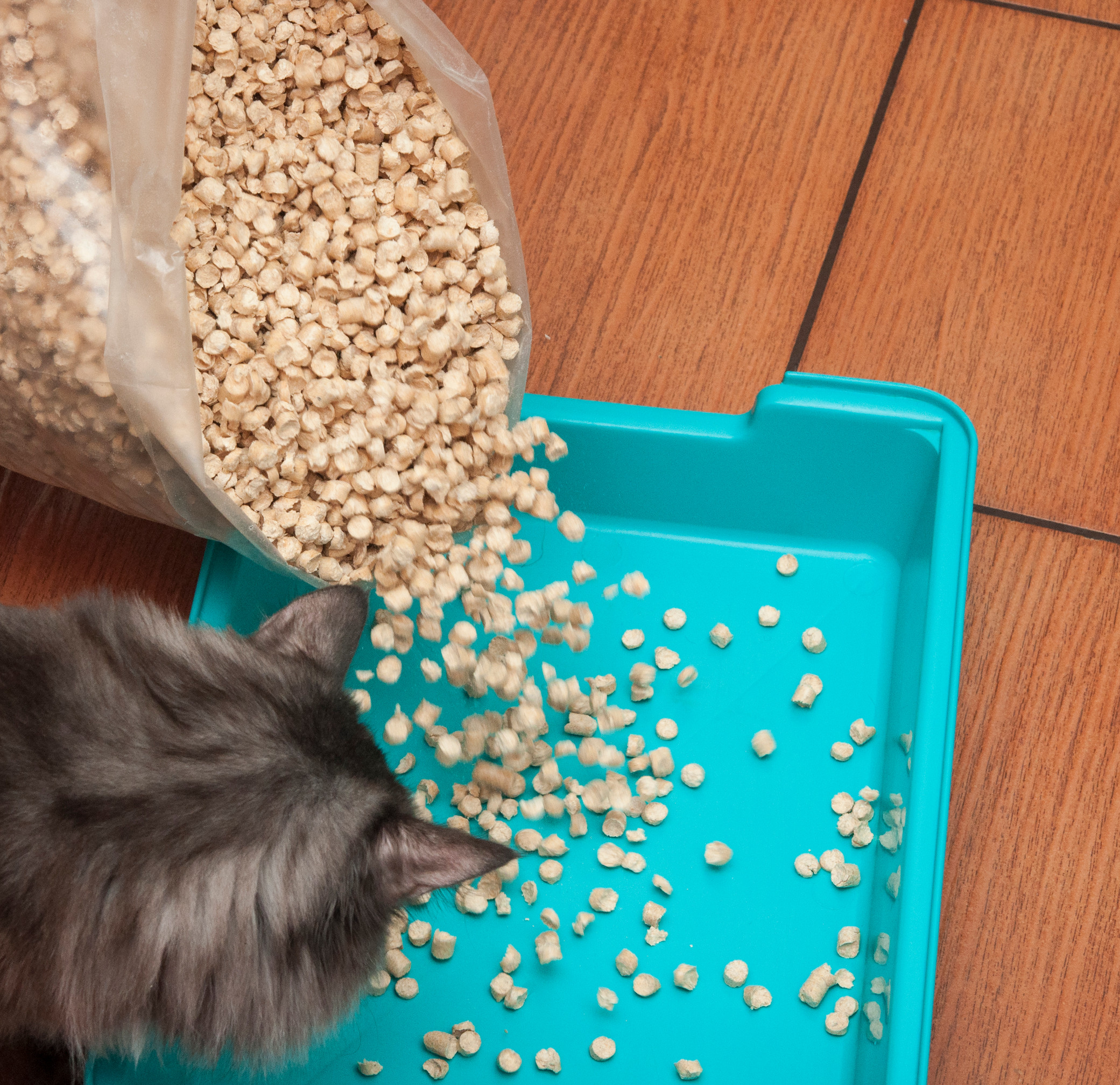
Cat litter comes in a variety of types, each with its own advantages and disadvantages. Below is a discussion of the main types of cat litter and an exploration of why some may be better than others for both your cat’s health and your own. I have a strong opinion regarding litter types which I will share at the end of this article.
Types of Cat Litter:
- Clumping Clay Litter:
- Made from sodium bentonite, a type of clay that absorbs moisture and forms solid clumps when it comes into contact with urine.
- Pros: Easy to scoop and clean because of the clumping action, effective at controlling odor.
- Cons: Dust can be an issue, and it’s typically not environmentally friendly. The production of clay-based litter can be environmentally harmful, and the clay is often mined from areas that cause significant ecological damage.
- Non-Clumping Clay Litter:
- Made from clay, but instead of forming clumps, it simply absorbs moisture and the liquid spreads throughout the litter.
- Pros: Often cheaper than clumping litter, and less dust may be produced. Easier to replace the entire litter box because you don’t have to worry about clumping.
- Cons: May not control odors as well, and can require more frequent changes. Less convenient since you can’t just scoop out urine clumps.
- Silica Gel Crystals:
- Made from silica dioxide, these litter granules absorb moisture and odor.
- Pros: Good at controlling odor and moisture; often lasts longer than clay-based litters before needing a full replacement. It is low-dust and non-tracking.
- Cons: More expensive, and not biodegradable.
- Natural/Plant-Based Litters:
- Includes options made from corn, wheat, pine, or coconut shells. These litters are often marketed as more eco-friendly. Wood pellets are low dust and thus are great for cats and humans who have respiratory issues.
- Pros: Typically biodegradable and made from renewable resources. More economical than clumping clay litters and silica crystals.
- Cons: Some natural litters may not control odor as well as other litter types.
- Recycled Paper Litter:
- Made from recycled paper, this litter is soft and lightweight.
- Pros: Environmentally friendly, low dust, gentle on a cat’s paws, and good for cats with respiratory issues.
- Cons: Can be less effective at controlling odors and may not clump as well.
Why Non-Clumping Litter Can Be Better:
Non-clumping litter has several advantages over clumping litter, though these benefits depend on the context and the specific needs of your cat. Here’s why some people prefer non-clumping litter:
- Less Dust: Non-clumping litters often produce less dust, which is better for both cats and humans with respiratory issues.
- Easier to Dispose Of: Because non-clumping litters don’t form solid clumps, you need to replace the entire litter more frequently. While this may sound like a disadvantage, it can be seen as an advantage because you’re ensuring that your cat’s environment is more hygienic with fresh litter each time you change it.
- No Chemicals or Additives: Some non-clumping litters (especially natural varieties) do not contain the chemicals or fragrances that can sometimes be added to clumping varieties for odor control.
- Less Waste: Some non-clumping litters are biodegradable or made from renewable resources, making them a better environmental choice in some cases.
However, non-clumping litter does come with its drawbacks, including less effective odor control, and the need for more frequent full replacements of the litter box.
Why Clay-Based Litter Can Be Harmful:
Clay-based litter, particularly the clumping kind, has come under scrutiny for a few reasons, mainly due to the dust it produces and the environmental impact of its production:
- Inhalation of Dust: When cats (or humans) inhale dust from clay-based litter, it can cause respiratory issues. The fine particles in the dust can irritate the lungs and exacerbate pre-existing conditions like asthma. This can be particularly dangerous for both cats and humans with compromised respiratory systems.
- Heavy Metals: Some clay-based litters, particularly those using sodium bentonite, may contain trace amounts of heavy metals, such as silica dust, which are harmful when inhaled over long periods. Prolonged exposure to this dust can lead to respiratory disease in both humans and animals.
- Environmental Harm: The extraction of clay for cat litter has a significant environmental impact. Mining processes can cause habitat destruction and contribute to soil erosion. Furthermore, the litter itself is not biodegradable, which means that it can contribute to landfill waste.
- Toxicity to Cats: If a cat ingests clay litter (for example, by licking it off their paws), the minerals and chemicals in the litter can be toxic. This is particularly a concern with certain types of clumping clay litters.
Conclusion:
While clumping cat litter is often preferred by many cat owners for its convenience and superior odor control, non-clumping litter has its own advantages, particularly when it comes to reducing dust and being more eco-friendly, especially in natural or biodegradable varieties. However, when using any litter—particularly clay-based litters—it’s important to be aware of the potential risks associated with dust inhalation, the environmental impact, and the health concerns related to long-term exposure.
If you’re particularly concerned about the dust or environmental impact of clay-based litter, consider switching to a natural, plant-based option or silica gel crystals, which are often less dusty and more sustainable. I steer clear of all clumping litters, and I also do not use clay-based litters. There are two types of cat litter which I use in my home: silica gel crystals, and plant-based wood pellets. I use silica gel crystals in 2 boxes, and have found that the crystals are extremely effective in combating odor. Crystal litter also doesn’t have to be changed very often, which is especially nice since this type of litter tends to be the most expensive. I use wood pellets for the other boxes in my home, and strongly favor them for a multitude of reasons which I mentioned above, including their low cost, their eco-friendly aspect, and the fact that I don’t have to worry about my babies breathing in harmful dust.
I’m a Protein Craver
The craving for animal protein is something that can be deeply ingrained in many people’s diets, driven by both biological and cultural factors. For some individuals, animal protein—like meat, eggs, or dairy—can feel like an essential part of their meals, not just for its taste, but for its nutrient density and the sense of satiety it provides. I know that I have always been drawn towards savory foods, and I love the texture and flavor of many animal proteins, including fish, poultry, beef, bison, and eggs. I also appreciate the fact that such protein sources are high quality and serve my body well.
Animal protein contains all the essential amino acids, which are the building blocks of our body’s tissues, muscles, and enzymes. For those who are active or looking to maintain muscle mass, animal protein is often seen as the most complete and efficient source of these nutrients. The body naturally craves what it needs, so if it’s lacking in certain amino acids or other nutrients, people may feel a stronger desire to seek out these foods.
Culturally, animal protein has been a central part of diets across the world for thousands of years. Meat is often associated with strength, energy, and vitality, which can contribute to the desire to include it in daily meals. For some, it’s more than just a nutritional need—it’s a source of comfort and a way to connect with family traditions or social rituals around food.
For others, the craving may stem from the body’s ability to digest and metabolize animal protein more effectively than some plant-based sources. This can create a sense of satisfaction and fullness that plant-based proteins sometimes don’t replicate, leading to the craving for that specific texture and nutritional profile. It honestly seems like my body craves protein due to an enhanced ability to digest animal protein. I have had friends watch in amazement as I grab a piece of chicken to gnaw on as opposed to potato chips or sweet treats. I’d rather consume thin beef jerky than a few tortilla chips. I have also been known to polish off more than a pound of steak in one sitting, without any weight gain or digestive issues from it.
Moreover, hormonal influences can also play a role. Levels of hunger-regulating hormones, like ghrelin, can fluctuate based on dietary patterns. People who consume more animal protein may experience a more regulated appetite, while those switching to plant-based diets might struggle to feel as satisfied after meals, leading to cravings for more substantial, protein-rich foods.
At the same time, these cravings can be influenced by personal habits, psychological factors, and even advertising or food culture that reinforces the idea that meat is an essential part of a balanced meal. Whether for health, cultural, or psychological reasons, craving animal protein is a common experience, and it speaks to the body’s complex relationship with food.
People who consistently crave animal protein often have specific personality traits and values that align with their dietary preferences. These traits can influence their food choices, their relationship with nutrition, and their overall approach to health and well-being. While it’s important to note that everyone is unique, certain patterns can often be observed among those who prioritize and crave animal protein.

Focus on Physical Health and Performance
A common trait among protein cravers is a strong focus on physical health, fitness, or performance. People who engage in regular physical activity, particularly weightlifting, high-intensity workouts, or endurance sports, often have heightened protein needs for muscle repair, recovery, and energy. Since I weight train 5 to 6 days per week, this may have a lot to do with my preference for protein over carbs or fat.
These individuals tend to prioritize foods that support their goals—lean meats, fish, eggs, and dairy are all favored for their high bioavailability and efficient nutrient profile. For them, protein isn’t just a dietary choice but a performance necessity. This often results in a high level of awareness and commitment to sourcing the best possible food to meet their health and fitness goals.
Strong Belief in Quality Nutrition
Protein cravers, particularly those who are dedicated to maintaining a high standard of health, often exhibit a strong commitment to high-quality foods. This is seen in their preference for organic, grass-fed, free-range, or sustainably sourced animal proteins. They often value the ethical and environmental considerations behind their food choices, and many are more likely to pay a premium for higher-quality, responsibly produced protein sources.
These individuals are likely to avoid highly processed meats and focus instead on whole, nutrient-dense foods. For example, grass-fed beef is seen as a cleaner, healthier choice compared to conventionally raised meat, offering higher levels of omega-3 fatty acids and other nutrients. People who crave animal protein may not just look at it as a nutritional necessity, but as an investment in their long-term health and well-being.
This is absolutely true for me, as I make a conscious effort to obtain animal protein from whole, unprocessed sources. Given the choice between a hot dog and a burger patty, I’ll always go with the burger patty. I also make sure to consume fish that is wild caught, and avoid farm-raised options whenever possible.
Protein cravers often have a pragmatic approach to food—they see it primarily as fuel and are often more focused on function rather than pleasure when it comes to their diet. For them, the focus is on how the food serves the body’s needs and helps them maintain energy levels, muscle mass, and overall physical health. This practical mindset extends to their food choices: animal proteins offer a reliable, efficient, and balanced source of essential amino acids and nutrients. These individuals may not be swayed by trendy diets or fleeting food movements but instead tend to seek out food that provides solid, scientifically-backed nutritional benefits.
Conclusion
For those who consistently crave animal protein, it is often more than just a passing desire—it’s a reflection of a holistic approach to nutrition, health, and well-being. Their cravings are deeply intertwined with their physical needs, personal values, and broader life philosophies. Whether motivated by fitness goals, a commitment to high-quality food, cultural connections, or a scientific approach to nutrition, these individuals tend to prioritize what they see as the best sources of protein to maintain balance and achieve optimal performance.
Staying Well Amid Chaos: Tips for a Healthier, Balanced Lifestyle

Image via Pexels
I hope you enjoy reading this wonderful article, written by Camille Johnson of Bereaver.com
Maintaining healthy habits often feels like an impossible task when life is filled with constant demands. However, a busy lifestyle doesn’t have to stand in the way of your well-being. By incorporating practical, time-efficient strategies, you can make healthy choices part of your daily routine without added stress. The key lies in finding small, actionable steps that seamlessly fit your schedule, helping you prioritize health even on the busiest days.
Enhancing Your Routine with Time-Blocking
Incorporating time-blocking techniques into your daily routine can significantly improve your ability to maintain healthy habits. By dividing your day into dedicated time slots for specific tasks, you ensure that each activity receives the focus it needs. For instance, setting aside time from 9 am to 10 am for exercise can help prioritize this important habit. This approach not only provides structure but also aids in organizing and prioritizing tasks, transforming a hectic schedule into a more manageable one.
Energizing Your Morning with a Nutritious Smoothie
Kickstart your day with a vibrant super greens smoothie that not only boosts your energy but also enhances mental clarity. By blending nutrient-rich greens like spinach and parsley with almond milk, you create a wholesome alternative to caffeine. When selecting a greens powder, prioritize those made from organic vegetables and free from artificial additives to ensure purity. Additionally, review the best greens powders and find one that includes probiotics to support gut health. This simple morning ritual fuels your body and sets a positive tone for the day ahead.
Strengthening Your Brain and Energy with Smart Nutrition
Incorporating nutrient-dense foods into your daily meals can significantly boost your cognitive abilities and energy levels. Essential nutrients like fiber, vitamin D, probiotics, and polyphenols improve memory and reduce inflammation, crucial for optimal brain function. By ensuring a steady intake of these nutrients, you provide your brain with the necessary fuel to stay sharp and focused. This not only aids in better decision-making but also supports your ability to adhere to new routines.
Embracing Mindful Eating for a Healthier Lifestyle
Mindful eating offers a refreshing approach to cultivating healthier eating habits, especially for those with busy lifestyles. By immersing yourself in the sensory experience of food, you become more attuned to your body’s natural hunger and fullness cues. This awareness can lead to better portion control and a reduced tendency to overeat. Unlike traditional dieting methods, mindful eating encourages you to savor each bite, promoting satisfaction and reducing stress. This approach, rooted in the Buddhist concept of mindfulness, fosters a positive relationship with food and supports a balanced dietary lifestyle.
Building Habits That Reflect Your Core Values
Incorporating self-reflection into your routine can be a powerful strategy for developing habits that align with your core values. By understanding what truly matters to you, you can make intentional choices that resonate with your authentic self. This practice supports personal growth and enhances decision-making skills, allowing you to invest in habits that support your long-term goals.
Discovering Patterns Through Journaling
Journaling is a powerful tool for uncovering the behavioral patterns that influence your daily life. By consistently recording your thoughts and experiences, you create a personal narrative that helps identify why certain habits persist. This practice can illuminate emotional triggers, such as stress or anxiety, that might lead to intense reactions. Embracing journaling as a means of self-discovery boosts your emotional intelligence and empowers you to cultivate healthier habits.
Prioritizing Meaningful Habits for a Balanced Life
To truly enhance your daily life, focus on habits that genuinely boost your well-being and productivity. Start by evaluating your current routine and identifying activities that offer little value. By eliminating such non-essential tasks, you create space for pursuits that align with your personal goals and values. This approach boosts efficiency and enhances overall happiness, leading to a more balanced and fulfilling life.
Building healthy habits within a busy lifestyle isn’t about drastic changes but about creating routines that work for you. With consistent effort and a focus on small, achievable goals, you can seamlessly integrate wellness into your daily life. Remember, every positive choice adds up, and even minor changes can have a significant impact over time. By staying committed and flexible, you can cultivate a healthier, more balanced life regardless of your schedule.
Elevate your wellness journey with expert nutrition and fitness plans from Dr. Stacey Naito – your destination for transformative health and lifestyle solutions!
Flourishing in a New City and Creating a Vibrant Chapter in Your Life

Image by Freepik
I hope you enjoy reading this article, written by Julia Merrill of befriendyourdoc.org!
Settling into a new city after a personal setback offers a unique blend of challenges and opportunities. For starters, it’s a golden opportunity to reinvent yourself, build resilience, and embrace a new chapter in life. The transition to this new environment, while daunting, can be navigated successfully with careful planning and a positive mindset. Here’s how you can turn this fresh start into a thriving adventure, courtesy of Dr. Stacey Naito.
Delving into Your New Locale
When relocating, your first step should be to immerse yourself in understanding your new city. Dive into the nuances of different neighborhoods, evaluating which ones align with your lifestyle and budget. LinkedIn suggests investigating the job market to gauge your employment prospects and understand the cost of living to manage your finances. Familiarizing yourself with local amenities, from public transport to leisure activities, will help you feel more at home and less like an outsider.
Research Your New Area
It’s not unusual to get a lot of spammers when you have a new address or phone number. A reverse phone lookup tool can be invaluable while you’re settling in, bringing quick insights into unfamiliar numbers. Whether it’s identifying local businesses reaching out, confirming service appointments, or screening for scams, this tool adds a layer of security and convenience. It helps you learn more about your community, too, allowing you to recognize local contacts and confidently connect with essential services, making the transition smoother and more manageable; check this out to learn more.
Strategic Financial Planning
Financial stability is crucial in a new city. Construct a budget that reflects your new living situation. Factor in rent, utilities, groceries, transportation, and a little extra for unexpected expenses. Being financially disciplined helps mitigate stress, allowing you to enjoy your new surroundings without monetary worries. Remember, a well-planned budget is your roadmap to financial peace in unfamiliar territory.
Fostering New Social Connections
Medibank points out that building a new social circle is vital in a new city. Seek out local groups or clubs that align with your interests. Whether it’s a book club, a sports team, or a community service group, these social platforms offer a sense of belonging and an opportunity to make meaningful connections. Establishing a support network in your new environment will make your transition smoother and more enjoyable.
Discovering the Heart of the City
Exploration is key to settling in. Take time to discover your city’s unique characteristics. Wander through local markets, visit museums, relax in parks, and find your favorite coffee shop. Exploring not only helps you navigate the physical layout of the city but also immerses you in its culture and vibe. This active engagement transforms the unknown into the familiar.
Diving into New Cultural Experiences
Embracing new experiences enriches your life and accelerates your adjustment to the new city. Try the local cuisine, attend cultural events, and participate in community activities. These experiences not only broaden your horizons but also deepen your appreciation for your new home. Embracing change and new experiences can transform an ordinary relocation into an extraordinary journey.
Nurturing Long-Distance Relationships
Maintaining ties with friends and family is crucial during this transition. Regular calls, messages, or video chats can keep you grounded and provide emotional support. These connections remind you of your roots and provide comfort during times of loneliness or stress. Remember, physical distance doesn’t have to mean emotional distance.
Elevating Personal Well-Being
Self-care should be a top priority during this transition. Engage in activities that nurture your body and mind. Regular exercise, healthy eating, meditation, or even seeking professional counseling can be beneficial. Prioritizing your well-being helps you to stay mentally and physically strong, enabling you to tackle the challenges of moving and adapting to a new city.
Relocating to a new city after facing setbacks is a journey filled with growth and discovery. By thoroughly researching your new environment, managing finances wisely, building social connections, pursuing passions, exploring, embracing new experiences, staying connected with loved ones, and prioritizing self-care, you set the stage for a successful and fulfilling new chapter in your life. Remember, this fresh start is not just about changing locations; it’s about transforming your life.
Discover insights and inspiration for health, wellness, and lifestyle with Dr. Stacey Naito.
Balancing Life’s Demands with Effective Stress Management

Image via Pexels
I hope you will enjoy reading this wonderful article written by Sheila Olson of fitsheila.com which hones in on stress management.
In the journey to cultivate a more serene and manageable lifestyle, understanding and mitigating stress is essential. With a focus on self-awareness and actionable strategies, individuals can learn to navigate their stress with more confidence and resilience, leading to a more balanced and fulfilling life. This guide from Dr. Stacey Naito provides a comprehensive approach to recognizing the myriad stressors that permeate daily life and offers practical solutions for effectively managing them.
Recognizing Emotional Alerts
If you find yourself frequently overwhelmed, anxious, or irritable, these could be your mind’s way of signaling stress. These emotional reactions are important indicators, suggesting it’s time to reassess your current lifestyle choices and stress management strategies. Recognizing these signs early can help you take proactive steps towards stress reduction. Addressing these emotional cues promptly ensures they don’t escalate into more severe issues. Continually monitoring your emotional state aids in managing stress before it becomes overwhelming.
Pursuing a Fulfilling Career
If your existing role no longer aligns with your aspirations, exploring new career paths may restore balance and joy to your work life. Stepping into a role such as that of a special education teacher can offer profound personal and community benefits, especially if you are driven by a desire to support children with unique needs. Online educational programs provide flexibility, allowing you to blend further education with current professional duties effectively. For more tailored advice on making such transitions, check this out for more info.
Journaling for Pattern Recognition
Maintaining a journal about your daily interactions can reveal patterns in what causes your stress. Document instances when you feel stressed, including the people, environments, or situations involved. This record-keeping can be a powerful tool for identifying recurring stressors and addressing them effectively. Over time, this practice aids in avoiding or altering these stress-inducing patterns. Sharing insights from your journal with a therapist or counselor can also provide additional perspectives on managing stress.
Assessing Environmental Impact
Your surroundings play a significant role in your stress levels. An overabundance of clutter, noise, and lack of privacy can all add to a stressful atmosphere. Take a moment to evaluate these factors in your home and workplace to determine if they contribute to your stress. Creating a calm, organized space can significantly reduce stress and enhance your ability to focus and relax. Consider implementing minimalistic principles to further reduce environmental stressors.
Balancing Life’s Commitments
Often, stress arises from a mismatch in the effort allocated to personal and professional commitments. Reflect on whether you’re giving too much to one aspect of your life at the expense of others. Achieving a more balanced distribution of your time and energy can significantly reduce stress. It’s essential to maintain a healthy balance to ensure personal well-being and professional productivity. Setting clear boundaries between work and personal life is key to achieving this balance.
Integrating Relaxation Techniques
Incorporating practices such as meditation, yoga, or deep breathing into your daily routine can profoundly affect your stress levels. These techniques promote relaxation and provide a necessary respite from the daily grind. Regular practice helps manage stress more effectively and improves overall mental health. Dedicate time each day to these activities to nurture your mental and physical well-being. Engaging in these practices in a group setting can enhance their effectiveness through shared experiences and support.
It is important to remember that stress management is a dynamic and ongoing process. Implementing the strategies discussed will require patience and persistence. Over time, these techniques will foster a greater sense of control over your emotional and physical well-being, transforming how you handle life’s inevitable pressures. By maintaining this proactive approach, you can continue to enhance your quality of life and nurture a resilient, stress-resilient mindset.
Explore wellness, lifestyle tips, and inspiration with Dr. Stacey Naito.
 dr. stacey naito's blog