Why Zinc Is So Important

zinc-image

Here is an article which I wrote a few years ago and which still applies to general health:

Zinc is a vital mineral which is found in every tissue in the body due to its involvement in cell division. In the world of fitness and bodybuilding, zinc has a number of roles, including maintenance of normal hormonal levels, proper endocrine function, body composition, energy levels, optimal physical performance and protein synthesis. Thus it is crucial to maintain normal levels of zinc in the body when training or prepping for a competition.

Zinc is highly concentrated in meat, dairy and some seafood. This is why vegetarians most commonly suffer from zinc deficiency. So how can you tell if you suffer from a zinc deficiency? Common symptoms include an altered sense of taste which leads to cravings for sweets and salty foods. Other symptoms of zinc deficiency include low energy, infertility, low libido, memory problems, poor immunity and diarrhea.

A relatively easy way to test yourself to see if you are deficient in zinc is to do a taste test. Take 1 to 2 teaspoons of zinc sulfate (you can get this at health food stores) and add to a cup of water. If it tastes just like water, you are very zinc deficient. If you experience a slightly metallic taste, you are moderately zinc deficient. If it is strongly metallic and unpleasant, you most likely have normal zinc levels. Please bear in mind that this test is never as accurate as a blood test, but at least it will give you an idea of what your levels are.

For those of you who want to know the specific health benefits of zinc, here is a list of benefits.

Enhances Strength and Athletic Performance:

Zinc plays a major role in anabolic hormone production which makes it a key player in optimizing athletic performance and strength. When zinc levels in the body are normal, more growth hormone and insulin-like growth factor-1 is released, which result in enhanced muscle growth and performance. Researchers have also noted that zinc enhances the conversion rate of androstenedione to testosterone, which improve strength gains during the recovery phase.

Enhances Reproductive Health and Fertility in Both Men and Women:

The cells of the male prostate require an extremely high concentration of zinc for proper function. To give you an idea of how much zinc is necessary in the prostate, male prostate tissue requires ten times more zinc than other cells in the body for normal function. There is a correlation between low zinc levels in men and increased risk of developing prostate cancer and infertility. There is also evidence to support the link between low zinc levels and low libido. Another implication with low zinc levels is its importance in maintaining optimal testosterone levels. Men with low zinc also tend to have low testosterone, which puts them at greater risk of andropausal symptoms.

In women, proper levels of zinc are essential for egg maturation and ovulation. Zinc also optimizes utilization of estrogen and progesterone and regulates their levels. During pregnancy, zinc plays a vital role in ensuring proper cell division in the growing fetus and helps to prevent premature delivery.

Essential For Taste, Smell and Appetite:

Zinc activates areas in the brain that process information from taste buds in the mouth and olfactory cells in the nasal passages. In addition, levels of zinc in the plasma influence taste preference and appetite. Many programs which treat anorexics use zinc to revive taste and appetite.

Makes Skin, Hair and Nails Healthy:

Zinc accelerates skin cell renewal which is why it is commonly used in diaper rash creams, acne treatments and creams which are used to treat dermatitis. It has strong anti-inflammatory properties and has a soothing effect on rashes, burns and blisters. Some shampoos contain zinc to help prevent dandruff. What you may not know is that zinc is important for healthy hair and that low zinc levels can cause hair loss, dull and thin hair, and loss of pigmentation.

Essential For Vision:

Zinc is found in high concentrations in the retina, but this level declines with advancing age, precipitating age-related macular degeneration which is characterized by a partial or complete loss of vision. Zinc also has a protective effect against the development of cataracts and night blindness.

Supports Cardiovascular Health:

Zinc is vital to normal cardiovascular function. When levels of zinc are low, the endothelial layer in blood vessels becomes inflamed and accumulates cholesterol deposits, both of which increase one’s risk of heart disease. Low levels of zinc can amplify the negative cardiovascular effects of diets which are high in fat and cholesterol, whereas adequate levels of zinc will inhibit the progression of heart disease.

Increases Insulin Sensitivity:

The presence of zinc is essential for normal function of most hormones, including insulin. Zinc binds to insulin and aids in storage in the pancreas as well as release of insulin in the presence of serum glucose. In addition, zinc is found in the enzymes which enable insulin to bind to cells so that glucose can be utilized for fuel, a process better known as insulin sensitivity. Why is this important? If zinc levels are low, enzyme levels drop, insulin sercretion drops and glucose remains in the bloodstream, a process which can lead to diabetes if it is chronic.

Improves Mood:

Dopamine, a chemical in the brain which boosts mood and energy, is partially regulated by zinc, so zinc once again plays an important role in the body. There is also evidence to support the theory that the presence of zinc boosts serotonin levels in the brain.

Supports Immune Function:

Zinc supports T cell function and is thus strongly tied with combating inflammation. T cells are responsible for mounting an immune response to invaders such as bacteria or viruses.

Has Potent Antioxidant Effect:

Zinc can remove toxins from the body and prevent accumulation of harmful compounds in tissues. This mechanism has a protective effect against the development of cancers, especially in the prostate, ovaries, pancreas, breast and colon. In addition, zinc prevents the buildup of heavy metals in the brain such as aluminum, which has been closely linked with Alzheimer’s disease.

If you suspect that you are deficient in zinc, you can supplement daily with 20 to 30 milligrams.

(Original post can be found here: http://www.rxmuscle.com/blogs/the-lab-supplement-school/7294-why-zinc-is-so-important.html?hitcount=0)

Why Fifty Is Great

3t6a4877-ex-web

So far, I have really enjoyed being fifty years old. It isn’t nearly as alarming or horrific as I had made it out to be. In keeping with the slogan which was on my most recent birthday cake, I truly feel like “50 IS THE NEW 20” and am thrilled that my physical appearance has also kept up with my spirit, mind, and intentions.

After spending a half-century on the planet, I no longer have the patience to deal with people who can’t honor their word. My tolerance has completely dissolved, and I think nothing of tossing flaky people to the curb. I guess the old adage, “with age comes wisdom” has a lot of truth to it. My gut instinct has proven consistently to be a foolproof guardian, so I no longer try to fight it. I trust it completely.

I cannot and will not wait for things to happen. I need to generate my own momentum and know that I can only truly depend on myself. Challenges will continue to hit me, but I feel stronger than ever about my ability to handle anything that comes my way. I also know that situations will always find their own resolution eventually. I also trust the process by which situations must unfold, and I also put tremendous faith in the universe. I maintain a connection with the universe by meditating daily and by keeping energy flowing through me.

Neurological Disorders and My Loved Ones

It seems like neurological disorders abound with my loved ones. My aunty Alice developed cerebral palsy after contracting an infection during infancy. My uncle Katsutoshi fell into a persistent vegetative state after an unlocked construction crane fell on his head and back. My uncle Harumi experienced several strokes, as did my aunty Carol and my dad. My mother sustained a subarachnoid hemorrhage (aneurysm rupture) along with senile dementia. My dear friend and meditation teacher Rob was diagnosed with an aggressive brain tumor, a glioblastoma multiforme, which took his life within five months.

My favorite aunt Jean was diagnosed with the sporadic form of amyotropic lateral sclerosis (ALS) in early 2016, adding yet another neurological illness to an already large list. The disease was so aggressive that by October, she was unable to speak, so my calls consisted of me making awkward small talk while she grunted in response.

Considering the fact that I had a keen interest in neuroscience since childhood and believed that I would become a neurologist even in my final year of medical school, I find it ironic that so many people who have been near and dear to me have fallen victim to so many neurological maladies, ranging from cerebrovascular events, to neuromuscular disorders, to traumatic brain injury, to neoplasm. Despite this, my fascination for the neurosensory system has not abated. I just hope my favorite people don’t keep getting struck by ailments which afflict this system.

Low Vitamin D Levels Linked to Macular Degeneration Risk

amsler-grid

Vitamin D has gotten more attention in recent years, as a result of extensive research which has explored the impact of a deficiency in this important substance. A meta-analysis on vitamin D deficiency which was published earlier this year in Maturitas revealed a possible correlation between low levels of 25-hydroxyvitamin D in the body and increased risk for development of age-related macular degeneration (AMD). Furthermore, scientists surmise that if a vitamin D deficiency is corrected well before any signs of AMD are present, the disease’s prognosis is much improved.

The meta-analysis revealed that individuals with macular degeneration had vitamin D levels which were an average of 15% lower than levels in individuals without the disease. Another analysis revealed that subjects with highest circulating levels of vitamin had 50-80% lower odds of developing AMD compared with those who had the lowest circulating vitamin D levels.

However, despite all of these findings, it is not yet clear whether vitamin D supplementation would have a protective effect against AMD. In addition, the lower vitamin D levels found in some subjects may have resulted from the pathophysiology of AMD itself.

Rather than take a chance, I would prefer to promote vitamin D supplementation under the assumption that low vitamin D levels are a causative factor in the development of AMD. I also lean strongly towards a brief amount of exposure to sunlight daily in order to boost vitamin D levels naturally. In order for such exposure to be effective, sunscreen cannot be used around the clock. My recommendation is to sit in the sun for 3 minutes daily.

Botox As An Antidepressant?

imagezz_0564aaa
The concept that Botox treatments can effectively treat depression has been around for a while, but a study surrounding this idea has recently been published in the Journal of the American Academy of Dermatology. Dr. Jason Reichenberg was able to determine that depression scores dropped over 40% in patients who had Botox treatments, versus 15% in patients who received a placebo. This was the case even in patients who were dissatisfied with the cosmetic result of Botox treatments.

The results point to Botox as an effective means of treating depression, especially in patients who are resistant to other treatments for depression. By relaxing the frontalis muscle and glabellar complex in the forehead, Botox makes it difficult for an individual to frown, which in turn appears to have a positive effect on mood and well-being. If you can’t frown, then you can’t fully experience the distress which a frown would ordinarily express, causing a modification of mood.

Botox is also used for correction of lines and wrinkles around the eyes, migraine headaches, temporomandibular joint disorder (TMJ), and excessive sweating.

For those of you in the Los Angeles area who are interested in Botox treatments, please visit http://www.drstaceynaito.com/botox-treatments

Proud To Be A MitoXcell Ambassador!

If you follow me on Instagram or Facebook, you have probably seen my posts about MitoXcell products. I am particularly fond of the original MitoXcell blend which I have every day, and which I swear by for peak performance and recovery as well as optimal cellular health.

Please check out my ambassador profile on the MitoXcell website!

Stacey Naito

I strongly encourage everyone to try MitoXcell products! Go to http://www.MitoXcell.com to shop, and be sure to enter my discount code at checkout for 25% off your order!

Discount code: NAITO25

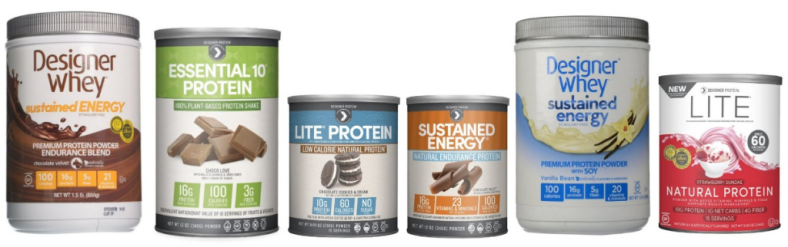
Designer Protein 20% Off Sale On Bodybuilding.com!

designer_protein_442_246

Bodybuilding.com is having a big sale on ALL Designer Protein products this month!

Go to http://www.bodybuilding.com/store/designer-protein.htm and make sure to enter the following discount code:

DesignerProtein20

The code is good for a 20% off all Designer Protein and will be effective from today through October 31st.

designer-protein-products

Musings From A Happy Half-Centurian

3t6a4923-ex-web

Now that I have been in the 50 zone for a few months, I can honestly say that I actually like it! Here are a few reasons why I am completely comfortable with being 50 years old…

* I still get carded. In fact, I have been asked for ID when purchasing alcohol more frequently now than a year ago. And it’s not because I am purchasing booze with more frequency either. I have even gotten carded while with younger friends who did NOT get carded. It’s bizarre and very cool.

* I can still rock an outfit and not only be a head-turner, but a neck-BREAKER. Gotta have goals!

* I can take care of myself and don’t panic if I am faced with a challenge. However, I am completely grateful when someone comes to my aid or shows concern for my welfare. I am so blessed to have wonderful, true friends who have my back as much as I have theirs!

* I can usually discern very quickly which opportunities and situations are legit and which ones are a waste of my time. With age comes wisdom, and my gut instinct has proven consistently to be a foolproof guardian.

* I don’t wait for things to happen…I MAKE them happen. When I was younger, I had a tendency to put more faith in others coming through for me. Over the past few years, I have adopted the attitude that I can only depend on myself, so I have pushed myself to become a solo mover and shaker. It’s pretty tough navigating alone, but at least I trust the person at the helm!

* I trust that time will always makes things unfold organically. This makes struggling through difficult times much more manageable. I know that situations will always come to a resolution eventually. Whenever I have any doubt, I think of what my grandmother used to tell my mom and her siblings when times were rough: “Don’t worry, after bad comes good.” What a wise woman.

* I no longer care if someone has a problem with me sporting a miniskirt, a bikini, or a curve-hugging dress. My thought is, I still have it, and I have every intention of flaunting it. Sorry if that offends some people, but the folks who have a problem with such attire can’t take away my resolve to celebrate what I have worked so hard to maintain.

* I realize that life isn’t over just because I hit a certain chronological marker. If anything, I am just getting started!

Lose Sleep, Lose Muscle

Originally published in March 2014 on RxMuscle.com:
http://www.rxmuscle.com/blogs/the-news-the-newest-in-mp/10329-sleep-deficit-and-muscle-loss.html?hitcount=0

sleep%20equals%20muscle

Those of you who insist on burning the midnight oil and carving into time during which you should be sleeping are doing yourselves a disservice. When you build up a sleep deficit, not only do you adversely affect your attention and overall energy, you also diminish the potential muscle gains you would obtain if you consistently got a good night’s rest.

A good portion of the slump in muscle repair and growth which occurs from inadequate sleep is due to inadequate secretion of growth hormone (GH). GH is only secreted during deep sleep, so people who don’t sleep for more than a few hours will spend less time in deep sleep and cause GH secretion to drop. In addition, there is some evidence that testosterone secretion also drops, creating a double whammy which cripples the body’s ability to utilize fat and build muscle.

Cravings can also become a significant issue with sleep deficits as a result of hormonal effects. Leptin, a hormone which signals that you are full from a meal, is inhibited during sleep deprivation, resulting in increased food cravings (especially for carbohydrates). Conversely, ghrelin, a hormone which signals hunger, increases by as much as 30 percent after only a two night sleep deficit.

The body also produces more cortisol during the late afternoon, which is exactly when the body’s production should be tapering down to prepare the body for sleep. Higher cortisol levels promote deposition of more fat and utilization of muscle for energy during a sleep-deprived state.

When you cheat yourself out of a full night’s sleep, you also deplete neurotransmitters in the brain which are in charge of regulating mood. The result is irritability and, over the long term, depression, both of which can impact the intensity of your workouts and hinder your efforts to pack on muscle.

Sleep deficits also result in a decrease in alertness and concentration which often translates into submaximal workouts. And Sleep deficit affects strength. A study in Ergonomics examined the effects of sleep deprivation on weightlifting, with compelling results. As expected, there was a significant decrease in maximal lift for bench press, leg press, and dead lift after a three-day sleep deficit was established.

If you are in the habit of cutting into your sleep time, or you practice erratic sleeping patterns which are creating a sleep deficit, try to get into a rhythm in which you get enough sleep every night, especially if you are hitting a plateau with your training. Once you start getting adequate sleep, you will notice a big difference in your strength and muscle gains.