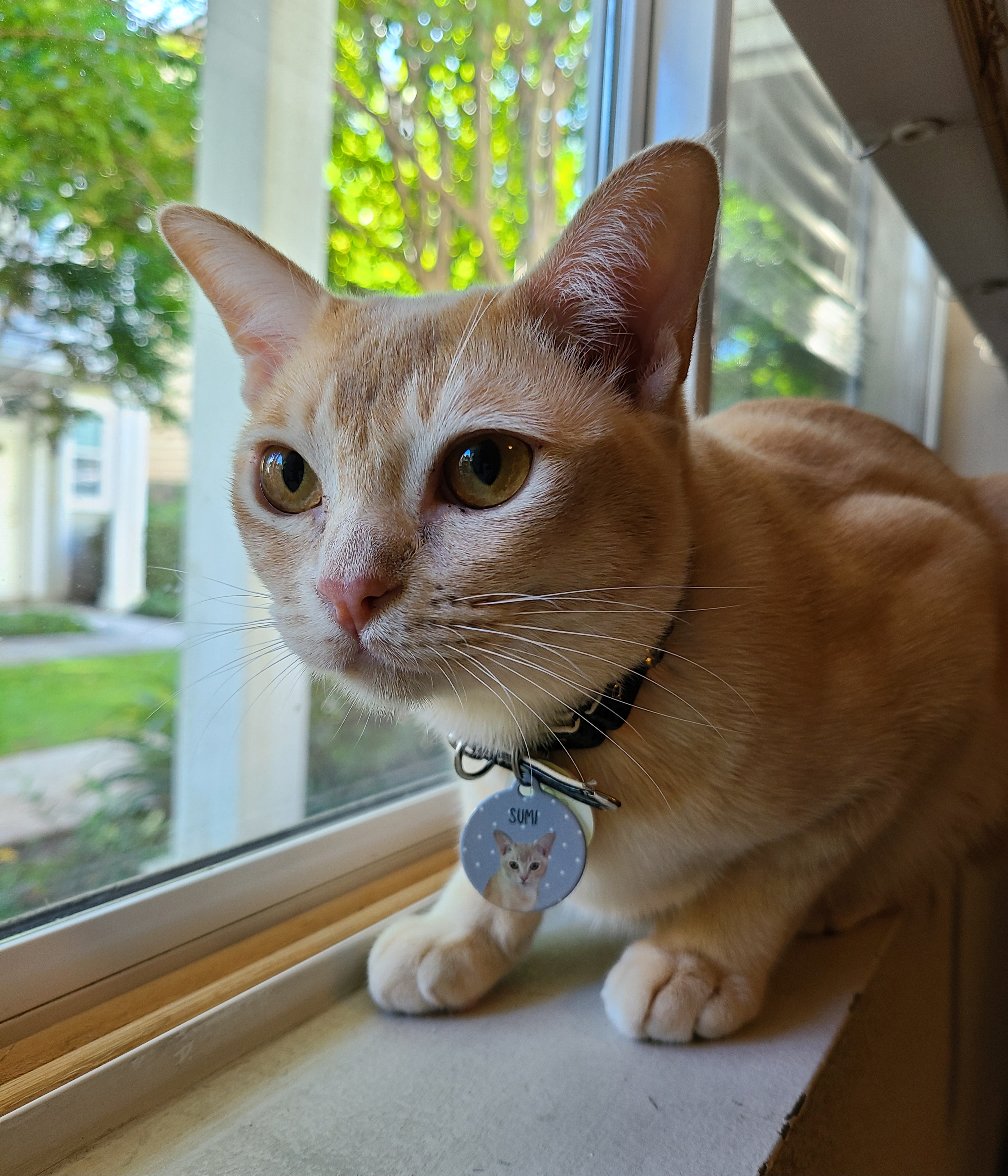
My kitten Sumi at 10 months of age
Feeding raw food to cats and kittens is a topic of debate among veterinarians and pet owners. While some advocates believe in the benefits of a raw food diet for cats, it’s essential to consider both the potential advantages and risks associated with this feeding approach. When I got my cream European Burmese kitten Sumi, the breeder told me that she was accustomed to raw food, so after a few weeks, I acquiesced, looked up the specific brand of raw food, found a local distributor, and purchased the food. Luckily, my kitten and my junior cat (sable American Burmese Koji, who is 1-1/2 years old) both love the raw food, so they now get raw food every morning.
Here are some potential benefits of raw food for cats and kittens:
- Nutrient Density: Raw food diets can be formulated to closely mimic a cat’s natural prey diet, which is high in protein and low in carbohydrates. This can provide essential nutrients in a highly digestible form.
- Improved Coat and Skin Health: Some cat owners report that their pets on raw diets have shinier coats and healthier skin, which could be due to the higher levels of essential fatty acids found in some raw ingredients. This is definitely true for my cats, including my 14-year-old Tenshi, whose coat had been looking dull until he started eating a small amount of raw food each morning (I have to limit the amount due to his kidney disease). His coat is now thicker and has a sheen to it similar to what he used to have when he was young.
- Dental Health: Chewing on raw bones and meat can help maintain dental health by reducing tartar buildup and promoting natural tooth cleaning. I actually get a kick out of watching Koji and Sumi eat raw food, because their wild instincts kick in, and they chew pretty vigorously.
- Weight Management: Raw food diets may help with weight management, as they are generally low in carbohydrates, which can contribute to weight gain.
- Allergy Management: Some cats with food allergies or sensitivities may benefit from a raw food diet because it allows for precise ingredient control, avoiding common allergens. Koji has some food allergies which I had discovered quite by accident, so it’s a relief to know that he has no issues with the raw food I feed him.
- Improved Digestion: Proponents of raw diets argue that these diets are easier to digest and can lead to fewer digestive issues, such as vomiting and diarrhea. Since incorporating raw food into my cats’ diets, I have noticed that vomiting is extremely rare.
- Increased Hydration: Raw diets often contain a higher moisture content, which can help keep cats well-hydrated and reduce the risk of urinary tract problems.

My two-year-old, Koji
It’s important to note that there are also significant risks associated with feeding raw food to cats and kittens:
- Bacterial Contamination: Raw meat, especially poultry and fish, can be contaminated with harmful bacteria such as Salmonella and E. coli, which can pose health risks to both cats and humans. However, the company from which I purchase raw food, Blue Ridge Beef, uses High Pressure Processing (HPP), a cold-water process that applies pressure on the food that fractures the cell walls of pathogenic bacteria such as Salmonella, E. coli 0157:H7, and Listeria Monocytogenes, killing them while leaving all nutrients intact. I also wash my hands before handling the food, and when I section out the 2-pound chubs, I use a sharp knife to cut the chub into medallions, wrap the medallions in plastic wrap, and then into a freezer bag to re-freeze until feeding time.
- Nutritional Imbalance: Formulating a balanced raw diet that meets all of a cat’s nutritional needs can be challenging. Deficiencies or excesses in essential nutrients can lead to health problems. For this reason, I still leave dry and freeze-dried kibble for my cats to graze on, and I also feed them commercial wet food for dinner to ensure a balanced diet.
- Parasites: Raw meat can contain parasites, such as Toxoplasma gondii, which can be harmful to cats and can be transmitted to humans.
- Choking Hazards: Feeding bones can be risky, as cats may choke or suffer from intestinal blockages. However, I have noticed that Blue Ridge Beef Kitten Mix does not contain any large pieces of bone.
- Zoonotic Diseases: Cats on raw diets may be at increased risk of contracting zoonotic diseases, which can be transmitted from animals to humans.
- Cost and Time: Preparing and feeding a raw diet can be more time-consuming and expensive than commercial cat foods. I can’t imagine going through the hassle to make raw food for my cats, so I am thankful that I can purchase Blue Ridge Beef products which are almost completely hassle free. I will say that when I purchase a case of fifteen 2-pound chubs, I don’t look forward to tempering the chubs, cutting them into medallions, wrapping them and then placing them in bags, but I only do that every 5 months.
Before switching your cat or kitten to a raw food diet, it’s crucial to consult with a veterinarian who can provide guidance on whether it’s appropriate for your specific pet’s needs and help you formulate a balanced and safe diet. If you decide to feed a raw diet, it’s important to follow best practices for food safety to minimize the risk of bacterial contamination and ensure your cat’s overall health and well-being.
 dr. stacey naito's blog