Orchid Cactus Love

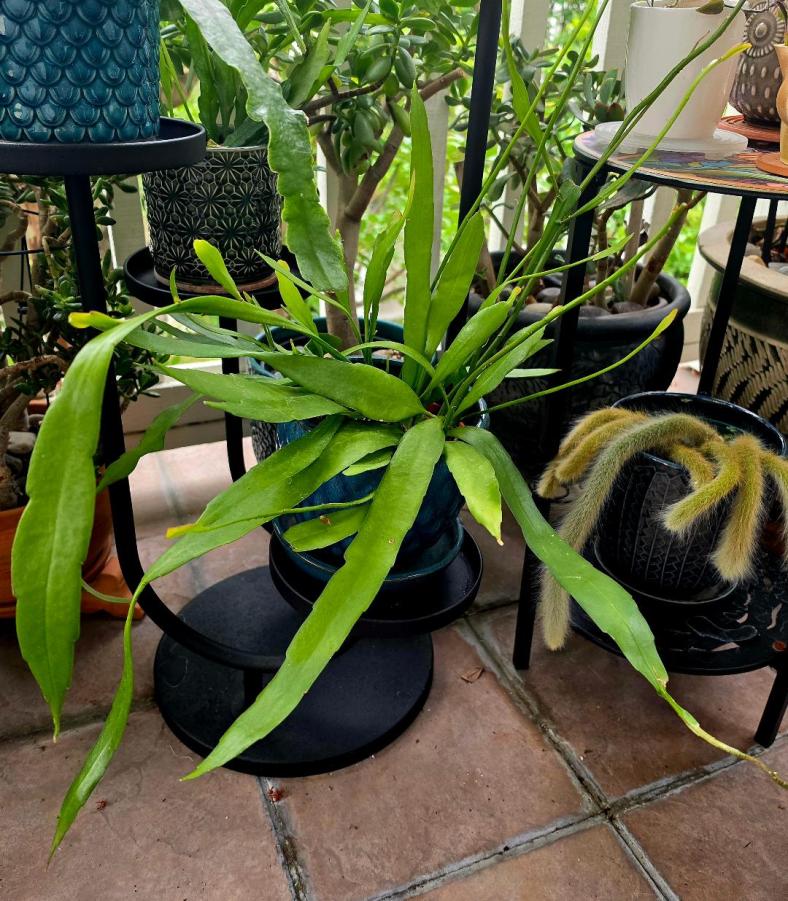
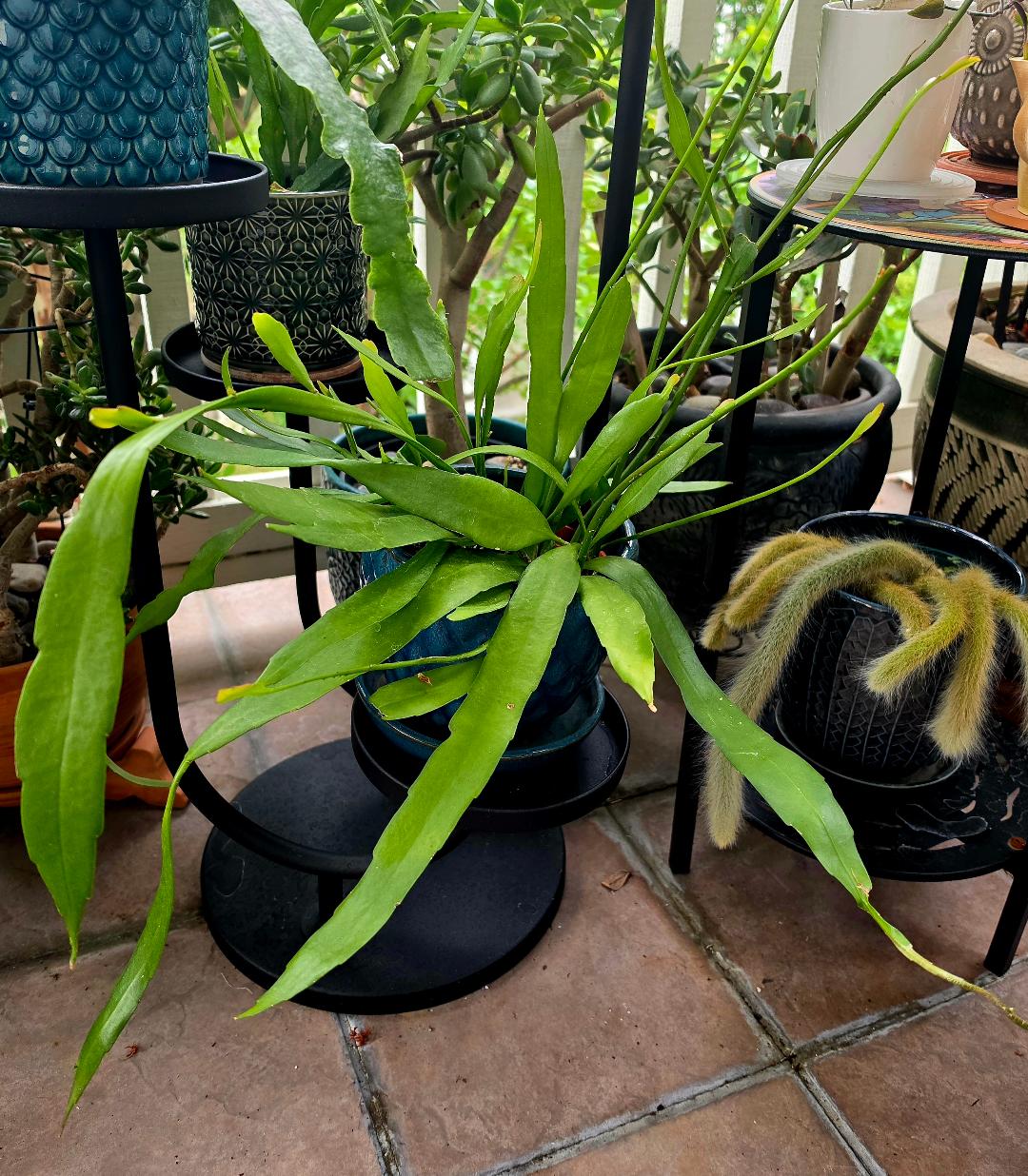
Epiphyllum pumilum

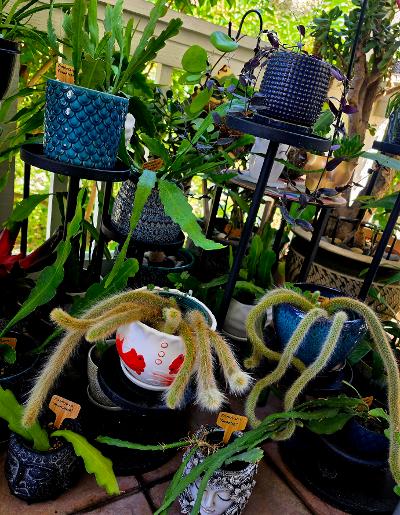
Earlier this year, I was lured into the world of Epiphyllum, also known as Orchid Cacti, and I quickly became a huge fan. It all started with an Epiphyllum ackermannii cutting I got as a freebie along with a plant order from EpiPlants on Etsy. I now have 16 different cultivars in my collection, and I look forward to the time when they eventually start blooming.

Epiphyllum — commonly called “orchid cacti” — are tropical forest cacti known for their dramatic flowers and flattened, leaf-like stems. Unlike desert cacti, they evolved in humid jungles of Central and South America, where many species grow attached to tree branches rather than rooted in dry ground.

What Orchid Cacti Look Like

Orchid cacti usually have:

  • Long, flattened green stems called cladodes that resemble thick leaves
  • Arching or trailing growth habits
  • Smooth or scalloped stem edges depending on species
  • Very small or nearly invisible spines
  • Epiphytic growth habits (many naturally grow on trees)

The stems can hang several feet long, making them popular in hanging baskets. Some species have deeply lobed stems, while hybrids may have broad paddle-like growth.

Unlike the stereotypical desert cactus, orchid cacti look lush, tropical, and almost vine-like.

What the Blooms Look Like

The flowers are the main attraction.

Orchid cactus blooms are often:

  • Huge — commonly 4–10 inches across
  • Highly fragrant in many species
  • Funnel-shaped or starburst-shaped
  • Extremely colorful

Colors include:

  • White
  • Pink
  • Red
  • Orange
  • Yellow
  • Purple
  • Bi-colors and striped hybrids

Some species bloom only at night and are pollinated by moths or bats. Others bloom during the day.

One famous relative is Epiphyllum oxypetalum, often called the “Queen of the Night,” whose giant white flowers open for a single night and release a powerful sweet fragrance.

Many modern hybrids produce flowers so ornate they resemble orchids, which is where the common name “orchid cactus” comes from.

How Many Varieties Exist?

There are two ways to answer this:

True Species

Botanists recognize roughly 15–20 accepted wild species in the genus Epiphyllum, though classifications shift as taxonomy changes.

Examples include:

  • Epiphyllum oxypetalum
  • Epiphyllum anguliger
  • Epiphyllum guatemalense
  • Epiphyllum crenatum

Hybrids and Cultivars

This is where the numbers explode.

There are:

  • Thousands of registered hybrids
  • Decades of breeding by collectors and cactus societies
  • Endless flower color combinations and forms

Hybrid orchid cacti are especially popular because breeders selected for:

  • Larger blooms
  • More vivid colors
  • Repeat blooming
  • Daytime flowering
  • Compact growth habits

Some collectors maintain hundreds of named cultivars.

Care Needs

Orchid cacti are easier than many people expect once you understand they are jungle cacti, not desert cacti.

Light

They prefer:

  • Bright indirect light
  • Morning sun
  • Filtered light

Too much harsh afternoon sun can scorch stems.

A bright east-facing window or shaded patio is ideal.

Water

They need more water than desert cacti.

General rule:

  • Water when the top inch of mix dries slightly
  • Keep evenly moist during active growth
  • Reduce watering somewhat in winter

Avoid:

  • Bone-dry soil for long periods
  • Constant soggy conditions

Humidity

They appreciate moderate humidity because of their rainforest origins.

Ideal conditions:

  • 40–60% humidityDity or higher
  • Good airflow

Dry indoor air may reduce blooming.

Soil

Use a loose, airy mix with excellent drainage.

Good mixes often contain:

  • Orchid bark
  • Perlite
  • Coco coir or peat moss
  • Pumice or perlite
  • Small amounts of potting soil

Heavy cactus desert mixes are often too dry and mineral-heavy.

Temperature

Best range:

  • 55–80°F (13–27°C)

Many varieties benefit from:

  • Cooler nighttime temperatures in fall
  • Slight winter rest periods to encourage flowering

Most are not frost tolerant.

Fertilizer

Feed lightly during spring and summer.

A balanced or bloom fertilizer works well:

  • Monthly or biweekly at diluted strength

Too much nitrogen may produce stems but fewer flowers.

Blooming Tips

To encourage flowers:

  1. Give bright indirect light
  2. Avoid overpotting
  3. Provide slightly cooler nights in fall
  4. Reduce watering modestly in winter
  5. Let plants mature — some need a few years before blooming heavily

Once mature, healthy plants can produce dozens of blooms in a season.

Popular Types

Epiphyllum anguliger

Known for zigzag stems that resemble fish skeletons.

Epiphyllum oxypetalum

Large colorful hybrid flowers.

Disocactus ackermannii

Brilliant red flowers and trailing stems.

Epiphyllum oxypetalum

Night-blooming fragrant white flowers.

Why Collectors Love Them

Orchid cacti attract collectors because:

  • Flowers can be spectacularly large
  • Some blooms are intensely fragrant
  • Hybrids vary enormously
  • Plants are easy to propagate from cuttings
  • Mature hanging specimens become dramatic showpieces

A blooming orchid cactus can look almost unreal — huge tropical flowers emerging from simple green stems.

The African Milk Tree

Euphorbia trigona, also known as the African Milk Tree, is a striking succulent often mistaken for a cactus, though it actually belongs to the spurge family (Euphorbiaceae). It’s popular as a houseplant because of its sculptural shape and relatively easy care.


🌍 Origins

Euphorbia trigona is native to central and western Africa, particularly regions like Cameroon. In its natural habitat, it grows in warm, semi-arid environments with plenty of sunlight. It has long been cultivated both locally and globally, so its exact wild origin range is a bit blurred by human propagation.


🌿 Appearance

This plant has a very distinctive look:

  • Growth form: Upright, columnar stems that branch upward, giving it a candelabra-like shape
  • Stems: Triangular (hence trigona), with ridges lined by small paired spines
  • Leaves: Small, oval leaves grow along the ridges; they’re usually green but can be reddish in some varieties
  • Color varieties:
    • Standard green
    • “Rubra” or “Royal Red” form with reddish stems and leaves

Although it resembles a cactus, it differs in structure and produces a milky white sap (latex), which is typical of spurges and can be irritating or toxic if handled improperly.


📏 How Tall Can It Get?

Height depends heavily on where it’s grown:

  • Indoors: Typically reaches 4–6 feet (1.2–1.8 m), though with time and good conditions it can grow taller
  • Outdoors (warm climates): Can reach 10–15 feet (3–4.5 m) or more, forming a large shrub-like structure

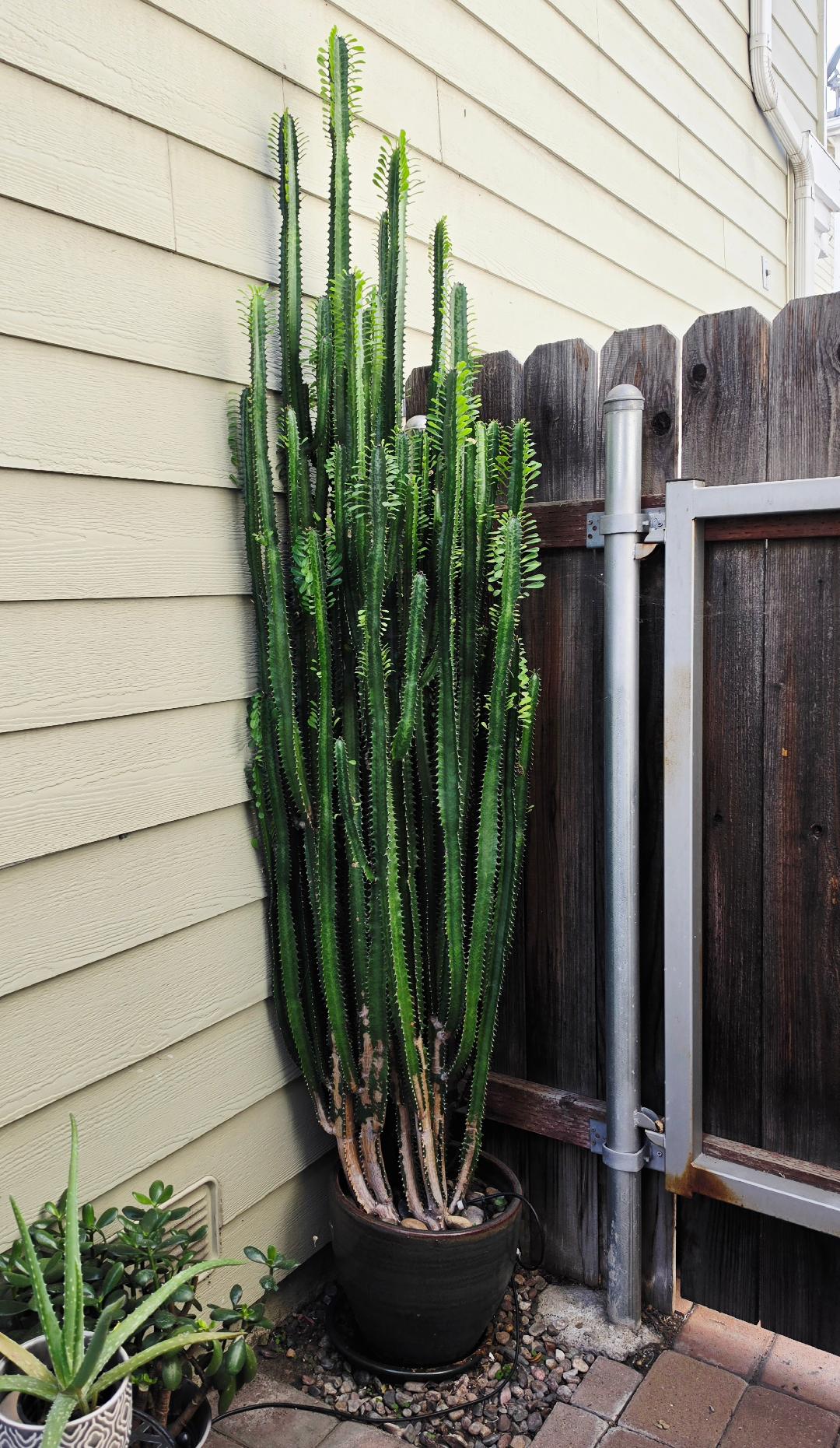
It grows relatively fast compared to many succulents, especially with bright light and consistent care. When I bought my Euphorbia trigona in 2021, it was about 18 inches tall. One spring, it shot up about 2 feet, which I never expected. About a year and a half ago, a close friend and I decided to move it from my second-floor balcony to the side yard on the first floor. My reasoning was that it was almost 6 feet tall, and would be almost impossible to move from the balcony if it got much larger. As you can see in the photo, it is now 7-1/2 feet tall!

Easy Care Rat Tail Cactus

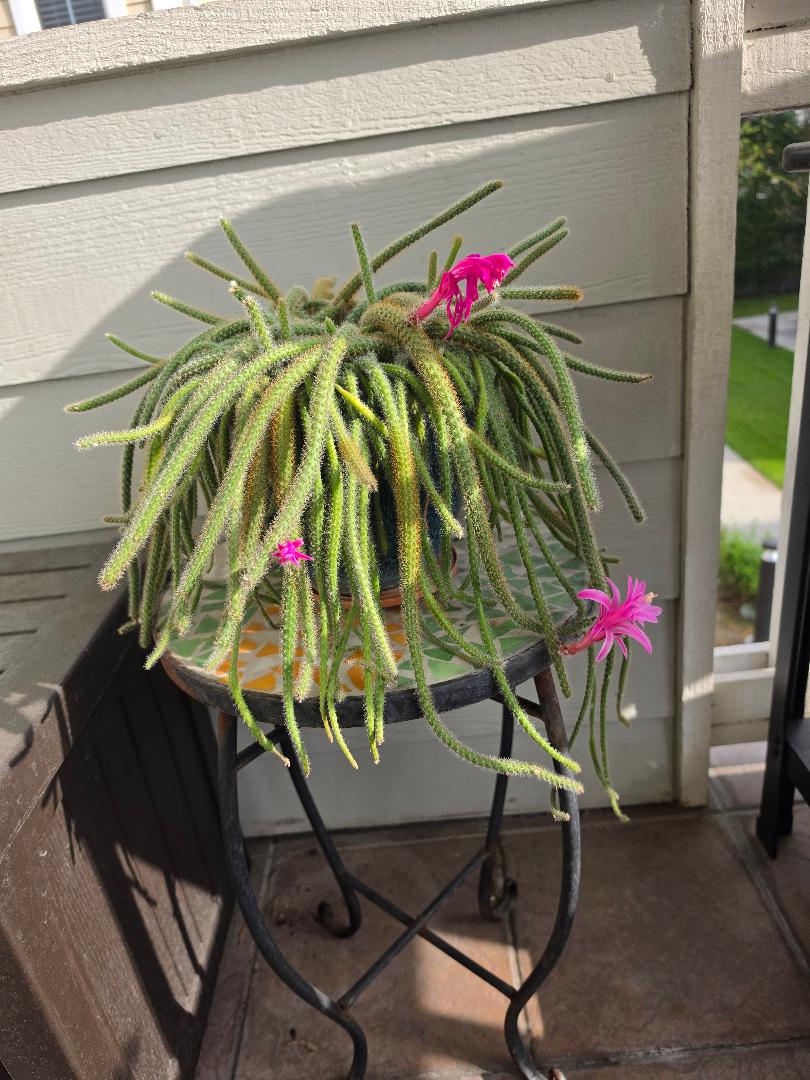
The first rat tail cactus I ever bought. This has been on my balcony for 6 years and finally bloomed this year.

The rat tail cactus—scientifically known as Aporocactus flagelliformis—is a striking, easygoing cactus that stands out because it doesn’t look like the typical upright desert plant. It’s actually a trailing, almost vine-like cactus that’s popular as a hanging plant. I have had two specimens for a number of years, and one in particular has been quite full and happy. When they both decided to bloom recently, I became a big fan of them and added two more to my balcony collection.


🌵 Appearance

Rat tail cactus has long, slender stems that can grow several feet in length. These stems:

  • Are cylindrical and about ½–1 inch thick
  • Covered in fine, soft-looking spines (not as intimidating as many cacti)
  • Usually a medium to bright green color

As the plant matures, the stems spill downward, giving it that “rat tail” look—hence the name. It’s often grown in hanging baskets so the stems can cascade freely.


🌱 Growth Habit

Unlike many desert cacti, this one is naturally epiphytic or lithophytic, meaning it can grow:

  • On rocks
  • In crevices
  • Or even on trees in its native habitat (mainly Mexico)

Instead of growing upright, it:

  • Trails and drapes over containers
  • Produces lots of branching stems over time
  • Can become quite full and dramatic with age

It’s fast-growing compared to many cacti, especially during the warmer months.


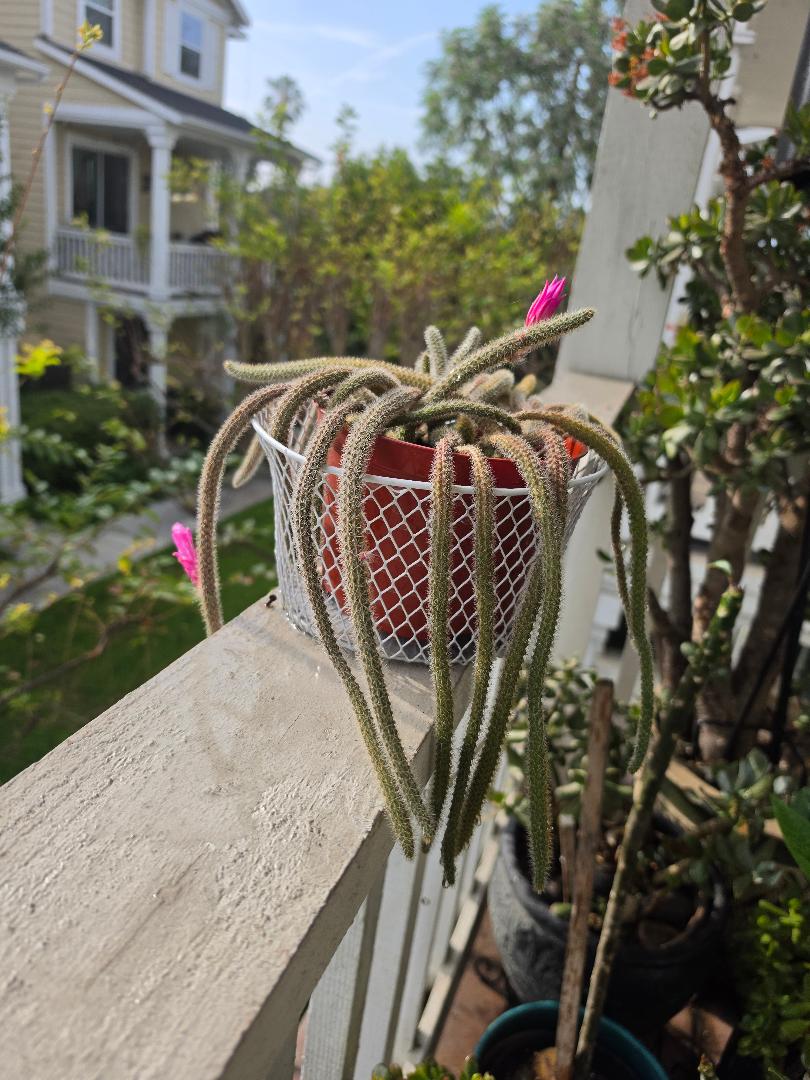
This is the second rat tail cactus, in bloom

🌸 Blooms

When the rat tail cactus blooms, it really steals the show.

  • Flowers are bright pink to reddish-magenta
  • About 2–3 inches long
  • Tubular in shape, with layered petals that flare outward
  • Often appear along the sides of mature stems

Blooming typically happens in spring to early summer. A healthy, mature plant can produce many flowers at once, creating a vibrant cascade of color against the green stems. The blooms don’t last forever individually, but the plant may produce them in succession.


☀️ Care Guide

Light

  • Prefers bright, indirect light
  • Can tolerate some direct sun, especially morning sun
  • Too much harsh afternoon sun can scorch the stems

Water

  • Water when the top inch or two of soil dries out
  • During growing season (spring/summer): water regularly but don’t let it sit in water
  • In winter: reduce watering significantly

Overwatering is the most common mistake—this cactus still needs good drainage.

Soil

  • Use a well-draining cactus or succulent mix
  • Adding perlite or sand improves drainage

Temperature

  • Thrives in warm conditions (65–80°F / 18–27°C)
  • Can tolerate slightly cooler temps in winter, but protect from frost

Humidity

  • Unlike desert cacti, it appreciates moderate humidity
  • Good airflow is still important

Fertilizer

  • Feed with a diluted cactus fertilizer during spring and summer (about once a month)
  • Avoid feeding in fall/winter

Potting & Placement

  • Best grown in hanging baskets to show off trailing stems
  • Repot only when necessary—slightly root-bound is fine

🌿 Bonus Tips

  • To encourage blooming, give it a cooler, drier rest period in winter
  • You can propagate it easily from stem cuttings
  • If stems get too long or messy, they can be trimmed without harming the plant

Overall, the rat tail cactus is a great choice if you want something low-maintenance but visually dramatic—especially when those vivid pink flowers show up.

Beguiling Osmanthus

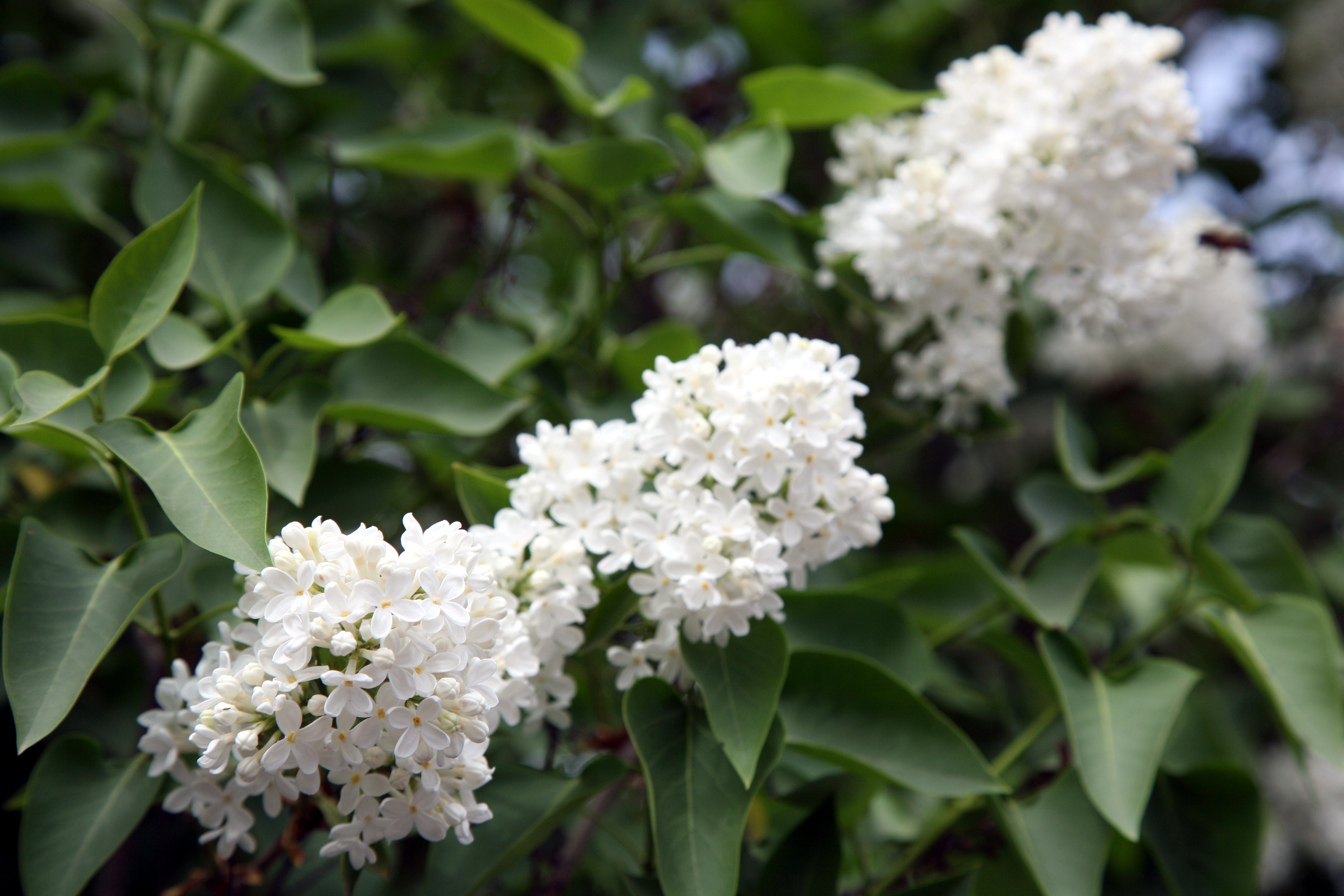
© valerypetr, 123RF Free Images

Osmanthus is a flowering plant belonging to the genus Osmanthus, which is part of the olive family (Oleaceae). Native to East Asia—particularly China, Japan, and the Himalayas—this evergreen shrub or small tree is best known for its small but incredibly fragrant blossoms, which appear in shades of white, pale yellow, or orange-gold.


🌸 Fragrance of Osmanthus

The fragrance of osmanthus is what makes it truly enchanting and prized in perfumery and tea blending. The scent is:

  • Sweet and fruity, often compared to ripe apricots, peach, or plum.
  • Laced with honeyed, creamy, and slightly green floral notes.
  • Sometimes subtly leathery or reminiscent of tea leaves when dried.

It’s an aroma that manages to be both delicate and persistent—soft, comforting, and refined.


Spiritual and Cultural Significance

In Chinese Culture

  • Osmanthus, or guì huā (桂花) in Mandarin, is deeply revered in Chinese tradition.
  • It blooms in autumn, and is strongly associated with the Mid-Autumn Festival, where it symbolizes reunion, harmony, and longevity.
  • The osmanthus tree is often linked with the moon. Chinese legends tell of Wu Gang, a man condemned to eternally chop down an osmanthus tree on the moon—a myth that adds a sense of the plant’s mystical endurance.
  • Osmanthus is also a symbol of nobility, love, and romantic longing, sometimes evoking nostalgia or homesickness.

In Traditional Chinese Medicine

  • Osmanthus flowers are used in herbal remedies to ease coughs, improve skin health, and support digestion.
  • It’s believed to cleanse the body and mind, representing purity and serenity.

In Perfume and Tea

  • Osmanthus is a luxury note in high-end perfumery, loved for its unique fruit-floral profile.
  • In tea, osmanthus blossoms are often blended with green or oolong tea, creating a beverage that is as aromatic as it is soothing.

🌿 Interesting Qualities

  1. Rare Fragrance Profile: Few florals combine fruit and flower in such a balanced way—osmanthus stands apart from heady roses or indolic jasmine.
  2. Cultural Depth: It’s not just a pretty flower; osmanthus is woven into poetry, myth, and ritual across centuries.
  3. Seasonal Beauty: Unlike many spring-blooming flowers, osmanthus blooms in autumn, offering unexpected beauty and fragrance when most other flowers have faded.
  4. Versatility: It’s used in food, tea, perfume, skincare, and spiritual practices—a true multi-sensory botanical.

In essence, osmanthus is a plant that quietly stuns—with a fragrance that whispers rather than shouts, and a cultural legacy that touches everything from ancient moon legends to modern luxury.

Indoor Plants Are Good For You

Cactus Plant Tree Pot Nature Environmental Conservation Concept

rawpixel Image ID53431489 123rf.com

As an avid plant lover, I have enjoyed the many benefits of being surrounded by beautiful greenery in my home. I honestly believe that having indoor houseplants offers a multitude of benefits. Here’s a closer look at why incorporating greenery into your home is a great idea:

Health Benefits

  1. Improved Air Quality – Many houseplants, such as spider plants and snake plants, help remove toxins like formaldehyde and benzene from the air, creating a cleaner living environment. I have several snake plants (Sansevieria genus) in my home, and appreciate the fact that they clean the air while looking very attractive and interesting.
  2. Increased Oxygen Levels – Plants release oxygen during photosynthesis, which can improve air circulation and overall respiratory health.
  3. Humidity Regulation – Plants release moisture through transpiration, which can help maintain healthy humidity levels, reducing issues like dry skin and irritated sinuses. I also help my plants out by running two humidifiers in my den and kitchen to optimize plant functions.
  4. Reduced Allergens – Some plants, like peace lilies, can trap dust and allergens, helping those with sensitivities breathe easier.
  5. Stress Reduction & Lower Blood Pressure – Studies have shown that being around greenery can help lower stress levels and even contribute to reduced blood pressure. When I am in my home, I truly feel like I am in a garden paradise, and I feel instantly calm.

Decor Benefits

  1. Aesthetic Appeal – Houseplants add natural beauty to any room, complementing different interior design styles. I make sure to stage my plants in such a way that they make sense in my interior living space, without sacrificing their ambient light needs.
  2. Versatility in Design – Whether you want a bold statement piece like a fiddle-leaf fig or a subtle accent like a small succulent, there’s a plant to match every space.
  3. Enhanced Space Perception – Large plants can fill empty corners, creating a fuller and more inviting atmosphere. If I lived in a larger home, I would definitely have tall plants strategically placed in empty corners.
  4. Seasonal Adaptability – Unlike furniture or decor that can feel outdated, plants offer a timeless appeal and can be rearranged easily for a fresh look.
  5. Brings Nature Indoors – For those in urban settings, houseplants help create a connection to nature, bringing an element of the outdoors inside.

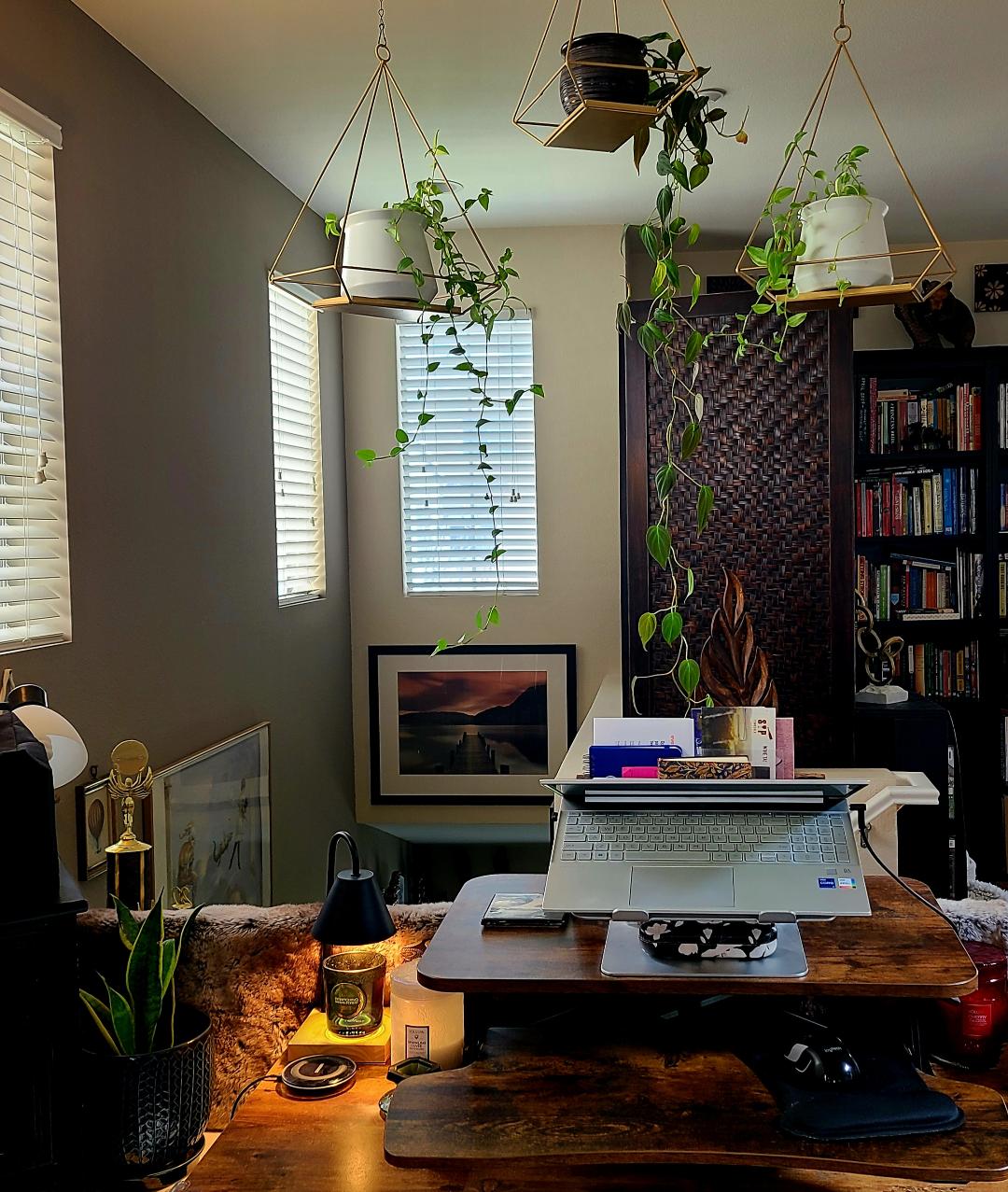
The desk sentinels around my workspace

Mood Benefits

  1. Boosted Mental Well-Being – Studies suggest that caring for plants can reduce anxiety and depression, providing a sense of accomplishment and responsibility. I know that I have a responsibility to keep my plants as healthy as possible, and I make an effort to address their needs on a weekly basis.
  2. Increased Productivity & Focus – Plants in workspaces have been shown to enhance concentration and creativity, making them great additions to home offices. There are plants all around my desk space, and I absolutely love them.
  3. Better Sleep – Certain plants, like lavender and jasmine, have calming properties that promote relaxation and better sleep. I only wish I could keep such plants alive in my home! Instead, I use scented candles to impart a calming mood.
  4. Mood Elevation – Simply looking at greenery can evoke feelings of happiness and tranquility, making plants a natural mood booster.
  5. Encourages Mindfulness – Watering, pruning, and tending to plants can be a meditative and mindful practice, helping people slow down and enjoy the present moment. Despite the fact that my weekly plant watering is a bit of a chore, I find myself getting into a zone which is meditative and beneficial.

Final Thoughts

Houseplants do much more than just decorate a space—they contribute to better air quality, reduce stress, and create a soothing ambiance. Whether you’re looking for a productivity boost, improved well-being, or a stylish home upgrade, adding indoor plants is a simple yet impactful way to enhance your living environment.

The Benefits of Houseplants

Since one of my biggest interests lies in houseplants, I thought I should cover the health benefits of growing greenery within a household. Houseplants offer a range of health benefits, both physical and mental, making them a great addition to any home or office space. Here are some of the key benefits:

1. Improved Air Quality

One of the most well-known benefits of houseplants is their ability to purify indoor air. Plants absorb carbon dioxide and release oxygen through photosynthesis. Additionally, certain houseplants, such as peace lilies, spider plants, and snake plants, are known to remove toxins from the air, including formaldehyde, benzene, and trichloroethylene. This can lead to cleaner, fresher air indoors, which may help reduce respiratory issues and improve overall health.

2. Stress Reduction

Several studies have shown that being around plants can help reduce stress and anxiety. The presence of greenery has a calming effect, potentially lowering heart rates and blood pressure. Simply interacting with plants—whether it’s watering them, trimming leaves, or just admiring their beauty—can trigger a relaxation response, helping you feel more grounded and less overwhelmed. Houseplants offer a range of health benefits, both physical and mental, making them a great addition to any home or office space. The best part of having a large collection of houseplants is that my home has a Bohemian, Zen-like feel to it which people find relaxing and welcoming.

I will say that watering the plants in my collection is a bit of a hassle, even considering the fact that I only water half of the plants each week. Part of the issue is that I have over 100 plants inside my home, and many of them are suspended from ceiling hooks, making it necessary for me to cart around a stepladder on plant watering day. However, as long as you have a manageable assortment of plants in your residence, the task shouldn’t be too strenuous.

3. Enhanced Mood and Mental Health

Houseplants can have a positive impact on mental well-being. Studies suggest that spending time around plants can improve mood, reduce feelings of fatigue, and increase feelings of calm and contentment. The act of caring for a plant, and the sense of responsibility that comes with it, can also boost feelings of accomplishment and purpose. For people experiencing mild depression or anxiety, the nurturing of plants can offer therapeutic benefits, acting as a form of mindfulness or relaxation practice.

4. Improved Productivity and Concentration

Research has shown that having plants in the workspace or at home can improve focus, cognitive function, and productivity. Plants can increase attention span, enhance memory retention, and even promote creativity. In offices, employees with plants in their workspaces often report higher satisfaction, fewer sick days, and improved mental clarity. The presence of plants can help people feel more connected to nature, even in an urban setting.

5. Better Humidity and Temperature Regulation

Houseplants naturally release moisture into the air through a process called transpiration, which can help maintain a more balanced level of humidity in the home. This is particularly helpful in environments where air conditioning or heating systems dry out the air. Proper humidity can reduce the risk of dry skin, sore throats, and respiratory irritation. Additionally, plants can help moderate temperature fluctuations by absorbing sunlight and releasing moisture, leading to a more stable and comfortable living environment.

6. Better Sleep

Certain plants, like lavender and jasmine, have been shown to promote better sleep. The calming scents emitted by these plants may help to lower anxiety levels and encourage relaxation before bedtime. Moreover, the act of caring for plants and spending time in nature can also help you develop healthier sleep habits by reducing stress during the day.

7. Boost to Immune System

Some research suggests that exposure to plants and nature can have a positive effect on the immune system. Spending time in green spaces, even within your home, can increase the production of white blood cells, which help defend against illness. Additionally, houseplants can encourage you to spend more time in your living space, which could lead to healthier habits, such as better hydration, nutrition, and sleep, all of which support a stronger immune system.

8. Reduction in Noise Pollution

Houseplants can also absorb sound, which helps reduce noise levels in indoor environments. In a busy home or office, the presence of plants can create a more peaceful atmosphere by dampening echoes and muffling background noise. This can lead to improved concentration and overall well-being, particularly in noisy urban environments.

9. Connection to Nature

Having plants in your home helps foster a sense of connection to the natural world. In urban environments, where access to parks and green spaces may be limited, indoor plants can provide a touch of nature, helping to counteract the effects of “nature-deficit disorder” (a term coined by Richard Louv to describe the negative impact of disconnection from nature). This connection can improve your mental and emotional well-being, helping you feel more grounded and centered.

10. Aesthetic and Environmental Benefits

In addition to the direct health benefits, houseplants also improve the aesthetic value of a space, making it feel more welcoming and vibrant. A well-decorated home or office with plants can enhance your environment, making it feel more lively and positive. This positive visual impact can indirectly boost your mood and contribute to a healthier mindset.

Final Thoughts

Integrating houseplants into your environment can be a simple yet effective way to enhance both physical and mental well-being. Whether you’re looking to improve air quality, reduce stress, boost productivity, or just make your home more inviting, the presence of plants can have far-reaching benefits for your health. And the best part is that they require relatively little effort to maintain, making them an easy and accessible way to improve your overall quality of life.