My Take On Weddings

The wedding industry is an extremely profitable one, and for good reason. Everyone who has ever fantasized about walking down the aisle has constructed an image of that special day, and women are especially prone to envisioning all the details, from the perfect gown, to the perfect venue, flowers, cake, etc.

I have a problem with elaborate weddings because the expenditure of money is usually so significant that soon-to-be-married couples often risk drowning in debt as a result of that desire to make everything perfect. I am not saying that weddings shouldn’t occur, but I also don’t think it makes sense to spend a ridiculous amount of money on them either. Some couples are sensible about their wedding plans and opt for ceremony, reception and honeymoon plans which won’t break the bank. I have even heard of some couples who have eloped and taken the money that might have been spent on a big wedding and used it as a down payment on a home, which makes FAR more sense to me.

Another red flag which I have noticed among some couples is when couples who haven’t worked out their relationship issues turn to a wedding as a miracle cure for all the strife which they are experiencing. I firmly believe that a couple should regard a wedding as a true celebration of what they have achieved together, instead of as a band-aid or a means of appeasing relatives who are pressuring them to wed. If communication is poor and multiple issues threaten the fabric of a relationship, the stress of planning a wedding will only fan the flames of discord. wedding rings

Before you assume that I am anti-wedding, let me be clear and reveal that I was married for four years once and loved being married. The only problem was that my husband and I were not the best match for each other. I am on the fence about the idea of remarrying and don’t feel that it is necessary for me to do so. What IS important to me is establishing a great relationship and great communication, regardless of whether a marriage license binds me to a man.

Hormone Roller Coaster

Originally published on RxGirl on Tuesday, 09 April 2013
lady-eating-chocolate
http://www.rxmuscle.com/rx-girl-articles/7895-hormone-roller-coaster.html

Oh, to be a woman. We are blessed with goddess energy and are also capable of being strong and muscular while holding onto our femininity. But with our female distinction we also have hormonal fluctuations which can wreak havoc on our health and our moods. It can be a tricky thing to keep estrogen and progesterone levels balanced consistently, especially for those of us who compete. Estrogen imbalance can also bring about early menopause, premenstrual symptoms, menstrual irregularities, and skin issues.

Women who practice a healthy diet, regular exercise, adequate sleep and stress management have the best chance of keeping their hormones in balance throughout their cycles. Overly processed foods, especially refined sugars, should be avoided. Strength training is also an excellent way of regulating estrogen levels in the body. However, I realize that the majority of you who are reading this are already on board with clean eating and weight training, but may still struggle with mood swings, food cravings, menstrual irregularities, and menstrual cramps.

Here are some tips on how to combat mood swings and food cravings which may emerge each month. These supplements will not affect contest prep, and may actually equip you with the best chance of staying on track even during THAT time of the month.

MOOD SWINGS: I am a big fan of the B vitamins because they are proven to reduce stress and anxiety. In fact, I make sure that all of my patients who suffer from depression and anxiety take a B-complex supplement to regulate their mood. It is also a good idea to take magnesium glycinate to restore the magnesium that is depleted during times of stress. Start with 250 milligrams daily, then increase to three times daily with meals. If you get drowsy or have frequent bowel movements, decrease your dose down to once or twice per day.

FOOD CRAVINGS: One of the reasons why women tend to crave chocolate around that special time of the month is because they are often deficient in magnesium, which is found in high amounts in chocolate. For this reason, I suggest taking magnesium glycinate(as stated before) to normalize magnesium levels in the body. Dosage parameters are the same, but if you prefer, you can take magnesium for two weeks at a time, starting a week before your period and ending a week after you get your period.

Another great supplement to take for food cravings is alpha lipoic acid. Take 100 milligrams three times daily. If you really get slugged with strong food cravings before flow visits, add chromium picolinate (200 micrograms three times daily) and vanadyl sulfate (10 milligrams three times daily) to your regimen.

Emotional Eating

Originally published on RxGirl.com on Monday, 12 November 2012. The original post was published with white text on white background, so the only way to read it on the site is to highlight the text. To make things easier for everyone, I have copied and pasted the article here for you to read.

http://www.rxmuscle.com/rx-girl-articles/6941-emotional-eating.html

emotional-eating ice creamRather than discuss well-known emotional eating disorders such as bulimia, I will concentrate on binge eating which many women engage in from time to time. It is important to recognize this behavior if it becomes a regular pattern, because frequent emotional eating warrants a diagnosis of binge eating disorder and requires treatment and intervention.

Binge eating is characterized by eating compulsively to cope with negative emotions and stressful situations. A binge eater is rarely hungry when she begins to eat and will continue to eat well after she is full. Such episodes can last for up to two hours or can occur off and on throughout the day. The binger feels guilty both during and after the episode, but will not attempt to counteract it by fasting, taking laxatives, vomiting, fasting or over-exercising. A strong lack of self-control as well as feelings of shame will accompany this behavior pattern. There is a strong association between binge eating and depression. Binge eating is also driven by social components such as social pressure to be thin, emotional and sexual abuse, parental criticism of a child’s weight, and the use of food as reward or punishment.

Food cravings are usually the strongest when you are in emotional crisis. You may reach for food for comfort or to serve as a distraction. Consider the following highly stressful events and think about whether you reached for comfort foods during such times:

· Financial problems
· Health problems
· Work issues
· Relationship issues
· Fatigue
· Family issues

Though some people will lose their appetites when stressed and will refrain from eating, many others will engage in impulsive eating in an effort to deal with negative emotions. This may be relatively harmless if such emotional eating occurs on a very rare occasion, but becomes a serious problem when it is used as the only coping mechanism for stressful situations or negative emotions. Just bear in mind that if you have a rare moment of weakness, it is important to recognize it as just that and to prevent yourself from spiraling into excessive feelings of guilt over the incident. If you engage in an episode of emotional eating, learn to forgive yourself and have a fresh start the following day.

Why We Engage in Emotional Eating

What occurs almost invariably when we eat emotionally is that we turn to cookies, cakes, candy, fried foods and breads rather than to healthy foods. There is a biochemical basis for such behavior. Carbohydrates which are high in sugar or fat release dopamine in our brains which in turn stimulates the brain’s pleasure center, creating a sense of euphoria. These foods are usually associated with pleasurable memories, such as cake which you may have looked forward to on your birthday, or macaroni and cheese as a treat after school when you were a child.

Food can also serve as a happy distraction from conflict or stressful events by stimulating the aforementioned pleasure centers. What will frequently occur is that an excessive amount of these foods will be consumed. However, if you remain aware of such automatic connections between food and mood and realize when you are eating for reasons other than hunger, you can break this cycle and get back on track with healthy eating habits which are associated with true hunger.

How To Combat Emotional Eating

· Keep a food diary. Get in the habit of writing down everything you eat and drink, including the quantity, the times at which you eat, your emotional state while eating the meal, and your level of hunger. By doing this you may see patterns which will reveal your emotional relationship with food.

· Remove tempting foods. Avoid stocking comfort foods in your home if you find that they are difficult to resist. And by all means avoid making trips to the grocery store if your emotions are spiraling out of control!

· Practice stress management. Yoga, meditation, and relaxation techniques are effective methods of managing your stress.

· Determine whether you are truly hungry. Many times people may believe they are hungry when in reality they are actually emotionally distraught and desperately searching for a way to defuse such emotions.

· Make sure you consume adequate calories. Individuals who are trying to lose weight will often restrict their calorie intake too much, and will turn to the same foods in an effort to remain on track without rewarding themselves with an occasional treat. Adding variety to your meal plan will also help to keep you on track.
Emotional_Eating cake
· Distract yourself. If you get an urge to snack when you aren’t truly hungry, distract yourself by watching a movie, calling a friend, reading, listening to music, or taking a walk.

· Consume healthy snacks. If an urge to snack between meals strikes, choose a low-calorie snack such as vegetables with seasoned nonfat Greek yogurt, fresh fruit, low fat cottage cheese or rice cakes.

· Get enough sleep. Getting enough sleep is an important component in decreasing cravings for comfort foods.

· Eat at regular intervals. Consume smaller meals every three to four hours to keep you from feeling hungry or deprived.

· Focus on the experience of eating. Learn to eat in a mindful manner, in which you pay attention to your meal and only your meal. Become aware of the sensations associated with eating.

· Reward yourself. It is both physically and emotionally unhealthy to practice excessive calorie restriction for prolonged periods. Allow yourself to have a favorite food or meal once each week.

· Connect with your emotions. When a food craving hits during an emotional time, write down the emotions you are experiencing, such as sadness, loneliness or anger.

· Seek professional help if emotional eating is frequent. There are countless support groups which you can join which will help you to develop insight as well as the skills to avoid engaging in such behavior.

Should You Block Cortisol Production?

Originally published on mensphysique.com on Thursday, 01 November 2012

http://www.rxmuscle.com/blogs/the-lab-supplement-school/6894-should-you-block-cortisol-production.html
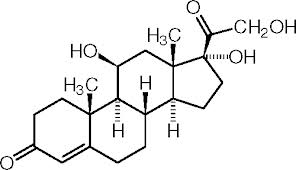
cortisol
Cortisol’s Functions

Cortisol has gotten a bad rap in recent years due to its nickname, the “stress hormone”. What occurs during times of excessive emotional stress? The adrenal glands respond by producing more cortisol in an effort to provide more energy and a higher pain threshold which is in keeping with the “fight-or-flight” response you may be familiar with. Normally, cortisol levels are at their highest in the morning then decrease progressively throughout the day, but if your body is placed under excessive stress, it may produce abnormally high levels of cortisol which disrupt this natural pattern. The resulting elevation in cortisol stimulates the metabolism of carbohydrates and fats and also triggers insulin release. These activities can result in an increased appetite and uncomfortable hunger pains. Blood glucose levels also rise as a result of excessive cortisol release, and if that glucose is not used for energy, it will be stored in the body’s fat reserves, particularly in the fat cells of the abdominal region.

An alarming consequence of excess cortisol release as a result of stress is the damage to the hippocampus and potential memory loss which can occur over time. Several studies have discovered that about one fourth of the hippocampus cells in the brain are lost as we age. Since the hippocampus is responsible for giving feedback to the cerebral cortex in order to prevent production of excess cortisol, such feedback is impaired and could lead to memory loss over time.

However, while it is true that cortisol is responsible for responding to stressful situations, it is also essential for a number of important functions in the body, including regulation of blood pressure, glucose metabolism, immune system support, memory support and regulation of blood sugar. Keeping cortisol release at a balanced and normal range is the key to optimizing its beneficial effects.

Catabolism, Anabolism and Cortisol

Cortisol is a potent catabolic agent and has been shown to cause significant loss of muscle mass in sedentary individuals. When cortisol is released into the bloodstream, it binds to receptors on muscle cells and activates the ATP-dependent ubiquitin/proteasome pathway which causes the body to literally consume its own muscle tissue. It’s a disturbing thought, but the upside is that weight training is effective in counteracting some of cortisol’s direct catabolic actions. The strange paradox is that training both reduces cortisol’s direct catabolic effects and increases the body’s secretion of the substance. Cortisol also slows the body’s anabolic drive by inhibiting the release of testosterone, human growth hormone and insulinlike growth factor 1. Thankfully, weight training once again blocks this anti-anabolic action to some extent, but this block only occurs in the trained muscles.

Another bizarre paradox with cortisol is found with protein absorption. Eating any meal will trigger cortisol release, but proteins are the most potent cortisol releasers. Cortisol release can be blocked by administering alpha-1-blockers before a protein meal, but this will also adversely affect protein absorption. What this boils down to is that cortisol must be released in order to properly assimilate proteins. Keep in mind that protein-induced cortisol release is very brief, while cortisol released as a result of stress persists for a much longer period of time.

Controlling Cortisol Release

A certain level of cortisol secretion is normal. However, if you are interested in controlling excessive cortisol release, you may want to consider taking certain supplements. The most prudent manner in which to do this is to get a blood test beforehand which will determine whether you actually have abnormally high cortisol levels.

GlutamineComplex300L-glutamine: Athletes who supplement with L-glutamine are well aware of its mass building and reparative effects, but L-glutamine also halts cravings for simple carbohydrates, thus aiding in stabilizing blood sugar in individuals who have high cortisol levels.

Theanine: Theanine is naturally found in green tea and has been studied for its calming effects on the nervous system. It works by triggering dopamine and gamma aminobutyric acid (GABA) release, which serve to protect the hippocampus.

L-lysine and L-arginine: Combination oral supplementation of these two amino acids have been proven to reduce anxiety and restore cortisol to basal levels.

B-Complex Vitamins: All of the B vitamins work synergistically in adrenal hormone production, especially vitamin B-6, pantothenic acid and niacin. Not only do they support adrenal hormone production, they also protect against the effects of excess cortisol.

Vitamin C: When the body is placed under stress, free radicals are produced which cause the body to use up vitamin C as a protective mechanism for cells. Since we are unable to produce our own vitamin C, it must be ingested regularly. In fact, vitamin C intake should be increased during stressful times.

Zinc: Stress-related cortisol surges will often trigger sugar cravings which, when indulged, may result in a zinc deficiency due the fact that sugar binds with zinc and is excreted. However, individuals who supplement with zinc and refrain from sugar indulgences benefit from a protective effect which zinc confers. One study in particular, “Zinc Acutely and Temporarily Inhibits Adrenal Cortisol Secretion in Humans” by J. Brandao-Neto et al in the January 1990 issue of the journal “Biological Trace Element Research”, administered zinc to some subjects and placebo to the control group. The group which was given zinc supplementation showed an acute drop in cortisol levels compared with the control group.

Magnesium: Studies by Dr. Hans Selye revealed that when the human body shifts from an acute “fight or flight” reaction to a chronic stress response, the high levels of cortisol and norepinephrine result in magnesium depletion. When the body is deficient in magnesium, one becomes predisposed to panic attacks which lead to more stress and more depletion. Studies have also shown that 80 percent of the American population is deficient in magnesium. By supplementing with magnesium, one can boost serotonin production and provide protection against the harmful effects of excess cortisol.

ZMA: ZMA, which stands for Zinc monomethionine aspartate and Magnesium Aspartate, is a popular sports supplement which is comprised of zinc, magnesium and vitamin B6. The proportion of ingredients usually seen is 20-30 mg zinc, 400-500 mg magnesium and 10 mg of vitamin B6. This supplement meets the body’s magnesium requirement, and the zinc and vitamin B6 allegedly increase strength levels.

Pregnenalone: Pregnenalone is a precursor to progesterone and DHEA. Since progesterone has a protective effect against the effects of estrogen and cortisol, and since DHEA causes cortisol levels to fall, pregnenalone can be an effective supplement in controlling cortisol excess.

Phosphatidylserine: This phospholipid is an essential building block for cells which is extremely effective in reducing cortisol levels in response to physical stress. Phosphatidylserine can also have a positive effect on one’s mood.

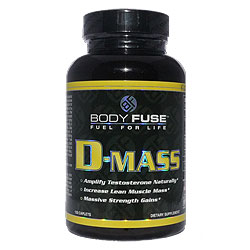
Bodyfuse D-MassTestosterone Boosters: These substances can moderate the release of cortisol in response to exercise.

Growth hormone boosters: These substances also control exercise-induced cortisol release while leaving basal cortisol release unaffected.

Carbohydrate drinks: When a workout is lengthy, blood glucose levels fall, resulting in hypoglycemia which triggers the release of cortisol. Consuming a carbohydrate beverage can prevent this drop in blood glucose while also maintaining insulin at a high level.

To Suppress, Or Not To Suppress…Cortisol, that is:

Many of you are aware that cortisol can simultaneously cause degradation of protein and impair protein synthesis. However, there is a danger in taking supplements to inhibit cortisol release if your basal cortisol levels are already low. When basal cortisol levels are below normal, metabolism is disrupted, blood sugar drops and glycogen stores are diminished. Low cortisol levels also cause blood pressure to plummet along with a decrease in cardiac output. Diminished cortisol also causes hyperactivity in the melanocytes which produce skin pigment, precipitating dark discoloration.

If that isn’t enough, low cortisol results in impaired immune response, weakness and dehydration. When infection, excessive sweating or surgical trauma occur in such an environment, an adrenal crisis can occur. If such a crisis is pronounced, a whole host of symptoms can manifest, a number of which are life threatening. The most severe of these symptoms are loss of consciousness, low blood pressure, seizures, shock and coma.

As stated before, it is a good idea to check your cortisol levels before taking any type of supplement which is designed to control cortisol release.

How Emotional Eating Can Derail You From Your Fitness Goals

emotional-eating ice cream - Copy

Rather than discuss well-known emotional eating disorders such as bulimia, I will concentrate on binge eating which many women engage in from time to time.  It is important to recognize this behavior if it becomes a regular pattern, because frequent emotional eating warrants a diagnosis of binge eating disorder and requires treatment and intervention.

Binge eating is characterized by eating compulsively to cope with negative emotions and stressful situations.  A binge eater is rarely hungry when she begins to eat and will continue to eat well after she is full.  Such episodes can last for up to two hours or can occur off and on throughout the day.  The binger feels guilty both during and after the episode, but will not attempt to counteract it by fasting, taking laxatives, vomiting, fasting or over-exercising.  A strong lack of self-control as well as feelings of shame will accompany this behavior pattern.  There is a strong association between binge eating and depression.  Binge eating is also driven by social components such as social pressure to be thin, emotional and sexual abuse, parental criticism of a child’s weight, and the use of food as reward or punishment.

Food cravings are usually the strongest when you are in emotional crisis.  You may reach for food for comfort or to serve as a distraction.  Consider the following highly stressful events and think about whether you reached for comfort foods during such times:

  • Financial problems
  • Health problems
  • Work issues
  • Relationship issues
  • Fatigue
  • Family issues

Though some people will lose their appetites when stressed and will refrain from eating, many others will engage in impulsive eating in an effort to deal with negative emotions.  This may be relatively harmless if such emotional eating occurs on a very rare occasion, but becomes a serious problem when it is used as the only coping mechanism for stressful situations or negative emotions.  Just bear in mind that if you have a rare moment of weakness, it is important to recognize it as just that and to prevent yourself from spiraling into excessive feelings of guilt over the incident.  If you engage in an episode of emotional eating, learn to forgive yourself and have a fresh start the following day.

 
Why We Engage in Emotional Eating


What occurs almost invariably when we eat emotionally is that we turn to cookies, cakes, candy, fried foods and breads rather than to healthy foods.  There is a biochemical basis for such behavior.  Carbohydrates which are high in sugar or fat release dopamine in our brains which in turn stimulates the brain’s pleasure center, creating a sense of euphoria.  These foods are usually associated with pleasurable memories, such as cake which you may have looked forward to on your birthday, or macaroni and cheese as a treat after school when you were a child.


Food can also serve as a happy distraction from conflict or stressful events by stimulating the aforementioned pleasure centers.  What will frequently occur is that an excessive amount of these foods will be consumed.  However, if you remain aware of such automatic connections between food and mood and realize when you are eating for reasons other than hunger, you can break this cycle and get back on track with healthy eating habits which are associated with true hunger.


How To Combat Emotional Eating


  • Keep a food diary.  Get in the habit of writing down everything you eat and drink, including the quantity, the times at which you eat, your emotional state while eating the meal, and your level of hunger.  By doing this you may see patterns which will reveal your emotional relationship with food.


  • Remove tempting foods.  Avoid stocking comfort foods in your home if you find that they are difficult to resist.  And by all means avoid making trips to the grocery store if your emotions are spiraling out of control!


  • Practice stress management.  Yoga, meditation, and relaxation techniques are effective methods of managing your stress.


  • Determine whether you are truly hungry.  Many times people may believe they are hungry when in reality they are actually emotionally distraught and desperately searching for a way to defuse such emotions.


  • Make sure you consume adequate calories.  Individuals who are trying to lose weight will often restrict their calorie intake too much, and will turn to the same foods in an effort to remain on track without rewarding themselves with an occasional treat.  Adding variety to your meal plan will also help to keep you on track.


  • Distract yourself.  If you get an urge to snack when you aren’t truly hungry, distract yourself by watching a movie, calling a friend, reading, listening to music, or taking a walk.


  • Consume healthy snacks.  If an urge to snack between meals strikes, choose a low-calorie snack such as vegetables with seasoned nonfat Greek yogurt, fresh fruit, low fat cottage cheese or rice cakes.


  • Get enough sleep.  Getting enough sleep is an important component in decreasing cravings for comfort foods.


  • Eat at regular intervals.  Consume smaller meals every three to four hours to keep you from feeling hungry or deprived.


  • Focus on the experience of eating.  Learn to eat in a mindful manner, in which you pay attention to your meal and only your meal.  Become aware of the sensations associated with eating.


  • Reward yourself.  It is both physically and emotionally unhealthy to practice excessive calorie restriction for prolonged periods.  Allow yourself to have a favorite food or meal once each week.


  • Connect with your emotions.  When a food craving hits during an emotional time, write down the emotions you are experiencing, such as sadness, loneliness or anger.


  • Seek professional help if emotional eating is frequent.  There are countless support groups which you can join which will help you to develop insight as well as the skills to avoid engaging in such behavior.


One last note: make sure to get vital nutrients into your diet on a daily basis. I recommend taking a multivitamin several times a day to optimize absorption, and my favorite is SWAT Fuel’s .40 Caliber. SWAT Fuel’s .40 Caliber Multivitamin delivers high bioavailability on a three time dosing regimen each day and is suitable for everyone, but it is especially great for individuals who tend to experience intestinal discomfort from multivitamin formulas.

You can order .40 Caliber directly from the website: http://swatfuel.com/products.aspx

Leaky Gut

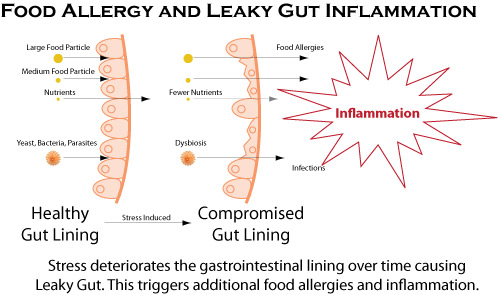
food-allergy-leaky-gut-inflammation
If you suffer from sudden food sensitivities, aching joints, digestive upset, fatigue or weight gain, you may be suffering from leaky gut, which is also referred to as increased intestinal permeability. Leaky gut is characterized by the opening of pores in the small intestine, resulting in undigested food particles, bacteria, and toxins traveling to the bloodstream. The presence of these substances in the bloodstream triggers an immune response, whereby the body builds antibodies to the foreign substances but also attacks itself, creating food allergies and autoimmune disorders.

You are probably wondering how something like this occurs and if you are at risk. Let’s look at the main causative factors leading to leaky gut syndrome:

1. Chronic constipation – If you are usually constipated, toxins will often build up in stool, irritating the intestinal lining and causing inflammation, which then causes the pores in the small intestine to expand. In severe cases, Crohn’s Disease, irritable bowel syndrome,or colitis can occur.

2. Chronic stress – The immune system really takes a beating when subjected to chronic stress. If the immune response is compromised, pathogenic bacteria can cause widespread inflammation in the intestines, and leaky gut is a common result.

3. Dysbiosis – This is an imbalance between beneficial and harmful bacteria which can result from antibiotics or poor diet. Inflammation develops, causing the pores to widen.

4. Toxins – We are exposed to many thousands of toxins, but the worst offenders are found in our water supply, pesticides, and in certain medications.

leaky-gut
What Is The Solution If You Have A Leaky Gut?

I have several dietary recommendations for treating a leaky gut.

1. Glutamine – I am already a big fan of glutamine in general, but especially for those who suffer from leaky gut. This amino acid has specific activity in the intestine, and restores healthy soft tissue in the region. Over time, regular supplementation with glutamine has a protective effect against intestinal disease. I tend to be fairly aggressive with glutamine and recommend 6 to 8 grams per day, or more if you engage in frequent exercise.

2. Fish oil – Try to find a formula which contains primarily omega-3 fatty acids. You can also increase your consumption of salmon.

3. Digestive enzymes – Digestive enzymes will aid in the breakdown of food substances, especially in older individuals and those suffering from leaky gut. Try taking them with every meal.

4. Betaine hydrochloric acid – Some people produce insufficient amounts of hydrochloric acid, which is needed to break down food in the stomach. If that is the case, betaine hydrochloric acid optimizes the process.

5. probiotics – Most individuals will benefit from adding probiotics into their daily regimen. Make sure to take at least 25 billion units per day for optimal gut health.