Vegan Protein Options

277688793121a154f99d38c67e862b30

I am an unapologetic omnivore and would miss animal protein too much to ever cut it out of my meal regimen. However, I understand and respect the fact that other people may choose to avoid meat. Though it can be a challenge to consume sufficient protein if you’re vegetarian or vegan, it can be done, even if you compete in bodybuilding contests or other sports.

Daily protein intake for the average individual should be around 0.8 gram of protein per kilogram of body weight, but I recommend a MUCH higher intake for weightlifters. For example, though I am 116 pounds, I typically consume anywhere from 120 to 170 grams of protein per day, spread out over 5 to 7 small meals. If I were vegan, though, I would consume one or two additional meals per day to ensure that I got enough protein in my system to maintain muscle mass.

Vegans and vegetarians need to be careful with their consumption of nuts and seeds, because they have a high caloric density and are packed with fat. Another challenge is the fact that plant protein sources are notorious for being incomplete proteins, which means that they don’t provide all the amino acids the body needs to function. Soy is a main source of complete plant protein which I never recommend (exceptions are tofu and tempeh), and I advise my patients and clients to avoid soy protein powder, soy milk, and other soy based products like the plague for a multitude of reasons. That leaves grains like quinoa and amaranth on the very small list of complete plant proteins which I recommend to vegetarians and vegans.

A certain amount of creativity must exist in the diet of a vegetarian or vegan in order to ensure that all the amino acids the body needs are eaten. What I mean by this is that protein sources should be combined so that whichever amino acids are absent in one protein source will be provided by another. In general, grains, seeds or nuts can be paired with legumes to form complete proteins. One great example is nut butter on bread. Another great option is brown rice and chick peas.

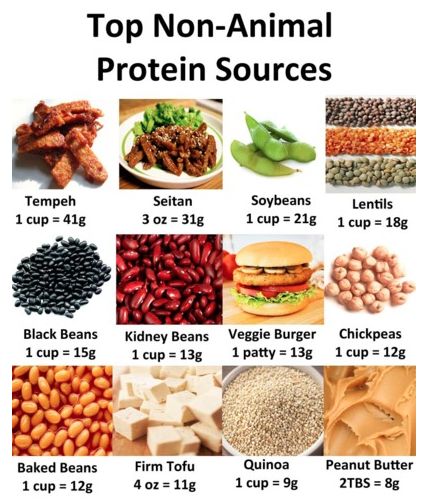
Below is a list of the best vegan protein sources.

Tofu

Tempeh

Soybeans

Lentils

Pinto, kidney, or black beans

Garbanzo beans

Quinoa

Almonds

Cashews

Walnuts

Peanuts

Sesame seeds

Avocado

Broccoli

Spinach

Kale

Sweet potatoes

Veggie burger

Veggie sausage

What Kind Of Body Do You Want This Summer?

IMG_1963

Summer is almost upon us, which means that more skin-baring outfits will appear, and the pressure to look as good as possible will be greater than ever. So what do you do if you’ve been cozily hiding under a layer of winter storage fat for the last few months or years? There isn’t much time to strip that away, but it definitely IS possible to reveal a trimmer, more toned you for the warmer weather that is right around the corner.

The first and most important thing to do in order to build a body transformation strategy for the summer is to define your goals. Make sure that they fit the SMART criteria: SPECIFIC, MEASURABLE, ACHIEVABLE, RELEVANT and TIMELY. Let’s look at each aspect more closely.

SPECIFIC: The more specific you are in defining your summer transformation goals, the more likely you are to be successful in reaching them. A good specific goal could be losing body fat.

MEASURABLE: Let’s look more closely at the body fat reduction goal that I mentioned above. What if you set a goal of losing 5% of your body fat? By doing this, you have now made that goal measurable.

ACHIEVABLE: Make sure that you can actually reach the goals you put in front of you. For example, if you have an excessive amount of storage body fat, it would be unreasonable for you to try to lose 15% of body fat by the beginning of July. However, an achievable goal of 5% is much more reasonable and completely attainable.

RELEVANT: The goals you set should match up to your abilities and interests. For example, if you have been a complete couch potato for years, it would not be relevant to your lifestyle or skill set to aim to prep for an Ironman competition by July. A relevant goal that would still enable you to successfully reach a higher level of fitness would be to prep for a 5k walk/run in July.

TIMELY: In the above examples, I mentioned early July as a timeline marker. By setting a target date, you will establish a framework upon which you will build an action plan.

When I perform nutrition and fitness assessments, I always advise my clients and patients to follow the SMART acronym. Another thing I love to suggest is the development of a vision board. A vision board can be as simple as having a photo of a celebrity or other person who has the kind of physique that a client covets. In some cases, the photo may be of the client from earlier, leaner days. In either case, the photo serves as a perfect carrot to chase after. I always suggest placing the photo on a bathroom mirror or a refrigerator door. Another clever and very effective place for an inspiring photo is to use it as a computer or phone wallpaper design.

If you really want to get creative and inspired, you can create a larger vision board, either digitally or via old-school printed photos and inspiring quotes and messages. Just make sure that whatever you create, you believe 100% in what is on the board, and that you can attain it all.

It Isn’t Just About Fitness: How Fitness Goals Impact Your Entire Life

My latest article for Sports Nutrition Supplement Guide is on the impact that fitness goals can have on every aspect of your life. You can see the original post via the link below, or read the article here as well.

FitnessGoals_310x250

http://sportsnutritionsupplementguide.com/inspiration-motivation/train-perform/item/1585-it-isn-t-just-about-fitness-how-fitness-goals-impact-your-entire-life

You may already be immersed in a fitness plan which enhances your physical strength and flexibility, improves performance, and keeps your physique in tip-top shape. But being physically fit confers a multitude of mental benefits which you might not be aware of. As a matter of fact, the link between physical health and mental health is so strong that people who brush off regular exercise as a time-consuming task are depriving themselves of optimal health and well-being.

Simply by engaging in 30 minutes of moderate intensity exercise 3 to 4 days per week, you can help manage or even prevent mild depression and anxiety through the release of endorphins in the brain. In addition, regular exercise increases energy levels, enabling you to power through a busy day more efficiently. Individuals who exercise regularly also tend to enjoy more restful sleep.

Those of you who hit the gym or engage in other types of physical activity several days per week may also have noticed that simply by being in an exercise environment, your worries and negative thoughts have a tendency to melt away, lending a lot of validity to the phrase “iron therapy”. The sense of community which exists within gym settings or other events (such as 5K races, mud runs, rock climbing events, and other activities) can also be a very effective means of eradicating any feelings of loneliness or isolation.

People who struggle with depression are more likely to be sedentary, and levels of GABA, serotonin, dopamine, and norepinephrine tend to be much lower than in people who work out regularly. Conversely, levels of stress hormones, such as cortisol, tend to be higher in sedentary individuals who suffer from chronic depression and anxiety. A study by the University of California San Francisco determined that women who exercised for 45 minutes over a 3-day period showed fewer signs of cellular aging compared to their inactive counterparts. Other studies have demonstrated that as little as three hours of regular exercise each week can reduce the symptoms of mild to moderate depression as effectively as pharmaceutical antidepressants.

Regular physical activity also benefits cognitive function. Researchers have discovered noticeable physical differences between the brains of people who engage in regular exercise when compared to inactive people. Several studies have found that the hippocampi in fit individuals is much larger. Why is this important? Because the hippocampus is largely responsible for spatial memory, and it is also one of the first regions in the brain to be affected by Alzheimer’s related damage. Exercise also boosts levels of growth factors in the brain which are responsible for higher cognitive functions such as concentration, attention, memory and learning.

Lastly, regular exercise boosts self-esteem and improves body image, contributing to a greater sense of well-being and confidence. Think of how exciting it is when you reach a training goal, such as increased strength or flexibility, weight loss, or a positive change in body composition.

In summary, when you train your body through regular exercise, you also boost brain health and create a greater sense of overall well-being.

So Happy To Bupsessed With Yup Brands!

I ADORE this company! Yup Brands makes the VERY BEST PROTEIN BARS, HANDS DOWN!!! I am honored to be featured as one of their Bupsessed Athletes, because I have truly been obsessed with B-Up Bars and B-Jammin’ Bars since September of 2014! Yup Brands dares to make their bars different and more nutritionally sound by using a higher grade of prebiotic vegetable fiber, and only uses natural ingredients and sweeteners. I love the fact that you can eat their bars and enjoy the real flavor of the ingredients, as opposed to the obvious chemical taste that many high protein bars have. The bars are moist and chewy, and absolutely delicious!

Please click on the links below to read my feature, as well as the features on the other nine amazing athletes! This is a dynamic, diverse, motivated group of people, and I am so happy to keep company with such an incredible team!

Stacey Naito

https://yupbrands.com/bupssessed/

As always, if you want to try these amazing bars, you can go to https://yupbrands.com/shop/ to order and have them shipped to you! Shipping is FREE and the prices are great! Though ALL the flavors are delicious, my personal favorites are the peanut butter varieties because I am a peanut butter fanatic.

Six Common Misconceptions About Bodybuilding

arnold-schwarzenegger-bodybuilding-photo-bodybuilding-1329451810

In an effort to shed some light on what the sport of bodybuilding is like, I am devoting this blog post to clarifying the most common misconceptions which I hear from people.

Misconception #1: You have to train for many hours every single day to get big. I know very few people who have the time to work out for several hours per day on a daily basis. In addition, if someone lifts heavy for many hours, and does it every single day, that person is overtraining. There are numerous problems with overtraining: 1. gains diminish because the body doesn’t have time to repair itself, 2. injuries tend to occur, and 3. energy levels plummet. If you train with intensity, you should be able to get a GREAT workout which stimulates muscle hypertrophy in as little as 20 minutes.

Misconception #2: Bodybuilders are all meatheads. I know that there are people who assume that bodybuilders are a bunch of angry, dim-witted people. My experience has revealed that such an assumption couldn’t be further from the truth. Many of the best and biggest bodybuilders have careers in non-fitness fields like law, medicine, engineering, and law enforcement, and are considered to be leaders in the community. In addition, many are very well-educated, very friendly and approachable, and have big hearts. So before you assume that a pile of muscle equates with a mean and stupid motherf*&$er, try getting to know a bodybuilder.

Misconception #3: Bodybuilders have zero body flexibility. If you have ever gone to a bodybuilding event and watched bodybuilders, women’s physique competitors, or fitness competitors perform their routines, you will often get to see some of the best athleticism and flexibility around. I have seen male bodybuilders easily perform splits onstage, which is something I haven’t been able to do since my gymnastics days when I was a child! As long as weightlifting is performed slowly and with a complete range of motion, flexibility should not diminish at all. If weight training was so detrimental to flexibility, you wouldn’t see athletes from other sports round out their training by lifting weights. As always, a good stretching regimen can keep muscles and tendons supple.

Misconception #4: If you stop weight training, you will get fat. The only thing that happens when someone stops weightlifting is that the muscles will atrophy and exhibit a soft appearance, similar to a deflated balloon. So it really isn’t fair to pin an increase in storage fat on lack of weight training. Food intake is what tends to fatten up a former bodybuilder who has hung up the weights, because the strict meal plan also falls by the wayside, contributing to an increase in storage fat.

Misconception #5: In order to get big, bodybuilders have to take steroids. This is by far the most controversial misconception. Are there bodybuilders who take steroids? I am sure there are. Do they all take steroids? Absolutely not. As a matter of fact, there are plenty of people in the bodybuilding world who will staunchly defend the gear-free lifestyle. Haters want to hang onto the ridiculous notion that in order to grow appreciable size, there must be some illicit secret to it all. Perhaps if they stopped flapping their gums and hit the weight hard at the gym, they might harvest some muscle of their own.

Misconception #6: Women who train with weights will become very big and muscular. As a woman who lifts pretty heavy and does it up to six days per week, I speak from experience when I say that this is a big, fat lie. I still have curves and look feminine, and my muscles aren’t bursting out of my clothing like a she-Hulk. I have said this many times before, and I will say it again: lifting heavy weights will NOT make a woman overly muscular!

Why Diets Don’t Work For Weight Loss

food snsg

Please check out my latest article for Sports Nutrition Supplement Guide! You can access the article directly here:

http://www.sportsnutritionsupplementguide.com/eating-plans/tips-for-a-healthy-diet/item/1577-why-diets-don-t-work-for-weight-loss

Of if you prefer to read it here, I have included it below.

*************************************************
If you are like many people, you probably have been led to believe that the only way to effectively lose weight is to practice severe caloric restriction. However, if you are always struggling to lose those last 5, 10, or 15 pounds, and are frustrated because you tend to lose some weight, only to gain all of it back plus some extra fluff, then it is highly likely that you have damaged your metabolism via severe calorie restriction.

There is a very good reason why the weight loss and diet industry is so successful, and why certain well-known weight loss programs keep their customers coming back. Most diet plans doom their clients to failure, because they don’t provide enough caloric fuel to keep the body happy, so it becomes sluggish, and the metabolic rate drops in an effort to make the body more efficient at running on low fuel.

When you consume a very small amount of calories in an effort to create a significant caloric deficit, you can potentially wreak havoc on your metabolism by causing it to slow down. Why does this happen? When there is no food to break down, the body’s furnace slows down and becomes so sluggish that when you actually do eat something, your body is less equipped to break down the food quickly, and instead stores it as fat. Depriving yourself of food also causes sharp drops in blood sugar, robbing you of energy and increasing insulin resistance. Increased insulin resistance over time can precipitate the development of diabetes.

Other consequences of skipping meals include the following:

• Malnutrition – If you do not feed your body regular, balanced meals, it is highly likely that you are depriving it of essential nutrients. Malnourished states can lead to weight gain, poor health and progression of disease over time.

• Poor concentration – This is due to the depletion of glycogen stores which occurs. The brain simply does not have enough fuel to run on, resulting in fogginess.

• Hunger pangs – When you skip meals, you may experience intense feelings of hunger along with anxiety, dizziness or nausea. In addition, such feeling may lead to overeating when you finally sit down to eat something. Loading the body with a large meal is overkill, and leads to poor digestion and absorption as well as increased storage in body fat stores.

Do yourself a favor and practice the following guidelines. If you do, you will be rewarded with a healthy weight for a lifetime.

1. Don’t skip meals.

2. Make sure to eat enough protein to sustain your energy levels and satisfy your hunger.

3. EAT BREAKFAST.

4. Commit to healthy meals.

5. When you turn to snacks, make sure healthy alternatives are available so you aren’t tempted to reach for a nutrient-poor convenience food.

Egg Protein Got Me Lean

egg

The ravages of competition prep and impending menopause caused me to hold water in my midsection and hamstrings for over a year, and I became despondent and desperate as a result. Nothing seemed to work. Then I took an ALCAT food intolerance test in January of 2015 and discovered that I had an intolerance to a bunch of different foods, so I eliminated the majority of them.

However, I stubbornly kept whey protein in, and chose to ignore the fact that I had a moderate intolerance to it. I would have been fine if I had just consumed whey protein a couple of times per week, but I was ingesting 60-70 grams of whey protein every single day. What kept me in that vicious cycle was an incredibly busy schedule which made it difficult for me to get all of my protein from whole foods.

In late September, upon Ian Lauer’s strong suggestion, I decided to finally eliminate whey protein powder from my diet. I added more animal protein from whole food sources (mostly from MAW Nutrition), and replaced about 25 grams of whey powder with a serving of Muscle Egg. Two weeks later, the water retention issues I had been struggling with completely vanished. I could finally see the lateral borders of my rectus abdominis clearly, and no longer created a fluid ripple when I tapped my belly.

I’m not saying I am ripped as a result of switching to egg protein, but boy, did it make a difference in my level of leanness! This won’t work for everyone though. If you have an issue with egg protein, the opposite effect may occur. In my case, I discovered that my body processes egg protein quite well. I also became a huge fan of Muscle Egg and now have it in my house at all times. I generally limit myself to one serving of Muscle Egg per day, but I also love the occasional nighttime Muscle Egg crepe with Walden Farms Chocolate Syrup on top for a sweet treat.

One last thing about whey protein: I still consume it on occasion. However, I only eat it in B-Up Bars and P28 Products, and I don’t have any issue with these food items. I have, however, completely avoided whey protein powder for the time being, and hope that my body resets as a result.

My Video Review Of The Hot Logic Mini

Please check out my review of the Hot Logic Mini on YouTube. It’s a portable mini oven which you can take everywhere with you! All you need is a power source, and you can heat up pre-made meals or even cook something from scratch.

Go to http://www.hot-logic-mini.com/staceynaito to order, and enter discount code STACEYNAITO at checkout for 20% off your order.