Another Annual Orphan Thanksgiving

This year I am upholding my own Thanksgiving tradition with what I refer to as Orphan Thanksgiving. It is a cozy and enjoyable event for the people who share in this wonderful celebration. I invite friends who don’t have a place to go for the holiday, usually because their relatives live far away.

Though there is a considerable amount of food prep involved, I get a kick out of making each dish and roasting and carving the turkey. You might think that this desire to cook huge holiday meals and have people over is something that was handed down to me from my mother, but my mom never entertained guests in our home, and she never considered herself a cook. My mother’s idea of cooking was to heat up Stouffer’s entrees or throw a piece of meat on the broiler, and when the holidays arrived, she made restaurant reservations instead of spending time in the kitchen. Somehow I had a natural affinity for cooking and baking, and I also quickly discovered how much I enjoyed hosting events. I am certain that my desire to host parties evolved from my tendency to nurture others.

Thanksgiving-Dinner-New-York-CityWhat’s on the table this year? Turkey, stuffing, sweet potato casserole (a HUGE hit), mashed potatoes, and green bean casserole. I’m letting my guests bring dessert to ease the cooking and baking load, since I make these feasts by myself. Since I fully believe in enjoying “normal” foods during the holidays, provided they are enjoyed in moderation, I have no problem featuring a few “forbidden” foods on the holiday table.

Happy Thanksgiving, everyone!

Vegan Date Oat Bars

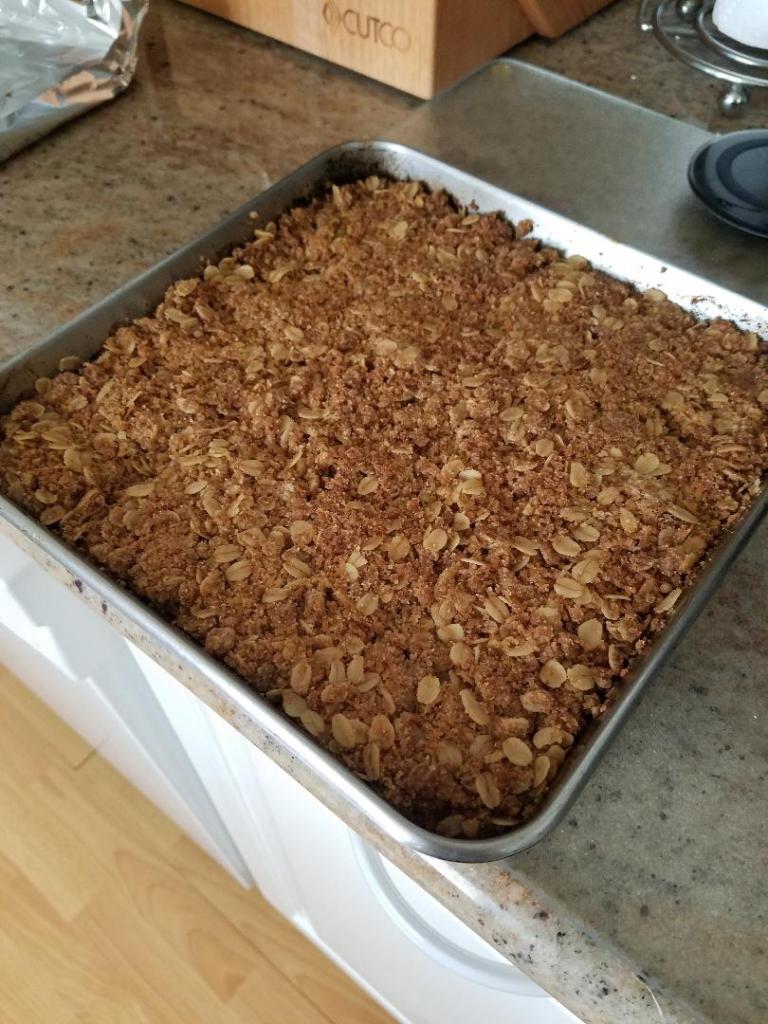
My version of Vegan Date Oat Bars before cutting down into bar sized pieces.

One evening in October, when I was post-photo shoot, starving and tired, I walked into Vintage Grocer in Malibu. I was definitely in the mood to forage for food, so I hit the hot foods section and chose a chicken curry dish. However, my sweet tooth was asserting itself, so I wandered over to the vegan baked goods section. My reasoning was that I would probably be able to find something decently edible in that area which wasn’t too decadent. My gaze landed on a vegan dat oat bar, and it sounded kind of tasty to me, so I selected it.

By some miracle, I waited until I got home to sample the date oat bar. I’ll be honest, I wasn’t expecting much. I thought it would be good but not mind-blowing.

I took the first bite. WOW.

It was absolutely delicious!

Since then, I have purchased the bar two more times. I have been determined to figure out the exact ratios which make their bars so delectable, but I’ve only experimented twice with my own guess on a recipe which might replicate theirs closely.

The bars I have made have been quite tasty, and I swear I will figure out how to make them as incredible as the ones from Vintage Grocer. I still can’t figure out how Vintage Grocer keeps their bars from crumbling, and I still have to place mine in the refrigerator to set before I cut them into bars.

Here’s my interpretation of these incredible bars:

DR. NAITO’S VERSION OF VEGAN DATE OAT BARS

INGREDIENTS
1. Date Layer:
• 3 cups water
• 3 cups chopped pitted dates
• 8-10 frozen dark cherries, chopped
• 1 teaspoon vanilla extract
2. Bottom Layer:
• 3/4 cup gluten free flour/almond meal blend
• 2/3 cup shredded coconut
• ¼ cup sunflower lecithin
• 1 cup (packed) organic dark brown sugar
• 1-1/2 cups old-fashioned oats
• 1 tablespoon ground cinnamon
• ¼ teaspoon baking soda
• ¼ teaspoon sea salt
• ¼ cup sunflower lecithin
• ¼ cup vegan butter
• ¼ cup olive oil
3. Top Layer:
• ¾ cup gluten free flour/almond meal blend
• 2/3 cup shredded coconut
• ¼ cup sunflower lecithin
• 1-1/4 cup (packed) organic dark brown sugar
• 1-1/2 cups old-fashioned oats
• 1 tablespoon ground cinnamon
• ¼ teaspoon baking soda
• ¼ teaspoon sea salt
• ¼ cup sunflower lecithin
• ¼ cup vegan butter
• ¼ cup olive oil

PREPARATION
1. Preheat oven to 350°F. Butter 8×8-inch metal baking pan. Bring water to simmer in medium saucepan. Add dates and cherries; simmer until very soft and thick, stirring occasionally, about 10 minutes. Cool to room temperature. Stir in vanilla.

2. Bottom and top layers:
Combine flour, coconut, sugar, oats, cinnamon, baking soda, and salt in two large bowls; stir to blend. Add lecithin and oil. Using fingertips, rub in until moist clumps form. Bottom layer mixture evenly over bottom of pan which has been sprayed with non-stick spray.

Spread date mixture evenly over bottom layer.

Add top layer, and press gently to adhere. Bake until brown at edges and golden brown and set in center, about 50-55 minutes. Cool completely in pan on rack, then place in refrigerator for two hours to set.

Remove from refrigerator, cut into bars and serve.

My Experience With Food Intolerance

Before I began competing in 2009, I could pretty much eat whatever I wanted without any digestive or reactive consequence. All that changed by the time I earned my IFBB Pro Card in 2013, when I developed a number of food intolerances which forced me to change the way I ate and what I consumed. It was so bizarre for me to mount reactions to healthy foods which had never caused an issue in the past. During one particular contest prep regimen, I began to notice that every single time I ate broccoli, I would get severe abdominal cramps and a headache which persisted for an entire day (now they last for 3-5 days if I am stupid enough to eat even one small floret). I honestly believe that the extreme and repetitive meal plans which I consumed while competing were major factors in the development of my food intolerance issues.

I retired from competing in June of 2014, yet I developed even more food issues. I noticed that other foods were aggravating my gut, my skin, my head and my mood, so I decided to eliminate them. In January of 2015, I had an ALCAT food intolerance test, and discovered that broccoli on the list of offending foods for me. I also had SEVERE gluten intolerance, as well as intolerance to coconut, flaxseed, mangoes, casein, blueberries, and a number of other foods which are considered healthy. In an effort to allow my body to calm down, I eliminated every food which I had any intolerance to (there were about 30 foods) for close to a year. To this day, I am very careful about the foods which my body rejects, and keep my exposure to a minimum.

I will allow myself to have blueberries, coconut, mango, lobster, cashews, bison, and spinach on rare occasion, and have noticed no reactions. However, I mount strong reactions to other foods and food combinations. For example, within two consecutive days of eating flaxseed, I develop one or two deep, painful, cystic pimples on my face which will not resolve until I stop eating flaxseed. When I eat gluten, I become irritable and emotional, I get headaches, my belly aches, and I don’t sleep well. Of course I didn’t know that this was the case until I did an elimination diet and gradually began feeling better, then tried eating gluten after many months of avoiding it. Every time I ingest gluten containing foods, I notice symptoms which can be mild or severe depending on the food and the quantity eaten. Pizza is VERY dangerous for me now, so if I am faced with the prospect of eating the cheesy, gluten filled meal, I have to take a Glutagest (which breaks down gluten in the food eaten) if I want to avoid the ugly consequences of allowing gluten to enter my body. The combination of pizza and wine is even worse. I might as well forget about functioning like a normal person for a couple of days if I dare to consume this food and drink duo.

I agree that the whole gluten-free trend has gotten a little out of hand, but I also strongly believe that there are many people walking around with gluten intolerance and other food intolerances who have no idea that the foods they are consuming are affecting their health and well-being. I have personally benefitted from going gluten free and avoiding foods my body rejects, and have been rewarded with more luminous skin, thicker hair, better digestion, better overall mood and energy, and much better sleep.

If you suspect that you have food intolerance, try eliminating the suspect food to see if it makes a difference. Trust your body’s signals. And if you want to get a food intolerance test, check out ALCAT.com and Everlywell.com for the kits they offer.

Do You Have Food Intolerance?

What Is Food Intolerance?

Have you ever noticed that when you eat a certain food, such as tuna, blueberries, avocado, asparagus or broccoli, that you get extremely bloated to the point that you are extremely uncomfortable? Since the foods I mentioned are celebrated for their many nutritional benefits, it might not occur to you that you most likely have an intolerance to that food. Up to 80% of the U.S. population has some form of food intolerance.

Most people are aware of food allergies, but food intolerance is a different phenomenon which can have a tremendous effect on a person’s quality of life. Food allergies appear quite suddenly, from seconds to minutes after ingestion of the offending food, and can be life-threatening, whereas food intolerance is a more gradual process (taking hours to a couple of days for symptoms to emerge), not life-threatening, and may only occur after a large amount of the food is eaten. Food allergies and food intolerance can both cause similar symptoms, such as abdominal pain, nausea, and diarrhea, but food intolerance is notorious for causing bloating, heartburn, irritability, headaches and general malaise. The most common food allergy triggers are peanuts, tree nuts, shellfish, fish, soy, wheat, milk and eggs, while the foods most commonly associated with food intolerance are dairy products, gluten-containing grains, eggs, citrus, beans, cabbage, and broccoli.

People who are allergic to certain foods know that even a small amount of the food can trigger an allergic response, and the response occurs every single time the person is exposed. The immune system reacts to the food by causing a release of IgE antibodies, which then cause a release of histamines and cytokines designed to attack the offending agent. Sometimes the entire body is affected by this response, and symptoms such as shortness of breath, hives, rash, or a sudden drop in blood pressure can occur. Food intolerance, in contrast, is more insidious, and may only occur if a large amount of the triggering food is eaten or if it is consumed frequently. Trigger foods will cause a rise in IgA, IgG, and IgM antibodies, causing the body to mount a delayed reaction which is characterized by mostly gastrointestinal symptoms, but which can cause other symptoms as well. Regardless of how the body reacts, the discomfort caused by poor digestion of the food can be enough to make the sufferer miserable.

Why does food intolerance occur? There are several explanations. One cause is enzyme deficiency. All enzymes are specific to one type of molecule, such as lipases which break down fats. Sometimes an individual can be deficient or completely lacking in a very specific enzyme which is required for digestion of a particular food. A common example is found in lactose intolerant individuals who do not have enough lactase to break down the milk sugars into their constituent parts for absorption in the intestine. The lactose cannot be broken down so it sits in the intestine, causing bloating, spasm and diarrhea when it sits in the digestive tract. Approximately 25% of the U.S. population suffers from lactose intolerance, which amounts to a lot of bloated bellies from the consumption of dairy products.

Another common type of food intolerance is to gluten. Gluten is highly resistant to digestion as it is, and in some individuals, the gluten cannot be broken down at all. The problem with gluten is that it is found in wheat, rye, barley, spelt and kamut, so avoiding gluten can be challenging to say the least. Approximately 1% of the U.S. population has celiac disease, while about 15% have gluten intolerance. Regardless of whether someone has celiac disease or gluten intolerance, ALL gluten must be avoided. However, if there are occasions in which completely avoiding gluten is impossible, digestive enzymes, specifically DPP-IV, can help individuals to digest meals containing gluten.

The list of substances which people may have an intolerance to doesn’t stop there. Some individuals cannot break down phenols, including salicylates, due to insufficient amounts of xylanase, and suffer from behavioral and learning disorders, including ADHD and autism. Some individuals are unable to break down disaccharides, an intolerance which is closely linked to irritable bowel disease, ulcerative colitis, Candida overgrowth and autism. As if all that wasn’t enough to worry about, there are chemical substances in foods which can spark intolerance, such as caffeine, aflatoxins in undercooked beans, amines in cheeses, artificial colorings and flavorings, preservatives, sweeteners, emulsifiers, nitrates, MSG, sulfites and salicylates. Salicylate intolerance can cause a susceptible individual to react to large amounts of salicylate-containing foods, particularly citrus fruits, teas, mint flavoring, berries and processed foods with flavor additives.

The digestive tract regularly takes the brunt of foods, medications, hormones, and chemical additives which can interfere with repair of the gut lining, causing increased intestinal permeability which is more commonly known as leaky gut. Leaky gut is characterized by the loosening of tight junctions between the cells which line the gut, thus allowing food molecules to pass through. These free floating food molecules are viewed by the immune system as a threat and will mount an immune response which manifests as the signs and symptoms of food intolerance. Think of all that food sitting in the gut, undigested. Pretty unnerving, huh?

How To Diagnose Food Intolerance

Diagnosing food intolerance can be extremely difficult since the signs and symptoms often mimic those of food allergy. One method of ferreting out which foods are involved in a food intolerance is keeping a food diary in which all foods eaten are recorded, along with symptoms and their time of onset. After suspected trigger foods have been determined, an exclusion diet can be implemented, in which those foods are removed from the diet for weeks to months. If the symptoms disappear during the exclusion phase, potential trigger foods can be re-introduced after this phase is completed in order to determine which substances are problematic. If the food intolerance is mild, a small amount of the food will not trigger symptoms, and in many cases may still be consumed, especially if enzymes are taken to aid in digestion. Essentially, many people can return to foods which they were mildly or even moderately intolerant of after avoiding it for a period of time.

Blood testing is considered the most reliable and comprehensive form of testing for food intolerance, but there are only a few laboratories which specialize in this type of test. ALCAT, Pinnertest.com and HEMOCODE Food Intolerance System are laboratories which offer food intolerance testing via serum analysis, with ALCAT considered the largest food intolerance testing group in the U.S. We offer ALCAT testing at the facility where I work (Urban Med) because it is considered the gold standard method for laboratory identification of non-IgG-mediated reactions to foods, chemicals, and environmental triggers. Some insurance plans will cover part or all of the expense of the testing, so it is always worth inquiring about insurance coverage, especially since these panels run from $675 to $850. Here’s the thing: though the testing is pricey, it is very specific. In addition, you get a detailed rotation diet for reintroduction of the foods which you have intolerance to after you have eliminated them for the recommended period (3 months for moderate intolerant foods, 6 months for severe intolerant foods).

Watch Out For Soy Products

Soy-based products are still quite popular, and the majority of them are touted as “health” foods. However, there is a huge difference between fermented and unfermented soy products.

People of Asian descent like me tend to eat fermented soy products such as soy sauce, miso and tempeh (I draw the line at natto, which is another fermented soy product with a distinctive texture and flavor which I can’t stand). The fermented forms of soy based foods are safe because the fermentation process destroys the antinutrients which are present in soybeans.

In stark contrast, unfermented soy products, including soy milk and tofu, have high concentrations of these antinutrients, including phytates, phytoestrogens, MSG, saponins, trypsin inhibitors, and goitrogens. These substances have multiple deleterious effects on the body, such as impaired absorption of vitamins and minerals, interference with pancreatic and thyroid function, disruption of endocrine function, and damage to the nervous system.

For these reasons, I am strongly opposed to the consumption of soy-based products and eliminate them from patient and client diets whenever possible. If you are vegan, or if you are intolerant of whey or casein, look for other forms of protein, such as pea, quinoa, hemp and amaranth, which cause less inflammation when consumed and have a more benign side effect profile.

Why We Crave Bad Foods

Most of us have certain food cravings, and for some of us, those cravings can be frequent and incredibly strong. Scientists have determined that there is a biological basis for food cravings, so those cravings may be next to impossible to avoid. First of all, our prehistoric ancestors had to deal with a very limited supply of calorie dense food because they had to hunt for it. They constantly dealt with a feast or famine lifestyle, a stark contrast to modern times, in which plenty of food is readily available.

Programmed To Crave

The prehistoric human brain would respond to a sudden caloric intake by releasing serotonin and dopamine, both of which created a sense of well-being. This release of brain chemicals also occurs in modern humans. In addition, meals which are high in fat and sugar result in decreased production of stress-related hormones.

The bottom line is that our brains are programmed to crave and seek foods which are high in calories, fat, carbs and salt, just like our ancestors, who rarely had meat protein, and only after a successful hunt. It’s no surprise that fatty, caloric foods are associated with feelings of contentment, especially since we tend to have more cravings when we are anxious or under stress.

According to research from the Monell Chemical Senses Center, three regions of the brain (hippocampus, caudate and insula) light up when a subject craves a certain food. In another study, by Adam Drewnowski, PhD, when pleasure-sensing opiate receptors in the brain were blocked, subjects no longer craved sugary or high fat foods.

How To Control Cravings

Though carbohydrates have gotten a bad rap in recent years, it is the combination of carbohydrates with fat and salt that appears to be the winning combination for foods which spark cravings. Prime examples are pizza, French fries, and macaroni and cheese.

Individuals who have a greater degree of willpower are usually best off with having a small serving of the food they crave, which satisfies the craving. However, some people lack the ability to control the desire to indulge in cravings, and tend to binge on decadent foods. In such cases, the best thing to do is to avoid stocking those foods entirely.

What The Hell Is “If It Fits Your Macros” Anyway?

You have probably heard about the “If It Fits Your Macros” (or IIFYM) trend which has been increasing in popularity within the fitness and bodybuilding world. It’s not surprising that the concept was embraced and developed by people within the industry who were sick and tired of adhering to monotonous, restrictive meal plans in which the vast majority of foods were labeled as evil and forbidden. On a personal note, I jumped on the IIFYM bandwagon as well because I was fed up with avoiding certain so-called “bad” foods and also dealing with metabolic burnout from years of caloric restriction. What surprised me was the positive manner in which my body responded to taking in maintenance calories as opposed to constantly functioning at a caloric deficit which only served to slow down my metabolism.

The term macro refers to the principal nutrients which the body requires: protein, fat, carbohydrates. IIFYM dictates that as long as you fulfill the energy needs of your body, you can obtain calories from any food source. Let’s face it: your body needs a certain amount of protein, carbohydrate and fat, along with fiber and micronutrients such as vitamins and minerals in order to function optimally, but it doesn’t scrutinize every macronutrient gram as it is thrown into the body. On the other side of the coin, it is also important to bear in mind that most proponents of IIFYM do not consume large amounts of junk food either. As long as quality protein is consumed in adequate amounts to contribute to muscle growth and repair, along with micronutrients and dietary fiber to support normal digestion, it shouldn’t matter if a small percentage of caloric daily intake is obtained from discretionary or junk food items.

My personal opinion is that the quality of carbs still should come into play if you are employing an IIFYM approach. However, if the majority of carbs comes from quality sources such as oats, sweet potatoes and brown rice, a small amount of junk carbs (cookies, Pop Tarts) shouldn’t tip the balance too much. I am a fan of carb BACKloading and believe the largest insulin spike should come at night before you sleep, since you will be fasting for several hours.

I know some of you are still reading this with great skepticism and want to hold onto your six boring meals of tilapia and green beans every day, refusing to accept the concept of loosening the reins a bit and actually enjoying a variety of foods. IIFYM doesn’t mean that you lose control and eat whatever you want, whenever you want. What it DOES mean is that foods will no longer be forbidden or “bad”, and that you can actually consume them on a fairly regular basis as long as you keep track of your daily nutrient intake.

The main drawback of IIFYM is that you must track your food intake, which in a sense is another form of food fixation. However, there is a greater chance that you will meet your body’s nutrient needs than if you follow a cookie cutter, calorie restricted, orthorexia lover’s contest prep meal plan. When clean eating is followed 100% and the majority of food sources are banned, caloric restriction is almost inevitable. Such caloric restriction, when practiced for an extended period of time, will cause fat loss to stall and metabolism to slow down.

How about if you met your macronutrient needs without having to banish most foods from your diet? So many people in the world of fitness suffer from orthorexia, a psychopathological condition in which foods are labeled as “good” or “bad”, and in which individuals become socially isolated over their need to eat “correctly”. I have seen so many competitors struggle with an increasing difficulty in losing fat, so their coaches restrict their calories even more and ban more foods from their meal plans. Fruit, healthy fats, and healthy carbs are stripped away in an effort to lean the competitor out. Another thing to consider is what food deprivation does to people. If a food is “bad”, suddenly the temptation to indulge in that bad food is intensified.

You might want to consider trying IIFYM if you are in a slump with your current meal plan. You may feel like a hamster on a very boring and restrictive “clean eating” wheel in which you are only allowed to eat very specific foods in certain combinations. For some of you who have been doing this incessantly for years, you may have noticed over time that it has become more and more difficult to lose weight. Your meal plan is probably VERY rigid and VERY boring, consisting of foods you are probably so sick of that if you never had to eat them ever again, you would rejoice in the streets for days. Give IIFYM a try. You might be pleasantly surprised at how your body responds.

Fight Aging With Whey Protein

Original post can be found at:

http://www.sportsnutritionsupplementguide.com/health-wellness/anti-aging/item/1519-why-whey-protein-is-the-key-to-anti-aging#.VZ2WSvlViko

Fitpicture310x250

Adequate protein intake is vital to anyone seeking to preserve muscle mass, especially since the aging process threatens the loss of all that hard-earned muscle through a process called sarcopenia. Sarcopenia causes a loss of muscle mass and strength in all individuals as they age, even in die-hard gym addicts.

The aging process hits us with a double whammy because 1) our dietary protein needs increase over time, and 2) our ability to synthesize new proteins plummets as a consequence of diminished levels of testosterone, human growth hormone, and insulin-like growth factor-1. In other words, it becomes tougher and tougher to meet the aging body’s protein needs, and the result is a loss of muscle.

One of the biggest challenges in meeting the protein demands of the body as we age is the physical challenge of consuming adequate protein. Protein powders are an excellent means of meeting protein requirements in a low bulk form since they are dissolved in liquid. Whey protein in particular is an excellent protein source for anyone over the age of 30, provided they have no issues with allergy or intolerance to whey.

Whey protein is rich in branched chain amino acids, especially leucine, which is considered the most important branched chain amino acid for protein synthesis, especially in older people. Branched chain amino acids are also responsible for proper dermal collagen protein synthesis, so they play a huge role in the condition of the skin, maintaining its suppleness and tone.

Another age-related benefit of supplementing one’s diet with whey protein is the presence of lactoferrin, which fortifies bone and prevents osteoporotic fractures by activating osteoblasts. Whey protein also contains high levels of cysteine, an amino acid which boosts glutathione production. Glutathione, an antioxidant with powerful anti-aging effects, steadily declines naturally as we age, and since its production relies on the presence of cysteine, the introduction of whey protein into a meal plan can guard against age related diseases.

Whey protein has profound effects on glucose metabolism as well. It reduces serum glucose levels in healthy individuals while impairing glucose tolerance in diabetic and obese individuals. When consumed consistently as part of a sensible high protein meal plan, the result is a reduction in body weight and an increase in fat oxidation. This is due to the release of leptin, cholecystokinin, and glucagon like-peptide 1, all of which create a feeling of satiety.

In summary, the benefits of whey protein are numerous and significant, especially for older individuals. If you have yet to incorporate whey protein into your meal plan and you have been lamenting the ravages of Father Time, do yourself a favor and add whey protein to your daily regimen.

References: Sousa G et al. Dietary whey protein lessens several risk factors for metabolic diseases: a review. Lipids Health Disc. 2012;11:67

Stuck In Mud Types

Have you ever met someone who always comes up with a reason why he or she can’t do something that would be beneficial to his or her well-being?

I honestly can’t help people like this, because they aren’t where they need to be in order to embrace true change. They shoot me down every single time I make a suggestion, and it my quarter decade of experience as an exercise scientist and coach, my 13 years of experience as a physician, and my nutrition certification don’t matter at all to them. It takes every bit of self-restraint I can muster to refrain from berating them for their idiotic reasoning. Their thought patterns are so circuitous and toxic that sitting through a consultation with them (FYI they will usually demand more time than what is allotted for the visit) makes me want to get up and walk out the door.

These are the same people who will blame others who genuinely try to guide and help them in their wellness and fitness efforts when they fail to do their part in following sound advice. I can spot them from a mile away, and when they come to me, I absolutely cringe.

If you are one of these types, I have a suggestion for you. If you’re so miserable with where you are at health-wise or fitness-wise, and your methods haven’t worked, then CHANGE IT UP. Allow others to guide you without you attacking them and naysaying them. Try the foods you insist you can’t stand.

I have had clients tell me that they refuse to eat anything except a small handful of foods. Here are a few examples of food items which former clients insisted on eating daily (note that they refused to eat anything other than the food items listed):


1. Kale, hard-boiled eggs, wheat toast

2. Bagels, eggs, cheddar cheese, guacamole

3. Tortillas, hummus, Yoplait yogurt

4. Cottage cheese, dark chocolate, oranges

All four people who reported these diets were upset that they weren’t meeting their fitness goals. However, when I suggested to them that they needed to increase the variety of foods consumed to ensure proper nutrition, they shuddered, stating that they didn’t like ANYTHING else. Talk about stubborn…and foolish!

How To Get Luxurious Hair


FROM THE INSIDE:

Do you have dry, brittle hair? Chances are, your diet is low in biotin, which leads to brittle hair as well as brittle nails. I have taken biotin supplements for the past twenty years, and strongly recommend this supplement for optimal hair health. Take 5,000 mcg daily. If you prefer to obtain biotin naturally from food, then incorporate eggs and nuts into your meal regimen each day.

If your hair complaint centers more around thin, dull, lifeless hair, or slow growing hair, I strongly advise increasing your protein consumption. As long as you don’t suffer from kidney disease, you should be able to safely boost your protein intake daily.

On a personal note, I had a dramatic experience with increased protein consumption and hair growth rates when I began competing in bodybuilding back in 2009. My hair has always grown rapidly, about 1/2 inch per month (average for most people is 1/4 to 1/2 inch per month). Then when I began competing, I more than doubled my protein intake, consuming 120 to 160 grams of protein daily. By coincidence, I had shaved the nape of my neck to thin out my very thick mane of hair at the same time. In eleven months, the shaved portion grew TEN INCHES. Talk about a boost in hair growth!

FROM THE OUTSIDE:

Stop washing your hair daily. When you wash your hair frequently, you strip your scalp of the natural oils which nourish and soften your hair. Trust me, your hair doesn’t get that dirty from sweat, dirt and pollutants in one day. I also strongly recommend the use of conditioner every time you shampoo. A good conditioner will nourish the hair and seal the cuticle to prevent damage from heat styling tools. Apply conditioner to your ends first, then work it up until you are almost at the scalp.

Rinse your hair with cold water after shampooing and conditioning it. Cold water smoothes the outer cuticle, sealing in moisture.

Are you desperately trying to grow your hair out, and just can’t seem to get past a certain length? Do you avoid getting trims in an effort to reach your hair growth goal sooner? The solution is to trim your hair. Why? Because regular trims rid your hair of the split ends which always have an insidious way of creeping up your strands and causing breakage.

If you really want to boost your hair health, consider applying a hair mask or oil every week. You can use a prepared hair treatment, or turn to coconut oil, avocado oil, olive oil, or mayonnaise to treat thirsty hair. I recommend applying your substance of choice on damp hair, leaving in for 15 minutes (you can wrap your hair in a special microfiber hair towel or use a plastic bag or hair cap). Wash hair thoroughly and condition.

Summer is approaching, which means that ponytail and man bun season will be in full effect. If you tend to use thin, elastic hair bands for your updos, consider switching to a soft, fabric headband which can easily do double duty as a ponytail or man bun wrap.