A Nibble Here, A Nibble There

Woman and CookieIt is human nature to allow ourselves little nibbles of so-called “forbidden” foods from time to time. The danger arises when such nibbles become so frequent that a pattern of rationalization over the dietary transgression begins to set in. Bear in mind that even a small indulgence on a regular basis will most likely end up on your waistline. The more control you have over your daily food intake, the greater the chance that you will reach or maintain your fitness and weight loss goals.

Those of you who do not compete can follow a clean diet 90% with the occasional treat and suffer minimal consequences. However, for those of you who are planning on hitting the stage, you need to take your meal plans seriously and follow them as much as possible. Every time you take a small nibble, you risk derailing your contest prep efforts, sometimes enough to push you considerably behind. If you know you are 3 weeks out from a contest, why mess with anything other than your scheduled cheat meal? The best thing to do is tough it out and stick with the program.

condimentsMany competitors ask me about condiments and sauces, and whether it is all right to use them on their meals. What I do not like about many condiments is that they contain high fructose corn syrup. Generally, I have competitors (I also advise the same for regular folks) avoid anything containing sugar at all costs. Another issue with condiments and sauces is that they add more calories to your meal. Add such things to a couple of meals a day, and this all adds up.

I have also had competitors ask me which alcoholic beverages they can indulge in on the weekends. Of course my response is along the lines of “none”, but if one insists on having ONE drink over the weekend, vodka based drinks are the cleanest option. You may be wondering if I indulge in libations from time to time, and the answer is yes. I have a particular fondness for wine and sake. What I do is confine my consumption to one weekend evening per week with my cheat meal. Everything in moderation is truly the key.

DIY Vitamin C Face Serum

vitamin-cI am a huge believer in the antioxidant benefits of Vitamin C and encourage its use systemically and topically. Vitamin C (also known as l-ascorbic acid), is fantastic for lightening up brown spots of all kinds, and also enhances the integrity of the skin, making it firmer by boosting collagen production. Vitamin C is also a great exfoliator and leaves skin with a healthy glow.

There are a myriad of cleansers, toners, serums and moisturizers available these days, but many of these products can be quite expensive. One example is Obagi-C Cleansing Gel which is fantastic but which costs about $34 for 6 ounces, so I use Earth Science Clarifying Facial Wash which is about $7 for 8 ounces. I have been using the Eaarth Science brand for years and I absolutely love it!

The vitamin C serums tend to be the priciest of the vitamin C skincare products, so many people will omit this product when I honestly think it is the most important type of product for aging skin. In an effort to help people achieve great skin while on a budget, here is a do-it-yourself vitamin C serum formula you can mix up at home. Some people use glycerin when mixing up vitamin C serum at home, but I find this substance to be troublesome for oily skin, and I am not a big fan of essential oils because they can often cause irritation on sensitive skin. I personally like the formulation below because it is good for oilier and reactive skin types. If you have severely reactive skin, you can use distilled water instead of rose water.

Make sure to purchase a dark glass (either dark amber or cobalt blue) container, perhaps one with a dropper tip or a spray nozzle, to store your serum. The dark glass container is essential for preventing breakdown of the unstable vitamin C molecule. I also advise storing this in the fridge to maximize potency.

DIY vitamin C serum

Dr. Naito’s DIY Vitamin C Serum:

1/4 teaspoon Vitamin C (aka l-ascorbic acid) powder or crystals (you can find this at most health food stores)
1 teaspoon hyaluronic acid
1 tablespoon rose water

If you use crystals instead of powder, make sure to pulverize the crystals well with a mortar and pestle before adding the other ingredients. Mix all ingredients well. This yields about a 6% strength serum. Apply to cleansed skin at night. This supply should last about ten to fourteen days.

If you want a stronger concentration, you can mix the following ratio of ingredients for a 10% concentration of vitamin C. If you experience stinging or burning, return to the lower potency.

Dr. Naito’s DIY High Potency Vitamin C Serum:

1/4 teaspoon Vitamin C powder or crystals
1 teaspoon hyaluronic acid
1-1/4 teaspoon rose water ***note that the amount of rose water used is smaller than in above formulation.

In Defense Of Ibuprofen

ibuprofenOver the years, numerous medical studies have explored the idea that ibuprofen interferes with muscle growth, with conflicting conclusions. I know that there are some weightlifters who will take ibuprofen on a daily basis to combat numerous pain issues so that they can lift more comfortably, but this is something I would NEVER recommend. As a physician I am well aware of ibuprofen’s remarkable ability to shut down acute inflammation, but I am also aware of the risks of taking high dose ibuprofen over an extended period of time. I think it is also important to bear in mind that 1) there are different types of inflammation found in the body, and 2) some inflammation is actually necessary for optimal muscle growth.

The reason why I broach this subject is that I also know people who lift who stubbornly refuse to take ibuprofen under ANY circumstances, stating that it isn’t worth the impaired muscle growth. These people could be in agony from a muscle strain, bursitis, arthritis flare-up, tennis elbow or any number of conditions which arise from localized inflammation, yet will refuse to take anything. I will see them at the gym, struggling to move the weight that they are accustomed to lifting, only to cut their lifting regimen short or sharply reduce the weight lifted. Some of these people are so intent on pushing through the pain that they often make things WORSE and have to stop training completely until their injuries subside. Now that is just stupid. It makes far more sense to tackle the acute inflammation systemically with ibuprofen and rest the area for a few days so that one can return to full capacity, rather than risk even greater injury which essentially forces one to stop training.

I recently dealt with a bone spur which asserted itself with such exquisite pain that I was unable to bear weight fully on my left foot for 4 days. Instead of being stubborn and refusing to take anything, I took 800 milligrams of ibuprofen twice a day with food for a week. I also refrained from doing any high impact moves which would aggravate my foot and wore flat shoes for a week. Within the first 2 hours of taking the first dose of ibuprofen, I went from feeling like I was stepping on a knife to walking with only a slight limp. Was I concerned about adversely affecting my body’s ability to build muscle? Certainly not. Healing was my primary concern. Besides, there would have been no way that I could have trained the way I normally do while dealing with such outright pain, so it made sense to shut down the inflammatory process which was causing all the discomfort in the first place by taking the dreaded ibuprofen. I was smart about how I took it, and I did not take it for an extended period of time. Thankfully, it was a successful therapeutic treatment and I am glad I did it.

With all this said, I am still very cautious about prescribing high dose ibuprofen. The effects on the gastrointestinal tract are significant, so it is imperative to eat when taking this medication. I also caution people against taking too many doses throughout the day. A very real example occurred with a friend who was apparently taking high doses of ibuprofen (600-800 mg 4 times per day) without food for severe daily headaches. This practice resulted in a peptic ulcer which bled enough to cause her to pass out twice, landing her in the emergency room.

For those of you who have a habit of taking ibuprofen chronically, even if you are only taking 200 or 400 mg at a time, I highly recommend that you discontinue such chronic use. It is best to reserve ibuprofen for acute flare-ups.

Two Magic Ingredients To Prevent Diabetes

diabetesDiabetes mellitus is a devastating disease which affects every organ system in the body and which affects over 300 million people worldwide, with over 4 million deaths resulting from diabetes-related complications each year. With such staggering statistics, it makes perfect sense to change one’s eating habits so that lower glycemic index foods are favored over high index foods. In addition, one can look into insulin mimetics. Insulin mimetics are substances which mimic the action of insulin, thus supporting it and guarding against the development of insulin resistance which precedes progression into diabetes.

CinnamonOne insulin mimetic is methyl hydroxychalcone polymer (MHCP) which is found in cinnamon. Unless you have severe heartburn, you can and should eat cinnamon daily. I always recommend sprinkling cinnamon on oatmeal or cream of wheat, but you can also take cinnamon in capsule form. Another insulin mimetic is lipoic acid, which increases the expression of glucose receptors on muscle cells. For individuals who are susceptible to insulin resistance, I highly recommend incorporating both of these substances in to their daily regimen. Start with 300 milligrams of alpha lipoic acid and sprinkle cinnamon onto your morning oatmeal.
bottle-with-pills

Omega Fatty Acid Benefits

Unless you have been living under a rock you have heard a fair amount about omega 3 and omega 6 fatty acids, both of which are used in supplements. The reason why omega 3 and omega 6 fatty acids are packaged together in supplements is because they are essential, meaning that while our bodies require them, we are unable to manufacture them and must obtain them from outside sources. Omega 9 fatty acids are non-essential, meaning that our bodies manufacture them as the need arises. Research has shown that omega 3 fatty acids are by far the most important of the different types.

Omega fatty acids reduce low density lipoprotein (LDL, or bad cholesterol) stores in the body and reduce inflammation in the body. In so doing, they decrease the risk of heart disease as well the risk of Alzheimer’s disease and cognitive decline. Those of you who prefer to get nutrients mostly from food sources will find high levels of omega 3’s in fatty fish such as salmon, tuna and mackerel, as well as walnuts and flax, while omega 6 sources include soybeans, sunflowers, nuts and seeds.

OmegasHowever, if you have a concern that you might not be able to get sufficient amounts of omega 3’s into your daily diet, you can take supplements. Beware of supplementation with omega fatty acids if you have a blood clotting disorder or are taking anticoagulant medications such as aspirin or warfarin. My favorite supplement is Ultimate Omega from Nordic Naturals (pictured here). This is completely burpless, meaning that you won’t get a fishy “repeat”after taking these gel caps.

Eat Your Veggies!

I know there are plenty of you who avoid eating vegetables, but they pack tremendous health benefits and should be a part of your daily food intake. First of all, they are packed with vitamins, minerals, and have strong antioxidant properties which have a protective effect on the development of major diseases. They are also packed with fiber and will help to optimize digestion. Vegetables are low in calorie density which means they will fill you up more quickly without the calorie punch of foods which are high in fat.

Some of you may balk that you don’t like vegetables, you don’t have time to cook, or that you can’t consume fresh produce before it spoils. I understand these concerns, but I have a response and a solution for all of these concerns.

I DON’T LIKE VEGETABLES. – Really? You don’t like ANY of them? There is such a huge variety of vegetables out there that I am sure there is something you would like. There are also ways of preparing some vegetables that render them absolutely delicious, so it might be a good idea to broaden your horizons and explore the wide array of choices out there. Here is a small list of the many choices that are out there:

VegetablesAcorn Squash
Artichokes
Asparagus
Belgian Endive
Bell Peppers
Bok Choy
Broccoli
Brussels Sprouts
Butter Lettuce
Butternut Squash
Cabbage
Carrots
Cauliflower
Celery
Chinese Long Beans
Chives
Collard Greens
Corn
Eggplant
Green Beans
Leeks
Mushrooms
Mustard Greens
Onions
Parsnips
Peas
Potatoes
Radicchio
Red Leaf Lettuce
Rhubarb
Romaine Lettuce
Rutabagas
Snow Peas
Spinach
Spring Baby Lettuce
Sugar Snap Peas
Sweet Potatoes
Swiss Chard
Watercress

I DON’T LIKE TO COOK/I DON’T HAVE TIME TO COOK. – Perfect. Guess what? Many vegetables can be eaten raw. What’s your excuse now?

I CAN’T GET TO PRODUCE BEFORE IT SPOILS. – If this is a major issue for you, simply turn to the frozen varieties which are available. Freezing vegetables preserves the nutrients which they contain, making the frozen variety a healthy option for those on the go.

NOTE: Canned vegetables do not carry the same nutritional punch and you should generally avoid them.

Make sure to eat at least 3 to 5 servings of fruits and vegetables a day.

The Other Carnitine Molecule – Brain Booster

Since yesterday’s post discussed the energy and fat loss benefits of L-carnitine tartrate, I thought it might be best to discuss the brain boosting benefits of the other carnitine molecule which is used commonly as a supplement. Acetyl-L-carnitine helps to reverse some of the functional impairment which occurs in the energy powerhouses of cells known as the mitochondria, thereby improving cellular function. The natural oxidative process which occurs in cells has a cumulative and damaging effect on mitochondria which compromises cellular function throughout the body, but most notably in the brain. Numerous studies have confirmed that cognitive function is enhanced when subjects are given acetyl-l-carnitine. The most powerful safeguard against oxidative damage and free radical formation is to supplement with BOTH acetyl-l-carnitine and alpha-linoleic acid (ALA).

General recommended daily doses are the following:

Acetyl-l-carnitine: 500 to 1,500 milligrams per day

ALA: 150 to 450 milligrams per day

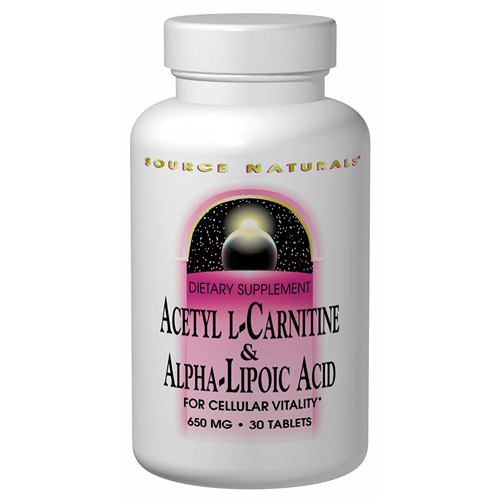
Source Naturals is a good brand to take and it offers a supplement which combines both acetyl-l-carnitine and ALA in one tablet. Each tablet has 500 mg of acetyl-l-carnitine and 150 mg of ALA, so you could safely take this supplement one to three times daily.

acetyl-lcarnitine-alpha-lipoic-acid-60

L-Carnitine For Energy And Fat Loss

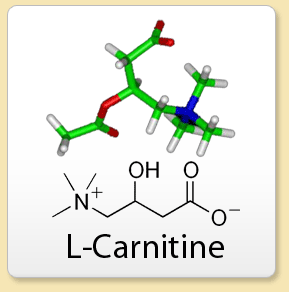
L-CarnitineI am personally a big fan of l-carnitine supplementation and make sure to add it to my intra-workout drink each day that I train. This amino acid compound, consisting of lysine and methionine, can be found in a couple of different forms. This article discusses L-carnitine tartrate, which is the form known to benefit athletic performance and recovery.

There are a couple of important points to consider when supplementing with carnitine. First of all, insulin must be present in the body for carnitine to enter muscle. One way of taking carnitine is to ingest carnitine with carbs so that there is an insulin release, but another effective option is to ingest carnitine with omega-3 fatty acids. Omega-3 fatty acids optimize cell membrane health, thus making cells more sensitive to insulin. Carnitine serves as a delivery system for fatty acids, so if carnitine levels are high, more fatty acids will be shuttled into cells to be utilized for energy. Conversely, when carnitine levels are low, fewer fatty acids are moved into the cells and are instead stored as fat. Supplementation with carnitine before intense exercise will switch the focus on burning fat rather than utilizing glycogen stores, resulting in longer sessions before glycogen stores are depleted. In addition, the presence of carnitine inhibits production of lactic acid, so recovery from intense exercise is more rapid.

Carnitine is not only an excellent performance supplement, it also serves as an excellent means of addressing metabolic syndrome. Metabolic syndrome, characterized by diabetes, atherosclerosis and high cholesterol, can be countered by carnitine’s ability to induce fat loss, prevent atherosclerosis and minimize the development of diabetes. After several months of carnitine supplementation, carnitine levels reach a level at which energy production and performance are enhanced. For this reason, it is best to consider carnitine an essential supplement in your daily regimen rather than as something taken only periodically.

Take 500 to 2,000 milligrams of l-carnitine tartrate daily with omega-3 fatty acids and a small amount of carbohydrates.

Sugar Makes You Stupid

hero-cookie-candy-bars
How can sugar be such a bad thing when it tastes so wonderful? Well, you might want to consider the consequences of indulging in sweet treats on a regular basis. You are probably already familiar with the dental consequences of high sugar diets, and you are probably also aware of the correlation between sugar and insulin resistance. You may even be well aware of how sugar can completely stall weight loss efforts. But did you know that a diet high in sugar can affect memory and learning?

Consume a diet which is high in processed sugar, and you can almost count on experiencing a pronounced cognitive decline with advancing years. Numerous studies have revealed a decline in cognitive function among subjects who were evaluated after consuming processed carbohydrates. One 2011 study in particular, which was published in the British Journal of Nutrition, examined habitual sugar intake in over 700 nondiabetic middle-aged subjects of Puerto Rican descent. The results showed that consumption of sugary beverages resulted in lower Mini Mental Status Examination (MMSE) scores, while a higher total sugar consumption resulted in lower word list learning scores. Numerous other studies have shown a strong correlation between insulin resistance and lowered cognitive function. Basically, the higher the sugar intake, the lower the mental function.

sugary-drinks

As it is, cognitive function begins to decrease by our late 20’s, with memory problems surfacing about ten years after that. Some individuals are already doomed to develop insulin resistance with increasing age, and this is magnified dramatically when processed carbohydrates are consumed on a regular basis. Processed carbohydrates such as refined sugar are absorbed more rapidly, causing a surge in insulin release. When this occurs frequently, the result is an increase in insulin resistance. Another consequence of increased blood sugar is decreased blood flow, which also inhibits cognitive function.

By no means am I saying that you have to COMPLETELY eliminate all sugar from your diet all the time (though it isn’t a bad idea). If you allow yourself the RARE indulgence, such as birthday cake, that is fine. The more insidious culprits are the sugary sodas, flavored yogurts, breads, pastas, granolas, salad dressings, juices, coffee and tea drinks, and crackers which tend to creep into regular diets.

Here are some common forms of sugar which can show up on a product’s ingredient label:
Cane sugar, Brown sugar, evaporated cane juice, agave nectar, brown sugar, corn sweetener, corn syrup, fructose, fruit juice concentrates, high-fructose corn syrup, invert sugar, honey, dextrose, lactose, maltose, malt syrup, molasses, sucrose, syrup

Make sure to read ingredient labels on all items you are considering purchasing at the store!

Remember that foods containing sugar may be tasty to many people, but they carry a heavy consequence. Knowing all of this, why would you risk “dumbing down” and increasing your dementia risk by eating sugary foods all the time? Now, that is just stupid.

References:

Br J Nutr 2011 Nov; 106(9):1423-32.