Maintaining Focus In The Midst Of Chaos

Originally published on RxGirl on Thursday, 04 July 2013

http://www.rxmuscle.com/rx-girl-articles/8649-maintaining-focus-in-the-midst-of-chaos.html
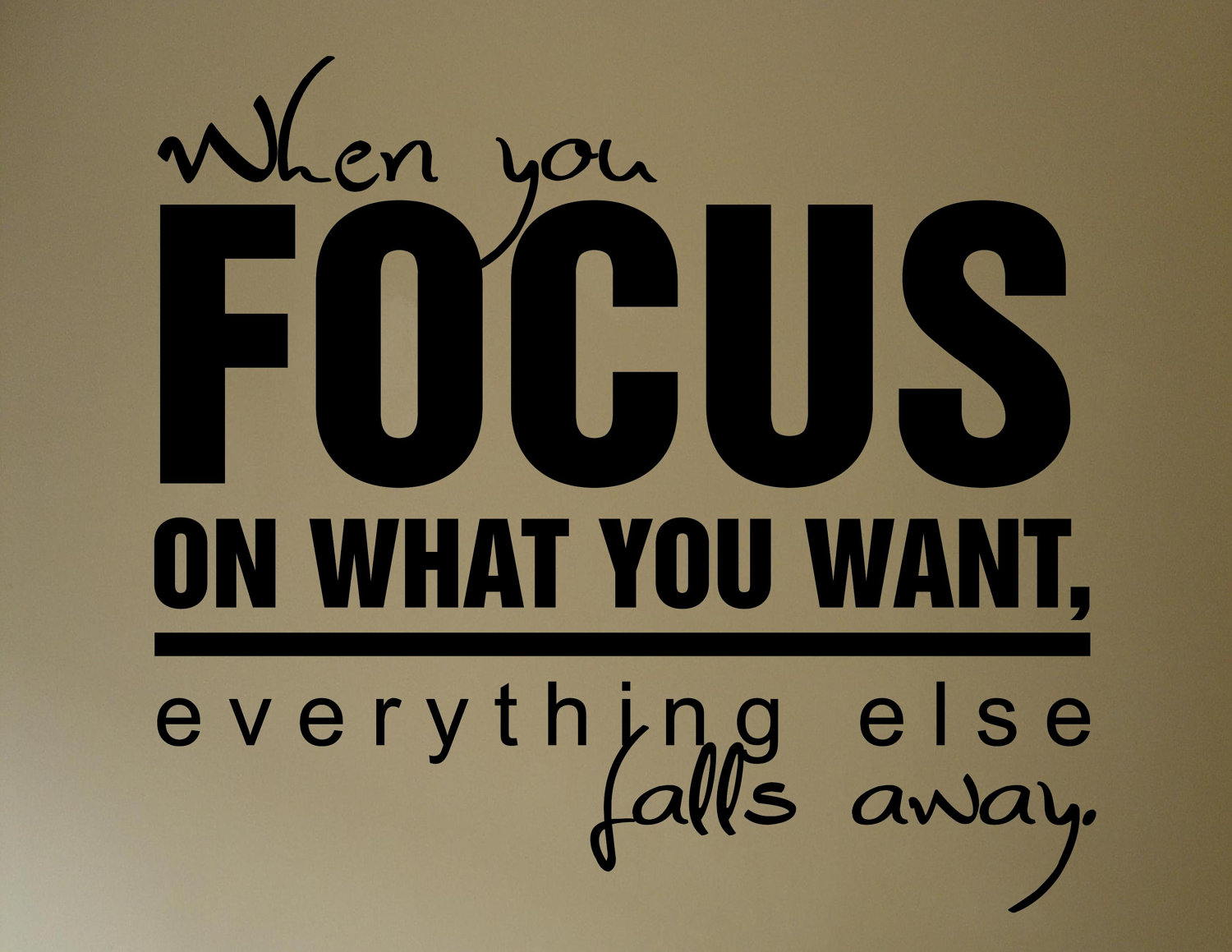
When-you-focus-on-what-you-want-everything-else-falls-away
If there’s one thing I have learned during my life, it is that there will always be challenges to face and overcome. Such trials can be immense and carry the power to derail us from our daily routine. However, maintaining consistency in a daily routine, especially during the most difficult times, provides balance while also keeping an individual on track with contest prep or other fitness related goals. In some sense, such a structured routine can almost serve as a welcome haven when everything else is chaotic, provided it does not make excessive demands on one’s time or energy resources.

This year has been an extremely rough one for me, characterized by both my parents being hospitalized, the dissolution of a two year relationship with a man I was very much in love with, job loss, etc. I think most people would have buckled from the pressure, but I was so incredibly stubborn about staying on track that I pushed through the emotional and physical pain and became more creative about how to fit my ever increasing workout loads into the chaos that defined my life. If anything, the trials I went through made me all the more determined to get the job done with my contest prep. I put the horse blinders on and headed down the track at a full gallop. Ironically, though I have been working less in the past month, I am busier than ever and often go through my days in a bit of a fog. It is commonplace for me to forget whether I am at the gym for my third or fourth workout, or which office I was at yesterday. My attitude lately has been, “hold on tight!” which is indeed what I have been doing as I have ridden the crazy crests and troughs of each day.
Horse Blinders
I know that those of you who compete are Type A personalities, driven, committed, strong and stubborn. I also know that some of you will abandon your plans to compete in upcoming contests when life throws you a curve ball. I honestly think this is a mistake. Why forgo the pursuit of a goal (i.e., prepping for a contest and competing in it) when things get nuts? We are in a unique position to inspire and lead by example, so when we give up on achieving a competition or general fitness goal, we are sending a message that it is acceptable to adopt an off and on approach to the “can do” attitude which is common in the fitness world. I am not saying that we should be burdened by the responsibility to carry the hopes of others, but that we best serve ourselves and others when we adopt a tenacious determination to reach our goals. If you can remember why you are driven to compete and to reach your personal best, and make a decision to hold yourself to your regimen in the midst of adversity, your victories will be sweeter than ever.

That Ever-Elusive Pro Card

Originally published on mensphysique.com on Friday, 09 August 2013

http://www.rxmuscle.com/blogs/the-life-inspiration-and-dedication/8988-that-ever-elusive-pro-card.html
Pro Card (1)
There have been many occasions in which I have heard a freshly nationally ranked NPC competitor declare that he or she will hit the national stage and easily snap up an IFBB Pro Card. While I applaud the competitor’s enthusiasm and drive, I cannot help but snicker to myself when I hear such a statement. Honestly, if it were that easy to earn a Pro Card, there would be Pros populating the country in droves. Alas, there are only a finite number of Pro Cards given out each year, and the competition for them is fierce.

I will often see competitors who have made such a declaration months later who are shocked that they have not yet achieved Pro status. They mention being stunned, frustrated and dejected, and often will state that they are considering leaving the sport altogether. Let me tell you something: I stepped on the national stage fourteen times before I earned my Pro Card.

There certainly were times that I was discouraged, and there were moments during which I had pondered the possibility of walking away from the sport. Yet I kept getting back on the stage, improving my game each time and proving to myself that I was strong enough to overcome the roadblocks that kept Pro status at bay. Thankfully, all of my dedication and stubbornness finally paid off, but it was a long and arduous journey.

I think it is very important to bear in mind how competitive national NPC bodybuilding contests are. There are over 100 national qualifying NPC local contests across the nation each year, with some events in large metropolitan areas bringing in more than 100 competitors in each of the most popular divisions (Men’s Physique, Figure and Bikini). Since only the top five competitors in these divisions are given national qualification, such contests can be brutally competitive.

These nationally qualified competitors then hit the national stage, usually competing against an average of thirty other competitors (there were a record 72 competitors in one Men’s Physique class in 2011) who are considered the best in the nation. So what makes you think you can easily snap up a Pro Card? You may prove me wrong, but it is foolish to boast that you will easily get one from your first foray into a national NPC contest.

By no means am I trying to discourage anyone from competing. What I hope to do is to encourage competitors to be realistic yet unrelenting in their pursuit of personal excellence as they reach for Pro status. It is always a good idea to talk to the judges after a contest to obtain valuable feedback. It is also important to look at your contest photos, especially the comparison photos. If there are changes which need to be made, make them before you hit the stage again. Most importantly, do not get discouraged. Good things come to those who persevere!

Ironman Magazine January 2014 Hardbody Feature

Hardbody Main Image

Click to access IRONMAN-JAN2014-HARDBODY.PDF

Please read the full article by clicking on the link above. In this article I mention SWAT Fuel 9mm thermogenic fat burner. What I love about this particular fat burner is that I have never, ever gotten the jitters or shakes from it, yet it is extremely effective in giving me great energy and the ability to focus on whatever task I am engaged in, whether it is seeing patients at work, lifting weights at the gym, or writing articles. This product keeps me going on days when I may be at risk of going through an energy slump. I enthusiastically recommend 9mm and 9mm+P (which contains an appetite suppressant) to those of you who want to accelerate fat loss, maintain focus and energy, and avoid the jitters.

Emotional Eating

Originally published on RxGirl.com on Monday, 12 November 2012. The original post was published with white text on white background, so the only way to read it on the site is to highlight the text. To make things easier for everyone, I have copied and pasted the article here for you to read.

http://www.rxmuscle.com/rx-girl-articles/6941-emotional-eating.html

emotional-eating ice creamRather than discuss well-known emotional eating disorders such as bulimia, I will concentrate on binge eating which many women engage in from time to time. It is important to recognize this behavior if it becomes a regular pattern, because frequent emotional eating warrants a diagnosis of binge eating disorder and requires treatment and intervention.

Binge eating is characterized by eating compulsively to cope with negative emotions and stressful situations. A binge eater is rarely hungry when she begins to eat and will continue to eat well after she is full. Such episodes can last for up to two hours or can occur off and on throughout the day. The binger feels guilty both during and after the episode, but will not attempt to counteract it by fasting, taking laxatives, vomiting, fasting or over-exercising. A strong lack of self-control as well as feelings of shame will accompany this behavior pattern. There is a strong association between binge eating and depression. Binge eating is also driven by social components such as social pressure to be thin, emotional and sexual abuse, parental criticism of a child’s weight, and the use of food as reward or punishment.

Food cravings are usually the strongest when you are in emotional crisis. You may reach for food for comfort or to serve as a distraction. Consider the following highly stressful events and think about whether you reached for comfort foods during such times:

· Financial problems
· Health problems
· Work issues
· Relationship issues
· Fatigue
· Family issues

Though some people will lose their appetites when stressed and will refrain from eating, many others will engage in impulsive eating in an effort to deal with negative emotions. This may be relatively harmless if such emotional eating occurs on a very rare occasion, but becomes a serious problem when it is used as the only coping mechanism for stressful situations or negative emotions. Just bear in mind that if you have a rare moment of weakness, it is important to recognize it as just that and to prevent yourself from spiraling into excessive feelings of guilt over the incident. If you engage in an episode of emotional eating, learn to forgive yourself and have a fresh start the following day.

Why We Engage in Emotional Eating

What occurs almost invariably when we eat emotionally is that we turn to cookies, cakes, candy, fried foods and breads rather than to healthy foods. There is a biochemical basis for such behavior. Carbohydrates which are high in sugar or fat release dopamine in our brains which in turn stimulates the brain’s pleasure center, creating a sense of euphoria. These foods are usually associated with pleasurable memories, such as cake which you may have looked forward to on your birthday, or macaroni and cheese as a treat after school when you were a child.

Food can also serve as a happy distraction from conflict or stressful events by stimulating the aforementioned pleasure centers. What will frequently occur is that an excessive amount of these foods will be consumed. However, if you remain aware of such automatic connections between food and mood and realize when you are eating for reasons other than hunger, you can break this cycle and get back on track with healthy eating habits which are associated with true hunger.

How To Combat Emotional Eating

· Keep a food diary. Get in the habit of writing down everything you eat and drink, including the quantity, the times at which you eat, your emotional state while eating the meal, and your level of hunger. By doing this you may see patterns which will reveal your emotional relationship with food.

· Remove tempting foods. Avoid stocking comfort foods in your home if you find that they are difficult to resist. And by all means avoid making trips to the grocery store if your emotions are spiraling out of control!

· Practice stress management. Yoga, meditation, and relaxation techniques are effective methods of managing your stress.

· Determine whether you are truly hungry. Many times people may believe they are hungry when in reality they are actually emotionally distraught and desperately searching for a way to defuse such emotions.

· Make sure you consume adequate calories. Individuals who are trying to lose weight will often restrict their calorie intake too much, and will turn to the same foods in an effort to remain on track without rewarding themselves with an occasional treat. Adding variety to your meal plan will also help to keep you on track.
Emotional_Eating cake
· Distract yourself. If you get an urge to snack when you aren’t truly hungry, distract yourself by watching a movie, calling a friend, reading, listening to music, or taking a walk.

· Consume healthy snacks. If an urge to snack between meals strikes, choose a low-calorie snack such as vegetables with seasoned nonfat Greek yogurt, fresh fruit, low fat cottage cheese or rice cakes.

· Get enough sleep. Getting enough sleep is an important component in decreasing cravings for comfort foods.

· Eat at regular intervals. Consume smaller meals every three to four hours to keep you from feeling hungry or deprived.

· Focus on the experience of eating. Learn to eat in a mindful manner, in which you pay attention to your meal and only your meal. Become aware of the sensations associated with eating.

· Reward yourself. It is both physically and emotionally unhealthy to practice excessive calorie restriction for prolonged periods. Allow yourself to have a favorite food or meal once each week.

· Connect with your emotions. When a food craving hits during an emotional time, write down the emotions you are experiencing, such as sadness, loneliness or anger.

· Seek professional help if emotional eating is frequent. There are countless support groups which you can join which will help you to develop insight as well as the skills to avoid engaging in such behavior.
Protein Denaturing And What It Means For You

Originally published on mensphysique.com on Wednesday, 05 September 2012

http://www.rxmuscle.com/blogs/the-lab-supplement-school/6456-protein-denaturing-and-what-it-means-for-you.html

protein denaturing
Proteins are comprised of amino acids arranged like beads on a string (primary structure) which are then folded upon themselves by means of hydrogen bonds (secondary, tertiary and quaternary structures). This intricate folding can be very complex, conferring specificity which defines a protein’s biological activity. If such higher structures are disrupted, such as by temperature extremes, altered salt concentration or changes in pH, a protein’s biological activity can be reduced or completely obliterated.

When most proteins are heated beyond 41 degrees Celsius (105.8 degrees Fahrenheit), the bonds are broken, thus resulting in denaturing of proteins. When you consider the fact that normal body temperature is 37 degrees Celsius or 98.6 degrees Fahrenheit, not much heat is required to break down a protein. Most stoves have broiling air temperatures up to 500 degrees Fahrenheit, with the surface temperatures of food reaching higher temperatures as a result of direct radiation from the heating elements. In essence, normal cooking practices heat proteins well above the temperatures at which they become denatured.

In addition to denaturing, cooking temperatures can cause cross-linking of some proteins, best exemplified by hardening of bread or eggs during the cooking process. This reduces the digestibility of the proteins, but it is important to consider that the majority of those proteins is absorbed and utilized by the body. Most whey protein has been processed at temperatures exceeding 160 degrees Fahrenheit or 72 degrees Celsius, qualifying it as hydrolyzed protein. However, despite the fact that the peptide bonds in the protein are broken during pasteurization, denatured protein still contains all of the amino acids that are found in unhydrolyzed protein and which provide the building blocks for muscle.

What this translates to is the fact that there is still nutritional benefit to be gained from denatured protein despite the argument by some that such proteins are useless. During the critical post-workout window, the body needs protein in order to repair and build muscle. Most of this is absorbed and utilized by the body, with a small portion excreted as waste which is often characterized by a particularly pungent “protein bomb” odor.

Why have I brought up the subject of denatured protein? Because I have heard people argue that hydrolyzed whey protein is useless because it is not bioactive. It seems to me that the considerable muscle mass found on individuals who ingest large amounts of whey protein flies directly in the face of such a short-sided argument. Furthermore, I do not believe that the baking process to which whey protein used in high protein breads is subjected poses any greater risks on the constituent amino acids themselves since they are already hydrolyzed to begin with. Until I see an individual who shows no increase in muscle mass despite proper weight training and sufficient protein intake which relies heavily on whey protein sources, I will continue to hail hydrolyzed whey protein as an excellent source of protein for those who are trying to gain muscle.

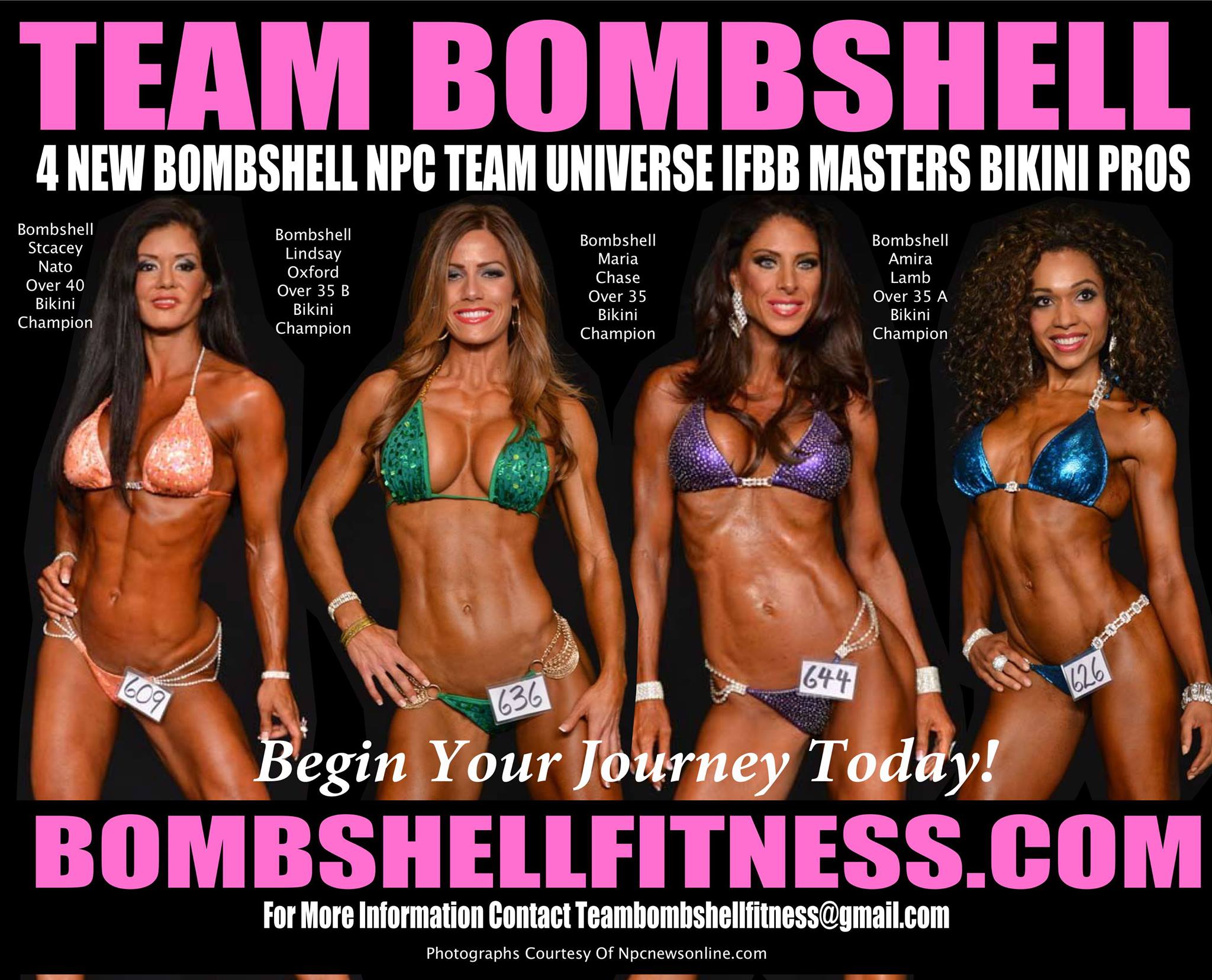
Great Bombshell Poster From Team U 2013 When I Went Pro

bombshell TU

The titles here aren’t completely correct here. I was the Over 35 B Champion as well, with a First Place finish to complement my Over 40 B First Place finish and my Overall Title in Over 40, but because I had already won my Pro Card, Second Place finisher Lindsay Oxford got her Pro Card as well. I guess that is why they decided to make it sound like Lindsay Oxford had won her class.