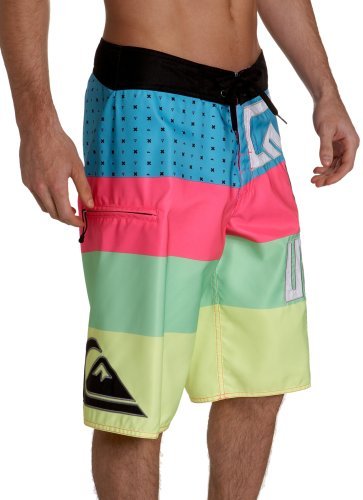
Why You Should Add Curcumin To Your Diet

Originally published on mensphysique.com on Sunday, 09 December 2012. The original post was published with white text on white background, so the only way to read it on the site is to highlight the text. To make things easier for everyone, I have copied and pasted the article here for you to read.

http://www.rxmuscle.com/blogs/the-lab-supplement-school/7143-why-you-should-add-curcumin-to-your-diet.html
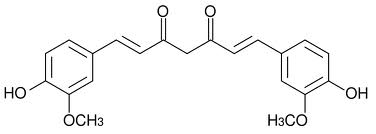
Curcumin diagram
Antioxidants have become a hot topic in combating disease in recent years, and the list of these substances has grown thanks to extensive research which has been conducted and disseminated to the public. A particularly powerful antioxidant is curcumin. Curcumin, an extract which is derived from turmeric, has been used in Asian curries for many centuries and has also been used for treatment of arthritis and other health conditions. Only recently has curcumin received attention from the United States regarding its remarkable benefits as a potent antioxidant.

Perhaps the most exciting potential benefit of curcumin is that it may help to prevent and treat cancer by inhibiting cancer cell growth and the growth of blood vessels which feed into tumors. There is some speculation that curcumin can prevent cancer cells from multiplying and is also capable of causing self-destruction of cancer cells. As if this wasn’t enough, there is a possibility that curcumin may prevent Alzheimer’s Disease by decreasing the accumulation of amyloid which characterizes this disease.

Here is a list of other benefits which curcumin confers:
· Accelerates wound healing
· Acts as a cleanser for the liver
· Regulates metabolism and assists in weight loss
· Reduces LDL cholesterol and raises HDL levels
· Decreases severity of inflammatory skin disorders such as psoriasis
· Acts as a natural painkiller

If these reasons are not enough to compel you to add curcumin supplementation into your meal plans, consider the fact that curcumin reduced the COX-2 enzyme in the body, thus decreasing the pain and swelling of arthritis. In fact, recent studies revealed that curcumin was even more effective than ibuprofen (Motrin, Advil) in its anti-inflammatory effects. One particular study in Italy which was conducted on 50 patients, all of whom had confirmed knee osteoarthritis, found a 58 percent decrease in reported overall pain and stiffness as well as an improvement in physical functioning among the curcumin group versus the control group.
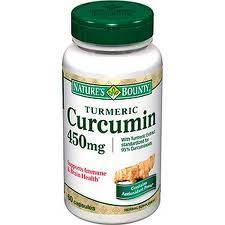
Curcumin bottle
How To Take Curcumin
Some individuals may prefer to ingest curcumin in the form of straight turmeric powder which can be added to meals or tea. However, I prefer to take curcumin in capsule form. If you opt for the capsule version, look for formulations which contain piperine, or black pepper extract. Piperine augments the gastrointestinal absorption of curcumin. Recommended daily dosage is 400 to 600 milligrams per day. For acute flare-ups of arthritis or other musculoskeletal pain, you can double the dosage until the acute phase abates.

Emotional Eating

Originally published on RxGirl.com on Monday, 12 November 2012. The original post was published with white text on white background, so the only way to read it on the site is to highlight the text. To make things easier for everyone, I have copied and pasted the article here for you to read.

http://www.rxmuscle.com/rx-girl-articles/6941-emotional-eating.html

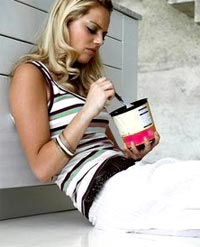
emotional-eating ice creamRather than discuss well-known emotional eating disorders such as bulimia, I will concentrate on binge eating which many women engage in from time to time. It is important to recognize this behavior if it becomes a regular pattern, because frequent emotional eating warrants a diagnosis of binge eating disorder and requires treatment and intervention.

Binge eating is characterized by eating compulsively to cope with negative emotions and stressful situations. A binge eater is rarely hungry when she begins to eat and will continue to eat well after she is full. Such episodes can last for up to two hours or can occur off and on throughout the day. The binger feels guilty both during and after the episode, but will not attempt to counteract it by fasting, taking laxatives, vomiting, fasting or over-exercising. A strong lack of self-control as well as feelings of shame will accompany this behavior pattern. There is a strong association between binge eating and depression. Binge eating is also driven by social components such as social pressure to be thin, emotional and sexual abuse, parental criticism of a child’s weight, and the use of food as reward or punishment.

Food cravings are usually the strongest when you are in emotional crisis. You may reach for food for comfort or to serve as a distraction. Consider the following highly stressful events and think about whether you reached for comfort foods during such times:

· Financial problems
· Health problems
· Work issues
· Relationship issues
· Fatigue
· Family issues

Though some people will lose their appetites when stressed and will refrain from eating, many others will engage in impulsive eating in an effort to deal with negative emotions. This may be relatively harmless if such emotional eating occurs on a very rare occasion, but becomes a serious problem when it is used as the only coping mechanism for stressful situations or negative emotions. Just bear in mind that if you have a rare moment of weakness, it is important to recognize it as just that and to prevent yourself from spiraling into excessive feelings of guilt over the incident. If you engage in an episode of emotional eating, learn to forgive yourself and have a fresh start the following day.

Why We Engage in Emotional Eating

What occurs almost invariably when we eat emotionally is that we turn to cookies, cakes, candy, fried foods and breads rather than to healthy foods. There is a biochemical basis for such behavior. Carbohydrates which are high in sugar or fat release dopamine in our brains which in turn stimulates the brain’s pleasure center, creating a sense of euphoria. These foods are usually associated with pleasurable memories, such as cake which you may have looked forward to on your birthday, or macaroni and cheese as a treat after school when you were a child.

Food can also serve as a happy distraction from conflict or stressful events by stimulating the aforementioned pleasure centers. What will frequently occur is that an excessive amount of these foods will be consumed. However, if you remain aware of such automatic connections between food and mood and realize when you are eating for reasons other than hunger, you can break this cycle and get back on track with healthy eating habits which are associated with true hunger.

How To Combat Emotional Eating

· Keep a food diary. Get in the habit of writing down everything you eat and drink, including the quantity, the times at which you eat, your emotional state while eating the meal, and your level of hunger. By doing this you may see patterns which will reveal your emotional relationship with food.

· Remove tempting foods. Avoid stocking comfort foods in your home if you find that they are difficult to resist. And by all means avoid making trips to the grocery store if your emotions are spiraling out of control!

· Practice stress management. Yoga, meditation, and relaxation techniques are effective methods of managing your stress.

· Determine whether you are truly hungry. Many times people may believe they are hungry when in reality they are actually emotionally distraught and desperately searching for a way to defuse such emotions.

· Make sure you consume adequate calories. Individuals who are trying to lose weight will often restrict their calorie intake too much, and will turn to the same foods in an effort to remain on track without rewarding themselves with an occasional treat. Adding variety to your meal plan will also help to keep you on track.
Emotional_Eating cake
· Distract yourself. If you get an urge to snack when you aren’t truly hungry, distract yourself by watching a movie, calling a friend, reading, listening to music, or taking a walk.

· Consume healthy snacks. If an urge to snack between meals strikes, choose a low-calorie snack such as vegetables with seasoned nonfat Greek yogurt, fresh fruit, low fat cottage cheese or rice cakes.

· Get enough sleep. Getting enough sleep is an important component in decreasing cravings for comfort foods.

· Eat at regular intervals. Consume smaller meals every three to four hours to keep you from feeling hungry or deprived.

· Focus on the experience of eating. Learn to eat in a mindful manner, in which you pay attention to your meal and only your meal. Become aware of the sensations associated with eating.

· Reward yourself. It is both physically and emotionally unhealthy to practice excessive calorie restriction for prolonged periods. Allow yourself to have a favorite food or meal once each week.

· Connect with your emotions. When a food craving hits during an emotional time, write down the emotions you are experiencing, such as sadness, loneliness or anger.

· Seek professional help if emotional eating is frequent. There are countless support groups which you can join which will help you to develop insight as well as the skills to avoid engaging in such behavior.
Great Bombshell Poster From Team U 2013 When I Went Pro

bombshell TU

The titles here aren’t completely correct here. I was the Over 35 B Champion as well, with a First Place finish to complement my Over 40 B First Place finish and my Overall Title in Over 40, but because I had already won my Pro Card, Second Place finisher Lindsay Oxford got her Pro Card as well. I guess that is why they decided to make it sound like Lindsay Oxford had won her class.

Make Your Fitness Goals Tangible With Photos!

Whenever I do initial consultations with weight management patients, I make sure to ask them what their ultimate weight loss goals are.  Invariably my patients will mention a friend or relative who has the type of physique they desire, or they will mention a time in their lives at which they considered their own bodies to be ideal for them.  At the end of the evaluation, I instruct my patients to find at least one picture of that ideal body and post it in a prominent place, either on a desk, bathroom mirror, refrigerator, or car dashboard.  The whole point is to create a visual representation of the patient’s goal so that it becomes more tangible over time.

Lori Harder

When I first began competing in 2009, I quite randomly picked a couple of images of female competitors whom I really admired, printed them, and placed them on my bathroom mirror.  I saw these images daily and was able to visualize my goal on a consistent basis.  I did not remove these images from my mirror until I moved in October of 2012, and when I did so, I moved the images to bulletin boards in our trophy room. By that time, I had collected five First Place national titles, and now regard the two competitors in those photos as peers. I had achieved my goal of attaining a level of fitness and exposure which was right in step with these ladies.

Another tip which I give to weight management patients is to take weekly progress pics so that they can monitor the subtle changes in their bodies over an interval period of time.  What they might not see from week to week can be very dramatic when they compare their baseline photos to photos taken many weeks or months later.  Over time it becomes easier to take these progress pictures.  Getting into the habit of taking photos regularly also works EXTREMELY well for people in the midst of contest prep.  I require my contest prep clients to take weekly progress pictures, which reveal subtle changes week by week and provide information which I can use in order to make changes in a prep plan. To this day I still take weekly progress pictures myself because I know the ritual keeps me on track with my goals.
peacock
In summary, there are two things you can do to visualize your goal:

1. FIND AN IMAGE OF THE BODY YOU WANT AND POST IT IN A PROMINENT PLACE.

2. TAKE WEEKLY PROGRESS PICTURES OF YOURSELF.

Visualize and make your goal materialize!

FOOTNOTE: If you are looking for a supplement which will boost fat loss, consider trying SWAT Fuel’s 9mm or 9mm+P, both of which deliver sustained energy with no jitters or crash. These thermogenic capsules were formulated with military personnel and law enforcement offers in mind, who must remain razor sharp through long vigils and who must also wield weapons which require precision aim. A case of the jitters in these individuals could be disastrous, so it is reassuring to know that 9mm and 9mm+P deliver on their promise of steady and long lasting energy. The 9mm+P formula contains an appetite suppressant which is extremely effective in halting cravings and preventing overeating. Both of these products are also excellent for anyone who wants more energy, whether it be for a workout or for work.

What To Bring To Your First National Show Besides Your Physique

Originally published on mensphysique.com on Monday, 07 May 2012

http://www.rxmuscle.com/blogs/the-news-the-newest-in-mp/5580-what-to-bring-to-your-first-national-show-besides-your-physique.html

So you competed in a national qualifier and got your qualification…fantastic! But now you may be wondering how to prepare for a national level show, what to pack, and generally what to expect at the national level. I can’t tell you how many times I have seen competitors who are newbies to the national circuit and have that deer in headlights look. They are completely stunned by the magnitude of a national show and intimidated by all the other nationally-qualified athletes who, for the most part, look amazing. Quite frequently these new competitors have no idea what to pack for a show outside of their local region and end up scurrying all over the place trying to procure the items they neglected to pack.

In light of this, here is a list of essential items to pack for a national level NPC/IFBB show, along with explanations. If you go to a national show fully prepared, you won’t have to deal with the stress of having forgotten something.

Board shorts (at LEAST two pairs, in case something happens to your main pair)
Dark towel (you don’t want to get tanning solution on the hotel towels because the hotel will charge you to replace them!)
Dark t-shirts (these make great pillowcases at the hotel)
Umbrella (you never know if it might rain)
Close-toed shoes
Flip-flops
Driver’s license or other ID
Cash for incidentals, cab fare
Basic toiletry items (toothbrush and toothpaste, moisturizer, hair gel, deodorant, razor)
A good skin scrub – sugar scrubs are much gentler on the skin than salt scrubs. Make sure the container is leak-proof and place in a Ziploc bag for extra security. If this is being packed in a carry-on bag, make sure the container is 3 ounces or less.
Touch up foundation or bronzer for your face to match up with airbrush color on body
Baggy pants with NO elastic at waistband
Loose brushed cotton or flannel button-down long-sleeved shirt
Socks (your tanned feet will stain the sheets!)
Underwear
Enough changes of casual clothes for the time that you will be at location
Nice outfit in case you feel inclined to go out to celebrate after finals
Diuretic (if your coach advises it)
Food – make sure to pack extra food. You can freeze your food then pop it in the microwave as you need it.
Supplements
Safety pins
Moist wipes – travel pack size

If you map out your packing strategy you should be able to remember to pack all the essentials.

Competing On A Budget

Originally published on RxGirl.com on Sunday, 14 October 2012. The original post was published with white text on white background, so the only way to read it on the site is to highlight the text. To make things easier for everyone, I have copied and pasted the article here for you to read.

http://www.rxmuscle.com/rx-girl-articles/6778-competing-on-a-budget.html

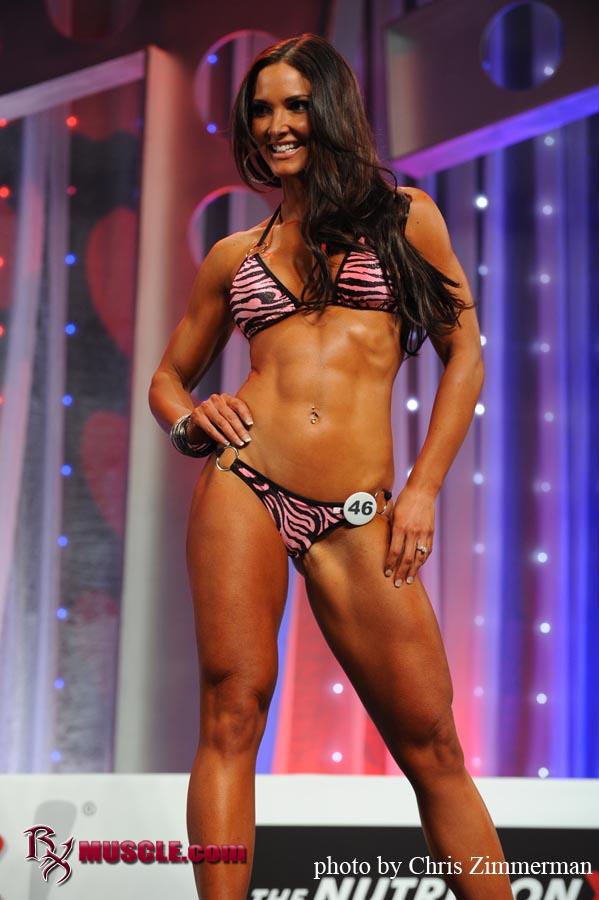
Figure top 5
Several weeks ago I calculated the total amount which has been spent by my sponsors and by me on all costs associated with the half dozen national qualifiers and the thirteen pro qualifiers I have competed in since 2009, and almost fell over in my chair. I am by no means blessed with disposable income so I can honestly say that my drive to compete has required a tremendous amount of financial and personal sacrifice. However, I realize that many of you prefer to keep expenses to an absolute minimum, so I offer a number of suggestions on how to meet the financial demands of competing without putting undue strain on your wallet.

1. Set a specific competition budget and stick to it. I have a separate “show fund” in which I set aside money for competitions and am well aware of what I can and cannot afford. I know competitors (and I admit I have foolishly pushed myself to the limit in the past) who have paid a show entry fee then later came to the realization that they could not afford the other expenses for the event and had to back out of it. Once a budget is set, it is important to limit oneself to the number of competitions which will keep one within budget. This can be challenging, especially when one is on a mad quest to chase a national qualification or pro status.

2. Look for a sponsor. I have had competitors ask me how to obtain sponsorship and who also lament the fact that it is exceedingly difficult to land sponsorship from a supplement company. My response to this is that sponsors can come in all forms! Here are some suggestions for potential sponsors:

Fans
Friends and family
Business associates
Fitness clothing companies
Smaller supplement companies

The trick to asking for sponsorship is to graciously ask for assistance in paying for an event. Remember that even a small amount will help. I have competed at events which have been sponsored by a number of entities, with the tan covered by one, entry fee covered by another, flight by yet another, etc.

3. Stick to nearby contests. It makes sense to compete within your geographic area if you are trying to keep costs down. If you are competing at local and regional events, make sure these events are within reasonable driving distance from where you live. National-level events are much trickier since they are fewer in number and take place in very specific areas. If your budget allows it, you may consider competing at pro-qualifiers provided 1) your budget allows it, and 2) you limit the number of pro-qualifying events you enter.

4. Stay with friends. If you are considering competing at an event which is far from where you live, consider asking friends or family who live near the venue if it is possible to stay with them.

5. Purchase a used competition suit. Many competitors will retire gently used suits and put them up for sale. This is a great way to get a suit without breaking the bank. Keep in mind that you should determine whether your body is similar to the competitor who has worn the suit, as this will greatly affect how the suit fits YOU.

6. Bling out your own suit. A competition suit encrusted with crystals can range from several hundred to thousands of dollars and can really kill a competition budget! A great option is to purchase a plain suit then purchase crystals, beads or sequins from wholesale supplier online, then apply the embellishments yourself. Please refer to my article on How To Bling Out Your Own Suit for more details on how to do this. By choosing this option you will save a considerable amount of money. In addition, you can customize your design, making your suit truly one-of-a-kind.

7. Do your own makeup. Out of the eighteen competitions I have been in, I only had my makeup professionally done four times, and that was in 2009 and 2010. Since then, I learned how to apply makeup for the stage and as a result, have saved a significant amount of money. Please refer to my article, Perfect Stage Makeup for pointers. Also make sure to PRACTICE a couple of times before the contest so that you don’t wind up with a disaster on the big day. There are plenty of great tutorial videos on YouTube which will walk you step-by-step through makeup application for a smoky eye.

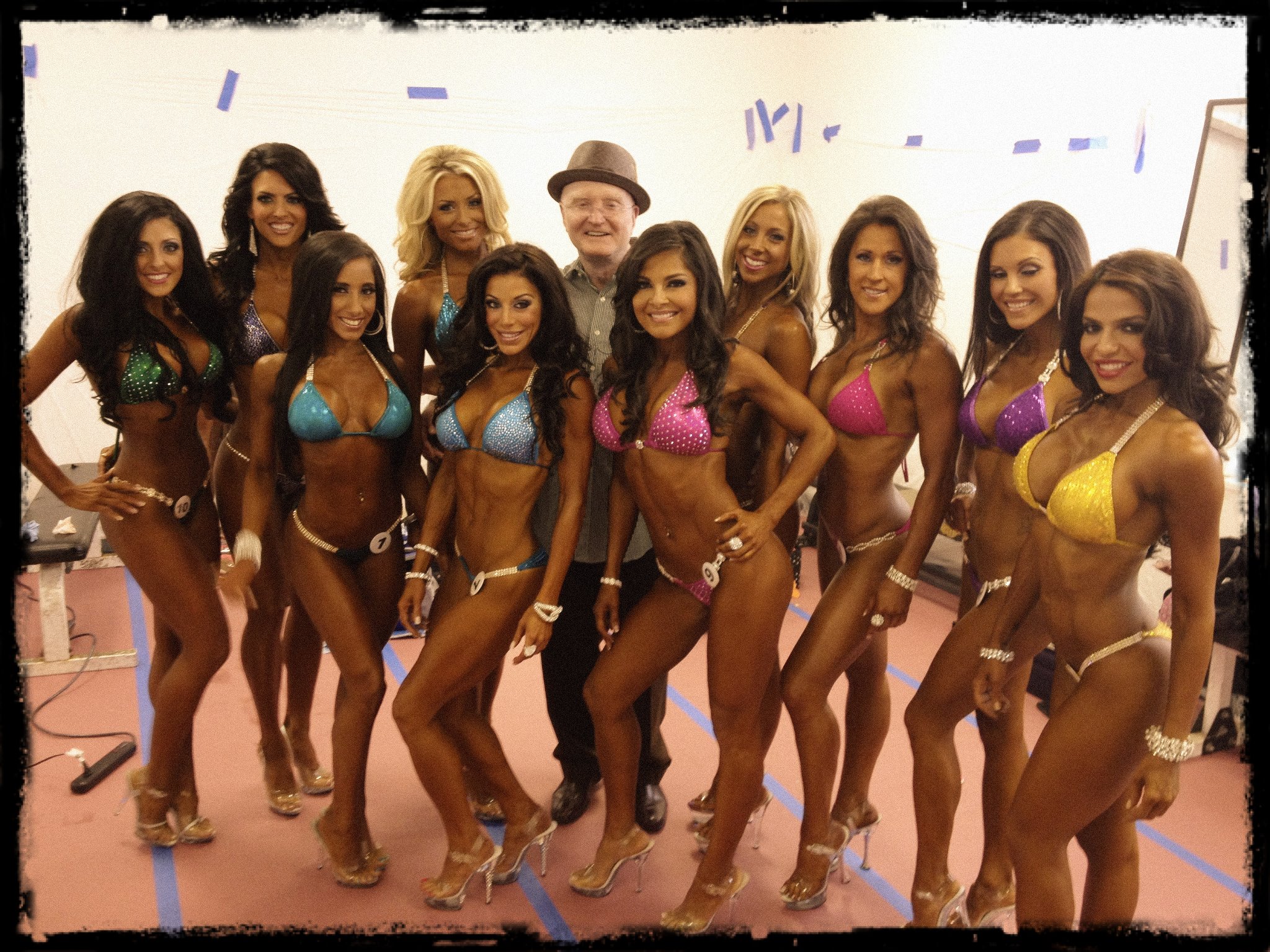
Pro Bikini gals backstage
8. Do your own hair backstage. Generally speaking, you really don’t need to get too fancy with your hairstyle. For figure and bikini, either flatironing for a sleek look or adding big, soft curls will look nice onstage. Fitness, women’s physique and women’s bodybuilding may necessitate putting some hair up if you have hair that is long enough to get in the way of your routine. Make sure to use either smoothing serum for flatironed styles or hairspray for curls so that things stay in place. However, do NOT make your hair so stiff that you cannot gracefully move it off your back during your back pose.

9. Apply tanning solution yourself. This is a tough one, since I always have my tan done professionally. However, if you are truly on a tight budget, it is certainly possible to apply tanner yourself. The only limitation will be when you need to tan your back. There is a tool which you can purchase called Xen-Tan Hard To Reach Back Applicator which does a decent job of evenly depositing self-tanner on hard to reach areas if you aren’t able to find someone to help you apply your tanner. This clever device is available at a number of sites, including Neiman Marcus, Zappos, 6 PM, Amazon and Ulta. I merely chose the Ulta site because that is where I purchased mine.
http://www.ulta.com/ulta/browse/productDetail.jsp?skuId=2242675&;productId=xlsImpprod4141877&navAction=push&navCount=1&categoryId=cat90022

Make sure to apply a thin, even layer and allow to dry before applying the next layer. The number of layers you will apply will depend on your base skin tone and the brand of solution you decide to use, but you should plan on applying two to five coats of color.

As for the solutions which I consider the best for stage, I love Jan Tana High Definition Color and Liquid Sunrayz. Bronze Angel by Dream Tan is also great. Some people love Pro Tan so this brand may also work well for you. However, I personally cannot use this product as it fades immediately on me, hence my hesitation with this particular brand.

I hope these tips will enable you to compete at the shows you have your eye on! Best of luck!

To The New Model On The Block

Originally published on mensphysique.com on Monday, 02 April 2012

http://www.rxmuscle.com/blogs/the-business-fitness-modeling-and-showbiz/5254-to-the-new-model-on-the-block.html

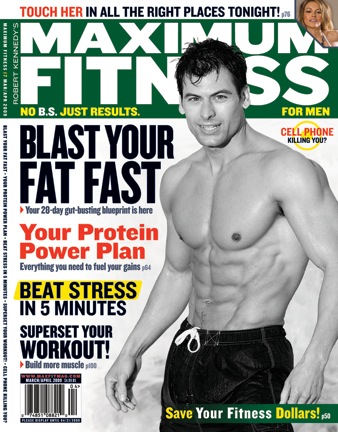
MF17-COVER

Modeling for the first time can be a bit daunting, especially during fitness shoots in which your physique is being prominently displayed. However, there are some guidelines and tricks to make the experience a pleasant one and one in which you can maximize the chances of producing strong images. The single-most important thing is to follow the photographer’s lead with posing, since prominent fitness photographers have developed considerable skill in posing the human body in the most flattering manner possible. This doesn’t mean that your work isn’t cut out for you, but the following posing tips will become easier over time as you are asked to do more shoots. It’s actually a good idea to practice modeling poses in front of a mirror so that you can more clearly assess how your body looks in certain poses.

Generally speaking, a wide leg stance displays your muscularity in the best fashion since it makes your waist appear smaller and enhances the bulk of your quads. Make sure to stagger feet so one foot is a few inches more forward than the other. You will shift your weight onto this foot and flex your quads while bending knees slightly. To make your upper body look as wide as possible, widen your shoulders and keep your back straight in order to enhance your v-taper.

Once your pose is established, you will flex muscle groups one at a time, such as quads, then delts, then pecs, then arms and finally abs. Get used to holding a pose! You may need to hold a pose while fully flexed for a couple of minutes. Which brings me to facial expression…quite often you will be asked to relax your face and flash a genuine smile which belies all the tension you are employing in your muscles, which can definitely be tricky. Your face needs to be a calm and happy sea, while the rest of your body is a raging storm of muscle contraction. This may take longer for some men to learn than others, and those men may keep praying for those shoots in which their facial expression needs to be intense, grimacing and full of power. Successful fitness models have mastered this trick and know that is essential in order to land certain covers and ad campaigns.

Above all else, have fun with the shoot, ask for a short break if you are tiring out too quickly, and maintain a positive and pleasant attitude.

Selecting Board Shorts For The Stage

Originally published on mensphysique.com on Sunday, 16 October 2011. The text on the original post is all messed up, but I have repaired it here.

boardshorts
http://www.rxmuscle.com/blogs/the-look-skin-attitude-attire-and-persona/4343-selecting-board-shorts-for-the-stage.html

Many men aren’t exactly gifted with the ability to determine swhat looks best on them, especially when selecting board shorts to wear up on stage with glaring lights assaulting them from every angle. Here are a few tips to selecting a great pair for your competition.

1.Make sure to pay attention to proper fit. The shorts should hit low enough in the waistline to flatter your lat spread and make your waist appear nice and tapered. The shorts should also make your rear end look nice and lifted without any excess material creating a sagging or diaper effect. Make sure you don’t go too tight though! The shorts should not ride up your crotch or make the shape of your bait and tackle highly visible! Make sure the rise in the front lies flat and does not bunch up across your lower abdomen. Also make sure the rise isn’t so low that the shorts look like they are about to fall off.

2.Blues, greens, reds and orange tones tend to look nice on stage. Avoid khaki, brown, and dull gray as they tend to look very drab under stage lights. Be careful with white as it can become severely discolored by the spray tan solution.

3.Prints are okay, but don’t go too busy! You can select shorts which have a color blocking on them, or which have a print on them, but don’t go for a very wild pattern. You want the judges to look at your physique, not at the distracting graffiti print splashed across your shorts!

4.Try to find a pair that is distinctive so that you don’t end up wearing the same board shorts as another. In fact, it is always a good idea to have an extra pair on hand at a show in case this occurs.