The Year of You: Seasonal Self-Care Rituals to Stay Balanced, Energized, and Joyful All Year Long

Image via Freepik

Camille Johnson of Bereaver.com has done it again with another fantastic article which is full of tips to honor and nurture yourself as the new year approaches.

Each season carries its own rhythm, subtly shaping our bodies, moods, and routines. When we honor those natural shifts, we cultivate steadiness, energy, and calm — even as life changes pace. This guide is your personal almanac for balance, offering simple ways to align your habits with the seasons and keep joy in motion year-round.

Key Takeaways

  • Each season calls for a unique form of care.
  • Move, eat, and rest in rhythm with nature.
  • Build daily joy rituals and grounding habits.
  • Use tools like calendars to remind yourself to pause and reconnect.
  • Small adjustments create big emotional dividends.

Seasonal Self-Care Essentials

SeasonFocusSelf-Care BoostActivity Ideas
SpringRenewalDeclutter mind and spaceGardening, journaling, morning walks
SummerEnergyHydration and social joySwimming, picnics, sunrise yoga
AutumnReflectionNourishment and gratitudeLong walks, warm meals, goal review
WinterRestDeep rest and warmthCozy reading, candlelight baths, stretching

Tune Your Nutrition and Movement

Shifting your habits with the seasons keeps energy and mood stable. Eating seasonally means savoring what nature offers: crisp greens in spring, berries in summer, root vegetables in autumn, and hearty stews in winter. Matching movement to the weather helps too — from outdoor runs in warm months to gentle indoor yoga when it’s cold.

For customized guidance, explore StaceyNaito.com, which offers fitness and nutrition plans that align with seasonal rhythms and personal goals.

Quick Self-Care Checklist

How to Create a Grounding Ritual

  1. Set a cue — perhaps lighting a candle or stepping outside.
  2. Add a sensory anchor — a scent, a sound, or a sip of tea.
  3. Pair it with breath — inhale calm, exhale tension.
  4. Close intentionally — write one line of gratitude or intention.

Do this daily for a week, and your nervous system will begin anticipating the calm before you even begin.

Keep Joy in View

Visual reminders keep wellness top of mind. Design a personalized calendar filled with quotes that lift your mood, favorite photos, and gentle self-care cues. Many online tools make it simple: choose a template, upload images, tweak colors or fonts, and order in the format you love. Select a printing service that offers premium paper, custom sizes, and the ability to mark personal milestones like birthdays or reflection days.

Product Highlight: Cozy Earth Bamboo Throw

Evening rituals feel richer with comfort items that invite stillness. The Cozy Earth Bamboo Throw is soft, breathable, and ideal for quiet moments of rest — a tangible cue to slow down and reset. Any similar high-quality blanket will do; the point is softness that signals safety.

FAQ: Common Questions About Year-Round Balance

Q1: What’s the easiest way to start seasonal self-care?
Begin with one anchor habit per season — hydration in summer, stretching in winter, journaling in autumn, walking in spring.

Q2: I can’t keep routines consistent. What helps?
Link them to daily cues — like brushing your teeth or brewing coffee — to build natural reminders.

Q3: Do I need special products?
No. Nature, structure, and attention are the best tools. Products just help reinforce intention.

Q4: What if I miss days or weeks?
Gentleness is key. Life has seasons too. Start again without guilt.

Balance isn’t a destination — it’s a rhythm. By tuning into what each season offers, you stay in harmony with the world around you and the world within you. Whether it’s a nourishing meal, a mindful pause, or a reminder pinned to your personalized calendar, these small acts keep joy not just in reach, but in motion.
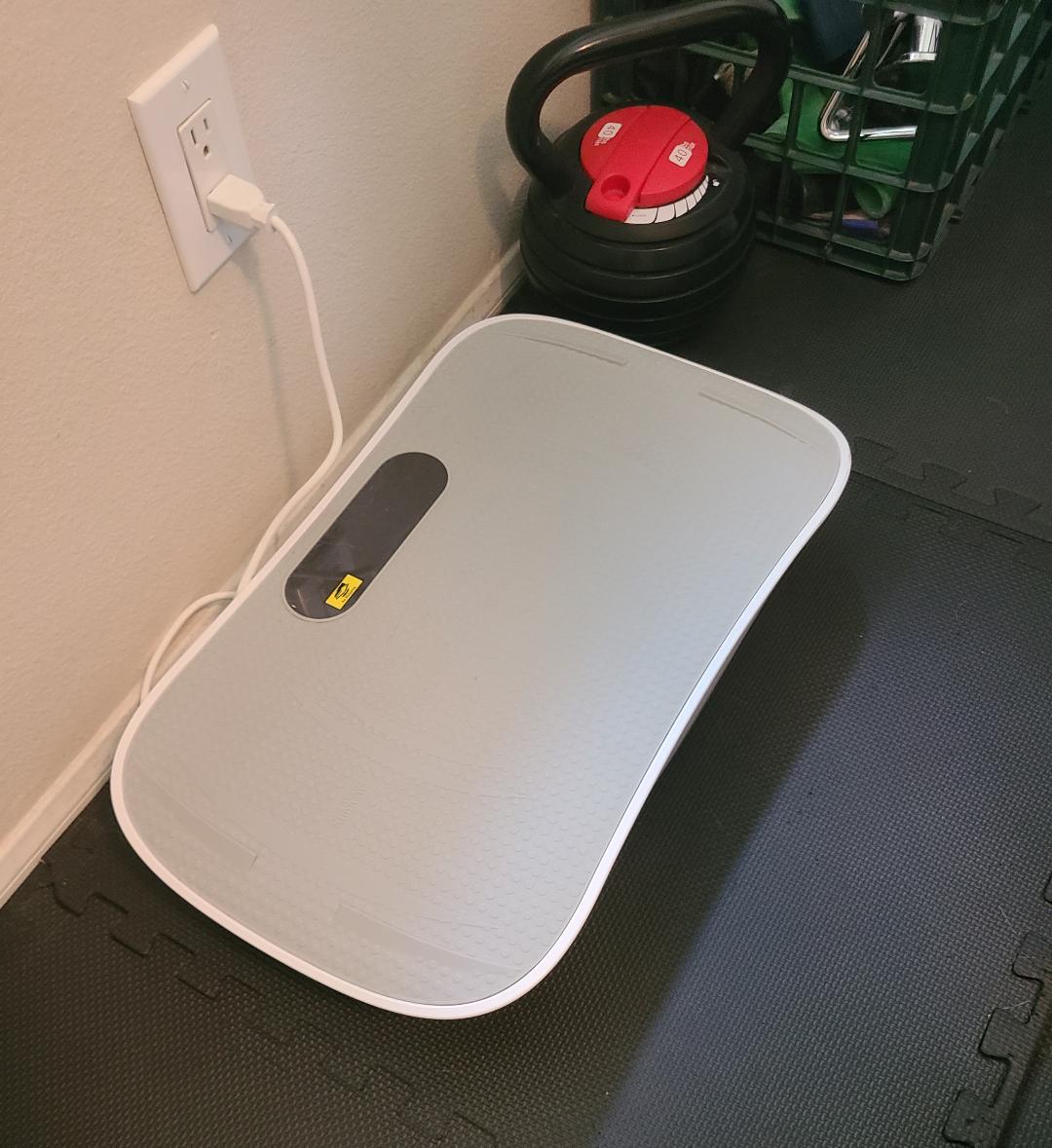

Vibration Plate Health Benefits

This is the vibration plate I use. There is a link in this article, but I am not being compensated for sharing the link. I truly like it!

Vibration plate therapy, also known as whole-body vibration (WBV), is a fitness and rehabilitation method that involves standing, sitting, or exercising on a machine with a vibrating platform. These vibrations transmit energy to the body, causing muscles to contract and relax dozens of times per second. One of the most appealing aspects of vibration therapy is that it doesn’t require a huge time commitment—even just 10 to 15 minutes a few times a week can offer substantial benefits. I make sure to use my vibration plate for 10 minutes daily, and once a week, I will double my time on the plate.

Key Health Benefits:

1. Improves Muscle Strength and Tone

The rapid muscle contractions stimulated by the vibration plate help build strength and tone. This can be especially helpful for people who find traditional strength training challenging due to joint pain or mobility issues.

2. Boosts Circulation

The vibrations encourage better blood flow, which can enhance oxygen and nutrient delivery throughout the body. This improved circulation supports cardiovascular health and may help reduce swelling in the extremities.

3. Enhances Lymphatic Drainage

The stimulation helps activate the lymphatic system, aiding in the removal of toxins and waste from the body. This can reduce puffiness and support immune function.

4. Increases Bone Density

Regular use has been shown to help maintain or improve bone density, making it a valuable therapy for those at risk of osteoporosis or bone loss—particularly postmenopausal women.

5. Supports Balance and Coordination

By challenging your stability, vibration therapy activates deep core muscles and can enhance proprioception (your sense of body position), which is beneficial for fall prevention and general agility.

6. Aids in Weight Management

While it’s not a calorie-torching workout, WBV can slightly boost metabolism and support fat loss when combined with a healthy lifestyle. It’s often used as a supplement to other forms of exercise.

7. Reduces Muscle Soreness and Aids Recovery

Athletes and physical therapy patients often use vibration plates to reduce delayed-onset muscle soreness (DOMS) and promote faster recovery after strenuous activity. This is the main reason why I bought a vibration plate for my home, and I swear it makes a huge difference in recovery from my workouts.

8. Helps with Joint Pain and Flexibility

The gentle stimulation can increase joint mobility and reduce stiffness, making it an appealing option for people with arthritis or chronic pain.


Minimal Time Commitment, Maximum Results

One of the greatest advantages of vibration plate therapy is how time-efficient it is. Sessions are short—typically 10 to 15 minutes—yet they activate multiple muscle groups simultaneously. This makes it an ideal option for busy individuals, older adults, or those recovering from injury who want a low-impact but effective form of exercise.

Whether you use it as a stand-alone therapy or a complement to a broader fitness routine, vibration plate therapy offers a wide range of benefits in very little time.

The Five Keys To Optimal Brain Health (Repost)

Sharpens-Your-Brain

By: Dr. Stacey Naito – Physician and IFBB Pro

Even if your genetics put you at risk for developing dementia, there are numerous lifestyle and behavior adjustments which you can make in order to protect brain function and fight dementia. The five keys listed below are proven to improve brain health and keep your mind vital and sharp for decades.

1. MOVE YOUR BODY

Scientific research has proven that overall physical health is closely linked to brain health. Regular exercise aids in the maintenance of a healthy weight range, normal cholesterol levels, while also optimizing blood flow throughout the body and the brain and supporting the growth of new brain cells.

The benefits of physical health stem not only from regular exercise, but also from other good health practices. Support your brain’s health by doing the following:

• Exercise at least 30 minutes daily to relieve stress.
• Make sure to get between seven to eight hours of sleep each night.
• Refrain from using tobacco.
• See your doctor regularly.
• Maintain a healthy weight.

2. YOU ARE WHAT YOU EAT

Research studies indicate that diets which are low in saturated fats and cholesterol, and rich in polyunsaturated omega-3 fatty acids and nutrients like lutein and vitamin E, may have a protective effect on brain cells and overall brain health.

Brain-healthy dietary changes:

• Opt for healthy fats which are found in olive oil and fatty fish like salmon. Avoid saturated and trans fats.
• Consume a diet which incorporates milk, eggs, vegetable oils, nuts, whole grains, and dark leafy greens like spinach, all of which are rich in vitamin E. Vitamin E is an important nutrient which supports brain health. If you can’t get vitamin E from foods, you can take it in supplement form.
• Eat plenty of fresh fruits and vegetables, aiming for nine fist-sized servings each day. Select colorful fruits like cranberries, blueberries and tomatoes which are packed with powerful anti-inflammatory compounds known as polyphenols. Keep the skin on fruits and vegetables to maximize their nutritional benefits.
• Add lutein. Lutein is a potent antioxidant which is critical for eye and brain health. Foods which are rich in lutein include spinach, kale, turnip greens, collard greens, egg yolks, corn, and peas. You can also take lutein in supplement form.

3. EXERCISE YOUR BRAIN

Extensive research has proven that the brain continues to learn new skills and information throughout life, and benefits from frequent intellectual stimulation. Make sure to pursue new activities, education and games to challenge your mind. Read books to elevate your knowledge base.

How to stimulate your brain:

• Engage in regular sessions of a mental activity you enjoy, such as reading, word games such as crossword puzzles, or learning a foreign language.
• Get into a daily habit of learning a new word or fact.
• Master a new skill or subject each year.
• Manage stress and balance your energy by meditating. Meditation may help to reduce stress and body inflammation by soothing the vagus nerve, an important nerve which controls the body’s immune response.

4. NURTURE RELATIONSHIPS

Though we know that relationships with family and friends are key factors in a person’s happiness, regular social interaction promotes the formation of new brain cells and aids in brain repair. One study revealed that men and women who had the most social interaction had less than half the rate of memory loss as those who were the least socially involved. By visiting friends and family and being involved in community activities, you will protect brain health.

Social brain boosters:

• Spend time with your family and friends regularly, and make them a priority.
• Volunteer for an organization which surrounds a cause which you are passionate about.
• Work for as long as you can, and for as long as you feel motivated to do so.
• Join clubs and become involved in religious or spiritual activities which resonate with you.

5. BALANCE YOUR NEUROTRANSMITTERS

Brain function relies on important molecules known as neurotransmitters. Neurotransmitter levels affect mood, behavior, cognitive function, social function, digestion, sleep, weight regulation, and many other processes.

The problem with current society is that the vast majority of people have overly stimulated sympathetic nervous systems, which over time can drain the body of serotonin. The excitatory part of the nervous system dominates once the inhibitory neurotransmitters are depleted, resulting in anxiety and an inability to “wind down”. Eventually, even the excitatory neurotransmitters such as serotonin, epinephrine, norepinephrine and GABA are also depleted, and severe depression or chronic fatigue usually develop.

Conventional drugs cannot replenish these neurotransmitters, and in fact, tend to cause depletion of the neurotransmitters. This is the reason why some depression medications do not work on some individuals. The good news is that supplementation with amino acids can help to replenish deficient neurotransmitters.

How To Nourish Neurotransmitters:

• Eat a healthy diet. Neurotransmitter imbalance is aggravated by poor diet. Diets high in protein supply the brain with the amino acids it needs to replenish neurotransmitter levels.
• Consume branched chain amino acids to ensure a rich supply of neurotransmitter precursors.

REFERENCES
Neurotransmitter Assessment Brings Light to Management of Psychiatric Problems
Monday, 15 August 2005 00:59By Erik L. Goldman | Editor in Chief – Vol. 6, No. 3. Fall, 2005

Balancing Life’s Demands with Effective Stress Management

Image via Pexels

I hope you will enjoy reading this wonderful article written by Sheila Olson of fitsheila.com which hones in on stress management.

In the journey to cultivate a more serene and manageable lifestyle, understanding and mitigating stress is essential. With a focus on self-awareness and actionable strategies, individuals can learn to navigate their stress with more confidence and resilience, leading to a more balanced and fulfilling life. This guide from Dr. Stacey Naito provides a comprehensive approach to recognizing the myriad stressors that permeate daily life and offers practical solutions for effectively managing them.

Recognizing Emotional Alerts

If you find yourself frequently overwhelmed, anxious, or irritable, these could be your mind’s way of signaling stress. These emotional reactions are important indicators, suggesting it’s time to reassess your current lifestyle choices and stress management strategies. Recognizing these signs early can help you take proactive steps towards stress reduction. Addressing these emotional cues promptly ensures they don’t escalate into more severe issues. Continually monitoring your emotional state aids in managing stress before it becomes overwhelming.

Pursuing a Fulfilling Career

If your existing role no longer aligns with your aspirations, exploring new career paths may restore balance and joy to your work life. Stepping into a role such as that of a special education teacher can offer profound personal and community benefits, especially if you are driven by a desire to support children with unique needs. Online educational programs provide flexibility, allowing you to blend further education with current professional duties effectively. For more tailored advice on making such transitions, check this out for more info.

Journaling for Pattern Recognition

Maintaining a journal about your daily interactions can reveal patterns in what causes your stress. Document instances when you feel stressed, including the people, environments, or situations involved. This record-keeping can be a powerful tool for identifying recurring stressors and addressing them effectively. Over time, this practice aids in avoiding or altering these stress-inducing patterns. Sharing insights from your journal with a therapist or counselor can also provide additional perspectives on managing stress.

Assessing Environmental Impact

Your surroundings play a significant role in your stress levels. An overabundance of clutter, noise, and lack of privacy can all add to a stressful atmosphere. Take a moment to evaluate these factors in your home and workplace to determine if they contribute to your stress. Creating a calm, organized space can significantly reduce stress and enhance your ability to focus and relax. Consider implementing minimalistic principles to further reduce environmental stressors.

Balancing Life’s Commitments

Often, stress arises from a mismatch in the effort allocated to personal and professional commitments. Reflect on whether you’re giving too much to one aspect of your life at the expense of others. Achieving a more balanced distribution of your time and energy can significantly reduce stress. It’s essential to maintain a healthy balance to ensure personal well-being and professional productivity. Setting clear boundaries between work and personal life is key to achieving this balance.

Integrating Relaxation Techniques

Incorporating practices such as meditation, yoga, or deep breathing into your daily routine can profoundly affect your stress levels. These techniques promote relaxation and provide a necessary respite from the daily grind. Regular practice helps manage stress more effectively and improves overall mental health. Dedicate time each day to these activities to nurture your mental and physical well-being. Engaging in these practices in a group setting can enhance their effectiveness through shared experiences and support.

It is important to remember that stress management is a dynamic and ongoing process. Implementing the strategies discussed will require patience and persistence. Over time, these techniques will foster a greater sense of control over your emotional and physical well-being, transforming how you handle life’s inevitable pressures. By maintaining this proactive approach, you can continue to enhance your quality of life and nurture a resilient, stress-resilient mindset.

Explore wellness, lifestyle tips, and inspiration with Dr. Stacey Naito.

Reclaim Your Health Naturally With These Simple Lifestyle Changes

Please check out this great article, written by Camille Johnson, who created https://bereaver.com

Photo via Pexels

Modern life, with its relentless pace and technological advances, often pulls us away from simple, natural practices that promote health and well-being. While conveniences abound, they sometimes come at the cost of our physical and mental health. By rediscovering and embracing natural methods to enhance our health, we can experience profound improvements in our overall quality of life. In this article, courtesy of StaceyNaito.com, we’ll go over several things you can do to feel better everyday.

Embrace Nature

Spending time in nature can significantly boost both your mental and physical health. The fresh air, sunlight, and green surroundings help reduce stress, lower blood pressure, and improve mood. Whether it’s a walk in the park, a hike in the woods, or a day at the beach, engaging with the natural world rejuvenates your body and mind. Regular outdoor activities also promote physical fitness, enhance overall well-being, and contribute to a healthier lifestyle.

Perfect Posture

Practicing good posture is essential to prevent physical strain and maintain musculoskeletal health. Poor posture can lead to chronic pain in your back, neck, and shoulders, and may cause long-term damage if not corrected. If you work from home, investing in ergonomic furniture can encourage good posture while preventing wear and tear on your back, neck, and shoulders. Simple exercises and mindful sitting and standing can make a significant difference.

The Power of Herbs

Considering herbal supplements for minor ailments can be a wise and natural choice. Many herbs, such as ginger for nausea, peppermint for digestion, and chamomile for sleep, have been used for centuries with great success. Herbal remedies often have fewer side effects compared to conventional medicines, making them a safer alternative for treating everyday health issues. Always research and consult a healthcare professional before adding new supplements to your routine.

Minimize Chemical Exposure

Reducing your exposure to harmful chemicals in cleaning products and cosmetics is crucial for maintaining good health. Many commercial products contain toxic substances that can cause skin irritation, respiratory issues, and other health problems. Opting for natural cleaning agents like vinegar, baking soda, and essential oils, and choosing organic, chemical-free cosmetics can protect you from these risks. Making your own products can also be an empowering and satisfying way to take control of your environment.

Laughter and Joy

Incorporating humor and laughter into your daily routine can have a profound impact on your well-being. Laughter reduces stress hormones, increases endorphins, and boosts your immune system. Watching a funny movie, reading a humorous book, or sharing jokes with friends can lift your spirits and improve your health. Remember, laughter is not just a temporary escape; it’s a vital aspect of a balanced life that fosters long-term happiness and resilience.

Stress Reduction

Engaging in stress-reducing activities like yoga or pursuing hobbies can greatly enhance your mental and physical health. Yoga combines physical exercise with mindfulness, helping to reduce anxiety and improve flexibility. Pursuing hobbies you love can also provide a necessary escape from daily stressors, allowing you to unwind and recharge. Whether it’s painting, gardening, or playing an instrument, these activities can bring joy, relaxation, and a sense of accomplishment, contributing to overall well-being.

Focus on Gratitude

Keeping a gratitude journal to focus on the positive aspects of life is a simple yet powerful tool for improving mental health. Writing down things you are thankful for can shift your focus from negative thoughts to positive ones, fostering a more optimistic outlook. This practice can enhance your mood, increase resilience, and promote overall emotional well-being. Taking a few minutes each day to reflect on your blessings can lead to lasting happiness.

Embracing natural methods for health and well-being fosters a balanced and fulfilling life. By integrating these natural approaches into your daily routine, you can achieve a healthier, happier life, reaping the benefits of a more holistic approach to well-being and long-lasting vitality.

How to Improve Your Overall Wellness When You’re Uber-Busy: Tips for Women Creators

Image via Pexels

As a woman creator, it’s easy to get bogged down by the daily grind. We’re constantly juggling work, family, and social obligations, and it can be tough to find time for ourselves. However, it’s essential to remember that our health should always be a priority. Today, Dr. Stacey Naito shares some tips on how to overcome the hustle and bustle and boost your overall wellness!

(Post written by Julia Merrill of Befriendyourdoc.org
julia@befriendyourdoc.org)

Eat Nutritiously

One of the best ways to improve your overall wellness is to focus on healthy eating. Medical News Today points out that eating nutritious foods will give you more energy and help you keep your mental focus sharp. You don’t have to completely overhaul your diet overnight; just try to make small changes, like substituting fruits and vegetables for processed snacks. You’ll be surprised at how much difference it can make in your overall health.

Move Your Body

Exercise is also crucial for maintaining your health, and it’s essential to get at least 30 minutes of movement every day. If you’re short on time, try breaking up your exercise into shorter 10-minute increments throughout the day. Healthline notes that taking a brisk walk or going for a light jog are excellent options to help relieve stress and improve your overall fitness level.

Change Careers

Sometimes, the best way to improve our wellness is to simplify our lives by eliminating things that cause us stress. If your job is causing you more anxiety than enjoyment, it may be time to start looking for something new.

Fortunately, plenty of online resources can help you create a stellar resume and find the perfect career opportunity. For example, you can use a free resume template and customize it to showcase your science fiction/fantasy work in a professional light. You can also use a free or low-cost website builder to create a stellar portfolio.

If you feel like you could use an educational upgrade before you reenter the business world, you could always go back to school and earn a bachelor’s degree in business. That will definitely open doors and give you a massive advantage over the competition. Also, thanks to the flexibility of online learning platforms, you can proceed at your own pace, from the comfort of your home, without having to take too much time off.

Start a Company

Starting a business can also be a great way to improve your overall health and well-being. When you’re your own boss, you have the flexibility to design a work schedule that works for you. You can also take advantage of tax breaks and other benefits of owning your own business. Here are a few tips for launching a company out of your creative passion:

  • Find a niche: When starting a business, it’s essential to find a niche market. This will help you focus your marketing efforts and connect with potential customers who are interested in what you have to offer.
  • Do your research: Before starting any business, it’s important to do your research and make sure you have a solid plan in place. This includes everything from your business model to your target market.
  • Select a legal structure: One of the first decisions you’ll need to make when starting a business is selecting a legal structure. This will determine things like how you file your taxes and how much liability protection you have. Many entrepreneurs form an LLC because of the liability protection and tax flexibility. Keep in mind that you can establish an LLC through an online service, but you’ll want to research which formation service is the best fit for you.
  • Get insured: Insurance is another important consideration when starting a business. Make sure you have the proper coverage in place to protect yourself and your business from potential.
  • Create a marketing plan: Once you have your niche and business plan in place, it’s time to start marketing your company. There are many ways to market your business, including online advertising, social media, and traditional methods like print or television ads.

Conclusion

Making small changes in your daily routine can have a big impact on your overall health and well-being. Remember to focus on healthy eating, exercise, and reducing stressors in your life. If you’re not happy with your current career situation, don’t be afraid to make a change. And if you’ve ever thought about starting your own business, now may be the perfect time to take the plunge!
Dr. Stacey Naito is an artist, as well as a board-certified family practice physician. Scroll down to leave a reply!

6 Interesting Benefits of Yoga for Seniors

Photo credit: Rawpixel


By Karen Weeks

Karen Weeks – Elderwellness.net

karen@elderwellness.net

Yoga can be practiced by anyone at any point in their life. Participation in yoga has nearly doubled in just a couple of years as people have realized the powerful health benefits that it provides. If you’re a senior who is considering getting started in yoga, here are some benefits you may enjoy from your practice.


  1. Better dental health


There is a well-defined link between mental health problems, like stress and depression, and poor dental health. When you’re stressed out, your immune system is weakened and your gums are more prone to bacterial invasion. Antidepressants can also dry out your mouth, which can make it harder to wash food away from your teeth and gums. If you tend to grind your teeth when you’re stressed out, you can also have problems with your jaw. 


Yoga is an excellent activity to help relax you. You learn better breathing patterns as well as how to soothe your mind and body. These are good stress-reducing activities that have long-term effects. Despite yoga’s benefits for oral health, you should still find a dentist to visit if you have problems with tooth or jaw pain.


  1. Improved gut health


Changing diet and age can reduce the overall diversity of microbes in the gut, and this lack of diversity can make the body less healthy and responsive. Hyperbiotics explains that exercise can boost gut health by improving the gut microbiome. The gut microbiome is the collection of microbes that naturally live in our bodies and help us digest. Yoga is one easy exercise you can start, even if you haven’t exercised in a while. This physical activity will help you achieve a happier gut, which will help you feel happier overall.


  1. Healthier joints


Yoga can improve flexibility and joint health. When it’s paired with meditation, it can reduce stiffness. Part of this comes from learning proper alignment of the body, as well as learning how to modify poses that can help minimize pain in your body. Meditation helps you develop a greater awareness of the stiffness in your body and work on relaxing whatever might get stiff.


  1. Reduced blood pressure


Research has suggested that yoga and meditation as a possible way to alleviate mild problems with blood pressure. Yoga can be a light-intensity activity, which is great if you’re a beginner. Physical activity is recommended for people who have high blood pressure, and yoga can be a big part of that. It can also help your stress response which can impact your blood pressure. Yoga is a good combination of getting your heart rate up while also relaxing your body and mind.


  1. Better balance


Research has demonstrated that yoga can be a powerful way to improve balance and mobility in older populations. This is especially important in arming you against potential falls and bone breaks. Yoga has all sorts of poses that can help you gain strength and balance within yourself, such as “tree pose.” It will also help you improve your core strength, which helps your balance as well.


  1. Strong bones


A critical part of bone health is getting physical activity. Some activities are better than others when it comes to building and maintaining strong bones. Yoga is one of these activities, as you build greater strength in your muscles and bones, and you can do it all in a low-impact way. However, if you have low bone density, make sure you do alternatives to specific poses or avoid them outright, such as forward folds and spinal twists. Listen to your body, and avoid any pose that feels painful.


Where to Do Yoga


Now that you’ve learned all about yoga’s benefits, you may be interested in how to get started on your own yoga practice. The beauty of yoga is that it can be practiced in the comfort of your own home. You can access fitness apps on a fitness tracker or other device to learn yoga poses, or refer to YouTube exercise videos that are geared toward seniors. You may also find that during your at-home practice, you’ll want to enhance your yoga routine with additional exercises like stretches, chair exercises, and resistance training. Mixing up your exercises can help you stay motivated and improve workout performance.


If you’d prefer to practice yoga outside of the home, you can learn from a professional yoga instructor who can teach you how to do each pose properly. You can check out some yoga studios in your neighborhood; some may even offer classes specially suited for seniors. 


An important part of starting your yoga practice is modifying it to fit your individual circumstances. Start slowly, and focus on poses that you’re comfortable with. As long as you’re careful and comfortable with your progress, yoga is worth giving a try in your senior years.

Get Out Of Your Own Head!

61300034 - picture of young sad woman in the kitchen

Image ID : 61300034
Copyright : Kamil Macniak 
 

I’m writing this as much for myself as I am writing it for you readers. I had been meaning to write a blog post about how to break the vicious cycle of overthinking which comes with anxiety. Honestly, there really is no point to worrying about what may happen, and there is never a good enough reason to lose sleep. Yet many of us will toss and turn, ruminating over current dilemmas, and robbing ourselves of precious slumber, all because we just can’t turn off our brains.

When we obsess over situations which we have little power to change in that moment, we act like hamsters on a wheel, going endlessly around and around, finding no exit and no solution.  So why do we do it?  How do we let it go?

Though it can be difficult to break free from the urge to keep thinking about how to solve problems in our lives, doing so is a vital component in calming our nerves and keeping us balanced and sane.  So the next time you find yourself fretting over something like a conflict at work, a financial issue, or something else which has you all tied up in knots, do the following:

  1. Ask yourself, “Will worrying about my issue help me in any way to solve it?”  If the answer is no (and it usually is no), then there truly is NO POINT to thinking about it.  Let it go, breathe, and get on with your day.  
  2. If you just can’t turn off your thoughts, then grab a notebook and a pen, and write down a list of all pros and cons and potential solutions you can think of.  Then put your notes away and don’t look at them until the next day.  Quite frequently, you will find your answer in those notes you scribbled.
  3. Remember that there is ALWAYS another way to look at a situation, even if you think you are stuck.  So think outside the box.  
  4. Sleep on it.  We often get ourselves so worked up about conflicts and obstacles, that simply getting a good night’s sleep can help to clear our thoughts so that we can tackle such conflicts with a refreshed mind.  


Hear About My Travel Promise To Myself On This Toddcast Episode

https://m.soundcloud.com/toddcastpodcast/stacey-naito-ifbb-bikini-pro-made-herself-a-promise-to-travel-every-2-years

Check out this audio clip from a wonderful interview with Todd Hancock on his Toddcast Podcast, in which I talk about the travel promise I made to myself back in 2014. I’ve been keeping that promise and I’m thrilled about it!

Lose Weight Through Wellness

Photo via Pixabay

Here’s another informative article by Sheila Olson
just in time for the new year!  fitsheila.com

Drastic diets and torturous exercise classes don’t work for long-term weight loss, and these days, we know why. In part, this is because depriving ourselves of things we love is not healthy or sustainable. Instead, we should all try to approach weight loss through wellness-focusedactions and self-care. Here’s how to do that.

Exercise

The best kind of exercise is the one you actually do. This means that finding an exercise routine that’s both fun and convenient is crucial for long-term weight loss.

A home gym can be a great way to do this -check out this guide by HomeAdvisor to figure out the best exercise equipment for you and where to place it. If exercise is enjoyable and accessible, you have no excuse to avoid it. If you do still find yourself skipping workouts, try asking yourself these questions to find out why.

Sleep

Sleep is what allows your mind and body to relax, refresh, and prepare for a new day. What few people know is that a lack of good sleep can also lead to weight gain by messing with your hormones and stress levels.

Set up a nightly “good sleep” routine. It should be soothing and relaxing, making your body and mind feel ready for rest. You should also avoid digital screens in the hours leading up to your bedtime, as these may be negatively impacting your sleep.

Food

Weight loss happens in the kitchen, not the gym. Ourbodies aren’t that effective at burning off calories we consume, so it’s unrealistic to expect exercise to do all the work when our diet remains unchanged.

However, we also need to remember that food is wonderful and useful. It is not the enemy. We have learned to classify certain foods as “good” or “bad,” but this creates an unhealthy relationship with nutrition. This article by Well and Good has some great tips for getting rid of this mindset and finding balance in our diets.

Many of us tend to forget the importance of health, both physical and mental, when trying to lose weight. By focusing onhealthy habits rather than the numbers on a scale, we shift our attention to our internal well-being rather than external appearance. In the proces, weight loss becomes a consequence of a healthy lifestyle rather than the driving reason for having one.