Quit Taking My Musical Icons

Michael Jackson’s death in June of 2009 was so shocking and painful for me that I still feel profound sadness over his passing. I grew up listening to his music, so his voice and artistic vision helped to define my entire life from childhood. David Bowie had a similar impact on my growing years, and I was so passionately moved by his musical genius that he remained a favorite artist from the time I was very little through today. Though Bowie was ill from cancer, his death was shocking as well, and my heart has been heavy from it.

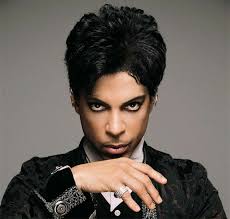
When I heard that Prince was dealing with poor health, I began to worry. Surely this 57 year old multitalented musical god wasn’t near death’s door? Alarm bells went off in my head when I heard about the emergency plane landing on April 15th. Then on the morning of Thursday, April 21st, I flipped to Sirius XM’s Z100NY and thought it was very odd that a Prince song from 1984, “When Doves Cry”, was playing, since the station runs current hits. I pulled into a gas station and turned off the ignition to pump my gas. When I started up the car, “Purple Rain” was playing on Z100NY. I groaned and thought, “Oh no…”, grabbed my phone and looked up Prince. Sure enough, news of his death had hit the world.

prince

It’s been seventeen days since Prince’s death, and I still feel like I was punched in the solar plexus. I have been listening to The Groove to soak up Prince’s music, and my iPod runs Prince tunes while I am training at the gym. Admittedly, though, I already had a collection of Prince songs loaded onto my iPod for many years, so jamming to something like “Sexy M.F.” was a regular occurrence. There is no doubt that I am one of the many millions of Prince fans who are in mourning, who appreciate the enormous talent this man had. Prince was daring, controversial, brilliant, innovative, original, and charismatic, and had a profound influence on my teen years and early adulthood.

R.I.P. Prince.

A Bit Of Sun Exposure Is Vital For Optimal Health

I am copying and pasting a portion of a fascinating article I stumbled upon which echoes my sentiments regarding sun exposure. I will preface this by stating that I am NOT advocating tobacco usage, nor am I advocating excessive sun exposure. However, I strongly believe that a few short minutes of sunlight, perhaps while drinking your morning coffee, can be a great way to ensure that you get vitamin D exposure. Once you have finished your coffee, you can slather on sunscreen and go about your day.

You can see the original full post by clicking on the link below.

http://www.medscape.com/viewarticle/860805?src=WNL_trdalrt_160331_MSCPEDIT&uac=97344MN&jobid=1044157&faf=1

Avoiding Sun as Dangerous as Smoking
Marcia Frellick
March 23, 2016

Nonsmokers who stayed out of the sun had a life expectancy similar to smokers who soaked up the most rays, according to researchers who studied nearly 30,000 Swedish women over 20 years.

This indicates that avoiding the sun “is a risk factor for death of a similar magnitude as smoking,” write the authors of the article, published March 21 in the Journal of Internal Medicine. Compared with those with the highest sun exposure, life expectancy for those who avoided sun dropped by 0.6 to 2.1 years.

Pelle Lindqvist, MD, of Karolinska University Hospital in Huddinge, Sweden, and colleagues found that women who seek out the sun were generally at lower risk for cardiovascular disease (CVD) and noncancer/non-CVD diseases such as diabetes, multiple sclerosis, and pulmonary diseases, than those who avoided sun exposure.


Age and Smoking Habits

The researchers studied sun exposure as a risk factor for all-cause mortality for 29,518 women with no history of malignancy in a prospective 20-year follow-up of the Melanoma in Southern Sweden cohort.

The women were recruited from 1990 to 1992 when they were 25 to 64 years old. Detailed information was available at baseline on sun-exposure habits and potential confounders such as marital status, education level, smoking, alcohol consumption, and number of births.

When smoking was factored in, even smokers at approximately 60 years of age with the most active sun-exposure habits had a 2-year longer life expectancy during the study period compared with smokers who avoided sun exposure, the researchers note.

The authors do, however, acknowledge some major limitations. Among them, it was impossible to differentiate between active sun-exposure habits and a healthy lifestyle, and they did not have access to exercise data.


Role of Vitamin D Still in Question

The results add to the longstanding debate on the role of vitamin D in health and the amount of it people need, but this study doesn’t resolve the question. Whether the positive effect of sun exposure demonstrated in this observational study is mediated by vitamin D, another mechanism related to ultraviolet radiation, or by unmeasured bias cannot be determined. Therefore, additional research is warranted. From Irish studies we know that vitamin D deficiency makes melanomas more malignant," Dr Lindqvist said.

Melanomas of [those not exposed] to the sun had a worse prognosis.

J Intern Med. Published online March 16, 2016. Article

Freckles

freckles_face_makeup_lipstick_hd-wallpaper-78799

Ephelides, more commonly known as freckles, are clumps of melanine containing cells which are more commonly seen on individuals with fair skin. The stereotypical freckle-faced person is red-headed, with fair skin and blue or green eyes. Freckles can be cute, and sometimes they can even look sexy.

Some people celebrate freckles so much that they make sure to keep them visible, while others are annoyed by them and want to get rid of them. My mother held the opinion that freckles were ugly, and went so far as to refer to my freckles as “fly shit”. You can imagine how hearing such terminology made me feel as a child, especially when my classmates were told that their freckles were “angel’s kisses”. Why were my freckles compared to insect excrement? Thankfully, I got over my horror of having fly doo-doo on my face, and I make no effort to hid them, though they have faded over the years as a result of my avoidance of the sun.

Though I don’t fight what nature gave me, I know many people who can’t stand their freckles, and who undergo chemical peels and light-based treatments to rid themselves of the stubborn brown speckling. So when I heard that there was a recent trend in which women were creating freckles with makeup, I was pretty astonished.

Check out this YouTube video from Mykie of Glam & Gore, in which she demonstrates how to create a freckled look:

As a physician who has worked in cosmetic dermatology, I have been keenly interested in any technology or topical agent which can deliver the spot-lightening results which people around the world seek. So I just cannot understand why anyone would be interested in such a bizarre makeup trend.

It Isn’t Just About Fitness: How Fitness Goals Impact Your Entire Life

My latest article for Sports Nutrition Supplement Guide is on the impact that fitness goals can have on every aspect of your life. You can see the original post via the link below, or read the article here as well.

FitnessGoals_310x250

http://sportsnutritionsupplementguide.com/inspiration-motivation/train-perform/item/1585-it-isn-t-just-about-fitness-how-fitness-goals-impact-your-entire-life

You may already be immersed in a fitness plan which enhances your physical strength and flexibility, improves performance, and keeps your physique in tip-top shape. But being physically fit confers a multitude of mental benefits which you might not be aware of. As a matter of fact, the link between physical health and mental health is so strong that people who brush off regular exercise as a time-consuming task are depriving themselves of optimal health and well-being.

Simply by engaging in 30 minutes of moderate intensity exercise 3 to 4 days per week, you can help manage or even prevent mild depression and anxiety through the release of endorphins in the brain. In addition, regular exercise increases energy levels, enabling you to power through a busy day more efficiently. Individuals who exercise regularly also tend to enjoy more restful sleep.

Those of you who hit the gym or engage in other types of physical activity several days per week may also have noticed that simply by being in an exercise environment, your worries and negative thoughts have a tendency to melt away, lending a lot of validity to the phrase “iron therapy”. The sense of community which exists within gym settings or other events (such as 5K races, mud runs, rock climbing events, and other activities) can also be a very effective means of eradicating any feelings of loneliness or isolation.

People who struggle with depression are more likely to be sedentary, and levels of GABA, serotonin, dopamine, and norepinephrine tend to be much lower than in people who work out regularly. Conversely, levels of stress hormones, such as cortisol, tend to be higher in sedentary individuals who suffer from chronic depression and anxiety. A study by the University of California San Francisco determined that women who exercised for 45 minutes over a 3-day period showed fewer signs of cellular aging compared to their inactive counterparts. Other studies have demonstrated that as little as three hours of regular exercise each week can reduce the symptoms of mild to moderate depression as effectively as pharmaceutical antidepressants.

Regular physical activity also benefits cognitive function. Researchers have discovered noticeable physical differences between the brains of people who engage in regular exercise when compared to inactive people. Several studies have found that the hippocampi in fit individuals is much larger. Why is this important? Because the hippocampus is largely responsible for spatial memory, and it is also one of the first regions in the brain to be affected by Alzheimer’s related damage. Exercise also boosts levels of growth factors in the brain which are responsible for higher cognitive functions such as concentration, attention, memory and learning.

Lastly, regular exercise boosts self-esteem and improves body image, contributing to a greater sense of well-being and confidence. Think of how exciting it is when you reach a training goal, such as increased strength or flexibility, weight loss, or a positive change in body composition.

In summary, when you train your body through regular exercise, you also boost brain health and create a greater sense of overall well-being.

Obsessive Compulsive Cosmetics

Obsessive Compulsive Cosmetics, also known as OCC, is a cruelty-free and 100% vegan makeup line which has won great favor with makeup artists. The key feature in this line of cosmetics is the intensity of pigments used, but it hasn’t quite blown up on the mainstream makeup scene, which makes this company a relatively hidden gem. The most popular product in their line is Lip Tar, which comes in a myriad of brilliant and distinctive shades.

lip

Check them out at:

OCCMakeup.com

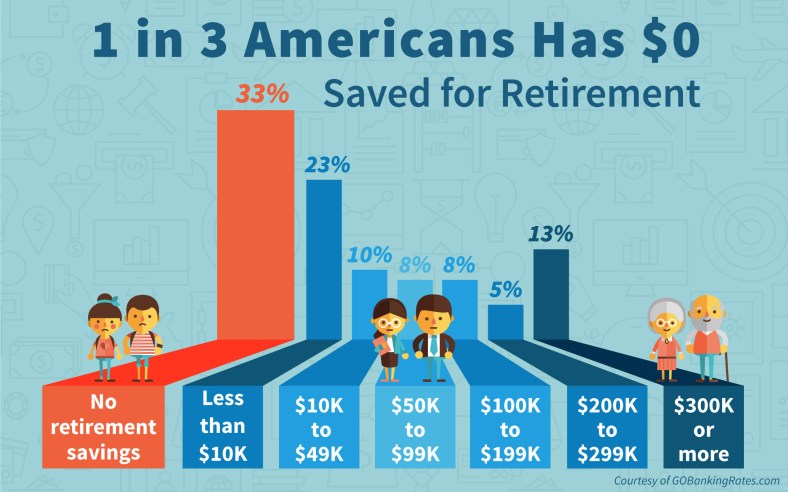
1 in 3 Americans Has $0 Saved for Retirement

I recently came across this article and was shocked by the statistics. In an effort to make people aware of the importance of saving for retirement, I am reposting Elyssa Kirkham’s article below.

To see the original article, please go to: http://www.gobankingrates.com/retirement/1-3-americans-0-saved-retirement/
main_overall
By Elyssa Kirkham March 14, 2016

Saving for retirement is not an area of financial strength for Americans. Too often, meeting the financial demands of today means delaying, diminishing or simply never starting to save for tomorrow.

“There are plenty of obstacles Americans claim are in their way when it comes to saving for retirement: credit card debt, student loan debt, low wages, the need to save for a child’s college education, and the list goes on,” said Cameron Huddleston, Life + Money columnist for GOBankingRates. “Although all of these things can put a strain on our budgets, they don’t necessarily make it impossible to save for retirement.”

GOBankingRates asked Americans how much money they have saved for retirement and found that most people are behind on their retirement savings. These survey findings also provide a helpful benchmark against which readers can compare their own retirement savings balances and progress.

Survey: How Much Americans Have Saved for Retirement

The GOBankingRates survey was conducted as three Google Consumer Surveys, each targeted at one of three age groups: millennials, Generation Xers, and baby boomers and seniors. Each age group was asked the same question, “By your best estimate, how much money do you have saved for retirement?” Respondents could select one of the options as displayed below:

Less than $10K
$10K to $49K
$50K to $99K
$100K to $199K
$200 to $299K
$300K or more
I don’t have retirement savings.

GOBankingRates analyzed the survey results to reveal key insights into how Americans of all ages are saving for retirement. Whether due to various economic factors or not correctly prioritizing finances, many people are not on track to have enough money to cover their expenses during retirement.

56% of Americans Have Less Than $10,000 Saved for Retirement
Most Americans are falling short of the amount of savings required for a comfortable retirement ― if they are saving at all. The most common responses to the question of what people have saved for retirement across all age groups are “I don’t have retirement savings” and “less than $10K,” breaking down as follows:

One-third of Americans report they have no retirement savings.
23 percent have less than $10,000 saved.
Survey: 1 in 3 People Has $0 Saved for Retirement

This lack of savings indicates that just getting started on retirement planning is a significant obstacle for many people. This difficulty can be due to a lack of education on the importance of retirement savings, said Kristen Bonner, the GOBankingRates research lead for this survey. “Americans might also be feeling as though their employer match ― or lack of ― is not enough to make it worth it to open an account, as well the growing trend of changing jobs every couple years and not wanting to deal with rolling over funds from one account to another,” Bonner said.

It’s not all bad news, however:

After “less than $10K,” the most common balance Americans have saved for retirement is “$300K or more.”
A significant 13 percent of Americans’ retirement savings balances are in the top bracket.
“The fact that so many Americans do have $300,000 or more saved for retirement goes to show just how easily the amount of money in your retirement fund can grow over time if you are dedicated to contributing regularly,” Bonner said.


Women More Likely Than Men to Have No Retirement Savings

The gap between men’s and women’s retirement savings is cause for concern for anyone planning for retirement. It’s as much as 26 percent, according to the 2015 Gender Pay Gap in Financial Wellness report from financial education company Financial Finesse. Overall, GOBankingRates’ survey findings show that women are significantly less likely to be sufficiently saving for retirement:

Women are 27 percent more likely than men to say they have no retirement savings.
Two-thirds of women (63 percent) say they have no savings or less than $10,000 in retirement savings, compared with just over half (52 percent) of men.
Survey: Retirement Savings Gap Reveals How Far Behind Women Are

The gap between men’s and women’s retirement savings widens as balances get higher: Whereas men and women are about as likely to have $10,000 to $99,000 saved for retirement, men are twice as likely as women to have savings balances of $200,000 or more.

One reason women fall behind is the gender pay gap. “Women cannot save as much for retirement because they are not earning as much,” Bonner said, citing 2015 U.S. Census Bureau data that shows women earned $0.79 for every $1 men earned in full-time positions. Families trying to prepare for retirement need to factor such deficits into their financial plans.

“Women also are more likely to have gaps in employment to raise children and might not be contributing to retirement accounts during those periods when they’re not working,” Huddleston said.

Women’s retirement savings needs are also greater than men’s. “Women not only need to catch up with men but they also need to save more because their medical costs tend to be higher in retirement,” Huddleston said. Women are also more likely to live longer, increasing their chances of outliving retirement funds.

To make up for anemic earnings and plan for their higher retirement costs, women need to be proactive and save aggressively. “Financial experts typically recommend saving 10 percent to 15 percent of your annual pay, so women should aim for that higher percentage to close the retirement savings gap,” Huddleston said.

Retirement Savings Correlate Closely to Age

Retirement savings are closely tied to savers’ stages of life. For young people just starting their careers, simply saving at all could be a sufficient goal, while those nearing retirement will likely want to have at least a few hundred thousands of dollars in their retirement accounts.

GOBankingRates conducted this survey in three different parts aimed at specific generational age ranges ― millennials ages 18 to 34, Gen Xers ages 35 to 54, and baby boomers and seniors ages 55 and over ― to get an accurate picture of how Americans’ savings differ by life stage:

Millennials are 40 percent more likely to not have retirement savings than Gen Xers and 50 percent more likely than people age 55 and over.
About half of Gen X is making a significant effort to save for retirement ― 48.2 percent have saved over $10,000, including 26.7 percent who have saved $100,000 or more.
Boomers and seniors are 85 percent more likely than Gen Xers to have $300,000 or more in retirement accounts and 4.6 times more likely than millennials to have saved this amount.
Survey: Comparison of How Much Millennials, Gen Xers, Boomer and Seniors Have Saved for Retirement

3 of 5 Millennials Have Started a Retirement Fund
As the youngest group surveyed, millennials are the least likely to have substantial retirement savings. Three in four (72 percent) of millennials have saved less than $10,000 or nothing at all.

Survey: Majority of Millennials Are Saving for Retirement

Additional findings show how millennials’ retirement savings reflect their life stage:

42 percent of millennials indicated they have no retirement savings.
The number of millennials with no retirement savings yet is 52 percent for younger millennials ages 18 to 24 but a more reasonable 36 percent for older millennials ages 25 to 34.
The most common balances that younger millennials have saved are “less than $10K,” at 30 percent, and “$10K to $49K,” at 11 percent.
Older millennials are twice as likely as younger millennials to have saved $10,000 to $49,000, at 14 percent versus 7 percent, respectively.
Related: Retirement Planning Checklist for Millennials

Overall, fewer millennials are saving for retirement than should be, but many millennials’ retirement savings are actually on track, especially among the those ages 25 to 34. For this group, saving now and saving regularly will make all the difference.

“The earlier you start saving, the easier it is ― really,” Huddleston said. “Thanks to the power of compounding, if you start regularly setting aside even small amounts as soon as you start working, you could easily have enough for a comfortable retirement.”

Saving as little as 5 percent of your income can make a big difference long term, Bonner added. “Make sure to always take advantage of any employer matches, and automatically transfer funds from your paycheck to your retirement fund so that you do not even think of that money as disposable income,” she said.

Gen X Still Playing Catch-Up on Retirement After Great Recession
Survey: Most Gen Xers Are Behind on Retirement Savings

Although some Gen Xers are hitting their retirement savings goals, just over half (52 percent) still have less than $10,000 in retirement savings. A big contributor to this low amount could be the Great Recession, which hit Gen X the hardest, costing members of this generation 45 percent of their net wealth on average, according to The Fiscal Times. This loss was a major setback for a generation that is saddled with a wide range of financial obligations, from mortgages to aging parents and children entering adulthood.

Younger Gen Xers are falling further behind on retirement savings than their older counterparts, who are twice as likely to have retirement savings with high balances:

Both younger Gen Xers (ages 35 to 44) and older Gen Xers (45 to 54) are equally as likely to not have a retirement account, at 31 percent.
Among younger Gen Xers who have a retirement account, most have lower balances of less than $50,000.
Older Gen Xers’ balances reflect good starting contributions that could earn considerable compound interest over time:

An impressive 40 percent of older Gen Xers have managed to save $50,000 or more in retirement accounts.
Over half of those older Gen Xers in that 40 percent have balances of $200,000 to $299,000 (7 percent) or $300,000 or more (15 percent).
“These figures are encouraging,” Huddleston said, “but this generation still could be setting aside a lot more if they actually want to have a comfortable retirement.”

Only 1 in 4 People Age 55 and Over Has More Than $300K Saved
As respondents get older, the gap between the savers and the save-nots widens. Although a larger portion of people age 55 and over report high-balance retirement funds, there remains a significant subgroup that has little to no retirement savings:

About 3 in 10 of respondents age 55 and over have no retirement savings.
26 percent report retirement savings with balances of under $50,000, an amount that is insufficient for people nearing retirement age.
Over half (54 percent) of people age 55 and over have balances far behind typical retirement fund benchmarks for their age group.
Survey: Nearly 30% of Boomers and Seniors Have No Retirement Savings

Some of those 55 and over who lack savings might not need them, Huddleston pointed out. “[They] might be among the dwindling group of Americans who will get a pension and will benefit from having an employer who set aside retirement funds for them.”

More likely, however, those without retirement savings couldn’t or didn’t make saving for retirement a financial priority. “Without savings of their own, they’ll have to rely solely on Social Security,” Huddleston said. Baby boomers most often cited Social Security as their expected primary source of retirement income (35 percent), according to a 2015 report from the Transamerica Center for Retirement Studies, whereas Gen Xers and millennials expected retirement accounts like 401ks or IRAs to be their main source of retirement income.

On the other end of the spectrum, many baby boomers and seniors have successfully socked away substantial savings in retirement accounts:

26 percent of baby boomers nearing retirement (ages 55 to 64) report healthy retirement savings with balances of $200,000 or more.
31 percent of seniors at or above the retirement age (65 and over) have balances of $200,000 or more.
“Those who have saved more than $300,000 have clearly made saving for retirement a priority and want a more comfortable lifestyle in retirement than what Social Security benefits will afford them,” Huddleston said.

About 75% of Americans Over 40 Are Behind on Saving for Retirement
Using this survey data as a snapshot of Americans’ retirement savings progress ― or lack thereof ― GOBankingRates sought to get a better look at how many people are actually on track to retire comfortably. To do so, GOBankingRates compared survey responses to key retirement savings benchmarks based on a savings rate of 5 percent of income and checkpoints sourced from J.P. Morgan Asset Management, as well as Census Bureau data on median incomes by age range. Based on those data sets, GOBankingRates determined that people of the following ages, representative of the survey age groups, are on track or behind at the following rates:

Age Median Income Retirement Savings Benchmark Percentage on Track Percentage Behind
24 $34,605 Started a retirement fund 48% 52%
30 $54,243 $16,272.90 33% 67%
40 $66,693 $100,039.50 20% 80%
50 $70,832 $212,496.00 22% 78%
60 $60,580 $260,494.00 26% 74%

A little less than half of people ages 18 to 24 are on track simply by having started a retirement fund. Among the people just a few years ahead of them, around age 30, significantly more ― two-thirds ― are already behind on saving for retirement.

Younger people are in the best position to recover if they’ve fallen behind because they have more time to use compound interest to their advantage. “Those who are in their 20s and 30s with $10,000 or less in retirement savings still have time to catch up if they make saving a priority,” Huddleston said.

For those age 40 and over, however, the picture is bleaker: Among those in their 40s and 50s, four in five savers have balances that fall behind the benchmarks for their age groups, which means only about 20 percent are on track for retirement. Among those 60 and over, about a quarter have sufficient retirement savings, but the other 74 percent are still behind.

“The real problem is procrastination,” Huddleston said. “People naturally tend to focus on the bills that are due today ― and the things they want now ― and assume they’ll have time to save for retirement later. But, before you know it, 20 or 30 years have passed; you’re approaching retirement age but you don’t have enough saved to retire.”

How to Catch Up If You’re Behind on Retirement Savings

With less time to save as each year passes, these older age groups need to reevaluate their financial priorities. The large majority of Americans age 40 and over who are behind on retirement savings can potentially catch up or compensate for their anemic retirement accounts by making changes to their savings plans now.

1. Stick to a Routine
The first step is to start saving regularly. Consistent savings, even in just small amounts, is the best way to ensure a retirement fund is growing. “Day to day, it might not seem as if the balance in your 401k or IRA is increasing significantly, but 10, 20, 30 years from now, your future self will be thanking you,” Bonner said.

If money is put into high-yield accounts or invested wisely, compound interest on small savings can help produce a sizable nest egg. “If you wait until you’re 40 or so to start saving, you’d have to save three or four times as much ― or more ― each month to accumulate the same amount as those who start saving earlier,” Huddleston said.

2. Prioritize Changes That Have Long-Term Benefits
Upping retirement savings contributions is also necessary to catch up. People age 50 and over can make catch-up contributions of $6,000 to a traditional 401k, for example, in addition to the regular $18,000 annual 401k contribution limit, according to the IRS.

Those nearing retirement can also help prepare for retirement by reducing spending and paying down debt, which will trim monthly expenses and enable them to stretch their savings further once they retire.

3. Save Like You’ll Retire Tomorrow
Lastly, those nearing retirement might need to adjust their expectations, Huddleston said. “Older Americans with little saved will have to work a lot harder to set aside more and likely will have to work longer ― or never fully retire,” she said.

Many Americans do not recognize retirement savings should be an urgent priority in their lives, according to Bonner. “The trending attitude today is to ‘enjoy life to the fullest,’” she said. “However, even though retirement seems far away to many people, and they think that there is still plenty of time to begin saving, Americans must make their future selves a priority and take all necessary steps to set themselves up for a comfortable financial future.”

People who view retirement as something that is just around the corner can help themselves stay on top of their retirement contributions so that they don’t fall behind. By keeping retirement at the top of the financial priority list, it can become less of a far-off dream and more of a soon-to-be reality.
Taking Youth For Granted – Part 2

young-woman-feels-bad-about-eating-junk-food-smaller

Though there are plenty of young people who are fitness-conscious and practice healthy eating habits, there are also many who tempt fate by eating poorly, avoiding exercise and physcial activity, and who party every weekend. When I am at fitness events, I tend to see the fit people, but as a doctor, I see the individuals who don’t know how to take care of their bodies. As an example, I remember seeing one patient who, at the age of 20, was disgusted with herself, and who begged me to give her some advice on how to get in shape quickly and easily. She was about 20 pounds overweight, and it was obvious that she didn’t exercise at all. Her skin was dull and peppered with acne, and her eyes were bloodshot.

I was in the midst of giving the patient general recommendations on eating healthy and getting regular exercise, when she interrupted me. “Ummm, excuse me doc, but I’m not gonna stop eating at Burger King! It’s my daily stop for dinner, and it’s right by my work, so I can just pick it up and eat it in the car before I get home.” I was so stunned that I had to clarify the frequency of her visits with her to make sure I heard her right. Yes, she would visit the Burger King drive-thru every single night after she finished work, and would wolf down a burger in the car because she was always famished from not eating all day. Then she would go home and eat chips while sitting in front of the television. When I told her how unhealthy her eating habits were, she stated, “I don’t see what the big deal is anyway. I mean, I hate vegetables and all that healthy crap other people eat. Besides, I’m young, so it doesn’t even matter!”

That patient wasn’t the only one I have seen who refused to eat right and exercise, but she was particularly stubborn and set in her ways. She walked into that office not wanting me to truly help her, but instead wanted me to give her a prescription for a diet pill so that she could slim down for bikini season. I shook my head and told her that I don’t believe in them, and that I would not give her a prescription, whereupon she hopped off the examination table and said, “Whatever. I thought you were supposed to help people with weight loss shit, but I guess not. See ya.”

When I see young people eating all kinds of crap on a consistent basis, it saddens me, because I know that poor eating habits will have consequences on their health. Nine times out of ten, those same people will hit the clubs on the weekends and go on drinking binges. Some of them don’t even wait until the weekend to get their party on. I can guarantee that people who adopt atrocious habits like these will show signs of age much faster, and will put themselves at a much greater risk for developing diabetes, high cholesterol, high blood pressure, and cancer. Though they may think that their youthfulness protects them, they usually will get a wicked surprise down the line when disease processes begin to rear their ugly heads.

If you want to optimize your health for the long term, make sure to consume healthy food options the majority of the time, limit alcohol consumption, don’t smoke, and get plenty of regular exercise. Those measures can serve as the best insurance policy for wellness as you get older.

Taking Youth For Granted – Part 1

stupid

There’s a saying I used to hear quite frequently when I was a teenager, which was, “Youth is wasted on the young.” What’s funny is that I can’t remember who used to say it, but I heard it enough times that it seeded in my brain as part of my belief system as I got older. The feeling of being invincible, and the illusion that time is limitless, can fool youngsters into thinking that all the opportunities which they are flooded with will always be there. They may be too busy having fun and partying to build a foundation for the future. Though I had enough common sense to keep myself out of trouble most of the time when I was younger, I had moments when I would do something foolish or rash, and in those moments, I would jeopardize my own chances of success. However, despite the times I stumbled, I was able to accomplish more than the average young adult, so perhaps youth wasn’t completely wasted on someone like me.

I have come across some very disciplined young adults who were able to explore and develop their talents without trudging into the muck of ambivalence and laziness. They were obviously encouraged by parents and educators to formulate dreams and pursue related goals. These impressive overachievers definitely didn’t waste their youth, but have transformed their vibrant energy, passion, and creativity into lofty achievements. They also have shown a tendency to create a real impact on others through their ingenuity, their compassion, and their drive, and by doing so, have become leaders who will leave a true legacy.

There’s an odd and delicate balance which young people are challenged to figure out. Though they are encouraged to grab life by the horns and go for it, they are also expected to have the sense to pace themselves and stick to the straight and narrow course during a time when distractions and temptations abound. It’s no mystery why some twenty-somethings may find themselves in a situation in which they have to repair their finances, become centered, and undo all the damage which playing or partying too much can create. I know I wouldn’t want to be a youngster again, and I certainly wouldn’t want to experience my youth in this day and age.

The best advice I can give to someone who is young is to BUILD FOR THE FUTURE. Sure, it can be fun to party on the weekends and hobnob with the movers and shakers in the social media world, but make sure you are working towards goals which enable you to grow as a person, which ensure financial stability for the future, and which give you a platform on which you can impact the world. Make sure that you are doing things that your parents can be proud of, and which your future children won’t be embarrassed by. Everything you do has some sort of impact, even if that impact is only on yourself.

Contouring

kim kardashian Before-And-AfterInstagrammers who are into the concept of applying face makeup in a manner similar to warpaint, then blending it in like mad to create a “flawless, airbrushed finish” have been littering the site with countless images of the process. It is now commonplace to see a “before” image juxtaposed with a “during” image in which the subject is covered in a pattern created with highlighter, foundation, and contour shade, and the “after” image. Major makeup lines have launched contour and highlight kits in answer to this makeup trend. Now Kim Kardashian wannabes can use these kits to create an overly “done” look which can transform a person’s face, often to the point of making the person unrecognizable.

While I understand that contouring and highlighting can do wonders for uneven skin tone, uneven texture, dark eye circles, wide noses and indistinct jawlines, I have a couple of problems with the current trend. First off, I see no reason to go through so much contouring and transforming for a daily look. Photo shoots and special events, yes. Going to the grocery store, uh, no. The second issue I have with the contouring trend is that suddenly, every woman thinks she is a makeup artist. Though makeup companies have taken the fuss out of purchasing everything a la carte, using one of the contouring kits requires some skill, especially if a woman wants to do corrective makeup. I have seen women who are relatively clueless about BLENDING. Another thing I have seen is women who pick the wrong foundation shade, which makes the contouring and highlighter look garish. Even men have jumped in on the contouring frenzy (admittedly, most of them are makeup artists), and have developed a regular habit of posting contouring videos featuring themselves as the models.

before-and-after-contouring Mona Lisa

I don’t have a problem with people wanting to improve their personal appearance so that they can look their best, but I honestly think that the makeup frenzy which has become so popular is getting out of hand. Slap a bunch of contour onto a face to create angles which aren’t there, use brow stencils to draw in brow shapes, apply false lashes, draw in a false lip line to create the illusion of fuller lips, and voila! You no longer have to look like yourself, especially if you have jumped on the injectable filler bandwagon and don’t know when to stop filling your cheeks or lips. Allow your natural features and your true beauty to show a little.

The Language Of Medicine

stethoscope

I often forget that my brain was heavily bombarded with tens of thousands of medical terms, because I have no use for about 95% of those words in my daily life. But there is a vast ocean of multisyllabic words swirling around in the depths of my memory which would make any logophile giddy with delight. Back when I was in grade school, I had already cultivated a strange fascination for long coils of letters, a fascination which became an advantage as I was able to spell difficult words with ease, and could edit my friends’ term papers fluidly.

Once I reached my college years, I immersed myself in the world of complex vocabulary by concentrating on the sciences. I thought the terminology used in chemistry, comparative anatomy, physiology, and microbiology was absolutely beautiful, and enjoyed learning it all. Even now, when I alight upon a scientific passage or book (a recent favorite was The Disappearing Spoon by Sam Kean), I almost get giddy with anticipation of what I am about to read. Though I appreciate the world of medical nomenclature and can pronounce the tongue-twisting jumbles of letters, I no longer have the same passion for them I once had.

I know that one of the reasons why I no longer adore words like cholelithiasis (gallstones) is because of my deep immersion in medical language for so long. I became tired of having to memorize massive amounts of information, and I realize there are esoteric medical terms taking up valuable real estate in my brain, terms which I will likely never use because they delve into subspecialties like hematologic oncology or cardiothoracic surgery, neither of which I discuss at length. I still remember most of the mnemonics which are a necessary part of the memorization process and am thankful for their existence. But there are only a few which stuck, the ones which have utility in my current practice of medicine, such as OOOTTAFAGVAH, SEXLAB, and “Some Lovers Try Positions That They Can’t Handle” (I will leave these undefined for those of you who like puzzles).

In some ways I guess I could say that I am bilingual, since medical speak is a completely different entity from regular, everyday speech. When my medical hat is on, I shift in to medical language effortlessly, and occasionally find it challenging to replace descriptive medical vocabulary with layperson terms. Usually the blank stare from a patient or friend is enough to jar me from my speech patterns and find more general words to describe a physiological process, a disease, or a treatment course. I suppose the science nerd in me will remain very much intact as a result of the vocabulary floating around in my noggin!