 I hate the color pink with a passion, regardless of whether it’s baby, bubble gum, rose, magenta, hot, blush, fuschia, or any other shade in the pink portion of the spectrum. So it bothers me to no end when people, especially men, assume that every female likes pink and that all females should identify with the color since it is a “girl’s” color. I am not a fan of gender stereotyping and find myself delighted when I hear a woman say she hates pink, or that she refuses to dress her young daughter in pink. Amen to that!
My mother certainly fell under the gender constraints which dictated that her daughter must wear pink, but thankfully she allowed me to assert my personality and hatred of pink in my day to day wear. However, I did not win the battle when it came to my yearly portrait sitting. In fact, there were SEVERAL years in which I was made to wear baby pink chiffon dresses to my portrait sitting. This was utter torture for me, because I felt like a poof of pink cotton candy, ultra-girly and completely unlike the tomboyish girl I was. My mom would point out that I would only have to wear a dreaded pink garment for a few hours, and that pink was SUCH a good color on me. Truth be told, many shades of pink flatter my complexion very well, but the mere sight of pink just turns my stomach and I will not wear it, period.
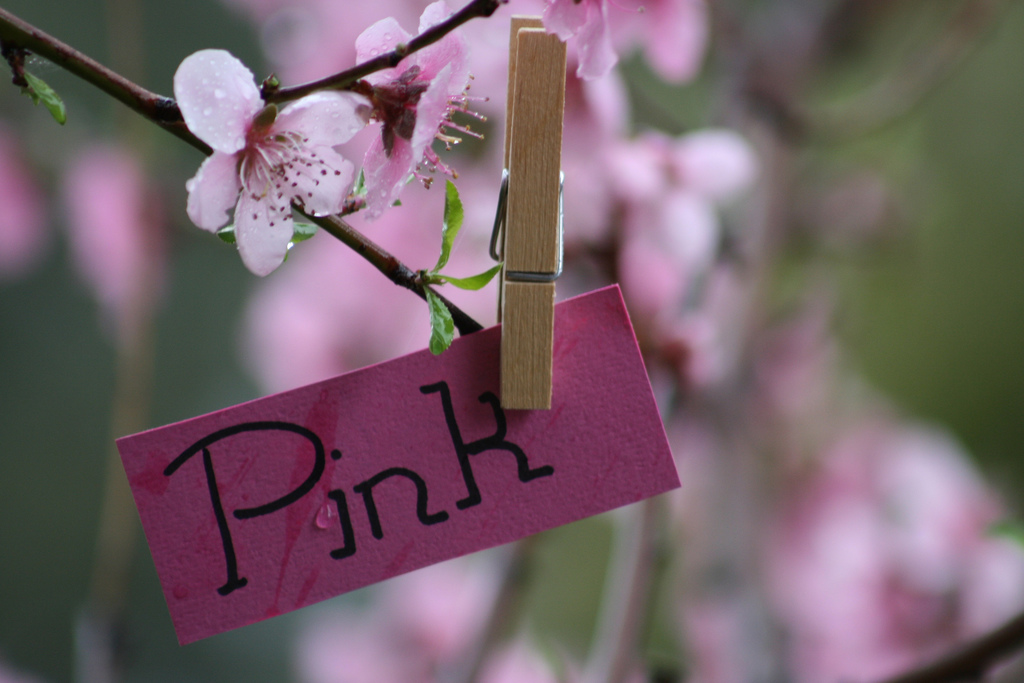
Some people may regard pink as a happy, calming, comforting color, but to me, it is just plain UGLY. Even with purple, which is one of my favorite colors, any strong leaning towards the pink spectrum and I will choose a different color entirely. I look at pink and I think of Pepto-Bismol and weakness. It is very safe to assume that I will reject anything (that includes clothing, accessories, decor items, etc.) that is pink. I can guarantee that I will never have logos or merchandise which have the color pink in them. It was difficult for me to pick an image for this blogpost because I knew it had to be pink. My hatred of pink is consistent and pervasive.
Pink is NOT for this girl!
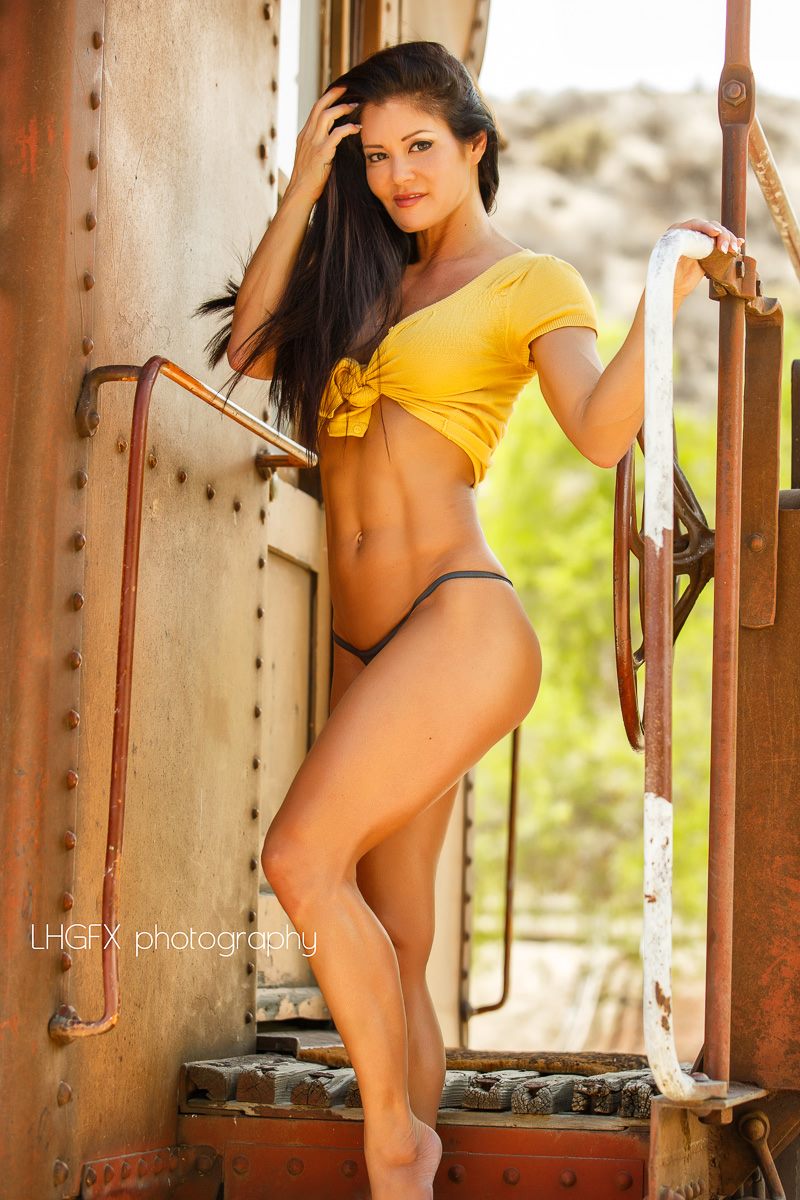
 I am starting to get very tired of men who are trying to kill the principle of chivalry by abandoning gestures that make a woman feel special and cared for. Perhaps this has something to do with the fact that I am physically strong with visible muscular development, or perhaps it has something to do with the fact that I am a mentally strong and independent woman. However, just about every woman I know likes having doors opened for her and having chairs pulled out when she is about to sit down. Call me old-fashioned, but I have always considered such things the mark of a gentleman rather than as a sign of male chauvinism.
Another thing that irks me is when men do not make any move to help if a woman is carrying a bunch of heavy items. Some will even complain that they do not want to be seen as strong men capable of lifting and moving heavy objects because then they feel obligated to help out. When you consider the fact that men outweigh women and have more muscle mass than women, wouldn’t it make sense to offer to help? I have moved 7-1/2 feet tall Noble Firs into the house for Christmas with no help whatsoever, almost throwing my back out in the process. I have also injured my shoulder and wrist when carrying heavy things by myself because men (make that BOYS) were unwilling to help out.
Just to make things very clear, I like having doors opened for me, and I regard offers to help me move items a sign of regard for my safety. I will never take such offers as insults. Men who do such things have manners, something that is seriously lacking in the younger generations.

Taken by Noel Daganta. All rights reserved.

Cell phone technology has become so advanced that we now carry handheld supercomputers with us wherever we go. What I do NOT like about this supposed convenience is that it has enslaved us to the gadgets. Between checking emails, texts, voicemail messages, Twitter, Facebook, and Instagram via my phone on a daily basis, I have developed a rather hearty love-hate relationship with the thing. There is also a bit of a damned-if-I-do, damned-if-I-don’t curse which has pervaded my daily life. If I take my phone with me, I get bombarded, and if I leave my phone in the car or at home, I will invariably upset someone by not being readily available as a result.
I remember the good old days when people would call you at home, and if you weren’t available, they left a message which you could return at your convenience. In this instant feedback network we have created, we have become so accustomed to immediate responses that cell phones have become an immense distraction to the natural rhythm of life. In some sense we have sacrificed freedom for convenience, an ironic thing when you think about it. I remember getting my first cell phone and feeling so liberated because I no longer had to worry about people having difficulty getting in touch with me, and for some time it was incredibly convenient. Lately, however, I find myself constantly checking my phone’s buzzing or vibrating to see if the incoming communication is a Facebook email, a Yahoo! email, a text message, a voicemail message, a Tweet, etc. I see others doing the same thing, often to such an extent that they will ignore friends they are congregating with in order to check their phones.
I am very curious to know what all this technology and convenience is doing to our ability to take a break from the day and truly relax. My concern over this has resulted in a daily habit I have which is to put my cell phone on the charger when I come home, set the phone face down, and TAKE A BREAK from it. I am sure the rest of you could do the same without any negative effects. I have no intention of continuing to be encumbered by a Smartphone!
Below is the list of IFBB Pro Bikini athletes who will be gracing the Olympia stage this weekend. Cognratulations to all!

2013 BIKINI OLYMPIA
Nathalia Melo, Brazil
Nicole Nagrani, USA
India Paulino, USA
Dianna Dahlgren, USA (retired)
Jaime Baird, USA
Yeshaira Robles, USA
Michelle Brannan, UK
Justine Munro, Canada
Amanda Latona, USA
Vladimira Krasova, Czech Republic (Overall Winner, Amateur Bikini Olympia)
Ashley LeBlanc, USA
Stacey Alexander, USA
Jennifer Andrews, USA
Pollianna Moss, USA
Courtney King, USA
Ashley Kaltwasser, USA
Narmin Assria, USA
Candice Conroy, USA
Anna Virmajoki, Finland
Noemi Olah, Hungary
POINT STANDINGS
1. Lacey DeLuca, USA, 14
2. Tiffany Marie Boydston, USA, 13
2. Jessica Arevalo, USA, 13
2. Tawna Eubanks, USA, 13
2. Gigi Amurao, USA, 13
This year’s Olympia stage will welcome IFBB Men’s Physique athletes for the first time. Congratulations to all who are competing!
2013 OLYMPIA MEN’S PHYSIQUE SHOWDOWN
Stephen Cook, USA
Matt Christianer, USA
Michael Anderson, USA
Mark Anthony Wingson, USA
Anton Antipov, USA
Sadik Hadzovic, USA
Matthew Acton, USA
Jeremy Buendia, USA
Tony Woodward, USA
John Nguyen, USA
Jeff Seid, USA
POINT STANDINGS
1. Tyler Anderson, USA, 12
1. William Sullivan, USA, 12
3. Alexandre Carneiro, USA, 11
3. Jason Poston, USA, 11
5. Stephen Mass, USA, 10
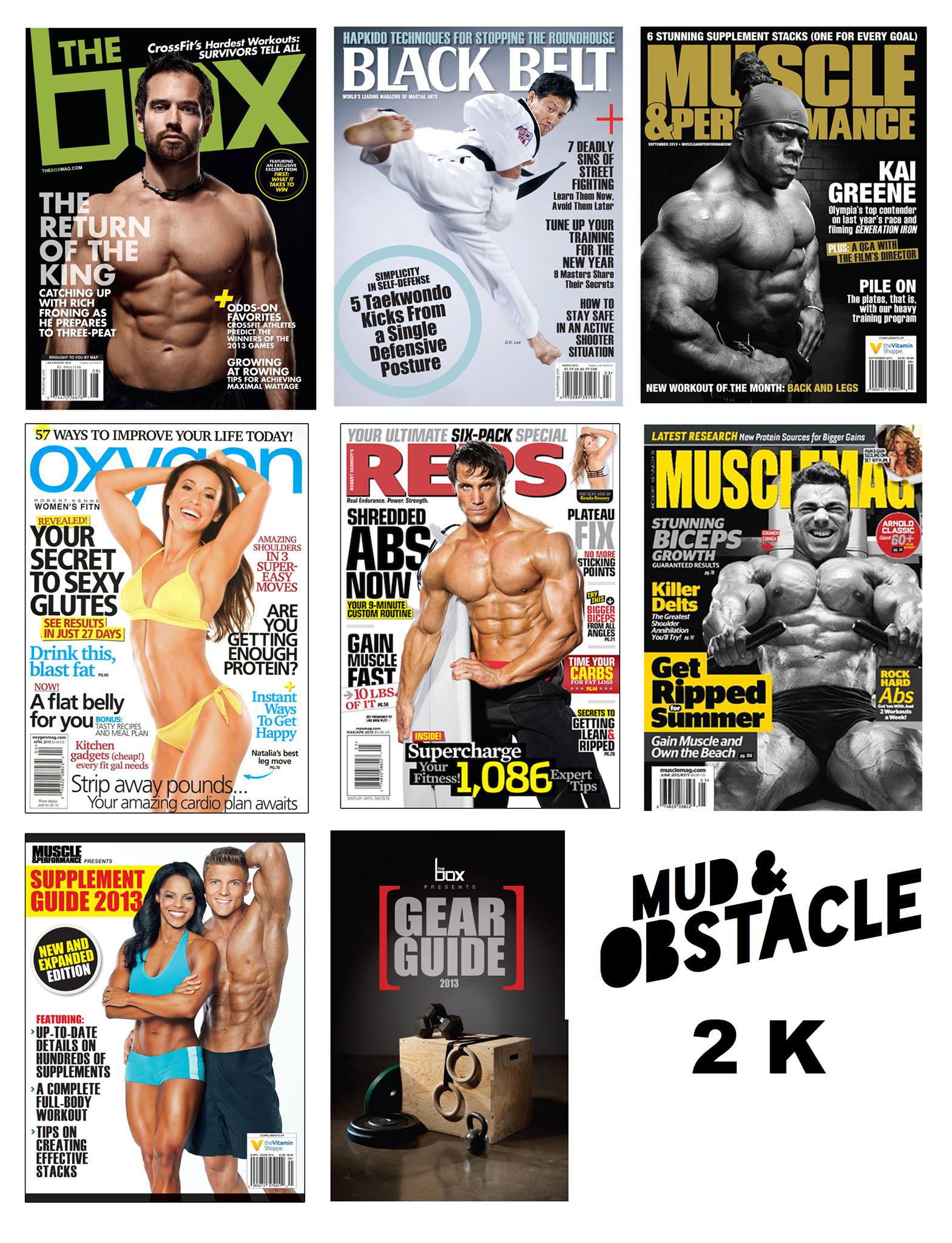
Muscle & Performance Magazine is enjoying a tremendous year with Muscle & Performance, Black Belt and The Box magazines, and will resurrect Oxygen, Reps and Musclemag magazines as a result of its acquisition of RKP recently. I am so honored to be working this booth again this year!