CoQ10’s Benefits

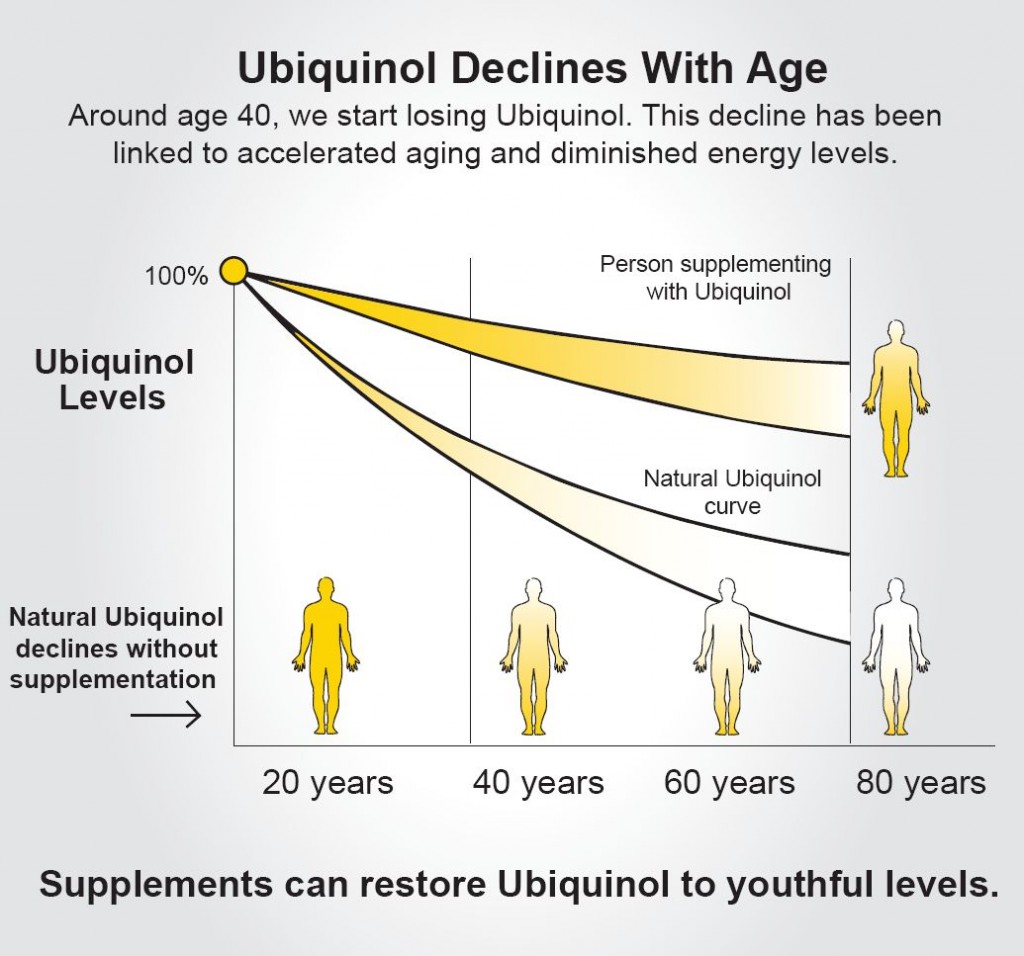
CoQ10 ChartCoenzyme Q10 is an essential nutrient found in every cell of the body which is involved in cellular energy production. It confers a protective effect against damage from free radicals, thus also classifying it as an antioxidant. CoQ10 can be found in a multitude of foods, but is especially high in beef, peanuts, sardines, mackerel and organ meats.

CoQ10 has demonstrable effects against cardiovascular disease, cancer, and periodontal disease, and is also said to boost recovery from exercise. However, the most documented effect on health which CoQ10 has is its beneficial effect on treating hypertension. People with hypertension have CoQ10 levels which are below normal, and these same individuals have shown a reduction in blood pressure when supplemented with CoQ10.

Another strong benefit of CoQ10 supplementation is treatment of periodontal disease. CoQ10 can reduce the swelling, bleeding, pain and gum recession which characterize the disease. However, pairing this supplement with vitamin C would yield stronger benefits.

Some individuals take CoQ10 to reverse skin damage and preserve the collagen and elastin in skin. Levels of CoQ10 decrease with advancing age, resulting in decreased ability to produce collagen and elastin, so taking CoQ10 orally or applying it topically may boost skin repair.

Most individuals should supplement with 100 milligrams of CoQ10, but if insomnia occurs, take half the dose and only take it in the morning. Side effects at high doses (300 milligrams or more per day) include rashes, abdominal pain, nausea, dizziness, headache, fatigue and sensitivity to light. Individuals who are taking warfarin may experience a diminished response to the blood thinner when taking CoQ10. Diabetics will experience decreased insulin requirements when taking CoQ10.

Magnesium Supplementation

MagnesiumMagnesium is an essential mineral which is involved in over 300 biochemical reactions in the body, including energy production, transmission of nerve impulses, regulation of body temperature, detoxification, and formation of healthy bones and teeth. It also aids in the body’s absorption of calcium. As if this wasn’t enough, magnesium is involved in protein synthesis, muscle function and normal parathyroid function. It prevents the development of osteoporosis, coronary artery disease, stroke, constipation, diabetes, high blood pressure, migraines, kidney stones, gallstones, insomnia, depression, anxiety, and also enhances the bioavailability of cholesterol and vitamin B6. Women also gain relief from the symptoms of premenstrual syndrome and menopause when they have sufficient levels of magnesium.

Be careful not to oversupplement with magnesium, because in large doses it can cause low blood pressure, muscle weakness, fatigue, diarrhea and nausea. Magnesium can also interact with some heart medications, antibiotics and diuretics. Anyone with significant disease or illness should be evaluated by a physician before taking magnesium supplements.

Magnesium can be found in whole grains, fish, leafy green vegetables, dark chocolate and nuts (particularly almonds), but it is difficult to get the recommended daily allowance from food sources alone. You can take 400 milligrams per day in two or three divided doses. Chelated forms, which are forms ending in “-ate” (citrate, taurate, glycinate) tend to be better absorbed by the body and are preferred over other forms. There are also magnesium topical formulations available which some say is a more readily absorbed form.

What Is Folic Acid?

Folic acid is one of the B vitamins which is essential for the formation of new cells as well as the formation of DNA. The natural form is known as folate and is found in foods such as leafy green vegetables, asparagus, lentils, yeast, mushrooms, organ meats, bananas, melons, lemons, orange juice and tomato juice. Most people do not get adequate amounts of folate from foods sources, and the body does not assimilate the natural form as readily as folic acid, which is the manmade form.

The most well known use of folic acid as a supplement is in women who are trying to get pregnant and in pregnant women. Folic acid is documented as a safeguard against neural tube defects which occur very early in prenatal development. The risk of neural tube defects is reduced by 50 to 75 percent in women who take at least 400 micrograms of folic acid daily for at least one month before conception and throughout the first trimester of pregnancy.

Women who have sufficient intake of folic acid and folate also have significantly reduced risk of developing high blood pressure later in life. It is believed that folic acid reduces the risk of high blood pressure by causing blood vessels to relax, thus improving circulation.

Folic acid is used in treating folic acid deficiency, poor intestinal nutrient absorption, ulcerative colitis, liver disease, alcoholism, and end-stage kidney disease. It is also used to treat anemia and heart disease, memory loss, vitiligo, nerve pain, muscle pain, depression, age-related hearing loss, Alzheimer’s disease, osteoporosis and restless legs syndrome. It is also used topically to treat gum infections and gum disease. Additionally, folic acid can be used in a preventative manner for age-related macular degeneration, colon cancer, and cervical cancer.
folic acid
There are some side effects associated with high doses of folic acid, such as diarrhea, stomach upset, abdominal cramps, irritability, excitability, nausea, gas, behavior changes, skin reactions, rashes and pernicious anemia. A safe daily dosage of folic acid for most people is 400 micrograms per day.

My Recipe For Yummy And Competition-Friendly Sweet Potatoes

Please note that this makes a BIG batch!

INGREDIENTS:

3 pounds sweet potatoes or yams
3 tbsp. olive oil
2 tbsp. balsamic vinegar
1/2 tsp. pure vanilla extract
1 teaspoon pumpkin pie spice
1 teaspoon cinnamon
1/2 teaspoon ground cloves

Cut the sweet potatoes/yams in cubes (I peel them beforehand if not too lazy) and place in a clean bag. Mix remaining ingredients in a separate bowl. Add mixture to bag, secure opening and shake until potatoes are evenly coated. Place on roasting pan that has been sprayed with non-stick cooking spray.

Bake for 55 minutes at 450 degrees.

Makes 16 3 ounce servings. YamsYUM!