Omega Fatty Acid Benefits

Unless you have been living under a rock you have heard a fair amount about omega 3 and omega 6 fatty acids, both of which are used in supplements. The reason why omega 3 and omega 6 fatty acids are packaged together in supplements is because they are essential, meaning that while our bodies require them, we are unable to manufacture them and must obtain them from outside sources. Omega 9 fatty acids are non-essential, meaning that our bodies manufacture them as the need arises. Research has shown that omega 3 fatty acids are by far the most important of the different types.

Omega fatty acids reduce low density lipoprotein (LDL, or bad cholesterol) stores in the body and reduce inflammation in the body. In so doing, they decrease the risk of heart disease as well the risk of Alzheimer’s disease and cognitive decline. Those of you who prefer to get nutrients mostly from food sources will find high levels of omega 3’s in fatty fish such as salmon, tuna and mackerel, as well as walnuts and flax, while omega 6 sources include soybeans, sunflowers, nuts and seeds.

OmegasHowever, if you have a concern that you might not be able to get sufficient amounts of omega 3’s into your daily diet, you can take supplements. Beware of supplementation with omega fatty acids if you have a blood clotting disorder or are taking anticoagulant medications such as aspirin or warfarin. My favorite supplement is Ultimate Omega from Nordic Naturals (pictured here). This is completely burpless, meaning that you won’t get a fishy “repeat”after taking these gel caps.

Eat Your Veggies!

I know there are plenty of you who avoid eating vegetables, but they pack tremendous health benefits and should be a part of your daily food intake. First of all, they are packed with vitamins, minerals, and have strong antioxidant properties which have a protective effect on the development of major diseases. They are also packed with fiber and will help to optimize digestion. Vegetables are low in calorie density which means they will fill you up more quickly without the calorie punch of foods which are high in fat.

Some of you may balk that you don’t like vegetables, you don’t have time to cook, or that you can’t consume fresh produce before it spoils. I understand these concerns, but I have a response and a solution for all of these concerns.

I DON’T LIKE VEGETABLES. – Really? You don’t like ANY of them? There is such a huge variety of vegetables out there that I am sure there is something you would like. There are also ways of preparing some vegetables that render them absolutely delicious, so it might be a good idea to broaden your horizons and explore the wide array of choices out there. Here is a small list of the many choices that are out there:

VegetablesAcorn Squash
Artichokes
Asparagus
Belgian Endive
Bell Peppers
Bok Choy
Broccoli
Brussels Sprouts
Butter Lettuce
Butternut Squash
Cabbage
Carrots
Cauliflower
Celery
Chinese Long Beans
Chives
Collard Greens
Corn
Eggplant
Green Beans
Leeks
Mushrooms
Mustard Greens
Onions
Parsnips
Peas
Potatoes
Radicchio
Red Leaf Lettuce
Rhubarb
Romaine Lettuce
Rutabagas
Snow Peas
Spinach
Spring Baby Lettuce
Sugar Snap Peas
Sweet Potatoes
Swiss Chard
Watercress

I DON’T LIKE TO COOK/I DON’T HAVE TIME TO COOK. – Perfect. Guess what? Many vegetables can be eaten raw. What’s your excuse now?

I CAN’T GET TO PRODUCE BEFORE IT SPOILS. – If this is a major issue for you, simply turn to the frozen varieties which are available. Freezing vegetables preserves the nutrients which they contain, making the frozen variety a healthy option for those on the go.

NOTE: Canned vegetables do not carry the same nutritional punch and you should generally avoid them.

Make sure to eat at least 3 to 5 servings of fruits and vegetables a day.

The Other Carnitine Molecule – Brain Booster

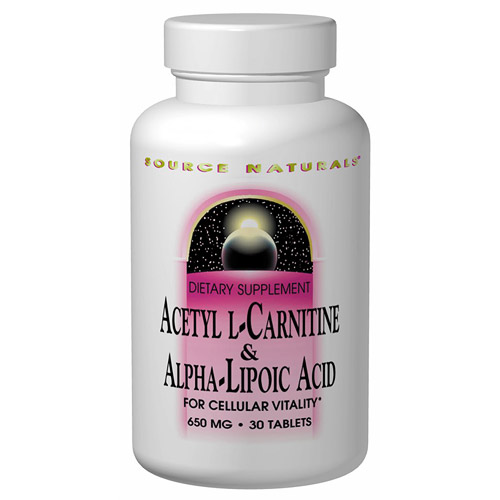
Since yesterday’s post discussed the energy and fat loss benefits of L-carnitine tartrate, I thought it might be best to discuss the brain boosting benefits of the other carnitine molecule which is used commonly as a supplement. Acetyl-L-carnitine helps to reverse some of the functional impairment which occurs in the energy powerhouses of cells known as the mitochondria, thereby improving cellular function. The natural oxidative process which occurs in cells has a cumulative and damaging effect on mitochondria which compromises cellular function throughout the body, but most notably in the brain. Numerous studies have confirmed that cognitive function is enhanced when subjects are given acetyl-l-carnitine. The most powerful safeguard against oxidative damage and free radical formation is to supplement with BOTH acetyl-l-carnitine and alpha-linoleic acid (ALA).

General recommended daily doses are the following:

Acetyl-l-carnitine: 500 to 1,500 milligrams per day

ALA: 150 to 450 milligrams per day

Source Naturals is a good brand to take and it offers a supplement which combines both acetyl-l-carnitine and ALA in one tablet. Each tablet has 500 mg of acetyl-l-carnitine and 150 mg of ALA, so you could safely take this supplement one to three times daily.

acetyl-lcarnitine-alpha-lipoic-acid-60

L-Carnitine For Energy And Fat Loss

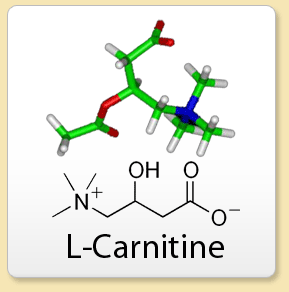
L-CarnitineI am personally a big fan of l-carnitine supplementation and make sure to add it to my intra-workout drink each day that I train. This amino acid compound, consisting of lysine and methionine, can be found in a couple of different forms. This article discusses L-carnitine tartrate, which is the form known to benefit athletic performance and recovery.

There are a couple of important points to consider when supplementing with carnitine. First of all, insulin must be present in the body for carnitine to enter muscle. One way of taking carnitine is to ingest carnitine with carbs so that there is an insulin release, but another effective option is to ingest carnitine with omega-3 fatty acids. Omega-3 fatty acids optimize cell membrane health, thus making cells more sensitive to insulin. Carnitine serves as a delivery system for fatty acids, so if carnitine levels are high, more fatty acids will be shuttled into cells to be utilized for energy. Conversely, when carnitine levels are low, fewer fatty acids are moved into the cells and are instead stored as fat. Supplementation with carnitine before intense exercise will switch the focus on burning fat rather than utilizing glycogen stores, resulting in longer sessions before glycogen stores are depleted. In addition, the presence of carnitine inhibits production of lactic acid, so recovery from intense exercise is more rapid.

Carnitine is not only an excellent performance supplement, it also serves as an excellent means of addressing metabolic syndrome. Metabolic syndrome, characterized by diabetes, atherosclerosis and high cholesterol, can be countered by carnitine’s ability to induce fat loss, prevent atherosclerosis and minimize the development of diabetes. After several months of carnitine supplementation, carnitine levels reach a level at which energy production and performance are enhanced. For this reason, it is best to consider carnitine an essential supplement in your daily regimen rather than as something taken only periodically.

Take 500 to 2,000 milligrams of l-carnitine tartrate daily with omega-3 fatty acids and a small amount of carbohydrates.

Sugar Makes You Stupid

hero-cookie-candy-bars
How can sugar be such a bad thing when it tastes so wonderful? Well, you might want to consider the consequences of indulging in sweet treats on a regular basis. You are probably already familiar with the dental consequences of high sugar diets, and you are probably also aware of the correlation between sugar and insulin resistance. You may even be well aware of how sugar can completely stall weight loss efforts. But did you know that a diet high in sugar can affect memory and learning?

Consume a diet which is high in processed sugar, and you can almost count on experiencing a pronounced cognitive decline with advancing years. Numerous studies have revealed a decline in cognitive function among subjects who were evaluated after consuming processed carbohydrates. One 2011 study in particular, which was published in the British Journal of Nutrition, examined habitual sugar intake in over 700 nondiabetic middle-aged subjects of Puerto Rican descent. The results showed that consumption of sugary beverages resulted in lower Mini Mental Status Examination (MMSE) scores, while a higher total sugar consumption resulted in lower word list learning scores. Numerous other studies have shown a strong correlation between insulin resistance and lowered cognitive function. Basically, the higher the sugar intake, the lower the mental function.

sugary-drinks

As it is, cognitive function begins to decrease by our late 20’s, with memory problems surfacing about ten years after that. Some individuals are already doomed to develop insulin resistance with increasing age, and this is magnified dramatically when processed carbohydrates are consumed on a regular basis. Processed carbohydrates such as refined sugar are absorbed more rapidly, causing a surge in insulin release. When this occurs frequently, the result is an increase in insulin resistance. Another consequence of increased blood sugar is decreased blood flow, which also inhibits cognitive function.

By no means am I saying that you have to COMPLETELY eliminate all sugar from your diet all the time (though it isn’t a bad idea). If you allow yourself the RARE indulgence, such as birthday cake, that is fine. The more insidious culprits are the sugary sodas, flavored yogurts, breads, pastas, granolas, salad dressings, juices, coffee and tea drinks, and crackers which tend to creep into regular diets.

Here are some common forms of sugar which can show up on a product’s ingredient label:
Cane sugar, Brown sugar, evaporated cane juice, agave nectar, brown sugar, corn sweetener, corn syrup, fructose, fruit juice concentrates, high-fructose corn syrup, invert sugar, honey, dextrose, lactose, maltose, malt syrup, molasses, sucrose, syrup

Make sure to read ingredient labels on all items you are considering purchasing at the store!

Remember that foods containing sugar may be tasty to many people, but they carry a heavy consequence. Knowing all of this, why would you risk “dumbing down” and increasing your dementia risk by eating sugary foods all the time? Now, that is just stupid.

References:

Br J Nutr 2011 Nov; 106(9):1423-32.

Pack Your Meals!

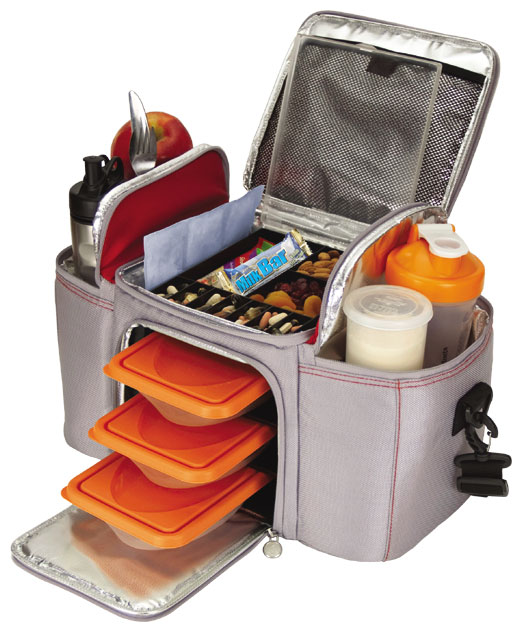
containers-stacked-for-storageAnyone who knows me well is aware of the fact that I am consistent about packing clean meals and toting them around with me throughout the day. It can be cumbersome to pack food, especially when I know I will be out of the house for most of the day, but by doing so I have peace of mind knowing that I will be able to stay on track with my meal plan no matter what. Competitors and fitness professionals practice this habit and can attest to the power of clean eating in maintaining a sculpted, muscular physique.

However, I realize that many of you who do not compete or have an involvement in fitness may be wondering if there is any point to packing meals if you are an average person. There are a multitude of benefits to be gained from packing meals for the day:

• Portion Control – If you measure and weigh your portions before placing them into containers, you will have full control over your intake.

• Cooking Method – Steaming, baking, boiling, grilling and poaching are easy cooking methods which also enable you to prepare food without adding unnecessary fat.

• Save Money – By purchasing food at the grocery store and preparing it yourself, you will save a significant amount of money.

• Maintain A Low Sodium Diet – Restaurants often add significant amounts of sodium to enhance the flavor of their dishes. If you are trying to keep your sodium intake low, you are better off preparing your own food.

• Accommodate Medical Dietary Restrictions And Food Allergies – Restaurant meals may add ingredients which are forbidden from your meal plan due to medical conditions or food allergies. Instead of taking a risk, you are better off preparing your meals and packing them with you.

I always recommend tempered glass storage containers over plastic, since heating up ingredients in most plastic containers carries a risk of deranging the plastic and releasing harmful chemicals into the food. An exception is BPA-free containers with locking lids.
6-Pack-Bag_Details-small
The BEST meal packing system out there is made by Six Pack Bags:
https://www.sixpackbags.com/bags.html

By adopting the habit of packing your meals, you will be on the road to better health!

Mineral Oil Sensitivity

mineral oilMineral oil is a petroleum product which is used in many cosmetics (including foundations and face powder) as well as ointments to soothe allergic reactions. Ironically, mineral oil can incite allergic reactions which can be severe enough to send one to the emergency room. I always find it alarming how the oil typically used to moisturize babies’ skin is mineral oil, but since it is cheap and hypoallergenic, it continues to be used on infants who may develop reactions to it.

I was compelled to write about mineral oil after I had to use it on my midsection yesterday at a photo shoot. Despite a long history of severe reactions to mineral oil, I reluctantly applied the oil and just hoped that I would not react this time. By the time I got home from the photo shoot I was itchy EVERYWHERE, especially on my arms and legs where I had NOT applied oil. This was a deep, unrelenting itch, one that was not relieved by scratching, and I broke out in a rash on both arms. I was so uncomfortable that I took a shower to soothe my skin. Even with the shower I hardly slept last night because of the itching. I could have calmed the reaction down with Benadryl but did not want to be groggy so I opted not to take it.

Please be aware of mineral oil sensitivity and if you suspect that you might be susceptible, make sure to avoid any products that contain mineral oil. Women who have had regular skin reactions to foundations or face powders should be especially aware of this potential reaction. I NEVER recommend mineral oil to any of my patients and am especially against the use of mineral oil on babies.

As an alternative, you can use almond oil, olive oil, or sesame oil, unless you have allergies to any of those substances.

Why White Foods Are So Bad For You

sugar

Though there are some white foods which are found in nature and which have great health benefits (eggs, cauliflower, onions and turnips are a few examples), there are a number of white foods which sit on grocery shelves which are highly processed and refined and which should be avoided as much as possible.

Examples of white foods which should be avoided are:

Enriched White Flour
White Rice
White Pasta
White Bread
Crackers
Table Sugar
Refined Salt

One of the reasons why the flour which is used in processed foods is usually enriched is because fiber, vitamins and minerals are stripped during the refining process of the grain. In addition, processed grains and table sugar are absorbed very rapidly, causing a sharp increase in insulin release with a corresponding crash, resulting in hunger pangs and cravings, not to mention adversely affecting one’s health over the course of time. In case you didn’t know, the average carbonated soda has 10 to 12 teaspoons of table sugar. According to the American Heart Association, an average of 22 teaspoons of sugar is consumed daily by the average American. Sugar in any form provides very few nutrients, and that is why it is described as providing “empty” calories.

Another white food which may be included on the do-not-eat list is dairy. The dairy industry often uses hormones and antibiotics in raising the cows, which then can cause weight gain, hormonal imbalance, inflammation, allergies and digestive issues in humans. I have seen a fair number of patients who dealt with chronic pain and inflammation which abated once they eliminated dairy products from their diets.

I honestly believe that everyone should examine all foods which are currently in the pantry or elsewhere in the kitchen, disposing of any processed foods. Once this purge is completed, it is critical to read nutrition labels when shopping at the grocery store and to avoid purchasing foods which have ingredients on the above list.