Men Going Commando

men commando

There are brave men out there who prefer to allow their twigs and berries to sway freely, without the confines of briefs. Fans of the commando lifestyle say it is more comfortable and completely liberating, but the underwear-clad crowd may argue that it is not very sanitary or dignified. In defense of the unencumbered male, the practice of abandoning underwear can offer a number of benefits.

Some men are prone to intertriginous dermatitis, aka jock itch, and can often benefit greatly from ditching their drawers. Jock itch occurs when the skin undergoes friction, and is intensified by heat, humidity, and excess weight. Severe cases of jock itch actually produce a musty odor, and can become infected by fungi and bacteria. The general recommendation for those who suffer from this condition is to keep the area cool and dry, which is best achieved by using powder and wearing cotton underwear. Since the testicles tend to become sweaty when snug fitting clothing is worn, those most susceptible to jock itch might want to consider omitting the briefs altogether.

Another significant medical issue which benefits from banishing the briefs is fertility. Men who have low sperm count should avoid wearing tight pants and underwear, opting for looser designs which will result in a cooler scrotum. This is one scenario in which going commando on a regular basis could make the difference between being childless and continuing the family name.

What if you don’t have a medical issue, but just want to experience the thrill of banishing your bloomers? The times have certainly changed, and now celebrities like Justin Bieber are being caught sans briefs. In addition, Kimberly Clarke’s Cottonelle brand is now encouraging real people in their television ads to strip off their skivvies in celebration of having clean rear ends. Now that it is summer, you might want to explore going commando and try to catch an extra breeze down south as a result. No one will ever know!

Menopausal Weight Gain

spare trunk woman
Menopause can really break a woman’s spirit, for countless reasons. Her ability to reproduce comes to a screeching halt, her nether regions may start to resemble an arid climate, hot flashes may make her feel like she is spontaneously combusting, and she may have mood swings that would make the Tazmanian Devil look like a calm little bugger in comparison. But it’s the weight gain which often upsets menopausal women the most. Menopausal women will notice that if they drop their caloric intake, weight won’t drop at all, even though it may have easily melted off in the past.

That’s because the plummeting levels of progesterone and estrogen also adversely affect a woman’s ability to mobilize fat. Cortisol levels can go unchecked as a result of the low levels of progesterone and estrogen, and any extra calories will end up getting stored as fat. If a menopausal woman is at a caloric deficit, the switch flips in favor of burning muscle instead of turning to the storage fat she so desperately wants to incinerate. This is especially true for the adipose (fat) tissue around the midsection, because cortisol is notorious for padding that area with extra fat, resulting in an ever expanding belly. Another unfortunate consequence of cortisol is that levels will rise dramatically with prolonged intense exercise. The key is to have more abbreviated, yet still intense, exercise sessions so that the cortisol release is also accompanied by a boost in HGH and testosterone, thus conferring a protective effect on muscle.

Basically, the WORST thing you can do if you are in the midst of menopausal hell and struggling with weight gain is to engage in lengthy gym sessions. That might work for a 20 year old, but it can be devastating for a 50 year old. If you are a gym rat like me, you can still train up to six days per week (that’s how frequently I train), but keep your sessions intense but relatively short, between 30 to 60 minutes. If you train beyond that time window, the excess cortisol release will only trigger your body to cling to fat.

Menopausal women also experience an increase in carbohydrate sensitivity, which means that carbohydrate-rich meals which they used to be able to consume in their younger years without much consequence will suddenly wreak havoc on that waistline. The extra carbs settle in for a long and uninvited stay in the midsection and end up making women miserable. Because of this, dietary shifts need to be implemented in which the intake of starches and grains is dramatically reduced, while the consumption of more lean protein and green vegetables is increased. I also strongly recommend supplementing the diet with digestive enzymes and probiotics to optimize gut health and digestion of different foods.

Need A Skin Tune-Up? Get A Chemical Peel!

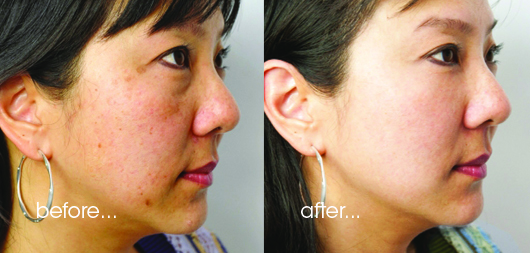
The-Perfect-Peel-before-and-after
Chemical peels are often used to improve the skin’s appearance. During a medical grade chemical peel, the practitioner applies a chemical solution to the skin, causing the skin to blister and eventually peel off, revealing smoother, less wrinkled skin. They can be performed on the face, neck, and hands.

Specifically, chemical peels achieve the following results in most patients:

Reduce the appearance of lines and wrinkles on the forehead, eye area, cheeks and around the mouth
Lighten brown spots such as freckles or age spots
Soften the appearance of mild scars
Refine skin texture
Reduce acne flareups and improve the appearance of acne scars

The skin becomes more sensitive to sun exposure immediately after a chemical peel, making it even more important to wear sunscreen daily.

The Perfect Derma Peel is the peel of choice for my patients. Perfect Derma Peel is a composite peel consisting of TCA, Retin-A, Salicylic Acid, Phenol, vitamin C, kojic acid, and glutathione. It was developed by Dr. Bram Kaufman, who developed the Vi-Peel, and was rated in the top 3 of new anti-aging products when it was introduced in 2011.

The Perfect Derma Peel is fantastic for reversing the signs of aging, reducing the appearance of lines and wrinkles, and for removing stubborn pigmentation from sun exposure and melasma. A beautiful exfoliating effect occurs as the skin peels over several days, revealing glowing, even skin, and a brighter complexion. It is great for acneic skin, and boosts collagen production. Though fair-complected individuals usually are the best candidates for chemical peels, the Perfect Derma Peel is well suited for many different skin types.

Please bear in mind while a chemical peel confers a mild tightening effect on the skin, it will NOT treat severe skin sagging.

For those of you in the Los Angeles area who are interested in having the Perfect Derma Peel treatment, please visit the chemical peel section on my medical website at http://www.drstaceynaito.com/#!chemical-peels/comt

Why Whey Protein Is The Key To Anti-Aging

Original post can be found at:

http://www.sportsnutritionsupplementguide.com/health-wellness/anti-aging/item/1519-why-whey-protein-is-the-key-to-anti-aging#.VZ2WSvlViko

Fitpicture310x250

Adequate protein intake is vital to anyone seeking to preserve muscle mass, especially since the aging process threatens the loss of all that hard-earned muscle through a process called sarcopenia. Sarcopenia causes a loss of muscle mass and strength in all individuals as they age, even in die-hard gym addicts.

The aging process hits us with a double whammy because 1) our dietary protein needs increase over time, and 2) our ability to synthesize new proteins plummets as a consequence of diminished levels of testosterone, human growth hormone, and insulin-like growth factor-1. In other words, it becomes tougher and tougher to meet the aging body’s protein needs, and the result is a loss of muscle.

One of the biggest challenges in meeting the protein demands of the body as we age is the physical challenge of consuming adequate protein. Protein powders are an excellent means of meeting protein requirements in a low bulk form since they are dissolved in liquid. Whey protein in particular is an excellent protein source for anyone over the age of 30, provided they have no issues with allergy or intolerance to whey.

Whey protein is rich in branched chain amino acids, especially leucine, which is considered the most important branched chain amino acid for protein synthesis, especially in older people. Branched chain amino acids are also responsible for proper dermal collagen protein synthesis, so they play a huge role in the condition of the skin, maintaining its suppleness and tone.

Another age-related benefit of supplementing one’s diet with whey protein is the presence of lactoferrin, which fortifies bone and prevents osteoporotic fractures by activating osteoblasts. Whey protein also contains high levels of cysteine, an amino acid which boosts glutathione production. Glutathione, an antioxidant with powerful anti-aging effects, steadily declines naturally as we age, and since its production relies on the presence of cysteine, the introduction of whey protein into a meal plan can guard against age related diseases.

Whey protein has profound effects on glucose metabolism as well. It reduces serum glucose levels in healthy individuals while impairing glucose tolerance in diabetic and obese individuals. When consumed consistently as part of a sensible high protein meal plan, the result is a reduction in body weight and an increase in fat oxidation. This is due to the release of leptin, cholecystokinin, and glucagon like-peptide 1, all of which create a feeling of satiety.

In summary, the benefits of whey protein are numerous and significant, especially for older individuals. If you have yet to incorporate whey protein into your meal plan and you have been lamenting the ravages of Father Time, do yourself a favor and add whey protein to your daily regimen.

References: Sousa G et al. Dietary whey protein lessens several risk factors for metabolic diseases: a review. Lipids Health Disc. 2012;11:67

Don’t Feel Like Yourself? Hormone Imbalance Could Be The Problem.

Portrait of a happy middle aged couple together outdoors

Portrait of a happy middle aged couple together outdoors

Are you experiencing any of the following?

Low energy
Insomnia
Irritability
Hair loss
Weight gain
Mood swings
Hot Flashes
Night sweats
Skin changes
Dry skin
Brittle nails and hair
Decreased libido
Erectile dysfunction
Difficulty concentrating
Memory loss
Depression
Anxiety
Muscle loss
Decreased strength

The above signs and symptoms are usually a clear sign of hormonal balances which are a function of the aging process. It is pretty widely known that women go through a process in which their estrogen and progesterone levels diminish and bring about symptoms of menopause which can be downright frustrating. However, men also go through a decline in testosterone as they age, with some men experiencing a sharp or early decline which manifests in troubling symptoms which have an adverse effect on their day to day lives. This decline, known as andropause, can be monitored through salivary or serum testing of hormone levels and treated with BHRT.

The good news is that in many cases, natural supplements and certain food choices can correct these issues, but some individuals, both men and women, may require supplementation with bioidentical hormones, also referred to as BHRT. Bioidentical hormones have the same molecular structure as the hormones which are produced naturally within the body. As a result, the body treats bioidentical hormones exactly like hormones produced within the body, which means that the body’s hormone balance can be restored.

If you are in the Los Angeles area and interested in booking a consultation with me for hormone balancing, please visit: http://www.drstaceynaito.com/#!natural-hormone-support/c1wd8

Ohhh My Hip…Ohhh My Leg…

itbandanatomy_thumb

Though I don’t really mention this to people, I deal with almost constant body pain. The bizarre thing is that most of my chronic pain issues are located on the right side of my body. I wake up almost every night from intense pain in my right shoulder whenever I roll onto my right side. The pain in my shoulder is the result of a rotator cuff tear which I sustained in April of 2013 and an acromio-clavicular joint dislocation which occurred in December of 2014.

Then there is my right hip which goes into spasm almost daily, and sends a wicked pain along my tensor fascia lata, iliotibial band and peroneus longus (aka lateral thigh and leg) which at times literally takes my breath away. Fun stuff. I power through the pain, especially when a heavy leg day looms ahead, but this chronic pain has me near tears on some days. I am beginning to wonder if I have tensor fascia lata (TFL) syndrome.

My right tensor fascia lata muscle is always tight and inflamed, as is my right gluteus maximus. When my hip spasms, both of these muscles seize up as well. As a result of this ongoing issue, I often dig my knuckles right into my hip to address trigger points and to get some relief, and I also must get deep tissue massages on a regular basis to keep the spasms in check somewhat. I am actually known at the places where I get massages for being the fitness lady who needs at least 90 minute massages to address my musculoskeletal issues!

I recently stumbled upon a great post, written by by Stephen O’Dwyer, CNMT, which I am pasting here:

How the Tensor Fascia Lata (TFL) Causes Hip Pain

This muscle causes pain in two primary ways:

1) Once the TFL has been tight and ischemic for some period of time (it’s different for each individual), it can develop myofascial trigger points.

Trigger points can then refer pain to other parts of the hip, the groin, the buttocks and even down the leg.

2) When the TFL becomes chronically contracted it can exert a mechanical strain on other muscles by distorting joint movement.

For example the gluteals or the piriformis muscle often suffer from an unnatural “pull” from an excessively tight TFL.

Pain, then, might be felt in one or more of the following areas…

• Deep in the hip joint

• Into the groin

• Wrapping around the outer hip

• Deep in the gluteal muscles

• The sacroiliac joint

• Traveling down the leg

What Causes Tensor Fascia Lata (TFL) Dysfunction?

I have been considering for a long time how the TFL becomes excessively tight and locked up (aka dysfunctional) and have concluded that there are two chief reasons…

1) Weakness in the rectus femoris muscle.

The rectus femoris, the top quadriceps muscle along the front of your thigh, is your secondary hip flexor (after the psoas and iliacus which are your primary hip flexors).

And the rectus femoris muscle so often becomes weak as a result of the second reason for TFL dysfunction…

2) Excessive tightness and shortening of the psoas and iliacus.

This is a common occurrence in many of us who sit for long hours at a desk and/or commuting in our cars. The primary hip flexors, the psoas and iliacus, are put into a shortened position when we’re sitting. This can cause them to adapt to the shortened position.

Chronic shortening of the primary hip flexors, the psoas and iliacus, can causes the secondary hip flexor, the rectus femoris, to atrophy.

I believe this occurs, in part, because short hip flexors will abbreviate your stride thus reducing a full and natural leg swing.

In runners who are heel strikers this problem can be even more exaggerated. The quadriceps, and especially the rectus femoris, are severely underused.

In the reaching stride characteristic of heel strikers, the leg extends and straightens at the knee as the foot hits the ground. This leg movement disables the quadriceps muscles.

An aside for runners: underuse of the quadriceps can be rectified using the “barefoot running technique.” This technique does not require one to actually run in bare feet but rather to…

1) Adopt the upright, “running on hot coals” running method

2) To use a running shoe without the beefed up heels of conventional running shoes which don’t allow your foot to go through its full range of motion.

I recommend the Merrell’s Pace Glove for Women or Merrell’s Trail Glove for Men (the shoe I run in).

How to Treat Tensor Fascia Lata (TFL) Dysfunction

There are three strategies that alleviate excessive tightness in the tensor fascia lata:

1) Direct manual therapy treatment of the tensor fascia lata
I find that putting a client in a side-lying position with a pillow between their knees (and one to support their head and neck) is optimal.

Then direct manual pressure applied at different angles will help to locate the greatest “liveliness” in the muscle (I like to use this word instead of “pain”).

Gentle but detailed work will produce the best, most lasting results.

2) Maintaining flexibility in the entire hip

Stretching of the hip flexors and the entire hip and leg.

See Hip Stretches for excellent video support.

3) Strengthening the quadriceps
I’m not a fan of seated leg extensions on a weight machine to accomplish this.

Much more effective are single leg squats. If squats are not possible due to pain, then sitting against a wall is an excellent strategy.

Your knees should be at a 90 degree or right angle. Otherwise it’s not stable for your knees.

I love this article because it discusses a very common scenario which I see in my patients and which I am also personally experiencing. I definitely have a weak rectus femoris, partially due to the overactivity and spasm of the psoas and iliacus. Over the years I have had osteopathic manipulation to treat the psoas issue, but it keeps flaring back up. The weird thing is that I don’t necessarily sit for extended periods of time, yet my hip flexors are always tight. So if you have hip pain which never seems to resolve, you should check out the site where I found this article:

http://www.lower-back-pain-answers.com/tensor-fascia-lata.html#axzz3eaeKtVlT

I also highly recommend the stretches demonstrated on this link: http://www.lower-back-pain-answers.com/hip-stretches.html#axzz3eaeKtVlT

If you truly suffer from chronic, daily hip pain, then you can carve out a few minutes each day to perform these exercises. I have been so miserable from the pain in my hip that I am going to start doing these stretches every day. I will post a follow-up after doing these stretches consistently to provide personal feedback on the efficacy of these stretches, but the theory behind these stretches is so solid that I am sure they will make a big positive difference in my hip issues.
Will You Ever See Your Abs?

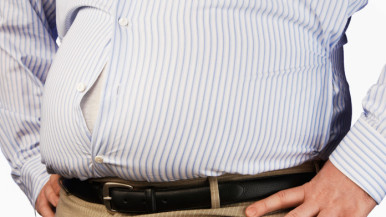
real fat man

One of the most common questions I get from people is how to lose belly fat and get defined abs. Since a tight midsection is one of the most enviable and desirable body attributes, I am never surprised by these inquiries. I have noticed that there is a relatively common misconception that defined abs come solely from exercise, which is definitely not the case. While a certain amount of development in the abdominal muscles must be present for the washboard appearance which many people covet, an individual’s food choices often interfere with the quest for six-pack abs.

If you really want to see abdominal definition, you need to eliminate the following foods from your diet:

SUGAR
Processed foods (including crackers, luncheon meats, cheese, chips, breads)
Foods high in saturated fat (red meat, fast foods)
Salad dressing
Alcohol

Though it may be difficult at first to eliminate the foods listed, you will notice over time that your palate will adjust and that food cravings will subside. That’s because processed foods and sugar set up a vicious cycle in which you crave more bad foods when you consume them. Cut them out of your meal plan, and your cravings will subside. Another benefit of avoiding these foods is that you will avoid the rapid spikes in blood sugar and insulin which they trigger. Why is this important? Because sharp spikes in insulin release promote increased fat deposition in the midsection.

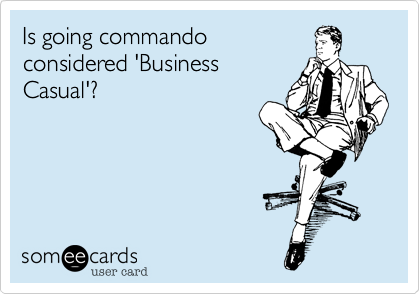
If your abdominal muscles haven’t seen a sit-up in years, you should also incorporate abdominal exercises into your regimen. Here are my three favorite abdominal exercises which work for everyone, from beginners to advanced athletes:

bicycle crunches
Katie-Bicycle-Crunches
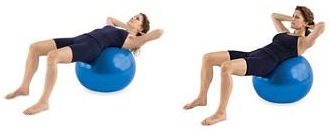
ball crunches
basic-crunches-on-stability-ball
planks
Plank-1024x538

If you are consistent with making healthy food choices and getting regular exercise, chances are good that you will see a toned tummy if you are already at a normal weight. If you are overweight, the healthier food choices will help you to slim down and get rid of belly fat, putting you on course for a tighter midsection.

Competition Strong Trainer Directory

Stacey-Naito-4
Are you looking for a trainer to help you get into the best shape of your life? Please check out the NEW Competition Strong Trainer Directory, which has trainers in various locations across the U.S., Bermuda and Barbados. I am honored to be listed as one of the trainers in this directory, and am excited to watch this directory grow as more trainers and coaches are added.

Please click on this link to see my bio on this great site, and be sure to check out the other fantastic trainers listed too!

http://competitionstrong.com/trainer/stacey-naito-ca/

Banish PMS Article For Oxygen Magazine Online

banish-pms

Please check out original post here: http://www.oxygenmag.com/article/banish-pms-10130

Here are 9 ways to deal with moodiness, soreness, bloating and cravings when it’s that time of the month.

Go with the flow? Easier said than done. Your monthly visitor is not only inconvenient, but it’s also frequently preceded by annoying symptoms like irritability, fatigue, pelvic cramps, acne and bloating to name a few. While not every woman gets PMS, most women get at least one symptom a month.

Fortunately, there are numerous measures you can take to alleviate the symptoms of PMS. Exercising regularly, breathing and relaxation techniques, avoiding alcohol, sugar, salt and caffeine, and consuming small, frequent meals to stabilize blood sugar are all effective methods for easing discomfort, but there are numerous over-the-counter supplements that have demonstrated effectiveness in managing the most common symptoms.

Magnesium
Magnesium levels fluctuate during a woman’s cycle. The higher the estrogen or progesterone, the lower the magnesium, which in turn brings on PMS symptoms. That’s why supplementing with magnesium is a good idea. It has a calming effect, and it also reduces the swelling, breast tenderness and. A well-tolerated dosage is 400 milligrams before bedtime. Women who have more severe mood swings from PMS might prefer a more bioavailable form of magnesium called magnesium glycinate. This form also decreases the hot flashes, which some menopausal women experience.

Dose: Recommended dosage is 250 milligrams one to three times daily, and should be taken with food.

Calcium
Studies have found that women who take calcium supplements, experience less severe PMS symptoms than those who don’t. Calcium supplementation can reduce fatigue, depression, mood swings, tension and anxiety, bloating and breast tenderness, and cramping and generalized aches and pains.

Dose: Take 400 milligrams three times daily.

Vitamin B6
Women who experience mood swings right before their periods tend to benefit greatly from taking vitamin B6. It’s also effective for symptoms of menopause, morning sickness, depression, acne and bladder inflammation.

Dose: Take between 50 to 600 milligrams per day in two to three divided doses.

Vitamin E
Vitamin E reduces the production of prostaglandins, which are responsible for cramps and breast tenderness.

Dose: Take 400 international units daily.

Chromium Picolinate
Chromium picolinate affects insulin, glucose and serotonin in ways that can decrease sugar and balance mood and appetite.

Dose: A dose of 200 micrograms three times daily is optimal.

Alpha Lipoic Acid
Alpha lipoic acid, or ALA for short, is effective in regulating blood glucose, optimizing carbohydrate consumption and reducing sugar cravings.

Dose: Effective dose ranges are between 100 to 200 milligrams, taken two to three times daily.

Vanadyl Sulfate
This supplement has an insulin-like effect on the body and has been shown to regulate blood sugar levels, which makes it adept at curbing those wicked sugar cravings.

Dose: Take 10 milligrams three times daily.

B-Complex
B-complex formulations consist of the following: B complex capsule contains the following vitamins: folic acid, thiamine (B1), riboflavin (B2), niacin (B3), panthothenic acid (B5), pyridoxine (B6), cyanocobalamin (B12) and biotin. This complex supports memory, improves mood, decreases anxiety and combats the effects of stress. It also boosts metabolism, thus increasing energy. I have encountered remarkable responses to B-complex in people who have suffered from depression and who did not respond to prescription antidepressants.

Dose: I recommend 100 mg per day.

Gamma-Linoleic Acid
Gamma-Linoleic Acid is an omega-6 fatty acid, which are considered essential fatty acids, meaning, they are necessary for human health, but the body can’t make them. They play an important role in brain function as well as normal growth and development. They help stimulate skin and hair growth, maintain bone health, regulate metabolism and maintain the reproductive system. GLA helps fight inflammation which is why it’s effective in treating the symptoms of PMS, such as menstrual cramps and breast tenderness, especially when taken in tandem with magnesium and vitamin B6.

Dose: Take 500 to 1,000 milligrams per day.

Foam Rollers

JFT-20-0617 EVA High Density Foam Rollers_main
If you have not used a foam roller to massage tight muscles before, you might want to explore their ability to release muscle tension. When you use a foam roller, your body weight provides the pressure which releases tension in tight muscles on the back, legs and other body regions. These clever rollers can also be used during exercise to increase balance. There is a wide selection of rigidity, size, and shape available in foam rollers today, each designed for different tasks or body regions. Some foam rollers even have ridges which are excellent for trigger points or particularly hypertonic tissues.

If you are primarily interested in using a foam roller for releasing tension knots in your muscles, you probably should opt for a greater degree of firmness. However, if you are the type of person who doesn’t enjoy deep pressure when getting massages, you might want to opt for a softer roller. The more basic types of foam rollers are usually color coded according to firmness, with the following designations:

WHITE – The softest
BLUE or GREEN – Moderate density
BLACK – The firmest

If you are truly new to foam rolling, you might want to start with a white one, then switch up to a greater degree of firmness later. However, if you are like me and need a good amount of pressure to release muscle tension, the other colors will confer greater firmness and also will be more sturdy and durable. You should also select a firmer roller if you plan to use it often, and if you plan to lie on it frequently during exercise.

As for shape, you may choose a half-dome roller so that the roller will not roll out from under you, or you may choose a full-dome roller if you really want to manipulate tense tissues by rolling on it while using the weight of your body. If you plan to take a roller with you to the gym, pilates or yoga classes, you can purchase a roller which is shorter in length, perhaps 12 or 24 inches as opposed to the full 36 inch length which is most commonly seen.