Category Preventative Health
Vibration Plate Health Benefits
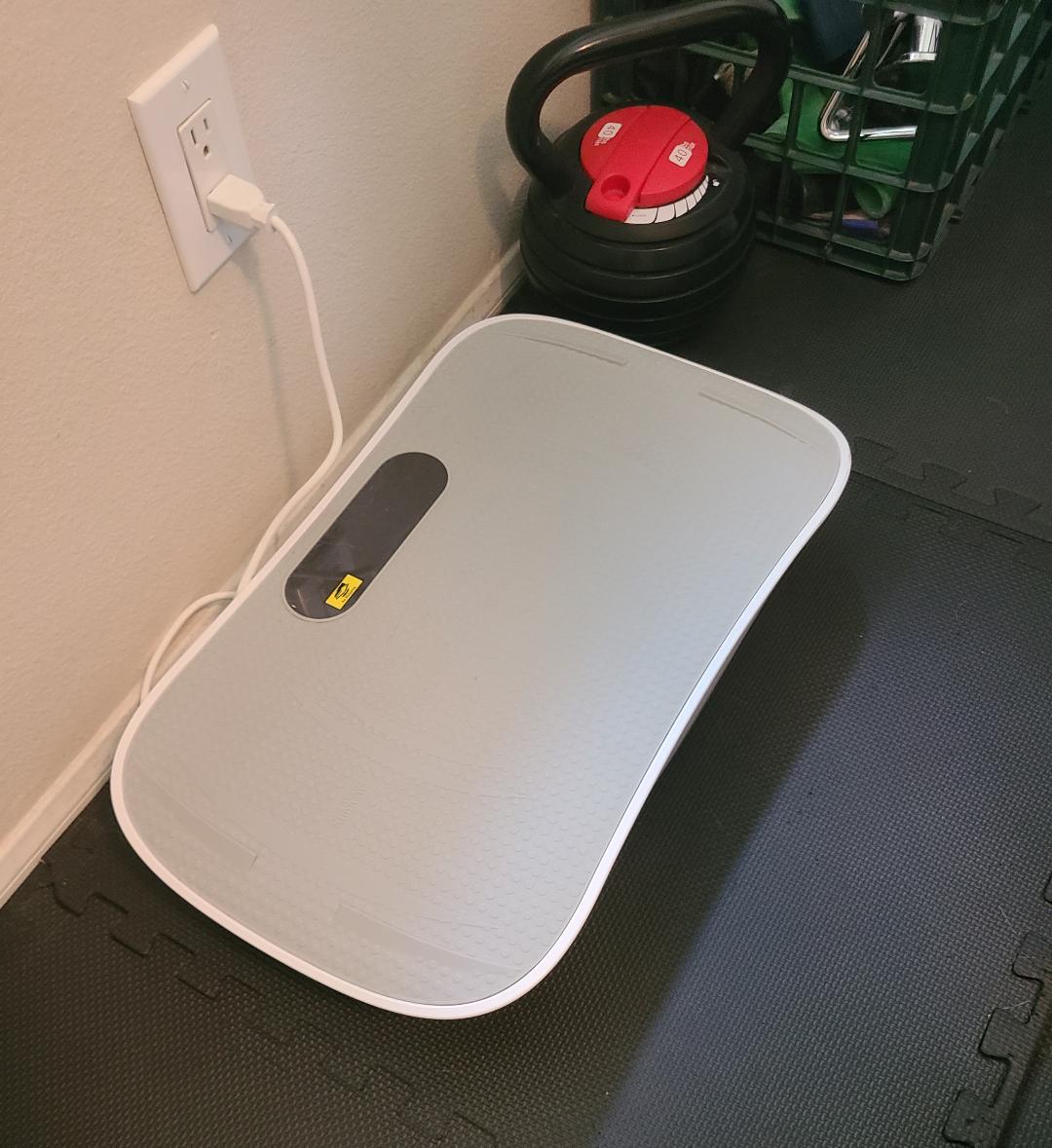
Vibration plate therapy, also known as whole-body vibration (WBV), is a fitness and rehabilitation method that involves standing, sitting, or exercising on a machine with a vibrating platform. These vibrations transmit energy to the body, causing muscles to contract and relax dozens of times per second. One of the most appealing aspects of vibration therapy is that it doesn’t require a huge time commitment—even just 10 to 15 minutes a few times a week can offer substantial benefits. I make sure to use my vibration plate for 10 minutes daily, and once a week, I will double my time on the plate.
Key Health Benefits:
1. Improves Muscle Strength and Tone
The rapid muscle contractions stimulated by the vibration plate help build strength and tone. This can be especially helpful for people who find traditional strength training challenging due to joint pain or mobility issues.
2. Boosts Circulation
The vibrations encourage better blood flow, which can enhance oxygen and nutrient delivery throughout the body. This improved circulation supports cardiovascular health and may help reduce swelling in the extremities.
3. Enhances Lymphatic Drainage
The stimulation helps activate the lymphatic system, aiding in the removal of toxins and waste from the body. This can reduce puffiness and support immune function.
4. Increases Bone Density
Regular use has been shown to help maintain or improve bone density, making it a valuable therapy for those at risk of osteoporosis or bone loss—particularly postmenopausal women.
5. Supports Balance and Coordination
By challenging your stability, vibration therapy activates deep core muscles and can enhance proprioception (your sense of body position), which is beneficial for fall prevention and general agility.
6. Aids in Weight Management
While it’s not a calorie-torching workout, WBV can slightly boost metabolism and support fat loss when combined with a healthy lifestyle. It’s often used as a supplement to other forms of exercise.
7. Reduces Muscle Soreness and Aids Recovery
Athletes and physical therapy patients often use vibration plates to reduce delayed-onset muscle soreness (DOMS) and promote faster recovery after strenuous activity. This is the main reason why I bought a vibration plate for my home, and I swear it makes a huge difference in recovery from my workouts.
8. Helps with Joint Pain and Flexibility
The gentle stimulation can increase joint mobility and reduce stiffness, making it an appealing option for people with arthritis or chronic pain.
Minimal Time Commitment, Maximum Results
One of the greatest advantages of vibration plate therapy is how time-efficient it is. Sessions are short—typically 10 to 15 minutes—yet they activate multiple muscle groups simultaneously. This makes it an ideal option for busy individuals, older adults, or those recovering from injury who want a low-impact but effective form of exercise.
Whether you use it as a stand-alone therapy or a complement to a broader fitness routine, vibration plate therapy offers a wide range of benefits in very little time.
What Is Silent Reflux?
Laryngopharyngeal reflux (LPR), sometimes called “silent reflux,” is a condition in which stomach acid or other contents flow backward into the larynx (voice box) and pharynx (throat). Unlike gastroesophageal reflux disease (GERD), LPR often doesn’t cause the classic symptom of heartburn. Instead, it presents with a variety of upper airway and throat symptoms that can be subtle, confusing, and sometimes frightening.
Common Symptoms of LPR:
- Chronic throat clearing
A frequent need to clear the throat due to irritation caused by acid or digestive enzymes. - Persistent cough
Especially at night or after eating, the cough may not respond to traditional treatments. - Hoarseness or voice changes
Vocal cords can become inflamed or irritated, leading to a raspy or weak voice, especially in the morning. - Globus sensation
A feeling of a lump, tightness, or something stuck in the throat, even when nothing is there. - Postnasal drip or excess mucus
The body produces mucus in response to irritation, which can feel like it’s collecting in the back of the throat. - Difficulty swallowing (dysphagia)
Swallowing may feel effortful or uncomfortable, and food may seem slow to move down the throat. - Sore throat or burning sensation in the throat
Especially after eating or while lying down. - Ear pain or a sensation of fullness
Acid can irritate the Eustachian tubes or nearby structures, leading to ear discomfort.
Feeling Like You’re Drowning in Your Own Saliva
One of the more distressing and lesser-known symptoms of LPR is excessive saliva production (also called water brash), along with difficulty swallowing and a sensation of choking. This can feel as though saliva is pooling in the throat, leading to:
- A sensation of choking on saliva
Because the throat and swallowing reflexes may be disrupted by inflammation, even normal amounts of saliva can feel overwhelming. - Difficulty managing secretions
Some people feel they can’t swallow quickly or completely enough, leading to a constant awareness of saliva in the mouth or throat. - Fear of aspiration
The fear that the saliva or refluxate could “go down the wrong pipe” and enter the lungs, especially when lying down. - Shortness of breath or throat tightness
These may be reflexive responses from the larynx trying to protect the airway, which can exacerbate the sensation of “drowning.”
Why This Happens
Stomach contents, including acid, pepsin, or bile, are not meant to come in contact with the sensitive tissues of the throat and larynx. Even a small amount of reflux reaching these areas can cause inflammation and nerve hypersensitivity. When this happens:
- The muscles that control swallowing may become uncoordinated.
- The throat may feel constricted.
- The body’s natural response is to produce more mucus and saliva to soothe the tissues, which paradoxically makes the feeling of “drowning” worse.
What to Do
If you suspect you have LPR, especially if you’re experiencing this “drowning” sensation, it’s important to:
- Consult an ENT or gastroenterologist
They may perform a laryngoscopy or pH monitoring to confirm LPR. - Modify diet and lifestyle
Avoid acidic, spicy, or fatty foods, eat smaller meals, and don’t lie down after eating. However, I will say that even a clean diet which follows these recommendations might not even make a difference at all. This has been the case for me. - Elevate the head of the bed
This reduces nighttime reflux for some people. However, it won’t make any difference for other sufferers (like me). - Use supplements if needed
These may include alginate-based therapies or other substances which create a physical “raft” to block off the backflow. Some physicians may recommend proton pump inhibitors (PPIs) or H2 blockers or allergy medications, but these medications might not have any effect on the condition.
While it’s not dangerous in most cases, the sensation of drowning in your own saliva due to LPR can feel alarming. The good news is that with proper diagnosis and treatment, symptoms can usually be well-managed and greatly improved.
Why Home Gyms Rock

During my most recent visit to Hawaii in May of this year, I went to 24 Hour Fitness to get three workouts, and I was honestly rather disappointed in the experience. This is saying a lot, since I have always loved being in a commercial gym atmosphere. However, I have spent the past 5 years, ever since we were hit with Covid lockdown, primarily working out at home. I have become accustomed to being able to work on any body part I want, with whatever apparatus I need to use, without having to wait for equipment or work in with another human. I don’t have to wear earbuds for my music, and can blast whatever tunes I want without worrying about disturbing other gym goers. I don’t have to get in my car or drive anywhere, and I have 24-hour access without any additional fees. My gym smells nice and fresh, and all the equipment is clean.

Before you ask me if I can get full workouts in my home gym, I will tell you that I have no restrictions on what I can train while at home. I have a Marcy Smith Machine Multi-Gym, 285 pounds of weight plates, over 300 pounds of other weights, pulley assemblies, barbells, kettlebells, a hyperextension bench, incline bench crunch apparatus, etc. Right after I finish my workout, I hop onto a vibration plate for 10 minutes, and watch the squirrels in my neighborhood eat breakfast outside while I am getting my vibration therapy.
It’s home gym over commercial gym for me now!
Everyday Health Made Easy: Small Shifts That Build a Better You

Image: Freepik
Here’s an article with easy tips to get your mind and body in gear! It was written by Camille Johnson of Bereaver.com
Improving your health doesn’t have to mean turning your life upside down. It’s not about chasing extreme diets or waking up at 4 a.m. to train like an Olympian. Real wellness lives in the everyday stuff — how you move, what you eat, the way you breathe when life gets chaotic. When you stack up the right small habits, they start to carry serious weight, and before you know it, you’re showing up for yourself in a way that feels solid, not stressful.
Start the Day on Your Terms
Waking up just fifteen minutes earlier can be a game-changer, especially if you’re usually scrambling to get out the door. That short pocket of quiet lets you center yourself without jumping straight into reactive mode. Maybe it’s sipping coffee while watching the sun rise, maybe it’s journaling, stretching, or just sitting with your thoughts before the day floods in. Whatever you choose, starting slow gives you more control over how the rest of your day unfolds.
Prioritize Hydration
You’d be amazed at how often what feels like fatigue, hunger, or brain fog is actually just dehydration in disguise. Water isn’t flashy, but it’s fundamental. Carry a water bottle you like, refill it often, and drink before you feel thirsty. When you’re hydrated, your joints feel better, your digestion works smoother, and your mood steadies itself without much effort.
Invest in Career Fulfillment with an Online Degree
It’s hard to feel truly well when your work drains more than it gives. Career fulfillment isn’t just a luxury — it’s a major pillar of overall well-being, and sometimes, leveling up means going back to school with purpose. Choosing from an array of accredited online programs makes the process accessible and flexible; for example, online healthcare programs are readily available if you’re interested in healthcare administration. Online programs are built to support working professionals who want to grow without putting their lives on hold.
Protect Your Mental Bandwidth
You only get so much mental energy in a day — guarding it isn’t selfish, it’s survival. Say no when you need to, mute notifications that suck you into pointless scrolling, and don’t feel bad about opting out of drama. Protecting your peace helps you stay focused on what actually matters. You can’t do everything, and pretending you can is just a shortcut to burnout.
Begin a Fitness Routine That Works for You
The hardest part of any fitness journey is usually just getting started, especially if you’ve been out of the game for a while. Forget chasing fads or forcing yourself into workouts you dread — the key is finding something you don’t hate showing up for. You might begin with bodyweight moves at home, join a local walking group, or enroll in an online exercise program led by Stacey Naito, who brings both expertise and encouragement.
Eat With Intention, Not Restriction
Food doesn’t have to be complicated or joyless to be nourishing. You don’t need to give up the things you love, but it helps to check in with how meals make you feel, not just how they taste. Aim for balance — colorful produce, good fats, clean proteins — but leave space for treats without guilt. The goal is to enjoy food that fuels you, not follow a rigid plan that makes you dread your plate.
Create a Sleep Ritual You Actually Look Forward To
Scrolling your phone until your eyes burn isn’t exactly a bedtime strategy, even if it feels like wind-down time. Building a simple sleep ritual trains your brain to transition out of the chaos. Maybe it’s dimming the lights, reading for ten minutes, or running a hot bath before crawling under the covers. Sleep is when your body repairs, and if you treat bedtime like an afterthought, it’s going to show up in your mood, energy, and focus the next day.
Lean Into Joy and Human Connection
You’re not a machine — you need joy, spontaneity, and people who remind you who you are outside of your responsibilities. Grab coffee with a friend, take a weekend road trip, belt your favorite songs while driving. Laughter, touch, shared experiences — those aren’t extras, they’re part of feeling whole. When life starts to feel mechanical, reconnecting with others can shift everything back into color.
Well-being isn’t some far-off summit you have to claw your way up — it’s woven into the tiny, doable decisions you make every single day. When you show up for yourself with habits that support your mind, body, and spirit, you’re not just surviving — you’re building a life you actually enjoy living. Don’t wait for a perfect Monday or some magical motivation to strike. Start now, with what you have, and let those choices carry you to a version of yourself that feels stronger, calmer, and more alive.Elevate your wellness journey with expert nutrition and fitness plans from Stacey Naito—start transforming your lifestyle today!
The Five Keys To Optimal Brain Health (Repost)
By: Dr. Stacey Naito – Physician and IFBB Pro
Even if your genetics put you at risk for developing dementia, there are numerous lifestyle and behavior adjustments which you can make in order to protect brain function and fight dementia. The five keys listed below are proven to improve brain health and keep your mind vital and sharp for decades.
1. MOVE YOUR BODY
Scientific research has proven that overall physical health is closely linked to brain health. Regular exercise aids in the maintenance of a healthy weight range, normal cholesterol levels, while also optimizing blood flow throughout the body and the brain and supporting the growth of new brain cells.
The benefits of physical health stem not only from regular exercise, but also from other good health practices. Support your brain’s health by doing the following:
• Exercise at least 30 minutes daily to relieve stress.
• Make sure to get between seven to eight hours of sleep each night.
• Refrain from using tobacco.
• See your doctor regularly.
• Maintain a healthy weight.
2. YOU ARE WHAT YOU EAT
Research studies indicate that diets which are low in saturated fats and cholesterol, and rich in polyunsaturated omega-3 fatty acids and nutrients like lutein and vitamin E, may have a protective effect on brain cells and overall brain health.
Brain-healthy dietary changes:
• Opt for healthy fats which are found in olive oil and fatty fish like salmon. Avoid saturated and trans fats.
• Consume a diet which incorporates milk, eggs, vegetable oils, nuts, whole grains, and dark leafy greens like spinach, all of which are rich in vitamin E. Vitamin E is an important nutrient which supports brain health. If you can’t get vitamin E from foods, you can take it in supplement form.
• Eat plenty of fresh fruits and vegetables, aiming for nine fist-sized servings each day. Select colorful fruits like cranberries, blueberries and tomatoes which are packed with powerful anti-inflammatory compounds known as polyphenols. Keep the skin on fruits and vegetables to maximize their nutritional benefits.
• Add lutein. Lutein is a potent antioxidant which is critical for eye and brain health. Foods which are rich in lutein include spinach, kale, turnip greens, collard greens, egg yolks, corn, and peas. You can also take lutein in supplement form.
3. EXERCISE YOUR BRAIN
Extensive research has proven that the brain continues to learn new skills and information throughout life, and benefits from frequent intellectual stimulation. Make sure to pursue new activities, education and games to challenge your mind. Read books to elevate your knowledge base.
How to stimulate your brain:
• Engage in regular sessions of a mental activity you enjoy, such as reading, word games such as crossword puzzles, or learning a foreign language.
• Get into a daily habit of learning a new word or fact.
• Master a new skill or subject each year.
• Manage stress and balance your energy by meditating. Meditation may help to reduce stress and body inflammation by soothing the vagus nerve, an important nerve which controls the body’s immune response.
4. NURTURE RELATIONSHIPS
Though we know that relationships with family and friends are key factors in a person’s happiness, regular social interaction promotes the formation of new brain cells and aids in brain repair. One study revealed that men and women who had the most social interaction had less than half the rate of memory loss as those who were the least socially involved. By visiting friends and family and being involved in community activities, you will protect brain health.
Social brain boosters:
• Spend time with your family and friends regularly, and make them a priority.
• Volunteer for an organization which surrounds a cause which you are passionate about.
• Work for as long as you can, and for as long as you feel motivated to do so.
• Join clubs and become involved in religious or spiritual activities which resonate with you.
5. BALANCE YOUR NEUROTRANSMITTERS
Brain function relies on important molecules known as neurotransmitters. Neurotransmitter levels affect mood, behavior, cognitive function, social function, digestion, sleep, weight regulation, and many other processes.
The problem with current society is that the vast majority of people have overly stimulated sympathetic nervous systems, which over time can drain the body of serotonin. The excitatory part of the nervous system dominates once the inhibitory neurotransmitters are depleted, resulting in anxiety and an inability to “wind down”. Eventually, even the excitatory neurotransmitters such as serotonin, epinephrine, norepinephrine and GABA are also depleted, and severe depression or chronic fatigue usually develop.
Conventional drugs cannot replenish these neurotransmitters, and in fact, tend to cause depletion of the neurotransmitters. This is the reason why some depression medications do not work on some individuals. The good news is that supplementation with amino acids can help to replenish deficient neurotransmitters.
How To Nourish Neurotransmitters:
• Eat a healthy diet. Neurotransmitter imbalance is aggravated by poor diet. Diets high in protein supply the brain with the amino acids it needs to replenish neurotransmitter levels.
• Consume branched chain amino acids to ensure a rich supply of neurotransmitter precursors.
REFERENCES
Neurotransmitter Assessment Brings Light to Management of Psychiatric Problems
Monday, 15 August 2005 00:59By Erik L. Goldman | Editor in Chief – Vol. 6, No. 3. Fall, 2005
Review of Phi Naturals Collagen Peptides
Why Do Hot Flashes Occur?

For any of you ladies who have experienced hot flashes, you know how sudden and intense they can be. It’s as if a radiator suddenly turns on in your head, neck or chest, making you miserable. But why do perimenopausal and menopausal women get these things?
Hot flashes are related to fluctuating hormones that happen before, during and after menopause. Research suggests that dropping estrogen can change how the brain perceives temperature. In other words, our internal thermostat (hypothalamus) doesn’t work properly, so when it starts to think your body is too hot, it opens up all the blood vessels on the skin and the sweat glands to cool it off.
Here’s a breakdown of the physiology behind hot flashes:
1. Estrogen Decline and Hypothalamic Dysfunction
Estrogen plays a crucial role in regulating body temperature by influencing the hypothalamus, the brain’s temperature control center. During perimenopause and postmenopause, estrogen levels fluctuate and eventually decline, disrupting normal hypothalamic function.
2. Narrowed Thermoregulatory Zone
The hypothalamus maintains a “thermoneutral zone,” a temperature range in which the body does not need to trigger heat loss (sweating) or heat retention (shivering). In menopausal women, lower estrogen levels lead to a narrowing of this zone, meaning even small changes in core body temperature can trigger an exaggerated heat dissipation response.
3. Activation of the Sympathetic Nervous System
Due to the narrowed thermoregulatory zone, a slight increase in body temperature (which would be tolerated normally) is misinterpreted as excessive heat. This causes the hypothalamus to activate the sympathetic nervous system, leading to:
- Vasodilation: Blood vessels, especially in the skin of the face, neck, and chest, dilate rapidly to release heat, causing a flushed appearance.
- Increased Heart Rate: The heart pumps faster as part of the body’s attempt to cool down.
- Sweating: The body triggers sweat production to dissipate heat through evaporative cooling.
4. Sudden Cooling and Chills
After the hot flash, the body may overcorrect, leading to a rapid decrease in temperature, causing chills or a cold sensation.
There are measures which a woman can take to minimize the chances of getting hot flashes. They include avoiding hot weather, spicy foods, caffeine, alcohol, and stress. But hot flashes can even strike in very cold weather, because the low estrogen levels can make a woman’s thermoregulatory apparatus go haywire. What has worked exceptionally well for me in the past has been the use of table fans on both nightstands in my bedroom and a ceiling fan overhead. Sleeping with a cold gel pack between the shoulder blades is also very effective.
Resistance Training: The Ultimate Anti-Aging Tool

Regular resistance training is one of the most powerful tools for maintaining youthfulness and slowing down the aging process. It benefits the body and mind in multiple ways, including preserving muscle mass and bone density, improving digestion, boosting cardiovascular fitness, and benefitting cognition and mental attitude. Let’s explore these in detail:
1. Muscle Mass Preservation and Growth
As we age, we naturally lose muscle mass—a process called sarcopenia—which can lead to frailty, loss of mobility, and metabolic decline. Resistance training:
- Stimulates muscle protein synthesis, helping to maintain and build lean muscle.
- Increases metabolic rate, making it easier to maintain a healthy weight.
- Enhances insulin sensitivity, reducing the risk of type 2 diabetes.
- Supports functional strength, improving balance and reducing the risk of falls and injuries.
2. Skin Integrity and Anti-Aging Effects
The skin’s health and appearance are directly affected by lifestyle choices, including exercise. Resistance training:
- Improves circulation, ensuring better oxygen and nutrient delivery to skin cells.
- Stimulates collagen production, which helps maintain skin elasticity and reduces wrinkles.
- Reduces cortisol levels, lowering inflammation and minimizing stress-induced skin aging.
- Increases human growth hormone (HGH) levels, which contributes to cell regeneration and youthful skin.
3. Digestive Health and Metabolism
Aging often slows digestion and can lead to issues like bloating, constipation, and poor nutrient absorption. Resistance training:
- Speeds up metabolism, ensuring efficient digestion and energy utilization.
- Stimulates gut motility, reducing the risk of constipation.
- Helps regulate hormones like insulin and cortisol, which affect digestion and appetite control.
4. Cardiovascular Fitness and Longevity
While resistance training is not traditionally associated with cardio health, it plays a crucial role in keeping the heart young. It:
- Lowers blood pressure and improves vascular flexibility, reducing strain on the heart.
- Enhances circulatory function, improving blood flow and oxygen delivery to tissues.
- Reduces inflammation, lowering the risk of heart disease.
- Helps control cholesterol levels by reducing LDL (bad cholesterol) and increasing HDL (good cholesterol).
5. Joint Health and Mobility
Contrary to the myth that weightlifting damages joints, resistance training actually protects and strengthens them. It:
- Increases the production of synovial fluid, which lubricates the joints.
- Strengthens the muscles around joints, providing better support and stability.
- Reduces inflammation associated with conditions like arthritis.
- Improves flexibility and mobility, reducing stiffness and pain.
6. Bone Density and Strength
Osteoporosis and bone fractures become major concerns with aging. Resistance training combats this by:
- Stimulating osteoblast activity, which helps build stronger bones.
- Increasing bone mineral density, reducing the risk of fractures.
- Enhancing posture and balance, minimizing fall-related injuries.
- Supporting calcium and vitamin D absorption through hormonal regulation.
7. Hormone Regulation: Testosterone, HGH, and More
One of the most underrated benefits of resistance training is its ability to optimize hormone levels, which naturally decline with age. Strength training has been shown to:
- Boost testosterone production, which is essential for muscle maintenance, fat metabolism, energy levels, and libido in both men and women.
- Increase human growth hormone (HGH), which supports tissue repair, fat loss, and skin regeneration.
- Improve estrogen balance in women, reducing the risk of osteoporosis and metabolic disorders.
- Lower cortisol levels, reducing stress, inflammation, and belly fat accumulation.
- Improve thyroid function, enhancing metabolism and energy levels.
8. Mental Attitude and Cognitive Health
Aging isn’t just physical—it’s mental. Resistance training improves cognitive function and emotional well-being by:
- Releasing endorphins, reducing anxiety and depression.
- Boosting dopamine and serotonin, improving focus, clarity, and happiness.
- Enhancing memory and brain function, reducing the risk of dementia.
- Increasing self-confidence, making you feel strong and capable at any age.
9. Resistance Training and Insomnia
Struggling with sleep? Resistance training can help improve sleep quality and reduce insomnia by:
- Reducing cortisol levels, helping the body wind down for sleep.
- Boosting deep sleep cycles (slow-wave sleep), which is crucial for recovery and memory consolidation.
- Regulating circadian rhythms, ensuring better sleep-wake cycles.
- Reducing stress and anxiety, making it easier to relax at bedtime.
- Increasing energy during the day, leading to natural tiredness at night.
Conclusion
Regular resistance training is one of the most powerful ways to stay young, both physically and mentally. It preserves muscle, strengthens bones, supports joints, enhances skin health, regulates digestion, protects the heart, optimizes hormone levels, improves sleep, and boosts mental well-being. If you want to age with strength, vitality, and confidence, lifting weights should be a non-negotiable part of your lifestyle! 💪
I Can’t Read That!

Dealing with the loss of ability to see things up close which comes with the aging process, also known as presbyopia, is one of those frustrating realities that sneaks up on you—and it’s even more maddening if you’ve spent years basking in the glory of perfect vision after Lasik. I had Lasik in October 2007, when I was 41 years old, to correct myopia (nearsightedness) and astigmatism. I loved the freedom I had from glasses or contact lenses for about 8 years. Then when I reached full menopause at the age of 49, me reading vision tanked like the Titanic.
I went from feeling invincible, seeing the world in crisp, vivid detail, to suddenly struggling with menus, ingredient labels, and my phone screen. It feels unfair, doesn’t it? At least I was aware of the distinct possibility that presbyopia would indeed set in at some point, and had many years of crisp, perfect vision. The only thing I wasn’t prepared for was how sly the onset of presbyopia was. One day, I was fine, and then the next, I found myself doing the whole “arm stretch” thing just to read my emails or check a text. I also wasn’t prepared for the emotional toll, basically having to admit defeat by having to carry around reading glasses or magnifiers when I had been free of them my entire life. It suddenly was a nuisance to try reading a restaurant menu or a nutrition label in dim lighting. The way I adapted to the need for reading glasses was to place three prescription pairs in specific places: bedroom nightstand, my desk, my handbag.
It’s not just the practical side of things; there’s also a sense of frustration because it feels like a step backward. After Lasik, I became so accustomed to being free from glasses or contacts—it’s this incredible feeling of independence. Then, when presbyopia hit, I had no choice but to get new glasses. It’s almost insulting to the effort and investment I had devoted to my eyes when I had Lasik.
Suddenly having to wear glasses again can mess with your confidence, too. It’s one of those subtle reminders of aging, even if you don’t feel old. Despite the fact that I have had to wear reading glasses for the last ten years, I still find myself frequently ignoring my presbyopic eyes, squinting to read a text on my phone, even if I have a pair of glasses nearby.
 dr. stacey naito's blog
