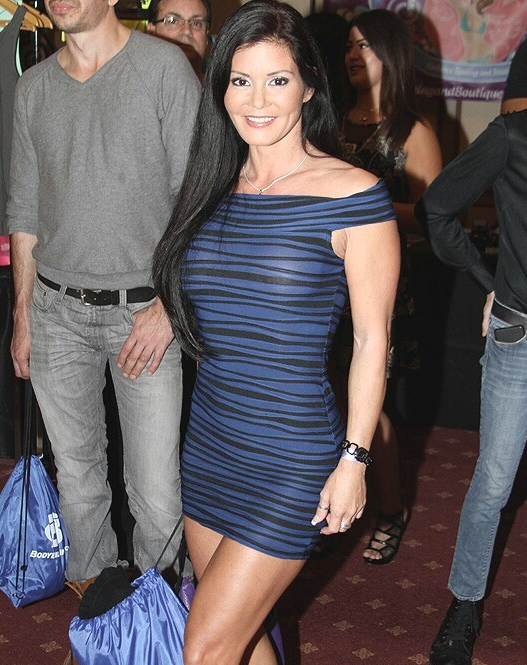
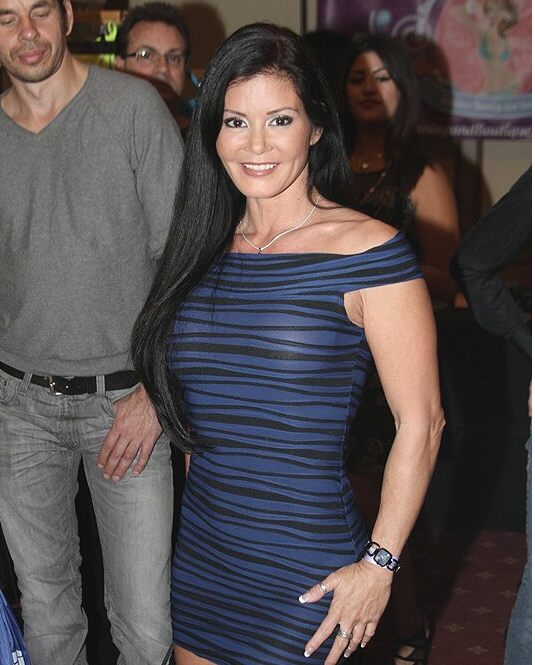
Here’s one of the best photobombs on one of my photos that I have seen in a while!
Here’s one of the best photobombs on one of my photos that I have seen in a while!

Please read my RxGirl article on making lifestyle adjustments that will transform your skin. You can access the original article by clicking on the link above, or keep reading here for the full article.
“What skin cream do you use? Your skin looks amazing!”
This is a common exclamation from women who admire the flawless skin of those who are either naturally dermatologically blessed or have been proactive about practicing good skin care. Perhaps you are one of the blessed individuals, but most women deal with acne, wrinkles, oiliness, hyperpigmentation, dry skin and dark circles under the eyes, all of which can be addressed with targeted products. If you practice consistent skin care with the right products, you will see improvements in the tone and quality of your skin.
Before delving into topical products in Part 2 of this article, I will utilize Part 1 here to review the many variables which can dramatically influence the quality of the skin.
Sleeping Beauty –
There’s a lot of truth to the adage about getting one’s beauty sleep. When you get adequate sleep, you optimize your body’s ability to repair itself because it has a chance to release human growth hormone in the deep stages of sleep. Conversely, cheating yourself out of a good night’s sleep results in an increase in cortisol release, which increases the amount of inflammation in the body. Basically, the inflammation prevents your cells from repairing damaged collagen, and if this occurs chronically, your skin will adopt an aged appearance. So get some quality shut-eye every night!
Don’t smoke –
I know most of you ladies don’t engage in this habit, but if you do, bear in mind that the habit breaks down the collagen and elastin in your skin, aging you prematurely. Smoking also constricts the blood vessels in the upper layer (epidermis), which interferes with delivery of oxygen and other vital nutrients which are involved in cell renewal. Lastly, the constant pursing of the lips which occurs while puffing on a cigarette causes fine vertical lines (“smoker’s lines”) to develop around the mouth.
Internal antioxidants –
We have all heard of the benefits of daily antioxidant intake and how these nutrients boost the body’s immunity, decrease inflammation, and even improve cognition, so it shouldn’t surprise you that antioxidants also promote cellular repair in the skin as well. Make sure to incorporate foods and supplements which have antioxidants such as vitamins A,C, E, cofactors like CoQ10, and polyphenols like resveratrol in them.
Hydrate from within –
Drink plenty of water, and you will be rewarded with glowing, healthy skin. Every time I have told a patient who suffered either from dry skin or from stubborn acne to drink plenty of water, I have seen dramatic improvement in the quality of their skin after they began drinking at least three liters of water per day. Adequate hydration will ensure that toxins are flushed out of cells and the cells are filled with water.
Healthy fats –
One of the hazards of competing is the tendency for coaches to completely strip dietary fat from contest prep diets. What results is a gaunt, unhealthy, aged appearance in the face which looks terrible and just screams for dermal fillers. Rather than wreak havoc on your youthful appearance, why not keep healthy fats like avocado, MCT oil, coconut oil, olive oil, flax seed, almonds, cashews, and fish oil in your daily regimen?
Limit alcohol –
Alcohol is notorious for dehydrating the skin and for that reason alone should be ingested in moderation. Also, since alcohol is toxic to the liver, it impairs the body’s ability to remove other environmental toxins which will be reflected in the quality of the skin. And for those of you who suffer from rosacea, that relaxing glass of red wine with dinner is a big no-no because it will aggravate the condition.
Clean makeup brushes –
When was the last time you cleaned your makeup brushes? Makeup brushes should be thoroughly washed on a regular basis to remove product build-up, bacteria and oils. If you suffer from acne, you need to be especially diligent about cleaning your makeup brushes regularly. As a general rule, clean foundation and concealer brushes at least once a week (twice a week if acne is a major issue). Eye makeup brushes should be cleaned every two weeks, and other brushes should be cleaned monthly. There are some excellent brush cleaning solvents, but you can mix one part baby shampoo with four parts water for an excellent and cheap brush cleaner.
Sanitize cell phone –
Cleaning your cell phone on a regular basis is a good sanitary practice to adopt, and can also save your skin from acne breakouts and rashes. Think for a minute how much you touch your phone and how much dust, ear wax and fingertip residue can accumulate on its surface. It’s no surprise that putting this bacteria- riddled device next to your cheek can cause skin flare-ups to occur. The best way to clean your phone is to use a soft cloth which is lightly sprayed with a dilute isopropyl alcohol solution (equal parts iso alcohol and water).
Stay tuned for Part 2 of this article which will cover topical products and treatments for luminous, youthful skin!
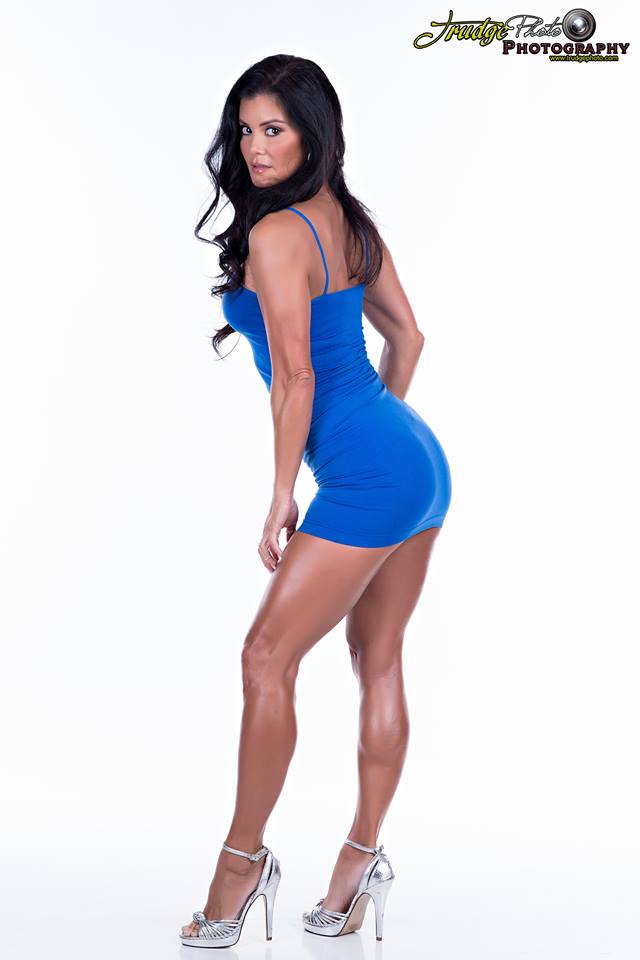 I am sure there are plenty of hot women who enjoy going out for a night on the town almost every night. I am also sure that in all of these cases, these young ladies are riding on a fast train to nowhere because all they do is waste their time and energy hitting the social scene to inflate their following on social media, stroking their tender egos and taking advantage of affluent men who are lusting after them.
Those aren’t the gals I am talking about.
There are TONS of hot women of all ages out there who thankfully have the common sense to realize how much more valuable their minds are, who are genuine and who aren’t afraid of rolling up their sleeves and working diligently to achieve their own goals. These are the women I am referring to, and I am fortunate enough to call many of these women my friends. What may surprise you is that many of my fellow hot gal pals don’t frequent nightclubs or have a full dating rotation in place. Like me, many of them would rather stay at home and work on their projects than to go to a bar or nightclub and engage in alcohol consumption and small talk with people they really aren’t interested in.
For those of you who might think that I go out on the weekends, let me bust that myth. A night out for me is a very rare event indeed, and it isn’t because I have agoraphobia or don’t like seeing my friends. Most of the time, I have a ton of work to do in the evenings, such as developing blog posts like this one, writing up client plans, researching articles which I submit to numerous sites, etc. There are times when I would like to go out and do something fun like go to the movie theater, grab a cheat meal, or visit a friend, but my weekends are not characterized by wearing a snug minidress and towering heels and making an idiot out of myself in public. Sorry if that sounds harsh, but that is NOT my idea of a good time.
The problem with being a smart, aware, genuine hot woman is that sometimes she is seen as TOO good of a catch, so men avoid asking her out. Many of my beautiful female friends fit this description, and a few of them complain about it. Another issue with being a gorgeous woman who is accessible through social media channels is that the creeps tend to surface, often becoming the only guys who ask these ladies out. Often the propositions aren’t for true dates, but are for hookups, fetish fulfillment and other bizarre requests. It is sad to see how much disrespect beautiful women deal with, and it is no wonder that many women bury themselves in their work to avoid such distressing situations.
Chances are that you won’t see a bunch of “out on the town slut” pics on a woman’s social media profile if she is a woman of substance. Even if you see hot modeling photos on a woman’s profile, that shouldn’t be interpreted as an invitation to be a creep and disrespect her. NO female should ever have to deal with the derogatory comments and attitude which lesser evolved males seem to get great pleasure out of displaying. I honestly worry about the girls who foolishly ride the party wave, because once that ocean dries up, they will not have any foundation upon which to build a secure life. Also, chronic drinking and sleep deprivation ages these poor gals so that they end up looking like they were dragged down the street. In the meantime, my empowered and beautiful friends and I will enjoy the fruits of our intellectual efforts while aging gracefully.
Rather than discuss well-known emotional eating disorders such as bulimia, I will concentrate on binge eating which many women engage in from time to time. It is important to recognize this behavior if it becomes a regular pattern, because frequent emotional eating warrants a diagnosis of binge eating disorder and requires treatment and intervention.
Binge eating is characterized by eating compulsively to cope with negative emotions and stressful situations. A binge eater is rarely hungry when she begins to eat and will continue to eat well after she is full. Such episodes can last for up to two hours or can occur off and on throughout the day. The binger feels guilty both during and after the episode, but will not attempt to counteract it by fasting, taking laxatives, vomiting, fasting or over-exercising. A strong lack of self-control as well as feelings of shame will accompany this behavior pattern. There is a strong association between binge eating and depression. Binge eating is also driven by social components such as social pressure to be thin, emotional and sexual abuse, parental criticism of a child’s weight, and the use of food as reward or punishment.
Food cravings are usually the strongest when you are in emotional crisis. You may reach for food for comfort or to serve as a distraction. Consider the following highly stressful events and think about whether you reached for comfort foods during such times:
Though some people will lose their appetites when stressed and will refrain from eating, many others will engage in impulsive eating in an effort to deal with negative emotions. This may be relatively harmless if such emotional eating occurs on a very rare occasion, but becomes a serious problem when it is used as the only coping mechanism for stressful situations or negative emotions. Just bear in mind that if you have a rare moment of weakness, it is important to recognize it as just that and to prevent yourself from spiraling into excessive feelings of guilt over the incident. If you engage in an episode of emotional eating, learn to forgive yourself and have a fresh start the following day.
Why We Engage in Emotional Eating
What occurs almost invariably when we eat emotionally is that we turn to cookies, cakes, candy, fried foods and breads rather than to healthy foods. There is a biochemical basis for such behavior. Carbohydrates which are high in sugar or fat release dopamine in our brains which in turn stimulates the brain’s pleasure center, creating a sense of euphoria. These foods are usually associated with pleasurable memories, such as cake which you may have looked forward to on your birthday, or macaroni and cheese as a treat after school when you were a child.
Food can also serve as a happy distraction from conflict or stressful events by stimulating the aforementioned pleasure centers. What will frequently occur is that an excessive amount of these foods will be consumed. However, if you remain aware of such automatic connections between food and mood and realize when you are eating for reasons other than hunger, you can break this cycle and get back on track with healthy eating habits which are associated with true hunger.
How To Combat Emotional Eating
One last note: make sure to get vital nutrients into your diet on a daily basis. I recommend taking a multivitamin several times a day to optimize absorption, and my favorite is SWAT Fuel’s .40 Caliber. SWAT Fuel’s .40 Caliber Multivitamin delivers high bioavailability on a three time dosing regimen each day and is suitable for everyone, but it is especially great for individuals who tend to experience intestinal discomfort from multivitamin formulas.
You can order .40 Caliber directly from the website: http://swatfuel.com/products.aspx
I am posting this so that people can see the requirements for different types of models. This was copied from http://www.modelingadvice.org/Modeling_Categories.html
Modeling Categories
High Fashion Model
Usually 5’8” – 6’0” (175 cm) tall, a size 0 – 6, age thirteen to twenty-two, and measurements:
Bust: 32” – 34”, cup A, B, or C
Waist: 22” – 26”
Hips: 32” – 35”
Fashion Editorial Model
FEMALE: Usually 5’8” – 6’0” (175 cm) in height. Tall, thin build, narrow hips, smaller bust, and usually young. Ages start at fourteen up to early twenties.
Weight: 113 – 128 lbs.
Bust: 32” – 34”, cup A, B, sometimes C
Waist: 26” maximum
Hips: 35 1/2” maximum
MALE: 5’11” – 6’2” (180-188 cm)
in height. Tall, lean, well built, usually young. Ages fourteen to thirty-five.
Weight: 145 – 165 lbs.
Suit: 40 Regular (U.S. size)
Shirt: 15” – 15.5” x 34 – 35”
Waist: 32” – 34”
Inseam: 32” – 34”
Chest: 38” – 40”
Runway Model
FEMALE: 5’9” (180 cm) and up in height, very thin, narrow hips, small bust. Usually young: can be as young as fourteen to the early twenties.
Weight: 110 – 125 lbs.
Bust: 32” – 34”, cup A or B
Waist: 22” – 25”
Hip: 33”- 35”
MALE: 6’0” – 6’2” (183 – 188 cm) in height. Tall, lean build, usually young. Ages: fourteen to thirty-five.
Weight: 140 – 165 lbs.
Suit: 40 Regular
Shirt: 15” – 15.5” x 34” – 35”
Waist: 32” – 34”
Inseam: 32” – 34”
Chest: 34” – 40”
The “Commercial Print” Model
He or she will be featured in the ads you see everyday. Ads for cookware, pain relievers, hairspray, car insurance, floor cleaner; the list goes on. As a commercial model you may be portraying a character, like a “mom” or “bus driver” or “attorney”. Commercial models are also featured on the covers of magazines like Parenting, Golf Digest, and Travel and Leisure, or they can be seen in sales ads for companies like Target or Sears.
Catalogue Model
FEMALE: Usually 5’9” (175 cm) and up. Tall, lean build, measurements 34” – 24” – 34” (86 cm – 61 cm – 86 cm) and attractive.
MALE: 6’0” – 6’2” (183 – 188 cm), tall. Lean build, suit size 39 – 42 (U.S.) and attractive.
The “Fit” Model
A company hires a fit model to use as a real live mannequin to “fit” their clothes to. Many companies have used the same fit model for years and this can be a very steady and good paying job. This has only one size requirement. As a fit model, you must maintain a consistent size, and that size is whatever the client wants. This means you can’t lose or gain weight and your measurements must remain the same Fit models are both men and women, young and old, and could be a size 4 to a 14.
The “Showroom” Model
A showroom model will work either in a high-end department store or in a designer’s showroom. They wear or display the sample clothes and merchandise for the buyers or customers to see. Usually this is similar to a very informal runway show. There are some showroom models that make well over one hundred thousand dollars per year and they only work for one designer. This kind of work can be somewhat seasonal.
Showroom Model: They are typically taller, but there is quite a bit of flexibility in this category. No strict requirements, sizes vary from designer to designer.
Plus Model
She is usually 5’9” (175 cm) and up in height, starting at a standard U.S. size 8, up to a size 22. Plus models should have proportionate measurements based on their size,
between 34” – 25” – 37” and 40” – 31” – 42”. The waist should be at least 9” smaller than the hips and bust.
Petite Model
She is usually between 5’1” and 5’5”, and a dress size 2P or 4P. Her age is usually eighteen to twenty-five years old, and hips should be 34” or smaller.
The “Glamour” Model
She is all about sex appeal. She would be seen in car magazines (as the girl in a bikini lying across the hood) or hired for a bikini calendar, and she may be in a photo layout for a men’s magazine like Maxim, FHM, or even nude modeling for Playboy or other publications of that nature.
She is very good-looking, attractive to men, proportionate figure with a fuller bust. The desired age is eighteen to mid twenties.
Lingerie and Swimwear Model
Female, generally over the age of eighteen, tight, toned body, no cellulite or excessive muscles, thin waist, narrow hips, fuller bust. Flawless skin, not much body hair, very few moles, scars, or freckles. Models with naturally darker skin or a light tan color (not overly tan, and certainly no tan lines) are preferred.
The “Parts” Model
Sometimes a client may only need a hand for a shoot, perhaps to display a ring or a watch. Or, they might be doing a shampoo ad and just need a beautiful head of hair. When a model is booked for a specific feature (not including the face) it’s called “parts” modeling. So if a model has a specific “part” that looks good (like hands, hair, lips, teeth, legs, back, feet), they might get a “parts” booking.
The “Sophisticate” Model
Also can be called the 40 Plus division. He or she is forty years of age or older, looks great and is in great shape. The forty and older model can be booked in a variety of different categories: fashion, commercial, runway, catalogue, and more. They have a specific look (over forty) so many of these models stay very busy. Height is a plus, but this category has more flexibility.
The “Maternity” Model
This is becoming a very big category. Beautiful mothers-to-be are being seen on magazine covers, in print, on T.V. and in catalogues. The “baby bump” showing, it should be obvious that she is pregnant. Having good skin and being healthy is also a must.
The “Fitness” Model
He or she is featured on the cover of fitness magazines, in ads for energy drinks, protein bars, body building equipment, and health clubs A dedicated fitness regime, and a body in peak condition with very defined muscle tone.
The “Child” Model
These kids are seen in ads, commercials, on billboards, and catalogues. Children up to age eighteen with outgoing personalities and a parent to take them to auditions and jobs. Most child modeling work is cast with children twelve and younger.
The “Promotional & Trade Show” Model
He or she could be doing a variety of different jobs. Promotional jobs are usually short-term bookings anywhere from a few hours to a couple of days. Trade show models will work for a client during a trade show or convention by assisting the exhibitor or client in the promotion of their products or services. You just need to have an outgoing personality and a great attitude. Eighteen and older preferred.
The “Spokesmodel, Presenter, & Narrator
This is a little-known market that is extremely financially rewarding. Many trade show models will see professional spokespersons (both male and female) in various trade show booths delivering the company presentation several times per day. Models do not realize that they too can make that leap from trade show model to trade show presenter. Trade
show Spokesmodel/Presenter fees usually average one thousand dollars per day! To learn how to break into this little-known niche market, make a ton of money and potentially be enormously successful, go to http://www.TradeShowPresenterSecrets.com to launch your Spokesmodel/ Presenter career right now.
There are really no requirements or restrictions for this type of work although the presenters are typically older than eighteen and can continue working into their fifties. Almost anyone can start here!
Celebrity Model
They just need to be their fabulous, famous selves. They do want to keep out of trouble. Since celebrities are in the public eye and the paparazzi are always following them around they need to behave. If they get caught doing something wrong the endorsement deal might get canceled, and some of those endorsement deals are worth millions of dollars.
The “Supermodel
What do Gisele Bundchen, Adriana Lima, Heidi Klum, and Kate Moss have in common? They are all women at the top of the modeling game. To get to that status you have to really stand out, work hard, and remember: this is a business. If you are ready to kick it up notch, you may consider coaching with a professional. There are only a handful of supermodels. These models are seen everywhere: in all the fashion shows, on the covers of Vogue, W, and other fashion magazines; they get huge ad campaigns for companies like Burberry, Louis Vuitton, Revlon, and Victoria’s Secret. Supermodels use their fame to branch out starting their own clothing, jewelry, and make- up lines. Some have successfully switched over to an acting career.
Supermodel: She is one in a million, but remember you don’t have to be a supermodel to be a successful model.
Excerpted from “The Ultimate Beginner’s Guide To Modeling System” by Jennifer Autry
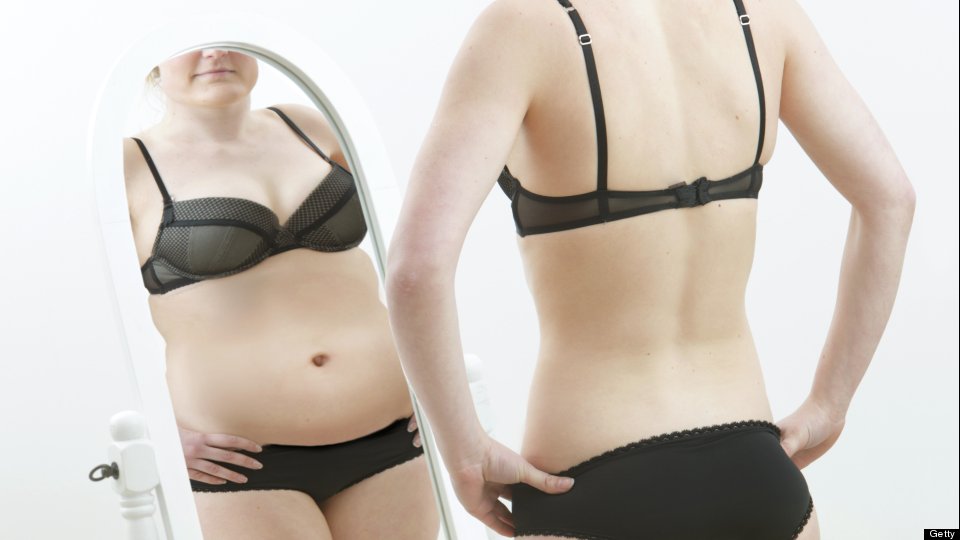
It almost seems to be an inherent part of a woman’s nature to be self-effacing, so much so that women often downplay or neglect their beauty and talents. In fact, I am willing to bet that if you placed an average looking man and an average looking woman in front of a mirror and asked them to assess their physical appearance, the man would concentrate on his assets, while the woman would immediately zone in on her imperfections and problem areas. Though the natural human tendency is to practice self-enhancement, in which we rank our abilities or physical attractiveness as higher than it actually is, women are exposed to physical ideals which bust their confidence and often plant a seed of self-loathing. How can an average woman feel good about herself when she sees rail thin models in fashion magazines who are excessively Photoshopped? Consider this: the average high fashion model has these body statistics:
Fashion Editorial Model
FEMALE: Usually 5’8” – 6’0” (175 cm) in height. Tall, thin build, narrow hips, smaller bust, and usually young. Ages start at fourteen up to early twenties.
Weight: 113 – 128 lbs.
Bust: 32” – 34”, cup A, B, sometimes C
Waist: 26” maximum
Hips: 35 1/2” maximum
Thank goodness the tide is turning in favor of a healthy, realistic view of women’s bodies. Women are beginning to understand that fashion magazines depict a view of the female form which is so far removed from reality that it isn’t reasonable to compare themselves to it. I love this passage from an article I read on this subject:
Perhaps we’re finally starting to realize that so much of what we see on TV, in the movies and in magazines is actually fake. A few women’s blogs — particularly Jezebel — have become sort of watchdogs for Photoshop fakery in women’s magazines. Most recently, the blog attained an untouched photo of Jennifer Aniston, posting the untouched picture next to the airbrushed photo of the actress that appeared in an Australian magazine.
“I think those are great because they really remind people that what they’re seeing in the magazines isn’t reality,” says David Frederick, a psychology researcher at the University of California, Los Angeles, who co-authored the survey along with researcher Kim Elsesser and professor Janet Lever of California State University, Los Angeles. “You’re taking someone who’s already considered really attractive, and then you’re saying, ‘She’s not enough; we have to do more to her.’ So you’re literally creating an impossible ideal. Even the perfect women aren’t perfect.”
I think it will take a while before we women are completely healed from the skewed perception of ideal female beauty which countless magazines, Barbie dolls, and fashion billboard ads have imprinted on us. It is that skewed view which contributes to the flaw-finding gaze which many women adopt when regarding themselves in the mirror and which makes that reflective surface act more like a funhouse fat mirror.

Have you ever seen the cartoon in which a man is looking at himself in a mirror, and instead of seeing his beer belly, balding head and weak jaw, his reflection is that of an Adonis, with a chiseled jaw, washboard abs and a full head of glorious hair? I have encountered quite a few men (especially at the gym) who seem to have a reverse dysmorphia which has them thoroughly convinced that they are America’s Next Top Male Model. While I am all for a certain level of self-confidence no matter how closely a man resembles Golem from Lord of the Rings, I will never understand the boastful behavior and posturing that some less evolved representatives of the male human foolishly choose to display.
I am not suggesting that men don’t have insecurities, because I know they harbor doubts and feelings of inadequacy just like women do. But there is a stark difference between the male tendency to puff out his chest and confidently display his feathers (even if the display looks more like the Charlie Brown Christmas Tree), and the female tendency to amplify any imperfection. Lately I have seen far too many men walking or jogging on the sidewalk who clearly have no business being out in public sans shirt, but they seem completely oblivious to the negative effect their gelatinous bellies and hairy shoulders and back have on passerby. Part of me says bravo on the lack of concern over other people’s opinions, but the rest of me is desperately trying to keep my last meal down.
It appears that men’s inflated self-perception is more honest and congruent with what psychologists refer to as “self-enhancement”, in which people essentially give themselves the benefit of the doubt, exaggerating more desirable personality traits and skills, and considering themselves more physically attractive than they actually are. Of course we would all love to be above average, and thus nudge or enhance our views of ourselves. Believe it, and you can achieve it, I suppose, but it actually works. Most women will be more drawn to an average looking man who exudes confidence over a handsome fella who is self-effacing. Not that I have ever seen a great looking guy who lacked self-confidence, mind you, but confidence is very attractive for both genders.
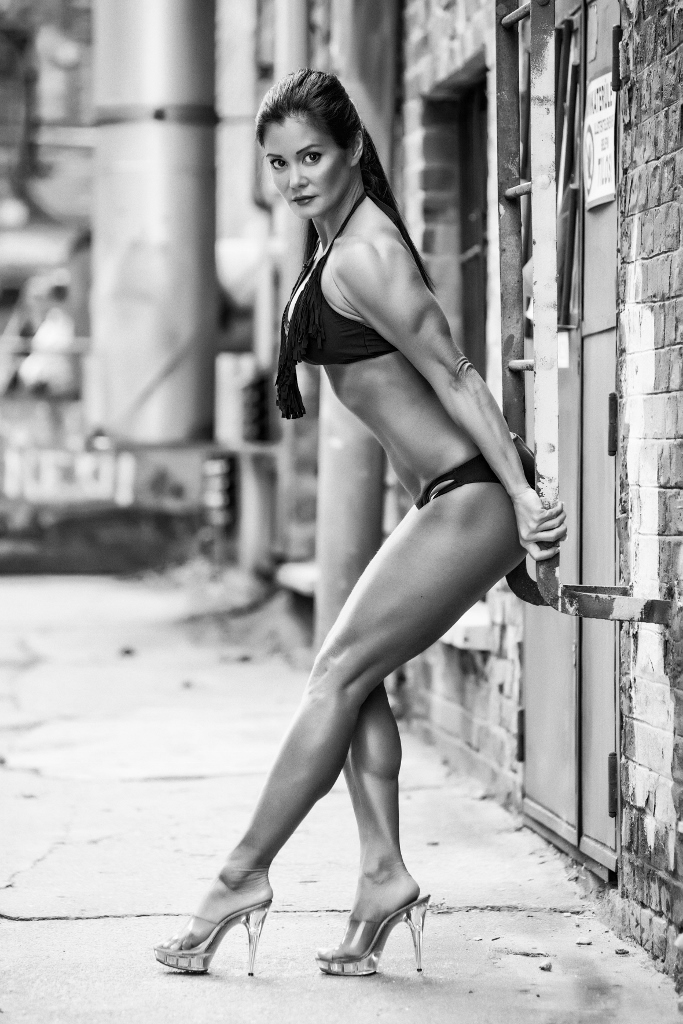
Copyright Zoltan Vegh Photography

Shot in September by the amazing Zoltan Vegh. All rights reserved.
Original post can be found here:
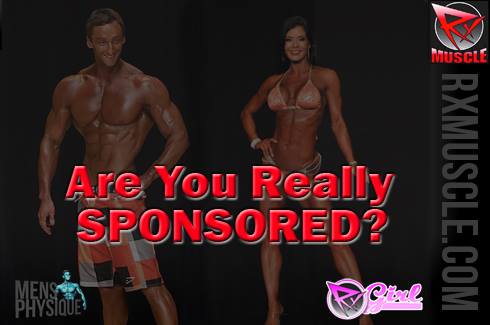
Most sports supplement companies and other fitness related companies aggressively promote their products through athletes who can sing the praises of their benefits. Who could be better at describing the efficacy of a product and how it enhances training or recovery than an athlete who not only already uses those types of products, but someone who has a following and who can convince new customers to purchase from the company which they represent?
Here’s where things get problematic. The pool of bodybuilding and fitness athletes is pretty massive, and the waters are teeming with athletes who are anxious to get their so-called “big break”. As a result of this, savvy marketing teams from fitness related companies often sweep up these individuals because they are enthusiastic and can propel a brand’s exposure. All the company needs to do is to offer some free product to the athlete and provide instructions on how to use social media to get the word out that these products exist. Then the athletes post images of themselves holding or using products, and add affiliate codes so that any orders which are generated through that athlete’s post are credited to the athlete. This can be a great way for an athlete to make some extra money while competing or chasing down fitness related gigs and projects.
It is important to bear in mind that such athletes really aren’t sponsored, but are instead unpaid salespeople who provide free advertising and generate sales via social media posts which direct followers to product websites. Yes, they get commissions if they have affiliate codes, but such commissions are nothing to write home about unless someone is really blowing the roof off in sales. This is in stark contrast to a true athlete sponsorship, in which an athlete is paid to represent the brand as a brand ambassador. The sponsored athlete is chosen for his or her physique, performance history and awards, facial good looks, charisma, enthusiasm, and often the size of his or her social media following. Usually a sponsored athlete signs a contract which stipulates that he or she will receive a certain amount of free product, and in most cases will also receive financial compensation which is either paid via a monthly salary or via a contest stipend. Though the athlete usually agrees to a set requirement or recommendation to provide social media posts for the company at regular intervals, the company pays the athlete for his or her trouble. Personal appearances and events are also part of the sponsored athlete agreement and clearly described in the written contract. The sponsored athlete is compensated for use of his or her likeness on advertising materials as well.
Obviously it is a far better deal to become an official sponsored athlete for a company. Otherwise, you are just providing free advertising and cheap labor in exchange for products which are sold at a significant markup from what they are manufactured at. If you post a selfie with product that somehow goes viral, the company will certainly love the boost, but I doubt you will ever see any type of compensation if you aren’t a sponsored athlete, which means you provided your likeness for free. The truth of the matter is that there are only a handful of athlete sponsorships to go around, with a massive surplus of athletes vying for those spots. The athletes who end up getting sponsorships stand out from the crowd in some way, or fit a brand’s look and philosophy so well that it makes sense to bring them on board to represent a brand. The rest of the athletes must navigate through all the companies out there to try to find an arrangement which benefits them in some way. Sometimes it is easy to sell a product, usually because the athlete enjoys using it so much that he or she doesn’t mind providing free advertising or labor.
Sometimes a supplement company will launch a contest which is based on social media posts. One company, which shall remain unnamed, launched a huge campaign this year that was patterned on this idea, and decided to award 5 of the entrants $10,000. Sure, that sounds like a good chunk of change, but if there were 8,000 entrants, then 7,995 walked away with nothing. At the end of the campaign, the company got tons of free advertising and all those hashtags they requested for “tracking” purposes also propelled their brand in a huge way. To be honest, this is a brilliant marketing tactic, but not the best move for the majority of athletes who participated. I have also seen companies launch contests in which entrants must purchase a product, then post on social media with hashtags to enter the contest. This is another form of free advertising for the company, a great way to generate sales, a brilliant means for them to boost exposure, and yet another way for athletes to be suckered into doing free advertising. I don’t see much harm in taking part in such a contest if you truly love a product and want to proclaim it, but just remember that it works wonders as an advertising tool for the company without any benefit for you.
One thing I will never advocate is purchasing products, even at a steep discount, while also representing a brand as one of its “sponsored” athletes. If you are asked to pay for a product while also providing free advertising on social media channels, run quickly in the other direction! Basically you are dealing with a company which doesn’t value you enough as an athlete to provide compensation for your advertising efforts. This isn’t the same as purchasing a product, finding out you like it, THEN posting something on social media which lets people know how much you like it. I know of several athletes who had done this, which sparked the attention of the company which manufactured the product, eventually leading to a sponsorship deal. But do not, I repeat, DO NOT PAY for products as a way to get false sponsorship for a company.
It isn’t a bad thing to work as an unpaid salesperson in the fitness industry as long as you know your place and value. Once your following builds, the smart thing to do is to leverage your visibility into getting an athlete sponsorship. The main thing is to make sure that you don’t get taken advantage of in the process.
 dr. stacey naito's blog