Nice Comments Versus Inappropriate Comments

dumb
One day last week, as I was walking from my car to the office, I passed by two construction workers who were standing on the sidewalk. As I walked by them, one of the workers remarked, “I hope I don’t sound inappropriate, but you walking by us just made my day.” I turned back, smiled and said thank you, to which he tipped his construction hat and smiled. I then resumed my walk to the office. That was it. No horrid cat calls, no wolf whistles, simply a nice compliment without any creepy vibes.

My general experience is that men who take the time to share comments with me out in public tend to be the nicest and most respectful men. They just deliver a compliment, without going into an awkward space by either trying to ask me out, or by making inappropriate comments or sounds. They seem to understand that while women enjoy being complimented, they do NOT like being objectified or hit on.

At the other extreme are guys who use social media platforms to display their tackiest and most disrespectful behavior. I can’t even count how many ridiculous direct messages I have received through Facebook and Instagram over the years, but there have been a lot, and the accounts have all been blocked. Sometimes it starts out with a nice comment, like “you are so beautiful”, but then morphs into “hey baby u so sexxxi I wanna f*** u”, quickly earning that individual a BLOCK. What I’d like to know is how many women are out there who actually respond in a positive fashion to this kind of talk? Are there women out there who are insecure enough to encourage this type of exchange?

Seriously, guys, if you find a woman beautiful or hot, and you don’t know her, please don’t be gross. We ladies truly don’t like it. All you are doing is giving your gender a bad rap. If you can’t keep it clean, then you should keep your words to yourself.

Keeping Pace With A Crazy Schedule

George Kontaxis shoot

The last few weeks have been NUTS. I am talking about day after day of so many shifts in my schedule and demands on my time, that I am torn in many different directions, and cannot focus on a darned thing. When this kind of chaos ensues, I begin to lose items, certain basic vocabulary terms escape me, and I feel like I am rushing by everything and everyone, like a bullet train zooming through a bustling cityscape.

For the life of me, I can’t find a gray tank top which I had recently purchased and put…somewhere. I honestly can’t remember where. This isn’t like me, because I am VERY organized, to the point of having all of my clothing organized by color, sleeve length, etc. So why can’t I find that gray top?

I literally run around in my bedroom, grabbing for clothes, rushing, trying to keep up with the stressful demands of being in so many places all the time. It’s starting to get old. Forget about having time to read a book, or watch a TV show, because by the time the dust settles from the crazy days I have been flying through, the notion of blissful sleep is so seductive that I don’t want to do anything else.

What keeps me from unraveling is the consistency I demand with my eating habits and my workouts. I am not joking about this. Despite the insane schedule I have been juggling lately, I still weight train six mornings each week. I attend lyra class one to two evenings during the week. My meals consist of clean foods like chicken breast, salmon, tilapia, green beans, asparagus, brown rice, quinoa, avocado, almonds, oats, and Greek yogurt. I have been drinking plenty of alkaline water. I have also been consistent about consuming MitoXcell every morning (I LOVE this supplement and intend to post more about it when I get a chance to breathe!), and I also take my regular supplements (like turmeric, CoQ10, folic acid, etc.) daily. My energy levels have been decent, and my mood has been generally great, with only a couple of stark exceptions.

There are two days next week which I have designated as clean up and organization days, and I desperately need them. During those days, I will perform the deep cleaning throughout most of the house which the housekeeper always neglects, I will reorganize cabinets and drawers, clean up the garage and patio, and find that gray top!

Make Your Goals BIG Ones

big-goal-mountain-steps1

We should all have goals which we set for ourselves, because they make us grow as individuals. We may fall a bit short on reaching our goals at times, but the journey and struggle involved in pursuing our passions keep us moving forward. That is why I honestly believe that we need to set big goals, with clearly defined blueprints which keep us focused on the finish line.

A timeline ensures that your intentions are filled with purpose, and keeps you from falling into irrational, delusional thinking. It isn’t unreasonable to reach for the stars, because you never know what you may accomplish over time. Let’s say your ultimate goal is to be the leader in your industry. Perhaps you have just launched a start-up company in which you began making products at home, and you strive to be the industry leader. Why not have that as your end goal? Who’s to say that you can’t attain the pinnacle of success in your business? There are countless businesses which started out in the same way, out of a kitchen with a shoestring budget, and which are now huge successes.

Read on to learn more about businesses which started out very small, and are now considered industry leaders:

Burt’s Bees – This company has become a huge name in natural skin care products, but it started out in an abandoned one-room schoolhouse. Burt Shavitz and Roxanne Quimby founded Burt’s Bees in Maine in 1984, and rented an abandoned schoolhouse to make candles with the excess beeswax from Shavitz’s honey business. Quimby also began crafting homemade skin care products from the wax. Burt’s Bees became incorporated in 1991, and by 2007, it was bought out by Clorox for $925 million.

The Yankee Candle Company – This company was the brainchild of an enterprising teen named Michael Kittredge, who created his first scented candle in his Massachusetts home with melted crayons. By 1975, the first store opened, and the business spread thoughout Massachusetts. There are currently over 500 stores across the United States, and a wholesale network of over 20,000 stores is in place.

Apple – The vision of Steve Jobs, Steve Wozniack and Ronald Wayne resulted in the trio establishing a business in 1976 out of a garage space in Cupertino, California. The Macintosh line was introduced in 1984, causing their business to explode. Apple has established its unquestionable foothold on the world of technology with revenues of over $14 billion yearly.

Google – Another brilliant trio created this household name in 1998 in a garage in Menlo Park, California, indexing web pages, and developing their search algorithm. The following year, they moved into what is now known as the Googleplex. Today, Google has made an indelible mark on the world of technology.

Mattel – Though Mattel is known as a toy maker giant, it had humble beginnings in the 1940’s making picture frames. Ruth Handler began taking wood scraps from the wood used in making those frames and crafted doll furniture from them. The doll furniture was so popular among customers that the company decided to shift their focus to toys, and by 1959, introduced a doll which they called Barbie.

Now that you have some inspiration, now is the perfect time to dream big and reach for the stars! Good luck, and may great success ensue!

How Weekend Drinking Binges Make You Fat (Repost)

One of the reasons why people tend to look forward to the weekend so much, besides being away from work, is the ritualistic imbibing of alcohol and consumption of rich foods which many tend to engage in. I have clients who will follow a sensible and healthy meal plan during the week, only to abandon all self-control, put on party hats and eat and drink during the entire weekend.

I will explain to you why this practice is a sure way to keep you from attaining your fitness goals. When you drink large amounts of alcohol, say 3 drinks or more, your body gets a sudden influx of alcohol which puts your body’s metabolism of nutrients to a grinding halt. Why? Because the body cannot store alcohol and must use it immediately as a fuel source. What happens with nutrients is that they are converted to fat and then stored in fat tissue for later use, so alcohol essentially prevents the body from utilizing fat. High consumption of alcohol also impairs the cerebral function (specifically the prefrontal cortex), flattening inhibitions and increasing the appetite. That is why you will often crave greasy foods when you drink, because the body turns to rich foods to replenish nutrients. The combination of increased appetite and behavioral changes are enough to get you to eat a calorie laden, fatty meal which is then stored as fat.

I enjoy the occasional cocktail and as a result will never tell people to avoid drinking altogether. However, I have several recommendations which will minimize the fat deposition which alcohol consumption triggers.

1. Always eat a meal with PROTEIN, FIBER and HEALTHY FAT before you begin drinking to offset the surge in blood sugar which occurs with alcohol consumption and to slow the absorption of alcohol once it is introduced to the gut.

2. Drink two glasses of water for every drink of alcohol. Alcohol is a diuretic, meaning that it will dry you out. Because of this, it is important to maintain a high level of hydration to offset the diuretic effect.

3. Limit consumption to 1 or 2 drinks in an evening. This will keep calorie consumption down.people at party

Powerful Women

This is a repost of a recent article on MSN Money which showcased 13 newcomer women who made it onto the list of the richest self-made women in the United States. The original article can be found by clicking the link here, but I have also copied and pasted the body of the article so you can read about these extraordinary women here.

http://www.msn.com/en-us/money/savingandinvesting/13-newcomers-named-richest-self-made-women-in-us/ar-BBtKKOC?ocid=spartandhp

13 newcomers named richest self-made women in US

Forbes’ second annual definitive tally of America’s wealthiest, most successful self-made women includes 60 trailblazers – 10 more than last year – who have crashed ceilings through invention and innovation. These women, who are worth a combined $53 billion, have created some of the nation’s best known brands, such as Gap, Spanx, Proactiv and Vera Bradley. A number of them have also helped build some of the most successful companies in tech, including Facebook, eBay and Google, while still others got rich entertaining millions through their music, books or TV shows.

These women have achieved unparalleled success through invention and innovation to create their own fortunes. ABC Supply’s Diane Hendricks (No. 1) tops the list with a net worth of $4.9 billion, followed by Oprah Winfrey (No. 2), worth $3.1 billion. The Gap’s Doris Fisher and Founder & CEO of Epic Systems, Judy Faulkner, are tied for No. 3, both worth $2.4 billion. Elizabeth Holmes, Founder & CEO, Theranos, who was No. 1 on the list in 2015, misses the cut this year due to recent investigations involving Theranos and information indicating that the company’s revenues are less than originally projected.

With sold out arenas, billion-dollar companies and best-selling books under their belts, 13 newcomers joined the ranks of America’s Richest Self-Made Women in 2016. Big names (Celine, Barbra, Taylor) and big brands (Nasty Gal, Vera Bradley, Douglas Elliman) define the group who cracked this year’s $250 million cutoff, and together have a combined net worth of $5.65 billion.

GAIL MILLER

Net worth: $1.6 billion

Rank: 11

How she did it: The only newcomer who is also a billionaire, most of Miller’s wealth stems from basketball team the Utah Jazz. She purchased it with her late husband in 1986 for $22 million. It’s now worth $875 million.

CAROLYN RAFAELIAN

Net worth: $700 million

Rank: 22

How she did it: The Alex and Ani founder launched her Rhode Island-based bangle-maker in 2004. In 12 years, she’s grown revenues to an estimated $500 million and operates 65 stores around the country.

CELENE DION

Net worth: $380 million

Rank: 37

How she did it: Dion has sold over 220 million albums in her career, but the bulk of her net worth ($260 million) comes from the Las Vegas residency she began in 2003.

BARBRA STREISAND

Net worth: $370 million

Rank: 38

How she did it: Happy days are here again! With a career full of hits and accolades spanning sixty years, Streisand has had a No. 1 album every single decade she’s been in showbiz and is the best-selling female musician of all time.

JESSICA ALBA

Net worth: $340 million

Rank: 42

How she did it: Alba launched The Honest Company in 2012. Just three years later, she was featured on the cover of Forbes’ Self-Made Women’s issue with a $200 million estimated net worth from her stake in the nontoxic-household-goods-startup. The actress-turned-entrepreneur did not make the $250 million net worth cutoff for the list in 2015, but secured her spot on this year’s list when her 20% stake in the company shot up last August after raising $100 million at a $1.7 billion valuation.

NANCY ZIMMERMAN

Net worth: $320 million

Rank: 46

How she did it: Launching her career buying currency options on the floor of the Chicago Mercantile Exchange, Zimmerman later made her way to Goldman Sachs to run their interest rate options group. She left Goldman to co-found Boston-based Bracebridge Capital in 1994. It’s grown to $10 billion in assets under managements and is now the largest in the world run by a woman.

DANIELLE STEEL

Net worth: $310 million

Rank: 48

How she did it: Steel joined fellow romance novelist Nora Roberts on the list this year proving sex, and lust, really does sell. She’s written 129 books and sold more than 650 million copies in her career.

PATRICIA MILLER and BARBARA BRADLEY BAEKGAARD

Net worth: $300 million (Miller); $270 million (Baekgaard)

Rank: 49 (Miller); 54 (Baekgaard)

How they did it: Queens of quilted prints, Miller and Baekgaard founded Vera Bradley in 1982, sewing bags in Baekgaard’s basement and selling their first ones in gift shops. There are now 139 company stores and with products sold in another 2,700 retailers around the country. Vera Bradley IPO’ed six years ago and has a $590 million market cap.

SOPHIA AMORUSO

Net worth: $280 million

Rank: 53

How she did it: The original #GirlBoss, at 22 Amoruso started her online retailer Nasty Gal. Ten years later her company is raking in $300 million in sales, Forbes estimates. She also released her memoir “GirlBoss” in 2014 and it became a bestseller. Amoruso has since expanded the #GirlBoss brand to radio and TV.

DOROTHY HERMAN

Net worth: $270 million

Rank: 54

How she did it: Overcoming a tragic adolescence, Herman got her start as a real estate broker for Merrill Lynch on Long Island. By 2003, she’d bought New York City brokerage Douglas Elliman. It’s now the country’s fourth-largest brokerage firm and the largest in New York City.

TONI KO

Net worth: $260 million

Rank: 57

How she did it: In 1999 Ko started NYX Cosmetics aiming to sell department-store quality makeup at drugstore prices. The company did $4 million in sales in the first year alone. She sold to L’Oreal in 2014 for $500 million and has since moved on to launch a new sunglasses line in early 2016.

TAYLOR SWIFT

Net worth: $250 million

Rank: 60

How she did it: Coming in at the last spot on this year’s list, Swift’s earnings shot up with her transition from country music starlet to worldwide pop star, raking in the most from last year’s 1989 tour that earned $250 million.

In case you want to know how these women made it to list, read on for the methodology employed…

Methodology: Members of the 2016 list needed a minimum of $250 million in net worth to make the cut. To compile net worths, Forbes valued private companies by speaking with an array of outside experts and conservatively comparing the companies with public competitors. In cases in which women started businesses with, and still share with, their husbands, Forbes assigned them half of that combined wealth.

Forbes calculated the stakes in public companies using stock prices from May 13. For entertainers, they based estimates on net lifetime earnings. Real estate, art and other assets were also factored in where applicable. To be eligible for this list, women had to have substantially made their own fortunes and be U.S. citizens or longtime residents. Forbes attempted to vet these numbers with all list entrants.

The Five Keys To Optimal Brain Health

Sharpens-Your-Brain

By: Dr. Stacey Naito – Physician and IFBB Pro

Even if your genetics put you at risk for developing dementia, there are numerous lifestyle and behavior adjustments which you can make in order to protect brain function and fight dementia. The five keys listed below are proven to improve brain health and keep your mind vital and sharp for decades.

1. MOVE YOUR BODY

Scientific research has proven that overall physical health is closely linked to brain health. Regular exercise aids in the maintenance of a healthy weight range, normal cholesterol levels, while also optimizing blood flow throughout the body and the brain and supporting the growth of new brain cells.

The benefits of physical health stem not only from regular exercise, but also from other good health practices. Support your brain’s health by doing the following:

• Exercise at least 30 minutes daily to relieve stress.
• Make sure to get between seven to eight hours of sleep each night.
• Refrain from using tobacco.
• See your doctor regularly.
• Maintain a healthy weight.

2. YOU ARE WHAT YOU EAT

Research studies indicate that diets which are low in saturated fats and cholesterol, and rich in polyunsaturated omega-3 fatty acids and nutrients like lutein and vitamin E, may have a protective effect on brain cells and overall brain health.

Brain-healthy dietary changes:

• Opt for healthy fats which are found in olive oil and fatty fish like salmon. Avoid saturated and trans fats.
• Consume a diet which incorporates milk, eggs, vegetable oils, nuts, whole grains, and dark leafy greens like spinach, all of which are rich in vitamin E. Vitamin E is an important nutrient which supports brain health. If you can’t get vitamin E from foods, you can take it in supplement form.
• Eat plenty of fresh fruits and vegetables, aiming for nine fist-sized servings each day. Select colorful fruits like cranberries, blueberries and tomatoes which are packed with powerful anti-inflammatory compounds known as polyphenols. Keep the skin on fruits and vegetables to maximize their nutritional benefits.
• Add lutein. Lutein is a potent antioxidant which is critical for eye and brain health. Foods which are rich in lutein include spinach, kale, turnip greens, collard greens, egg yolks, corn, and peas. You can also take lutein in supplement form.

3. EXERCISE YOUR BRAIN

Extensive research has proven that the brain continues to learn new skills and information throughout life, and benefits from frequent intellectual stimulation. Make sure to pursue new activities, education and games to challenge your mind. Read books to elevate your knowledge base.

How to stimulate your brain:

• Engage in regular sessions of a mental activity you enjoy, such as reading, word games such as crossword puzzles, or learning a foreign language.
• Get into a daily habit of learning a new word or fact.
• Master a new skill or subject each year.
• Manage stress and balance your energy by meditating. Meditation may help to reduce stress and body inflammation by soothing the vagus nerve, an important nerve which controls the body’s immune response.

4. NURTURE RELATIONSHIPS

Though we know that relationships with family and friends are key factors in a person’s happiness, regular social interaction promotes the formation of new brain cells and aids in brain repair. One study revealed that men and women who had the most social interaction had less than half the rate of memory loss as those who were the least socially involved. By visiting friends and family and being involved in community activities, you will protect brain health.

Social brain boosters:

• Spend time with your family and friends regularly, and make them a priority.
• Volunteer for an organization which surrounds a cause which you are passionate about.
• Work for as long as you can, and for as long as you feel motivated to do so.
• Join clubs and become involved in religious or spiritual activities which resonate with you.

5. BALANCE YOUR NEUROTRANSMITTERS

Brain function relies on important molecules known as neurotransmitters. Neurotransmitter levels affect mood, behavior, cognitive function, social function, digestion, sleep, weight regulation, and many other processes.

The problem with current society is that the vast majority of people have overly stimulated sympathetic nervous systems, which over time can drain the body of serotonin. The excitatory part of the nervous system dominates once the inhibitory neurotransmitters are depleted, resulting in anxiety and an inability to “wind down”. Eventually, even the excitatory neurotransmitters such as serotonin, epinephrine, norepinephrine and GABA are also depleted, and severe depression or chronic fatigue usually develop.

Conventional drugs cannot replenish these neurotransmitters, and in fact, tend to cause depletion of the neurotransmitters. This is the reason why some depression medications do not work on some individuals. The good news is that supplementation with amino acids can help to replenish deficient neurotransmitters.
How To Nourish Neurotransmitters:
• Eat a healthy diet. Neurotransmitter imbalance is aggravated by poor diet. Diets high in protein supply the brain with the amino acids it needs to replenish neurotransmitter levels.
• Consume branched chain amino acids to ensure a rich supply of neurotransmitter precursors.

REFERENCES
Neurotransmitter Assessment Brings Light to Management of Psychiatric Problems
Monday, 15 August 2005 00:59By Erik L. Goldman | Editor in Chief – Vol. 6, No. 3. Fall, 2005

White Rice

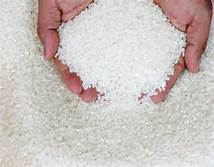
white rice
Anyone who grew up in a household which was managed on a shoestring budget can relate to the concept of adding an inexpensive, bulky carbohydrate to meals to increase their volume. My entire childhood was punctuated by the ubiquitous presence of glutinous Japanese sticky rice. In fact, the only times I did not consume white rice with dinner were when my mom decided to heat up Stouffer’s Macaroni and Cheese, Stouffer’s Lasagna, or pot pies (Swanson and Banquet were the two brands she bought…she ended up purhcasing whatever was on sale). When we had the mac and cheese or the lasagna, we would split the dinner, and she would serve frozen veggies on the side.

All of our other meals featured a mound of white rice which occupied the majority of the plate’s surface. If we had broiled hot dogs, there was rice. Scrambled eggs and rice. Broiled chicken and rice. Vienna sausage and rice. Pan fried SPAM and rice. The occasional steak or lamb chop treat and rice. Sukiyaki (one of only two dishes my mother knew how to cook) and rice. Meatloaf (the other dish my mom could make from scratch) and rice. I even had Campbell’s soup with rice, and was so accustomed to eating soup with rice, that I was always thrown off when I would go to a classmate’s house and encounter soup being served as a precursor to the main course, not the actual main course, and sans rice.

Despite the fact that I was raised in a very low income household, and ate processed foods almost constantly, I was a very happy child and never felt that I was being deprived. I was more astonished and disgusted by the ultra wealthy children I went to school with, because I thought they lived in a false world, one which was based almost exclusively on possessions and financial wealth. A number of my classmates were pretentious, unpleasant brats who were so brainwashed with a sense of entitlement that they probably got kicked around by life when they had to navigate through it on their own.

White rice was such an important part of my life that once I moved out of my mom’s as an adult, I quickly got a rice cooker. I was so unhappy with the small Hitachi cooker I got, that I almost ran cartwheels when someone gifted me with an 8-cup National cooker (that cooker is still with me, almost 30 years later). For those of you who are Japanese, you can probably relate to that need to have a National, Tiger, or Zojirushi cooker! The nicest Zojirushi rice cookers are quite fancy now, as you can see here:

zojirushi fancy

And yes, I still covet a Zojirushi rice cooker!

Now that I am very carb conscious, I avoid white rice on most days, but there are carb spike days in which I allow myself to indulge in jasmine white rice. Why? Because white rice is one of my main comfort foods. It ties me to my Japanese heritage, and it reminds me of my humble upbringing.

Hormone Roller Coaster (repost)

anxious_woman

Oh, to be a woman. We are blessed with goddess energy and are also capable of being strong and muscular while holding onto our femininity. But with our female distinction we also have hormonal fluctuations which can wreak havoc on our health and our moods. It can be a tricky thing to keep estrogen and progesterone levels balanced consistently, especially for those of us who compete. Estrogen imbalance can also bring about early menopause, premenstrual symptoms, menstrual irregularities, and skin issues.

Women who practice a healthy diet, regular exercise, adequate sleep and stress management have the best chance of keeping their hormones in balance throughout their cycles. Overly processed foods, especially refined sugars, should be avoided. Strength training is also an excellent way of regulating estrogen levels in the body. However, I realize that the majority of you who are reading this are already on board with clean eating and weight training, but may still struggle with mood swings, food cravings, menstrual irregularities, and menstrual cramps.

Here are some tips on how to combat mood swings and food cravings which may emerge each month. These supplements will not affect contest prep, and may actually equip you with the best chance of staying on track even during THAT time of the month.

MOOD SWINGS: I am a big fan of the B vitamins because they are proven to reduce stress and anxiety. In fact, I make sure that all of my patients who suffer from depression and anxiety take a B-complex supplement to regulate their mood. It is also a good idea to take magnesium glycinate to restore the magnesium that is depleted during times of stress. Start with 250 milligrams daily, then increase to three times daily with meals. If you get drowsy or have frequent bowel movements, decrease your dose down to once or twice per day.

FOOD CRAVINGS: One of the reasons why women tend to crave chocolate around that special time of the month is because they are often deficient in magnesium, which is found in high amounts in chocolate. For this reason, I suggest taking magnesium glycinate(as stated before) to normalize magnesium levels in the body. Dosage parameters are the same, but if you prefer, you can take magnesium for two weeks at a time, starting a week before your period and ending a week after you get your period.

Another great supplement to take for food cravings is alpha lipoic acid. Take 100 milligrams three times daily. If you really get slugged with strong food cravings before flow visits, add chromium picolinate (200 micrograms three times daily) and vanadyl sulfate (10 milligrams three times daily) to your regimen.