Whenever you are having a particularly frustrating day, and need to vent, look no further than the following website. Trust me, if you give it a try, you’ll know why I felt compelled to share it with my readers.

Whenever you are having a particularly frustrating day, and need to vent, look no further than the following website. Trust me, if you give it a try, you’ll know why I felt compelled to share it with my readers.
Photo Credit: Pixabay
By Karen Weeks
Please check out
Elderwellness.net and contact her via karen@elderwellness.net
These days, we’re surrounded by sodas, ice cream, and fast food restaurants. Those things can be fun and convenient. However, it’s also good to get into the habit of eating healthy foods, especially if you’re a budding entrepreneur and dealing with the potential for burnout of managing your business and employees. So if you want to help your kids and yourself eat better and feel better, here are some tips from Dr. Stacey Naito to help.
What Is Healthy, Whole Food?
You may be wondering what “healthy” really means when it comes to your family’s food choices. Most health professionals agree that the healthiest foods contain adequate micronutrients and are unprocessed. A better way to think about this is to aim to choose whole foods or natural foods that have not been processed.
For example, chicken breast, spinach, quinoa, yams, and nuts are all whole foods because they have not been processed. On the other hand, cereal, white bread and french fries are not whole foods. Try to incorporate more whole foods into your family’s diet and try to get more gut-healthy probiotics from surprising sources like garlic and onions in order to boost your family’s digestive and mental health, as well as their immune system. Also, make sure to fuel your family for the day with a nutritious breakfast.
Why Eat Whole Foods?
By eating foods that are high in vitamins, minerals, fiber and healthy fats, your family will be getting the energy they need to survive and thrive. By avoiding processed food that is high in sodium, sugar, trans fat, and saturated fats, your family will also be protecting themselves from the dangers of obesity, heart disease, and even tooth decay. In addition to the physical ramifications of a poor diet, eating highly processed foods can impact your family’s mental health and make them feel more stressed, depressed and anxious.
In essence, what we eat affects brain function, biochemical pathways and even the size of certain areas of the brain that regulate mood and emotion. Foods high in unhealthy fats and sugars are also highly addictive; the more we eat, the more we want. If you want your family to be healthy (both physically and mentally), you can counteract these effects by encouraging a diet that is rich in whole foods.
In addition to health benefits, eating foods in their natural or whole state cuts down on the environmental impact of plastic food packaging. When you eat a banana, there is no waste. The peel decomposes, leaving no trace behind. Adversely, the plastic bag carrying banana chips adds to the problem of packaging waste pollution.
How Can Families Get Started?
One of the easiest ways to ensure your family is getting enough healthy whole foods is to prepare food at home. Get your entire family involved in cooking – not only is there an abundance of fresh fruits and vegetables in season, but you likely also have more time to spend preparing meals. Plus, kids who cook tend to eat healthier as adults.
Another way to ease your family into healthier habits is to add veggies to your favorite comfort foods. Avoid trying to trick your children into eating veggies and take the time to explain to your children why having zucchini with macaroni or spinach on pizza is good for them. Smoothies can also be an easy way to get kids into eating more fruits and veggies. Blend up bananas with leafy greens or even pineapple with cabbage.
If you plan on taking a road trip, you have an extra chance to get your kids to eat healthy. Instead of stopping for fast food, try bringing some healthy snack options, like dried fruit, popcorn or low-sugar cereals.
Finally, be patient as your kids pick up new healthy food habits. You may need to serve veggies alongside old favorites for a while, and don’t get discouraged if your loved ones go after the occasional indulgence. The process may be gradual but eventually, your entire family will begin to see the benefits of eating those healthy foods.
Dr. Stacey Naito is a board-certified family practice physician, artist, and fitness model. Check out her blog for fitness and wellness tips, inspirational stories, and product reviews.
“It is what it is.’
I cannot understand why this phrase has become so popular, because it is incredibly stupid and redundant. I cringe every single time I hear someone utter it, and am dismayed by the number of people I know who have adopted this into their current communication behaviors. Why has it suddenly become so trendy to state the obvious in this manner? I can’t help but think that everyone who utters this string of words either hasn’t given much thought to the circular reasoning buried in it, or has developed a pathological and resigned attitude towards life in which circumstances are shrugged off. Come on guys, take a little responsibility, would you?
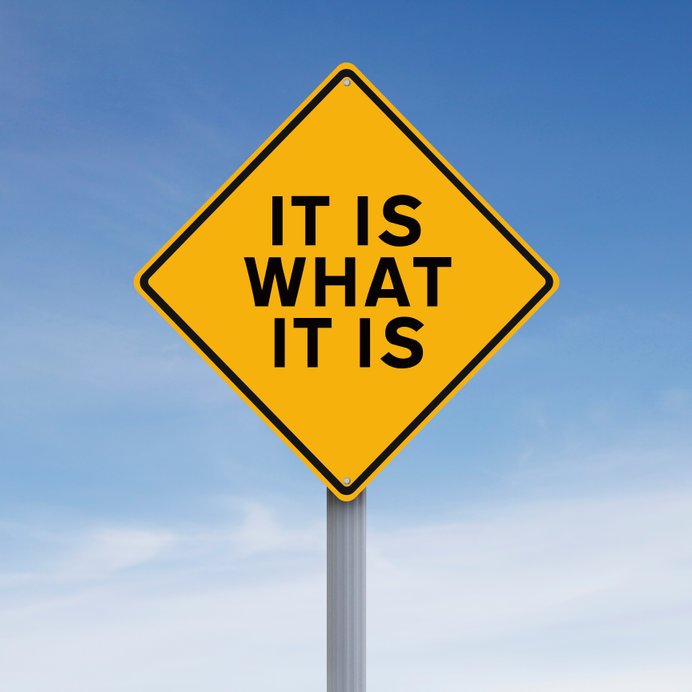
If we look at res ipsa loquitur logic, this legal term indicates that someone is presumed to be negligent if that individual had control over what caused the injury. But since I took two years of Latin in high school, I am more intrigued by the original semantics and logic of this particular phrase. If we apply this idea of negligence to the statement, “it is what it is”, does that mean that people are blaming fate, or the lockdown, for the unraveling of society which has occurred in the past year and a half, or are they simply resigning themselves to fate when they utter that? All I know is that I have heard it far too often since spring of last year, and it is raising my ire.
I truly enjoy and appreciate what Ethan Ryan from The Fiddleback has to say about this idiotic statement:
“It is what it is” is a waste of words, a waste of breath. I mean, sure, I get it. It expresses the same sentiment as the French “C’est la vie!” But still, it irks me. It’s just a repetitive series of defeatist monosyllables. Why not just say “It is,” or for that matter, “It’s”?
Of course it is what it is! How could it be anything but it?
The only context in which that phrase would be appropriate would be if somebody asked “Is it what it is?” and you said, “Yes, it is what it is.” Presumably you’d have this conversation in an assisted living home with a demented loved one attempting to categorize an ice cream cone.
When you write “It is what it is” as a mathematical algorithm it looks like this:
it = it
In logic, this is called the law of identity, which states that an object is the same as itself. “A is A” is a tautology. Here are some more:
1 = 1
pineapple = pineapple
J = J
☺ = ☺
poop = poop
X = X
Those are analytical facts, verified by their consistency within the rules of a symbol system. But they’re also stupid and irrelevant. They’re true under all possible circumstances, and they demand little of the world for their truth. You don’t need evidence to back up the claim “Poop is what poop is.”
Here’s another tautology:

Seems logical, right? I don’t know, I’m not a logician.
What concerns me are rhetorical tautologies such as:
“I am what I am.” ~ God talking to Moses
“I yam what I yam.” ~ Popeye talking to Olive Oyl
“Rose is a rose is a rose is a rose.” ~ Gertrude Stein
“A horse is a horse, of course, of course.” ~ the Mr. Ed theme song
“It is what it is what it is what it is what it is what it is what it is.” ~ this essay
It is it. A is A. But redundancies are redundant, aren’t they? Be succinct. Next time your umbrella breaks, or your toilet gets clogged, or your house burns down, just shrug and say “It’s.”
That’s obnoxious advice, I know. Defeatism gets us nowhere. Life is hard, but that’s no excuse to spout meaningless clichés. There are so many fantastic adjectives and nouns and verbs out there, humming in a deep pocket of your brain. Use your words. Don’t just say “It is what it is.” We already know that.
Wittgenstein said philosophy is the headache you get from banging your head up against the limits of language. When I came across that line I decided I was done studying philosophy. Years later, my head is still hurting. Philosophy is dangerous.
Whatever.
It’s.
——–
Ethan Ryan
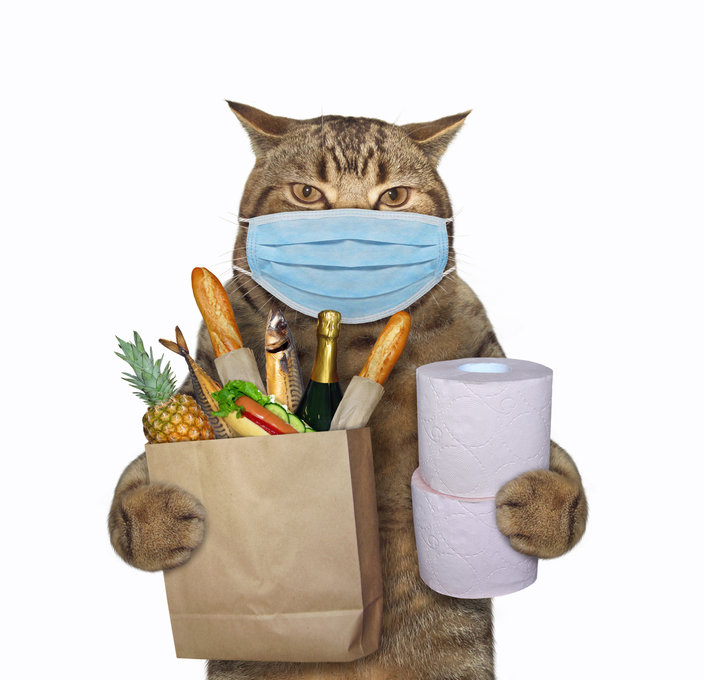
Shortly after COVID-19 caused a global lockdown in early 2020, many of us began to regard having a cocktail before 5 pm as acceptable. Conventional rules about how most people used to live were thrown out the window when we were suddenly trapped inside our homes, bored, stressed out, and uncertain about our futures. I don’t doubt for a second that many people turned to booze as a coping mechanism, to quell concerns over the mysterious virus which froze the world in trepidation, and to soothe anxiety over job security and financial wellness. Perhaps some individuals also turned to libations to manage the aggravation which resulted from the constant close proximity to family members from whom they used to be able to escape when they were able to leave the house for work. I suspect boredom has triggered a fair amount of drinking as well.

Copyright: ajlber
During full lockdown, alcohol merchants made it easy for people stuck at home craving a glass of cabernet sauvignon to order online or through apps and have ethanol elixirs delivered to their residences. Even now, with restrictions largely lifted, restaurants and other food-centered businesses have come up with cheeky suggestions on how alcohol can calm spirits ravaged by the chaotic and confusing events which COVID-19 created. It’s surprising to me how so many people who never drank on a regular basis admitted to drinking on a daily basis during full lockdown, because it smoothed the rough edges of a tumultuous and frightening time in history.
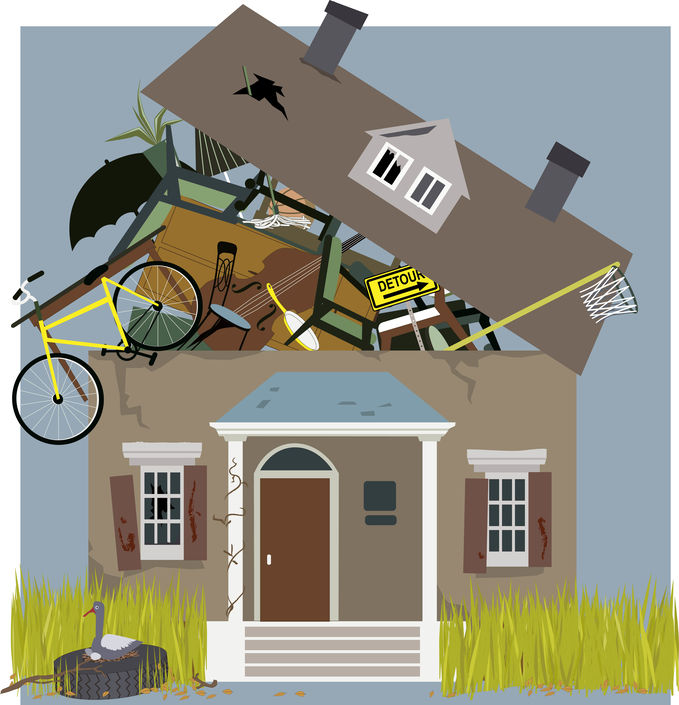
Over the decades, I have accumulated a lot of stuff, and there are many things I may never have the heart to part with, so they remain somewhere in my home, either on display or in a closet or garage shelf. However, the idea of holding onto something I am not currently using has never sit well with me, so I frequently perform purges in which I deep clean, reorganize, repair, and at times sell or donate belongings which are not being used. Since my mother’s family was notorious for being pack rats (to give you an idea, I nominated my favorite aunt for an episode of Hoarders and they were keenly interested in bringing her on, then she fell ill), I have fought against any inclination to hang onto anything which will merely take up space.
I conduct purges about 4 to 8 times per year, and this includes areas such as my garage, all closets, my kitchen, my bedroom, and my master bathroom. Strangely, even though I frequently get rid of things, I somehow still have so much stuff, and it truly bothers me at times. I guess I am not destined to lead a spartan lifestyle, especially when I hold onto keepsakes like the stuffed yellow dog which was in my crib and can still play “Rock a Bye Baby” from the music box which is nestled in its belly. However, old area rugs, candles which I never used, books I have no interest in reading again, decorative pieces which have been ousted in favor of new ones with a different theme or color story, all end up either on Facebook Marketplace or in boxes which are carted off to Goodwill.
For those of you who tend to be hoarders, especially those of you who hold onto a box because it’s a “good box” (don’t fret, I’ve done that too), it might be a good idea to enforce regular purge sessions so that you don’t get pushed out of your own home by your own clutter!

Ever since the pandemic began, many of us have become accustomed to working from home. For some, the shift to a home office environment may have enhanced productivity, while for those who struggle with self-motivation, a home work environment may have served as nothing but a challenge. Suddenly, work environments became riddled with completely new potential distractions, such as pets, children, package deliveries, and household chores. We have had to take more responsibility over our accountability and work ethic, while also working at a pace which doesn’t burn us out. I have a hunch that while some people have slacked off while working from home, more have probably worked harder while trapped at home than they ordinarily would while in a traditional work environment. I know that I have stayed up incredibly late at night to perform asynchronous telemedicine visits from home, something I would never be willing to do if I was working in a traditional clinic or medical office.
One thing I hadn’t given much thought to, despite the fact that my telemedicine productivity is monitored online, is that some employers have required employees to fill out work logs which itemize every single task an employee performs while on the clock. Given the fact that home distractions are quite different from work distractions, I wonder how much reported work activities have conflicted with what someone actually did during a work shift. On the other side of the coin, should quick bathroom breaks and trips to the kitchen for a snack be reported as scheduled breaks?

Work/life balance is critically important for us all. We aren’t slaves, nor should we be treated as such. I truly believe that if an employee performs all required tasks for a given day, then the employer has no right to monitor every single second of that employee’s time, whether it is spent in the office/shop or at a home office. Another consideration is that while some would consider the presence of a pet in the home work environment to be a distraction, having a beloved pet around would reduce stress, lower blood pressure, and enhance mood. I know that when I have one of my cats sitting on my lap while I am working on the computer, I am much more at ease. As a matter of fact, I have my rescue cat Shima sitting on my lap while I write this blog post, and I honestly feel that she enhances the flow of ideas and gives me so much love and comfort, thus enhancing my work.

There are a multitude of benefits I can come up with for working from home:
I’m curious to know who prefers working from home, and who is actually looking forward to returning to their regular work environment.

Source: 123rf.com
Image ID : 152344739
Copyright : dolgachov
If someone had told me at the end of 2019 that in 2020, I would surpass the level of plant of obsession I experienced in 2000-2002, I would have argued that it would never happen. Yet here I am, with over 100 indoor plants (119 at the time of writing this post, to be exact), still thinking about the next plant I intend to add to my wishlist. I am in good company too, because there is massive and ever growing community of plant fanatics which is knit together by countless social media plant influencers, Facebook groups, and online plant shops. As long as we continue to be sequestered in our homes and encouraged to continue to practice social distancing, the frenzy over hoarding plants is likely to intensify.
Plant people create plant communities inside their homes which serve as therapy and great comfort during the lockdown and social turmoil which has us roiled. There are times when I will walk around my home, surveying the lush environment I have created, noting the character of each plant, and I honestly appreciate them all. Then there’s the anticipation of ordering a plant online, which is akin to meeting a new potential love interest. I can honestly say that I have become giddy after finding a coveted plant and ordering it. And when a plant arrives in the mail, I want to open the parcel immediately, not only because I am concerned for the living thing inside the box, but I simply can’t wait to feast my eyes on the new addition to my plant collection.
Now that I am a “plant person” once again, I have picked up a tremendous amount of knowledge of nomenclature and plant care. I have encountered a number of other plant people who could definitely be accused of being plant snobs, using terms like “etiolated” or “pubescent leaves”, and showing disgust when someone doesn’t know what they are talking about. For the most part, though, plant people tend to be very positive, caring, and friendly.
In this video I review BN Labs Vegan Protein, which is a very clean, all natural plant-based protein powder. My review is unbiased, and I was only given sample packets to try for the purposes of reviewing the product. This video was shot about 3-1/2 years ago, but I still love this protein!
Please check out this excellent article written by Karen Weeks, which covers healthy habits which seniors can adopt in 2021.

Image via Pexels
By Karen Weeks of elderwellness.net
A brand new year is ahead of us, making it the perfect time to adopt healthy habits like eating nutritiously, exercising regularly, and spending time with loved ones (whether in-person or virtually). Below, Dr. Stacey Naito offers five senior-friendly habits that can be adopted in the new year — and how seniors can go about incorporating them in their lives.
According to the Academy of Nutrition and Dietetics, seniors need adequate amounts of calcium and vitamin D, B12, dietary fiber, healthy fats, and potassium in order to lead long and healthy lives. And fortunately, seniors can get all the nutrients they need by consuming plenty of fresh leafy greens, lean meats, beans, and healthy fats like avocados and fish. Supplementation may also be necessary if calcium, B12, B6, or vitamin D levels are low.
If you’re looking for some ways to eat better this year, try buying a new cookbook or two, purchasing a grocery delivery service, or visiting your local health foods store to stock up on fresh fruits and veggies, healthy grains, and lean proteins. If you’re thinking of paying for a grocery delivery service, some of the best options for produce include Imperfect Foods, Misfits Market, and Farmbox.
Like good nutrition, seniors need plenty of physical activity — including strength training activities, exercises for balance and flexibility, and aerobic activities such as walking, biking, swimming, or dancing. And fortunately, there are several things seniors can do to increase their physical activity in the year ahead:
Following along to exercise DVDs or online fitness classes.
Walking or biking alone or with friends (while practicing social distancing, of course).
Parking further away from store entrances when shopping.
Purchasing an elliptical machine, exercise bike, or treadmill.
Starting and maintaining a garden.
If you have a medical condition or you’re experiencing body aches or pains, a physical therapist can help you to select the best exercises for you. Plus, many physical therapists are offering virtual services amidst COVID-19.
Socializing is tough in the age of the coronavirus, but it isn’t impossible! With senior-friendly video chat software, online multiplayer games and apps, and safe in-person gatherings (like outdoor activities and walks with loved ones), seniors can safely spend more time with their friends and family members in the new year. Regular socialization keeps seniors physically, mentally, and emotionally well — and reduces their risk of cognitive decline and depression.
Speaking of cognitive decline, seniors should also make time for brain games and activities in the new year. Brain games keep the mind young and healthy, fight boredom, and improve overall mental well-being. A few brain training activities for seniors include:
Jigsaw puzzles, crosswords, and word finds.
Classes on cooking, foreign languages, dance, or music.
Arts and crafts like knitting, scrapbooking, and upcycling.
Reading, coloring, and drawing.
Clutter is harmful for a number of reasons. Not only does it create tripping hazards at home, but excess clutter often triggers anxiety, concentration issues, irritability, and even depression. So, if you’ve been feeling especially negative or depressed as of late, the new year is the perfect time to freshen up your living space by cleaning, decluttering, and letting in as much fresh air as possible. Redfin shares a checklist with some ideas for cleansing your home and creating a happier and healthier living space.
It’s never too late to adopt healthier habits and take steps to improve your life, and these five tips will help you to tackle everything from changing your diet to eliminating excess clutter at home. No matter your age, the start of a new year is the perfect time to reinvent yourself and improve various areas of your life.
Looking for more health tips and advice? Visit Dr. Stacey Naito’s blog at staceynaitoblog.com.
Source: 123rf.com
Image ID : 100542878
Copyright : lightfieldstudios
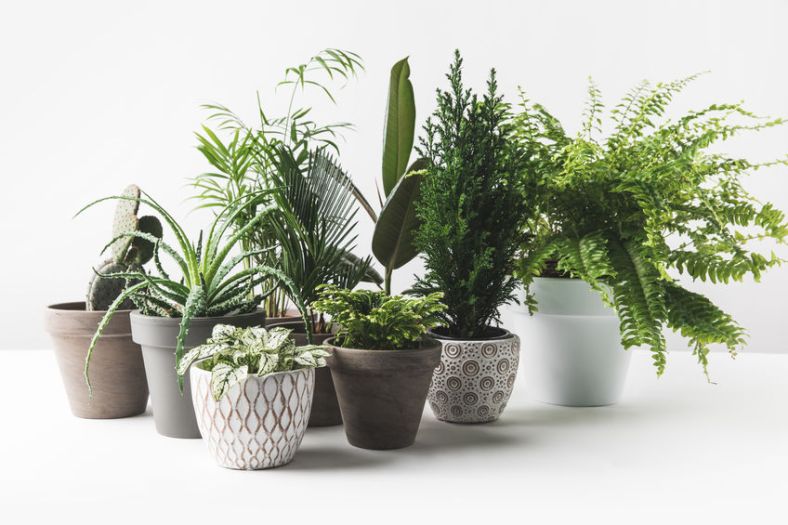
I know there must be a whole slew of you who have jumped aboard the plant-obsessed bandwagon, and who treasure your new jungles as much as if they were your children. Trust me, I can relate, though this isn’t the first time in my life that I have gone plant crazy and filled my home with living green things.
The first time I went overboard with buying and maintaining plants was back in 2000, when I amassed a collection of over 70 indoor plants in a 2 bedroom cottage-style apartment, and I loved it. The idea of being surrounded by lush greenery was incredibly appealing, and I was swept off my feet until I went through a divorce which shifted my priorities and pulled me away from my plant hobby.
I took such a sharp about-face that I only had six indoor plants for many, many years, leading into the spring of 2020. Then shortly after lockdown hit, I found myself at a plant nursery in May and purchased three lovely plants. Little did I know that I was about to fall deep into plant obsession. By July, I had over 40 indoor plants, and now, I have about 60 indoor plants. Some were purchased through Etsy, many were purchased from a local supplier (@Brandontheplantguy on IG), and I even bought some from eBay and Amazon.

Source:123rf.com
Image ID : 126788177
Copyright : Olga Yastremska
Though I feel a certain amount of embarrassment over the fact that my home now declares to everyone that I am a crazy plant lady, I take great comfort in knowing that such an obsession is almost trendy these days. The truth is, houseplants are more popular than ever, especially in millennials who are pushing against the idea of having children, and who are instead opting for a collection of Hoya or Senecio plants which will never demand that the plant parent pony up for a college education. That being said, having a plant habit can set one back quite a bit, not only in the cost of the plants, but also the planters, spring water, plant food, insecticides, etc.
Those of you who aren’t captured by the idea of collecting a bunch of potted living things might be scratching your heads and wondering why people have suddenly gone plant crazy. The COVID-19 restrictions and lockdowns forced us all to stay at home, which meant that suddenly, our home environments took on a greater significance. This is why there was a surge in home improvement projects which kept the big box home improvement stores packed during a time when many other businesses were floundering. Plants certainly can beautify a home, and they also clean the air, but probably the most compelling feature about houseplants which appeals to most folks is the fact that they are living things, and with a bit of nurturing, they will grow and thrive.
That being said, plants don’t always thrive, and when they start to droop or otherwise show that they aren’t happy, plant owners may find themselves dealing with a lot of frustration. Another thing I have noticed about now being responsible for a brood of 60 indoor plants is that I often get pissy when a plant decides to become finicky. It can make a plant parent downright neurotic to try to determine what a failing plant needs. Maybe there’s too much sunlight and the leaves are getting scorched. Or maybe there isn’t enough sunlight. Could it be that the plant needs more/less humidity? Is the plant getting too much/not enough water? Are there pests on the plant which need to be eradicated? What, what, WHAT does this plant want or need?
Even the task of taking care of the plants which are doing well (thankfully, 99% of my plants are doing extremely well) is a daunting one. The one day per week when I look at all my plants and determine which need to be watered is a day I have begun to dread, because it takes a full hour or more for me to complete the task, all the while lugging jugs of spring water, plant fertilizer, orchid plant food spray, neem oil, my watering can, my plant log, and a stepladder all throughout the second and third floors of my home. It’s exhausting.
I know that plant people can relate to what I am about to say regarding plants which stubbornly refuse to do well despite everything, especially popular plants which are supposedly “easy care” plants. When a plant begins to show that it isn’t happy, I honestly feel like I have failed the plant. I get frustrated and want to figure out the solution to the plant’s woes. If the plant refuses to rebound, and is close to its demise, I adopt a very “fed up” attitude, and will very abruptly dump a plant in the trash or banish it outside. It’s the best way for me to disconnect from that irksome creature and get on with my life.
I now have a trusted list of plants I gravitate towards so that I don’t tear my hair out in frustration. Here are the plants which I truly do enjoy, because they are all doing well in my home:
In stark contrast, there are plants which I have had little to no success with despite all my efforts. The plants which have stirred up a great deal of frustration include ALL peperomias, n’joy pothos, Tradescantia multiflora (quite possibly the messiest plant ever), Othonna capensis (tried two of these plants and finally gave up), and Begonia maculata. I now avoid those plants in the same way I would avoid a person I didn’t like, and certainly would never welcome them into my home again.
In conclusion, the healthiest way to approach plant ownership is to educate yourself on the particular needs of the plants you have, and if a plant begins to falter, just let it go instead of beating yourself up for not being able to save it. I actually found out that many nurseries will keep stocking certain plants because they know that the plants will be fussy. Since many people are stubborn about trying to succeed in nurturing a plant, they will often purchase the same type of plant repeatedly in hopes of somehow figuring out its needs. I know I did this with Scindapsus, Begonia maculata, Pilea peperomioides, Hoya wayettii, and every time one of these plants would die, I would take the loss personally, as if I was totally responsible. I’ve learned that it is not worth the heartache, not to mention the financial expense, to keep buying those plants.
 dr. stacey naito's blog