When Your Arms Are Too Short…


As someone who grew up with myopia (nearsightedness), I never imagined that my reading vision would fail me.  Yet I have spent the last four years holding menus at arm’s length to make it easier to read the food selections.  Within the past year, I adopted the habit of grabbing my reading glasses first thing in the morning when I grab my phone.  Do you know why?  Because my close-up vision has become so dim that if I dare to construct a social media post without my glasses, I end up finding typos on my caption or hashtags.  I’ve even gotten to the point where I wear my glasses when sitting at the computer and reading a considerable amount of material, because it reduces eye strain.  

The end result is that I either grab glasses, or wish that my arms were longer.  I also wish that restaurants filled with romantic ambience would scrap the low light conditions in favor of slightly brighter light which would make it possible for all but the most elderly and vision-challenged to see.  

Presbyopia (the age related stiffening of the lens of the eye, which interferes with its ability to contract and diffract the light) has reared its ugly head and taken up residence permanently in my daily life.   And despite the fact that I had the knowledge base to realize that presbyopia would color my life after the age of 50, I am still surprised at how sudden and noticeable the vision changes have been.  

I went from not being able to see the big E on the Snellen eye chart from my childhood into my late 40’s, to struggling to read receipts in my 50’s and wondering,  “Is that a 6, or an 8?”, or, “Is that a 3 or a 5?”  It’s pretty frustrating.  There have been instances in which I have picked up products with the intention of reading the product ingredients, but I often cannot read them at all.  

What’s really strange is that it makes me feel a bit disconnected from the world, since once sense is noticeably dulled. Who else feels that way as a result of having age-related loss of near vision?

Overcoming The Daily Grind: How Women Can Focus On Their Health

Photo via Pixabay by Stocksnap

Attention ladies…how can you focus on yourself in the midst of a hectic lifestyle? Read on to see what Sheila Olson of fitsheila.com has to say!

– By Sheila Olson

For many women, finding the time to focus on their overall well-being can be a challenge. Busy work schedules, spending time with family, and personal projects can sometimes prevent us from taking the time we need to take care of our bodies and minds, leaving us feeling exhausted and without the defenses we need to stay healthy. While having a routine can be a great thing, it can also become monotonous, leaving you with the feeling of being stuck in that “daily grind” everyone talks about.

Fortunately, there are several things you can do to boost your health and overall well-being without sacrificing the time you need to spend on other things. Making small changes to your lifestyle and routine will help you boost your energy, immune system and self-esteem, all while ensuring that you stay efficient and productive.

Keep reading for some great tips on how to get started.

Ask for help

No matter how productive you are, there’s just no way you can do everything by yourself, so don’t even try! Ask for help now and then, especially when it comes to managing your time. Not only will this help you get everything done, it will reduce stress at the same time. Think about the small things that will have a big impact, such as delegating chores to the kids or hiring a dogwalker to take care of your pup while you focus on other things.


Get in a daily workout

It may seem easier said than done, but it’s actually not that hard to fit in a workout if you know where to look. Many people think that their exercise routine needs to be done in a gym, for at least an hour at a time, with fancy equipment and gear, but the truth is, you can break up your workout into two fifteen-minute increments and get some nice results. You can also try yoga or simply use the tools you have around you including stairs instead of heading to the gym.

Eat well-balanced meals

Eating healthy isn’t always easy when you have a packed schedule; many women find themselves settling for fast food or even finishing what’s left on their child’s plate rather than making something good for themselves. If time is an issue, consider preparing some healthy meals ahead of time such as on a Sunday night and freezing them for the week. It will also help to keep quick, easy foods like pre-mixed salad, fruit, granola and oatmeal at the ready so you can make a healthy meal even when you don’t have much time.

Fuel up at work

When you spend long hours at the office, it can be hard to focus on your needs. Schedule breaks in which you can meditate, read a good book, go for a walk around the block, or eat a healthy snack. This will not only help you stay physically healthy, but mentally as well.

Getting over the daily grind and focusing on yourself is a must in today’s busy world. No matter what kind of job you have, or what responsibilities await you at home, it’s important to remember that your health matters. Find small ways to reduce stress as much as possible, and don’t forget to ask for help! Learn to say no if it takes away from some much-needed self-care; you’ll thank yourself later.

Banish Obesity for Good with These Simple Wellness Tips

Photo via Pexels

Check out this informative article by Dana Brown of Health Conditions which is chock-full of effective and easy wellness tips.

– By Dana Brown

Obesity is a lifestyle disease that plagues over 1 in 3 Americans. This causes preventable illnesses and health problems, such as type 2 diabetes, gallstones, high blood pressure, and joint weakness. Many people suffering from obesity have tried to lose weight through fad diets and trendy fitness routines only to fall back on old habits. Instead, maintain health for the long term by making wellness-focused changes to your lifestyle.

Find the Best Workout Routine for You

Starting a workout routine can be very hard if you’re struggling with obesity. Verywell Fit emphasizes the importance of finding a workout catered to you instead of joining random fitness programs because you don’t know what else to do. Find a workout that you can enjoy and stick to. Some of the best workouts for obese adults include walking, group exercise classes, and strength training. If any exercise causes pain, try something else. For example, aqua jogging is a good alternative to walking if you have pain in your joints.

Develop a Balanced Diet Plan

Avoiding empty calories is more important than cutting your calorie intake when it comes to losing weight. This means staying away from sugary foods and those containing unhealthy fats. Instead, aim to get a balance of nutrients from each meal you eat. The majority of your calories should come from fresh fruits, veggies, whole grains, legumes, and lean protein. These foods will provide your organs with the nutrients they need to help you fight disease and daily fatigue.

Make Time to Get Restorative Rest

Not getting enough sleep can be a barrier standing between you and your weight loss goals. Studies show that sleeping habits can disrupt the efficacy of weight-reduction programs. When we lack sleep, our bodies are stimulated to increase our appetite unnaturally. Sleep disruption also affects the body’s ability to control blood sugar and cortisol levels. Try to get more than 7 hours of sleep per night to increase your likelihood of successful weight loss.

Take Care of Your Mental Health

Making improvements to your overall wellness includes addressing any mental health issues that you may have. Many studies have found a link between obesity and mental health disorders, including anxiety and depression. According to experts, people tend to use food to self-medicate their emotions. Mental health issues also lead to a decrease in physical activity, which is a common cause of onset obesity. So, it’s important to cut out stress from your life and get help if you’re suffering from a mental disorder.

Ditch the Scale

What if you didn’t have to step on a scale to check your progress? According to Livestrong, avoiding the scale can be a healthier way to measure weight-loss. Scales give us an inaccurate representation of our fitness. They don’t tell us where we’re carrying excess weight or how healthy our bodies actually are. Plus, the numbers on the scale can be disheartening when they’re higher than we expect. Instead, track your progress in other ways.

First, it’s easy to tell you’re losing weight when clothes start fitting better or become baggier. You should take note of compliments made by friends and family, since changes to your body will be more obvious to other people than to you. You’ll also notice significant changes in your energy levels and how your body feels. For example, you’ll feel stronger, be able to walk farther, and feel less pain. You may also notice reduced stress and better quality sleep. These are all signs that you’re progressing on your weight loss journey.

Dealing with obesity through wellness-centered actions will help you get to the root of the problem. By changing up your lifestyle for one that’s healthier and focused on caring for your mind, you can finally keep those pounds off for good. Eventually, these actions will become healthy habits that will keep you feeling good for years to come.

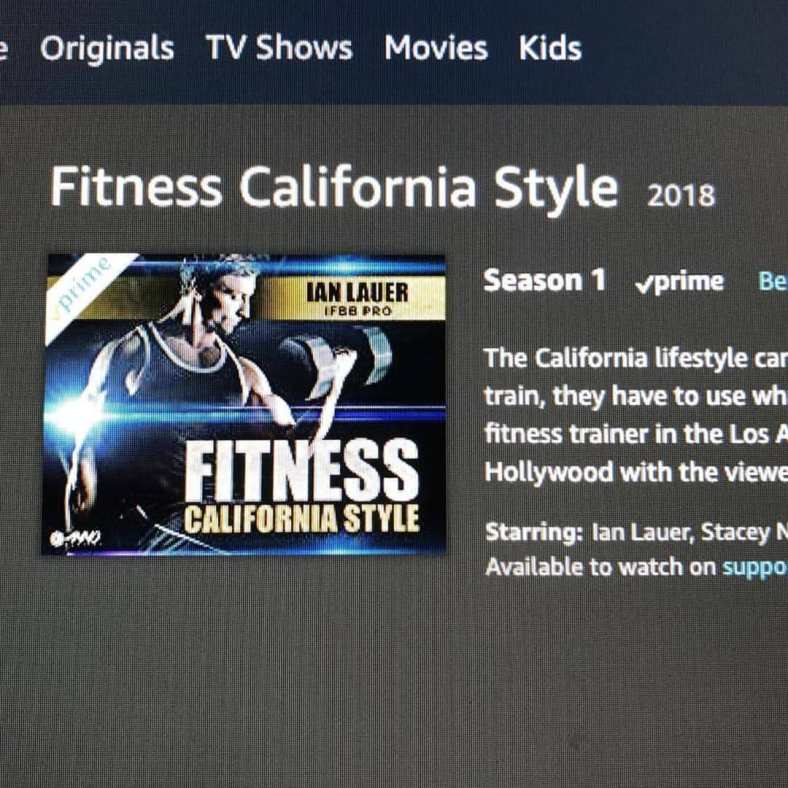
“Fitness California Style” Is Available Through Amazon Prime!

I’m honored to be a part of this fantastic project which is now available through Amazon Prime Video! Best yet, Season 1 is available to watch for FREE to Amazon Prime members. Hosted by CSCS, IFBB Pro, martial artist and actor Ian Lauer.

Click on the link below to access all 13 episodes in Season 1!

https://www.amazon.com/Full-Workout-Dumbells-Bench-Babaganoush/dp/B07FVMN3FS/ref=sr_1_2?s=instant-video&ie=UTF8&qid=1532898241&sr=1-2&keywords=ian+lauer

Clean House, Clean Mind!

No one should have to live like this!

The phrase which I have used for the title of this post is one which always intrigued me, perhaps mostly due to the fact that I grew up in a household in which various areas were “clutter zones”. This is not to say that I grew up in a messy home. My mom was actually quite tidy, and a neat freak. But I never saw more than half the surface of the dining room table, since the other half was covered with one foot high stacks of bank statements, other financial documents, greeting cards and letters from family. In like fashion, about a third of our coffee table was piled with astrology guides, tv guides, and other books which my mom was reading. Stacks of papers and magazines sat next to our living room sofa. My mom’s bedroom had banker’s boxes instead of furniture at the foot of the bed.

I also was witness to my mom’s extensive collection of jewelry and clothing. Though we had six closets, only one was filled with my clothing, while all the rest were jam-packed with my mother’s clothing. Some of the clothing had never been worn and had the price tags still attached. I admit that I knew this behavior was unusual, but I did not know how pervasive such behavior was in my mom’s family until I went to Hawaii and saw that my aunts and uncles also practiced the same behavior. Some of my relatives were so extreme in their tendency to hold onto things that they earned the label of pack rats. In fact, when one of my uncles had a severe stroke and had to be placed in a convalescent home, my cousins discovered five-foot high stacks of newspapers throughout the house in a serpentine pattern (leaving just enough room for a person to wiggle through the house), moldy food in the refrigerator, Japanese antiques which were stuffed in a room collecting dust, and a plethora of other collectibles and junk which made it next to impossible for him to use the kitchen, toilet or sleep in his bed.

When my mom became ill in 2006 and had to be placed in a convalescent home, the task of cleaning her apartment fell upon me. The enormity of sorting through all the things my mother had collected was overwhelming, and I shut down emotionally numerous times. I was shocked to find collectibles that had never been displayed, bank statements going as far back as the 1950’s, hundreds of pairs of earrings and shoes, about 150 handbags, etc. Suddenly it was left up to me to determine what items of my mom’s were worthy of being kept. Since these items could not be stored at the nursing home, they were stored in my garage and my closet. My mom still asks about her things and becomes angry if I tell her that we had to sell or give away many of the items she had collected over the decades. I did my best to keep what she deemed most valuable, either monetarily speaking or in terms of sentimental value. It always breaks my heart when I see her upset over losing her things.

My favorite aunt, two years older than my mother, was probably the worst-stricken in the family when it came to hoarding. She never had children and was a widow for 34 years when she finally passed away in 2017 at the age of 86 from ALS. Before she became ill, I remember hyperventilating upon entering her house, because the clutter was so extreme. I used to marvel at her insistence on keeping 60 plastic Smurf miniatures in her tiny bathroom, and used to wonder why she had a collection of about 200 plastic food storage containers when she lived alone. My aunt’s collections were numerous and extensive.

If you have ever tuned into the show “Hoarders” you would get a sense of what my aunt’s environment was like. My aunt’s belongings swallowed up her living space so severely that she was unable to stretch out on her bed, and could barely get to her toilet because there was so much junk in the bathroom. My aunt didn’t have access to her front door for over ten years because she had so much junk stacked up in front of it. Instead, she used the side door leading out from the kitchen to access her residence.

In January of this year I had to move from a place I had been in for close to six years. Though I have gone through my entire adult life very successfully squashing any hoarding tendencies that may be hidden in my genetic makeup, I had still acquired many things over the years. Once I was in the new place and had to sort through everything, I was ready to enter full purge mode, and got rid of a lot of things I no longer needed, and it felt FANTASTIC. That is saying a lot since I go through the bulk of my belongings three to four times a year and perform regular purges.

When it comes to your belongings, don’t allow yourself to become encumbered by them. Don’t hold onto feelings of guilt. If you haven’t used something in a while and it is collecting dust, get rid of it. There is probably someone out there who will use it and will appreciate it. If there is something you haven’t used or worn because you are waiting for the right occasion, either USE IT or let it go! I used to frequently argue with my mom about our differing philosophies about objects. She always told me I was hard on things. Scratches on my watches and my shoes were deemed by my mom to be marks of carelessness, when in contrast, my mom sequestered similar items in boxes and tissue paper for decades, never to be worn or used, in a static, pristine state and hidden under a bed or a drawer. I will continue to use the things I possess and will not worry about wear and tear. I will also make sure that tables and all the living areas of my house serve only their intended purposes, and that my storage areas never get to the point where they are overflowing.

If you know a hoarder, please GET HELP. http://hoardershelp.org/

Sex After 40

By: Dr. Stacey Naito – Physician and IFBB Pro

The Shifting Tide

Those of you about to turn the corner and enter the 40 and over zone may be concerned about the impact that getting older will have on your sex life. You may have questions about whether you must resign yourself to becoming a dried-up old lady, with no fun to be had in the bedroom. Thankfully, the reality is that you can have more fulfilling and enjoyable sex than you had in your 20’s or 30’s.

What’s more, society has gotten wind of the idea that people want to live completely fulfilled lives into their advanced years. It’s true that 40 has become the new 20, and the concept is supported by empowered celebrities like J. Lo proclaiming their eternal youth and sexual vitality without shame. So instead of allowing the aging process to shut you down, it’s time to look forward to a new and more sexually fulfilling chapter in your life.

Why Getting Older Is Great For Your Sex Life

I don’t know about you, but I wouldn’t trade the knowledge and life experience I obtained over my 52 years on the planet to return to my 20’s, because aging has positively impacted every aspect of my life, including what happens behind closed doors. With age comes acceptance of who we are, body flaws and all. Let’s face it, we accumulate stretch marks, cellulite, scars, etc. over time, all of which could send us into a meltdown if we stressed out about them. We have become more comfortable with who we are, which translates to greater body confidence. That body confidence works to our advantage in the bedroom, because we no longer feel uneasy or ashamed of how we look sans clothing. When we are comfortable naked, we can finally relax and enjoy intimate encounters to the fullest.

A woman in her 40’s or 50’s is less likely to take desperate measures to entice her man, such as dressing up in sexy but uncomfortable lingerie, or wearing a pair of high heels guaranteed to aggravate her plantar fasciitis or her bad back. In contrast, it seems there are plenty of women in younger age brackets who follow ridiculous wardrobe guidelines to garner the attention of potential sex partners or followers on social media channels. A woman in her 40’s of beyond doesn’t have the inclination to make a fool out of herself to guarantee a romp in the bedroom. She is older, wiser, and doesn’t have time for such nonsense. She doesn’t feel like she needs to try so hard to win her partner’s favor. Her attitude tends to be more along the lines of, “This is what I got, take it or leave it.” Besides, I am willing to bet that such an attitude is far sexier to a man these days. In addition, most men tend to be more excited about the notion of getting you naked, and once you are in the buff, they aren’t scrutinizing your body for flaws.

Older women are also less selfish in bed, and bolder about declaring what they want. They know their bodies, their likes and dislikes. If single, they are more discerning about how they procure partners, so they are less likely to engage in risky activities which expose them to sexually transmitted diseases. For older women in a relationship, there is a greater likelihood that they have been with the same partner for many years, and have developed a level of intimacy which only comes from a longer term committed relationship. A 40-something woman is usually confident enough to turn to her partner and say, “I really like it when you use your hands on me more”, and not fret about whether her partner will accept her sexual preferences.

Chances are that for older women, there are far fewer household distractions which can impede the natural progression of an afternoon of flirting into a full-blown lovemaking session. Such interludes are pretty much impossible if a baby is crying, or young children are demanding attention. Once children have become old enough to be relatively independent, say from pre-teens on, there may be more opportunities to roll around in the sheets with your partner without any interruptions. That kind of freedom can result in more spontaneous sexual encounters and greater satisfaction.

For those past menopause, Aunt Flo’s monthly visit no longer interferes with any amorous advances. Furthermore, there is no concern about getting pregnant and having an unplanned family addition. It’s incredibly liberating.

Sexual Issues and Aging

Though I have painted a rosy picture of the sex life of older women, there are some issues which can interfere with optimal sexual activity. However, this doesn’t mean that all women over 40 will experience sexual dysfunction. As geriatric psychiatrist and Caring.com senior editor Ken Robbins states, “Impaired sexuality and sexual function aren’t normal consequences of aging.” (https://www.caring.com/articles/sexless-after-40).

Women can experience symptoms of perimenopause as early as 35, and the diminishing estrogen and progesterone levels can result in vaginal dryness and thinning of the vaginal mucosa, both of which can make intercourse painful. If this occurs, make sure to obtain a pelvic exam with a physician who can diagnose and treat the condition. In many cases, a lubricant is sufficient, but hormone replacement therapy may be offered as an option as well.

Some women may experience a decrease in sexual desire as they age, but many others experience a surge in libido from the increased testosterone to estrogen ratio, which increases as estrogen levels continue to diminish. The sexual benefits of testosterone are also enhanced by regular weight training, which naturally boosts testosterone levels in the body. However, the ebb and flow of sexual desire often fluctuates more in women over the age of 40, a result of associated dips and surges in hormonal levels. In addition, the hot flashes, night sweats, and mood swings associated with plummeting progesterone levels don’t exactly make a woman feel amorous.

If you are a woman over 40 who is experiencing symptoms of perimenopause, such as hot flashes, and they are frequent enough to disrupt your daily life, seek the advice of a physician. During your visit, you may ask if the addition of hormonal support supplements like maca or dihydroepiandrosterone (DHEA) would be helpful in decreasing the symptoms you are experiencing.
Most importantly, reduce stress in your daily life, get plenty of rest, and communicate with your partner about any sexual concerns you may have.

Exercise, Self-Care, and Finding the Right Balance to Boost Your Overall Wellness

Photo credit: Pixabay.com

Please check out this excellent article by Shiela Olson which explores the delicate balance between pushing yourself to the next level and nurturing yourself at the same time.

– By Sheila Olson of fitsheila.com

You’ve decided you’re ready to stop perpetuating a cycle of sleeping in on weekends, spending weeknights slumped over in your couch, and eating out at greasy burger joints every other meal. You’re ready to live a healthier and happier lifestyle, and you’ve known the answer all along — diet and exercise. Diets aren’t very effective when practiced every other week, and fitness requires you to keep up and even build up the intensity over time.

So, what’s the secret?

The Importance of Prolonging Good Fitness

When someone decides they are ready to start running every day, or some other form of exercise, they typically feel this fire within themselves to keep it up. You go in for your first day, and you feel exhausted, but you also still feel pretty good knowing that you’ve taken your first step at getting healthy. After a few more gym sessions, you notice that you aren’t just tired but also sore, and that goodwill for better living starts to feel a little less compelling.

It’s natural to give it your all the first few times before your mind and body start to naturally resist the transformation that is occurring. It’s the kind of transformation that people from all walks of life seek to make their lives better. It’s why so many recovering addicts start running and bodybuilding. Exercise not only changes how we look on the outside but how we feel on the inside. It reduces stress and boosts positive self-image and confidence.

The process of transformation can be difficult and uncomfortable at times, especially when you’re just starting out, which is why it is important to not overdo it. If you work too hard or put too much emphasis on your physical fitness, you run the risk of burning out and not making the kind of progress you are looking for.

The Meaning Behind Self-Care

Right now, the buzzword of the day seems to be self-care. People are starting to collectively realize that we don’t need to punish ourselves to live our best lives. Exercise shouldn’t be something you dread to do but something you look forward to. To remedy this natural resistance to living healthier and a fitness-oriented lifestyle, people are turning to self-care as a way to supplement diet and exercise and avoid burning out during the process.

One of the ways you can practice self-care is by leaving plenty of rest days in between workouts to give your body time to recover. Recovery is essential to practicing good physical fitness and ensuring you have enough energy to keep going back to grind week after week. Self-care also addresses showing yourself love in alternative ways. Exercise is important for our physical health, but we also need to consider our mental and emotional health as well. Beyond exercise, there are a number of activities you can do, such as meditation, reading a book, or pursuing a hobby, that can all fill a specific need you have in your life.

The Need for Balance in Your Life

When you approach your physical fitness as just one piece of the puzzle, then you can start looking at other ways to enhance your life, while not overdoing your diet and exercise. You won’t just be working hard, you’ll be working smart. You’ll know that there are many activities you can work on to improve your overall well-being. By balancing out these different self-care activities, you will always make yourself better while also keeping a very diverse routine. Some days, you will be focused on your physical fitness, but when you need to rest and recover, you can then switch gears and focus on your mental and emotional health as well.

Once you decide it’s time to make a change, you’ve already started your journey to improve your wellness. You may have attempted to change your life a few times now, but all of those past experiences were just the lead up to this one moment where you finally committed to achieving personal wellness and living your best life.

Photo Credit: Pixabay.com

What If It All Shuts Down?

Ever since we hit the era of Google and the information superhighway, we have become as spoiled as fattened swine on the plethora of technology which swarms around us constantly. It’s been an interesting study in contrasts for me, because I spent my childhood without any of the fancy technological bells and whistles which earmark the new millennium. I remember making and receiving phone calls on a beige rotary dial phone, and if I didn’t want to talk to someone, I just left the receiver off the cradle. Now THAT was call blocking! We didn’t even have the luxury of answering machines back in those days. And tooling around on personal computers wasn’t part of our daily routine either.

Now we have personal computers which are so handy that we carry them around in the form of laptops, tablets, and cell phones. We navigate via global satellite, search for factoids via Google or Bing, and pretty much have the world quite literally in the palms of our hands.

Yet what happens when a phone runs out of battery power, or if a power outage threatens to shut us down? The thought honestly makes me shudder, and is part of the reason why I will never take the advice of my sister and digitize all of the photos from my photo albums (I have 39 photo albums, mostly from my mother’s photo collection), then destroy the original photos to save space in my home. Yes, a fire could destroy those photos, but I am not too keen on the idea of storing images on a disk or hard drive and relying on a computer whenever I want to view those images.

Today’s society is so image-driven, yet who is bothering to save these captures in a precious archive? Though I have a habit of printing out images from important events (like birthdays and holidays), I’m sure I am in the minority. I have also noticed that there are some online searches I have conducted which are later deleted or moved, so the information is forever lost. Maybe I’m old school, but there’s something to be said about holding onto an item, whether it be a printed photo, a printout of a Google search, or financial documents.