What I Want To Be When I Grow Up

Little girl wishingI have had a surprisingly large number of people ask me what makes me tick, and what my ultimate goals are.  The problem I have had throughout my life is that I am a chronic overachiever and want to try everything that I believe I may have a talent in.  My biggest life interests outside of medicine and fitness are listed below.

Drawing, Illustration, Painting

Graphic Design

Crafts of all kinds

Knitting and Crocheting

Modeling (print, commercial, fashion, swimsuit, fitness, glamour, runway)

Acting

Fashion Design

Personal Assisting

Makeup Artistry

However, my BIGGEST passions lie in the fields of medicine and fitness.  From the time I obtained my bachelor’s degree in Exercise Science, I have been completely committed to fitness and leading by example.  My medical degree is another feather in my cap which increases my knowledge and my influence, but I always strive to combine all my talents and interests together as much as I can in order to lend a number of perspectives on health, wellness, anti-aging and fitness.

My ultimate goals in medicine and fitness are to:

1) Have my own TV show.  A couple of years ago I began stating that I wanted to become the female version of Dr. Oz.  I said this in jest at first, then when I realized what I was saying, I became more intrigued by the idea until it became one of my ultimate goals.  If Dr. Oz can command the attention of women around the globe (viewer demographic appears to be mostly women between their early 20’s and late 60’s), why couldn’t an attractive female doctor in her 40’s who models, competes in a bikini nationally, and who is also highly experienced in aesthetic medicine, nutrition, fitness and anti-aging?  Hmmmm…

2) Launch my own specialty skin care line.  I have wanted to do this ever since I held the position of Director of Cosmetic Research at a Los Angeles area hospital.  Since I am of mixed ethnicity I would love to tailor a line of skincare products and cosmetics towards individuals of multiple ethnicities who have unique concerns.

3) Establish a foothold in the fitness industry as an icon for the over 40 crowd.   This is also HUGE for me, whether it manifests via workout content, products which are sold with my name or endorsement on them, or even a specific show on television or the internet.

4) Design women’s fitness apparel and swimsuits with a distinctive edge.  I have yet to see clothing and swimsuit designs which incorporate the design elements I have always wanted to see and which are edgy and appealing.  The only thing that has been my real stopping point here is that I cannot stand sewing!

What do I want to be when I grow up?  Lots of things!  I will keep my nose to the grindstone to make these goals and dreams manifest.

Cranberries for Urinary Tract Health

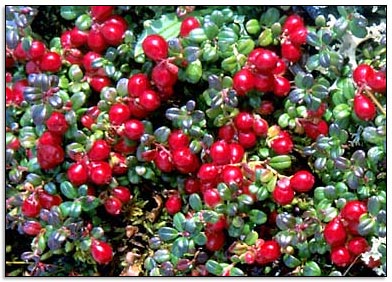
cranberryCranberries have been used for centuries among Native American Indian tribes for treating urinary conditions and are currently a popular remedy for urinary tract infections (UTI’s). Research shows that cranberries are effective in preventing UTI’s by introducing chemicals into the bladder which keep bacteria from adhering to it. However, cranberries had no effect on bacteria which are already stuck to the bladder lining, making cranberries ineffective once someone is already suffering from a UTI. Cranberries have additional benefits in the urinary tract, including deodorizing of urine in those who suffer from urinary incontinence and treatment of neurogenic bladder.

Another interesting feature of cranberries is the high levels of salicylic acid they contain. Salicylic acid can reduce inflammation in the body, reduce the risk of blood clots, and protect the body against development of certain types of cancer.

If you are interested in supplementing with cranberry extract, take 300 to 400 milligrams one to three times per day. I had taken 400 milligrams daily for years with not a single UTI. Then I suddenly ran out and decided to take a month off to see if it would make a difference. Two weeks later, I was struck with a wicked UTI which completely flattened me out for two days. Needless to say, I resumed the daily cranberry extract supplementation and have recommended it to my female patients more heartily than ever.

Two cautionary points:

1) Cranberries contain large amounts of oxalates which collect in the urine. Since kidney stones are primarily composed of oxalate combined with calcium, those at risk should avoid drinking cranberry juice or taking cranberry extract.
2) Cranberries interact with warfarin (Coumadin) so individuals who are taking this medication should avoid them.

Gamma-Aminobutyric Acid

GABAGamma-aminobutyric Acid (GABA) is used by many to treat depression, anxiety and insomnia. It is a neurotransmitter found in the brain which stimulates serotonin production, thereby creating a sense of relaxation in the body. It also triggers human growth hormone production. Many people take this supplement in the evening as a sleep aid, and some individuals take it to relieve anxiety. Another reported benefit of GABA is its ability to metabolize fat.

Side effects of GABA are minimal and may include tingling and itchiness. I have taken 750 milligrams of GABA in one dose daily and haven’t experienced any of these side effects.

If you decide to take this supplement, you may want to boost its relaxation benefits by also taking tryptophan, valerian, kava, and 5-HTP.

Recommended dosage is 250 milligrams three to four times daily, taken on an empty stomach. One caution is that if GABA makes you groggy, take 500 milligrams twice daily, one in mid evening and once before bed.

Healthy Substitutions – A Good Start For Beginners

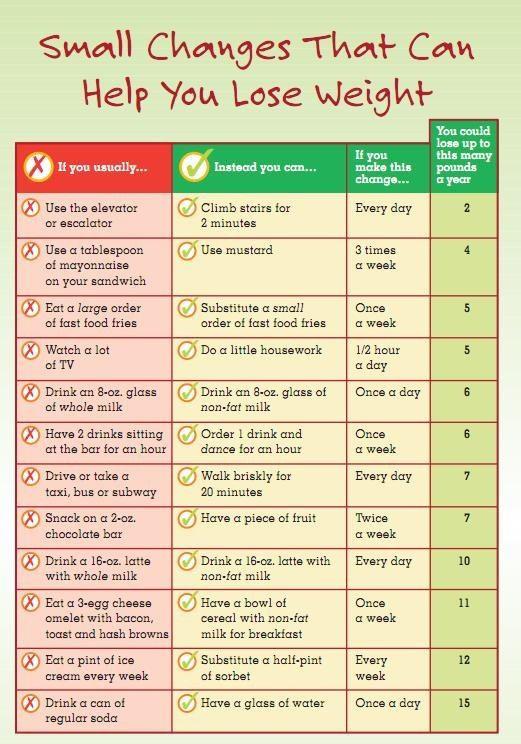
Healthy SubstitutionsI think this chart is a decent one.  However, these substitutions should serve as the BEGINNING of a full lifestyle overhaul.  Many of the substitutions listed here are not considered healthy enough for the long term, such as the small order of fast food fries.  If you are ordering fries three days a week, substituting a large order with a small one is NOT a truly healthy change.  As far as I am concerned, fries should be avoided with the exception of the RARE indulgence.  As an example, I am a huge fan of french fries and have absolutely no self-control around them.  Because of this, I only allow myself to eat french fries a couple of times per YEAR.

I am also not a huge fan of most dairy products (Greek yogurt excluded) because of the way such products are processed.  So a substitution with nonfat milk is not the best over the long haul.

The key with following the suggestions in this chart is to move in a progressively health-conscious direction so that it becomes easier over time to adopt truly healthy habits.

Don’t Ban Fruit!

Basket of FruitFruit has gotten a bad rap recently in people’s efforts to eradicate sugar from their diets.  However, I strongly believe that this is a big mistake.  Fruits are low-calorie and (with the exception of avocados) low in fat, and are plentiful in vitamins and soluble fiber.  Soluble fiber aids the body in ridding fats and cholesterol from the body as well as ensuring regular transit of food particles in excretion.  In addition, fruits offer antioxidants which protect the  body from oxidant stress and many diseases, as well as boost our immune response.

I especially love blueberries as they contain a special type of antioxidant known as anthocyanins.  In fact, all “blue” fruits (blackberries, acai, mulberries and black grapes contain these powerful antioxidants just underneath their skins.

Here is a list of some of the most popular fruits along with their associated health benefits:

APPLE:  Apples are packed with soluble fiber and are high in vitamins.  Due to their high fiber content they can be excellent aids for individuals who suffer from constipation.

BANANA:  This fruit is well known for its high potassium content.  Those who have issues with high blood pressure might want to make bananas a regular part of their meal plans in order to manage their pressure issues.

BLUEBERRIES:  As stated before, blueberries are one of my favorite fruits because they offer so many health benefits.  This fruit is ranked number one in antioxidant activity and may help to lower the risk of developing neurological disorders such as Alzheimer’s and Parkinson’s.  They also freeze very well.  In fact, not too long ago I was in the habit of purchasing large batches of blueberries, then freezing them for use in my morning oatmeal.

CRANBERRY:  This extraordinary fruit prevents bacteria from adhering to the bladder wall and in so doing can be very effective in preventing urinary tract infections from developing.  I recommend the extract or juice to women who are prone to frequent urinary tract infections as it minimizes the chance of developing infections.  Cranberries have a strong antioxidant effect as well.

PINK GRAPEFRUIT:  This fruit is very high in a form of soluble fiber known as pectin, which can help to lower cholesterol.  It also is rich in lycopene and flavonoids, which may have a protective effect against certain types of cancer.  Beware of this fruit if you take cholesterol-lowering statins or some other medications, as grapefruit can interfere with some medications.

KIWI:  This strange, beautiful, tart fruit is packed with vitamins C and E, has 3 grams of fiber in one fruit, and is also rich in potassium and magnesium.  In fact, kiwi has more vitamin C than oranges do. 

MANGO:  This fruit has ample amounts of lutein and zeaxanthin, which have a protective effect on vision and can reduce the risk of age-related macular degeneration, which is the leading cause of blindness in adults.

ORANGE:  Oranges are rich in folate, an essential substance which helps to prevent neural tube defects in unborn infants and which also has a protective effect against the development of high blood pressure in women.  It is also rich in vitamin C and fiber.

PEAR:  Pears contain a lot of soluble fiber and for this reason can be very effective in relieving constipation.

PINEAPPLE:  This tropical fruit, besides containing large amounts of vitamin C, contains an enzyme known as bromelain which assists in breaking down protein and facilitating digestion.  Bromelain also has wound healing properties, helps to prevent blood clots and inhibits cancer cell growth.  Pineapples also have anti-inflammatory properties which can help to alleviate arthritis pain.

POMEGRANATE:  This fruit is rich in antioxidant tannins which have a demonstrated protective effect on the heart.  Individuals with high blood pressure or risk of heart attack will benefit from ingesting this fruit on a daily basis.

PRUNE:  Prunes are very high in sorbitol which has a mild laxative effect, so the old wive’s remedy of drinking prune juice for constipation was extremely valid.  This fruit is also very rich in boron, a mineral which may help prevent osteoporosis.

RASPBERRY:  Raspberries are rich in folate, magnesium and ellagic acid, an antioxidant which may help to prevent cervical, esophageal and colon cancer.  They also provide large amounts of fiber, as well as vitamins A and C.

STRAWBERRY:  Strawberries are packed with vitamin C, fiber, folic acid and potassium.  They also have a protective effect against carcinogens.

I realize that many people are not able to locate the fresh varieties of fruits throughout the year, so I want to call attention to the varieties of fruits which are available frozen.  Dole offers the following fruits in frozen versions:

  • Apples
  • Bananas
  • Blackberries
  • Blueberries
  • Cherries
  • Cranberries
  • Mangos
  • Mixed berries
  • Papaya
  • Peaches
  • Pineapple
  • Raspberries
  • Strawberries

Frozen fruit is picked, washed, peeled, cut and frozen immediately in order to retain the bulk of its nutritional value.  When you are ready to use the fruit, you can either thaw it at room temperature or lightly defrost it in the microwave, though I strongly prefer room temperature thawing.

People who compete may have adopted the attitude that fruit is a big no-no, as they believe the fructose in fruit will potentiate fat retention.  However, if you consume small portions with meals, especially with your post-training meal, there is no way that you would consume enough to create such an issue.  I strongly disagree with the mindset that fruit consumption should be eliminated during contest prep, as this robs the body of powerful antioxidants and deprives a competitor of natural sweetness, which could result in strong cravings for sweet items which are made with sucrose or artificial sweeteners.  If you are extremely concerned about consuming too much fruit, try a small portion (1/4 to 1/3 cup of fruit in the morning with your first meal, and the same portion size with your post-workout meal. 

Premenstrual Woes and Natural Remedies

PMS“That time of the month” is often met with dread by women because of its inconvenience and also because it is also frequently preceded by annoying symptoms such as irritability, fatigue, acne and bloating. Some unlucky women experience a constellation of symptoms which are severe enough to disrupt daily function. These women are said to have premenstrual syndrome (PMS).

What are the symptoms of PMS? Though they can vary greatly among women and even from cycle to cycle, and can range in severity, there are common symptoms which characterize this syndrome.

Common Symptoms of PMS:

• Bloating
• Breast tenderness
• Acne
• Changes in bowel habits
• Fatigue
• Insomnia
• Back pain
• headaches
• Decreased libido
• Irritability
• Depression
• Anxiety
• Mood swings
• Inability to concentrate

Sounds like fun, doesn’t it? However, there are a number of measures which women can take to decrease symptoms. I will confine my recommendations to the most widely documented and readily available aids.

FOOD:
• Eat small, frequent meals to stabilize blood sugar
• Avoid alcohol
• Decrease intake of fatty foods
• Decrease red meat intake
• Increase intake of fruits, vegetables, beans, nuts, seeds and fish
• Reduce sugar and salt intake
• Eliminate or decrease caffeine

EXERCISE:
Women who exercise regularly experience fewer and less intense PMS symptoms than those who do not engage in regular exercise.

RELAXATION:
There are a number of methods women can employ to promote relaxation, such as meditation, yoga, and breathing exercises. By reducing stress this can help to level out the erratic emotions which can strike before your period.

MAGNESIUM:
Magnesium has a beneficial effect on mood changes that are associated with PMS, and also reduces the swelling, breast tenderness and bloating which commonly occur in women before their periods. Take 400 milligrams daily.

CALCIUM:
Women who suffer from PMS tend to have lower calcium levels, and those who take calcium supplements experience less severe symptoms than those who do not. Calcium supplementation can reduce bloating, mood swings, food cravings and pain. Take 400 milligrams three times daily.

VITAMIN B-6: Take 50 to 100 milligrams daily to ease PMS symptoms.

VITAMIN E: Vitamin E reduces the production of prostaglandins which are responsible for cramps and breast tenderness. Take 400 international units daily.

CHROMIUM: Chromium regulates insulin and blood sugar which in turn controls food cravings and appetite. Take 25 micrograms daily.

Branched-Chain Amino Acids For Muscle Growth and Recovery

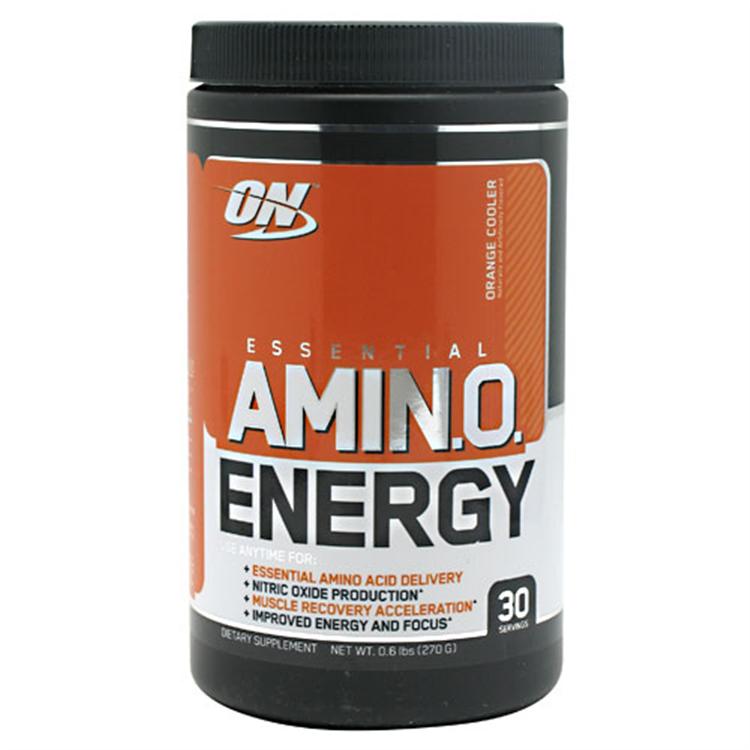
ON Amino EnergyBranched-chain amino acids (BCAAs) are the essential amino acids leucine, isoleucine, and valine. What makes them essential is the fact that we must obtain them from food sources since our bodies do not produce them. Since BCAAs comprise one third of the amino acids found in muscle tissue, and also since they possible reduce muscle breakdown, they are an essential part of the supplement regimen for individuals who are committed to building muscle. They are also capable of sparing glycogen during training. Glycogen is the primary source of fuel for muscles during high intensity workouts. Individuals who ingest BCAAs before and during training preserve their glycogen levels by 25%. Even when glycogen stores are depleted in working muscles, BCAAs enhance fat oxidation which allows people to train longer.

BCAAs can also boost testosterone levels when consumed before training. Testosterone levels increase during intense training but plummet to normal levels once training is done, but if BCAAs are on board, testosterone levels remain elevated for a number of hours. BCAAs also improve the body’s testosterone to cortisol ratio. What does this mean? Testosterone levels will remain high long after training is completed, while cortisol release will be minimized. This translates to more muscle growth and less breakdown of muscle. As if this wasn’t enough, the amino acid leucine increases insulin sensitivity which promotes fat loss, muscle growth and protection against diabetes.

Other uses for BCAAs are to prevent fatigue, improve concentration, treatment of liver-related brain conditions, and Lou Gehrig’s disease. A recommended dose range is 4 to 8 grams before training and 4 to 8 grams immediately post-training.

My favorite BCAA brands are listed below:
1. Optimum Nutrition Amino Energy (this has caffeine so beware if you need to keep your caffeine intake down)
2. BSN Amino X
3. Scivation Xtend
4. RSP Nutrition ReGen

Switch Up Your Training For Maximum Results!

Ian Lauer IFBB Pro in Dcore Fitness Apparel

Ian Lauer IFBB Pro in Dcore Fitness Apparel

Perhaps you have become accustomed to a certain training split, and you perform the same leg routine every leg day, the same chest routine every chest day, etc. You think you hit it hard but you aren’t seeing the changes you are working so desperately to attain. Fact is, the body will adapt to a weight lifting regimen that never changes. You may notice that when you train you are almost going through the motions.

It’s time to switch up your regimen!
If you change your routine every few weeks you are more likely to obtain the results you seek. The key is to challenge yourself by making your workouts harder, either by changing the number of sets, the number of repetitions, rest periods between exercises, weights used, types of exercises, number of training sessions per week or the types of exercises you perform. When you do this you force your body to adapt to exercise.

Simply by changing only one of these variables each week, you can bring about great gains in your workout regimen.

Number Of Sets: You can increase the number of sets you perform during a workout.

Repetitions: If you use a heavier weight, you will perform fewer repetitions. The rule of thumb is that the last couple of repetitions should be somewhat difficult to complete.

Rest Periods: A good rest range between sets is 30 to 60 seconds, which you can switch up.

Weights Used: You will increase the weight you lift on days when you are performing fewer repetitions per set. Use lighter weights on the days when you perform a higher number of repetitions. Make sure that the weight used is one that is slightly difficult to lift during the last couple of repetitions in your set.

Number Of Sessions: If you are looking to make greater changes in your legs, then incorporate two to three leg sessions per week which are separated by at least 24 hours in between each leg session. During those 24 hours you can train in an upper body portion of your split. If you want to make greater gains in your upper body, the same principles can be applied.

Types Of Exercises: You can increase the number of activities for a muscle group during a week in which you want more of a challenge. If you usually use machines, switch to free weights. If you use barbells (e.g. for a chest press), switch to dumbbells. If you usually use dumbbells, switch to a cable. Another thing I LOVE which will really offer a challenge in a workout is to add in plyometric moves such as jump squats and straddle bench jumps. I especially love incorporating plyometrics in a superset with other leg exercises.

Pyramids:
Pyramids are GREAT for maximizing muscle growth. You will be worn out from pyramids which is a good thing if you really want to grow muscle. With pyramids you will increase the weight lifted with each successive set while reducing the number of reps. What this does is engage all the muscle fibers thoroughly. Here is a typical pyramid for an average man performing an incline dumbbell chest press:

Set 1: 25 repetitions with 30 pound dumbbells
Set 2: 20 repetitions with 35 pound dumbbells
Set 3: 15 repetitions with 40 pound dumbbells
Set 4: 12 repetitions with 45 pound dumbbells
Set 5: 10 repetitions with 50 pound dumbbells
Rest 30 seconds between sets.

CoQ10’s Benefits

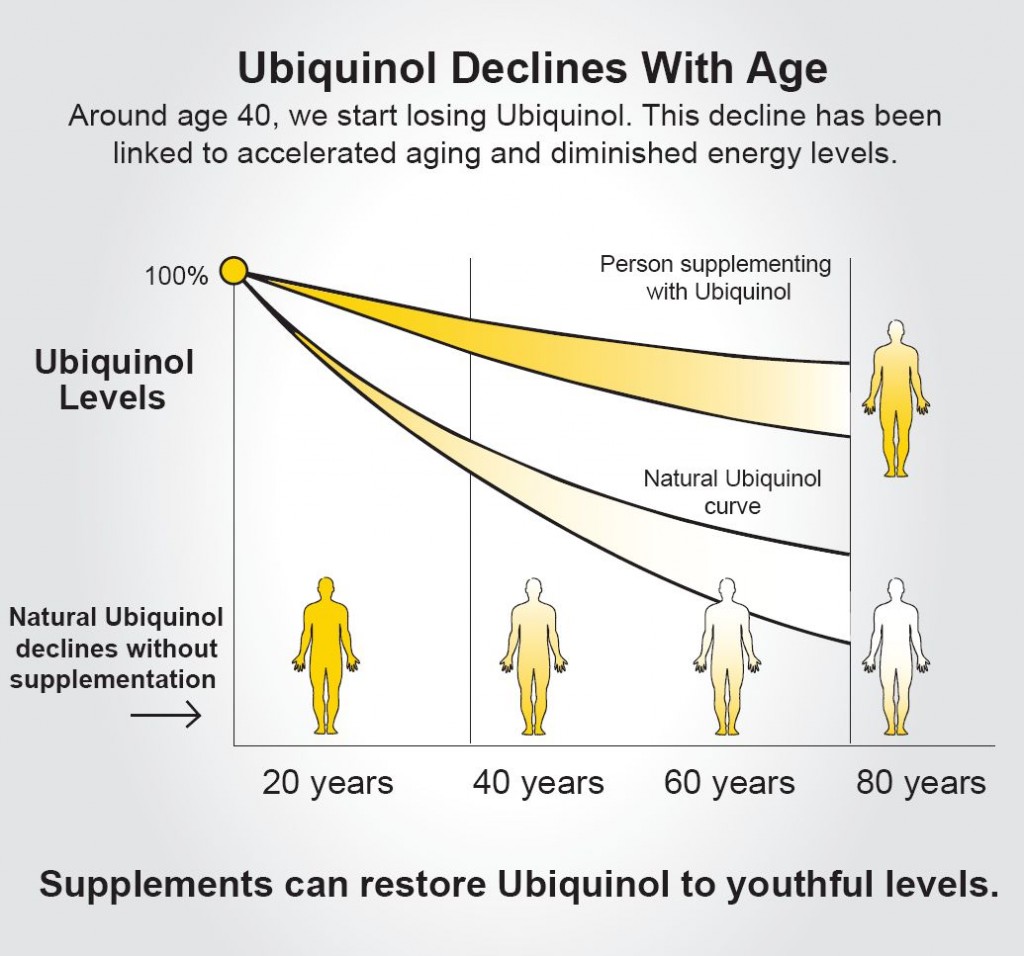
CoQ10 ChartCoenzyme Q10 is an essential nutrient found in every cell of the body which is involved in cellular energy production. It confers a protective effect against damage from free radicals, thus also classifying it as an antioxidant. CoQ10 can be found in a multitude of foods, but is especially high in beef, peanuts, sardines, mackerel and organ meats.

CoQ10 has demonstrable effects against cardiovascular disease, cancer, and periodontal disease, and is also said to boost recovery from exercise. However, the most documented effect on health which CoQ10 has is its beneficial effect on treating hypertension. People with hypertension have CoQ10 levels which are below normal, and these same individuals have shown a reduction in blood pressure when supplemented with CoQ10.

Another strong benefit of CoQ10 supplementation is treatment of periodontal disease. CoQ10 can reduce the swelling, bleeding, pain and gum recession which characterize the disease. However, pairing this supplement with vitamin C would yield stronger benefits.

Some individuals take CoQ10 to reverse skin damage and preserve the collagen and elastin in skin. Levels of CoQ10 decrease with advancing age, resulting in decreased ability to produce collagen and elastin, so taking CoQ10 orally or applying it topically may boost skin repair.

Most individuals should supplement with 100 milligrams of CoQ10, but if insomnia occurs, take half the dose and only take it in the morning. Side effects at high doses (300 milligrams or more per day) include rashes, abdominal pain, nausea, dizziness, headache, fatigue and sensitivity to light. Individuals who are taking warfarin may experience a diminished response to the blood thinner when taking CoQ10. Diabetics will experience decreased insulin requirements when taking CoQ10.

Getting Your Ducks in a Row: How To Plan For a Contest

The number of individuals who express interest in competing has risen dramatically in recent years with the addition of newer divisions such as Bikini, Men’s Physique and Women’s Physique.  This has also resulted in a considerable increase in the competitor pool at the local/regional level, the national level and in the pro ranks.   Sadly, many new competitors have no idea how to prepare themselves for a competition.  I am not talking about the contest prep which a coach would develop for a client, but rather, the financial investment and time management which must be planned out in advance in order to ensure that a competitor will remain on track for the chosen contest date and that there will be no loose ends.

A detailed timeline is especially important for people with hectic schedules.  It certainly helps if you are a good planner and actually augments the focus that is critical to pursuing your goal of being contest ready.  I lead a very busy lifestyle which has me switching roles from physician to model to writer to contest prep coach to trainer.  I also train intensely and regularly five to seven days a week and drag my food everywhere with me.  If I did not have a checklist for each contest I would forget some very essential elements which would only make me anxious as a contest date approached.


Here is what I put on my checklist for a competition:


1. Detailed Budget for the contest which includes a breakdown of the following:

  • Show entry fees
  • Spray tan
  • Flight
  • Hotel
  • Rental Car or Cab fare
  • Bag fees
  • Gym fees
  • Incidentals


2. To-Do List for each item on my budget so I am sure to stay on track with when show registration is due, deposits are due, and when flight reservations should be made.


3. Contacts List for spray tan vendors, hotel address, venue address, etc.


4. Appointment Sheet so I have all appointment dates and times handy.


5. Official Show Schedule 

person-writing-a-list

Make sure to refer to your list often so that everything is in place before your contest date.  Best of luck!