Supplements Women Need

Originally published on RxGirl on Friday, 30 November 2012. The original post was published with white text on white background, so the only way to read it on the site is to highlight the text. To make things easier for everyone, I have copied and pasted the article here for you to read.

http://www.rxmuscle.com/rx-girl-articles/7082-supplements-women-need.html
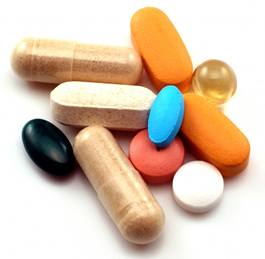
Supps for women
The number of nutritional supplements which are available today can be pretty intimidating to those who are not familiar with the benefits which they confer on those who take them. If you also consider the performance supplements which are marketed to fitness-minded individuals, and which are marketed mostly to men, women are often left bewildered. Since it is my aim to address the issues of women in this article, I will not discuss general supplements such as multivitamins, CLA, fish oil, CoQ10 or the like. Rather, I will focus on supplements which have demonstrated efficacy in treating female-specific woes.

Biotin: This substance promotes growth of healthy hair and nails and is something I have taken daily for many years. Though I have horribly thin nails (and continue to suffer from them despite biotin), my hair has actually gotten considerably thicker in the past ten years, and I honestly believe that biotin has played a large role with respect to my hair health. Another great benefit of biotin is the demonstrated effect it has on regulation of blood glucose. I recommend taking the maximum dose possible, 5,000 micrograms per day.

Calcium: Calcium is a mineral which is a critical component of bone health. There are three mistakes I see people making when taking this supplement:
1. Taking it without Vitamin D or magnesium – Both Vitamin D and magnesium must be present in order for the body to be able to absorb calcium.
2. Taking it on an empty stomach – Calcium is best absorbed when taken with food.
3. Taking large doses at one time – The body is unable to absorb much more than 500 milligrams of calcium at one time. Since the general daily dose in women of childbearing age is 1,000 mg, supplementation should be broken up into 2 doses of 500 milligrams each per day.

DHEA: Dehydroepiandrosterone (DHEA) is a precursor hormone which is produced in the adrenal glands which is later converted to sex hormones such as estrogen and testosterone. Levels of DHEA fall with advancing age and can also decline as a result of exposure to stress. Signs of declining DHEA include stress, fatigue, memory loss, depression, dry skin, and decreased libido. Women are struggling with infertility may also find that DHEA will increase their fertility by promoting hormonal balance and ovulation. I generally feel that any woman over the age of 35 would benefit from supplementation with DHEA at 5 to 15 milligrams per day.

Folic Acid: Many women are aware that supplementation with folic acid decreases the risk of neural tube defects in a developing fetus, but not many know that folic acid has been proven to lower blood pressure in women and prevent development of hypertension. A daily dose of 800 micrograms is advised.
ALA: Alpha lipoic acid, or ALA for short, is effective in regulating blood glucose, optimizing carbohydrate consumption and reducing sugar cravings. Effective dose ranges are between 100 to 200 milligrams, taken two to three times daily.

Chromium Picolinate: Chromium picolinate can decrease sugar cravings and is effective at regulating blood glucose. A dose of 200 micrograms three times daily is optimal.

Vanadyl Sulfate: This is another supplement which can curb sugar cravings. Take 10 milligrams three times daily.

Phosphatidylserine Complex: This supplement supports the adrenal glands during stressful times. Those with poorly functioning adrenal glands should not take this supplement. A daily dose of 200 milligrams taken earlier in the day is recommended.

Melatonin: Melatonin is well known for its effectiveness in balancing out sleep patterns and treating insomnia. This is due to the fact that it reduces cortisol levels (cortisol is known as the stress hormone). Women who suffer from infertility should not take this as it can aggravate the condition. Start with 0.5 milligrams shortly before bedtime and slowly increase the dose by 0.5 mg increments ever few days until you get the desired effect. Do not take more than 5 mg in a dose. Some experts recommend that melatonin only be taken in the short term for isolated insomnia bouts.
Natural Woman
B-Complex – B-complex formulations consist of the following: B complex capsule contains the following vitamins: folic acid, thiamine (B1), riboflavin (B2), niacin (B3),panthothenic acid (B5), pyridoxine (B6), cyanocobalamin (B12) and biotin. This complex supports memory, improves mood, decreases anxiety and combats the effects of stress. It also boosts metabolism, thus increasing energy. I have encountered remarkable responses to B-complex in people who have suffered from depression and who did not respond to prescription antidepressants. I recommend 100 mg per day.

GLA: Gamma-linoleic acid can be very effective in treating the symptoms of PMS, such as menstrual cramps and breast tenderness, especially when taken in tandem with magnesium and vitamin B6. Take 500 to 1,000 milligrams per day.

Magnesium Glycinate: This is a highly bioavailable form of magnesium which helps not only with PMS but also with hot flashes which some menopausal women experience. Recommended dosage is 250 milligrams one to three times daily, and should be taken with food.

Vitamin B6: Vitamin B6 is effective in mellowing the symptoms of PMS, menopause, and morning sickness associated with early pregnancy. It is also effective for depression, acne, and bladder inflammation. Take between 50 to 600 milligrams per day in two to three divided doses.

Cranberry Extract: This is an excellent supplement for good urinary tract health, as it renders the inner bladder walls slippery so that bacteria are unable to adhere to them. Any women who have recurrent bladder infections should take this supplement at a daily dosage of 400 to 500 milligrams.

Diindolylmethane: This extract is found in cruceiferous vegetables such as broccoli and cauliflower and supports healthy estrogen metabolism by optimizing breakdown of excess estrogen. A great formula is DIM-Plus by Nature’s Way. Take two capsules per day.

Did Someone Turn Up The Heat?

hot flashes
I have always heard peri-menopausal and menopausal women complain of hot flashes like they were horrific occurrences, yet I figured they were similar to getting flushed, so they really couldn’t be THAT bad. Oh how wrong I was! Hot flashes can best be described as a SUDDEN and intense heat and sweating in the chest, neck and face which feels like someone cranked up the heater to a thousand degrees. To use fancy medical terminology, it SUCKS. Women look like they’re crazy when they rapidly start loosening and removing clothing, fanning themselves with magazines, standing in front of fans, and sticking their heads in the freezer. I can tell you that I have done every one of these things, and when I am in the midst of finding a way to cool down, I don’t care one whit who thinks I have gone bonkers. You would be in a rush too if you were being cooked from the inside!

If you are still trying to imagine what a hot flash feels like, picture this: you are going about your usual business, when out of nowhere, a switch gets flipped inside your upper chest and you experience a heat quite similar to Bikram yoga rooms. It is relentless too, causing instant sweating and discomfort. Recently I have been experiencing some very strong hot flashes which have necessitated desperate measures such as ripping off every shred of clothing and lying on a linoleum floor to cool off, wrapping a cool pack around my neck while I sat in front of my computer and worked, and walking around Chicago O’Hare International Airport wearing a tank top and fanning myself while everyone else wore heavy coats which were appropriate for the 35 degree Fahrenheit weather outside.

The main reason why hot flashes occur is a drop in estrogen levels which the hypothalamus misinterprets as an increase in body temperature, causing the body to react to cool it down. These episodes can occur at any time, but in my estimation are the worst when they occur during sleep. Over the past two weeks, it has been impossible for me to sleep for more than an hour before I experience a SEVERE hot flash which has me running to the freezer to grab an ice pack to snuggle up with! It has become a ritual: Fall asleep, wake up an hour later drenched in sweat. Spend the next 15 minutes trying to stop sweating, then finally fall asleep exhausted. Repeat cycle each hour to two hours until alarm goes off in morning. It is utter misery. This also may occur for up to fifteen years, even after I go through menopause. In the current vernacular, all I have to say to that is, WTF???

The Funhouse Mirror Effect Part 2: The Women’s Mirror

h-MIRROR-UNDERWEAR-960x540

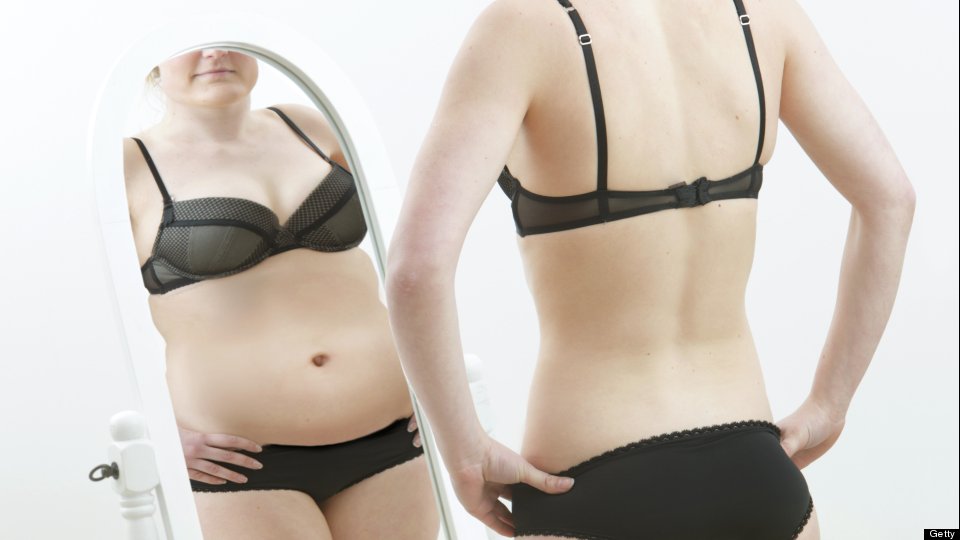
It almost seems to be an inherent part of a woman’s nature to be self-effacing, so much so that women often downplay or neglect their beauty and talents. In fact, I am willing to bet that if you placed an average looking man and an average looking woman in front of a mirror and asked them to assess their physical appearance, the man would concentrate on his assets, while the woman would immediately zone in on her imperfections and problem areas. Though the natural human tendency is to practice self-enhancement, in which we rank our abilities or physical attractiveness as higher than it actually is, women are exposed to physical ideals which bust their confidence and often plant a seed of self-loathing. How can an average woman feel good about herself when she sees rail thin models in fashion magazines who are excessively Photoshopped? Consider this: the average high fashion model has these body statistics:

Fashion Editorial Model
FEMALE: Usually 5’8” – 6’0” (175 cm) in height. Tall, thin build, narrow hips, smaller bust, and usually young. Ages start at fourteen up to early twenties.
Weight: 113 – 128 lbs.
Bust: 32” – 34”, cup A, B, sometimes C
Waist: 26” maximum
Hips: 35 1/2” maximum

Thank goodness the tide is turning in favor of a healthy, realistic view of women’s bodies. Women are beginning to understand that fashion magazines depict a view of the female form which is so far removed from reality that it isn’t reasonable to compare themselves to it. I love this passage from an article I read on this subject:

Perhaps we’re finally starting to realize that so much of what we see on TV, in the movies and in magazines is actually fake. A few women’s blogs — particularly Jezebel — have become sort of watchdogs for Photoshop fakery in women’s magazines. Most recently, the blog attained an untouched photo of Jennifer Aniston, posting the untouched picture next to the airbrushed photo of the actress that appeared in an Australian magazine.
“I think those are great because they really remind people that what they’re seeing in the magazines isn’t reality,” says David Frederick, a psychology researcher at the University of California, Los Angeles, who co-authored the survey along with researcher Kim Elsesser and professor Janet Lever of California State University, Los Angeles. “You’re taking someone who’s already considered really attractive, and then you’re saying, ‘She’s not enough; we have to do more to her.’ So you’re literally creating an impossible ideal. Even the perfect women aren’t perfect.”

I think it will take a while before we women are completely healed from the skewed perception of ideal female beauty which countless magazines, Barbie dolls, and fashion billboard ads have imprinted on us. It is that skewed view which contributes to the flaw-finding gaze which many women adopt when regarding themselves in the mirror and which makes that reflective surface act more like a funhouse fat mirror.

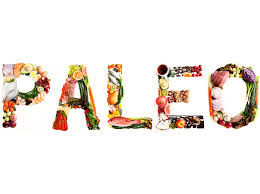
Paleo Meal Plans For Women – The Fat Loss Cure?

Original post can be found at:

http://sportsnutritionsupplementguide.com/eating-plans/paleo/item/1413-paleo-meal-plans-for-women-the-fat-loss-cure#.VGqZY_nF-K0
paleo
Apparently the cave dwellers of the Stone Age knew a thing or two about nutrition, because modern nutrition experts have developed a new craze with the Paleo diet, purporting a myriad of health benefits such as fat loss and a boost in energy. However, though some individuals have reported increased energy while on a Paleo plan, many others have reported a slump in energy levels. For this reason, I want to remind readers that it is essential to determine what works for YOUR body. Paleo may work wonders for you, or it may be a turn in the wrong direction too.

For those of you who are unclear on what defines a Paleo meal diet, let’s look at what food items are allowed on this meal plan: meat, poultry, seafood, eggs, vegetables, fruit, nuts, and seeds. Foods which are banned from Paleo plans are: grains, legumes, refined sugar, artificial sweeteners, processed foods, dairy. Here is a more detailed breakdown of the Paleo philosophy:

About one-quarter to one-third of the calories you ingest daily will come from protein sources, all of which are from animal sources.
Carbohydrate sources consist of vegetables and fruits and comprise about 40% of your daily caloric intake.
Fat intake is relatively high, consisting of monounsaturated and polyunsaturated fats and Omega-3 fatty acids.
Paleo plans are low in sodium and high in potassium due to the whole food sources which are allowed.
Benefits of Paleo
Some people may notice a marked improvement in digestion after implementing a Paleo meal plan, which can be explained in part by the large amounts of fiber delivered with this dietary approach. Those who are gluten sensitive or intolerant usually notice a pronounced improvement in gut health after going the Paleo route, since irritating and inflammatory grains are eliminated from the diet.

Since blood glucose levels remain relatively stable due to the low glycemic index of foods ingested in Paleo plans, people may notice mood stabilization, a decrease in food cravings, and better focus and concentration. Another benefit which Paleo diets can confer is weight loss. I have heard of people suddenly dropping those last five or ten pounds rather quickly after following a Paleo plan, so Paleo can be a godsend for those who are at their wit’s end about trying to lose weight.

Negative Aspects of Paleo
If you’re passionate about remaining a vegetarian, you can forget about going Paleo, since it relies heavily on animal protein sources. With so much meat in the plan, some individuals cannot tolerate the high amounts of protein. Others cannot tolerate the sudden massive intake of dietary fat, and develop increased gut permeability, which is ironic since many people who switch to Paleo plans are trying to find a way to heal a leaky gut. Digestive upset which surfaces while on a Paleo diet may also be a result of consuming the excessive supplements which are required to ensure optimal nutrition while on a Paleo plan.

Paleo plans do not guarantee relief from food intolerance either, since foods considered Paleo safe, such as beef or walnuts, can trigger massive inflammation in the gut. The solution is to either get a food tolerance test from your physician’s office, or eliminate foods one by one until your symptoms disappear. However, the problem with food elimination while on a Paleo plan is that you are already quite restricted on the foods which you are allowed to eat. Another problem with the limited number of foods allowed on Paleo plans is that macro and micro nutrients are often inadequate. Some women simply cannot consume the massive amounts of protein which are required on the plan, and caloric needs are often not met because the caloric densities of the staple foods on a Paleo plan are rather low. In addition, the body’s daily requirements for vitamins and minerals is often not fully met, making it necessary to take many supplements to compensate for the nutrient deficit.

I have also noticed that a fair percentage of women (and men too, for that matter) do not function well on extremely low carbohydrate diets. These women would fare better on a Paleo plan which allowed some root vegetables such as potatoes for starchy carbs, or on a non-Paleo plan which incorporated grains.

The Verdict
After all is said and done, the Paleo approach is restrictive, and in my humble opinion, not sustainable for the long term. As one who has followed restrictive non-Paleo contest prep plans, I can honestly say I had more variety with some of them than what I have seen with Paleo plans. I believe that a Paleo diet can be an excellent short-term way to jump start weight loss, especially for someone whose weight loss efforts have stalled.