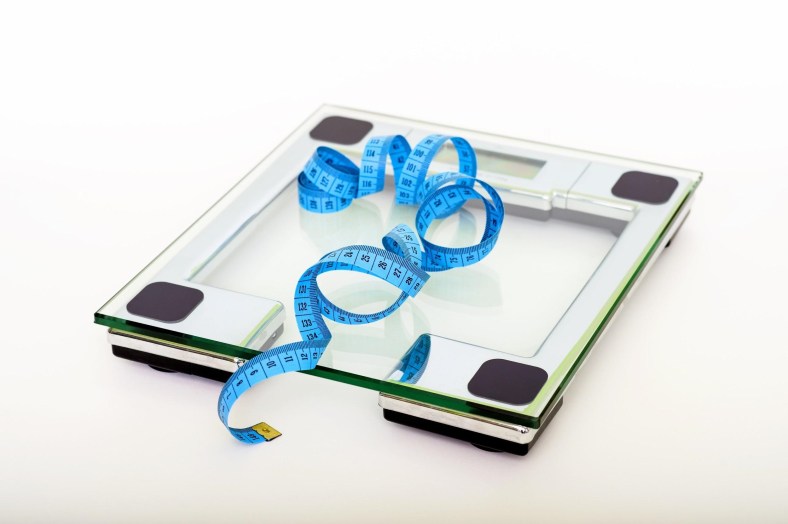
Exercise, Self-Care, and Finding the Right Balance to Boost Your Overall Wellness

Photo credit: Pixabay.com

Please check out this excellent article by Shiela Olson which explores the delicate balance between pushing yourself to the next level and nurturing yourself at the same time.

– By Sheila Olson of fitsheila.com

You’ve decided you’re ready to stop perpetuating a cycle of sleeping in on weekends, spending weeknights slumped over in your couch, and eating out at greasy burger joints every other meal. You’re ready to live a healthier and happier lifestyle, and you’ve known the answer all along — diet and exercise. Diets aren’t very effective when practiced every other week, and fitness requires you to keep up and even build up the intensity over time.

So, what’s the secret?

The Importance of Prolonging Good Fitness

When someone decides they are ready to start running every day, or some other form of exercise, they typically feel this fire within themselves to keep it up. You go in for your first day, and you feel exhausted, but you also still feel pretty good knowing that you’ve taken your first step at getting healthy. After a few more gym sessions, you notice that you aren’t just tired but also sore, and that goodwill for better living starts to feel a little less compelling.

It’s natural to give it your all the first few times before your mind and body start to naturally resist the transformation that is occurring. It’s the kind of transformation that people from all walks of life seek to make their lives better. It’s why so many recovering addicts start running and bodybuilding. Exercise not only changes how we look on the outside but how we feel on the inside. It reduces stress and boosts positive self-image and confidence.

The process of transformation can be difficult and uncomfortable at times, especially when you’re just starting out, which is why it is important to not overdo it. If you work too hard or put too much emphasis on your physical fitness, you run the risk of burning out and not making the kind of progress you are looking for.

The Meaning Behind Self-Care

Right now, the buzzword of the day seems to be self-care. People are starting to collectively realize that we don’t need to punish ourselves to live our best lives. Exercise shouldn’t be something you dread to do but something you look forward to. To remedy this natural resistance to living healthier and a fitness-oriented lifestyle, people are turning to self-care as a way to supplement diet and exercise and avoid burning out during the process.

One of the ways you can practice self-care is by leaving plenty of rest days in between workouts to give your body time to recover. Recovery is essential to practicing good physical fitness and ensuring you have enough energy to keep going back to grind week after week. Self-care also addresses showing yourself love in alternative ways. Exercise is important for our physical health, but we also need to consider our mental and emotional health as well. Beyond exercise, there are a number of activities you can do, such as meditation, reading a book, or pursuing a hobby, that can all fill a specific need you have in your life.

The Need for Balance in Your Life

When you approach your physical fitness as just one piece of the puzzle, then you can start looking at other ways to enhance your life, while not overdoing your diet and exercise. You won’t just be working hard, you’ll be working smart. You’ll know that there are many activities you can work on to improve your overall well-being. By balancing out these different self-care activities, you will always make yourself better while also keeping a very diverse routine. Some days, you will be focused on your physical fitness, but when you need to rest and recover, you can then switch gears and focus on your mental and emotional health as well.

Once you decide it’s time to make a change, you’ve already started your journey to improve your wellness. You may have attempted to change your life a few times now, but all of those past experiences were just the lead up to this one moment where you finally committed to achieving personal wellness and living your best life.

Photo Credit: Pixabay.com

The BEST Health Insurance Policy – REPOST

Health apple

With the recent upheaval in the world of health insurance coverage, I thought it would be a perfect time to talk about ways that we can safeguard against the need to access insurance benefits and keep our out-of-pocket costs to a minimum. If you have a predisposition towards conditions such as high blood pressure, diabetes, high cholesterol, joint issues, depression or anxiety, a little self-nurturing can go a long way in keeping those issues at bay. Though there is no absolute guarantee that being proactive about your health will completely prevent disease from manifesting in your body, you can minimize the chances by following sensible guidelines.

1. Get Regular Exercise: If you have yet to take part in regular exercise, here are a bunch of reasons why you should. First of all, regular exercise supports and encourages healthy circulation, lowers blood pressure and reduces cholesterol levels. It also reduces your risk of developing type 2 diabetes and some types of cancer. When you strengthen your muscles with resistance training, you protect your bone density and improve your mobility. There are also mood-elevating benefits which exercise confers which can push away depression and anxiety. Lastly, exercise keeps your mind and memory sharp as you age. A good plan is to exercise 30 minutes a day, 4 to 5 days per week at a moderate intensity. Now, if you aren’t quite at that point, or you ae nowhere near that point, don’t get discouraged. The important thing is to start. You can work up to the 30 minutes a day, 4 to 5 times per week regimen gradually, as long as you remain committed to the program. Make sure to schedule exercise sessions into your day, and STICK TO THEM!

2. Reduce Stress: You may be thinking that reducing stress may be next to impossible in this hectic society, but it is absolutely essential for your physical, emotional and spiritual well-being. When you go through life at top speed, anxiously rushing through in an effort to meet deadlines, you not only miss out on special moments, but you also overtax every major organ in the body, including adrenals, heart, pancreas, liver, colon, brain and skin. Similar to over-revving an engine, you cannot expect to keep going at a gallop constantly without burning out the engine. Have you ever noticed that you are more prone to catching colds when you burn the candle at both ends? Simple things, such as practicing breathing techniques when anxiety creeps in, or truly allowing yourself to BE IN THE MOMENT when you take a break, can be very helpful in reducing stress. Pay attention to the times when you feel overwhelmed, when you feel like you are unraveling or are at that point in which you are either going to explode or give up and hide under a rock. It’s during those times that stepping outside the bubble is crucial. And once you understand not only that you CAN step away, you may relish that escape when it feels like the walls are closing in on you.

3. Practice Sound Nutrition: Proper nutrition is critical to supporting optimal health. This means eating meals throughout the day instead of starving yourself, and turning to whole food sources as much as possible. By incorporating leafy green vegetables, fresh fruit, whole grains, lean meats and healthy fats, you will equip your body with the fuel it needs to function properly and to repair itself optimally. Without proper nutrition, inflammation and free radicals can wreak havoc on an already challenged body, culminating in disease and illness. It is important to stay away from fast foods at all costs.

4. Get Sufficient Sleep: Slumber enables our bodies to repair cells and tissues so that we can function during our waking hours. It supports a healthy metabolism and also reinforces learning and memory from the day’s activities. When you don’t get enough sleep, your body cannot adequately repair itself. If sleep deprivation occurs regularly, the metabolism becomes sluggish, inflammation accumulates, and the risk for diseases of all kinds becomes significant. Make sure to get a solid eight hours of sleep each night, and try to go to sleep at around the same time each night.

5. Laugh: I listed this as a separate topic from stress reduction because I honestly believe that laughter as a daily medicine can do wonders for one’s health. Over the past several years, I have resorted to listening to comedy when I am in my car instead of listening to music, literally adding comic relief to the commutes I make around the Los Angeles area. Laughter truly is the best medicine!

I’m sure some of you are completely on board with what I am advocating, and are implementing some or all of these healthy habits in your daily regimen. Then there are those of you who believe the advice is sound, but haven’t found the motivation to make the necessary life changes which can have a profound positive impact on your health. Lastly, there’s a group of you who stubbornly refuse to listen to advice, who will keep practicing unhealthy habits as a rebellion to everyone around you. I’ve got a message for the last group. Every single person I have EVER met who threw caution to the wind like that, and pretended not to care about the health impact of habits like poor nutrition, alcohol and drug use, lack of exercise, smoking, and reckless lifestyles, somehow got it in the end. Whether it was a cancer diagnosis, high blood pressure, obesity, or some other illness, every single one of them was forced to change their tune. Don’t be one of those individuals who is forced by illness to finally wake up!

You have the power to transform your life. Don’t forget that!

Banish PMS Article For Oxygen Magazine Online

banish-pms

Please check out original post here: http://www.oxygenmag.com/article/banish-pms-10130

Here are 9 ways to deal with moodiness, soreness, bloating and cravings when it’s that time of the month.

Go with the flow? Easier said than done. Your monthly visitor is not only inconvenient, but it’s also frequently preceded by annoying symptoms like irritability, fatigue, pelvic cramps, acne and bloating to name a few. While not every woman gets PMS, most women get at least one symptom a month.

Fortunately, there are numerous measures you can take to alleviate the symptoms of PMS. Exercising regularly, breathing and relaxation techniques, avoiding alcohol, sugar, salt and caffeine, and consuming small, frequent meals to stabilize blood sugar are all effective methods for easing discomfort, but there are numerous over-the-counter supplements that have demonstrated effectiveness in managing the most common symptoms.

Magnesium
Magnesium levels fluctuate during a woman’s cycle. The higher the estrogen or progesterone, the lower the magnesium, which in turn brings on PMS symptoms. That’s why supplementing with magnesium is a good idea. It has a calming effect, and it also reduces the swelling, breast tenderness and. A well-tolerated dosage is 400 milligrams before bedtime. Women who have more severe mood swings from PMS might prefer a more bioavailable form of magnesium called magnesium glycinate. This form also decreases the hot flashes, which some menopausal women experience.

Dose: Recommended dosage is 250 milligrams one to three times daily, and should be taken with food.

Calcium
Studies have found that women who take calcium supplements, experience less severe PMS symptoms than those who don’t. Calcium supplementation can reduce fatigue, depression, mood swings, tension and anxiety, bloating and breast tenderness, and cramping and generalized aches and pains.

Dose: Take 400 milligrams three times daily.

Vitamin B6
Women who experience mood swings right before their periods tend to benefit greatly from taking vitamin B6. It’s also effective for symptoms of menopause, morning sickness, depression, acne and bladder inflammation.

Dose: Take between 50 to 600 milligrams per day in two to three divided doses.

Vitamin E
Vitamin E reduces the production of prostaglandins, which are responsible for cramps and breast tenderness.

Dose: Take 400 international units daily.

Chromium Picolinate
Chromium picolinate affects insulin, glucose and serotonin in ways that can decrease sugar and balance mood and appetite.

Dose: A dose of 200 micrograms three times daily is optimal.

Alpha Lipoic Acid
Alpha lipoic acid, or ALA for short, is effective in regulating blood glucose, optimizing carbohydrate consumption and reducing sugar cravings.

Dose: Effective dose ranges are between 100 to 200 milligrams, taken two to three times daily.

Vanadyl Sulfate
This supplement has an insulin-like effect on the body and has been shown to regulate blood sugar levels, which makes it adept at curbing those wicked sugar cravings.

Dose: Take 10 milligrams three times daily.

B-Complex
B-complex formulations consist of the following: B complex capsule contains the following vitamins: folic acid, thiamine (B1), riboflavin (B2), niacin (B3), panthothenic acid (B5), pyridoxine (B6), cyanocobalamin (B12) and biotin. This complex supports memory, improves mood, decreases anxiety and combats the effects of stress. It also boosts metabolism, thus increasing energy. I have encountered remarkable responses to B-complex in people who have suffered from depression and who did not respond to prescription antidepressants.

Dose: I recommend 100 mg per day.

Gamma-Linoleic Acid
Gamma-Linoleic Acid is an omega-6 fatty acid, which are considered essential fatty acids, meaning, they are necessary for human health, but the body can’t make them. They play an important role in brain function as well as normal growth and development. They help stimulate skin and hair growth, maintain bone health, regulate metabolism and maintain the reproductive system. GLA helps fight inflammation which is why it’s effective in treating the symptoms of PMS, such as menstrual cramps and breast tenderness, especially when taken in tandem with magnesium and vitamin B6.

Dose: Take 500 to 1,000 milligrams per day.

Fitness As An Insurance Policy

One of the biggest challenges I face as a physician and fitness professional is convincing patients and clients that healthy eating and regular exercise serve as the best insurance policies in optimizing health and minimizing the risk of illness and disease. It is especially frustrating because I know first-hand that this is true.

I began weight training at the age of 21 to heal from my teenage bout with anorexia. Luckily, I was already practicing relatively healthy eating habits once I abandoned my starvation mission. I was not surprised by the fact that I loved weight lifting, how it made me feel, how it made me look, and how it made others look at me. It also empowered me and lifted me from the darkest period of my life, becoming my saving grace and an insurance policy for my health and well-being. I became intrigued with the world of fitness and quickly noticed the “can do” attitude that was so pervasive. At one point I had considered competing in the fitness division and had even looked into hiring a coach, but then I got sidetracked by medical training, marriage and then divorce. Little did I know then that I would finally hit the bodybuilding stage in my 40’s and eventually attain IFBB Professional Status.

healthy lifeI may be a freak of nature and blessed with decent genetics, but then again, maybe not. My maternal grandmother died of cancer at 63, and my maternal grandfather passed away at 81 of a heart attack. My mom suffered from a brain aneurysm rupture ten years ago and now battles high blood pressure, macular degeneration, and osteoporosis. In contrast, my blood pressure is at the low end of normal, and I have the bone mineral density of a 20 year old. My mother’s veins are very small and deep, while mine are huge pipelines which sit right under the surface of my skin. With that type of family history, I am thankful that I took charge of my own life as a young adult and made changes which protected my health.

Hopefully my story resonated with some of you and perhaps inspired you to take regular exercise and healthy eating seriously. Please do not wait until your health begins to suffer. Be proactive and preventative, especially if you have a family history of certain diseases. Revamp your eating habits NOW. Commit to a regular exercise program that incorporates resistance training. No more excuses!