Please visit http://www.liquidsunrayz.com for all of your competition spray tanning needs! They are the very best in the business!
Tag weightlifting
Slow Cooker Sweet Potatoes
Originally published on mensphysique.com on Thursday, 03 October 2013
http://www.rxmuscle.com/blogs/the-kitchen-eating-strategies/9393-slow-cooker-sweet-potatoes.html
Food prep continues to be a tedious process for me, despite the fact that it is a regular occurrence. I am sure many of you can relate to such woes and are searching for ways to cut prep time down so you can take care of more important things in life. Usually I roast sweet potatoes in the oven, but I was particularly unmotivated the other evening and decided to adopt a lazy approach while still using the delicious marinade I typically mix up. I use a heavy hand with the spices because I want that holiday flavor, so you might want to cut down the portion of spices if you want a more basic flavor.
I usually avoid using the slow cooker because food items tend to get mushy, but as long as the potatoes are cut into large sections, that should not occur. Another bonus is that your place will smell incredible when these are cooking!
olive oilIngredients:
5 pounds sweet potatoes or yams, washed and cut into large cubes
¼ cup olive oil
¼ cup balsamic vinegar
1 teaspoon pure vanilla extract
2 tablespoons pumpkin pie spice
1 tablespoon cinnamon
Directions:
Place sweet potato crock potsweet potato sections into a clean plastic bag. Mix remaining ingredients together, then pour into bag. Twist bag so that it is securely closed, then shake it so that the potatoes are evenly coated with the marinade mixture.
Open bag and pour contents into slow cooker. Add 1 cup water and set cooker on low.

B-Up Bar Rainbow
WOW, these bars are delicious!
The Importance Of Digestive Enzymes
Originally published on mensphysique.com on Wednesday, 06 February 2013
http://www.rxmuscle.com/blogs/the-lab-supplement-school/7476-the-importance-of-digestive-enzymes.html

Digestive Enzymes are amazing protein molecules which speed up chemical reactions in the body involved in everything from digestion to breathing, cell growth and molecular transportation. The reason why digestive enzymes have been developed and marketed is that many people eat such horrible foods in their diets that they need assistance in processing those foods. In addition, enzyme production drops as we get older compromising our optimal body function. Processed foods are notorious for challenging the digestive tract because enzymes which are found naturally in foods are destroyed when they are processed. Even cooked foods rely on the body’s digestive enzymes, and since there is a shrinking pool of enzymes as we get older, digestive problems may arise.
The main digestive enzymes are protease (digests protein), lipase (digests fat) and amylase (digests carbohydrates). It is believed that if insufficient enzyme levels are available to digest foods, toxins and undigested substances can linger in the body and precipitate illness. Other enzymes are available to aid in processing milk products and beans and are widely marketed.
There is no conclusive evidence to support a beneficial effect per se when general digestive enzyme supplements are taken, but enough benefit from them seems to be present that they maintain their popularity. I can tell you from personal experience that I notice a pronounced difference in my ability to digest foods, particularly proteins, when I take a combination digestive enzyme supplement which has protease, lipase and amylase. Beware if you have diabetes and are taking medication for it, or if you take blood thinners, as digestive enzymes can interfere with such medications.
In conclusion, if you notice that you experience digestive upset, you might want to try digestive enzymes for a few weeks to see if your digestive issues improve or resolve. Take one tablet with three of your meals. One of my favorites is MRM Digest-All because it has a comprehensive formulation of digestive enzymes.
Proclaiming My Love For the Vanilla Peanut Butter Flavor Of B-Up Bar
Dramatic And Sexy Image From Trudge Photo
yo
SmartShake vs. Cyclone Cup Challege

Sexy In A White Tank Top…B-House Image From December 2014
Pushing Away Fears And Slaying The Dragon
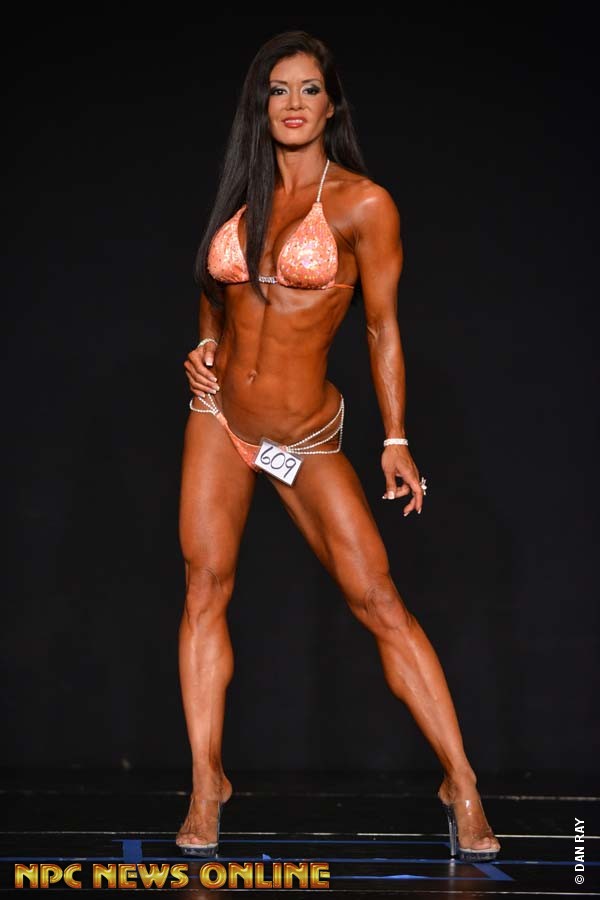
There is no question that I am a chronic overachiever and a very stubborn and determined woman. As a result of these personality traits, I have been able to accomplish every large goal I have set in front of me. However, the process of making my dreams come to fruition has, on occasion, been peppered by self-doubt and procrastination. I know that I have a definite fear of failure and of being average, both of which are traits commonly found in the fitness and bodybuilding industry, and that is part of the reason why I find the industry completely irresistible. However (and this is also quite common in the industry), I have also suffered from a fear of success, and know all too well that such a fear can be even more crippling than any other fear.
If I were to dissect my journey to an IFBB Pro Card through a filter of fear of success, I can see that although I never really wavered from chasing that goal, certain thoughts floated through my head at times which threatened to derail me from my focus. The most prominent aspect of my fear of success was the concern that I might not deserve to become a Pro. It seems strange now, especially since I have been a Pro for almost two years, but I definitely remember thinking that maybe I didn’t have what it took to be a Pro, especially when first place national finishes were stacking up for me without the final reward of IFBB Professional Status. I remember hoping and wishing that the next national contest would be “the one” that would make me a Pro, but in the back of my mind, there was always that kernel of doubt that I didn’t deserve such a reward, and that somehow, I couldn’t deliver what the IFBB expected in their Pros.
Thankfully, everything changed in April of 2013, when my mindset shifted dramatically. Instead of thinking that I wanted a Pro Card and how I wished it would happen, I decided that I ALREADY WAS A PRO and began to embody the attitude that Pros had. Interestingly enough, my attitude change also coincided with the best physique of my life. I trained like a complete machine, never once allowing myself to get rattled or distracted by anything that threatened to sabotage my belief in myself. I was no longer afraid of success. From April until July of 2013, I kept using the hashtag “alreadyPro” to keep myself on track, and it worked like a charm, because on July 6, 2013, I reached my goal and became an IFBB Pro.
In the back of my mind, I was afraid of how things would change once I reached my big goal, and of how I might change as a result of the new status. Reflecting on that now, I fully realize how ridiculous that concern was, because I am still the same person, just with four awesome letters after my name. I had a similar concern when I was in medical school and concerned about how I would change as a person when I finally became a doctor. Though I know that the advanced degree made me somewhat more reserved, I still retained the sarcastic sense of humor I always had and was still just Stacey. I am no better than anyone else because of what I have accomplished, nor has the core of who I am changed in any way. I have been given more opportunities since achieving success in the world of bodybuilding and fitness, and the climate of my daily life has shifted, but all of it has been extremely positive.

On another note, I remember one aspect of my fear of success with the Pro Card hunt which had been a minor concern during my journey, but which became more compelling AFTER I had reached my goal. The day that I won my Pro Card was one of the most incredible days of my life, and I found myself floating on a cloud in a state of wonder, disbelief, elation and relief for a couple of weeks after that event. Then suddenly, I was struck with the realization that since I had slain the beast and finally succeeded in getting that Pro Card, I no longer had a goal to chase. The sword had to be placed in the scabbard and put away. Once that realization set in, I went into a funk for months, and my body followed suit by retaining water and exhibiting signs of metabolic damage. Instead of feeling victorious, I was depressed because I didn’t know what to chase after anymore. I was able to move on by setting new goals, and surprised myself by changing the game plan and focusing on non-contest related pursuits. This shift in goals has created a whole new set of fears and challenges, but my past successes have strengthened my belief in my abilities, and I now feel confident that I will accomplish every one of my new goals.
Do Anti-Inflammatory Medications Hinder Muscle Growth?

There has been a heated debate over many years within the bodybuilding community about whether anti-inflammatory medications like ibuprofen (Advil, Motrin) and naproxen sodium hinder muscle growth. These medications inhibit the synthesis of prostaglandins, which also play a role in muscle synthesis. All it took was one clinical study published in the Journal of Clinical Endocrinology and Metabolism to put bodybuilders into a panic about reduced protein synthesis, and it didn’t matter that such results were found in laboratory rats. While there is some evidence to suggest that the anabolic signal is shut off when anti-inflammatories circulate in the bloodstream, nothing is absolutely conclusive, and what might be seen in the rat model might not necessarily be the case for humans.
While I will never advocate chronic use of painkillers and anti-inflammatory agents, I think they definitely serve a purpose when acute injury is present. When I find myself in the middle of disputes with bodybuilders who INSIST that a few days on such medications will completely destroy all their efforts in the gym, I simply shake my head in frustration. If you are injured and your lifting is adversely affected by the injury, whether it be a muscle strain, a ligament tear, or a minor disc herniation, you need to be aware that training through that injury, especially when it deranges your form and causes other body parts to compensate for the injury, will end up really messing you up over time. I honestly think that a minimal decrease in muscle mass over the course of a few days is preferable to the imbalance and asymmetry which usually occur when a bodybuilder foolishly pushes through heavy workouts despite an injury which has a domino effect on the body.
Common sense, and medical expertise, dictate that the inflammation must be removed from the area, most commonly through short term administration of anti-inflammatory agents, ice, and rest. Trust me, if you follow a regimen like this, you won’t lose all the muscle you have built over the years. Be sure to take these medications with food, and if you have any history of gastric ulcers. bleeding disorders, or kidney dysfunction, avoid taking them. Remember that I am talking about DAYS, not weeks or months. This is one time when eating constantly has its benefits, since bodybuilders and fitness people can pretty easily fit in their medication administration with one of their meals. I know it’s difficult to back off from training, but if you truly want to HEAL, you must give the injured area time to repair itself. If you insist on continuing to train through the injury, especially, without any medications or other interventions on board, you can count on the injury either lingering or worsening over time.

 dr. stacey naito's blog