Living Within Your Means

© rawpixel, 123RF Free Images

How many of you truly live within your means? I am willing to bet that there are plenty of people who believe that they are living within their means, but then they forget that they are carrying credit card debt or car notes. It’s also quite possible in this day and age that people are also saddled with hefty mortgage payments which have put them in over their heads. If you are spending more money than what you are actually bringing in each month, then you are living beyond your means.

So how do you turn the tide so that you can truly live within your means? The first, and most important thing, is to create a budget and stick to it. Be sure to list ALL monthly expenses, including subscription services, groceries, etc. If you have unsecured debt, devise a plan to pay the balance down over time.

Another thing I strongly recommend is to track all of your spending. Despite the fact that friends have made fun of me for keeping a credit card transaction log, it has been extremely helpful in keeping me within my budget, and it also ensures that I know EXACTLY what charges should be on my credit card statement each month. Since I never carry a balance on any of my credit cards, the log gives me a running balance for the course of the month, so that I make sure that I have the total amount necessary to pay off the balance each month.

Once you are out of credit card debt, you might want to cut up your cards, or at least adopt habits that support paying off balances immediately. Now that I have been free from credit card debt for almost 10 years, I can’t tell you how satisfying it is. When a balance is no longer hanging over your head, your money is unshackled, and you can look at saving for travel, bigger purchases like vehicles, and also build a healthy emergency fund. After all, you work hard for your money, so you should be able to enjoy it in a way that gives you financial security, while also allowing you to have some of the creature comforts you crave the most.
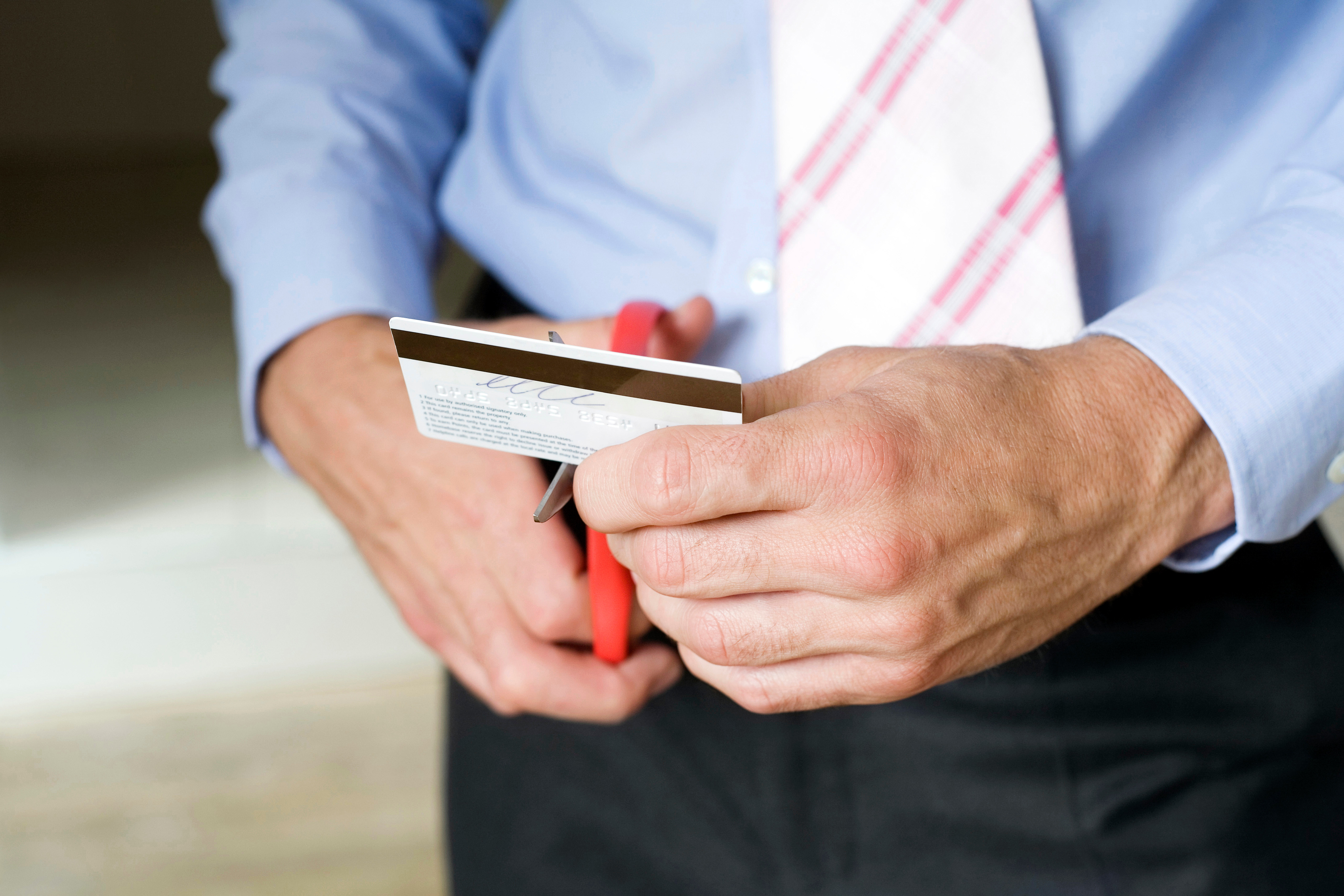
If You Have To Carry Credit Card Balances, You Can’t Afford Stuff

123RF.com Image #24932223

I’m sure that the title of this blog post will irk some people, and that’s actually part of the point. Unless you use credit cards only to make large purchases which you will pay in full when you receive the credit card bill, you are playing with fire. Using unsecured credit and carrying balances are sure signs that you cannot afford the items you are buying. I know these are strong words, but credit card debt remains one of the most insidious and dangerous types of debt to carry.

Here are some key reasons why it is so difficult to pay off credit card balances:

  1. You don’t prepare to pay the balance each month, so the amount continues to grow until it becomes unmanageable.
  2. Interest rates change over time, and if you miss a payment, make a late payment, or go over limit, your interest rate will syrocket, digging the debt hole even deeper.
  3. You don’t have enough wiggle room in your budget to make more than the minimum payment each month, so the interest charges often exceed the minimum payment amount, and you slide even more into debt.

As someone who had struggled with credit card debt twice in my life, I know firsthand how much of a challenge it is to surmount such obstacles and get out of debt, but I also know that IT CAN BE DONE. The first time I racked up credit card debt ($30,000 in my 20’s), I eventually managed to pay it all off, then 20 years later, I found myself saddled with $40,000 of credit card debt. Once that was paid off in its entirety, I completely changed my attitude towards credit cards and with money in general, and have spent over a decade with zero credit card debt. I absolutely refuse to go down that road ever again.

If you need to pick up a side gig to make some extra money to pay extra over the minimum monthly payments, then definitely do it. You can either tackle the smallest balance first and work up, or tackle the balance with the highest APR and work down, until everything is paid off. When starting out, just focus on paying extra on the first card, and pay the minimum on the other cards. Once the first card is paid off, employ the “snowball effect” and apply the extra dollar amount you were paying towards the first card to the next card. Continue this strategy until you pay everything off. I have done this, and it absolutely works.

Another thing to consider is to sell items in your home that you don’t need, and apply those funds towards your credit card bills. Once your credit card debt is paid off, keep the card accounts open to ensure that your credit is not damaged by closing accounts. However, cut up the cards, and do NOT use the accounts at all. What I did for the first year after paying off my credit card debt was to use a debit card to keep my spending in check, since the funds were coming directly from my checking account.

Having been completely free of credit card debt and a car note for close to ten years, I feel incredibly liberated and financially healthy. Trust me when I say that paying off your credit cards, and never jumping back into the pool of credit card debt, is the most wonderful feeling ever.