Hindsight is 20/20: Weight Training Then Versus Now

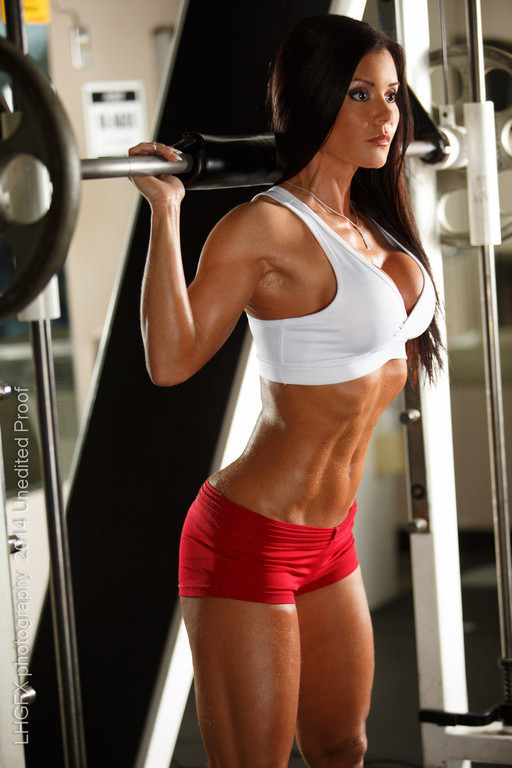
before lift shoot with LeeThis article details the five most important things I have learned about training since I began weight lifting over 25 years ago. When I think back on how little I truly knew about the methods and motivation behind working out, I realize that I have come a very, very long way. It was no accident that I obtained an undergraduate degree in exercise science and a medical degree, because I have spent my adult life strongly driven to learn as much about the human body and its potential as I possibly could. However, there is so much warrior spirit and heart that goes into weight lifting, and it can never be taught, only experienced.

Lifting Lady Weights versus A Lady Lifting WEIGHTS

I began lifting weights when I was 21 years old, shortly after embarking on a mission to heal from a year-long struggle with anorexia which brought me down to 85 pounds and also sunk my spirits to rock bottom. At that time my main objective was to learn how to lift properly, which fortunately was supported by my undergraduate studies and eventual Bachelor’s degree. I was rail thin and weak, so it took some time before I made real gains in the weight room. I held the same misconception back then that many women have now, in which I had a fear of lifting heavy and getting too muscular as a result. More than 25 years later, I regularly dispel that myth by encouraging women to lift heavy weights and showing them that my physique, which is not overly muscular, is the result of some very heavy lifting over the last several years.

Maintaining a Nice Physique versus Raising The Bar

During the years preceding my journey into competitive bodybuilding, I never pushed myself to the next level because I honestly never saw the point. I was content with the degree of muscle I had built in my 20’s and 30’s and was surrounded by people who weren’t impressed with weight training, so I never set new goals. Since I was blessed with decent genetics which kept me at a low to normal body weight and a moderate amount of muscle mass, I was pretty complacent (though very consistent) about my weight training. Then I went through a dramatic shift in 2009 when I competed in my first NPC bodybuilding contest and had an “aha” moment in which I finally understood the insatiable desire to push on to the next level and continue to set the bar higher and higher. Essentially, I had been bitten by the bodybuilding bug, and it overtook me with a ferocity and intensity that I had never known. I know that if it hadn’t been for that dogged determination which made me hungry for top national placings and an IFBB Pro Card, I might never have become a Pro.

Competitions & Overtraining versus Paying Attention To Pain

Let’s just get one thing straight: ever since I began competing in 2009, I have become accustomed to training like a beast. However, when I began my journey towards obtaining IFBB Professional Status, my purpose was so singular that I was willing to train until I collapsed from complete exhaustion, a tactic which I now realize is pretty stupid since it wreaks major havoc on the body when practiced for many months or years. I now understand that it is NEVER worth overtraining, or training with injuries which won’t heal because the athlete never takes a break from lifting. Overtraining interferes with muscle gains, immune function, sleep cycles, joint health, mood and energy, and can trigger a complete metabolic meltdown if the athlete continues overtraining for an extended period of time. Though my body’s creaks and groans, along with chronic pain issues from rotator cuff tears in my shoulder and severe tendinitis (IT bands, forearms, feet) were what caused me to finally ease up on the intensity of my workouts, I only allowed myself to pull the reins back AFTER I got my Pro Card. Once the beast had been slain, I fully embraced the idea of training smart and listening to my body’s pain cues

Hurry Up Before It’s Too Late versus Improving With Age

Before I began competing, I honestly believed that there was a freshness date stamped on competitors which essentially relegated them to the dinosaur pits by the time they reached 35 or 40. So I became positively giddy when I discovered that there was a masters’ division in bodybuilding and that I could strut my 43-year old booty onstage without risk of embarrassment. I regarded each subsequent contest as a chance to improve with age, thus using my competitions as a means to beat Father Time. Through my competition journey I have also met other bodybuilding and fitness devotees who do an outstanding job of proving that one can never be too old to be in great shape.

Seeing Clients/Patients One-On-One versus Impacting The Masses

If someone had told me back in 2009 (my first year of competing) that I would build a global following in a couple of years, I never would have believed it, especially since I had become so accustomed to working with fitness training clients and medical patients on a one-on-one basis. My passion for fitness became supercharged when I began competing, and I was so enthusiastic about sharing that passion that I turned to websites and social media platforms to demonstrate favorite exercises and contest video footage. Without thinking about it, I had put myself in a position to lead by example, and used my knowledge, educational background and experience to build fan loyalty and inspire and motivate my followers and fans. To this day, I love getting messages from fans who say that it was because of me that they decided to start competing or to pursue another personal passion which gave them joy and also graced them with optimal fitness.

These days, I often refer to embarking on a fitness and wellness regimen as putting the oxygen mask over one’s own face. That was exactly what I did for myself over 25 years ago. By showing others how to do the same thing, I feel completely in line with my life’s purpose, and it’s extremely rewarding.


Get The Best Skin Ever- Part 1: Lifestyle Adjustments

Beauty face of woman with clean skin

http://www.rxmuscle.com/rx-girl-articles/11853-get-the-best-skin-ever-part-1-lifestyle-adjustments.html

Please read my RxGirl article on making lifestyle adjustments that will transform your skin. You can access the original article by clicking on the link above, or keep reading here for the full article.

“What skin cream do you use? Your skin looks amazing!”

This is a common exclamation from women who admire the flawless skin of those who are either naturally dermatologically blessed or have been proactive about practicing good skin care. Perhaps you are one of the blessed individuals, but most women deal with acne, wrinkles, oiliness, hyperpigmentation, dry skin and dark circles under the eyes, all of which can be addressed with targeted products. If you practice consistent skin care with the right products, you will see improvements in the tone and quality of your skin.

Before delving into topical products in Part 2 of this article, I will utilize Part 1 here to review the many variables which can dramatically influence the quality of the skin.

Sleeping Beauty –
There’s a lot of truth to the adage about getting one’s beauty sleep. When you get adequate sleep, you optimize your body’s ability to repair itself because it has a chance to release human growth hormone in the deep stages of sleep. Conversely, cheating yourself out of a good night’s sleep results in an increase in cortisol release, which increases the amount of inflammation in the body. Basically, the inflammation prevents your cells from repairing damaged collagen, and if this occurs chronically, your skin will adopt an aged appearance. So get some quality shut-eye every night!

Don’t smoke –
I know most of you ladies don’t engage in this habit, but if you do, bear in mind that the habit breaks down the collagen and elastin in your skin, aging you prematurely. Smoking also constricts the blood vessels in the upper layer (epidermis), which interferes with delivery of oxygen and other vital nutrients which are involved in cell renewal. Lastly, the constant pursing of the lips which occurs while puffing on a cigarette causes fine vertical lines (“smoker’s lines”) to develop around the mouth.

Internal antioxidants –
We have all heard of the benefits of daily antioxidant intake and how these nutrients boost the body’s immunity, decrease inflammation, and even improve cognition, so it shouldn’t surprise you that antioxidants also promote cellular repair in the skin as well. Make sure to incorporate foods and supplements which have antioxidants such as vitamins A,C, E, cofactors like CoQ10, and polyphenols like resveratrol in them.

Hydrate from within –
Drink plenty of water, and you will be rewarded with glowing, healthy skin. Every time I have told a patient who suffered either from dry skin or from stubborn acne to drink plenty of water, I have seen dramatic improvement in the quality of their skin after they began drinking at least three liters of water per day. Adequate hydration will ensure that toxins are flushed out of cells and the cells are filled with water.

Healthy fats –
One of the hazards of competing is the tendency for coaches to completely strip dietary fat from contest prep diets. What results is a gaunt, unhealthy, aged appearance in the face which looks terrible and just screams for dermal fillers. Rather than wreak havoc on your youthful appearance, why not keep healthy fats like avocado, MCT oil, coconut oil, olive oil, flax seed, almonds, cashews, and fish oil in your daily regimen?

Limit alcohol –
Alcohol is notorious for dehydrating the skin and for that reason alone should be ingested in moderation. Also, since alcohol is toxic to the liver, it impairs the body’s ability to remove other environmental toxins which will be reflected in the quality of the skin. And for those of you who suffer from rosacea, that relaxing glass of red wine with dinner is a big no-no because it will aggravate the condition.

Clean makeup brushes –
When was the last time you cleaned your makeup brushes? Makeup brushes should be thoroughly washed on a regular basis to remove product build-up, bacteria and oils. If you suffer from acne, you need to be especially diligent about cleaning your makeup brushes regularly. As a general rule, clean foundation and concealer brushes at least once a week (twice a week if acne is a major issue). Eye makeup brushes should be cleaned every two weeks, and other brushes should be cleaned monthly. There are some excellent brush cleaning solvents, but you can mix one part baby shampoo with four parts water for an excellent and cheap brush cleaner.

Sanitize cell phone –
Cleaning your cell phone on a regular basis is a good sanitary practice to adopt, and can also save your skin from acne breakouts and rashes. Think for a minute how much you touch your phone and how much dust, ear wax and fingertip residue can accumulate on its surface. It’s no surprise that putting this bacteria- riddled device next to your cheek can cause skin flare-ups to occur. The best way to clean your phone is to use a soft cloth which is lightly sprayed with a dilute isopropyl alcohol solution (equal parts iso alcohol and water).

Stay tuned for Part 2 of this article which will cover topical products and treatments for luminous, youthful skin!

Shirataki Noodles: My Latest Food Obsession

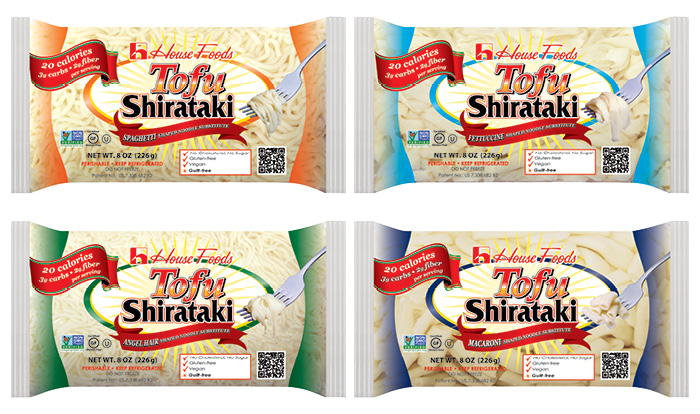
Recently I have been completely obsessed with shirataki noodles because they satisfy pasta cravings with none of the guilt. Shirataki noodles are made from the konjac yam, which contains a water-soluble fiber called glucomannan. Though they have been available in Asian markets for a long time, they are gaining popularity among people who must adhere to low carbohydrate diets. The folks at Quest Nutrition also made a brilliant move and came up with their own brand of shirataki noodles, so now people in the fitness industry are aware of these great pasta alternatives.

There are two different types of shirataki noodles available, both of which I enjoy. Straight shirataki noodles have zero net carbohydrates and no gluten, whereas tofu shirataki noodles have a small amount of net carbs and a less slippery texture. Both forms are package in water and must be rinsed before cooking, as the water they are packaged in has an odd, ocean-like odor. The noodles are very slippery (less so for the tofu type) and really don’t have any flavor of their own, so you must add some type of sauce of liquid seasoning to make them palatable. However, these noodles act like sponges and do a great job of absorbing flavors which are added to them during cooking. The high fiber content in shirataki noodles imparts a sense of fullness and slows digestion, making these noodles lifesavers when it comes to curbing cravings.

Shirataki noodles are a bit expensive, so I try to ration out my supply. However, get actual cravings for them and enjoy putting a meal together. My favorite prep method is very simple: I heat up the noodles for a minute, then I add sesame oil, soy sauce, white pepper, ginger, vegetables and chicken or shrimp for a delicious Asian style meal which fills me up.

Here are the most popular brands available:

http://www.miraclenoodle.com/ These noodles run aboout $4 per package and are available at major grocery stores.

http://www.miraclenoodle.com/
These noodles run aboout $4 per package and are available at major grocery stores.

http://www.house-foods.com/ These noodles are a bit cheaper at about $2 to $2.50 per bag, but they are more perishable than the non-tofu type.  You can find these in the refrigerated Asian foods section in major grocery stores.

http://www.house-foods.com/
These noodles are a bit cheaper at about $2 to $2.50 per bag, but they are more perishable than the non-tofu type. You can find these in the refrigerated Asian foods section in major grocery stores.

The Funhouse Mirror Effect Part 2: The Women’s Mirror

h-MIRROR-UNDERWEAR-960x540

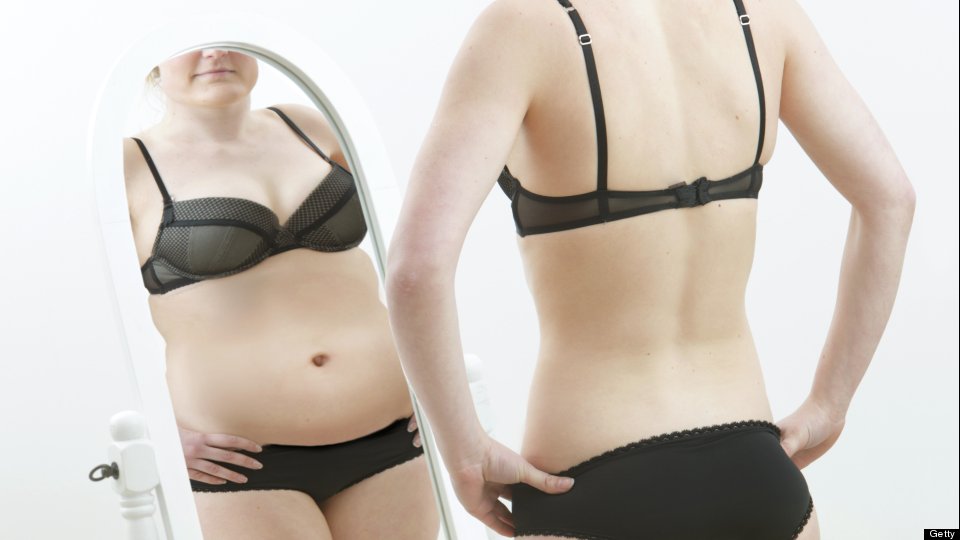
It almost seems to be an inherent part of a woman’s nature to be self-effacing, so much so that women often downplay or neglect their beauty and talents. In fact, I am willing to bet that if you placed an average looking man and an average looking woman in front of a mirror and asked them to assess their physical appearance, the man would concentrate on his assets, while the woman would immediately zone in on her imperfections and problem areas. Though the natural human tendency is to practice self-enhancement, in which we rank our abilities or physical attractiveness as higher than it actually is, women are exposed to physical ideals which bust their confidence and often plant a seed of self-loathing. How can an average woman feel good about herself when she sees rail thin models in fashion magazines who are excessively Photoshopped? Consider this: the average high fashion model has these body statistics:

Fashion Editorial Model
FEMALE: Usually 5’8” – 6’0” (175 cm) in height. Tall, thin build, narrow hips, smaller bust, and usually young. Ages start at fourteen up to early twenties.
Weight: 113 – 128 lbs.
Bust: 32” – 34”, cup A, B, sometimes C
Waist: 26” maximum
Hips: 35 1/2” maximum

Thank goodness the tide is turning in favor of a healthy, realistic view of women’s bodies. Women are beginning to understand that fashion magazines depict a view of the female form which is so far removed from reality that it isn’t reasonable to compare themselves to it. I love this passage from an article I read on this subject:

Perhaps we’re finally starting to realize that so much of what we see on TV, in the movies and in magazines is actually fake. A few women’s blogs — particularly Jezebel — have become sort of watchdogs for Photoshop fakery in women’s magazines. Most recently, the blog attained an untouched photo of Jennifer Aniston, posting the untouched picture next to the airbrushed photo of the actress that appeared in an Australian magazine.
“I think those are great because they really remind people that what they’re seeing in the magazines isn’t reality,” says David Frederick, a psychology researcher at the University of California, Los Angeles, who co-authored the survey along with researcher Kim Elsesser and professor Janet Lever of California State University, Los Angeles. “You’re taking someone who’s already considered really attractive, and then you’re saying, ‘She’s not enough; we have to do more to her.’ So you’re literally creating an impossible ideal. Even the perfect women aren’t perfect.”

I think it will take a while before we women are completely healed from the skewed perception of ideal female beauty which countless magazines, Barbie dolls, and fashion billboard ads have imprinted on us. It is that skewed view which contributes to the flaw-finding gaze which many women adopt when regarding themselves in the mirror and which makes that reflective surface act more like a funhouse fat mirror.

The Funhouse Mirror Effect Part 1: The Men’s Mirror

break-the-blocks-1

Have you ever seen the cartoon in which a man is looking at himself in a mirror, and instead of seeing his beer belly, balding head and weak jaw, his reflection is that of an Adonis, with a chiseled jaw, washboard abs and a full head of glorious hair? I have encountered quite a few men (especially at the gym) who seem to have a reverse dysmorphia which has them thoroughly convinced that they are America’s Next Top Male Model. While I am all for a certain level of self-confidence no matter how closely a man resembles Golem from Lord of the Rings, I will never understand the boastful behavior and posturing that some less evolved representatives of the male human foolishly choose to display.

I am not suggesting that men don’t have insecurities, because I know they harbor doubts and feelings of inadequacy just like women do. But there is a stark difference between the male tendency to puff out his chest and confidently display his feathers (even if the display looks more like the Charlie Brown Christmas Tree), and the female tendency to amplify any imperfection. Lately I have seen far too many men walking or jogging on the sidewalk who clearly have no business being out in public sans shirt, but they seem completely oblivious to the negative effect their gelatinous bellies and hairy shoulders and back have on passerby. Part of me says bravo on the lack of concern over other people’s opinions, but the rest of me is desperately trying to keep my last meal down.

It appears that men’s inflated self-perception is more honest and congruent with what psychologists refer to as “self-enhancement”, in which people essentially give themselves the benefit of the doubt, exaggerating more desirable personality traits and skills, and considering themselves more physically attractive than they actually are. Of course we would all love to be above average, and thus nudge or enhance our views of ourselves. Believe it, and you can achieve it, I suppose, but it actually works. Most women will be more drawn to an average looking man who exudes confidence over a handsome fella who is self-effacing. Not that I have ever seen a great looking guy who lacked self-confidence, mind you, but confidence is very attractive for both genders.

Oil and Water: Is Crossfit Detrimental For Developing Aesthetic Muscle?

Original post can be found at: http://sportsnutritionsupplementguide.com/training/crossfit/item/1389-oil-and-water-is-crossfit-detrimental-for-developing-aesthetic-muscle#.VGqav_nF-K0

Crossfit-equipment

I will boldly state right now that I’m not a fan of Crossfit, and will be delighted when its novelty wears off. I’ve dedicated my life to supporting, empowering, inspiring, guiding, coaching and otherwise promoting any activity that gets people moving. This is one reason I waited to publicly write about my arguments against the principles of Crossfit. The other more specific reason is that it’s become more common to hear NPC and IFBB competitors ask if Crossfit will enhance their efforts to get into contest shape. If the latter is you, let me cut to the chase. Not only will Crossfit widen your waistline as a result of the constant heavy “functional” lifting, it will also cause cortisol spikes, which make your body hold onto belly fat for dear life.

Before I get into why Crossfit is counterproductive to developing aesthetic muscle, a word to those who have found Crossfit gets them active, and has not caused them injury. Keep it up. If it’s Crossfit you need to keep you moving and motivated to be fit, don’t stop on my account. If however, Crossfit just doesn’t feel right, or your goal is to create your best body, and give you the best chance to stay injury free, read on. You’ll find that you don’t have to become part of the latest fitness craze to reach all of your fitness goals and then some.

CrossFit’s Unnecessary Nine
We begin our class with a review of the nine fundamental exercises that CrossFit is built upon:

Air Squat
Front Squat
Overhead Squat
Shoulder Press
Push Press
Push Jerk
Deadlift Sumo
Deadlift High Pull
Medicine Ball Clean
Oh boy, I can only imagine how many lumbar disc herniations have occurred in weekend athletes as a result of performing most of these movements, not to mention the rotator cuff strains and tears from the stress on the shoulders. First off, it just annoys me to know CrossFit renamed the free squat or bodyweight squat to Air Squat in an effort to be catchy and original. Then again, I see no point in getting a client to perform 200 or 300 “air” squats in a row, not unless your objective is to drive your client to complete exhaustion and overtraining. Based on what I have witnessed with the design of CrossFit regimens, exhaustion and overtraining is the inevitable outcome.

CrossFit routines also incorporate other exercises such as pull-ups and pushups. What bothers me here is that these movements are performed in a high rep range, to the tune of 100 or more. Then the client may be pushed to do tire flips or one of the Olympic lifts that CrossFit has managed to make faddish, even though they were developed over 100 years ago.

One of the calling cards to CrossFit workouts is training at “super high intensity”, which taken in correct doses are fundamental to conditioning. As it is used in CrossFit programming, the benefits are far outweighed by the negatives they incur. In CrossFit context, they tax the central nervous system to an excessive degree. Crossfit fanatics may love the feeling of being pushed to the limit, but this borders on being DANGEROUS. When the body is fatigued to the extent that it is in a Crossfit routine, the risk for muscle breakdown and frank rhabdomyolysis is considerable. No physical discipline is worth the risk of landing in the hospital.

I understand that Crossfit offers a great social environment and a feeling of camaraderie, but at what price? Every single person I know who is a fan of Crossfit has been injured while doing it. The suggested Crossfit regimen of 3 days on, 1 day off is too rigorous when you consider the fact that Olympic lifts are part of the core of Crossfit training. The body simply cannot repair itself in enough time. To fatigue a Crossfit client by having him/her do a WOD (workout of the day for those of you not familiar with Crossfit) and then stack on deadlifts for reps or 5 foot high box jumps is insane.

Benefits drop dramatically when the body is completely depleted like that. The Crossfit ideology of deplete and endure is BS. In contrast, bodybuilders and physique enthusiasts, train hard and heavy, and yes, they often train to depletion or failure, but they certainly aren’t going to attempt 100 pull-ups after destroying a traditional back workout. They understand the law of diminishing returns all too well.

Proponents of Crossfit often state that the training is functional and enhances the day to day activities which people perform. When was the last time you had to do a clean and jerk while on the job? Unless you work as a firefighter, stock room clerk or some other physically demanding work role, I seriously doubt that you are performing movements which mimic what happens while in a Crossfit box. Besides, if you’re injured as a result of Crossfit (or should I say WHEN), you can’t possibly perform any challenging physical movement which strains your injured body part.

For those of you who compete in the NPC or IFBB (or INBA, WBFF, etc.), don’t expect to be able to incorporate Crossfit into your contest prep training and sculpt your physique in the manner required for bodybuilding. I actually had a client who begged me repeatedly to let her do Crossfit two days a week despite my recommendation that she abandon it and focus on traditional weight lifting. I finally acquiesced, and allowed her to incorporate Crossfit as part of her training.

As I had predicted, she sustained an injury, her waist widened from all the heavy complex movements which made her midsection boxy, and she became soft as a result of the cortisol spikes which the high intensity Crossfit training created. After 3 weeks of seeing all her efforts from pre-Crossfit training unravel, I asked her to reconsider her decision to engage in Crossfit. As soon as she stopped doing Crossfit, her waist began to nip in, and her body began to tighten up again. Amen for old school weightlifting!

If it sounds like I am saying you will have to decide between doing Crossfit and competing in any of the bodybuilding divisions, I am. You simply cannot create the nipped in waist and beautiful taper that defines every single bodybuilding division. If you do Crossfit, you will create a strong body (plus some injuries), but you will also widen your silhouette and carry a layer of fat as a result of all that cortisol you will release from constant high intensity training. Look at a typical Crossfit athlete. Shoulders are broad, quads and hams are thick, and the abdominal region is thick and boxy. That is what happens when compound Olympic lifts are performed on a regular basis. If that is your aesthetic ideal, by all means knock yourself out with Crossfit, but you will be destroyed on a bodybuilding stage. On the subject of Olympic lifts, even power lifters have the sense not to rep out on these movements. Yet Crossfitters, blinded by the so-called warrior mentality that leads them to do stupid things that invite injury, will rep out on movements which recruit a tremendous amount of muscle fibers and hence tax the central nervous system. I am willing to bet that the Crossfit nation contends with adrenal burnout, permanent muscle damage, and repetitive tendon and ligament ruptures on a relatively consistent basis, and that such negative aspects will eventually cause the demise of this fad sport.

I will always staunchly defend the focus and the principles behind bodybuilding. I know that NPC and IFBB competitors are true warriors and know how to push through grueling training. I also strongly believe that for the most part, most competitors are smart enough not to over train or invite injury by performing movements which are biomechanically unsound. The world of bodybuilding not only rewards strength, but it also recognizes the aesthetic ideal which all bodybuilders aspire to achieve, regardless of division. Bodybuilding is not about flipping a massive tire across a gym, it’s about sculpting and defining muscle.

Paleo Meal Plans For Women – The Fat Loss Cure?

Original post can be found at:

http://sportsnutritionsupplementguide.com/eating-plans/paleo/item/1413-paleo-meal-plans-for-women-the-fat-loss-cure#.VGqZY_nF-K0
paleo
Apparently the cave dwellers of the Stone Age knew a thing or two about nutrition, because modern nutrition experts have developed a new craze with the Paleo diet, purporting a myriad of health benefits such as fat loss and a boost in energy. However, though some individuals have reported increased energy while on a Paleo plan, many others have reported a slump in energy levels. For this reason, I want to remind readers that it is essential to determine what works for YOUR body. Paleo may work wonders for you, or it may be a turn in the wrong direction too.

For those of you who are unclear on what defines a Paleo meal diet, let’s look at what food items are allowed on this meal plan: meat, poultry, seafood, eggs, vegetables, fruit, nuts, and seeds. Foods which are banned from Paleo plans are: grains, legumes, refined sugar, artificial sweeteners, processed foods, dairy. Here is a more detailed breakdown of the Paleo philosophy:

About one-quarter to one-third of the calories you ingest daily will come from protein sources, all of which are from animal sources.
Carbohydrate sources consist of vegetables and fruits and comprise about 40% of your daily caloric intake.
Fat intake is relatively high, consisting of monounsaturated and polyunsaturated fats and Omega-3 fatty acids.
Paleo plans are low in sodium and high in potassium due to the whole food sources which are allowed.
Benefits of Paleo
Some people may notice a marked improvement in digestion after implementing a Paleo meal plan, which can be explained in part by the large amounts of fiber delivered with this dietary approach. Those who are gluten sensitive or intolerant usually notice a pronounced improvement in gut health after going the Paleo route, since irritating and inflammatory grains are eliminated from the diet.

Since blood glucose levels remain relatively stable due to the low glycemic index of foods ingested in Paleo plans, people may notice mood stabilization, a decrease in food cravings, and better focus and concentration. Another benefit which Paleo diets can confer is weight loss. I have heard of people suddenly dropping those last five or ten pounds rather quickly after following a Paleo plan, so Paleo can be a godsend for those who are at their wit’s end about trying to lose weight.

Negative Aspects of Paleo
If you’re passionate about remaining a vegetarian, you can forget about going Paleo, since it relies heavily on animal protein sources. With so much meat in the plan, some individuals cannot tolerate the high amounts of protein. Others cannot tolerate the sudden massive intake of dietary fat, and develop increased gut permeability, which is ironic since many people who switch to Paleo plans are trying to find a way to heal a leaky gut. Digestive upset which surfaces while on a Paleo diet may also be a result of consuming the excessive supplements which are required to ensure optimal nutrition while on a Paleo plan.

Paleo plans do not guarantee relief from food intolerance either, since foods considered Paleo safe, such as beef or walnuts, can trigger massive inflammation in the gut. The solution is to either get a food tolerance test from your physician’s office, or eliminate foods one by one until your symptoms disappear. However, the problem with food elimination while on a Paleo plan is that you are already quite restricted on the foods which you are allowed to eat. Another problem with the limited number of foods allowed on Paleo plans is that macro and micro nutrients are often inadequate. Some women simply cannot consume the massive amounts of protein which are required on the plan, and caloric needs are often not met because the caloric densities of the staple foods on a Paleo plan are rather low. In addition, the body’s daily requirements for vitamins and minerals is often not fully met, making it necessary to take many supplements to compensate for the nutrient deficit.

I have also noticed that a fair percentage of women (and men too, for that matter) do not function well on extremely low carbohydrate diets. These women would fare better on a Paleo plan which allowed some root vegetables such as potatoes for starchy carbs, or on a non-Paleo plan which incorporated grains.

The Verdict
After all is said and done, the Paleo approach is restrictive, and in my humble opinion, not sustainable for the long term. As one who has followed restrictive non-Paleo contest prep plans, I can honestly say I had more variety with some of them than what I have seen with Paleo plans. I believe that a Paleo diet can be an excellent short-term way to jump start weight loss, especially for someone whose weight loss efforts have stalled.

Different Types Of Buddhas

Check out this link: http://feng-shui.lovetoknow.com/Buddha_Statues_for_the_Home_and_Garden

buddha-toothrelic(1)I have copied and pasted the information on the different types of Buddhas which is presented in the article from the link above. There are suggestions on where to put each type of Buddha in your home, based on Feng Shui principles.

Meditating Buddha
This statue style most commonly found in Buddhist altars in the home. These statues typically render Buddha in a sitting position with both hands in a meditative position called “Cosmic Mudra. The hands overlap each other. The left hand is placed on top of the right one so the thumb tips touch to form an oval, symbolizing the turning of one’s attention inward.

The statue should face the east direction since the Buddha meditated on the sun rising in his search for enlightenment.

Rubbing his belly will bring greater good luck and fortune.

Laughing Buddha
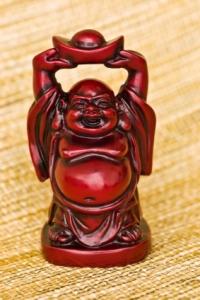
In western culture, the laughing Buddha is probably the most widely recognizable and used. It’s also known as the good luck, prosperity or abundance Buddha. It depicts Buddha in his later years as happy and with a large belly from an abundant lifetime. He’ll either be in a sitting position or standing with his hands over his head supporting a real or imaginary Ru-Yi pot (vessel or bowl of plenty).

This statue is affectionately dubbed Happy. It’s tradition to rub his belly to ensure even greater luck is bestowed upon you. Place this statue in your personal wealth corner or southeast sector of your home. It’s great for an office on the north wall facing those who enter.
102123-200x300-Laughing_Buddha
Other variations include:

Laughing Buddha with children at his feet: Place in west sector (descendants) of garden facing your home. Also use in same sector inside your home.
Traveling Buddha: A variation of the laughing Buddha as a monk features a cotton-sack over one shoulder or tied to a stick. He holds a wealth ball in his other hand. It is an excellent choice if you travel for work. Place in your office in north sector.
Spiritual Journey Buddha: This is another version of the Traveling Buddha. He carries a gourd (wu-lou) of enlightenment suspended from a stick while holding a fan in his other hand and wears a prayer bead necklace. Place in northeast sector (education) or southwest (love and relationships).
Blessing Buddha
The Blessing pose depicts Buddha bestowing fearlessness (upper hand gesture) and compassion (lower hand). Good areas inside the home for this statue include the office and den. You can apply this as a cure for any area inside or outside your home that suffers from weak or afflicted chi due to flying star placement.

Teaching Buddha
Known as Dharma Chakra Buddha, the Teaching Buddha statue is in a sitting or standing position. The most popular is the sitting pose, since this is the position the Buddha assumed when teaching. This is an important period in the Buddha’s life. It symbolizes his sharing of the knowledge he’d gained after his enlightenment in the deer park, Sarnath, located in Uttar Pradesh, India with his disciples.

Since the Buddha’s teachings came from his heart, the both hands are in front of his chest. The index fingers and thumbs touch to form a circle, representing his teaching of the Wheel of Dharma (union of wisdom and method). The other three fingers of both hands always remain extended.

This is an excellent choice for the northeast (education) sector of both inside your home or office and your garden.

Some statues depict the thumb touching the ring finger instead of the forefinger. This changes the meaning to one of good fortune. This style can be placed in the north sector (career) or southeast sector (wealth).

Long Life Buddha
This Buddha sits with the bag of blessings by his side or may hold the bag in his lap. In one hand, he cradles a wealth ball raised in front of him and a Ru-Yi pot in his other hand. Place in your home or garden in the east (health), west (children, descendants) or southeast (wealth) sector. You can also place it in your office in these directions.

Happy Home Buddha
The seated Happy Home Buddha holds a parasol over his shoulder. Place inside and outside your home in the southwest sector (relationships).

Earth Buddha
Also known as the Calling Earth to Witness, the Earth Buddha sits on the ground with his right hand extended so his fingers point to the earth beneath him. This statue honors the time when Buddha was repeatedly tempted by the demon, Mara, but resisted and finally reached enlightenment.

You can place this statue in any sector inside or outside your home that you’re being tempted to reject. If you’re having difficulty in a relationship, place it in the southwest sector to bolster your resolve and commitment. If you’re becoming complacent at work, put this in the north sector (career) to strengthen your dedication to your job.

Reclining Buddha
Buddha awaits his transition from this life to death, viewed as a mere transition into a different state of being. if you’re in a transition period, this is a good choice for inside your home or in a garden.

Place in the sector that represents the area of your transition. For example, place in north sector of home or office if changing jobs. If a relationship has ended, place in southwest sector. If you’re a new empty nester, place statue in west sector to ease this life-changing transition.

gold-buddha-altar