Originally published on mensphysique.com on Saturday, 06 September 2014
http://www.rxmuscle.com/blogs/the-lab-supplement-school/11503-supplements-you-should-be-taking-based-on-your-age.html
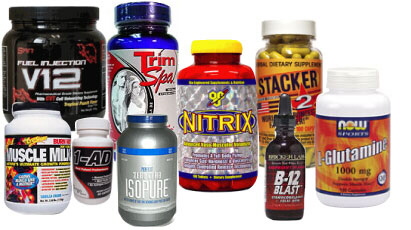
Most of you who are reading this article are probably already taking certain nutritional supplements which are popular among bodybuilding folk, such as conjugated linoleic acid, glutamine, fish oil, whey protein, and glutamine. However, there are basic nutritional demands in everyone which competitors might not be addressing in their daily regimens. In addition, those demands change as we age, as do the supplements which confer optimal health. In an effort to address those demands, I have compiled a list of supplements which you should consider adding to your regimen.
The following supplements serve as core nutrients which people of all ages require:
Multivitamin – I realize that there is some controversy regarding multivitamins, but I happen to be in the camp that is pro-multivitamin. Contest prep meal plans are notorious for being deficient in a multitude of nutrients, underscoring the need for a high quality multivitamin/multimineral supplement.
Vitamin C – This miracle nutrient is a potent antioxidant, assists in wound healing, aids in the absorption of iron from foods, and is critical for the development of collagen. Recommended daily dosages of this important vitamin are anywhere from 1,000 milligrams to 5,000 milligrams, split into 2 to 4 doses.
Zinc – One reason why this mineral is so important for men of all ages is because it is required for sperm production. Zinc is also a potent aromatase inhibitor, but only in doses of 100 milligrams or more per day. If you choose to take high doses of zinc, be sure to also take copper supplementation.
Alpha-Lipoic Acid (ALA) – This is a potent antioxidant which also aids with glycogen uptake. Basically what that means is that ALA will assist your body in metabolizing dietary sugars more efficiently. ALA is also great for brain and liver health. Recommended dosage is 100 milligrams to 300 milligrams daily.
Probiotics – These beneficial bacteria promote intestinal heath and a stronger immune system. The general population can obtain probiotics from milk, yogurt, tempeh and other products, but those who compete may opt for a supplement which will keep one’s diet contest-friendly. Look for formulations which have at least 20 billion live bacteria.
Vitamin D3 – This vitamin has gotten a lot of attention in recent years as a result of research which determined that the vast majority of the human population is deficient. This deficiency is largely the result of wide use of sunblock (thus turning off the body’s production of vitamin D3), and a drop in milk consumption. Why is Vitamin D3 so important? Vitamin D3 is associated with bone health, but may also play a role in the prevention of diabetes, cancer and multiple sclerosis. If you are like a vampire and remain indoors all day, take at least 1,000 international units (IU) daily. I personally take 5,000 IU daily to get the most of its ability to absorb calcium. I also recommend getting vitamin D3 from dietary sources like whole eggs or fatty fish like salmon.
Calcium – Calcium supplementation is essential for individuals who don’t consume lots of dairy or calcium fortified foods. Ironically, calcium supplements are absorbed more readily in the presence of lactose and protein. However, if dairy products are forbidden due to lactose intolerance or contest prep diets, consuming protein when calcium is taken will enhance absorption. Make sure to take vitamin D3 with calcium supplements to further enhance absorption. Recommended dosage is 1,000 milligrams per day, split into two doses.
Add these to your regimen if you are in your 30’s:
Glucosamine – This supplement is especially important for those who lift weights since it can ameliorate pain from joint inflammation. A good daily dosage is 1,500 milligrams. I tend to recommend formulations which contain MSM and NO chondroitin, because I have had too many patients complain of gastrointestinal upset with the chondroitin formulas.
Vitamin B12 – Vitamin B12 is found in animal protein, but the body cannot access it well, and this impairment becomes worse as we age. Because of this, taking a B12 supplement should become a part of your daily regimen if you are over 30.
DHEA – This is a controversial supplement because it has a considerable side effect profile, but I am including it here because so many people who compete can benefit from it as they age. DHEA is a sex hormone precursor which is secreted mainly by the adrenal glands and which is usually abundant in people who are in their 20’s. However, production begins to decline in one’s 30’s, and continues to drop significantly over the decades. It is a key player in maintenance and building of muscle, fat loss, and slowing the aging process. Side effects include heart palpitations, elevated blood pressure, breast enlargement, testicular atrophy, and interactions which certain medications. For this reason, you should consult with a physician to determine if your DHEA levels are low and if you may benefit from DHEA supplementation.
Individuals over 40 should add the following:
Leucine – This is probably the most important supplement you can add to your regimen as you age, especially if you are a competitor, because it helps to offset age-related muscle loss. One of the branched-chain amino acids, leucine is unique in this regard. Add 2 grams of leucine to a couple of your protein-containing meals. Leucine powder is VERY bitter, so make sure to mix it with a tasty protein powder, or take it in capsule form with your whole food meals.
Coenzyme Q10 – This antioxidant aids in ATP production, especially in the heart. It’s a good idea to take at least 30 milligrams per day, but I personally take 100 milligrams daily for the cardiac benefits.
Saw Palmetto – If your bathroom visits in the middle of the night are frequent and are not confined to your water-loading evenings, then you are probably experiencing prostatic enlargement. If this is the case, you might want to consider taking saw palmetto at a recommended dosage of 160 milligrams per day.
Over 50? Stack this supplement onto the above regimens:
Phosphatidylserine – This nutrient is important for optimal brain health. Take 200 milligrams per day.
Originally published on mensphysique.com on Saturday, 06 December 2014
This is part two of an immensely popular article which I wrote for the site.
http://www.rxmuscle.com/blogs/the-business-fitness-modeling-and-showbiz/11909-what-do-you-bring-to-the-table-know-your-worth.html
Last month I wrote an article in which I discussed different levels of athlete sponsorship and the tendency of some sports supplement and fitness related companies to use athletes as unpaid salespeople under the guise of being sponsored. This month I am flipping to the other side and discussing athlete value, i.e., what the athlete SHOULD be bringing to the table in terms of marketability, knowledge, and salesmanship when approached for a sponsorship.Both the company and the athlete should have something to offer the other party so that the relationship is a healthy symbiosis which promotes both parties. Essentially, when an athlete and a company work together, they should be working as a TEAM so that everyone can benefit from the union, but this doesn’t always occur.
In some cases, athletes will work tirelessly to promote a brand for little or no compensation, while in others, supplement and fitness related companies put their energies into an athlete, believing that the athlete will enhance the brand, only to have an athlete take advantage and become extremely lazy and neglect his/her end of the deal. While there are athletes out there who have tremendous value and who have built laudable reputations through inspiring articles, e-books, and client transformations, there are countless more who have an exaggerated sense of self-entitlement and who believe that simply because they graced the stage once or twice, they deserve to have everything handed to them for free.
If you are new to competing or to the fitness world in general, you need to be aware that it takes time to build your own brand and to find your place in the industry. Perhaps the best thing you can do at this point is to assess your value and what you truly bring to the table. Companies which are looking for brand ambassadors want someone with a following and a unique presence or message which is congruent with their brand philosophy, so if you aren’t there yet, you had better start working on building your own value.
Let’s start with physical appearance. Those who are successful in the bodybuilding and fitness industry have great physiques which they continue to improve upon over time. Individuals who maintain a relatively consistent weight and conditioning level throughout the year tend to fare best as well since they are close to shoot/contest ready almost all the time. Some of the top signed sponsored athletes are also some of the best looking people on the planet! I’m not saying that you have to have movie star good looks to land sponsorships, but it certainly doesn’t hurt. This is when you need to be VERY realistic about yourself and what you bring into the mix. You should be blessed with good looks or a distinctive, appealing look, or at the very least be photogenic if you expect to land a sponsorship with one of the bigger supplement companies.
Perhaps you are just average looking, or have a face only a mother could love, but you ooze sex appeal and charisma. If you are blessed enough to have such an energetic pull on people, this could work in your favor during booth appearances and videos, and increase interest in the brand you are representing. You are also far more likely to get picked up by a company if you have an enthusiastic and positive attitude. In keeping with this, you should only work with companies which sell products you truly believe in and like, because your enthusiasm for the products will come through naturally as you promote them.
Another valuable trait which increases an athlete’s value is integrity. People who do well in the fitness and bodybuilding industry and who have longevity within it tend to be truthful, sincere, and have strong values. You must have a strong backbone to survive in this highly saturated and fickle industry, and that only comes with knowing who you are and honoring your personal beliefs. If you sell out and take shortcuts, you run the risk of having a very short-lived career.
One of the most powerful ways to connect with your core audience is to show your human side and share stories which allow your followers to relate to you. It doesn’t matter if you show your own body transformations or those of your clients, as long as followers can see a before photo which they can relate to and an after photo which inspires them to take action. Such inspiration becomes even more powerful when you offer to help followers to reach their fitness and wellness goals. People begin to believe in YOU, and that can give you the leverage you need to promote a product line for a brand you represent.
If you have experience and education in fitness, nutrition, business, advertising, medicine, physical therapy, massage, or any other field which may be relatable to your journey in fitness and to the people who follow you, it’s a good idea to fortify such knowledge by becoming an authority. You can do this by creating videos, blog posts and books which showcase your knowledge. This can make you especially valuable to supplement and fitness companies which are considering bringing you on board because you can offer your knowledge as part of the deal which you negotiate with them.
Many companies assess the popularity and reach of an athlete through social media numbers, a tactic which can edge many athletes out of the running for top sponsorship spots if numbers are all they care about. Some athletes have purchased followers or promoted their profiles by paying for them, which has worked in their favor when securing sponsorships, but I don’t recommend this route since many of those paid followers won’t buy products which the athlete promotes. Then there are athletes who desperately want to work in the industry and obtain sponsorships, but have built their following solely on sexy half-naked photos of themselves. These athletes (mostly women) have resorted to using their social media channels solely as a means to post scantily clad selfies which ostensibly generate a ton of likes from the opposite sex. Every athlete who lowers his/her standards to this point where the only value generated is from smutty photos is sure to find that there is no legacy to speak of as time goes on and looks fade.
Even if you build your value and show consistently that you have a strong work ethic, you must continue to meet your end of the bargain. Sometimes companies will give you product as a trial run to see what you will do with respect to adding value to the brand. Some athletes will ramp up slowly, while others will jump right in with social media posts and will do all they can to promote a product. I have also seen some athletes start out as strong cheerleaders for a product, only to fizzle out because they lack self-discipline and consistency. Of course this can also occur on the company’s end, so it behooves both the athlete and the company to check in with each other regularly to make sure that everyone is happy.
Originally published on RxGirl on Thursday, 09 October 2014
http://www.rxmuscle.com/rx-girl-articles/11651-easy-hairstyles-for-the-stage.html
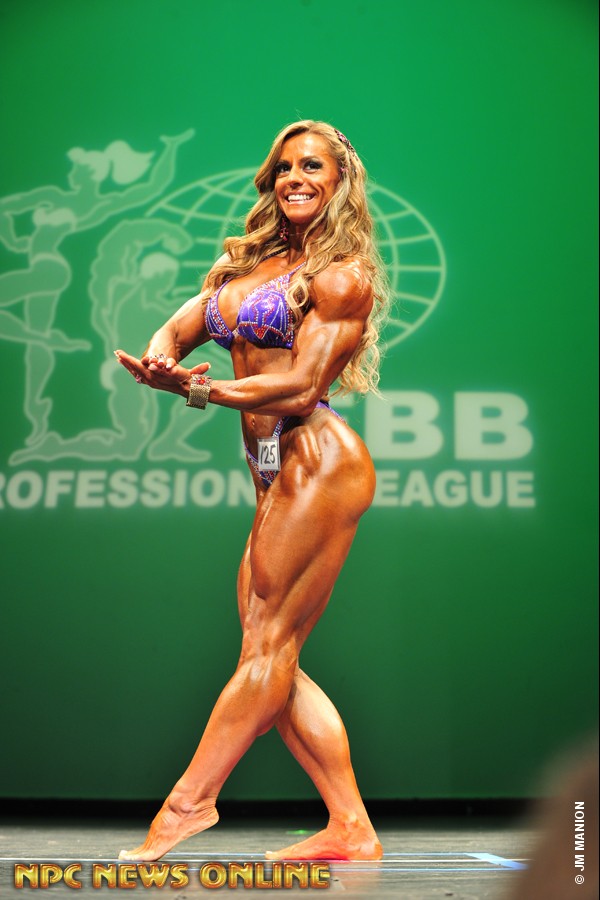
After competing for six years and fussing with different hairstyles for the stage, I have adopted a less-is-more attitude and have found that the NPC and IFBB judges seem to prefer a more natural look in competitors these days. There is no reason to fuss incessantly over one’s hair unless someone is going for a rat’s nest look. The more natural a style is, the better it looks onstage and the more it flatters a competitor’s facial features a322677nd physique without distracting the judge’s eye from essential judging elements.
A great hairstyle for stage should follow these guidelines:
1. It should flow nicely with the lines of the body, especially in women’s physique, fitness and women’s bodybuilding where there is a lot of movement.
2. It should look natural and not overdone.
3. If a competitor opts for an edgy look or cut, it should complement the appearance and demeanor of the competitor as well as the routine performed.
4. In most cases it should have a bit of height at the crown.
Please don’t go for the overcurled, oversprayed look which makes competitors look like beauty pageant rejects from 1984. It’s no longer in fashion and looks clownish onstage. A BIT of hairspray is fine, as long as it is used to increase volume at the crown or hold the general shape of a hairstyle while still allowing some movement. Women who have fine, thin hair often have to use hairspray, hairpieces and extensions for extra volume and length, but if the hairstyle doesn’t create a seamless blend of natural hair with the extensions, the results can be quite unattractive.
If you have difficulty doing your own hair, hire someone to do it for you. Many competitors visit the hair salon early in the morning before a contest to make sure that their hair is styled to their liking. However, if you are blessed with great hair which needs little styling, you might want to save some money and try one of the basic styles listed here.
LONG & STRAIGHT:
The latest trend for competitor hairstyles has been the long, arrow straight, flat-ironed look. This is a great look for “ethnic” ladies who have thick, dark hair. Even the curliest hair can look beautifully sleek onstage when it has been straightened. This particular style is especially popular within the Bikini division and one which I turn to for most contests I compete in now. If you decide to go for this look, make sure to flat iron small sections to get the best effect, and add a bit of height at the crown. Also make sure to arc the hair away from the face so that it doesn’t fall into eyes and cover up facial features. This can easily be done by arcing the flat iron in a C shape around the face.
BEACHY WAVES:
If you opt for a wavy look, and your hair is naturally straight, the best and most natural way to achieve this look is to put damp, clean hair into one big braid, or twist your hair and pile it into a bun, and keep it like that for several hours. Another way to get beachy waves is to use a 2-inch barrel curling iron. I always advise curling the hair in front in a direction away from the face so that it doesn’t keep falling forward and covering facial features.

SOFT CURLS:
Many women opt to curl their hair with a 1 inch or 1-1/2 inch curling iron, hot rollers, or regular rollers, imparting a soft, feminine look. This is a very popular and simple look for any women’s division. However, if your hairstyle has to be perfectly curled every second, and you have limp, fine hair which doesn’t hold a curl well, you run the risk of having a meltdown backstage. I have seen competitors work on their hair literally for hours on end, constantly fussing, spraying, teasing, only to have it all fall by the middle of prejudging. So by all means do the soft curls as long as you know they will probably morph into beachy waves as the day progresses, especially if you are a fitness, physique or bodybuilding competitor performing routines.
NATURAL CURLS:
If you have naturally curly hair, why not let it be? If your curls tend to be unmanageable, allow a hairstylist to tame any frizz and add gloss and body to what you already have. You can also tame the frizz by using a diffuser on your hair dryer at home and create beautiful curls which look great onstage.
PONY UP:
Fitness competitors will often don a ponytail during their routines, but I love the elegance of a high ponytail which a handful of figure competitors have sported. Not only is it different, it shows the competitor’s face, neckline and upper back more clearly. Whether the ponytail is arrow straight, wavy or curly, it’s a good idea to slick back stray hairs with a bit of hairspray for a finished look.
The Details Count: Tips For Great Stage Hair
THE SHORT OF IT:
Some ladies have edgy, short hairstyles which completely suit them and look fantastic onstage. However, I wouldn’t advise getting a radically different haircut from what you are accustomed to right before a contest, because it could throw you off your game, especially if you aren’t happy with the results. Allow at least a couple of months between an extreme cut and a contest.

TEASE ME:
I firmly believe that unless you have big hair, you need to do a bit of teasing at the crown and also volumize the hair around the face to give a bit of height and depth. Whenever I see ladies who go onstage with their hair completely flat against their skulls, their natural facial beauty is diminished and their heads look tiny. The key is to do a bit of teasing, apply hairspray to the teased sections, then smooth hair over it so that it looks seamless.
BARRETTES & CLIPS:
I am not a fan of stage hairstyles which feature hair drawn up into a barrette or clip because they interrupt the natural sweep of hair as it falls around the face, but this option can work well for competitors who have especially unruly hair. A bit of bling on a barrette can be very nice, but big bows and flowers generally look tacky onstage and should be avoided.
A PART OF IT ALL:
I see way too many competitors with deep side parts and hair falling into the face like Violet from the Incredibles, and to be honest, it isn’t alluring at all. All it does is hide the face and all the efforts of stage makeup application. If you are dead set on parting your hair on the side, style the hair around your face so that it arcs away from the face and frames it.
Since we are on the subject of hair parts, I want to caution you fair-skinned ladies on the importance of shading in the part with bronzer. If you don’t do this, a very prominent white line will be evident on your scalp which can be very distracting. Don’t forget that portion of scalp!
SHINY GIRL:
Stage lights will really make you stand out if your hair is shiny. For this reason, I highly recommend shine serum, but make sure to use a light hand with these serums to avoid looking like you fell into a grease pit! Pay attention to stray hairs and flyaways, as these catch the light and register as a strange haze or halo around the head.
One last bit of advice: It’s a good idea to plan out your hairstyle in advance, especially if you are in a division which requires you to perform a routine. Make sure you can move without any restrictions and without worrying if your hairstyle is staying in place. All the mental reminders about tucking in the abs, pulling shoulders back, walking properly in clear heels, etc. are worrisome enough, so you shouldn’t have to stress out over your hairstyle!
Originally published on mensphysique.com on Wednesday, 12 November 2014
This was the most popular article I ever wrote for the site, getting over 2,700 likes.
Most sports supplement companies and other fitness related companies aggressively promote their products through athletes who can sing the praises of their benefits. Who could be better at describing the efficacy of a product and how it enhances training or recovery than an athlete who not only already uses those types of products, but someone who has a following and who can convince new customers to purchase from the company which they represent?
Here’s where things get problematic. The pool of bodybuilding and fitness athletes is pretty massive, and the waters are teeming with athletes who are anxious to get their so-called “big break”. As a result of this, savvy marketing teams from fitness related companies often sweep up these individuals because they are enthusiastic and can propel a brand’s exposure. All the company needs to do is to offer some free product to the athlete and provide instructions on how to use social media to get the word out that these products exist. Then the athletes post images of themselves holding or using products, and add affiliate codes so that any orders which are generated through that athlete’s post are credited to the athlete. This can be a great way for an athlete to make some extra money while competing or chasing down fitness related gigs and projects.
It is important to bear in mind that such athletes really aren’t sponsored, but are instead unpaid salespeople who provide free advertising and generate sales via social media posts which direct followers to product websites. Yes, they get commissions if they have affiliate codes, but such commissions are nothing to write home about unless someone is really blowing the roof off in sales. This is in stark contrast to a true athlete sponsorship, in which an athlete is paid to represent the brand as a brand ambassador.
The sponsored athlete is chosen for his or her physique, performance history and awards, facial good looks, charisma, enthusiasm, and often the size of his or her social media following. Usually a sponsored athlete signs a contract which stipulates that he or she will receive a certain amount of free product, and in most cases will also receive financial compensation which is either paid via a monthly salary or via a contest stipend. Though the athlete usually agrees to a set requirement or recommendation to provide social media posts for the company at regular intervals, the company pays the athlete for his or her trouble. Personal appearances and events are also part of the sponsored athlete agreement and clearly described in the written contract. The sponsored athlete is compensated for use of his or her likeness on advertising materials as well.
Obviously it is a far better deal to become an official sponsored athlete for a company. Otherwise, you are just providing free advertising and cheap labor in exchange for products which are sold at a significant markup from what they are manufactured at. If you post a selfie with product that somehow goes viral, the company will certainly love the boost, but I doubt you will ever see any type of compensation if you aren’t a sponsored athlete, which means you provided your likeness for free.
The truth of the matter is that there are only a handful of athlete sponsorships to go around, with a massive surplus of athletes vying for those spots. The athletes who end up getting sponsorships stand out from the crowd in some way, or fit a brand’s look and philosophy so well that it makes sense to bring them on board to represent a brand. The rest of the athletes must navigate through all the companies out there to try to find an arrangement which benefits them in some way. Sometimes it is easy to sell a product, usually because the athlete enjoys using it so much that he or she doesn’t mind providing free advertising or labor.
Sometimes a supplement company will launch a contest which is based on social media posts. One company, which shall remain unnamed, launched a huge campaign this year that was patterned on this idea, and decided to award 5 of the entrants $10,000. Sure, that sounds like a good chunk of change, but if there were 8,000 entrants, then 7,995 walked away with nothing. At the end of the campaign, the company got tons of free advertising and all those hashtags they requested for “tracking” purposes also propelled their brand in a huge way. To be honest, this is a brilliant marketing tactic, but not the best move for the majority of athletes who participated.
I have also seen companies launch contests in which entrants must purchase a product, then post on social media with hashtags to enter the contest. This is another form of free advertising for the company, a great way to generate sales, a brilliant means for them to boost exposure, and yet another way for athletes to be suckered into doing free advertising. I don’t see much harm in taking part in such a contest if you truly love a product and want to proclaim it, but just remember that it works wonders as an advertising tool for the company without any benefit for you.
One thing I will never advocate is purchasing products, even at a steep discount, while also representing a brand as one of its “sponsored” athletes. If you are asked to pay for a product while also providing free advertising on social media channels, run quickly in the other direction! Basically you are dealing with a company which doesn’t value you enough as an athlete to provide compensation for your advertising efforts. This isn’t the same as purchasing a product, finding out you like it, THEN posting something on social media which lets people know how much you like it. I know of several athletes who had done this, which sparked the attention of the company which manufactured the product, eventually leading to a sponsorship deal. But do not, I repeat, DO NOT PAY for products as a way to get false sponsorship for a company.
It isn’t a bad thing to work as an unpaid salesperson in the fitness industry as long as you know your place and value. Once your following builds, the smart thing to do is to leverage your visibility into getting an athlete sponsorship. The main thing is to make sure that you don’t get taken advantage of in the process.
Originally published on mensphysique.com on Thursday, 09 October 2014
http://www.rxmuscle.com/blogs/the-kitchen-eating-strategies/11653-the-if-it-fits-your-macros-trend.html

You have probably heard about the “If It Fits Your Macros” (or IIFYM) trend which has been increasing in popularity within the fitness and bodybuilding world. It’s not surprising that the concept was embraced and developed by people within the industry who were sick and tired of adhering to monotonous, restrictive meal plans in which the vast majority of foods were labeled as evil and forbidden. On a personal note, I jumped on the IIFYM bandwagon as well because I was fed up with avoiding certain so-called “bad” foods and also dealing with metabolic burnout from years of caloric restriction. What surprised me was the positive manner in which my body responded to taking in maintenance calories as opposed to constantly functioning at a caloric deficit which only served to slow down my metabolism.
The term macro refers to the principal nutrients which the body requires: protein, fat, carbohydrates. IIFYM dictates that as long as you fulfill the energy needs of your body, you can obtain calories from any food source. Let’s face it: your body needs a certain amount of protein, carbohydrate and fat, along with fiber and micronutrients such as vitamins and minerals in order to function optimally, but it doesn’t scrutinize every macronutrient gram as it is thrown into the body. On the other side of the coin, it is also important to bear in mind that most proponents of IIFYM do not consume large amounts of junk food either. As long as quality protein is consumed in adequate amounts to contribute to muscle growth and repair, along with micronutrients and dietary fiber to support normal digestion, it shouldn’t matter if a small percentage of caloric daily intake is obtained from discretionary or junk food items.
My personal opinion is that the quality of carbs still should come into play if you are employing an IIFYM approach. However, if the majority of carbs comes from quality sources such as oats, sweet potatoes and brown rice, a small amount of junk carbs (cookies, Pop Tarts) shouldn’t tip the balance too much. I am a fan of carb BACKloading and believe the largest insulin spike should come at night before you sleep, since you will be fasting for several hours.
I know some of you are still reading this with great skepticism and want to hold onto your six boring meals of tilapia and green beans every day, refusing to accept the concept of loosening the reins a bit and actually enjoying a variety of foods. IIFYM doesn’t mean that you lose control and eat whatever you want, whenever you want. What it DOES mean is that foods will no longer be forbidden or “bad”, and that you can actually consume them on a fairly regular basis as long as you keep track of your daily nutrient intake.
The main drawback of IIFYM is that you must track your food intake, which in a sense is another form of food fixation. However, there is a greater chance that you will meet your body’s nutrient needs than if you follow a cookie cutter, calorie restricted, orthorexia lover’s contest prep meal plan. When clean eating is followed 100% and the majority of food sources are banned, caloric restriction is almost inevitable. Such caloric restriction, when practiced for an extended period of time, will cause fat loss to stall and metabolism to slow down.
How about if you met your macronutrient needs without having to banish most foods from your diet? So many people in the world of fitness suffer from orthorexia, a psychopathological condition in which foods are labeled as “good” or “bad”, and in which individuals become socially isolated over their need to eat “correctly”. I have seen so many competitors struggle with an increasing difficulty in losing fat, so their coaches restrict their calories even more and ban more foods from their meal plans. Fruit, healthy fats, and healthy carbs are stripped away in an effort to lean the competitor out. Another thing to consider is what food deprivation does to people. If a food is “bad”, suddenly the temptation to indulge in that bad food is intensified.
You might want to consider trying IIFYM if you are in a slump with your current meal plan. You may feel like a hamster on a very boring and restrictive “clean eating” wheel in which you are only allowed to eat very specific foods in certain combinations. For some of you who have been doing this incessantly for years, you may have noticed over time that it has become more and more difficult to lose weight. Your meal plan is probably VERY rigid and VERY boring, consisting of foods you are probably so sick of that if you never had to eat them ever again, you would rejoice in the streets for days. Give IIFYM a try. You might be pleasantly surprised at how your body responds.

Originally published on mensphysique.com on Monday, 04 August 2014
http://www.rxmuscle.com/blogs/the-training-room-workouts-and-tips/11345-of-crossfit-boxes-and-boxy-midsections.html
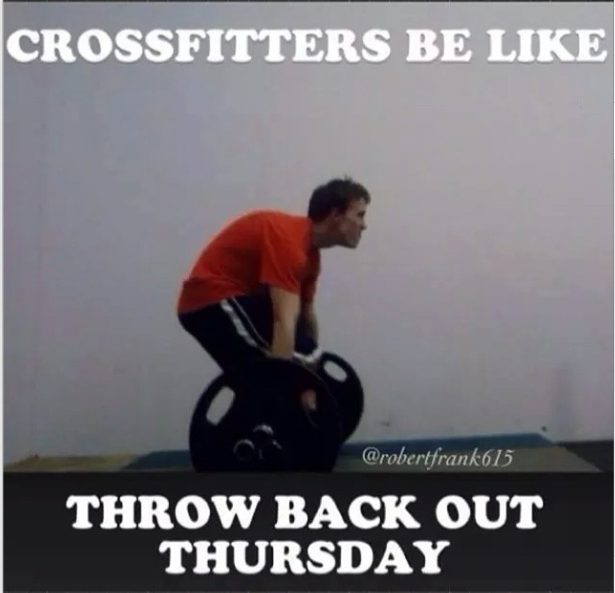
Have I pissed off any Crossfit devotees already with the title of this article? I hope so. I challenge any Crossfit fanatic to continue with Crossfit training while being able to grace a bodybuilding stage with the tiny waist, full lats, and rounded delts which are sought after in every single bodybuilding division. When an athletic pursuit is characterized with moves like overhead squats, push presses, push jerks, sumo deadlift high pulls, medicine ball cleans, and tire flips, developing a boxy midsection is unavoidable. I find it ironic that Crossfit gyms are referred to as boxes since the term box is rather suggestive of the body shape which develops under that discipline.
Whether you have been doing Crossfit and now want to cross over into the world of competitive bodybuilding while still training with Crossfit, or you have been competing in the bodybuilding world and are entertaining the idea of incorporating Crossfit training into your contest prep efforts, let’s just say you can’t have both. Simply put, you cannot sculpt your physique in the manner required for bodybuilding when you are a Crossfit devotee. Not only will Crossfit training widen your waistline, the intensity of Crossfit will cause excessive cortisol spikes which makes your body stubbornly cling to belly fat and derail your efforts to become super lean for the stage.
Crossfit training develops endurance and sacrifices the aesthetic lines which are sought after in bodybuilding. We who compete know that a small, nipped in waist and a wide v-taper is the ideal no matter what the division. But when you see a typical Crossfit athlete, you will see broad shoulders without the shaping or the beautiful round caps that are seen in bodybuilding. A Crossfit athlete’s quads and hams will be thick, and the back and chest muscular but compact. Most notably, the abdominal region on Crossfit athletes is always thick and boxy. This is due to the compound Olympic lifts which are regularly performed in Crossfit. You simply cannot attain the tiny waist and beautiful lines that are worshipped in the bodybuilding world when you engage in Crossfit.
I actually had a client who begged me repeatedly to let her do Crossfit two days a week despite my recommendation that she abandon it and focus on traditional weight lifting. I finally acquiesced, and allowed her to incorporate Crossfit as part of her training. As I had predicted, she sustained an injury, her waist widened from all the heavy complex movements which made her midsection boxy, and she became soft as a result of the cortisol spikes which the high intensity Crossfit training created. After three weeks of seeing all her efforts from pre-Crossfit training unravel, I asked her to reconsider her decision to engage in Crossfit. As soon as she stopped doing Crossfit, her waist began to nip in, and her body began to tighten up again.
Bodybuilding is steeped in honoring an aesthetic ideal, sculpting and defining muscle, while also celebrating muscular strength. Crossfitters may brag that they have more endurance than bodybuilders, which may be true to an extent, but I personally would rather have the lines of an IFBB Bikini Pro than to trade that all in for the wide, tank like physique of a Crossfit athlete. If the idea of muscle sculpture is what drew you into bodybuilding, celebrate that instead of being lured into Crossfit.
Originally published on RxGirl on Wednesday, 07 May 2014
http://www.rxmuscle.com/rx-girl-articles/10839-how-to-beat-down-excuses-that-derail-you-from-your-fitness-goals.html

I am grieving as I write this, because a very dear friend whose end of life care I was assisting in just passed away less than 24 hours ago. Though I am very rattled by this, I made sure to hit the gym first thing this morning, and I ate clean all day, packing and carrying my meals, with only one transgression which was a bottle of cold sake I had promised to myself and my friend once he had passed on. No matter how rough life is, I will not jeopardize all the hard work I put into building muscle and sculpting a physique that I could proudly display on the IFBB Pro stage this year.
A similar situation occurred with one of my clients whose father had suddenly died. Instead of making a plethora of excuses, avoiding training and abandoning her meal plan, she told me she wanted to channel her grief into her contest prep program, and so she did. She honored her father, continued to plug away at work, and took care of two small children while still honoring her commitment to herself and her fitness goals, and for that she is a true warrior.
Illness and death of a loved one are difficult to handle when one is in full contest prep mode or adopting a full blown fitness overhaul, but thankfully rather rare. The more common culprit in fitness plans falling by the wayside is the day to day life craziness that always threatens to pull us off our path. If we are not diligent and consistent about sticking to a regimen regardless of how hectic things get, a journey to ultimate fitness can dissolve into a jumble of self-doubt, fear and excuses. The most common pattern I see in competitors is one in which effective time management is lacking, resulting in missed workouts and meal prep that never happens. Let’s face it: we are ALL busy, but when one is determined and consistent, it is possible to adhere to a fitness plan or contest prep regimen.
I caution ladies (and guys, too) to avoid slipping into occasional rationalizations like, “Oh, I’m too tired to lift tonight…I’ll do a double lift tomorrow,” or “a couple of quick meals through Taco Bell isn’t really going to throw me off my prep,” because such rationalizations can develop into a regular pattern which will sabotage one’s fitness efforts. Please do NOT turn into one of those ladies who pushes a contest date back repeatedly because you don’t feel ready. Is it that you don’t feel ready, or that you are constantly throwing roadblocks in your own way by caving into peer pressure and eating unhealthy foods, drinking alcohol, getting insufficient sleep and going through the motions when you train? You need to ask yourself if your lack of discipline, whether expressed by putting yourself in certain social situations, binging on unhealthy foods at home because you are frustrated with your slow progress, or not making the time to prep and pack your meals regularly, is getting you the results you really want.

A repatterning must occur when excuses begin to creep across your mind. Instead of thinking that a binge could count as one admittedly huge cheat meal, think of how you will end up feeling after binging. You belly will be distended, you will physically feel sluggish and weak, I am willing to bet your self-esteem will sink. So why do it in the first place? Keep tempting foods out of your kitchen, and remind yourself of your fitness goals. If you go to events or dinners, consider packing your food and bringing it with you.
People have grown so accustomed to me bringing my own food that they don’t even blink when they see me with my food cooler bag. I have attended medical dinners with my food bag in tow, consuming clean food while my colleagues dove into meat selections with sauces, heavy starch dishes, and decadent desserts. To be honest, when I see how my colleagues look, I am thankful that I practice such clean eating.
If you tend to make excuses about getting to the gym for workouts, remember your GOAL. If you need to refer to images of people whom you aspire to be like, then do it. Pack your workout gear in a bag and keep it in your car if you have trouble motivating yourself to get to the gym once you get home from work. Take the energy you would put into making excuses and get to the gym right after work! Also be sure to schedule your workouts so that they become a priority in your life.
Be consistent, BELIEVE IN YOURSELF, and you will ultimately attain the fitness goals you seek.

For the first time ever, I am actually going to attend the Arnold Classic and Bikini International Finals at the Battelle Grand in Columbus, Ohio on Saturday, March 7, 2015. I am so excited to be able to watch these prestigious competitions from the audience!
This year will be the second year in which I will NOT be working a booth but instead will visit the Expo as a spectator, so it will be a very different Arnold experience for me this time around. I actually prefer to work a booth, but it will still be nice to see friends and fans, network, and have the freedom to come and go. Another big change this year is that it will be the first year that I will be staying at a hotel which is immediately adjacent to the Columbus Convention Center, which means I can keep exposure to the bitter cold and snow to a minimum!
For those of you who are unable to attend the Arnold Classic, tune into the live webcast on Bodybuilding.com. Simply go to the Bodybuilding.com website and click on the link!

 dr. stacey naito's blog