Tag Supplements
Do Anti-Inflammatory Medications Hinder Muscle Growth?

There has been a heated debate over many years within the bodybuilding community about whether anti-inflammatory medications like ibuprofen (Advil, Motrin) and naproxen sodium hinder muscle growth. These medications inhibit the synthesis of prostaglandins, which also play a role in muscle synthesis. All it took was one clinical study published in the Journal of Clinical Endocrinology and Metabolism to put bodybuilders into a panic about reduced protein synthesis, and it didn’t matter that such results were found in laboratory rats. While there is some evidence to suggest that the anabolic signal is shut off when anti-inflammatories circulate in the bloodstream, nothing is absolutely conclusive, and what might be seen in the rat model might not necessarily be the case for humans.
While I will never advocate chronic use of painkillers and anti-inflammatory agents, I think they definitely serve a purpose when acute injury is present. When I find myself in the middle of disputes with bodybuilders who INSIST that a few days on such medications will completely destroy all their efforts in the gym, I simply shake my head in frustration. If you are injured and your lifting is adversely affected by the injury, whether it be a muscle strain, a ligament tear, or a minor disc herniation, you need to be aware that training through that injury, especially when it deranges your form and causes other body parts to compensate for the injury, will end up really messing you up over time. I honestly think that a minimal decrease in muscle mass over the course of a few days is preferable to the imbalance and asymmetry which usually occur when a bodybuilder foolishly pushes through heavy workouts despite an injury which has a domino effect on the body.
Common sense, and medical expertise, dictate that the inflammation must be removed from the area, most commonly through short term administration of anti-inflammatory agents, ice, and rest. Trust me, if you follow a regimen like this, you won’t lose all the muscle you have built over the years. Be sure to take these medications with food, and if you have any history of gastric ulcers. bleeding disorders, or kidney dysfunction, avoid taking them. Remember that I am talking about DAYS, not weeks or months. This is one time when eating constantly has its benefits, since bodybuilders and fitness people can pretty easily fit in their medication administration with one of their meals. I know it’s difficult to back off from training, but if you truly want to HEAL, you must give the injured area time to repair itself. If you insist on continuing to train through the injury, especially, without any medications or other interventions on board, you can count on the injury either lingering or worsening over time.

Supplements You Should Be Taking Based On Your Age
Originally published on mensphysique.com on Saturday, 06 September 2014
http://www.rxmuscle.com/blogs/the-lab-supplement-school/11503-supplements-you-should-be-taking-based-on-your-age.html
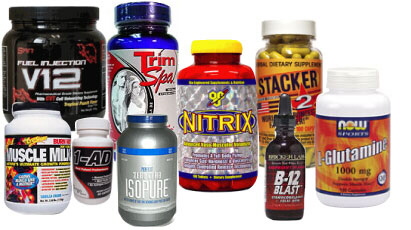
Most of you who are reading this article are probably already taking certain nutritional supplements which are popular among bodybuilding folk, such as conjugated linoleic acid, glutamine, fish oil, whey protein, and glutamine. However, there are basic nutritional demands in everyone which competitors might not be addressing in their daily regimens. In addition, those demands change as we age, as do the supplements which confer optimal health. In an effort to address those demands, I have compiled a list of supplements which you should consider adding to your regimen.
The following supplements serve as core nutrients which people of all ages require:
Multivitamin – I realize that there is some controversy regarding multivitamins, but I happen to be in the camp that is pro-multivitamin. Contest prep meal plans are notorious for being deficient in a multitude of nutrients, underscoring the need for a high quality multivitamin/multimineral supplement.
Vitamin C – This miracle nutrient is a potent antioxidant, assists in wound healing, aids in the absorption of iron from foods, and is critical for the development of collagen. Recommended daily dosages of this important vitamin are anywhere from 1,000 milligrams to 5,000 milligrams, split into 2 to 4 doses.
Zinc – One reason why this mineral is so important for men of all ages is because it is required for sperm production. Zinc is also a potent aromatase inhibitor, but only in doses of 100 milligrams or more per day. If you choose to take high doses of zinc, be sure to also take copper supplementation.
Alpha-Lipoic Acid (ALA) – This is a potent antioxidant which also aids with glycogen uptake. Basically what that means is that ALA will assist your body in metabolizing dietary sugars more efficiently. ALA is also great for brain and liver health. Recommended dosage is 100 milligrams to 300 milligrams daily.
Probiotics – These beneficial bacteria promote intestinal heath and a stronger immune system. The general population can obtain probiotics from milk, yogurt, tempeh and other products, but those who compete may opt for a supplement which will keep one’s diet contest-friendly. Look for formulations which have at least 20 billion live bacteria.
Vitamin D3 – This vitamin has gotten a lot of attention in recent years as a result of research which determined that the vast majority of the human population is deficient. This deficiency is largely the result of wide use of sunblock (thus turning off the body’s production of vitamin D3), and a drop in milk consumption. Why is Vitamin D3 so important? Vitamin D3 is associated with bone health, but may also play a role in the prevention of diabetes, cancer and multiple sclerosis. If you are like a vampire and remain indoors all day, take at least 1,000 international units (IU) daily. I personally take 5,000 IU daily to get the most of its ability to absorb calcium. I also recommend getting vitamin D3 from dietary sources like whole eggs or fatty fish like salmon.
Calcium – Calcium supplementation is essential for individuals who don’t consume lots of dairy or calcium fortified foods. Ironically, calcium supplements are absorbed more readily in the presence of lactose and protein. However, if dairy products are forbidden due to lactose intolerance or contest prep diets, consuming protein when calcium is taken will enhance absorption. Make sure to take vitamin D3 with calcium supplements to further enhance absorption. Recommended dosage is 1,000 milligrams per day, split into two doses.
Add these to your regimen if you are in your 30’s:
Glucosamine – This supplement is especially important for those who lift weights since it can ameliorate pain from joint inflammation. A good daily dosage is 1,500 milligrams. I tend to recommend formulations which contain MSM and NO chondroitin, because I have had too many patients complain of gastrointestinal upset with the chondroitin formulas.
Vitamin B12 – Vitamin B12 is found in animal protein, but the body cannot access it well, and this impairment becomes worse as we age. Because of this, taking a B12 supplement should become a part of your daily regimen if you are over 30.
DHEA – This is a controversial supplement because it has a considerable side effect profile, but I am including it here because so many people who compete can benefit from it as they age. DHEA is a sex hormone precursor which is secreted mainly by the adrenal glands and which is usually abundant in people who are in their 20’s. However, production begins to decline in one’s 30’s, and continues to drop significantly over the decades. It is a key player in maintenance and building of muscle, fat loss, and slowing the aging process. Side effects include heart palpitations, elevated blood pressure, breast enlargement, testicular atrophy, and interactions which certain medications. For this reason, you should consult with a physician to determine if your DHEA levels are low and if you may benefit from DHEA supplementation.
Individuals over 40 should add the following:
Leucine – This is probably the most important supplement you can add to your regimen as you age, especially if you are a competitor, because it helps to offset age-related muscle loss. One of the branched-chain amino acids, leucine is unique in this regard. Add 2 grams of leucine to a couple of your protein-containing meals. Leucine powder is VERY bitter, so make sure to mix it with a tasty protein powder, or take it in capsule form with your whole food meals.
Coenzyme Q10 – This antioxidant aids in ATP production, especially in the heart. It’s a good idea to take at least 30 milligrams per day, but I personally take 100 milligrams daily for the cardiac benefits.
Saw Palmetto – If your bathroom visits in the middle of the night are frequent and are not confined to your water-loading evenings, then you are probably experiencing prostatic enlargement. If this is the case, you might want to consider taking saw palmetto at a recommended dosage of 160 milligrams per day.
Over 50? Stack this supplement onto the above regimens:
Phosphatidylserine – This nutrient is important for optimal brain health. Take 200 milligrams per day.
What Do You Bring To The Table? Know Your Worth
Originally published on mensphysique.com on Saturday, 06 December 2014
This is part two of an immensely popular article which I wrote for the site.
http://www.rxmuscle.com/blogs/the-business-fitness-modeling-and-showbiz/11909-what-do-you-bring-to-the-table-know-your-worth.html
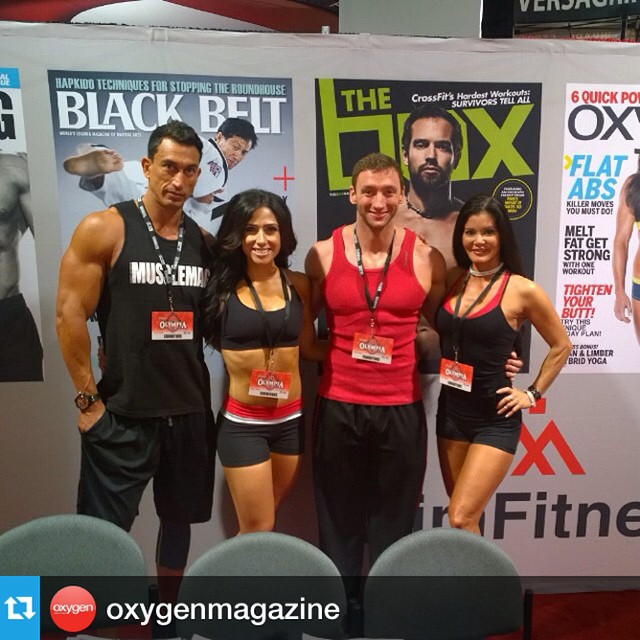
Last month I wrote an article in which I discussed different levels of athlete sponsorship and the tendency of some sports supplement and fitness related companies to use athletes as unpaid salespeople under the guise of being sponsored. This month I am flipping to the other side and discussing athlete value, i.e., what the athlete SHOULD be bringing to the table in terms of marketability, knowledge, and salesmanship when approached for a sponsorship.Both the company and the athlete should have something to offer the other party so that the relationship is a healthy symbiosis which promotes both parties. Essentially, when an athlete and a company work together, they should be working as a TEAM so that everyone can benefit from the union, but this doesn’t always occur.
In some cases, athletes will work tirelessly to promote a brand for little or no compensation, while in others, supplement and fitness related companies put their energies into an athlete, believing that the athlete will enhance the brand, only to have an athlete take advantage and become extremely lazy and neglect his/her end of the deal. While there are athletes out there who have tremendous value and who have built laudable reputations through inspiring articles, e-books, and client transformations, there are countless more who have an exaggerated sense of self-entitlement and who believe that simply because they graced the stage once or twice, they deserve to have everything handed to them for free.
If you are new to competing or to the fitness world in general, you need to be aware that it takes time to build your own brand and to find your place in the industry. Perhaps the best thing you can do at this point is to assess your value and what you truly bring to the table. Companies which are looking for brand ambassadors want someone with a following and a unique presence or message which is congruent with their brand philosophy, so if you aren’t there yet, you had better start working on building your own value.
Let’s start with physical appearance. Those who are successful in the bodybuilding and fitness industry have great physiques which they continue to improve upon over time. Individuals who maintain a relatively consistent weight and conditioning level throughout the year tend to fare best as well since they are close to shoot/contest ready almost all the time. Some of the top signed sponsored athletes are also some of the best looking people on the planet! I’m not saying that you have to have movie star good looks to land sponsorships, but it certainly doesn’t hurt. This is when you need to be VERY realistic about yourself and what you bring into the mix. You should be blessed with good looks or a distinctive, appealing look, or at the very least be photogenic if you expect to land a sponsorship with one of the bigger supplement companies.
Perhaps you are just average looking, or have a face only a mother could love, but you ooze sex appeal and charisma. If you are blessed enough to have such an energetic pull on people, this could work in your favor during booth appearances and videos, and increase interest in the brand you are representing. You are also far more likely to get picked up by a company if you have an enthusiastic and positive attitude. In keeping with this, you should only work with companies which sell products you truly believe in and like, because your enthusiasm for the products will come through naturally as you promote them.
Another valuable trait which increases an athlete’s value is integrity. People who do well in the fitness and bodybuilding industry and who have longevity within it tend to be truthful, sincere, and have strong values. You must have a strong backbone to survive in this highly saturated and fickle industry, and that only comes with knowing who you are and honoring your personal beliefs. If you sell out and take shortcuts, you run the risk of having a very short-lived career.
One of the most powerful ways to connect with your core audience is to show your human side and share stories which allow your followers to relate to you. It doesn’t matter if you show your own body transformations or those of your clients, as long as followers can see a before photo which they can relate to and an after photo which inspires them to take action. Such inspiration becomes even more powerful when you offer to help followers to reach their fitness and wellness goals. People begin to believe in YOU, and that can give you the leverage you need to promote a product line for a brand you represent.
If you have experience and education in fitness, nutrition, business, advertising, medicine, physical therapy, massage, or any other field which may be relatable to your journey in fitness and to the people who follow you, it’s a good idea to fortify such knowledge by becoming an authority. You can do this by creating videos, blog posts and books which showcase your knowledge. This can make you especially valuable to supplement and fitness companies which are considering bringing you on board because you can offer your knowledge as part of the deal which you negotiate with them.
Many companies assess the popularity and reach of an athlete through social media numbers, a tactic which can edge many athletes out of the running for top sponsorship spots if numbers are all they care about. Some athletes have purchased followers or promoted their profiles by paying for them, which has worked in their favor when securing sponsorships, but I don’t recommend this route since many of those paid followers won’t buy products which the athlete promotes. Then there are athletes who desperately want to work in the industry and obtain sponsorships, but have built their following solely on sexy half-naked photos of themselves. These athletes (mostly women) have resorted to using their social media channels solely as a means to post scantily clad selfies which ostensibly generate a ton of likes from the opposite sex. Every athlete who lowers his/her standards to this point where the only value generated is from smutty photos is sure to find that there is no legacy to speak of as time goes on and looks fade.
Even if you build your value and show consistently that you have a strong work ethic, you must continue to meet your end of the bargain. Sometimes companies will give you product as a trial run to see what you will do with respect to adding value to the brand. Some athletes will ramp up slowly, while others will jump right in with social media posts and will do all they can to promote a product. I have also seen some athletes start out as strong cheerleaders for a product, only to fizzle out because they lack self-discipline and consistency. Of course this can also occur on the company’s end, so it behooves both the athlete and the company to check in with each other regularly to make sure that everyone is happy.
Are You A Sponsored Athlete Or An Unpaid Salesperson?
Originally published on mensphysique.com on Wednesday, 12 November 2014
This was the most popular article I ever wrote for the site, getting over 2,700 likes.
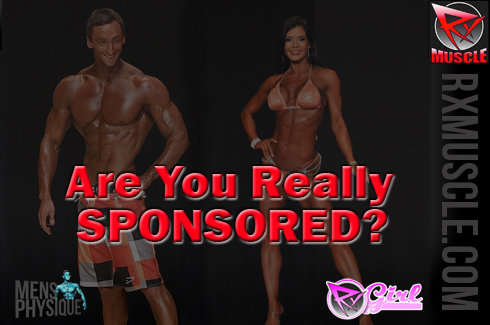
Most sports supplement companies and other fitness related companies aggressively promote their products through athletes who can sing the praises of their benefits. Who could be better at describing the efficacy of a product and how it enhances training or recovery than an athlete who not only already uses those types of products, but someone who has a following and who can convince new customers to purchase from the company which they represent?
Here’s where things get problematic. The pool of bodybuilding and fitness athletes is pretty massive, and the waters are teeming with athletes who are anxious to get their so-called “big break”. As a result of this, savvy marketing teams from fitness related companies often sweep up these individuals because they are enthusiastic and can propel a brand’s exposure. All the company needs to do is to offer some free product to the athlete and provide instructions on how to use social media to get the word out that these products exist. Then the athletes post images of themselves holding or using products, and add affiliate codes so that any orders which are generated through that athlete’s post are credited to the athlete. This can be a great way for an athlete to make some extra money while competing or chasing down fitness related gigs and projects.
It is important to bear in mind that such athletes really aren’t sponsored, but are instead unpaid salespeople who provide free advertising and generate sales via social media posts which direct followers to product websites. Yes, they get commissions if they have affiliate codes, but such commissions are nothing to write home about unless someone is really blowing the roof off in sales. This is in stark contrast to a true athlete sponsorship, in which an athlete is paid to represent the brand as a brand ambassador.
The sponsored athlete is chosen for his or her physique, performance history and awards, facial good looks, charisma, enthusiasm, and often the size of his or her social media following. Usually a sponsored athlete signs a contract which stipulates that he or she will receive a certain amount of free product, and in most cases will also receive financial compensation which is either paid via a monthly salary or via a contest stipend. Though the athlete usually agrees to a set requirement or recommendation to provide social media posts for the company at regular intervals, the company pays the athlete for his or her trouble. Personal appearances and events are also part of the sponsored athlete agreement and clearly described in the written contract. The sponsored athlete is compensated for use of his or her likeness on advertising materials as well.
Obviously it is a far better deal to become an official sponsored athlete for a company. Otherwise, you are just providing free advertising and cheap labor in exchange for products which are sold at a significant markup from what they are manufactured at. If you post a selfie with product that somehow goes viral, the company will certainly love the boost, but I doubt you will ever see any type of compensation if you aren’t a sponsored athlete, which means you provided your likeness for free.
The truth of the matter is that there are only a handful of athlete sponsorships to go around, with a massive surplus of athletes vying for those spots. The athletes who end up getting sponsorships stand out from the crowd in some way, or fit a brand’s look and philosophy so well that it makes sense to bring them on board to represent a brand. The rest of the athletes must navigate through all the companies out there to try to find an arrangement which benefits them in some way. Sometimes it is easy to sell a product, usually because the athlete enjoys using it so much that he or she doesn’t mind providing free advertising or labor.
Sometimes a supplement company will launch a contest which is based on social media posts. One company, which shall remain unnamed, launched a huge campaign this year that was patterned on this idea, and decided to award 5 of the entrants $10,000. Sure, that sounds like a good chunk of change, but if there were 8,000 entrants, then 7,995 walked away with nothing. At the end of the campaign, the company got tons of free advertising and all those hashtags they requested for “tracking” purposes also propelled their brand in a huge way. To be honest, this is a brilliant marketing tactic, but not the best move for the majority of athletes who participated.
I have also seen companies launch contests in which entrants must purchase a product, then post on social media with hashtags to enter the contest. This is another form of free advertising for the company, a great way to generate sales, a brilliant means for them to boost exposure, and yet another way for athletes to be suckered into doing free advertising. I don’t see much harm in taking part in such a contest if you truly love a product and want to proclaim it, but just remember that it works wonders as an advertising tool for the company without any benefit for you.
One thing I will never advocate is purchasing products, even at a steep discount, while also representing a brand as one of its “sponsored” athletes. If you are asked to pay for a product while also providing free advertising on social media channels, run quickly in the other direction! Basically you are dealing with a company which doesn’t value you enough as an athlete to provide compensation for your advertising efforts. This isn’t the same as purchasing a product, finding out you like it, THEN posting something on social media which lets people know how much you like it. I know of several athletes who had done this, which sparked the attention of the company which manufactured the product, eventually leading to a sponsorship deal. But do not, I repeat, DO NOT PAY for products as a way to get false sponsorship for a company.
It isn’t a bad thing to work as an unpaid salesperson in the fitness industry as long as you know your place and value. Once your following builds, the smart thing to do is to leverage your visibility into getting an athlete sponsorship. The main thing is to make sure that you don’t get taken advantage of in the process.
Melatonin
Originally published on RxGirl on Thursday, 19 June 2014
http://www.rxmuscle.com/rx-girl-articles/11102-melatonin.html

Melatonin is a hormone produced by the pineal gland in the brain which regulates the wake-sleep cycle. Production is turned on later in the evening when lights are turned off for bedtime. However, there are a number of poor habits which people commonly engage in which interfere with the body’s production of melatonin, with harmful results such as impaired immune response, increased rate of cellular aging, and increasing the risk of cancer formation.
Basically, those late nights you spend watching TV or reading are interfering with optimal health. As soon as a light is turned on at night, you send a signal to your brain that it is daytime. Production of melatonin ceases and does not resume when you turn the light off either.
Shorter wavelengths (red, orange, yellow) of light are less detrimental than white or blue light and should be used in the evening. I love the salt lamp I have in my bedroom and try to use that light as my sole illumination in the bedroom as much as possible at night.
Why is it so important to preserve the body’s natural production of melatonin? Because melatonin is a potent antioxidant and excellent for reducing inflammation throughout the body, including the brain.
Implement the following guidelines to optimize the body’s production of melatonin:
1. Try to get daily bright sun exposure. Production of melatonin approximates the contrast between bright sun exposure during the day and complete darkness in the evening.

2. Turn off your computer and TV at least one hour before going to bed. Both computers and televisions emit blue light which interferes with the body’s normal production of melatonin.
3. Sleep without any lights on. The darker your room is while you sleep, the better chance you have of allowing your body to produce melatonin without interruption.
4. Drop the thermostat to 60 to 70 degrees.
If you think your melatonin levels are low or you have lab work demonstrating low melatonin, and you also suffer from insomnia, you might want to supplement with melatonin tablets. Beware of the dosage, and keep it at 0.5 to 3 milligrams maximum dosage each night. At higher doses, melatonin can have hypnotic effects on some individuals, and on others, a paradoxical hyperaware state may manifest.
On a personal note, I had lab work early this year which demonstrated low melatonin, but I wasn’t suffering from insomnia. A colleague insisted I supplement with 3 milligrams of melatonin per night, which resulted in anxiety and a completely sleepless night for all of the nights I took melatonin.
Another caution: If you are trying to get pregnant, you must avoid taking melatonin supplements because they interfere with fertility.
Arnold Sports Festival 2015

For the first time ever, I am actually going to attend the Arnold Classic and Bikini International Finals at the Battelle Grand in Columbus, Ohio on Saturday, March 7, 2015. I am so excited to be able to watch these prestigious competitions from the audience!
This year will be the second year in which I will NOT be working a booth but instead will visit the Expo as a spectator, so it will be a very different Arnold experience for me this time around. I actually prefer to work a booth, but it will still be nice to see friends and fans, network, and have the freedom to come and go. Another big change this year is that it will be the first year that I will be staying at a hotel which is immediately adjacent to the Columbus Convention Center, which means I can keep exposure to the bitter cold and snow to a minimum!
For those of you who are unable to attend the Arnold Classic, tune into the live webcast on Bodybuilding.com. Simply go to the Bodybuilding.com website and click on the link!

Creatine-Rich Foods Or Creatine Supplements?
Originally published on mensphysique.com on Sunday, 29 June 2014
http://www.rxmuscle.com/blogs/the-lab-supplement-school/11157-creatine-rich-foods-or-creatine-supplements.html
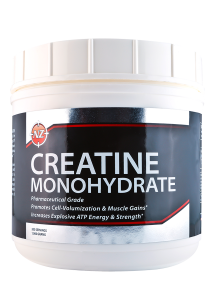
Creatine has been established as an important component of maximal muscle growth, strength and energy in the world of weightlifting, hence its almost ubiquitous presence in pre-workout formulations. Though creatine can be formed in the kidneys and liver from arginine, glycine and methionine, weightlifters should supplement this production, either by taking powdered creatine supplements such as creatine monohydrate, or by consuming large amounts of creatine-rich foods.
Beef is hands down the richest and easily accesible food source of creatine, with two grams per pound of meat. If you are opposed to the idea of eating red meat, alternative sources of creatine are found in poultry and in fish such as salmon and tuna. Those of you who are vegetarian or vegan will be hard pressed to pull sufficient creatine from foods and will have to supplement via synthetic forms such as creatine monohydrate, micronized creatine, or creatine citrate.
You may be able to consume massive amounts of meat and supply your body with the 3 to 5 grams of creatine which is considered the norm in bodybuilding circles, especially if you are adamant about obtaining all of your performance substances from whole food sources, but that would require massive dedication and a lot of meat chewing!
However, if you are in a building phase, then I truly believe that you are doing yourself a disservice if you are trying to get all your extra creatine solely from food sources.
The original form of creatine which was used by bodybuilders and which is still very much in use today is creatine monohydrate. This is the cheapest form of creatine, but it is poorly absorbed, which explains its tendency to cause bloating and digestive upset.
Another negative aspect of creatine monohydrate is that some people don’t respond at all to it. If this is the case for you, then you might want to explore the different forms of creatine which are out on the market. The two best forms of creatine, in my humble opinion, are:
1. Micronized creatine – The micronized form of creatine features smaller molecules, so absorption is significantly better, eliminating the issues of bloating and diarrhea which are often caused by ingesting the non-micronized form of creatine monohydrate.
2. Creatine ethyl ester – This is by far the most absorbable form of creatine, but more expensive than the monohydrate form. You can find this substance in capsule form.
Another form of creatine which is at times used in some of the more popular pre-workout formulas is creatine nitrate. The extra NO2 makes creatine water soluble and also lends a decent pump to workouts. However, when purchased alone, creatine nitrate is costly and thus is not one of my recommendations.
If you want to enhance your creatine intake, consider food sources in combination with supplement sources so that you can obtain an optimal amount which your body is able to utilize.
One Step Forward Two Steps Back: Fighting Muscle Loss As You Age
Originally published on mensphysique.com on Monday, 07 April 2014

http://www.rxmuscle.com/blogs/the-news-the-newest-in-mp/10590-one-step-forward-two-steps-back-fighting-muscle-loss-as-you-age.html
The sad truth about getting older is that it becomes more and more difficult to hold onto the plentiful lean muscle mass and low body fat we tend to take for granted during our younger years. An inevitable consequence of growing older is the increasing struggle to maintain lean muscle mass as the years pass. Even if you have been blessed with a genetic propensity for the optimal balance of lean tissue and body fat, be prepared to work harder over time to keep what you have. This also means that master’s competitors usually have to train harder to build muscle mass, and are also more sensitive to dietary fluctuations and digressions than their younger counterparts.
The good news is that there are steps which can be taken to combat the unfavorable shift in body composition which makes its appearance after one’s mid-thirties. Perhaps the MOST important intervention which the vast majority of you are already practicing is weight training. You can continue to challenge yourself and lift heavy, but you might want to consider adding glucosamine and turmeric to your supplement regimen to protect the joints and minimize inflammation. Another adaptation in the weight room which older athletes respond especially well to is unilateral training. Unilateral movements improve balance and coordination and make it possible to correct strength imbalances.
Another way to naturally boost the body’s ability to combat aging which you are most likely already practicing is to consume adequate protein. When protein is consumed, a steady stream of glucose is released via glucagon without spiking insulin levels in the body. Conversely, a diet low in protein but high in carbohydrates results in high levels of insulin, which over the course of time can result in widespread inflammation, diabetes, and obesity. Surprisingly, the protein needs of people from middle age on (40’s and over) increase as a result of diminished protein synthesis in the aging body. Protein intake must be increased in order to offset the deficiency.
If you are already weight lifting regularly and taking in sufficient protein, you may want to consider boosting your intake of glutamine and branched-chain amino acids, particularly leucine. These building blocks help to optimize the body’s ability to utilize dietary protein to build new muscle and repair damaged muscle fibers.
Though animal sources of protein are excellent options for people of any age, whey protein in particular is a remarkable protein source in older people. It is highly absorbable, contains all 18 amino acids, immunoglobulins and lactoferrin, and all the building blocks for a powerful antioxidant called glutathione. Glutathione deficiency is linked to Alzheimer’s disease, cardiovascular disease, arthritis, asthma and cancer, and because of this, it is considered a key substance in combating the process of aging. Natural glutathione production in the body declines with age, but with whey protein on board, the amino acids necessary for glutathione production are supplied to the body and optimal levels can be attained as a result.
Though athletes and competitors are aware of the health and muscle building benefits of whey protein, I am astonished by how it is not utilized nearly enough by the average person. All too often I see patients who regularly skip meals and eat fast foods and other processed foods, and who assume that whey protein is only for athletes. If you are an average person who wants to change poor eating habits and optimize cellular function, then you need to boost protein intake and add whey as one of your protein sources. You are doing yourself a disservice if you insist on eating junk carbs like simple sugars and processed foods, skipping meals, and consuming insufficient protein, especially if you are over the age of 35 and trying to fend off disease and aging.
If you are proactive and consistent about taking the necessary steps to battle age-related muscle loss, you will reap the benefits of better health and vitality and will rival those half your age with a muscular physique to be envied.
Unstoppable: SWAT Fuel Thermogenic Formulas
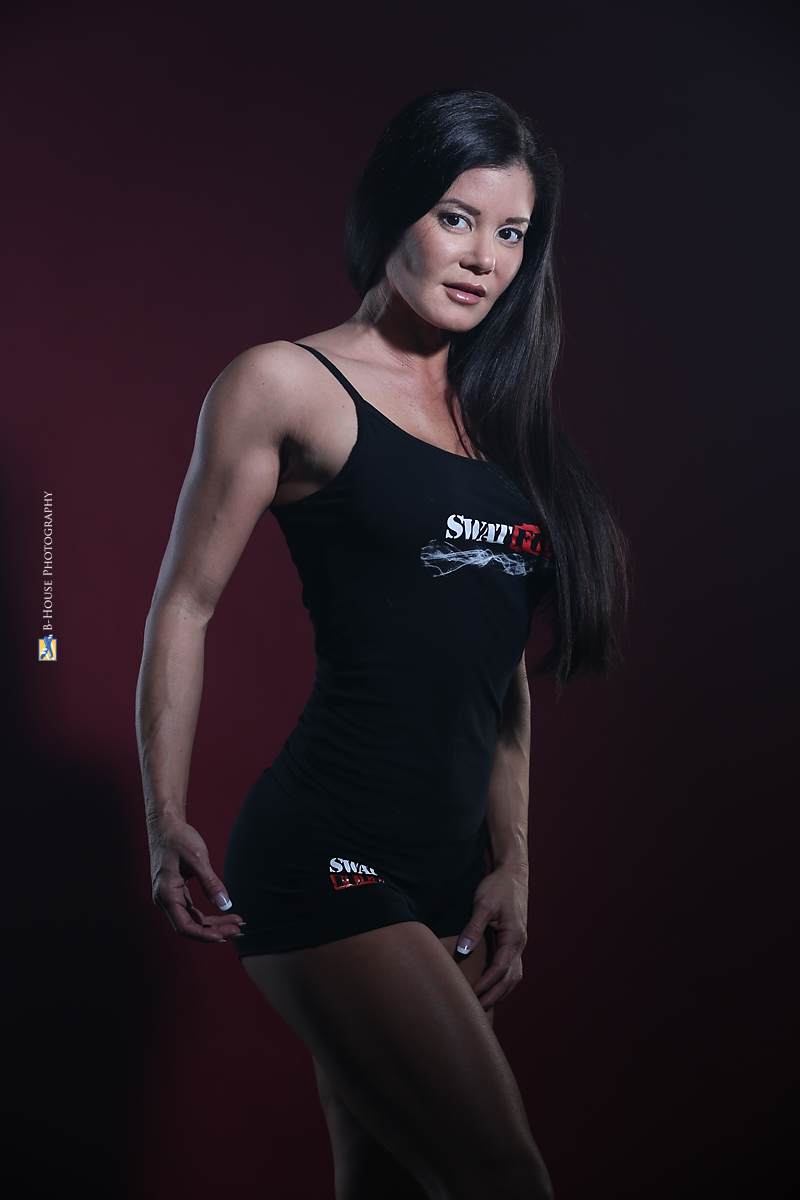
As a physician, I have a built-in skepticism when it comes to trying sports supplements, and it takes a lot for a supplement to impress me. So when I say that SWAT Fuel makes two of the very best thermogenic fat burner/preworkout formulas, you can believe that they are pretty exceptional. I have used SWAT Fuel products for two years now,and never once have I had issues with jitters, cutaneous flush or a sudden slump in energy. What I get is a very pleasant, sustained energy boost which enhances my concentration and performance. I feel GREAT when I take 9mm or 9mm+P!
 dr. stacey naito's blog