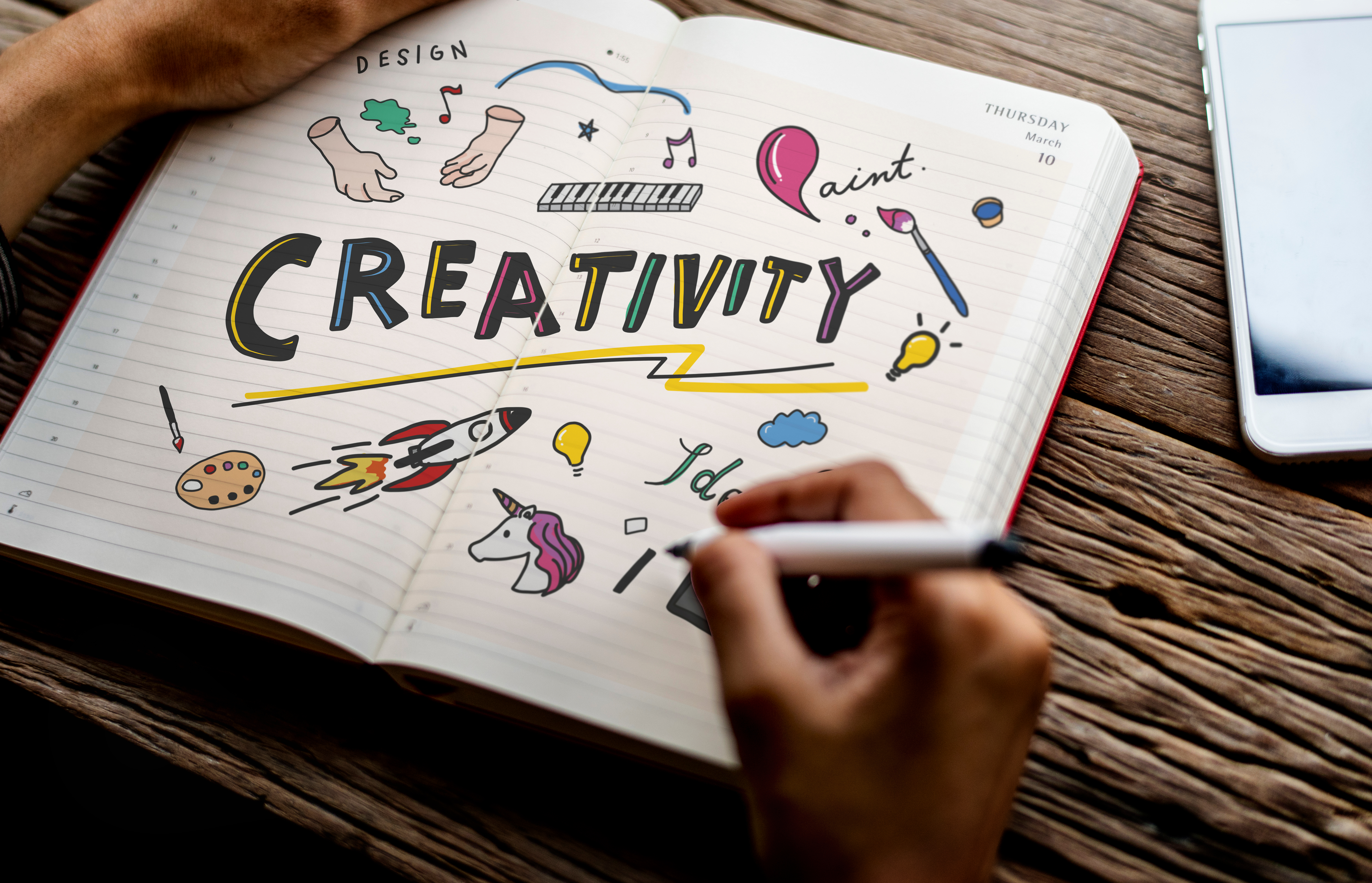
Making Stress Manageable: How Creative Work Quietly Changes Everything

rawpixel image, 123rf.com
Image ID111779031

I hope you all enjoy reading this wonderful article, written by Julia Merrill of befriendyourdoc.org! It’s all about keeping those creative juices flowing and dampening stress.

There’s a kind of pressure no app fixes—mental static that clings to your thoughts, your sleep, your body. You carry it until it becomes background noise. But creativity can cut through that. Not as escape, but as reset. Drawing, dancing, scribbling a thought—these aren’t luxuries. They’re ways your brain reclaims rhythm. You don’t need to be good. You just need to begin. Creative work interrupts stress. That’s where everything starts to shift.

Creativity quiets mental noise

There’s something remarkable about what happens when your brain turns toward a tactile, expressive task. Paintbrush to paper. Fingers to clay. Even organizing a shelf with intention. These acts redirect your attention away from loops of rumination into a space of sensory input and focused decision-making. Creative activities ease emotional overwhelm by helping the brain regulate its own threat response system. In other words, your mind stops screaming and starts listening. This isn’t a distraction. It’s a biological rebalancing—an internal volume knob finally turning down.

Routine creativity builds resilience

When creative work stops being occasional and starts becoming habitual, it stops functioning as a band-aid and starts acting like armor. That doesn’t mean routine kills the spark. It means the spark has a place to land. Daily journaling, weekly collage-making, or recording your dreams each morning—these routines gently wire the brain to process, not suppress. Repetition turns expression into integration. And that’s where regular creativity strengthens emotional resilience. It trains the body to trust itself. Over time, that’s the difference between managing stress and becoming it.

When study supports the practice

Understanding why creativity works can deepen your relationship to it. Learning the mechanics of cognitive load, stress responses, or emotional regulation through psychology doesn’t make creativity clinical—it makes it sustainable. Formal study helps you notice patterns, name blocks, and recognize when you’re shifting states. For some, exploring online learning and psychology degrees becomes a tool for understanding not only their own minds but also the behaviors they witness in others. It’s not about credentials—it’s about access to frameworks that clarify what’s happening beneath the surface. And with that clarity comes choice. The kind that helps you move differently in moments of pressure.

Hobbies as emotional outlets

You don’t need a masterpiece to feel better. You need a release valve. That’s where simple hobbies come in. When you take time to sketch a flower, stitch a pattern, or write a few unedited sentences, you’re doing more than making art—you’re giving shape to what doesn’t have language yet. Stress lives in the body, and the body is trying to tell you something. The act of using creative hobbies to offer mindful emotional outlet allows expression and processing before the pressure converts to tension or collapse. The emotional load lightens because it’s no longer stuck. You moved it.

Structured play resets mood

It helps to have structure when you’re rebuilding your sense of ease. That might mean taking a community ceramics class, joining a songwriting group, or learning photography basics online. It doesn’t need to be expensive or public—just rhythmic. Consistency changes how you metabolize stress. Not because you’re “productive,” but because repetition builds neural reliability. One way people access this rhythm is by engaging in creative expression to release tension, which nudges the brain out of survival mode and into flow. You can’t force your mind to relax—but you can make it feel safe enough to try.

Shared art builds connection

Solitude has its place. But there’s also something restorative about making things around others—especially when no one’s competing or performing. A group paint night. A community mural project. Even virtual writing sprints. By joining creative groups to deepen social support, people experience something more profound than distraction—they rebuild nervous system safety through shared rhythm. Creativity, shared, becomes its own kind of nervous system. You co-regulate without even trying.

Short bursts still benefit

You don’t need a weekend retreat or an artist residency to feel the effects. Some of the most potent shifts happen in short, imperfect, ordinary moments. Ten minutes of watercolor. Two lines of a song. A voice memo idea whispered between errands. People often discover that short creative efforts still reduce stress in measurable ways—dopamine up, cortisol down—even if the work is scrappy and incomplete. Think of these not as projects but as pressure valves. Moments that matter because they add up.

Stress is your body asking for a new rhythm. Creativity answers without needing permission or polish. It softens the edges, slows the breath, and builds a pattern your nervous system can trust. A sketch, a song, a list of words—they all count. Not because they solve things. But because they steady you long enough to try again.

Discover a wealth of health insights and lifestyle tips with Dr. Stacey Naito and start your journey to a healthier, more vibrant you today!

The Five Keys To Optimal Brain Health (Repost)

Sharpens-Your-Brain

By: Dr. Stacey Naito – Physician and IFBB Pro

Even if your genetics put you at risk for developing dementia, there are numerous lifestyle and behavior adjustments which you can make in order to protect brain function and fight dementia. The five keys listed below are proven to improve brain health and keep your mind vital and sharp for decades.

1. MOVE YOUR BODY

Scientific research has proven that overall physical health is closely linked to brain health. Regular exercise aids in the maintenance of a healthy weight range, normal cholesterol levels, while also optimizing blood flow throughout the body and the brain and supporting the growth of new brain cells.

The benefits of physical health stem not only from regular exercise, but also from other good health practices. Support your brain’s health by doing the following:

• Exercise at least 30 minutes daily to relieve stress.
• Make sure to get between seven to eight hours of sleep each night.
• Refrain from using tobacco.
• See your doctor regularly.
• Maintain a healthy weight.

2. YOU ARE WHAT YOU EAT

Research studies indicate that diets which are low in saturated fats and cholesterol, and rich in polyunsaturated omega-3 fatty acids and nutrients like lutein and vitamin E, may have a protective effect on brain cells and overall brain health.

Brain-healthy dietary changes:

• Opt for healthy fats which are found in olive oil and fatty fish like salmon. Avoid saturated and trans fats.
• Consume a diet which incorporates milk, eggs, vegetable oils, nuts, whole grains, and dark leafy greens like spinach, all of which are rich in vitamin E. Vitamin E is an important nutrient which supports brain health. If you can’t get vitamin E from foods, you can take it in supplement form.
• Eat plenty of fresh fruits and vegetables, aiming for nine fist-sized servings each day. Select colorful fruits like cranberries, blueberries and tomatoes which are packed with powerful anti-inflammatory compounds known as polyphenols. Keep the skin on fruits and vegetables to maximize their nutritional benefits.
• Add lutein. Lutein is a potent antioxidant which is critical for eye and brain health. Foods which are rich in lutein include spinach, kale, turnip greens, collard greens, egg yolks, corn, and peas. You can also take lutein in supplement form.

3. EXERCISE YOUR BRAIN

Extensive research has proven that the brain continues to learn new skills and information throughout life, and benefits from frequent intellectual stimulation. Make sure to pursue new activities, education and games to challenge your mind. Read books to elevate your knowledge base.

How to stimulate your brain:

• Engage in regular sessions of a mental activity you enjoy, such as reading, word games such as crossword puzzles, or learning a foreign language.
• Get into a daily habit of learning a new word or fact.
• Master a new skill or subject each year.
• Manage stress and balance your energy by meditating. Meditation may help to reduce stress and body inflammation by soothing the vagus nerve, an important nerve which controls the body’s immune response.

4. NURTURE RELATIONSHIPS

Though we know that relationships with family and friends are key factors in a person’s happiness, regular social interaction promotes the formation of new brain cells and aids in brain repair. One study revealed that men and women who had the most social interaction had less than half the rate of memory loss as those who were the least socially involved. By visiting friends and family and being involved in community activities, you will protect brain health.

Social brain boosters:

• Spend time with your family and friends regularly, and make them a priority.
• Volunteer for an organization which surrounds a cause which you are passionate about.
• Work for as long as you can, and for as long as you feel motivated to do so.
• Join clubs and become involved in religious or spiritual activities which resonate with you.

5. BALANCE YOUR NEUROTRANSMITTERS

Brain function relies on important molecules known as neurotransmitters. Neurotransmitter levels affect mood, behavior, cognitive function, social function, digestion, sleep, weight regulation, and many other processes.

The problem with current society is that the vast majority of people have overly stimulated sympathetic nervous systems, which over time can drain the body of serotonin. The excitatory part of the nervous system dominates once the inhibitory neurotransmitters are depleted, resulting in anxiety and an inability to “wind down”. Eventually, even the excitatory neurotransmitters such as serotonin, epinephrine, norepinephrine and GABA are also depleted, and severe depression or chronic fatigue usually develop.

Conventional drugs cannot replenish these neurotransmitters, and in fact, tend to cause depletion of the neurotransmitters. This is the reason why some depression medications do not work on some individuals. The good news is that supplementation with amino acids can help to replenish deficient neurotransmitters.

How To Nourish Neurotransmitters:

• Eat a healthy diet. Neurotransmitter imbalance is aggravated by poor diet. Diets high in protein supply the brain with the amino acids it needs to replenish neurotransmitter levels.
• Consume branched chain amino acids to ensure a rich supply of neurotransmitter precursors.

REFERENCES
Neurotransmitter Assessment Brings Light to Management of Psychiatric Problems
Monday, 15 August 2005 00:59By Erik L. Goldman | Editor in Chief – Vol. 6, No. 3. Fall, 2005

Reclaim Your Health Naturally With These Simple Lifestyle Changes

Please check out this great article, written by Camille Johnson, who created https://bereaver.com

Photo via Pexels

Modern life, with its relentless pace and technological advances, often pulls us away from simple, natural practices that promote health and well-being. While conveniences abound, they sometimes come at the cost of our physical and mental health. By rediscovering and embracing natural methods to enhance our health, we can experience profound improvements in our overall quality of life. In this article, courtesy of StaceyNaito.com, we’ll go over several things you can do to feel better everyday.

Embrace Nature

Spending time in nature can significantly boost both your mental and physical health. The fresh air, sunlight, and green surroundings help reduce stress, lower blood pressure, and improve mood. Whether it’s a walk in the park, a hike in the woods, or a day at the beach, engaging with the natural world rejuvenates your body and mind. Regular outdoor activities also promote physical fitness, enhance overall well-being, and contribute to a healthier lifestyle.

Perfect Posture

Practicing good posture is essential to prevent physical strain and maintain musculoskeletal health. Poor posture can lead to chronic pain in your back, neck, and shoulders, and may cause long-term damage if not corrected. If you work from home, investing in ergonomic furniture can encourage good posture while preventing wear and tear on your back, neck, and shoulders. Simple exercises and mindful sitting and standing can make a significant difference.

The Power of Herbs

Considering herbal supplements for minor ailments can be a wise and natural choice. Many herbs, such as ginger for nausea, peppermint for digestion, and chamomile for sleep, have been used for centuries with great success. Herbal remedies often have fewer side effects compared to conventional medicines, making them a safer alternative for treating everyday health issues. Always research and consult a healthcare professional before adding new supplements to your routine.

Minimize Chemical Exposure

Reducing your exposure to harmful chemicals in cleaning products and cosmetics is crucial for maintaining good health. Many commercial products contain toxic substances that can cause skin irritation, respiratory issues, and other health problems. Opting for natural cleaning agents like vinegar, baking soda, and essential oils, and choosing organic, chemical-free cosmetics can protect you from these risks. Making your own products can also be an empowering and satisfying way to take control of your environment.

Laughter and Joy

Incorporating humor and laughter into your daily routine can have a profound impact on your well-being. Laughter reduces stress hormones, increases endorphins, and boosts your immune system. Watching a funny movie, reading a humorous book, or sharing jokes with friends can lift your spirits and improve your health. Remember, laughter is not just a temporary escape; it’s a vital aspect of a balanced life that fosters long-term happiness and resilience.

Stress Reduction

Engaging in stress-reducing activities like yoga or pursuing hobbies can greatly enhance your mental and physical health. Yoga combines physical exercise with mindfulness, helping to reduce anxiety and improve flexibility. Pursuing hobbies you love can also provide a necessary escape from daily stressors, allowing you to unwind and recharge. Whether it’s painting, gardening, or playing an instrument, these activities can bring joy, relaxation, and a sense of accomplishment, contributing to overall well-being.

Focus on Gratitude

Keeping a gratitude journal to focus on the positive aspects of life is a simple yet powerful tool for improving mental health. Writing down things you are thankful for can shift your focus from negative thoughts to positive ones, fostering a more optimistic outlook. This practice can enhance your mood, increase resilience, and promote overall emotional well-being. Taking a few minutes each day to reflect on your blessings can lead to lasting happiness.

Embracing natural methods for health and well-being fosters a balanced and fulfilling life. By integrating these natural approaches into your daily routine, you can achieve a healthier, happier life, reaping the benefits of a more holistic approach to well-being and long-lasting vitality.

Resources and Tips to Help You Relax and Recharge Throughout the Day

Image via Pexels

By Julia Merrill of Befriendyourdoc.org
julia@befriendyourdoc.org

Modern life is busy. You probably have a lot of obligations to juggle, from work to family, friends, school, and more. You might find yourself getting overwhelmed and frazzled regularly. In the big picture, this can lead to mental health issues like anxiety. Read on for some resources and tips from Dr. Stacey Naito’s blog to help you unwind and recharge your battery.

Take a Break to Focus on Your Physical Well-being

Regular exercise is good for your mental and physical health. Try these tips to get more physical activity.

  • If you can’t get to the gym, try this total-body home workout. It only takes 15 minutes and requires no equipment.
  • You can also get exercise with hacks like skipping the elevator and taking the stairs.
  • Yoga is another activity you can do from home that helps to bust stress and improve mental health.

Build a stress-busting mental health toolkit

Get proactive about tackling stress head-on when it arises.

Natural Remedies

Using natural remedies to relieve stress is important because they often have fewer side effects, can be cost-effective, and work harmoniously with the body’s natural processes to promote overall well-being and resilience. Here’s a list of three natural remedies for stress:

  • Exercise: Regular physical activity, such as yoga, jogging, or swimming, can significantly reduce stress levels by releasing endorphins and improving overall mood.
  • Meditation: Practicing meditation and mindfulness techniques can help calm the mind, reduce anxiety, and enhance emotional stability.
  • THCA (Tetrahydrocannabinolic Acid): As a non-psychoactive precursor to THC found in raw cannabis, options for THCA may have therapeutic properties that help reduce stress without inducing a high.

Create a Relaxation Space at Home

When you need to take a break, curl up in your zen zone. Here’s how to make the perfect soothing space.

Know When to Ask for Help

If you’re constantly on edge and unable to relax, even with the above tips, it may be time for support. Here are some resources to help.

You don’t have to go through life feeling stressed and drained of energy. Making small changes to your daily routine can ensure you feel calm and refreshed. The resources above can help you get a better grasp on your daily well-being.
Read more informative articles on Dr. Stacey Naito’s blog today!

Uncover the Roots of Stress and Master Effective Management

Image: Freepik

Here’s another fantastic article by Camille Johnson of bereaver.com which offers tips on managing stress.

In the whirlwind of modern life, stress often becomes a constant, yet unwelcome, companion. Its presence can be pervasive, affecting various aspects of our lives. Recognizing the sources of stress and developing effective strategies to manage it is not just beneficial; it’s necessary. This article dives into the primary causes of stress and equips you with practical ways to address them, aiming to bring balance and tranquility to your daily life.

Identify Your Stress Triggers

To manage stress, it’s imperative to pinpoint what triggers it. Stressors vary widely, encompassing aspects like work pressures, relationship dynamics, and personal responsibilities. By understanding these triggers, you can devise targeted strategies to mitigate their impact. This process involves self-reflection and may require changes in both perspective and lifestyle, but the reward is a more peaceful and manageable life.

Prioritize Fitness

Beginning a fitness routine is a powerful tool in combating stress, as it brings both physical and psychological benefits. Engaging in regular exercise leads to the release of endorphins, known as the body’s natural mood elevators, which help in reducing stress levels and enhancing overall mood. Physically, exercise improves cardiovascular health and increases strength and stamina, contributing to a greater sense of well-being and resilience against stressors. Additionally, a fitness routine provides structure and a sense of achievement, which can be particularly beneficial for mental health. It also offers a positive distraction, allowing for a break from daily stressors and the opportunity to focus on personal health and well-being. Discover a balanced and healthier you with customized nutrition and fitness plans from Stacey Naito!

Balance Work and Life

A common source of stress is the struggle to balance professional and personal life. This doesn’t mean compromising career goals but finding a harmony that supports both professional success and personal happiness. Here are some steps you can take to live a balanced life that is less stressful and more fulfilling:

  • Set boundaries: Establish clear boundaries between work and personal life. Define specific working hours and stick to them, avoiding excessive overtime. 
  • Prioritize self-care: Make self-care a non-negotiable part of your routine. Prioritizing self-care ensures you have the energy and resilience to handle work stress.
  • Delegate: Delegate tasks when possible, both at work and home, to reduce your workload and free up time for other activities. 
  • Learn to say “no”: Saying “no” when necessary prevents burnout and allows you to maintain a healthier work-life balance. It’s important to set realistic expectations for yourself and others.

Consider Alternative Stress Therapies

Exploring alternative therapies can provide a distinctive path to stress relief, complementing traditional methods. The following methods have been recognized for their potential in managing stress:

  • Aromatherapy: The use of essential oils like lavender, chamomile, and rose have been shown to promote relaxation and emotional well-being.
  • Biofeedback: Biofeedback techniques use sensors to monitor physiological functions like heart rate and teach individuals how to control them. It can be effective in managing stress by providing real-time feedback on stress responses.
  • Progressive muscle relaxation: This technique involves systematically tensing and relaxing different muscle groups to release physical tension and promote relaxation, making it an effective stress management tool.
  • THCa: Found in raw cannabis, THCa is a non-psychoactive compound that can offer stress relief benefits. It’s typically consumed in its natural form—explore the allure of THCA diamonds.

Practice Mindfulness and Relaxation

Mindfulness is a powerful practice for relieving stress by bringing one’s full attention to the present moment without judgment. By cultivating awareness of thoughts, feelings, and bodily sensations, individuals can better understand their stressors and learn to respond to them in a more balanced way. Mindfulness meditation techniques, such as deep breathing and body scanning, promote relaxation and reduce the physiological effects of stress, such as elevated heart rate and muscle tension. Over time, regular mindfulness practice can lead to increased resilience, improved emotional regulation, and a greater sense of calm, making it an effective tool in stress management.

Cultivate a Positive Mindset

Cultivating a positive mindset can act as a protective barrier against life’s stresses. Adopting an optimistic attitude, acknowledging your successes, setting achievable goals, and engaging in self-compassion are powerful tools in diminishing the effects of stress. Additionally, being in the company of uplifting individuals and consistently nurturing a hopeful perspective not only wards off stress but also enhances overall life satisfaction. These proactive measures contribute to building resilience, enabling you to navigate life’s challenges with greater ease and confidence.

Stress, while an inevitable part of life, doesn’t have to dominate it. By identifying its sources and adopting a comprehensive approach that encompasses physical, mental, and alternative strategies, you can effectively manage stress. This journey is about discovering what uniquely works for you, leading to a balanced and fulfilling life where stress is manageable, not overwhelming. Remember, prioritizing your well-being is not just beneficial; it’s essential.

Simple Yet Effective Self-Care Tips for Entrepreneurs — And Why It’s So Important You Make Time for Them

Check out this very informative article by Jason Lewis, targeted towards entrepreneurs to help them learn how to practice self-care.

Jason Lewis is a personal trainer, who specializes in helping senior citizens stay fit and healthy. He is also the primary caretaker of his mom after her surgery. He created StrongWell.org and enjoys curating fitness programs that cater to the needs of people over 65.

Most entrepreneurs are of the notion that they have to clock an inhuman number of hours each week to obtain some semblance of success. This is the only explanation for the fact that 33% of small business owners put in an average of 50 hours per week and another 25% clock 60 or more. Yet, while many of the world’s most successful business owners agree that a nine-to-five workweek just won’t cut it, most also concede that self-care is an integral component of long-term success. If you have plans to make it big in your industry, take time out of your busy schedule to treat yourself.

The Case for Self-Care

According to Psychology Today, self-care is a key driver of leadership and workplace success. Below are a few benefits of self-care that back this assertion:

  • The most effective self-care activities, which include eating healthy, working out, getting enough sleep, and spending quality time with the people you love, are all known workplace performance enhancers.
  • Self-care keeps you from working more, which actually helps your productivity. Research shows that working more than 50 hours a week produces zero productivity gain.
  • Self-care activities boost your creativity and confidence and decrease your stress and anxiety.
  • Self-care prevents career-crippling crises from occurring.

Now that you understand the importance of self-care, explore ways you can incorporate it into your schedule for the most impact.

Get Plenty of ZZs

Successful people may burn the midnight oil or wake up at the crack of dawn, but rest assured, they sleep. According to a CNBC report, some of the most successful people — including Jeff Bezos, Tobias Lutke, Bill Gates, and Lebron James — get seven to eight hours of sleep per night. So, wake up or go to bed at whatever time you want, but be sure you clock your eight hours.

Hit the Gym

Exercise is important regardless of how you choose to make a living. However, if you won’t rest until you find success as an entrepreneur, then get moving. Per one survey, 76% of some of the most incredibly successful business leaders workout for at least 30 minutes each day. Research shows that exercise releases brain chemicals that improve memory, boost concentration and increase mental awareness.

Exercise does not have to be your typical weightlifting and running routine. Richard Branson plays tennis and kitesurfs. Jessica Alba does yoga and Krav Maga. Oprah averages at least 10,000 steps per day.

Remember to Breathe

Though relaxation seems like the opposite of productivity, you need to take a breather if you want to have more energy to put toward your business. Relaxation techniques will vary for everyone, but a few of the more effective ones include listening to music, writing, walking, and simply breathing. It also doesn’t hurt to say no to tasks that add a lot of stress and little benefit to your life.

Another way to relieve stress is by choosing to structure your business as an LLC. An LLC comes with numerous tax advantages, limited personal liability, minimal amounts of paperwork, and ample flexibility. They are easy to form on your own or via an online formation service — call the Zen Business phone number for assistance.

Find Ways to Save Time

As an entrepreneur, you may feel like you have to do it all, but know that you really don’t. In fact, by outsourcing menial but still important tasks, you can save time, money, and energy — all of which you can put toward the growth of your startup.

Self-care is crucial to your success as an entrepreneur. Start showing yourself some compassion today by doing any of the above. Reach out to Stacey for the fitness and nutrition guidance you need to be your best self

Image via Unsplash

Dipping Into Indie Funk

Image ID : 132080302
Source: 123rf.com
Copyright : skovoroda

If you were to listen to the songs which I have in my iTunes and Spotify libraries, you’d probably scratch your head in wonder over the vast assortment of genres which I enjoy. One of the reasons why I have so many different genres in my music collections is that I tend to obsess over a certain artist or genre for a while, soaking it up until I begin to get tired of it. The latest musical genre which has caught my attention is Indie Funk, and I specifically latched onto one band in particular, Magic City Hippies.

If you want to listen to music that has an easy vibe, catchy beat and tempo, and just puts you into a feel-good mood, then I would definitely recommend checking out Magic City Hippies, Cool Company, and other related groups which create this vibey, groovy music. The past several months have been pretty difficult for me, so I rely on my relaxing home space to provide consistency and comfort. This means that on most days when I find myself hanging out or working at home, I turn on the Magic City Hippies Spotify station. Friends and clients have actually commented on the station, asking about the musical artists featured. I’m not kidding when I say that indie funk can instantly put you into a great mood and cause stress to just melt away.

Here are a few YouTube videos from bands within this genre:

Pets and Your Health

42089792 - woman with her dog tender scene

Image ID : 42089792 Copyright : soloway 123rf.com


I don’t know how I would get through difficult days without my three wonderful cats. Tenshi, Shima, and Kazu are so special to me that I always look forward to coming home and seeing their sweet faces. Those of you who have pets to whom you are closely bonded know how comforting it is to come home to them. Animals are capable of deep, unconditional love which is unparalleled. A pet won’t care that you look all disheveled from battling a grueling day. If you are distraught, a pet will make you smile and perhaps even laugh with cute and silly antics. Pets are natural antidepressants, and create the perfect distraction when you are tempted to feel sorry for yourself or ruminate over something which is only causing you anguish.

Pets are wonderful for our well-being and spiritual health.

It turns out that owning a pet also confers physical health benefits as well. Pet owners enjoy a reduction in stress and anxiety, which has a positive impact on blood pressure. Another very striking and unexpected benefit to having pets is a decrease in a child’s chances of developing allergies to animals. The decreased chance of developing allergies to animals in small children who live with animals is as high as 30 percent, according to research conducted by pediatrician James E. Gern which was published in the Journal of Allergy and Clinical Immunology. Dr. Gern conducted a number of studies on children exposed to pets, all of which concluded that children who were exposed at an early age to animals tended to develop stronger immune systems overall, and were far less likely to develop pet-related allergies.

When I think of friends who have allergies to cats or dogs, most of them did not grow up with a pet in the house. I also did not grow up with a family pet per se, unless you count the two rabbits I had in fourth grade for about six months. My mother was so fed up with them that she sold them to a pet store, and that was that. But I spent extended periods of time petting and hanging out with numerous outdoor cats in the neighborhood, enough so that I had a regular exposure to them. I also spent weekends with my dad’s dog, or with his friends’ dogs, so the exposure was steady.

I honestly believe that early and regular exposure to pets is a boon to immune health in young children. And since there is a large body of scientific evidence to back that up, why not get a family pet for your children to love?

How Sleep Can Revitalize Your Body and Mind

Sheila Olson of fitsheila.com has done it again with another informative article!  Check it out here.

sleep

Image courtesy of Pixabay

When we lose out on restful sleep, our bodies tend to age before their time. If you’re tired or feeling run down and a bit haggard, it might be due to lack of proper rest. After all, nothing replenishes us the way a good night’s slumber does.


Why Sleep Keeps Us Youthful

How do you feel after a night of no sleep? Is your thinking slowed and your energy nonexistent, and do you notice new lines beneath your eyes? If so, you’re not alone, as poor sleep can make us feel and look older than we are. Our cortisol levels shoot up, our brains can’t properly restore themselves, and we look as haggard as we feel. Your mind and body both need this time to reset themselves and flush out toxins, which helps us stay healthy and energetic. Unfortunately, trying to force ourselves to slumber through sheer will alone seldom works. Instead, we need to be proactive about our patterns to change our sleep habits.


Transform Your Bedroom

If your room is uncomfortable, stressful, or too stimulating, you may not be sleeping as well as you could. If you have a television where you can watch from bed, a lumpy mattress, or curtains that let in every stream of light, then it’s definitely time for a change. Have good bedding, including both linens and your mattress, and add blackout curtains to extend your rests. Every change adds up, so transform your bedroom into a paradise today.


Best Sleep Position

Sleeping on your back is the best way to avoid the development of premature wrinkles, but there are options for side sleepers to overcome this problem. Adding a body pillow to take some of your weight, or using a silk pillowcase, can greatly cut down the strain your skin experiences at night. Supplements, meanwhile, can provide vitamins and collagen that our skin needs to stay youthful, which allows us to continue side sleeping without fear. Even a good moisturizer can go a long way to helping your skin fill in lines created from the pull of a pillow.


Banishing Tech

Many of us use smartphones into the late hours, but that can deprive us of restful sleep. The light from our phones and tablets signals to our brains that it is daytime, and thereby prevents us from beginning the sleep process. It can be hard to put your phone down at a certain time each night, as tech addiction is very real in today’s society, but we must learn how. Start by removing notifications from your phone, taking off tempting apps and cutting back in increments. All in all, do what you can to eliminate your tech usage before bed.


Eat for Good Rest

What we eat can impact the quality of our rest. When we eat poorly or consume foods that cause indigestion, our sleep is interrupted, and we may wake throughout the night. Even drinking coffee in the afternoon can negatively influence how well we slumber. To give yourself the boost you need, reach for healthy carbs over empty ones, and don’t overeat before bed. Cherries, milk, and poultry are also good options to ease you into a refreshingly restful night.


Keep a Routine

When you go to bed at different hours, and when you wake up irregularly too, you’re setting your body up for failure. It has no ability to learn when it should get sleepy or when it will awaken. That’s why setting a nighttime routine and sticking to it even when you don’t work the next day is beneficial. By teaching your body to rest at a specific hour, you give yourself a higher possibility of falling asleep when you lie down.


To keep your complexion flawless and to have more energy during the day, get the sleep your body craves. It may take some training, and you may need to rearrange your bedroom, but you can get more rest. Each and every one of us deserves a good night of slumber.


Five Steps to Transform Your Entire Well-Being

Sheila Olson is at it again with another fantastic article which I am sharing here. Let Sheila guide you towards optimal well-being!

Five Steps to Transform Your Entire Well-Being
by Sheila Olson

Being healthy is a goal that we all have, and we are frequently exposed to countless trends that promise to drastically improve our well-being overnight. Of course, that isn’t realistic on any level. What our minds and bodies need is long-term commitment. If you’re interested in improving your entire well-being, check out the following tips.

Center Yourself

When left unaddressed, stress can occupy our thoughts throughout the day and leave us restless at night. Unfortunately, our physical health is directly connected to our mental health. After all, stress can disrupt sleep, impede focus, and leave us with a host of physical issues. Yet, with the right tools, you can learn the proper ways to manage it.

A good starting point is meditation. Mindfulness habits can balance our emotional states, leaving us physically and mentally healthier as a result. Beginning a practice can be as easy as spending 10 minutes in a quiet place every day. Thanks to the internet, you can also use guided tutorials to help you learn that process. How you explore meditation is up to you. You may want to focus on breathing exercises, or you might prefer a room dedicated to emotional centering.

Clean Your Air

It’s natural to assume that our homes are a refuge from pollutants, but sometimes that isn’t the case. We may have pets that shed, or we use cleaning chemicals that do more harm than good. This decline in air quality can cause many health issues, such as asthma or allergies. Fortunately, you can drastically cut pollutants by investing in an air purifier. These devices filter air at the microscopic level. They won’t purge our homes completely of contaminants, but you can notice marked improvement in both your health and air quality. Before you choose a specific model, learn more about the products on the market. There are several different kinds of purifiers available, so know what you need before you buy one.

Contextualize Fitness

Being active shouldn’t be a chore; if it is, then you need to find routines that you enjoy to make healthier living more sustainable. Don’t rely on bruising sessions at the gym to achieve your goals, as this can lead to burnout. Instead, remind yourself that all activity counts. That might be walking through a park or playing basketball with a group of friends. Do you work out best with others? Join a sports team, or take up regular jogs with your buddies. Above all, give yourself manageable goals that you can work toward, and make sure you follow through with them. By having a positive mindset, you can keep your fitness moving forward.

Focus on Sleep

Having a good night’s rest is easier said than done. However, sleep recharges one’s emotional and physical batteries. So, get to the root cause of any restlessness and find a solution. Do you drink caffeine? Limit it as best you can, and consider a cutoff point in the early afternoon. Are you using electronics? They may seem ideal to help you unwind at the end of the day, but they can override your body’s sleep processes. Don’t overlook your environment, either. If it’s bright, invest in blackout curtains. Likewise, keep your room cool to help your body prep for sleep. Identifying the source may mean replacing your mattress or changing your decor. Whatever the cause, though, you can rejuvenate your health with sleep.

Embrace Positive Living

Unhealthy habits can be a significant obstacle to wellness. They are hard to stop, but doing so can be transformative. Negative habits can have various underlying causes, so it’s important to determine what they might be. This can help you understand certain patterns and avoid them in the future. However, don’t just try to drop an unwanted habit “cold turkey.” Instead, challenge them by adopting positive alternatives. If you smoke when you’re feeling stressed, find a substitute that you can use to manage your anxieties. Don’t end your nights on a stressful note by checking social media or email. Positive living is a strategy that adds up over time and can become a central part of your day-to-day life.

Good health is not a fad. It’s perfectly achievable by making easy adjustments to our lifestyle and outlook. Make your well-being a priority every day.

Image courtesy of Pixabay