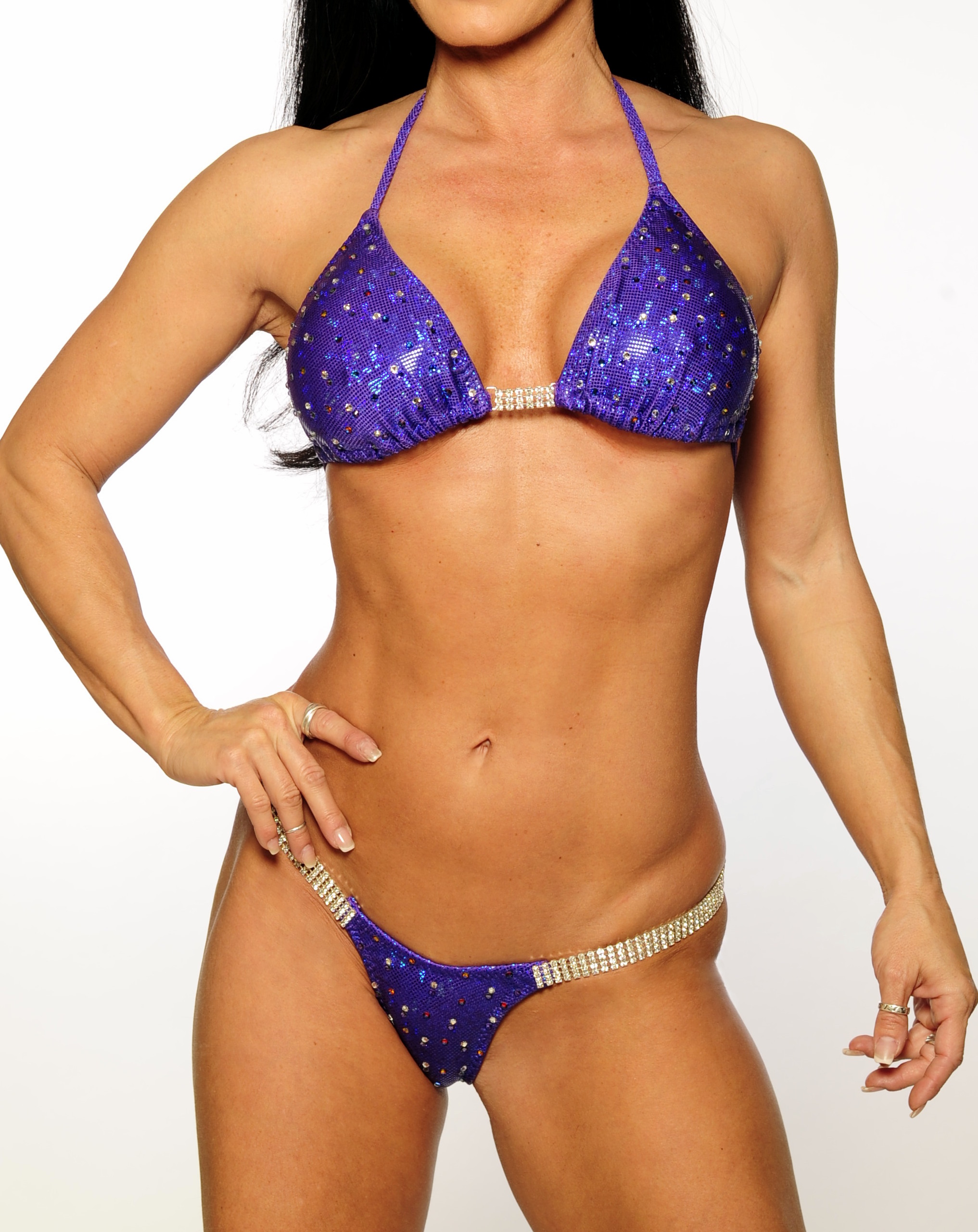
Red CJ’s Elite Suit For Sale

_CPR0018

_CPR0020

This beautiful suit gave me a lot of good luck, with a first place finish and an overall at NPC Pittsburgh and a fourth place finish at NPC Masters Nationals. This is a $1,300 suit!

As time went on I added about $150 worth of Swarovski crystals to the suit to make it pop more onstage, with the result being a dense crystal scatter. The cups will fit a full D cup and the bottoms will fit someone who wears a size zero. When I competed in this suit I was 114 to 116 lbs., 32 inch hips, 35 inch booty. However, I also currently fit in this suit, and am 121 lbs., with a 36-1/2 booty.

PRICE: $400

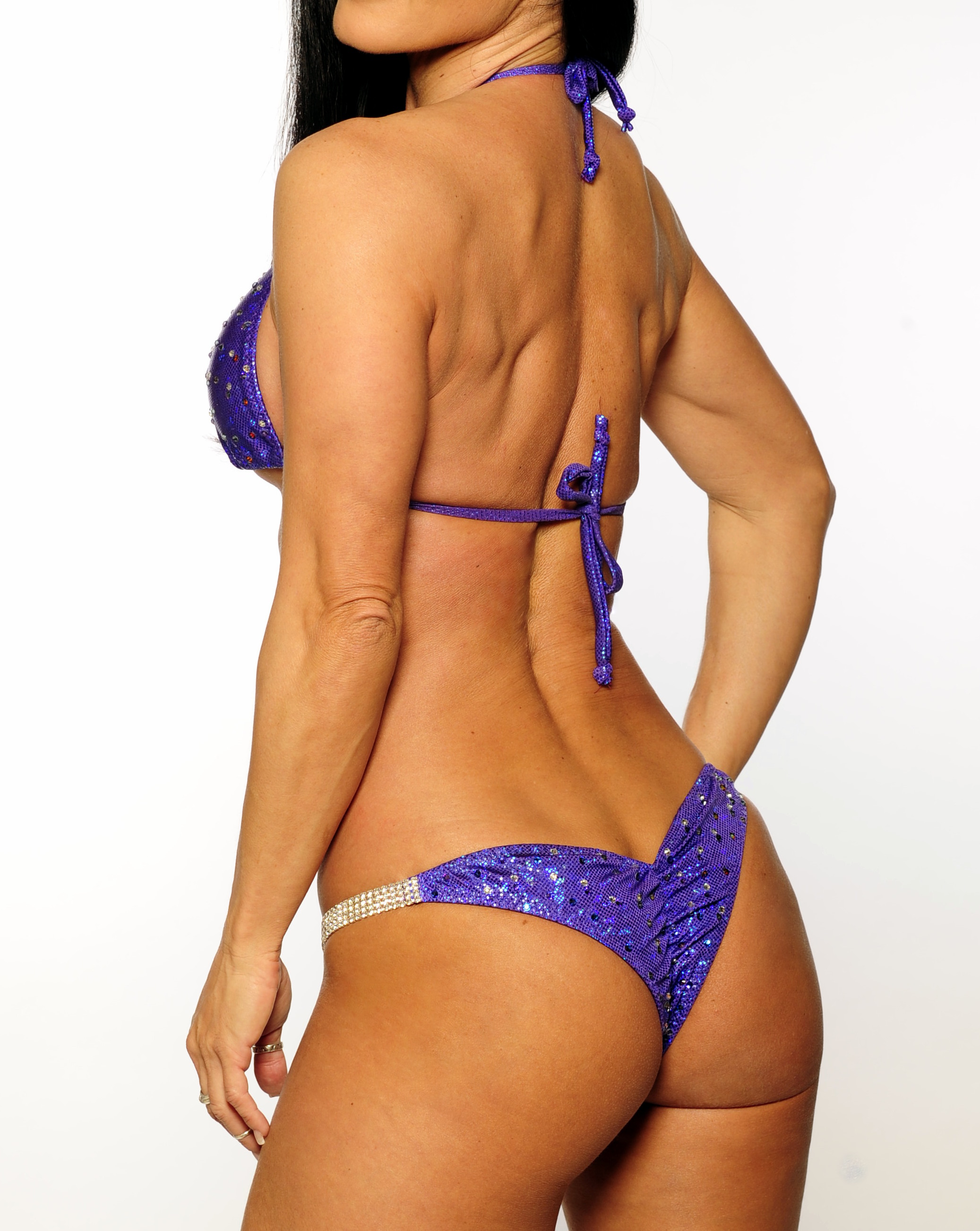
Iris Blue Pochette Competition Bikini For Sale

I bought this suit at the L.A. Fit Expo, then added Swarovski Crystals. I wore this at my second Pro contest. The cups are small enough to fit a B cup, but I pushed the limit and wore it despite the fact that I am a D cup! I paid $350 for the suit and the extra crystals. This looks beautiful onstage!

PRICE: $175

Please contact me if you are interested in this beautiful suit!

_CPR0012

_CPR0014

Misconceptions About The Men’s Physique Division

Originally published on mensphysique.com on Wednesday, 16 July 2014. It was a pretty popular post!

http://www.rxmuscle.com/blogs/the-news-the-newest-in-mp/11258-misconceptions-about-the-men-s-physique-division.html
jeremy b greater gulf states 2013
The Men’s Physique Division has stirred up tremendous interest and a decent amount of controversy within the IFBB and NPC, with a plethora of fans as well as a camp of haters. Perhaps the most exciting thing about the inception of this division was the door of opportunity which opened for men who were interested in competing on a bodybuilding stage but who did not want to sign up for the rigors of a competitive bodybuilder’s regimen. As expected, the floodgates opened and the Men’s Physique Division became wildly popular, not just among competitors within the division, but also among its ever-growing fan base worldwide. Sadly, there have been naysayers who have popped up with scathing criticism of the division which echoes the main misconceptions about the division.

Here is a breakdown of the three main misconceptions which have been circulating since the division was established in 2011.

“The Men’s Physique Division should be renamed Men’s Bikini.”

Ever since the Men’s Physique Division (MPD) was established, insults began flying about how it had no business sharing the stage with Bodybuilding. The ideal Men’s Physique body is supposed to be distinctive from a bodybuilder’s body, balanced with a pronounced v-taper, and without the excessive muscularity that is so celebrated in Bodybuilding. The more abbreviated posing which characterizes the MPD, along with the specific poses, the beach god look, and the model type good looks which many competitors possess have prompted many bodybuilders and fans of old school bodybuilding to compare MPD to a beauty pageant.

I will admit that there have been rare instances in which I have seen MPD competitors exaggerate their posing in such a way that it becomes a bit comical and somewhat pageant-like, but such instances are isolated. I think it’s important to remember that MPD competitors train HARD, and the best in the industry are very well respected athletes. It is outrageously rude to make comparisons of these tremendous athletes to pageant contestants.

“Men’s Physique (MP) guys don’t have wheels.”

The regulation garment which was chosen for the MPD, the board short, was selected primarily to evoke the idea that the competitors were supposed to look like they had just walked off the beach, embodying the ideal buff beach body. However, this particular short style is cut in such a way that it always hides the quads and hams, so it is often impossible to tell whether a competitor has well developed legs or is hiding toothpick legs under all that fabric. My experience has been that I have seen quads on many MP competitors which rival the wheels of seasoned bodybuilders, blowing the idea that MP guys have stick legs completely out of the water.

Many MP guys lift heavy, and they certainly do train legs! Every once in a while you might see an MP guy with spindly legs, but the division certainly does not deserve to be picked on about leg development. It has in fact been suggested by many to implement a shorter cut onstage in order to reveal the quads and hams. Perhaps once that occurs, MP competitors will finally be able to dispel this rumor.

“All Men’s Physique guys are divas or gay.”

First of all, anyone who is narrow-minded enough to make a blanket assessment of the sexual orientation of an entire division of competitors simply because many of them are visually very appealing is completely ignorant. It seems like the haters who make such comments are mostly envious because the MP guys are the ones who usually turn heads and make the ladies swoon. As a matter of fact, many women, including me, were ecstatic when the MPD was established because we as spectators finally had our eye candy. Many MP competitors easily fit the expression “pretty boy” due to their Abercrombie & Fitch boyish good looks. Honestly, I don’t see how that is a bad thing!

Though I have observed a high maintenance and diva-esque attitude in some MP competitors, that type of attitude by no means pervades the division. Let’s face it: the world of competitive bodybuilding can sometimes spark up a picky, persnickety attitude in competitors regardless of gender or division, and that certainly includes competitive male bodybuilders, who can be the biggest pains in the ass because their regimens are so extreme.

It has been exciting to watch the MPD grow from the new kid on the block who got picked on, to now being a well-respected division which has enhanced the sport of competitive bodybuilding. Not only has the MPD brought in massive revenue for the NPC and IFBB, it has brought competitive bodybuilding to the mainstream with its more attainable body silhouette.

Could You Be Undernourished?

Bodybuilder-FoodOriginally written for and published by sportsnutritionsupplementguide.com

If you are a fitness fanatic or competitor, you may assume that you are adequately nourished because you practice clean eating. However, that might not necessarily be the case. Shockingly, many people who are in the fitness world suffer from under-nutrition as a result of consuming limited types and amounts of foods in an effort to reach a super lean state. Think about it: if you are limiting caloric intake during a contest prep phase, have eliminated foods which become demonized during prep such as fruits and peanut butter, and aren’t supplementing your body with the nutrients it needs, then you are probably undernourished. Such nutrient deficits can have a serious negative impact on your health if practiced for an extended period of time.

Under-nutrition is a nutrient or energy deficiency, while malnutrition can represent either a deficiency or an excess of nutrients. Some individuals (especially women) in the fitness world continually follow meal plans which are unbalanced and extremely low in calories and are thus chronically undernourished. Such a state of deficit can be amplified if certain medical conditions such as leaky gut are present, because whatever nutrients are supplied to the body might not be absorbed properly.

Mild cases of under-nutrition are often symptom-free, while more severe cases are usually symptomatic. Some deficiencies can cause permanent damage to the body, for example, blindness with severe vitamin A deficiency. Typical symptoms of under-nutrition vary based on the specific deficiency, but can include:

Joint and bone pain
Ringing in the ears
Difficulty breathing
Poor night vision
Sores at the corners of the mouth
Muscle weakness
Impaired immunity
Fatigue
Delayed wound healing
Dry skin and hair
Bleeding gums
Skin rashes
Easy bruising
Digestive problems
Dizziness
Irregular or halted menstrual periods
Depression

It can be difficult to determine whether a symptom is reflective of a nutrient deficiency or some other cause, but if your diet is restrictive, there’s a decent chance that a nutrient deficiency is to blame. The following nutrients are being highlighted here because they are most likely to be lacking in a fitness person’s diet.

Vitamin D3: The majority of the U.S. population is deficient in this vitamin, which is not only important for bone health but also reduces the risk of heart disease, type 2 diabetes, and many types of cancer. Here’s the challenge: very few foods contain vitamin D3 (egg yolks, fatty fish like salmon), and the skin only makes vitamin D3 in response to exposure to sunlight. Common symptoms of vitamin D3 deficiency are muscle aches and joint pain, both of which could mistakenly be brushed off by bodybuilders as the consequence of heavy lifts at the gym. If you want to supplement with vitamin D3, take 5,000 mg per day.

Calcium: Have you ever gotten a mad craving, especially in the middle of contest prep, for fatty foods or soda? Both cravings can be a sign of calcium deficiency. Calcium is essential for formation of healthy bone tissue and plays a vital role in nerve impulse conduction. Because the typical fitness meal plan excludes dairy sources, a calcium deficiency can sneak up on fitness people. Take 500 milligrams twice daily.

Iodine: This element is essential for the production of thyroid hormones. Main dietary sources of iodine include table salt, eggs, seafood, and dairy products. However, table salt is avoided by most fitness people, as are dairy products, increasing the risk of developing an iodine deficiency. Ironically, though sea salt provides many of the minerals which are missing in table salt (such as magnesium and potassium), it also potentially creates iodine deficiency since it is not fortified with iodine.

It may be difficult to tell if an iodine deficiency exists in the early stages because symptoms don’t surface until the thyroid gland reacts to the lower iodine levels. By that time, the symptoms of hypothyroidism have usually kicked in, such as fatigue, constipation, dry skin, depression and weight gain. The good news is that iodine supplements are available. Iodine deficiency can also be remedied by consuming seafood, kelp and meat products.

Magnesium: Have you ever noticed that your cravings for chocolate are intensified as you get closer to a contest date, or right before you ladies hit “that time of the month”? Chocolate cravings are a common signal that the body is deficient in magnesium. Deficiencies of this important mineral are quite common among regular folk and bodybuilders. Magnesium is important for hundreds of bodily functions, has a calming effect, and keeps the digestive tract moving optimally. It also has a protective effect against high blood pressure. If you prefer to supplement magnesium with a tablet, take 400 mg at night. If you prefer food sources of magnesium, almonds are an excellent source, providing 80 milligrams per ounce. Spinach, legumes, seeds, unrefined whole grains, and cashews are also good sources of magnesium.

Potassium: Lack of this mineral can wreak havoc on contest prep since it is excreted during the diuresis phase of most contest prep regimens. Potassium is present in every cell of the body, is essential for energy production, guards against high blood pressure, and maintains fluid balance. Daily needs range about 5,000 milligrams daily, and can be obtained from fit-friendly foods like spinach, sweet potatoes and broccoli, but during final week prep, the loss of potassium during the water-shedding phase must be compensated for in order to avoid cramping, weakness, tingling, numbness, nausea, vomiting or palpitations. Severe potassium deficiency can be life threatening and must be corrected quickly.

Zinc: Some women have intense food cravings right before their periods which can be a sign of zinc deficiency. Zinc plays a vital role in cell division, DNA synthesis, immune system function, and protein synthesis. A deficiency of zinc can result in hair loss, skin rashes, frequent colds and other infections, insomnia, loss of taste or smell and decreased libido. If you prefer to obtain zinc from food sources, turn to red meat, wheat, oats, eggs, nuts, peas, and leafy green vegetables. Otherwise, a 50 milligram daily supplement will suffice for most individuals.

Goldilocks

IFBB-pro_FitX-2014-FitXproBikini-468 The Story of Goldilocks and the Three Bears (copied from DLTK’s Crafts for Kids)

Once upon a time, there was a little girl named Goldilocks. She went for a walk in the forest. Pretty soon, she came upon a house. She knocked and, when no one answered, she walked right in.

At the table in the kitchen, there were three bowls of porridge. Goldilocks was hungry. She tasted the porridge from the first bowl.

“This porridge is too hot!” she exclaimed.

So, she tasted the porridge from the second bowl.

“This porridge is too cold,” she said

So, she tasted the last bowl of porridge.

“Ahhh, this porridge is just right,” she said happily and she ate it all up.

After she’d eaten the three bears’ breakfasts she decided she was feeling a little tired. So, she walked into the living room where she saw three chairs. Goldilocks sat in the first chair to rest her feet.

“This chair is too big!” she exclaimed.

So she sat in the second chair.

“This chair is too big, too!” she whined.

So she tried the last and smallest chair.

“Ahhh, this chair is just right,” she sighed. But just as she settled down into the chair to rest, it broke into pieces!

Goldilocks was very tired by this time, so she went upstairs to the bedroom. She lay down in the first bed, but it was too hard. Then she lay in the second bed, but it was too soft. Then she lay down in the third bed and it was just right. Goldilocks fell asleep.

As she was sleeping, the three bears came home.

“Someone’s been eating my porridge,” growled the Papa bear.

“Someone’s been eating my porridge,” said the Mama bear.

“Someone’s been eating my porridge and they ate it all up!” cried the Baby bear.

“Someone’s been sitting in my chair,” growled the Papa bear.

“Someone’s been sitting in my chair,” said the Mama bear.

“Someone’s been sitting in my chair and they’ve broken it all to pieces,” cried the Baby bear.

They decided to look around some more and when they got upstairs to the bedroom, Papa bear growled, “Someone’s been sleeping in my bed,”

“Someone’s been sleeping in my bed, too” said the Mama bear

“Someone’s been sleeping in my bed and she’s still there!” exclaimed Baby bear.

Just then, Goldilocks woke up and saw the three bears. She screamed, “Help!” And she jumped up and ran out of the room. Goldilocks ran down the stairs, opened the door, and ran away into the forest. And she never returned to the home of the three bears.
Mr_Olympia_2014_Bikini_2
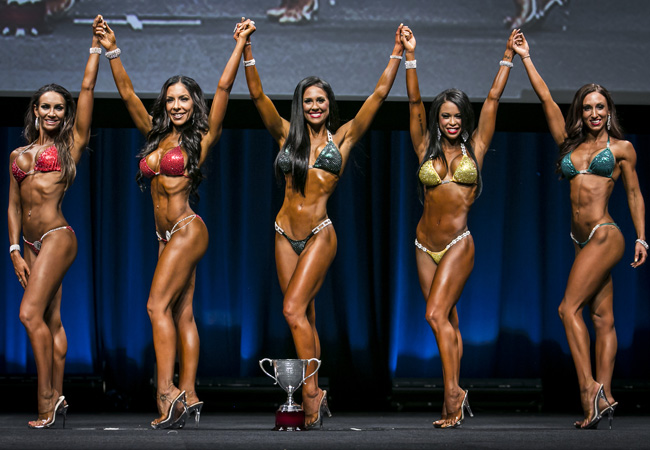
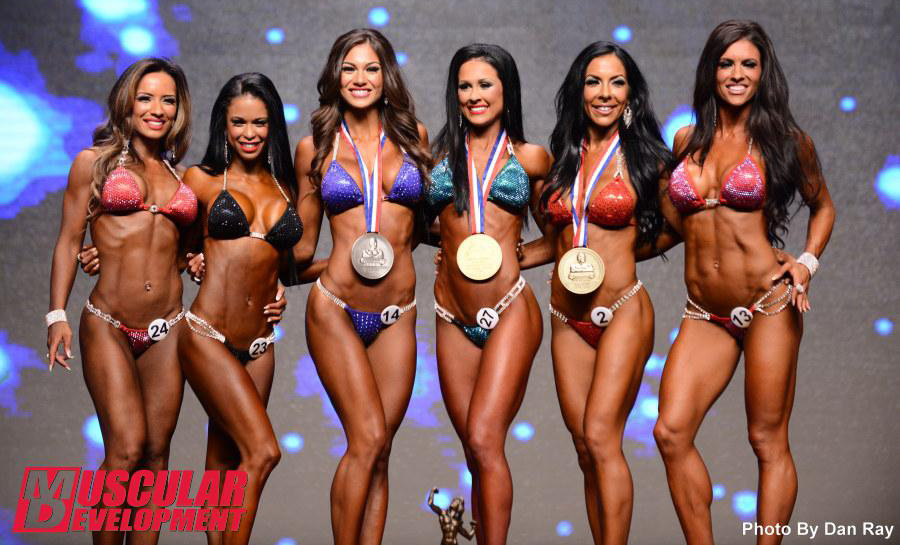
Those of you who have competed in NPC and IFBB bodybuilding events would probably use adjectives such as exhilarating, empowering, fun, nerve-racking, and perhaps terrifying to describe the experience of being onstage. No one in their right mind would sign up for such an experience if there wasn’t some sort of intrinsic reward or benefit to standing onstage and being compared to others down to the last fine details that are only discernible to the trained eye. However, there are instances in which a competitor may feel torn due to hearing one critique from one judge which is then contradicted by another critique from a different judge. Though there are standards within each bodybuilding division which are meant to establish guidelines for the perfect physique, judges are only human and they also have personal preferences or ideals which may color their evaluation of an athlete onstage.

The Goldilocks story is a study in extremes: temperature, size and degree of softness. In stark contrast, NPC and IFBB judges usually don’t have to deal with extremes unless they are judging novice divisions which can have a lot of variability in size, balance and degree of conditioning. Judges deal with porridge which is just about the right temperature, chairs which are just about the right size, and mattresses which have the right degree of firmness, so they have their work cut out for them. Not only must judges scrutinize every detail on competitors, they must do it rather quickly, which is where the human element comes in. I am quite sure that if two competitors with the exact same physiques were to stand in front of a judge, both with the same degree of facial attractiveness, posing skill, sparkle in the eyes, and personality, something as minor as hair color or suit color might be the one variable which tips the scales in one competitor’s favor. By no means am I suggesting that judging is heavily subjective, but unless robots are conducting the evaluations, there may be some degree of subjectivity, especially when a situation such as a tie-breaker must be decided.

I have observed heated discussions at the judges’ table on a couple of occasions which I am sure were due to differences of opinion over which competitor brought the absolute best package onstage. Sometimes it can be a “six of one, half a dozen of the other” predicament in which one competitor might be slightly lacking in the glutes, whereas another competitor might be weak in the hamstring area. If all other variables are equal, do the judges flip a coin to decide who gets the higher rank? What if several judges on the panel prefer a softer physique, while several others prefer a more compact, conditioned silhouette? I certainly don’t envy the judges for what they must deal with when assessing the competitors lined up in front of them!

Supplements You Should Be Taking Based On Your Age

Originally published on mensphysique.com on Saturday, 06 September 2014

http://www.rxmuscle.com/blogs/the-lab-supplement-school/11503-supplements-you-should-be-taking-based-on-your-age.html
supplements4
Most of you who are reading this article are probably already taking certain nutritional supplements which are popular among bodybuilding folk, such as conjugated linoleic acid, glutamine, fish oil, whey protein, and glutamine. However, there are basic nutritional demands in everyone which competitors might not be addressing in their daily regimens. In addition, those demands change as we age, as do the supplements which confer optimal health. In an effort to address those demands, I have compiled a list of supplements which you should consider adding to your regimen.

The following supplements serve as core nutrients which people of all ages require:

Multivitamin – I realize that there is some controversy regarding multivitamins, but I happen to be in the camp that is pro-multivitamin. Contest prep meal plans are notorious for being deficient in a multitude of nutrients, underscoring the need for a high quality multivitamin/multimineral supplement.

Vitamin C – This miracle nutrient is a potent antioxidant, assists in wound healing, aids in the absorption of iron from foods, and is critical for the development of collagen. Recommended daily dosages of this important vitamin are anywhere from 1,000 milligrams to 5,000 milligrams, split into 2 to 4 doses.

Zinc – One reason why this mineral is so important for men of all ages is because it is required for sperm production. Zinc is also a potent aromatase inhibitor, but only in doses of 100 milligrams or more per day. If you choose to take high doses of zinc, be sure to also take copper supplementation.

Alpha-Lipoic Acid (ALA) – This is a potent antioxidant which also aids with glycogen uptake. Basically what that means is that ALA will assist your body in metabolizing dietary sugars more efficiently. ALA is also great for brain and liver health. Recommended dosage is 100 milligrams to 300 milligrams daily.

Probiotics – These beneficial bacteria promote intestinal heath and a stronger immune system. The general population can obtain probiotics from milk, yogurt, tempeh and other products, but those who compete may opt for a supplement which will keep one’s diet contest-friendly. Look for formulations which have at least 20 billion live bacteria.

Vitamin D3 – This vitamin has gotten a lot of attention in recent years as a result of research which determined that the vast majority of the human population is deficient. This deficiency is largely the result of wide use of sunblock (thus turning off the body’s production of vitamin D3), and a drop in milk consumption. Why is Vitamin D3 so important? Vitamin D3 is associated with bone health, but may also play a role in the prevention of diabetes, cancer and multiple sclerosis. If you are like a vampire and remain indoors all day, take at least 1,000 international units (IU) daily. I personally take 5,000 IU daily to get the most of its ability to absorb calcium. I also recommend getting vitamin D3 from dietary sources like whole eggs or fatty fish like salmon.

Calcium – Calcium supplementation is essential for individuals who don’t consume lots of dairy or calcium fortified foods. Ironically, calcium supplements are absorbed more readily in the presence of lactose and protein. However, if dairy products are forbidden due to lactose intolerance or contest prep diets, consuming protein when calcium is taken will enhance absorption. Make sure to take vitamin D3 with calcium supplements to further enhance absorption. Recommended dosage is 1,000 milligrams per day, split into two doses.

Add these to your regimen if you are in your 30’s:
Glucosamine – This supplement is especially important for those who lift weights since it can ameliorate pain from joint inflammation. A good daily dosage is 1,500 milligrams. I tend to recommend formulations which contain MSM and NO chondroitin, because I have had too many patients complain of gastrointestinal upset with the chondroitin formulas.

Vitamin B12 – Vitamin B12 is found in animal protein, but the body cannot access it well, and this impairment becomes worse as we age. Because of this, taking a B12 supplement should become a part of your daily regimen if you are over 30.

DHEA – This is a controversial supplement because it has a considerable side effect profile, but I am including it here because so many people who compete can benefit from it as they age. DHEA is a sex hormone precursor which is secreted mainly by the adrenal glands and which is usually abundant in people who are in their 20’s. However, production begins to decline in one’s 30’s, and continues to drop significantly over the decades. It is a key player in maintenance and building of muscle, fat loss, and slowing the aging process. Side effects include heart palpitations, elevated blood pressure, breast enlargement, testicular atrophy, and interactions which certain medications. For this reason, you should consult with a physician to determine if your DHEA levels are low and if you may benefit from DHEA supplementation.

Individuals over 40 should add the following:
Leucine – This is probably the most important supplement you can add to your regimen as you age, especially if you are a competitor, because it helps to offset age-related muscle loss. One of the branched-chain amino acids, leucine is unique in this regard. Add 2 grams of leucine to a couple of your protein-containing meals. Leucine powder is VERY bitter, so make sure to mix it with a tasty protein powder, or take it in capsule form with your whole food meals.

Coenzyme Q10 – This antioxidant aids in ATP production, especially in the heart. It’s a good idea to take at least 30 milligrams per day, but I personally take 100 milligrams daily for the cardiac benefits.

Saw Palmetto – If your bathroom visits in the middle of the night are frequent and are not confined to your water-loading evenings, then you are probably experiencing prostatic enlargement. If this is the case, you might want to consider taking saw palmetto at a recommended dosage of 160 milligrams per day.

Over 50? Stack this supplement onto the above regimens:
Phosphatidylserine – This nutrient is important for optimal brain health. Take 200 milligrams per day.

Get The Best Skin Ever Part 1: Lifestyle Adjustments

Originally published on RxGirl on Tuesday, 25 November 2014

http://www.rxmuscle.com/rx-girl-articles/11853-get-the-best-skin-ever-part-1-lifestyle-adjustments.html
“What skin cream do you use? Your skin looks amazing!”

This is a common exclamation from women who admire the flawless skin of those who are either naturally dermatologically blessed or have been proactive about practicing good skin care. Perhaps you are one of the blessed individuals, but most women deal with acne, wrinkles, oiliness, hyperpigmentation, dry skin and dark circles under the eyes, all of which can be addressed with targeted products. If you practice consistent skin care with the right products, you will see improvements in the tone and quality of your skin.

Before delving into topical products in Part 2 of this article, I will utilize Part 1 here to review the many variables which can dramatically influence the quality of the skin.
womansleeping
Sleeping Beauty –
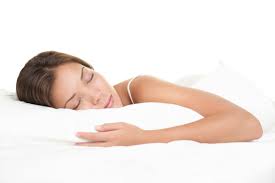
There’s a lot of truth to the adage about getting one’s beauty sleep. When you get adequate sleep, you optimize your body’s ability to repair itself because it has a chance to release human growth hormone in the deep stages of sleep. Conversely, cheating yourself out of a good night’s sleep results in an increase in cortisol release, which increases the amount of inflammation in the body. Basically, the inflammation prevents your cells from repairing damaged collagen, and if this occurs chronically, your skin will adopt an aged appearance. So get some quality shut-eye every night!

burning-cigarette-001
Don’t smoke –
I know most of you ladies don’t engage in this habit, but if you do, bear in mind that the habit breaks down the collagen and elastin in your skin, aging you prematurely. Smoking also constricts the blood vessels in the upper layer (epidermis), which interferes with delivery of oxygen and other vital nutrients which are involved in cell renewal. Lastly, the constant pursing of the lips which occurs while puffing on a cigarette causes fine vertical lines (“smoker’s lines”) to develop around the mouth.
Beauty face of woman with clean skin
Internal antioxidants –
We have all heard of the benefits of daily antioxidant intake and how these nutrients boost the body’s immunity, decrease inflammation, and even improve cognition, so it shouldn’t surprise you that antioxidants also promote cellular repair in the skin as well. Make sure to incorporate foods and supplements which have antioxidants such as vitamins A, C, E, cofactors like CoQ10, and polyphenols like resveratrol in them.

water
Hydrate from within –
Drink plenty of water, and you will be rewarded with glowing, healthy skin. Every time I have told a patient who suffered either from dry skin or from stubborn acne to drink plenty of water, I have seen dramatic improvement in the quality of their skin after they began drinking at least three liters of water per day. Adequate hydration will ensure that toxins are flushed out of cells and the cells are filled with water.

Healthy fats –
One of the hazards of competing is the tendency for coaches to completely strip dietary fat from contest prep diets. What results is a gaunt, unhealthy, aged appearance in the face which looks terrible and just screams for dermal fillers. Rather than wreak havoc on your youthful appearance, why not keep healthy fats like avocado, MCT oil, coconut oil, olive oil, flax seed, almonds, cashews, and fish oil in your daily regimen?

alcohol-bottles-graphic
Limit alcohol –
Alcohol is notorious for dehydrating the skin and for that reason alone should be ingested in moderation. Also, since alcohol is toxic to the liver, it impairs the body’s ability to remove other environmental toxins which will be reflected in the quality of the skin. And for those of you who suffer from rosacea, that relaxing glass of red wine with dinner is a big no-no because it will aggravate the condition.

Clean makeup brushes –
When was the last time you cleaned your makeup brushes? Makeup brushes should be thoroughly washed on a regular basis to remove product build-up, bacteria and oils. If you suffer from acne, you need to be especially diligent about cleaning your makeup brushes regularly. As a general rule, clean foundation and concealer brushes at least once a week (twice a week if acne is a major issue). Eye makeup brushes should be cleaned every two weeks, and other brushes should be cleaned monthly. There are some excellent brush cleaning solvents, but you can mix one part baby shampoo with four parts water for an excellent and cheap brush cleaner.

Sanitize cell phone –
Cleaning your cell phone on a regular basis is a good sanitary practice to adopt, and can also save your skin from acne breakouts and rashes. Think for a minute how much you touch your phone and how much dust, ear wax and fingertip residue can accumulate on its surface. It’s no surprise that putting this bacteria- riddled device next to your cheek can cause skin flare-ups to occur. The best way to clean your phone is to use a soft cloth which is lightly sprayed with a dilute isopropyl alcohol solution (equal parts iso alcohol and water).

Stay tuned for Part 2 of this article which will cover topical products and treatments for luminous, youthful skin!

Easy Hairstyles For The Stage

Originally published on RxGirl on Thursday, 09 October 2014

http://www.rxmuscle.com/rx-girl-articles/11651-easy-hairstyles-for-the-stage.html
322677
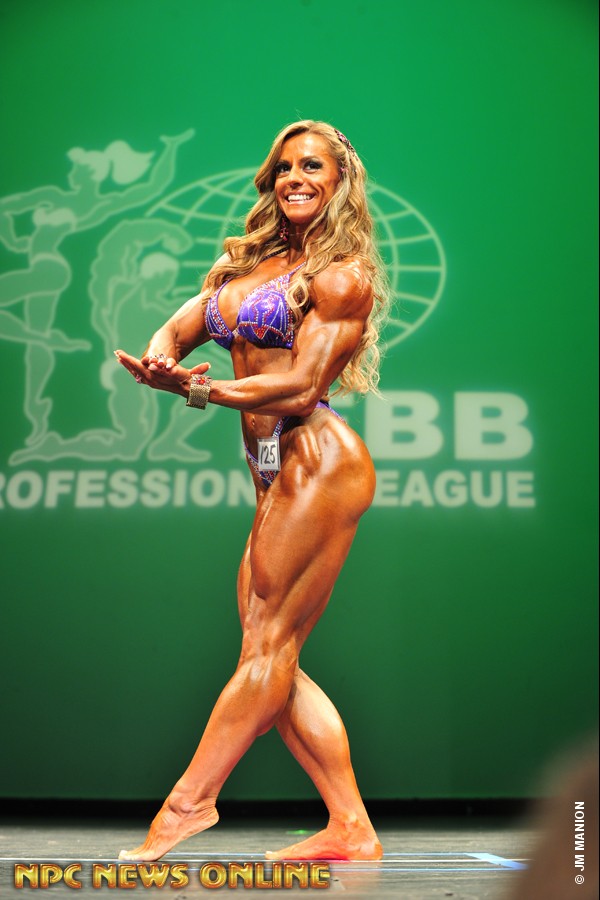
After competing for six years and fussing with different hairstyles for the stage, I have adopted a less-is-more attitude and have found that the NPC and IFBB judges seem to prefer a more natural look in competitors these days. There is no reason to fuss incessantly over one’s hair unless someone is going for a rat’s nest look. The more natural a style is, the better it looks onstage and the more it flatters a competitor’s facial features a322677nd physique without distracting the judge’s eye from essential judging elements.

A great hairstyle for stage should follow these guidelines:
1. It should flow nicely with the lines of the body, especially in women’s physique, fitness and women’s bodybuilding where there is a lot of movement.
2. It should look natural and not overdone.
3. If a competitor opts for an edgy look or cut, it should complement the appearance and demeanor of the competitor as well as the routine performed.
4. In most cases it should have a bit of height at the crown.

Please don’t go for the overcurled, oversprayed look which makes competitors look like beauty pageant rejects from 1984. It’s no longer in fashion and looks clownish onstage. A BIT of hairspray is fine, as long as it is used to increase volume at the crown or hold the general shape of a hairstyle while still allowing some movement. Women who have fine, thin hair often have to use hairspray, hairpieces and extensions for extra volume and length, but if the hairstyle doesn’t create a seamless blend of natural hair with the extensions, the results can be quite unattractive.

If you have difficulty doing your own hair, hire someone to do it for you. Many competitors visit the hair salon early in the morning before a contest to make sure that their hair is styled to their liking. However, if you are blessed with great hair which needs little styling, you might want to save some money and try one of the basic styles listed here.

LONG & STRAIGHT:
The latest trend for competitor hairstyles has been the long, arrow straight, flat-ironed look. This is a great look for “ethnic” ladies who have thick, dark hair. Even the curliest hair can look beautifully sleek onstage when it has been straightened. This particular style is especially popular within the Bikini division and one which I turn to for most contests I compete in now. If you decide to go for this look, make sure to flat iron small sections to get the best effect, and add a bit of height at the crown. Also make sure to arc the hair away from the face so that it doesn’t fall into eyes and cover up facial features. This can easily be done by arcing the flat iron in a C shape around the face.

BEACHY WAVES:
If you opt for a wavy look, and your hair is naturally straight, the best and most natural way to achieve this look is to put damp, clean hair into one big braid, or twist your hair and pile it into a bun, and keep it like that for several hours. Another way to get beachy waves is to use a 2-inch barrel curling iron. I always advise curling the hair in front in a direction away from the face so that it doesn’t keep falling forward and covering facial features.

682983
SOFT CURLS:
Many women opt to curl their hair with a 1 inch or 1-1/2 inch curling iron, hot rollers, or regular rollers, imparting a soft, feminine look. This is a very popular and simple look for any women’s division. However, if your hairstyle has to be perfectly curled every second, and you have limp, fine hair which doesn’t hold a curl well, you run the risk of having a meltdown backstage. I have seen competitors work on their hair literally for hours on end, constantly fussing, spraying, teasing, only to have it all fall by the middle of prejudging. So by all means do the soft curls as long as you know they will probably morph into beachy waves as the day progresses, especially if you are a fitness, physique or bodybuilding competitor performing routines.

NATURAL CURLS:
If you have naturally curly hair, why not let it be? If your curls tend to be unmanageable, allow a hairstylist to tame any frizz and add gloss and body to what you already have. You can also tame the frizz by using a diffuser on your hair dryer at home and create beautiful curls which look great onstage.

PONY UP:
Fitness competitors will often don a ponytail during their routines, but I love the elegance of a high ponytail which a handful of figure competitors have sported. Not only is it different, it shows the competitor’s face, neckline and upper back more clearly. Whether the ponytail is arrow straight, wavy or curly, it’s a good idea to slick back stray hairs with a bit of hairspray for a finished look.

The Details Count: Tips For Great Stage Hair

THE SHORT OF IT:
Some ladies have edgy, short hairstyles which completely suit them and look fantastic onstage. However, I wouldn’t advise getting a radically different haircut from what you are accustomed to right before a contest, because it could throw you off your game, especially if you aren’t happy with the results. Allow at least a couple of months between an extreme cut and a contest.

835744
TEASE ME:
I firmly believe that unless you have big hair, you need to do a bit of teasing at the crown and also volumize the hair around the face to give a bit of height and depth. Whenever I see ladies who go onstage with their hair completely flat against their skulls, their natural facial beauty is diminished and their heads look tiny. The key is to do a bit of teasing, apply hairspray to the teased sections, then smooth hair over it so that it looks seamless.

BARRETTES & CLIPS:
I am not a fan of stage hairstyles which feature hair drawn up into a barrette or clip because they interrupt the natural sweep of hair as it falls around the face, but this option can work well for competitors who have especially unruly hair. A bit of bling on a barrette can be very nice, but big bows and flowers generally look tacky onstage and should be avoided.

A PART OF IT ALL:
I see way too many competitors with deep side parts and hair falling into the face like Violet from the Incredibles, and to be honest, it isn’t alluring at all. All it does is hide the face and all the efforts of stage makeup application. If you are dead set on parting your hair on the side, style the hair around your face so that it arcs away from the face and frames it.
Since we are on the subject of hair parts, I want to caution you fair-skinned ladies on the importance of shading in the part with bronzer. If you don’t do this, a very prominent white line will be evident on your scalp which can be very distracting. Don’t forget that portion of scalp!

SHINY GIRL:
Stage lights will really make you stand out if your hair is shiny. For this reason, I highly recommend shine serum, but make sure to use a light hand with these serums to avoid looking like you fell into a grease pit! Pay attention to stray hairs and flyaways, as these catch the light and register as a strange haze or halo around the head.

One last bit of advice: It’s a good idea to plan out your hairstyle in advance, especially if you are in a division which requires you to perform a routine. Make sure you can move without any restrictions and without worrying if your hairstyle is staying in place. All the mental reminders about tucking in the abs, pulling shoulders back, walking properly in clear heels, etc. are worrisome enough, so you shouldn’t have to stress out over your hairstyle!