I Just Had To Get A New Pillow

Pillow

The combination of a poorly cooled townhouse (the result of an untimely coil leak in the central air conditioning), night sweats, cats who think it’s cool to use me as a natural radiator, aches and pains in my hips, legs, shoulders, forearms and hands, and a recurrent neck strain have all robbed me of sleep almost every night this summer. With the exception of the cat issue, I was determined to find solutions to all of the sleep robbing elements in my life.

The central air conditioning is finally going to be replaced within the next week (HALLELUJAH!), the night sweats have abated somewhat (due to better hormonal balance in my perimenopausal body), and the aches and pains have been better as a result of fantastic chiropractic work by Dr. Ryan Pendon and Dr. Ryan Chapman from Urban Med. I realized that the neck strain was aggravated by pillows which did a horrible job of supporting my noggin, so I figured I could buy new ones.

Since I always buy new pillows for my bed every year in the autumn months, and wasn’t quite due for a new set, I hesitated on making a purchase. But the pillows I had been sleeping on since November were no longer fluffable, and at night, my head would sink right onto the mattress. I could literally feel the mattress through the pillows! I will admit that I am highly sensitive to tactile changes, just like the princess who could feel the pea through 20 mattresses. So I toughed it out and figured that I would just somehow get used to having deflated pillows. Then I got one of those mailers from Bed, Bath and Beyond, with a 20% off coupon on any one item. After thinking about it for a week, I decided to buy one pillow at a 20% discount.

I ended up with an Isotonic® Indulgence™ Side Sleeper Pillow, originally priced at $59 but which I paid $47 and some change for after using my coupon. This pillow is for side sleepers, but isn’t as firm as some of the other side sleeper pillows I found. Since I always start out my night on my back, I can’t deal with a very firm pillow because it wrenches my neck into an uncomfortable flexed position. The perfect pillow has to be a perfect balance of support and softness, with some loft, but soft enough that it doesn’t feel like my head is resting on a Bosu ball. So far (it has been a couple of nights since I started using this pillow to sleep on), this pillow is doing the trick for me.

Now I only have to deal with one, or actually, THREE issues which interrupt my slumber. The cats rule the roost in our house and have free access to my room, which means that if they want to wrap their perspiration-inducing, furry bodies around me in the middle of the night, I am not exactly going to do anything to prevent them from doing so. However, it is a small price to pay for their constant and unconditional love!


Who Turned Up The Heat?

woman-fan-298x232

If you have ever awakened in the middle of the night with the feeling that you are burning up, and find yourself drenched in sweat, you have experienced night sweats. Though night sweats can be aggravated by spicy foods or alcohol, or sleeping in an overheated room, the true culprit in night sweats for the majority of peri-menopausal and menopausal women is fluctuating estrogen levels. Such fluctuations falsely signal the hypothalamus to cool down the body by triggering perspiration and blood vessel dilation. For those of you who have experienced this phenomenon, you know how much it interferes with normal sleep patterns!

What can you do to minimize night sweats? Regular exercise can reduce the severity of symptoms. I have also seen a marked improvement in night sweat symptoms in my patients after they have introduced maca root into their daily regimens. On a personal note, maca has been helpful in reducing the intensity of my night sweats so that I don’t wake up completely drenched in sweat in the middle of the night. If you have severe symptoms, you might want to consider being evaluated for bio-identical hormone replacement therapy. I strongly advocate the use of bio-identical hormones for individuals who suffer from the symptoms of hormonal decline or imbalance.

The battle to eradicate my night sweats has not ended. I had a nice little break from them for about five months, then they crept back into my nightly patterns. To combat this, I decided that my comforter needed to be put in storage until the winter, and I purchased a cotton coverlet set. I also purchased a special mattress protector which is comprised of a cooling material, and though it was a bit pricey (about $100 for a Cal King), it was a godsend for me. Here are a couple of brands which are great:

http://www.amazon.com/Sleep-Better-Iso-Cool-11-ounce-Mattress/dp/B000ZK4QBY?tag=hotflashwebsite-20

http://www.amazon.com/Design-Weave-Outlast-Temperature-Mattress/dp/B003J371E8?tag=hotflashwebsite-20

Another thing I highly recommend is to put a fan in your bedroom. I have a ceiling fan in my bedroom, and I almost always sleep with it on so that I can keep cool air circulating over the bed. Make sure the thermostat in your home is set to a cooler temperature so that you don’t overheat during the night, or open a window to allow a cool night breeze drift into your bedroom.

Hopefully these suggestions will have you sleeping more comfortably this summer!

Melatonin

Originally published on RxGirl on Thursday, 19 June 2014

http://www.rxmuscle.com/rx-girl-articles/11102-melatonin.html
Sleep-girl
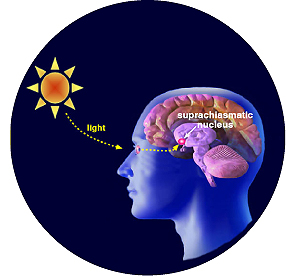
Melatonin is a hormone produced by the pineal gland in the brain which regulates the wake-sleep cycle. Production is turned on later in the evening when lights are turned off for bedtime. However, there are a number of poor habits which people commonly engage in which interfere with the body’s production of melatonin, with harmful results such as impaired immune response, increased rate of cellular aging, and increasing the risk of cancer formation.

Basically, those late nights you spend watching TV or reading are interfering with optimal health. As soon as a light is turned on at night, you send a signal to your brain that it is daytime. Production of melatonin ceases and does not resume when you turn the light off either.

Shorter wavelengths (red, orange, yellow) of light are less detrimental than white or blue light and should be used in the evening. I love the salt lamp I have in my bedroom and try to use that light as my sole illumination in the bedroom as much as possible at night.

Why is it so important to preserve the body’s natural production of melatonin? Because melatonin is a potent antioxidant and excellent for reducing inflammation throughout the body, including the brain.

Implement the following guidelines to optimize the body’s production of melatonin:

1. Try to get daily bright sun exposure. Production of melatonin approximates the contrast between bright sun exposure during the day and complete darkness in the evening.

SuprachiasmaticNucleus

2. Turn off your computer and TV at least one hour before going to bed. Both computers and televisions emit blue light which interferes with the body’s normal production of melatonin.

3. Sleep without any lights on. The darker your room is while you sleep, the better chance you have of allowing your body to produce melatonin without interruption.

4. Drop the thermostat to 60 to 70 degrees.

If you think your melatonin levels are low or you have lab work demonstrating low melatonin, and you also suffer from insomnia, you might want to supplement with melatonin tablets. Beware of the dosage, and keep it at 0.5 to 3 milligrams maximum dosage each night. At higher doses, melatonin can have hypnotic effects on some individuals, and on others, a paradoxical hyperaware state may manifest.

On a personal note, I had lab work early this year which demonstrated low melatonin, but I wasn’t suffering from insomnia. A colleague insisted I supplement with 3 milligrams of melatonin per night, which resulted in anxiety and a completely sleepless night for all of the nights I took melatonin.

Another caution: If you are trying to get pregnant, you must avoid taking melatonin supplements because they interfere with fertility.

Sleep Deficit And Muscle Loss

Originally published on mensphysique.com on Wednesday, 05 March 2014

http://www.rxmuscle.com/blogs/the-news-the-newest-in-mp/10329-sleep-deficit-and-muscle-loss.html
sleep equals muscle
Those of you who insist on burning the midnight oil and carving into time during which you should be sleeping are doing yourselves a disservice. When you build up a sleep deficit, not only do you adversely affect your attention and overall energy, you also diminish the potential muscle gains you would obtain if you consistently got a good night’s rest.

A good portion of the slump in muscle repair and growth which occurs from inadequate sleep is due to inadequate secretion of growth hormone (GH). GH is only secreted during deep sleep, so people who don’t sleep for more than a few hours will spend less time in deep sleep and cause GH secretion to drop. In addition, there is some evidence that testosterone secretion also drops, creating a double whammy which cripples the body’s ability to utilize fat and build muscle.

Cravings can also become a significant issue with sleep deficits as a result of hormonal effects. Leptin, a hormone which signals that you are full from a meal, is inhibited during sleep deprivation, resulting in increased food cravings (especially for carbohydrates). Conversely, ghrelin, a hormone which signals hunger, increases by as much as 30 percent after only a two night sleep deficit.

The body also produces more cortisol during the late afternoon, which is exactly when the body’s production should be tapering down to prepare the body for sleep. Higher cortisol levels promote deposition of more fat and utilization of muscle for energy during a sleep-deprived state.

When you cheat yourself out of a full night’s sleep, you also deplete neurotransmitters in the brain which are in charge of regulating mood. The result is irritability and, over the long term, depression, both of which can impact the intensity of your workouts and hinder your efforts to pack on muscle.

Sleep deficits also result in a decrease in alertness and concentration which often translates into submaximal workouts. And Sleep deficit affects strength. A study in Ergonomics examined the effects of sleep deprivation on weightlifting, with compelling results. As expected, there was a significant decrease in maximal lift for bench press, leg press, and dead lift after a three-day sleep deficit was established.

If you are in the habit of cutting into your sleep time, or you practice erratic sleeping patterns which are creating a sleep deficit, try to get into a rhythm in which you get enough sleep every night, especially if you are hitting a plateau with your training. Once you start getting adequate sleep, you will notice a big difference in your strength and muscle gains.

Get The Best Skin Ever- Part 1: Lifestyle Adjustments

Beauty face of woman with clean skin

http://www.rxmuscle.com/rx-girl-articles/11853-get-the-best-skin-ever-part-1-lifestyle-adjustments.html

Please read my RxGirl article on making lifestyle adjustments that will transform your skin. You can access the original article by clicking on the link above, or keep reading here for the full article.

“What skin cream do you use? Your skin looks amazing!”

This is a common exclamation from women who admire the flawless skin of those who are either naturally dermatologically blessed or have been proactive about practicing good skin care. Perhaps you are one of the blessed individuals, but most women deal with acne, wrinkles, oiliness, hyperpigmentation, dry skin and dark circles under the eyes, all of which can be addressed with targeted products. If you practice consistent skin care with the right products, you will see improvements in the tone and quality of your skin.

Before delving into topical products in Part 2 of this article, I will utilize Part 1 here to review the many variables which can dramatically influence the quality of the skin.

Sleeping Beauty –
There’s a lot of truth to the adage about getting one’s beauty sleep. When you get adequate sleep, you optimize your body’s ability to repair itself because it has a chance to release human growth hormone in the deep stages of sleep. Conversely, cheating yourself out of a good night’s sleep results in an increase in cortisol release, which increases the amount of inflammation in the body. Basically, the inflammation prevents your cells from repairing damaged collagen, and if this occurs chronically, your skin will adopt an aged appearance. So get some quality shut-eye every night!

Don’t smoke –
I know most of you ladies don’t engage in this habit, but if you do, bear in mind that the habit breaks down the collagen and elastin in your skin, aging you prematurely. Smoking also constricts the blood vessels in the upper layer (epidermis), which interferes with delivery of oxygen and other vital nutrients which are involved in cell renewal. Lastly, the constant pursing of the lips which occurs while puffing on a cigarette causes fine vertical lines (“smoker’s lines”) to develop around the mouth.

Internal antioxidants –
We have all heard of the benefits of daily antioxidant intake and how these nutrients boost the body’s immunity, decrease inflammation, and even improve cognition, so it shouldn’t surprise you that antioxidants also promote cellular repair in the skin as well. Make sure to incorporate foods and supplements which have antioxidants such as vitamins A,C, E, cofactors like CoQ10, and polyphenols like resveratrol in them.

Hydrate from within –
Drink plenty of water, and you will be rewarded with glowing, healthy skin. Every time I have told a patient who suffered either from dry skin or from stubborn acne to drink plenty of water, I have seen dramatic improvement in the quality of their skin after they began drinking at least three liters of water per day. Adequate hydration will ensure that toxins are flushed out of cells and the cells are filled with water.

Healthy fats –
One of the hazards of competing is the tendency for coaches to completely strip dietary fat from contest prep diets. What results is a gaunt, unhealthy, aged appearance in the face which looks terrible and just screams for dermal fillers. Rather than wreak havoc on your youthful appearance, why not keep healthy fats like avocado, MCT oil, coconut oil, olive oil, flax seed, almonds, cashews, and fish oil in your daily regimen?

Limit alcohol –
Alcohol is notorious for dehydrating the skin and for that reason alone should be ingested in moderation. Also, since alcohol is toxic to the liver, it impairs the body’s ability to remove other environmental toxins which will be reflected in the quality of the skin. And for those of you who suffer from rosacea, that relaxing glass of red wine with dinner is a big no-no because it will aggravate the condition.

Clean makeup brushes –
When was the last time you cleaned your makeup brushes? Makeup brushes should be thoroughly washed on a regular basis to remove product build-up, bacteria and oils. If you suffer from acne, you need to be especially diligent about cleaning your makeup brushes regularly. As a general rule, clean foundation and concealer brushes at least once a week (twice a week if acne is a major issue). Eye makeup brushes should be cleaned every two weeks, and other brushes should be cleaned monthly. There are some excellent brush cleaning solvents, but you can mix one part baby shampoo with four parts water for an excellent and cheap brush cleaner.

Sanitize cell phone –
Cleaning your cell phone on a regular basis is a good sanitary practice to adopt, and can also save your skin from acne breakouts and rashes. Think for a minute how much you touch your phone and how much dust, ear wax and fingertip residue can accumulate on its surface. It’s no surprise that putting this bacteria- riddled device next to your cheek can cause skin flare-ups to occur. The best way to clean your phone is to use a soft cloth which is lightly sprayed with a dilute isopropyl alcohol solution (equal parts iso alcohol and water).

Stay tuned for Part 2 of this article which will cover topical products and treatments for luminous, youthful skin!

Replace That Mattress

mattress
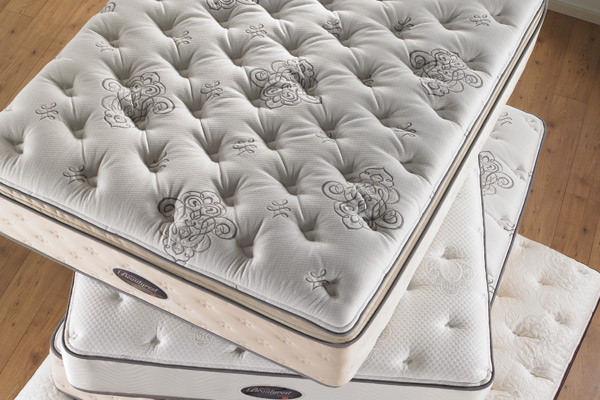
The Better Sleep Council states that mattresses should be replaced every 5 to 7 years, and that the springs in most mattresses will lose their function in that span of time. What is interesting, though, is that other tests on mattresses which are conducted by independent companies have found that many mattresses hold up 8, 9 even 10 years after purchase. So what is the rule of thumb with mattress replacement?

The main factor in determining when to replace a mattress is sleep quality. Since we spend (or should spend) one-third of our lives sleeping, it is imperative to have a mattress which imparts comfortable sleep. So if you have a mattress which is 5 or more years old, you might want to assess whether the quality of your sleep has diminished recently, if you awaken with back pain, or if you are tossing and turning to get comfortable in bed.

My personal story is that I have been sleeping on the same mattress for almost 9 years now, and though it has a 3 inch pillowtop and used to feel like a cloud, I am noticing that I cannot find a comfortable spot on my mattress. As a result, I have decided to ring in the new year with a new mattress, provided I can scrape up the money to buy one. The other tricky thing will be to find one which I love, and which I can afford. Some mattresses go for several thousand dollars, which is far beyond what I can even hope to afford.

Keep in mind that many mattress stores have no interest financing so that you can make your purchase without paying anything for months on end. It may be time to schedule a visit with your spouse or significant other to a mattress store to find a mattress which will improve the quality of your slumber.

Melatonin Article For RxGirl.com

Original post can be found here:

http://www.rxmuscle.com/rx-girl-articles/11102-melatonin.html

Melatonin is a hormone produced by the pineal gland in the brain which regulates the wake-sleep cycle. Production is turned on later in the evening when lights are turned off for bedtime. However, there are a number of poor habits which people commonly engage in which interfere with the body’s production of melatonin, with harmful results such as impaired immune response, increased rate of cellular aging, and increasing the risk of cancer formation. Basically, those late nights you spend watching T.V. or reading are interfering with optimal health. As soon as a light is turned on at night, you send a signal to your brain that is daytime, and production of melatonin ceases, and does not resume when you turn the light off either.
Shorter wavelengths (red, orange, yellow) of light are less detrimental than white or blue light and should be used in the evening. I love the salt lamp I have in my bedroom and try to use that light as my sole illumination in the bedroom as much as possible at night. Why is it so important to preserve the body’s natural production of melatonin? Because melatonin is a potent antioxidant and excellent for reducing inflammation throughout the body, including the brain.

Implement the following guidelines to optimize the body’s production of melatonin:

SuprachiasmaticNucleus1. Try to get daily bright sun exposure. Production of melatonin approximates the contrast between bright sun exposure during the day and complete darkness in the evening.

2. Turn off your computer and T.V. at least one hour before going to bed. Both computers and T.V.’s emit blue light which interferes with the body’s normal production of melatonin.

3. Sleep without any lights on. The darker your room is while you sleep, the better chance you have of allowing your body to produce melatonin without interruption.

4. Drop the thermostat to 60 to 70 degrees.

If you think your melatonin levels are low or you have labwork demonstrating low melatonin, and you also suffer from insomnia, you might want to supplement with melatonin tablets. Beware of the dosage, and keep it at 0.5 to 3 milligrams maximum dosage each night. At higher doses, melatonin can have hypnotic effects on some individuals, and on others, a paradoxical hyperaware state may manifest. On a personal note, I had labwork early this year which demonstrated low melatonin, but I wasn’t suffering from insomnia. A colleague insisted I supplement with 3 milligrams of melatonin per night, which resulted in anxiety and a completely sleepless night for all of the nights I took melatonin. Another caution is if you are trying to get pregnant, you must avoid taking melatonin supplements, because they interfere with fertility.

I Sleep Like A Rock

Sleep-GarfieldI feel sorry for everyone who suffers from insomnia and can only imagine how exhausting it must be to have the desire to sleep with a body that won’t allow slumber to occur. Though I have had a few very brief bouts of insomnia in my life, I have always slept VERY deeply from the time I was an infant. My mother found it humorous that I could sleep through alarms and small earthquakes without a single response. This actually was problematic for me in my teens and early adulthood because it always required a gargantuan effort on my part to try to wake up at a decent hour.

Even now, after suffering from several days of sleep deprivation, my body completely rebels and insists on a full eight hours of sleep, pinning my eyelids together and making it impossible for me to progress from a state of slumber to a wakeful state until the full eight hour rest stretch is completed. I can hear insomniacs around the globe groaning as they read this blogpost, but this is honestly a problem! I can also drink a large mug of caffeinated coffee right before going to bed and sleep like a baby. Believe me when I say I wish I could bottle this up for insomniacs because I would be filthy rich by now!

Can’t Sleep? Try This Sleep Aid

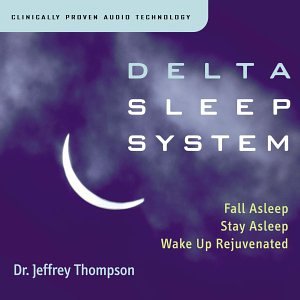
Delta SleepFor many years I have recommended the Delta Sleep System to patients who suffered from insomnia and have had incredible results reported by many people. Here is a description of the system:

There are several stages of sleep that people pass through in the course of a good restful night. In each stage our sleep gets deeper, our bodies gets more relaxed, and our brainwave patterns slow down. The deepest and most rejuvenating levels of sleep are associated with delta brainwave patterns.

Delta sleep is the most physically relaxed stage of sleep, and it is the time when the body recuperates and rebalances itself for the new day. Getting enough sleep, but more specifically enough delta sleep, is essential for healthy, productive living.

Dr. Jeffrey Thompson’s breakthrough audio techniques, developed over 25 years of clinical research, are proven to increase levels of delta brainwave activity. He has helped thousands of people to achieve regular, restful, revitalizing, sleep.

How This Program Can Work for You
Play Delta Sleep System on any ordinary stereo or through headphones. Pulses of sound embedded into an ambient musical soundtrack, combining rich orchestration and three-dimensional sounds of nature will coax your own brainwaves toward their natural pattern of deep delta sleep.

http://www.cduniverse.com/productinfo.asp?pid=8225570

http://www.soundstrue.com/shop/Delta-Sleep-System/2222.pd

This remarkable system is available in CD and MP3 formats.