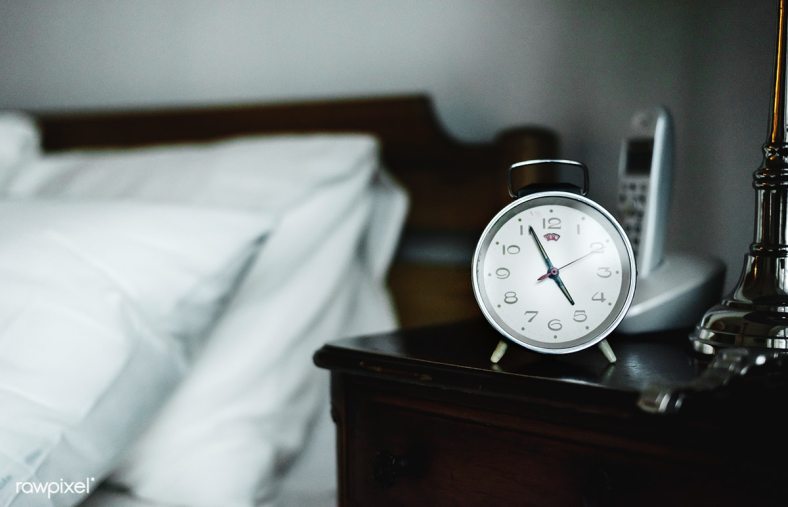
Image via Rawpixel
Please check out this fantastic article by Karen Weeks of Elderwellness.net on optimizing sleep in older individuals.
By Karen Weeks
karen@elderwellness.net
It’s a well-known fact that we burn calories while we sleep. Therefore, the higher the quality of our sleep, the more fat we will burn throughout the night. But sleep and body fat are even more intertwined than that. Lack of sleep, which is common among seniors, can lead to weight gain, and excess body fat can impede your quality of sleep. It’s a vicious cycle.
If you’re a senior, there are steps you can take to maximize the calories you burn during sleep, and there are also practical things you can do throughout the day that will help you reduce body fat and get better sleep. Here’s what you need to know.
Eat Better
Eating well is a cornerstone of healthy living. And yes, it can even help you sleep more soundly. If you’re super busy and fast food is a part of your normal routine, consider getting an electric pressure cooker. That way, you can cook fast, healthy meals at home and avoid the consequences of fast food. Before you buy anything, check out reviews of various pressure cookers to compare quality, prices, and ease of use.
It’s also worth considering that there are certain foods you can eat late at night that will give your metabolism a boost, which will help you burn more calories in your sleep. Protein shakes, pistachios, plain yogurt, strawberries, and cheese are just a few examples of healthy late-nightsnacks. Just be sure to keep the portions under control so that your body isn’t working too hard to digest, which can keep you from falling asleep.
Get a Move on It
Exercise is another thing that can help you lose body fat and get better sleep. Not only that, but it also comes with a number of mental health benefits, such as improved self-confidence and reduced stress, anxiety, and depression.
There are many types of exercise that are safe and beneficial for seniors. Many older adults opt for low-impact movements like swimming, cycling, brisk walking, and using the elliptical. The important thing is that you find something you enjoy and that you do it for at least 30 minutes a day, even if you need to break it into 10- or 15-minute segments.
When you have a solid exercise routine, you will have more energy throughout the day and it will help you feel more tired by bedtime. Morning and afternoon routines tend to work best for improving sleep, as exercising in the evening can make it difficult to fall asleep.
Establish a Killer Bedtime Routine
If you want to get better sleep and burn off more calories, you need a bedtime routine. This can include anything that helps you fall and stay asleep. Try to go to bed and wake up at the same time each day (even on weekends). Also, try a variety of activities that help you wind down and get ready for sleep. Taking a warm bath, listening to soft music, practicing yoga, meditating, and reading a book are all things that can put you in the right frame of mind to drift off.
Make Your Bedroom Dark, Quiet, and Cool
Your bedroom is also important when it comes to healthy sleep, so make sure this space promotes relaxation by keeping it dark and quiet leading up to bedtime and throughout the night.
Keeping the temperature a little cooler can improve sleep as well. Moreover, consider removingthe use of electronic devices (e.g., smartphones, tablets, TVs, etc.) from your bedtime routine, as the blue light emitted from the screens can be a sleep disrupter.
If you want to reduce your body fat and get better sleep, make sure you’re following a healthy diet and exercise routine. Also, create a good bedtime routine and turn your bedroom into a sleep haven. Just because poor sleep is common among seniors doesn’t mean you have to accept it as your fate. Making little changes like these might be all it takes to help you improve your overall health and well-being.

 dr. stacey naito's blog