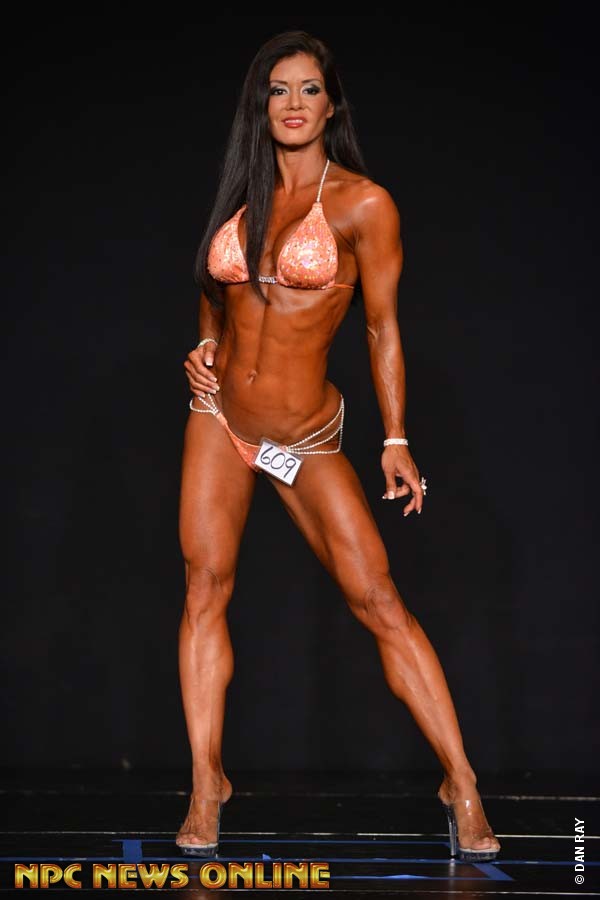
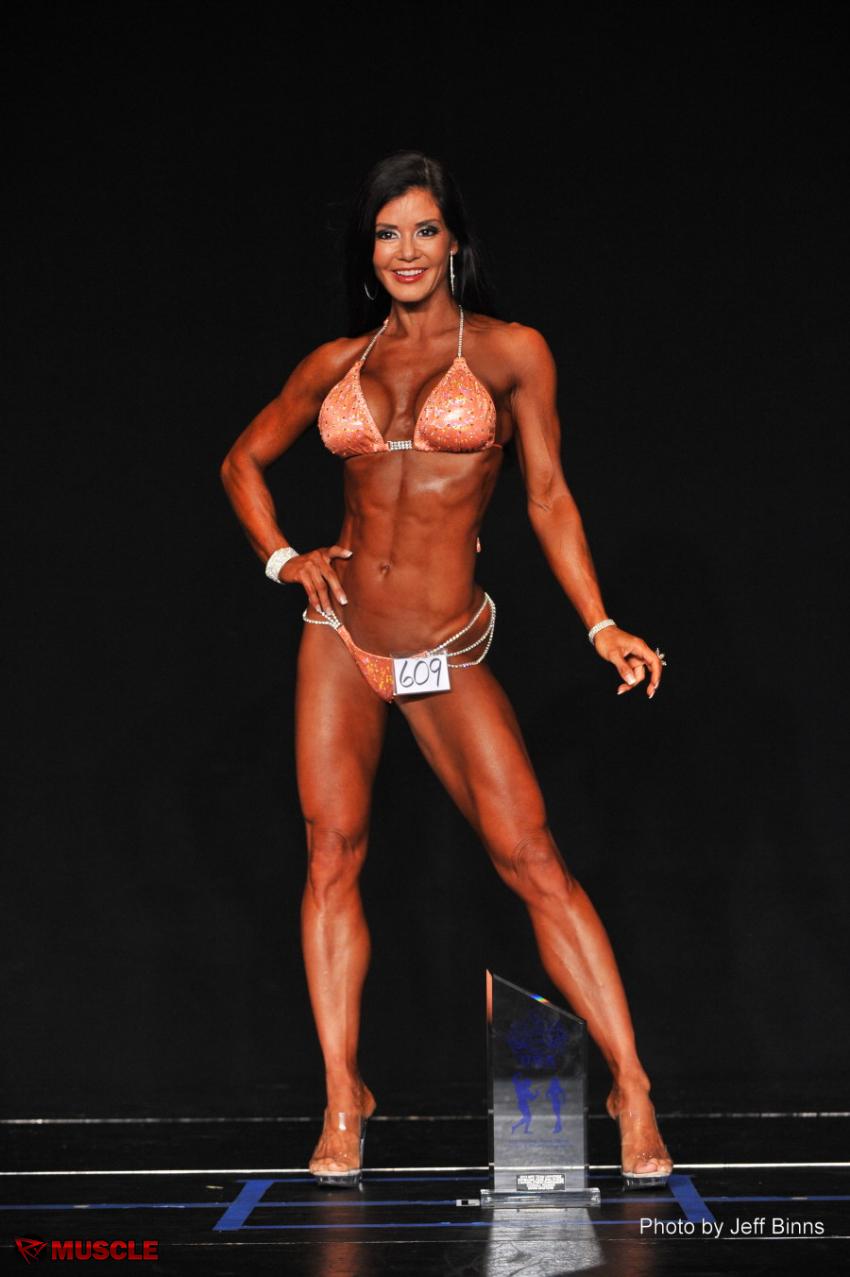
July 6th, 2013…the day I earned my IFBB Pro Card in Paramus, New Jersey
For years, bodybuilding was a huge part of my life. I trained hard, dieted harder, competed, and eventually accomplished something I was incredibly proud of: earning my IFBB Pro status.
So when people ask me why bodybuilding contests don’t excite me the way they once did, the answer isn’t that I regret competing. Quite the opposite. I am genuinely grateful for every year I spent in the sport, every contest I entered, every sacrifice I made, and every lesson I learned. If I could go back and do it all over again, I wouldn’t change that part of my life.
But I’ve also reached a point where I look at the competitive bodybuilding lifestyle differently.
When you’re competing at a high level, “being in shape” isn’t really the goal. Everything revolves around getting to that last fraction of a percent of body fat, squeezing every ounce of muscle out of your physique, and showing up on one particular day looking as close to perfect as humanly possible. On top of that, you repeatedly put yourself in front of a panel of judges who won’t hesitate to tell you if you’re even a tad below what they consider to be perfect.
That requires a regimen that most people would consider extreme—and, honestly, they should.
The training becomes a job. The food becomes a schedule. Your life gets organized around meals, cardio, workouts, recovery, posing, supplements and preparation. As a contest gets closer, the diet can become incredibly restrictive, the training becomes exhausting, and your entire world starts shrinking around the competition.
And it doesn’t stop with your body.
There is the financial side. Food, supplements, gym expenses, coaching, posing, tanning, travel, entry fees, competition suits and all the other costs can add up quickly. There is also the emotional cost. When your entire life is structured around preparation, it can put tremendous strain on relationships. Your spouse, family and friends may understand what you’re doing, but that doesn’t mean the lifestyle is easy for them to live alongside.
I’ve experienced enough of that world to understand exactly what it takes.
That’s probably why, today, I find myself appreciating something that I never appreciated quite as much when I was competing: being a normal person.
There is something incredibly freeing about being able to eat dinner without calculating every calorie. To go out with friends without wondering whether the meal fits perfectly into your diet. To miss a workout occasionally without feeling like you’ve committed some kind of crime. To have your day revolve around your life instead of having your life revolve around your physique.
And maybe most importantly, there’s something to be said for having the freedom to enjoy the people around you.
I still love training. I still appreciate muscular physiques and the incredible discipline required to build one. I still have tremendous respect for anyone who steps onstage and puts themselves through that process. I know firsthand how difficult it is.
But when I watch competitors today going through the brutal dieting, the endless cardio, the obsessive training, the mounting expenses and the stress that can spill over into their personal lives, I sometimes have to shake my head.
I understand why they’re doing it, because I was that person.
And I’m not judging them. I’m simply looking at it from the other side now.
There was a time when I needed that challenge. I needed to know how far I could push myself. Competing taught me discipline, persistence, sacrifice and what it means to commit completely to a goal. Earning my IFBB Pro status will always be one of the accomplishments I’m proudest of.
But life changes.
Eventually, you realize that there is more to being healthy than being stage-ready. There is more to strength than how much you can lift. And there is more to life than seeing how conditioned you can become for one day under bright lights.
Today, I’d rather have balance. I’d rather enjoy a meal with people I care about than worry about whether it fits into a contest diet. I’d rather have the freedom to live spontaneously than have every hour dictated by a bodybuilding schedule.
I don’t regret the years I spent chasing the stage.
I’m actually thankful I did it.
But I’m also thankful that I don’t have to do it anymore.
For me, being a “normal” person has become its own kind of victory. And after spending years learning how to push my body to its absolute limits, there is something pretty satisfying about finally learning how to simply enjoy living in it.
There is one thing I want to make clear, though: I will never be a “regular person” when it comes to fitness. That part of me isn’t going anywhere.
I still weight train an average of six days a week. I still eat clean the majority of the time. In fact, I have always genuinely craved clean food. It’s not something I force myself to do anymore; it’s simply how I prefer to eat. Training is still a major part of my life, and I don’t see that changing.
What’s changed is the reason behind it.
I’m no longer training because I have to look a certain way on a certain day. I’m not counting down to a contest, trying to squeeze out another pound of body fat, or structuring my entire existence around stepping onstage. I train for life.
And here’s the funny part: I’m actually several pounds lighter today than I was when I won my IFBB Pro Card, and just as lean.
So I haven’t become some sedentary person who abandoned bodybuilding and started eating whatever I wanted. Far from it. The discipline is still there. The work ethic is still there. The love of training is still there.
What I’ve gained is perspective.
I can train hard without destroying myself. I can eat clean without being consumed by dieting. I can stay muscular and lean without needing to reach an extreme condition for a competition. And I can take a day off, enjoy a meal, spend time with people I care about, or simply live my life without feeling guilty about it.
Maybe that’s the biggest difference between then and now. I still have the discipline of a bodybuilder. I just don’t live like a competitive bodybuilder anymore.
And honestly, I think that’s a pretty good place to be.

 dr. stacey naito's blog