
“Stepping up to the plate” is a phrase borrowed from baseball, where a player literally steps up to take their turn at bat. Metaphorically, it means taking responsibility, rising to a challenge, or doing what needs to be done, especially in difficult situations.
When someone is undergoing surgery and is temporarily unable to take care of their responsibilities, they often rely on their friends and loved ones to step up—to help with practical matters like meals, errands, or even just emotional support. It’s a moment that tests relationships because while many people express good intentions, not all follow through when the time comes.
Believing that friends will come through requires trust, but also realistic expectations. Some people may not know how to help, may feel uncomfortable around illness, or may simply get caught up in their own lives. Communication is key—sometimes, people want to help but need specific direction on what’s needed.
That said, when friends do step up, it deepens relationships and reinforces the value of true support systems. It shows that friendship isn’t just about the good times but also about being present during hardships. It’s in these moments that people reveal whether they are truly dependable, and unfortunately, it can also be a time when some friendships prove to be less solid than expected.
That’s a tough situation, especially when you’re in a vulnerable position, and you’re relying on someone to help you. Entrusting someone with your household means putting faith in their responsibility and integrity, and it can be really disappointing—if not outright frustrating—when they don’t follow through. If it’s a small inconsistency, it might be a matter of forgetfulness or misunderstanding, but if it’s a pattern, then it suggests carelessness or even dishonesty.
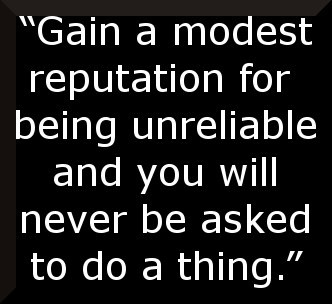
When you’re always the responsible one, the one people rely on, it’s easy for others to take that for granted. But when the roles are reversed, and people don’t show up for you in the way you need, it forces you to reassess relationships, expectations, and even your own boundaries.
 dr. stacey naito's blog