The Five Keys To Optimal Brain Health (Repost)

Sharpens-Your-Brain

By: Dr. Stacey Naito – Physician and IFBB Pro

Even if your genetics put you at risk for developing dementia, there are numerous lifestyle and behavior adjustments which you can make in order to protect brain function and fight dementia. The five keys listed below are proven to improve brain health and keep your mind vital and sharp for decades.

1. MOVE YOUR BODY

Scientific research has proven that overall physical health is closely linked to brain health. Regular exercise aids in the maintenance of a healthy weight range, normal cholesterol levels, while also optimizing blood flow throughout the body and the brain and supporting the growth of new brain cells.

The benefits of physical health stem not only from regular exercise, but also from other good health practices. Support your brain’s health by doing the following:

• Exercise at least 30 minutes daily to relieve stress.
• Make sure to get between seven to eight hours of sleep each night.
• Refrain from using tobacco.
• See your doctor regularly.
• Maintain a healthy weight.

2. YOU ARE WHAT YOU EAT

Research studies indicate that diets which are low in saturated fats and cholesterol, and rich in polyunsaturated omega-3 fatty acids and nutrients like lutein and vitamin E, may have a protective effect on brain cells and overall brain health.

Brain-healthy dietary changes:

• Opt for healthy fats which are found in olive oil and fatty fish like salmon. Avoid saturated and trans fats.
• Consume a diet which incorporates milk, eggs, vegetable oils, nuts, whole grains, and dark leafy greens like spinach, all of which are rich in vitamin E. Vitamin E is an important nutrient which supports brain health. If you can’t get vitamin E from foods, you can take it in supplement form.
• Eat plenty of fresh fruits and vegetables, aiming for nine fist-sized servings each day. Select colorful fruits like cranberries, blueberries and tomatoes which are packed with powerful anti-inflammatory compounds known as polyphenols. Keep the skin on fruits and vegetables to maximize their nutritional benefits.
• Add lutein. Lutein is a potent antioxidant which is critical for eye and brain health. Foods which are rich in lutein include spinach, kale, turnip greens, collard greens, egg yolks, corn, and peas. You can also take lutein in supplement form.

3. EXERCISE YOUR BRAIN

Extensive research has proven that the brain continues to learn new skills and information throughout life, and benefits from frequent intellectual stimulation. Make sure to pursue new activities, education and games to challenge your mind. Read books to elevate your knowledge base.

How to stimulate your brain:

• Engage in regular sessions of a mental activity you enjoy, such as reading, word games such as crossword puzzles, or learning a foreign language.
• Get into a daily habit of learning a new word or fact.
• Master a new skill or subject each year.
• Manage stress and balance your energy by meditating. Meditation may help to reduce stress and body inflammation by soothing the vagus nerve, an important nerve which controls the body’s immune response.

4. NURTURE RELATIONSHIPS

Though we know that relationships with family and friends are key factors in a person’s happiness, regular social interaction promotes the formation of new brain cells and aids in brain repair. One study revealed that men and women who had the most social interaction had less than half the rate of memory loss as those who were the least socially involved. By visiting friends and family and being involved in community activities, you will protect brain health.

Social brain boosters:

• Spend time with your family and friends regularly, and make them a priority.
• Volunteer for an organization which surrounds a cause which you are passionate about.
• Work for as long as you can, and for as long as you feel motivated to do so.
• Join clubs and become involved in religious or spiritual activities which resonate with you.

5. BALANCE YOUR NEUROTRANSMITTERS

Brain function relies on important molecules known as neurotransmitters. Neurotransmitter levels affect mood, behavior, cognitive function, social function, digestion, sleep, weight regulation, and many other processes.

The problem with current society is that the vast majority of people have overly stimulated sympathetic nervous systems, which over time can drain the body of serotonin. The excitatory part of the nervous system dominates once the inhibitory neurotransmitters are depleted, resulting in anxiety and an inability to “wind down”. Eventually, even the excitatory neurotransmitters such as serotonin, epinephrine, norepinephrine and GABA are also depleted, and severe depression or chronic fatigue usually develop.

Conventional drugs cannot replenish these neurotransmitters, and in fact, tend to cause depletion of the neurotransmitters. This is the reason why some depression medications do not work on some individuals. The good news is that supplementation with amino acids can help to replenish deficient neurotransmitters.

How To Nourish Neurotransmitters:

• Eat a healthy diet. Neurotransmitter imbalance is aggravated by poor diet. Diets high in protein supply the brain with the amino acids it needs to replenish neurotransmitter levels.
• Consume branched chain amino acids to ensure a rich supply of neurotransmitter precursors.

REFERENCES
Neurotransmitter Assessment Brings Light to Management of Psychiatric Problems
Monday, 15 August 2005 00:59By Erik L. Goldman | Editor in Chief – Vol. 6, No. 3. Fall, 2005

Balancing Life’s Demands with Effective Stress Management

Image via Pexels

I hope you will enjoy reading this wonderful article written by Sheila Olson of fitsheila.com which hones in on stress management.

In the journey to cultivate a more serene and manageable lifestyle, understanding and mitigating stress is essential. With a focus on self-awareness and actionable strategies, individuals can learn to navigate their stress with more confidence and resilience, leading to a more balanced and fulfilling life. This guide from Dr. Stacey Naito provides a comprehensive approach to recognizing the myriad stressors that permeate daily life and offers practical solutions for effectively managing them.

Recognizing Emotional Alerts

If you find yourself frequently overwhelmed, anxious, or irritable, these could be your mind’s way of signaling stress. These emotional reactions are important indicators, suggesting it’s time to reassess your current lifestyle choices and stress management strategies. Recognizing these signs early can help you take proactive steps towards stress reduction. Addressing these emotional cues promptly ensures they don’t escalate into more severe issues. Continually monitoring your emotional state aids in managing stress before it becomes overwhelming.

Pursuing a Fulfilling Career

If your existing role no longer aligns with your aspirations, exploring new career paths may restore balance and joy to your work life. Stepping into a role such as that of a special education teacher can offer profound personal and community benefits, especially if you are driven by a desire to support children with unique needs. Online educational programs provide flexibility, allowing you to blend further education with current professional duties effectively. For more tailored advice on making such transitions, check this out for more info.

Journaling for Pattern Recognition

Maintaining a journal about your daily interactions can reveal patterns in what causes your stress. Document instances when you feel stressed, including the people, environments, or situations involved. This record-keeping can be a powerful tool for identifying recurring stressors and addressing them effectively. Over time, this practice aids in avoiding or altering these stress-inducing patterns. Sharing insights from your journal with a therapist or counselor can also provide additional perspectives on managing stress.

Assessing Environmental Impact

Your surroundings play a significant role in your stress levels. An overabundance of clutter, noise, and lack of privacy can all add to a stressful atmosphere. Take a moment to evaluate these factors in your home and workplace to determine if they contribute to your stress. Creating a calm, organized space can significantly reduce stress and enhance your ability to focus and relax. Consider implementing minimalistic principles to further reduce environmental stressors.

Balancing Life’s Commitments

Often, stress arises from a mismatch in the effort allocated to personal and professional commitments. Reflect on whether you’re giving too much to one aspect of your life at the expense of others. Achieving a more balanced distribution of your time and energy can significantly reduce stress. It’s essential to maintain a healthy balance to ensure personal well-being and professional productivity. Setting clear boundaries between work and personal life is key to achieving this balance.

Integrating Relaxation Techniques

Incorporating practices such as meditation, yoga, or deep breathing into your daily routine can profoundly affect your stress levels. These techniques promote relaxation and provide a necessary respite from the daily grind. Regular practice helps manage stress more effectively and improves overall mental health. Dedicate time each day to these activities to nurture your mental and physical well-being. Engaging in these practices in a group setting can enhance their effectiveness through shared experiences and support.

It is important to remember that stress management is a dynamic and ongoing process. Implementing the strategies discussed will require patience and persistence. Over time, these techniques will foster a greater sense of control over your emotional and physical well-being, transforming how you handle life’s inevitable pressures. By maintaining this proactive approach, you can continue to enhance your quality of life and nurture a resilient, stress-resilient mindset.

Explore wellness, lifestyle tips, and inspiration with Dr. Stacey Naito.

Resources and Tips to Help You Relax and Recharge Throughout the Day

Image via Pexels

By Julia Merrill of Befriendyourdoc.org
julia@befriendyourdoc.org

Modern life is busy. You probably have a lot of obligations to juggle, from work to family, friends, school, and more. You might find yourself getting overwhelmed and frazzled regularly. In the big picture, this can lead to mental health issues like anxiety. Read on for some resources and tips from Dr. Stacey Naito’s blog to help you unwind and recharge your battery.

Take a Break to Focus on Your Physical Well-being

Regular exercise is good for your mental and physical health. Try these tips to get more physical activity.

  • If you can’t get to the gym, try this total-body home workout. It only takes 15 minutes and requires no equipment.
  • You can also get exercise with hacks like skipping the elevator and taking the stairs.
  • Yoga is another activity you can do from home that helps to bust stress and improve mental health.

Build a stress-busting mental health toolkit

Get proactive about tackling stress head-on when it arises.

Natural Remedies

Using natural remedies to relieve stress is important because they often have fewer side effects, can be cost-effective, and work harmoniously with the body’s natural processes to promote overall well-being and resilience. Here’s a list of three natural remedies for stress:

  • Exercise: Regular physical activity, such as yoga, jogging, or swimming, can significantly reduce stress levels by releasing endorphins and improving overall mood.
  • Meditation: Practicing meditation and mindfulness techniques can help calm the mind, reduce anxiety, and enhance emotional stability.
  • THCA (Tetrahydrocannabinolic Acid): As a non-psychoactive precursor to THC found in raw cannabis, options for THCA may have therapeutic properties that help reduce stress without inducing a high.

Create a Relaxation Space at Home

When you need to take a break, curl up in your zen zone. Here’s how to make the perfect soothing space.

Know When to Ask for Help

If you’re constantly on edge and unable to relax, even with the above tips, it may be time for support. Here are some resources to help.

You don’t have to go through life feeling stressed and drained of energy. Making small changes to your daily routine can ensure you feel calm and refreshed. The resources above can help you get a better grasp on your daily well-being.
Read more informative articles on Dr. Stacey Naito’s blog today!

Crazy For Candles

I have to admit that I have become a huge fan of scented candles in the past few years, preferably from Voluspa. There is something incredibly enjoyable about lighting a favorite candle each afternoon or evening and allowing the fragrance to permeate the room, evoking a certain mood. Since I don’t always want to smell the same aroma, I have numerous different scented candles nestled in various parts of the house, and will even ask guests to select a fragrance which resonates with them.

The reason why I prefer Voluspa candles is because they are of excellent quality, the vessels are beautiful, and many of the fragrances are absolutely divine. Whether I decide to experience a scrumptious fruit melange, an exotic woody bamboo, or a magical spice, I absolutely love the nightly ritual I have developed of lighting a candle and enjoying the illumination, the beauty of the candle jar, and the bouquet which these candles impart. Voluspa candle jars are so incredibly gorgeous and versatile that I have cleaned many of them and repurposed them to store things like cotton balls, makeup brushes, etc. There is even a suggestion from Voluspa to repurpose their 5-wick hearth candles into champagne buckets, which actually makes perfect sense.

If you want to fill your home with delicious fragrance, I would highly recommend checking out Voluspa, and no, this is not a sponsored post. That’s how much I appreciate candles from this master candle making house.

Uncover the Roots of Stress and Master Effective Management

Image: Freepik

Here’s another fantastic article by Camille Johnson of bereaver.com which offers tips on managing stress.

In the whirlwind of modern life, stress often becomes a constant, yet unwelcome, companion. Its presence can be pervasive, affecting various aspects of our lives. Recognizing the sources of stress and developing effective strategies to manage it is not just beneficial; it’s necessary. This article dives into the primary causes of stress and equips you with practical ways to address them, aiming to bring balance and tranquility to your daily life.

Identify Your Stress Triggers

To manage stress, it’s imperative to pinpoint what triggers it. Stressors vary widely, encompassing aspects like work pressures, relationship dynamics, and personal responsibilities. By understanding these triggers, you can devise targeted strategies to mitigate their impact. This process involves self-reflection and may require changes in both perspective and lifestyle, but the reward is a more peaceful and manageable life.

Prioritize Fitness

Beginning a fitness routine is a powerful tool in combating stress, as it brings both physical and psychological benefits. Engaging in regular exercise leads to the release of endorphins, known as the body’s natural mood elevators, which help in reducing stress levels and enhancing overall mood. Physically, exercise improves cardiovascular health and increases strength and stamina, contributing to a greater sense of well-being and resilience against stressors. Additionally, a fitness routine provides structure and a sense of achievement, which can be particularly beneficial for mental health. It also offers a positive distraction, allowing for a break from daily stressors and the opportunity to focus on personal health and well-being. Discover a balanced and healthier you with customized nutrition and fitness plans from Stacey Naito!

Balance Work and Life

A common source of stress is the struggle to balance professional and personal life. This doesn’t mean compromising career goals but finding a harmony that supports both professional success and personal happiness. Here are some steps you can take to live a balanced life that is less stressful and more fulfilling:

  • Set boundaries: Establish clear boundaries between work and personal life. Define specific working hours and stick to them, avoiding excessive overtime. 
  • Prioritize self-care: Make self-care a non-negotiable part of your routine. Prioritizing self-care ensures you have the energy and resilience to handle work stress.
  • Delegate: Delegate tasks when possible, both at work and home, to reduce your workload and free up time for other activities. 
  • Learn to say “no”: Saying “no” when necessary prevents burnout and allows you to maintain a healthier work-life balance. It’s important to set realistic expectations for yourself and others.

Consider Alternative Stress Therapies

Exploring alternative therapies can provide a distinctive path to stress relief, complementing traditional methods. The following methods have been recognized for their potential in managing stress:

  • Aromatherapy: The use of essential oils like lavender, chamomile, and rose have been shown to promote relaxation and emotional well-being.
  • Biofeedback: Biofeedback techniques use sensors to monitor physiological functions like heart rate and teach individuals how to control them. It can be effective in managing stress by providing real-time feedback on stress responses.
  • Progressive muscle relaxation: This technique involves systematically tensing and relaxing different muscle groups to release physical tension and promote relaxation, making it an effective stress management tool.
  • THCa: Found in raw cannabis, THCa is a non-psychoactive compound that can offer stress relief benefits. It’s typically consumed in its natural form—explore the allure of THCA diamonds.

Practice Mindfulness and Relaxation

Mindfulness is a powerful practice for relieving stress by bringing one’s full attention to the present moment without judgment. By cultivating awareness of thoughts, feelings, and bodily sensations, individuals can better understand their stressors and learn to respond to them in a more balanced way. Mindfulness meditation techniques, such as deep breathing and body scanning, promote relaxation and reduce the physiological effects of stress, such as elevated heart rate and muscle tension. Over time, regular mindfulness practice can lead to increased resilience, improved emotional regulation, and a greater sense of calm, making it an effective tool in stress management.

Cultivate a Positive Mindset

Cultivating a positive mindset can act as a protective barrier against life’s stresses. Adopting an optimistic attitude, acknowledging your successes, setting achievable goals, and engaging in self-compassion are powerful tools in diminishing the effects of stress. Additionally, being in the company of uplifting individuals and consistently nurturing a hopeful perspective not only wards off stress but also enhances overall life satisfaction. These proactive measures contribute to building resilience, enabling you to navigate life’s challenges with greater ease and confidence.

Stress, while an inevitable part of life, doesn’t have to dominate it. By identifying its sources and adopting a comprehensive approach that encompasses physical, mental, and alternative strategies, you can effectively manage stress. This journey is about discovering what uniquely works for you, leading to a balanced and fulfilling life where stress is manageable, not overwhelming. Remember, prioritizing your well-being is not just beneficial; it’s essential.

Mornings in Maldives

Anyone who loves gorgeous beach destinations should put the Maldives on their list of must-visit island paradises, because it will not disappoint. A beach lover myself, I had spent decades fantasizing about traveling to the Maldives before making that dream come to fruition in 2018. I was fortunate to have found an excellent package deal for travel to Nalaguraidoo, also known as Sun Island, and ended up spending 6 days and 5 nights surrounded by some of the most captivating azure waters and white coral sand beaches I had ever seen in my life.

Before I dive into the morning experiences I had on Nalaguraidoo, I will mention two negative aspects regarding the Maldives, the first being that making the trek to that part of the world is abysmally lengthy. Between the three planes, the bus, and the speedboat we were transported on, the total travel time (mind you, this does NOT include the time spent on layovers, which added another 14 hours) was almost 24 hours. By the time we were on that final speedboat ride which took us to Nalaguraidoo, we couldn’t remember what day it was, and the fact that it was almost pitch black while on that boat didn’t help with our awareness of time.

The other negative feature of the Maldives was that there was absolutely no local culture to be found. The island was teeming with tourists, mostly from England, Germany, and Australia. The workers on the island were from neighboring India and Sri Lanka, and they were all lovely people, but none were Maldivian.

Despite those negatives, the time I spent on Nalaguraidoo was absolutely magical. I stayed in a villa which was right near the water, and upon exiting my villa, I would be rewarded with the following view:

The climate was almost egregiously humid and hot, but I could always very easily submerge myself in the clean water of the Indian Ocean, which was replete with nurse sharks and a dazzling assortment of different species of fish. The temperature of the water was about the same as our body temperature, incredibly inviting and relaxing. The fact that I could spend five mornings of my life waking up to such conditions was absolutely wonderful.

The Best Ways to Boost Your Confidence Today


Image via Pexels

Here is another outstanding and motivating article from Karen Weeks of elderwellness.net which you will enjoy reading!

Are you struggling with your confidence? Signs of low self-esteem include being overly sensitive to criticism, having anxiety, lashing out, and being socially withdrawn. These tips, courtesy of Dr. Stacey Naito’s Blog, can help you boost your confidence.

Start Exercising

Exercise helps boost your confidence in different ways. Your improved health, strength, and appearance make you feel good about yourself. Working out gets your endorphins going, which boosts your mood. Feeling happier and improving your mental health can help you feel confident. Plan to fit in the recommended minimum of 150 minutes of exercise weekly.

Improve Your Nutrition

What you eat can affect your attitude and how you feel about yourself. Pay attention to how different foods impact your mood and enjoy more of the healthy foods that improve your outlook. Filling your diet with nutritious, whole foods also helps you stay healthier and either lose or maintain your weight, which can boost your confidence in your physical appearance.

Change Your Career and Update Your Resume

Millennials held an average of six different jobs by reaching the age of 26, according to the U.S. Bureau of Labor Statistics. Whether you’re on track to reach that number or you’ve been in your current job your entire career, looking for something new can help with your confidence if your job is stressful or you deal with difficult coworkers. 

Before seeking a new position, you can create a slick and professional-looking resume by utilizing an online resume creator. You can choose from a library of professionally designed resume templates, and then add your own copy, photos, colors, and images. What’s more, this tool is free to use and a resume can be created in minutes.

Master Positive Self-Talk

Negative self-talk about the things that make you different chips away at your confidence. You might tell yourself that you’re too nerdy, aren’t worthy, or don’t fit in. You may not even realize you’re saying these things to yourself. Realizing you’re using negative self-talk and switching to a positive internal voice can boost your confidence. It might seem awkward at first, but keep saying positive things about yourself to change your thoughts and grow your confidence.

Learn to Relax

A survey from the American Psychological Association shows that 49% of people surveyed had negative effects on their behavior due to stress, including tension, getting angry, and yelling. Feeling constantly stressed can interfere with your confidence. Make time for self-care, try yoga, do breathing techniques, or meditate to relax. 

Volunteer

One of the benefits of volunteering is enhanced self-confidence. Feeling good about helping others can improve how you see yourself. You might also discover new skills and talents as you volunteer. Look for a cause that speaks to you and find ways to help. 

Improve Your Circle

Surrounding yourself with people who make you feel better about yourself can help your confidence. If your friend circle constantly breaks you down, it’s difficult to overcome your insecurities. Find a group that accepts you as you are and has a positive attitude to uplift you. If you want to meet new people, check Meetup for groups in your area that match your interests.

Boost Your Confidence

Little changes add up to increased confidence. With the tips above – including sticking to an exercise regimen, eating nutritiously, switching up your career and updating your resume, and learning to relax – you’ll be able to improve your self-esteem. 

Dr. Stacey Naito’s Blog is as varied as the blogger herself, who works as a physician, certified nutrition coach, body transformation coach, fitness trainer, model, writer, researcher, and sponsored athlete. Read more informative articles today!

Tech Tools for Managing Your Health When You Have Diabetes

Photo Credit: Anna Shvets via Pexels

Please check out this informative and excellent article by Karen Weeks of Elderwellness.net which has great tips for managing your overall health if you have diabetes.

Managing diabetes is a full-time job that can interfere with your life in more ways than one. But this common disease doesn’t have to rob you of a healthy, active lifestyle. Adopting healthy habits is essential for managing diabetes, preventing complications, and giving you better control over your life—and you don’t have to spend a fortune to do it! If you’re looking for new ways to improve your health, check out the tips below presented by Stacey Naito.

Get Moving to Lose Weight

Weight loss is a crucial element of any diabetes management plan. Carrying excess weight can increase insulin resistance and make it harder for people with diabetes to control their blood sugar. However, a recent trial reported by Medical News Today found that losing weight may reverse the effects of early type 2 diabetes. Fortunately, aerobic exercise is a very effective weight-loss tool! Also see if you can find ways to keep moving at the office. Many of us are sedentary at work, so see how often you can take the stairs or stand during a meeting.

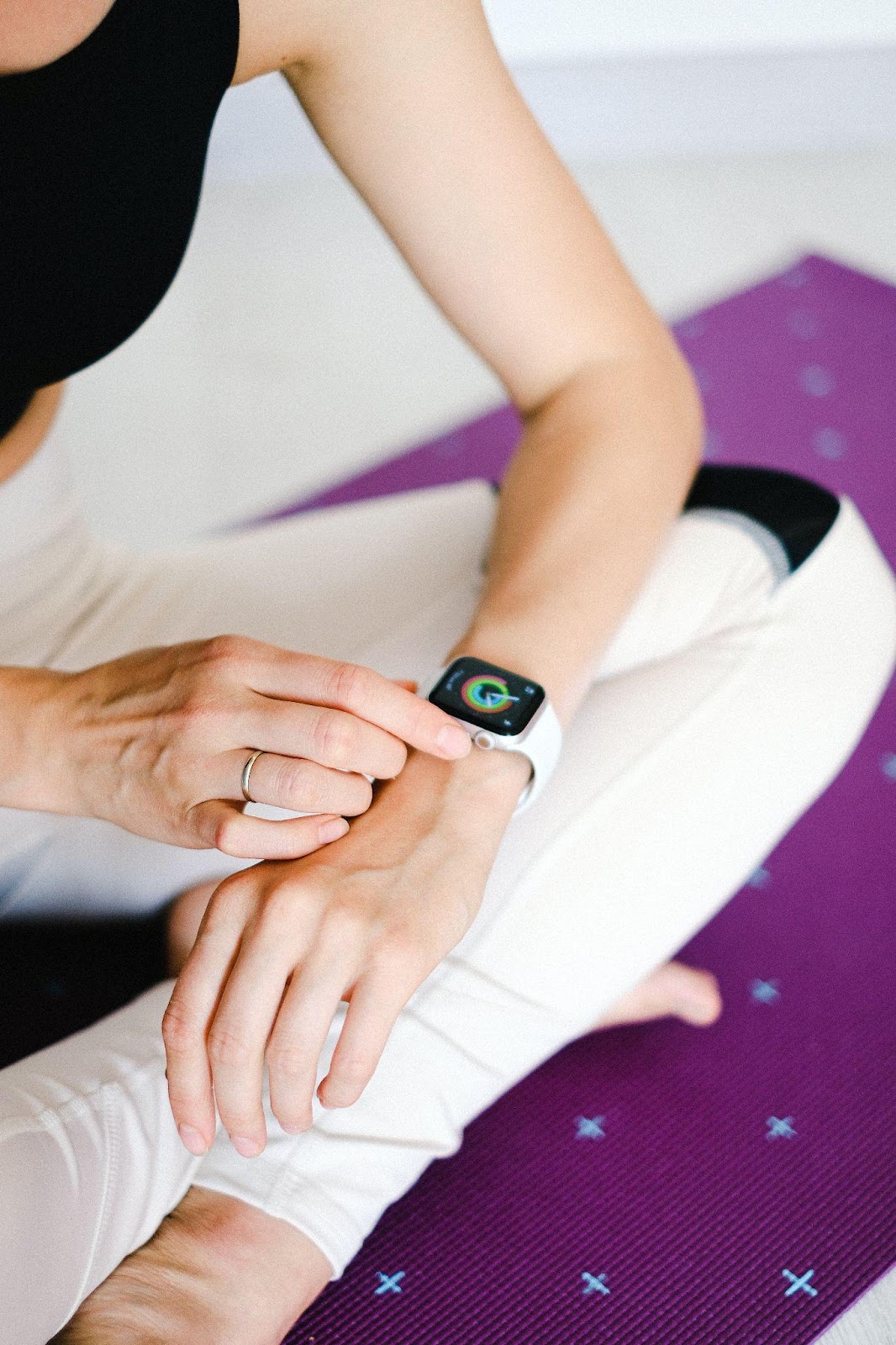
Fitness trackers are affordable, user-friendly devices that can help you get moving and shed those pounds safely. There are several models to choose from with different features to meet a variety of health and fitness needs. For example, some fitness trackers include heart rate monitors, while others are capable of tracking your sleep stages. Take a look at your options from stores like Dicks Sporting Goods, Academy, or Walmart. 

Lastly, don’t hesitate to add some music to the mix! Sometimes, listening to music—or even a podcast—can provide you with the motivation you need to push through your exercise routine. You can invest in a speaker to add some quality to your tunes, as well as a stand that can keep your phone upright if you’re using it to watch something as you work out. Do what works best for you. Find what motivates you and work it into your routine.

Eat Clean

Adopting a nutritious diet is another effective way to lose weight and keep diabetes under control. EatingWell recommends developing a low-calorie, nutrient-packed meal plan full of complex carbohydrates, fresh veggies, healthy fats, and lean protein. There are many free apps out there that can help you develop healthy meal plans on any budget. For example, Mealime is great for finding personalized recipes and generating shopping lists. Similarly, Meal Planner Pro offers budget-friendly meal planning for people with a variety of conditions, including diabetes.

Keep Your Blood Pressure Under Control

Many complications can arise if you don’t keep your blood pressure in check. Unfortunately, high blood pressure is exceedingly common in people with diabetes, since this disease causes damage to the arteries. Alarmingly, constant high blood pressure can lead to everything from kidney failure to a heart attack. Keeping your blood pressure down might lessen your chances of peripheral vascular disease and stroke. The good news here is that blood pressure monitors are affordable and easy to use. Take a reading often, and contact your doctor if your numbers are consistently high.

Learn About Your Body

You can also try free and low-cost apps to learn how different foods affect your body. Use diabetes apps and food trackers to log what you eat and when, so you can learn how different foods affect your blood sugar levels. With these apps, you’ll be able to monitor long-term trends and identify the foods and activities that make you feel your best.

Your doctor can be a great resource for diabetes-related information and questions. And if getting to the doctor’s office is a challenge, you can try finding online doctors. Once you’ve found a great fit, you can do video appointments and pick up prescribed medications at your convenience, and most accept a variety of insurance options.

Manage Stress

Did you know that stress can worsen your diabetes? Stress increases blood sugar levels, raises blood pressure, increases insulin resistance, impairs sleep, and promotes emotional eating. If you’re struggling with stress, use mindfulness apps like Headspace and Pacifica to calm your mind and learn how to manage anxiety throughout your day. Other apps, like Relax Melodies and Calm, use gentle music and sounds to promote relaxation—these are great if you have trouble sleeping! Most of these apps include free versions and offer affordable subscription options to unlock more features.

Living with diabetes can be tough, to say the least. Fortunately, a variety of low-cost apps and tech devices can make it easier to adopt healthy habits and enjoy the life you want. Use all of the tools at your disposal for guidance and motivation, so you don’t have to face diabetes alone.

Dr. Stacey Naito is passionate about feeling and looking good. Her blog is full of helpful resources on eating well, getting active, and living your best life.

Soothing Sounds You Can Customize

Source: 123rf.com
Copyright: fermate

Check out this interesting website I found, which enables you to customize soothing sounds which you can use as a nice background or “white-noise” experience:

https://asoftmurmur.com/

The dashboard for A Soft Murmur, which is available as an app for both iOS and Android, allows you to adjust the volume or omit different nature or soothing sounds: waves, rain, wind, thunder, fire, birds, crickets, singing bowl, white noise, or coffee shop. For example, combining rain and thunder sounds will mimic a thunder storm. If you choose to upgrade to their premium plan, you can then access 13 more sounds, and have access to any new sounds as they are added to the app.

Simple Yet Effective Self-Care Tips for Entrepreneurs — And Why It’s So Important You Make Time for Them

Check out this very informative article by Jason Lewis, targeted towards entrepreneurs to help them learn how to practice self-care.

Jason Lewis is a personal trainer, who specializes in helping senior citizens stay fit and healthy. He is also the primary caretaker of his mom after her surgery. He created StrongWell.org and enjoys curating fitness programs that cater to the needs of people over 65.

Most entrepreneurs are of the notion that they have to clock an inhuman number of hours each week to obtain some semblance of success. This is the only explanation for the fact that 33% of small business owners put in an average of 50 hours per week and another 25% clock 60 or more. Yet, while many of the world’s most successful business owners agree that a nine-to-five workweek just won’t cut it, most also concede that self-care is an integral component of long-term success. If you have plans to make it big in your industry, take time out of your busy schedule to treat yourself.

The Case for Self-Care

According to Psychology Today, self-care is a key driver of leadership and workplace success. Below are a few benefits of self-care that back this assertion:

  • The most effective self-care activities, which include eating healthy, working out, getting enough sleep, and spending quality time with the people you love, are all known workplace performance enhancers.
  • Self-care keeps you from working more, which actually helps your productivity. Research shows that working more than 50 hours a week produces zero productivity gain.
  • Self-care activities boost your creativity and confidence and decrease your stress and anxiety.
  • Self-care prevents career-crippling crises from occurring.

Now that you understand the importance of self-care, explore ways you can incorporate it into your schedule for the most impact.

Get Plenty of ZZs

Successful people may burn the midnight oil or wake up at the crack of dawn, but rest assured, they sleep. According to a CNBC report, some of the most successful people — including Jeff Bezos, Tobias Lutke, Bill Gates, and Lebron James — get seven to eight hours of sleep per night. So, wake up or go to bed at whatever time you want, but be sure you clock your eight hours.

Hit the Gym

Exercise is important regardless of how you choose to make a living. However, if you won’t rest until you find success as an entrepreneur, then get moving. Per one survey, 76% of some of the most incredibly successful business leaders workout for at least 30 minutes each day. Research shows that exercise releases brain chemicals that improve memory, boost concentration and increase mental awareness.

Exercise does not have to be your typical weightlifting and running routine. Richard Branson plays tennis and kitesurfs. Jessica Alba does yoga and Krav Maga. Oprah averages at least 10,000 steps per day.

Remember to Breathe

Though relaxation seems like the opposite of productivity, you need to take a breather if you want to have more energy to put toward your business. Relaxation techniques will vary for everyone, but a few of the more effective ones include listening to music, writing, walking, and simply breathing. It also doesn’t hurt to say no to tasks that add a lot of stress and little benefit to your life.

Another way to relieve stress is by choosing to structure your business as an LLC. An LLC comes with numerous tax advantages, limited personal liability, minimal amounts of paperwork, and ample flexibility. They are easy to form on your own or via an online formation service — call the Zen Business phone number for assistance.

Find Ways to Save Time

As an entrepreneur, you may feel like you have to do it all, but know that you really don’t. In fact, by outsourcing menial but still important tasks, you can save time, money, and energy — all of which you can put toward the growth of your startup.

Self-care is crucial to your success as an entrepreneur. Start showing yourself some compassion today by doing any of the above. Reach out to Stacey for the fitness and nutrition guidance you need to be your best self

Image via Unsplash