Bejeweled Cat Collars

The notion of purchasing a bejeweled collar for a cat never entered my mind until my diva cat Sumi came into my life. Sumi, who joined my household as a 6-month-old in June of 2023, immediately exhibited ATTITUDE. Sumi made it very clear from the beginning that she would be the queen of the household, so I thought it would be fitting to look for a blingy collar which she could wear once she hit her first birthday. She of course took to the sparkly adornment without any issue.
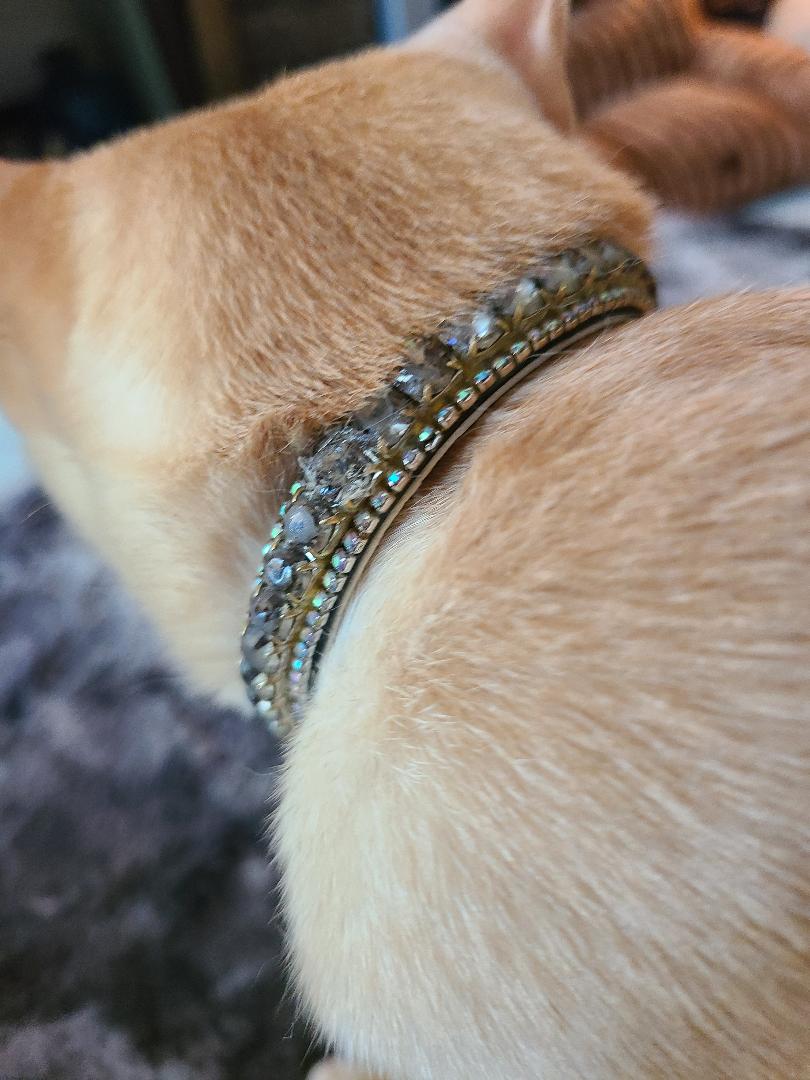
Sumi’s original rhinestone collar, showing missing stone

I recently noticed that Sumi’s collar had a missing rhinestone, and the elastic on one portion of the collar was so frayed that it snapped when I examined it. Fortunately, I had a backup adjustable AB rhinestone collar which I used temporarily until the beautiful peridot rhinestone collar I ordered for her came in. In addition to the peridot collar, I also ordered a green zircon rhinestone collar, and I also ordered an amethyst rhinestone collar for her sister Mika.

Sumi’s new, beautiful peridot rhinestone collar

I’m not kidding when I say these collars are STUNNING. You can see in the pictures how the peridot green collar just pops against Sumi’s lovely cream coat, and the amethyst collar also looks so pretty on Mika. Since I have now purchased rhinestone collars from three different Etsy sellers, I can honestly say that the collars from the most recent seller are of exceptional quality, durability, and beauty. The other thing about this seller is that she is very responsive and communicative, and kept me updated every step of the way with my orders.
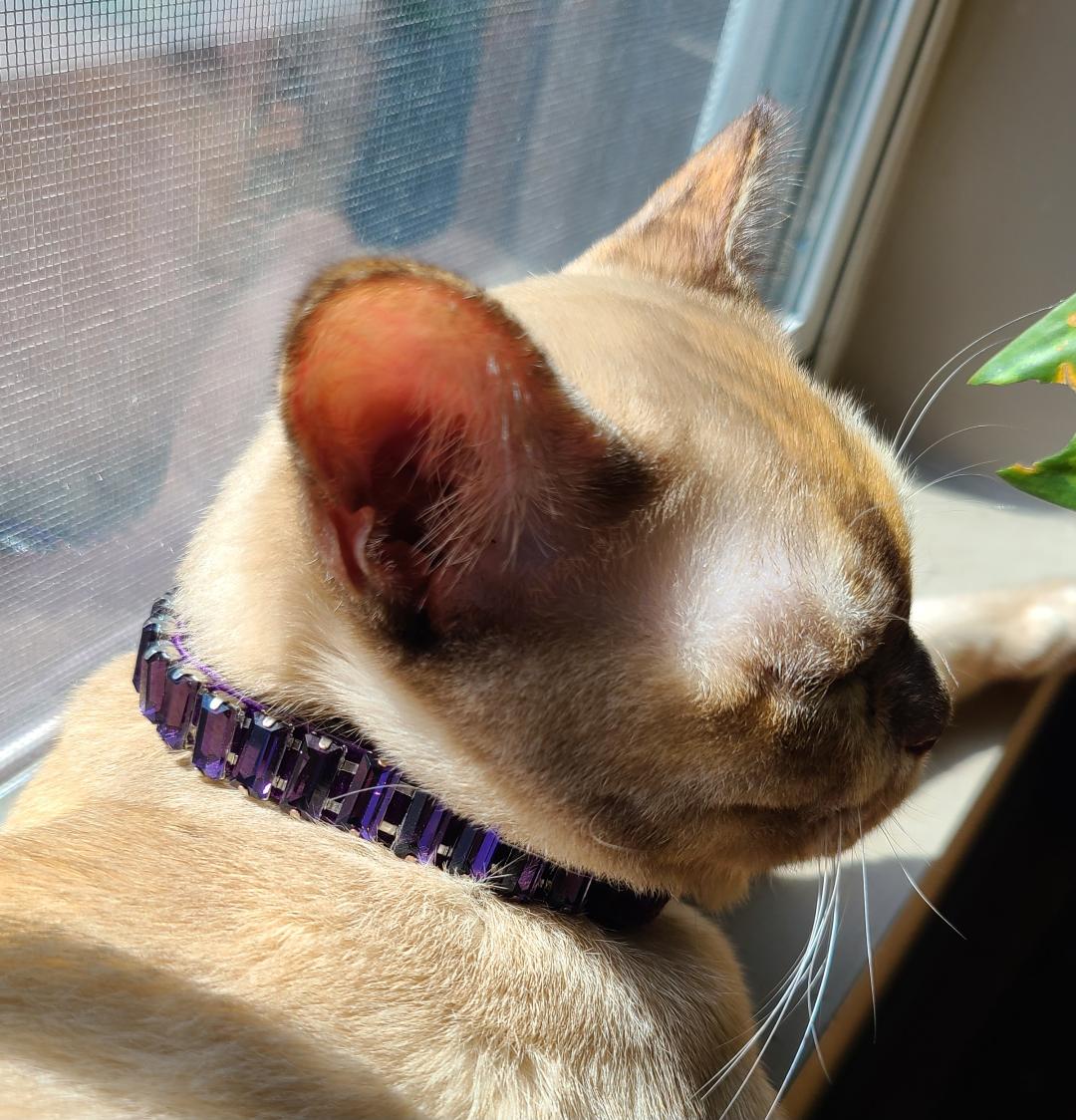
Mika’s gorgeous amethyst rhinestone collar

Here is a link to the Posh Paws Exclusives line which features the collars I bought for my babies. Marlaina goes out of her way to make sure that her customers are satisfied with the work she does. If you prefer collars without bling, Marlaina offers 385 options to fit every cat or small dog’s personality. Here’s a shot of Koji in a lush velvet collar from Posh Paws:

Maelaina’s boutique description is as follows:

Elevated Elegance for Every Paw

Marlaina Long is the visionary founder of Posh Paws Boutique, a new shop born from her deep love for animals and eye for design. Recognizing a gap in the market for pet accessories that combine exceptional style with comfort, Marlaina created Posh Paws Boutique to offer elegant collars tailored for cats and small dogs. Driven by the belief that pets deserve the finest materials and thoughtful design, Posh Paws focuses on blending durability with soft textures for a safe, snug fit. Marlaina is passionate about offering a unique mix of sophistication and practicality, aiming to improve pets’ lives with carefully crafted accessories. Through Posh Paws Boutique, Marlaina seeks to set a new standard in the pet accessory industry, where style, comfort, and quality seamlessly come together to offer the best for both pets and their owners.

New Pet, Suddenly Allergic?

Image 82105512 (123rf.com)

It’s a really interesting and somewhat frustrating phenomenon when people develop allergies to new pets, even if they’ve lived with pets for years without issue. This just happened to me when I introduced a new kitten into my home. All these years, I had lived peacefully with my pets with no issues, but all it took was one sweet kitten with her dander to spike my allergic response!

There are several factors that could explain sudden allergic responses when a new pet is introduced to the home.

1. Different Allergen Profiles

Each pet produces different types and amounts of allergens. For instance:

  • Cats and Dogs: These animals produce dander (tiny, often invisible flakes of skin) that can trigger allergic reactions. However, not all animals produce the same type or quantity of allergens. A person may have developed tolerance to the specific dander or protein in their existing pets, but a new pet may have a different protein structure that their immune system perceives as a threat.
  • Species Differences: Even between different breeds of dogs or cats, there can be differences in the types of allergens they release. For example, some dog breeds shed less fur or produce different amounts of dander than others. This might explain why someone living with one breed of dog doesn’t experience symptoms, but develops an allergy when adopting a new breed.

2. Immune System Changes

Over time, a person’s immune system can change. Allergies can develop at any age, and the immune system can become sensitized to new allergens at any point in life, even if the person hasn’t had problems before. This might explain why someone who has lived with pets for years can suddenly develop an allergy to a new pet.

  • Delayed Sensitization: It’s possible that the immune system, over time, becomes sensitized to certain proteins present in animal dander, and the person’s immune response triggers once it encounters a threshold. They might not have had a strong reaction to their old pet, but a new pet could have more potent allergens that push the immune system into overdrive.

3. Environmental and Lifestyle Factors

The environment plays a role in how allergens impact someone. If a person moves to a new home or changes their lifestyle, it could increase their exposure to allergens in a way that makes them more likely to develop a reaction.

  • New home, different allergens: If the new pet is introduced into a home with different ventilation, humidity, or dust levels, it could change how allergens accumulate and affect the person. For example, an increase in humidity could make allergens like mold or dust mites more problematic in conjunction with the pet’s dander.
  • Exposure levels: Someone may have had a lower overall exposure to allergens in the past, either due to fewer pets or less contact with them, and the new pet may push that exposure threshold.

4. Cross-Reactivity

There’s a phenomenon called cross-reactivity, where a person who is allergic to one animal might also react to allergens from a different animal. For example:

  • Cat and Dog Allergies: Some people allergic to cats might also react to dogs because the proteins responsible for causing allergies (like Fel d 1 in cats and Can f 1 in dogs) are similar. The immune system can mistake the proteins of a new pet for those of an older one.
  • Rodents, Birds, or Other Pets: People allergic to one type of pet might develop allergies to completely different animals (e.g., developing an allergy to birds after having had no issues with a dog). This is because certain proteins in saliva, fur, or feathers might have structural similarities, confusing the immune system.

5. Type and Age of the New Pet

Young pets (puppies, kittens) often shed more allergens, including fur and dander, than older pets. This could be due to the fact that they have more active skin cells or they may shed more frequently as they grow. So, even if someone was fine with an older pet, a younger one might have more dander circulating in the environment.

6. Sensitivity to Specific Proteins in Pet Saliva or Urine

It’s not just the skin dander that can cause problems. Proteins found in a pet’s saliva or urine can also trigger allergic reactions. For example:

  • Cats and Dogs Licking Fur: Both cats and dogs spread their saliva over their fur when they groom themselves, which means that their saliva proteins get transferred to their fur and skin. If a person has been exposed to the saliva of one pet for a long time without a reaction, the saliva of a new pet could be a different protein altogether, leading to an allergy.

7. Pet Care Products

It’s also worth noting that people might develop sensitivities to products used in caring for pets, such as shampoos, flea treatments, or cleaning supplies. These allergens could cause issues even if someone has lived with other pets without trouble, especially if the new pet is exposed to different brands or types of products.

8. Changes in Body’s Allergic Sensitization

As we age, our immune system changes. A person may have been exposed to the allergens of previous pets without a noticeable allergic response, but their immune system may have become more reactive over time. The introduction of a new pet might be the tipping point.


To sum it up: While someone might not have had issues with existing pets, the combination of new pet dander, proteins, environmental factors, and changes in the immune system can all contribute to the development of an allergy. If this happens, it’s important to consult with a healthcare professional for guidance on managing or alleviating symptoms.

Make Playtime With Your Cats A Regular Thing

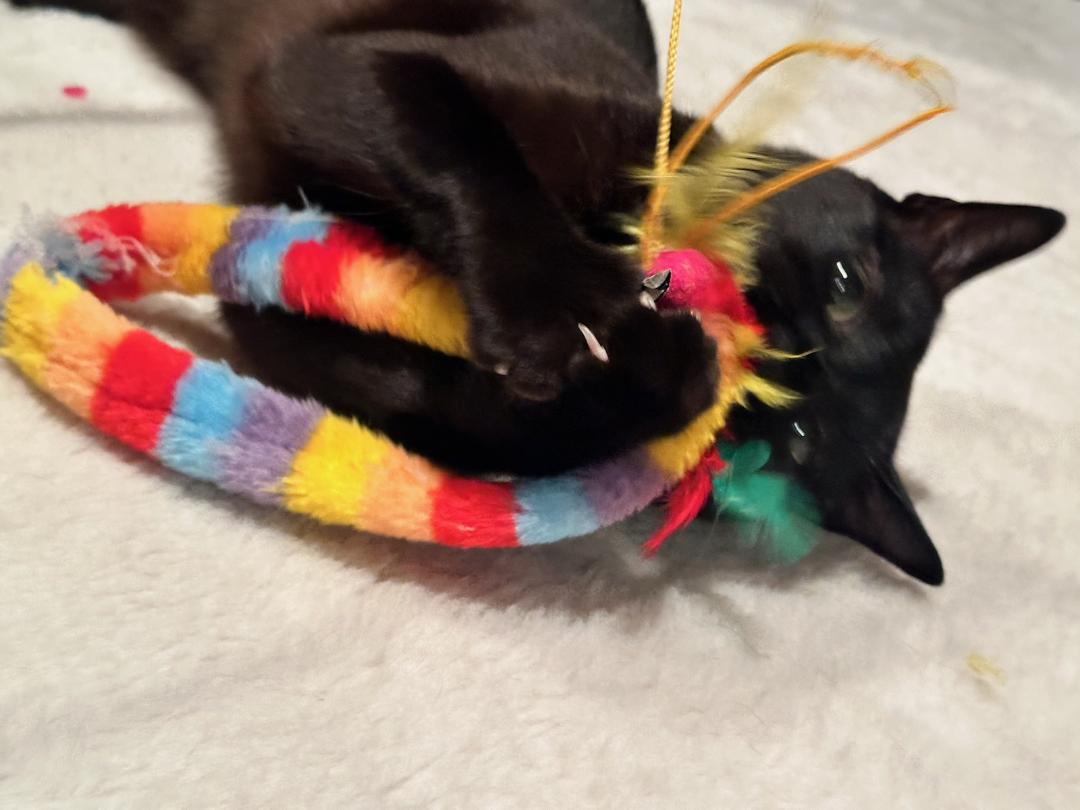
My boy Koji and one of his toys

I am willing to bet that many of you who have cats in your household don’t give much thought to the idea of engaging in playtime with your feline friends. However, doing so on a regular basis strengthens the bond between you and your cats, and also benefits everyone’s physical and mental well-being. I try to engage my cats in interactive play by using toys which are attached to poles, enabling me to direct and monitor interaction. My cats absolutely love playtime, so much so that my 3-year old, Koji, will yell at me whenever I pass by the closet in which I keep the interactive toys.

Here is a breakdown of the numerous benefits which both you and your cats will enjoy when participating in interactive play:

Benefits for Cats and Kittens

  1. Physical Exercise: Cats, especially indoor ones, need regular activity to maintain a healthy weight and prevent obesity-related issues. Play mimics natural hunting behaviors, helping them stay fit and agile.
  2. Mental Stimulation: Engaging in interactive play keeps a cat’s mind sharp, preventing boredom and destructive behaviors like scratching furniture or excessive meowing.
  3. Instinct Satisfaction: Cats are natural hunters. Toys that mimic prey—like feather wands or laser pointers—allow them to practice stalking, pouncing, and chasing in a safe environment.
  4. Stress Reduction: Play provides an outlet for pent-up energy and can reduce stress and anxiety, making cats more relaxed and well-adjusted.
  5. Socialization for Kittens: Kittens learn important skills through play, including coordination, bite inhibition, and appropriate interaction with humans and other animals.

Benefits for Cat Owners

  1. Stronger Bond: Playing with your cat helps build trust and deepen your relationship, especially with shy or newly adopted cats.
  2. Entertainment and Joy: Watching a cat chase a toy or do a playful leap can be highly entertaining and bring joy to owners.
  3. Encourages Routine and Responsibility: Regular playtime helps owners establish a routine, making it easier to provide structure and care for their pet.
  4. Stress Relief: Interacting with cats has been shown to reduce stress and anxiety in humans, providing emotional benefits similar to meditation or relaxation exercises.
  5. Better Behavior: A well-exercised cat is less likely to engage in unwanted behaviors like nighttime zoomies, furniture scratching, or aggression due to boredom.

Making Playtime Effective

To get the most out of interactive play, use a variety of toys like wand teasers, balls, and puzzle feeders. Rotate toys frequently to keep things interesting. Aim for at least two short play sessions a day, adjusting based on your cat’s energy level and age.

Incorporating interactive play into your daily routine creates a happier, healthier life for both you and your cat, ensuring a strong and loving companionship.

How To Train A Cat Or Kitten

Copyright: larisikstefania


Training a cat or kitten to learn its name and do basic tricks can be a rewarding experience, but it requires patience and positive reinforcement. I know first-hand that it is indeed possible for cats to play fetch, beg, and sit because I have had numerous cats who were able to understand and perform such commands. My cats also know their names and will come (barring any feline defiance which can kick in at times) when called.

The most basic command which most people would like their pets to learn is to respond to their names and come when called by name. Here are some steps and tips which you can use to reinforce your cat’s learning.

  1. Choose a Short and Distinct Name: Select a name for your cat that is short, distinct, and easy to pronounce. Cats tend to respond better to names with one or two syllables. Use the chosen name consistently. All of my cats have two-syllable names which are easy to pronounce.
  2. Establish a Connection: Spend quality time with your cat to build a bond and trust. Petting, playing, and providing treats are all ways to create a positive association with you. In fact, I would say treats are essential when getting a cat or dog to learn its name, as it serves as positive reinforcement.
  3. Use Positive Reinforcement: Cats respond well to positive reinforcement, such as treats, praise, and petting. Reward your cat when it responds to its name or successfully completes a trick.
  4. Start with Name Recognition: To teach your cat its name, use a calm and friendly tone. Say the cat’s name while making eye contact. When the cat responds, reward it with a treat or affection. Repeat this regularly.
  5. Be Patient: Cats may take time to recognize their name and respond. Don’t get discouraged if they don’t respond immediately. Be patient and consistent in your efforts.
  6. Teach Basic Tricks: When it comes to teaching tricks, start with simple ones like “sit” or “come.” Use treats and positive reinforcement to guide your cat into the desired behavior.
  7. Use Clicker Training: Clicker training can be effective for cats. Associate the sound of a clicker with treats, and use it to mark desired behaviors. Click when the cat responds to its name or performs a trick, followed by a treat.
  8. Keep Training Sessions Short: Cats have shorter attention spans than dogs. Keep training sessions brief, around 5-10 minutes at a time. Multiple short sessions throughout the day can be more effective than one long session. My training sessions with my cats are very brief, about 3 to 5 minutes, and I truly believe that the brevity is what keeps my cats engaged.
  9. Be Consistent: Consistency is key in cat training. Use the same command words and reward system every time. Avoid confusing your cat with different words or signals for the same behavior. I personally always use “sit” and “beg” when training Koji, my 2-1/2-year-old cat.
  10. Stay Positive and Patient: Cats can be independent, so don’t scold or punish them if they don’t respond immediately. Always use positive reinforcement to encourage desired behaviors.
  11. Adjust to Your Cat’s Personality: Every cat is unique, so be flexible in your training approach. Some cats may respond better to treats, while others may prefer play as a reward.
  12. Practice Regularly: Regular practice and reinforcement are essential for your cat to retain what it has learned.

Remember that not all cats will learn tricks, and some may be more responsive than others. The key is to be patient, use positive reinforcement, and focus on building a strong bond with your cat. Training should be a fun and enjoyable experience for both you and your feline companion.

Pet Dental Health

Source: 123rf.com
122857374
Yuliia Sonsedska


I’m sure the majority of you are well aware about the importance of good dental health, but have you ever thought how important good dental health is in your pets?  Just as in humans, the mouths of your pets are teeming with bacteria, and some of those bacteria can enter the digestive tract, respiratory tract, and bloodstream, and cause disease, particularly in the heart, lung, and kidneys.

Another factor to consider in our pets is the fact that we have domesticated these animals over the millenia, and as a result, they no longer depend on hunting to procure their food.  This means that the natural form of teeth cleaning, in essence, gnawing and tearing at the flesh of their prey, has, for the most part, been eliminated, and replaced with dry kibble and canned foods.  Eighty percent of pet dogs and cats who have had no dental cleaning or intervention show signs of oral disease by the time they are 3 years old.

I take all of this very seriously with my pets, and I am diligent about taking them in every six months for non-anesthetic dental cleaning.  It’s worth the financial expense, even though I struggle to pay for their dental care twice a year.  The way I see it, I’d rather take them in for regular dental cleaning than to put them at risk for a myriad of diseases, and have them suffer needlessly as a result.  I’ve been taking them in for regular cleanings from the time they were young adults, and they have had mild issues with no need for a more aggressive cleaning with anesthetic.  I realize that they may at some point need cleaning under anesthesia, but until we cross that bridge, I will continue to take them in for the anesthesia-free option.

There are definitely some limitations with non-anesthetic teeth cleaning for pets, such as the fact that only the plaque above the gum line can be removed.  The veterinarian examines the pet’s teeth and gums to determine if there is any inflammation or sign of infection, and if there are any findings which are beyond the scope of the non-anesthetic cleaning crew, the pet is referred for cleaning with anesthesia.

Overall, if you aren’t paying attention to your pet’s teeth and gums, you should.  It’s a good idea to ask your veterinarian at your next visit what he or she recommends in the way of dental care.  There are dental chews which help to clean the teeth, and some very brave pet owners actually brush their pet’s teeth.  Your vet will help determine the best care regimen for your beloved pet.


Pets and Your Health

42089792 - woman with her dog tender scene

Image ID : 42089792 Copyright : soloway 123rf.com


I don’t know how I would get through difficult days without my three wonderful cats. Tenshi, Shima, and Kazu are so special to me that I always look forward to coming home and seeing their sweet faces. Those of you who have pets to whom you are closely bonded know how comforting it is to come home to them. Animals are capable of deep, unconditional love which is unparalleled. A pet won’t care that you look all disheveled from battling a grueling day. If you are distraught, a pet will make you smile and perhaps even laugh with cute and silly antics. Pets are natural antidepressants, and create the perfect distraction when you are tempted to feel sorry for yourself or ruminate over something which is only causing you anguish.

Pets are wonderful for our well-being and spiritual health.

It turns out that owning a pet also confers physical health benefits as well. Pet owners enjoy a reduction in stress and anxiety, which has a positive impact on blood pressure. Another very striking and unexpected benefit to having pets is a decrease in a child’s chances of developing allergies to animals. The decreased chance of developing allergies to animals in small children who live with animals is as high as 30 percent, according to research conducted by pediatrician James E. Gern which was published in the Journal of Allergy and Clinical Immunology. Dr. Gern conducted a number of studies on children exposed to pets, all of which concluded that children who were exposed at an early age to animals tended to develop stronger immune systems overall, and were far less likely to develop pet-related allergies.

When I think of friends who have allergies to cats or dogs, most of them did not grow up with a pet in the house. I also did not grow up with a family pet per se, unless you count the two rabbits I had in fourth grade for about six months. My mother was so fed up with them that she sold them to a pet store, and that was that. But I spent extended periods of time petting and hanging out with numerous outdoor cats in the neighborhood, enough so that I had a regular exposure to them. I also spent weekends with my dad’s dog, or with his friends’ dogs, so the exposure was steady.

I honestly believe that early and regular exposure to pets is a boon to immune health in young children. And since there is a large body of scientific evidence to back that up, why not get a family pet for your children to love?

SureFlap Microchip Pet Feeders

http://www.sureflap.com

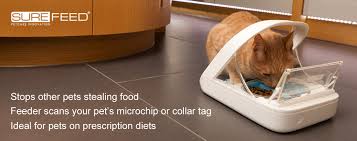
For the past two years, I have tried just about every tactic to train my obese European Burmese cat Kazu to eat a special diet. We put her on scheduled feedings, only giving her wet food, and tried to ban her from the dry kibble which we needed to leave out for the other two cats (both of whom are normal weight). Kazu continued to sneak dry kibble throughout each day, despite being scolded for doing so.

After all my unsuccessful efforts to get Kazu on a unique feeding schedule, I was at my wit’s end. Then a couple of people suggested that I purchase a microchip pet feeder. I looked up microchip feeders online and discovered SureFlap Microchip Pet Feeders. I almost keeled over when I saw the price of these units: $149. What’s worse is that I knew I had to purchase TWO of these feeders, since Kazu would have to be trained on one feeder, while Tenshi and Shima would be trained on the other.

I saved up so that I could buy two feeders. $365 later (I had to purchase C batteries, as well as extra RFID tags since only one tag comes with each feeder, and we have three cats), I was ready to give them a try.

The training period consists of five stages, in which the door progresses from remaining completely open (stage 1), closes a small amount (stage 2), then closes incrementally more until stage 5 when the door closes completely, only opening for the pet who is programmed to the feeder. The idea with the incremental training is that the pets will eventually understand that the closed door will open when they approach the feeder to which they are programmed.

Without going into agonizing detail, I will say that it took a good six weeks before my cats finally understood how the feeders worked. They were so afraid of the devices at first that I honestly began to doubt whether the system would work for my household. As soon as the door would move back or forward, my cats would just freak out, so we were at training level 2 (the door only moves a small amount and the chamber is very accessible) for close to 3 weeks.

I’m not sure how I feel about these things. While they are well constructed and work well, they are inaccessible to people who can’t afford the units. In addition, our household STILL hasn’t progressed beyond the training setting, because when the doors are completely closed (as they are in regular post-training mode), my cats don’t consistently understand that all they have to do is approach the feeders for the doors to open.

What this basically means is that I must have dry kibble available to all three cats in both feeders, which completely defeats the purpose of buying these devices in the first place. I purchased these feeders THREE MONTHS AGO. In addition, all three cats race into the kitchen when I enter it, and beg for wet food like starving street urchins. I relent, because I want to make sure my babies are fed.

Kazu just keeps getting fatter, while my wallet is definitely slimmer from purchasing the devices which mainly serve to startle and confuse my entire brood.