NPC And IFBB Men’s Physique Division

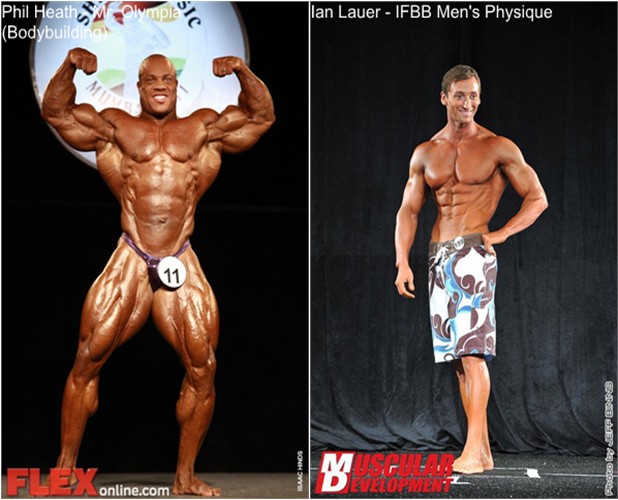
IanWhen the NPC established the Men’s Physique Division for male competitors in its bodybuilding events back in 2011, it fueled an impressive interest in competing among men who were in great shape but not big enough to compete in the bodybuilding division. Suddenly a division popped up which did not demand the extreme muscularity that characterizes Men’s Bodybuilding. But what are judges looking for in the Men’s Physique Division? They want to see men who are fit and who display great shape, muscularity, conditioning and symmetry. Overall proportion trumps massive muscle bellies here, but keep in mind that Men’s Physique competitors have a decent level of muscularity.

Men’s Physique competitors are split up into different classes on the basis of height instead of weight. Local and regional events will usually have an Open division (all ages), Masters 35+, and at times a Masters 45+ division. At the national level, only a couple of contests feature a Masters Division, forcing many older competitors to compete against those much younger in the Open Divisions. IFBB Men’s Physique Pros compete in one class regardless of height or age.

Attire for Men’s Physique competitors consists of board shorts which sadly cover the majority of the quadriceps and the hamstrings. Competitors compete barefoot.

During judging, each competitor is expected to walk to the center of the stage individually and perform front and back poses for the judges. Once each competitor has had a chance to hit his poses, judges will call out competitors to the center of the stage for comparisons.
NPC and IFBB Men’s Bodybuilding

Men’s bodybuilding can best be characterized as the quest to be as big as possible. The concept of “bigger is better” certainly applies here. During the “bulking” phase, male bodybuilders will consume massive amounts of calories and train at the gym with Herculean strength in an effort to put on as much muscle mass as humanly possible. As contest day approaches, a “cutting” phase is employed in which competitors drop significant amounts of body fat while making every effort to retain their hard-earned muscle.

Before you assume that one needs only to be loaded with tons of muscle, you should be aware that judges also critique competitors on their overall symmetry, balance and conditioning. Symmetry refers to the muscle bellies, with complete symmetry on both sides of the body as the desired goal. Balance refers to the proportion of muscle development throughout the body. In other words, a bodybuilder may have a very developed back but little calf development, or may have huge biceps but little shoulder development. Both examples will make a competitor look out of proportion. Conditioning refers to the degree of muscle definition in a competitor. If a bodybuilder does not dehydrate properly, he or she may hold interstitial water and end up obliterating muscle definition when onstage. Accordingly, if insufficient carbohydrates are consumed pre-contest, the muscles will be depleted of glycogen and will look flat.
One of the most potentially enjoyable aspects of watching men’s bodybuilders is seeing their posing routines. When male bodybuilders perform onstage, they wear small posing trunks which are similar in cut to Speedos, and they perform barefoot. Though bodybuilders have a limited amount of time onstage and must hit mandatory poses during their routines, they have the opportunity to express their personalities, grace, athleticism and creativity by performing a routine.

Here are the general weight divisions for Men’s Bodybuilding in the NPC:

Male Competitors (All contests that are pro qualifiers)
• Bantamweight…………. …Up to including 143 ¼ lbs.
• Lightweight………………..Over 143 ¼ up to including 154 ¼ lbs.
• Middleweight ……………..Over 154 ¼ up to including 176 ¼ lbs.
• Light Heavyweight………Over 176 ¼ up to including 198 ¼ lbs.
• Heavyweight………………Over 198 ¼ up to including 225 ¼ lbs.
• Super-Heavyweight Over 225 ¼ lbs.
Male Welterweight Class for USA and National Championships
• Bantamweight…………….Up to including 143 ¼ lbs.
• Lightweight………………..Over 143 ¼up to including 154 ¼ lbs.
• Welterweight* ……………Over 154 ¼ up to including 165 ¼ lbs.
• Middleweight …………….Over 165 ¼ up to including 176 ¼ lbs.
• Light-Heavyweight………Over 176 ¼ up to including 198 ¼ lbs.
• Heavyweight………………Over 198 ¼ up to including 225 ¼ lbs.
• Super-Heavyweight ……Over 225 ¼ lbs.
• *NOTE: The Welterweight Class is optional at Local, Regional, and National QualItylng Contests.
Male Welterweight Class for Team Universe Championships
• Bantamweight……………. Up to including 143 ¼ Lbs.
• Lightweight……………….Over 143 ¼ up to including 154 ¼ lbs.
• Welterweight* …………….Over 154 ¼ up to including 165 ¼lbs.
• Middleweight …………….Over 165 ¼ up to including 176 ¼lbs.
• Light-Heavyweight………Over 176 ¼up to including 198 ¼ lbs.
• Heavyweight………………Over 198 ¼ up to including 225 34 lbs.
• Super-Heavyweight…..Over 225 ¼ lbs.

NPC and IFBB Men’s Divisions

IFBB and NPC MenFor decades the competitive bodybuilding landscape has been defined by the muscular gods who have graced the Olympia stage and the covers of bodybuilding magazines. Arnold Schwarzenegger turned the spotlight on bodybuilding and helped to mold society’s perception of the bodybuilder physique. Maximum muscle development, size and conditioning, along with balance and body symmetry are the ultimate goals in bodybuilding for both men and women.

Then in 2011 the National Physique Committee made a very clever move by establishing the Men’s Physique Division. The Men’s Physique Division is characterized by a well-muscled physique but with a smaller degree of muscularity than what is exemplified in men’s bodybuilding. If you think of a male fitness model, you will have a clearer picture of what is desirable. This is not to say that muscularity is not rewarded, but the hulk-like muscularity that is seen in Mr. Olympia title-holders is not the goal with men’s physique.

Now men have a more attainable goal with the Men’s Physique division, but be prepared to put on some lean muscle mass if you dare to grace the stage. The new Men’s Physique IFBB Pros have sculpted physiques which were certainly not earned by sitting on the couch all day!

What Are The NPC and The IFBB?

picture2life_99681_originalFor those of you who do not know what the NPC and the IFBB are, here is an explanation.

The NPC stands for the National Physique Committee, which is the number one amateur bodybuilding organization in the world. Most serious amateur competitors who have a goal to earn professional status will compete as amateurs within the NPC to attain prestigious IFBB Professional Status. The NPC was established in 1982 by Jim Manion and is the amateur arm of the IFBB. The IFBB, which stands for the International Federation of BodyBuilders, encompasses 160 nations and is the big granddaddy of professional bodybuilding leagues. Ever since Lee Haney became the first NPC Nationals champion to attain IFBB status, the majority of the greatest IFBB athletes reached this status via the NPC. Those of you who may have followed bodybuilding over the years may recognize names such as Shawn Ray, Flex Wheeler, Cory Everson, all of whom competed in the NPC before becoming part of the IFBB as professionals.

The best athletes in competitive bodybuilding flock to these organizations and elevate the sport with their tremendous physiques.

Weight Training Splits: Upper Body/Lower Body Variation #3

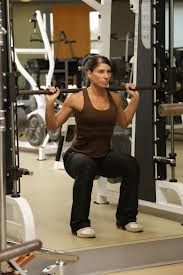
smith machine squat imageThe following regimen is more intense than the previous splits I posted and is better suited for individuals who have some experience with weight training who want to intensify their current training level. This is designed to build more mass in the lower body for greater strength and power, and is also great for toning up the lower body in general. Use caution if you have any low back or knee issues and avoid any exercises which cause you pain in these regions.

Upper/Lower Four Day Split Variation #3:
NOTE: This variation works the quads and abdominals twice in a week. Rest 30 to 45 seconds between sets.

Monday – Quads, Hamstrings, Calves, Abs:

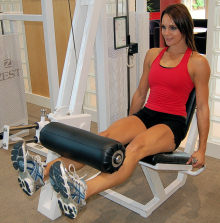
Leg extensions – 3 sets of 12 repetitions
Leg presses (feet shoulder width apart) – 3 sets of 12 repetitions
Bosu ball squats holding onto plate/weight – 4 sets of 12 repetitions
Smith Machine squats – 4 sets of 12 repetitions
Seated calf raises – 3 sets of 12 repetitions
Calf raises on leg press machine – 3 sets of 12 repetitions
Prone leg curls – 3 sets of 12 repetitions
Seated leg curls – 3 sets of 10 repetitions
Stability ball crunches – 3 sets of 25 repetitions
Reverse crunches – 3 sets of 12 repetitions

Tuesday – Chest, Shoulders, Triceps:

Seated chest press machine – 3 sets of 15 repetitions
Incline dumbbbell chest presses – 3 sets of 12 repetitions
Flat bench dumbbell chest flyes – 3 sets of 12 repetitions
Seated military shoulder presses – 3 sets of 12 repetitions
Dumbbell front raises – 3 sets of 12 repetitions
Dumbbell one arm side lateral raises – 3 sets of 10 repetitions
Cable tricep pushdowns – 3 sets of 12 repetitions
Seated dip machine – 3 sets of 10 repetitions

Wednesday – OFF

Thursday – Back, Biceps, Abs:

Wide grip lat pulldowns – 3 sets of 12 repetitions
Seated close grip cable rows – 3 sets of 12 repetitions
Bent over obarbell rows – 3 sets of 12 repetitions
Hyperextensions – 3 sets of 15 repetitions
Seated dumbbell arm curls – 3 sets of 12 repetitions
Standing barbell curls – 3 sets of 10 repetitions
One arm dumbbell preacher curls – 3 sets of 15 repetitions
Bicycle crunches – 3 sets of 25 repetitions
Reverse crunches – 3 sets of 15 repetitions

Friday – Quads, Glutes:

Leg extensions – 3 sets of 12 repetitions
Leg presses (feet close together) – 3 sets of 12 repetitions
Plie squats holding onto plate/weight – 4 sets of 12 repetitions (please see my Glute Series Post: http://wp.me/p1TAxT-al)
Smith Machine squats – 4 sets of 12 repetitions
Good Mornings – 3 sets of 12 repetitions (please see my Glute Series Post: http://wp.me/p1TAxT-fP)
One legged leg presses – 3 sets of 15 repetitions (please see my Glute Series Post: http://wp.me/p1TAxT-ad)
Walking diagonal lunges – 3 sets of 15 repetitions (please see my Glute Series Post: http://wp.me/p1TAxT-kV)
Bench step ups – 3 sets of 12 repetitions (please see my Glut Series Post: http://wp.me/p1TAxT-59)

Saturday – OFF

Sunday – OFF

Weight Training Splits: Upper Body/Lower Body Variation #2

Upper/Lower Four Day Split Variation #2:One-Arm-Cable-Bicep-Curl-Woman

NOTE: Rest 30 to 45 seconds between sets.

Monday – Chest, Back:

Seated chest press machine – 3 sets of 15 repetitions
Incline dumbbbell chest presses – 3 sets of 12 repetitions
Flat bench dumbbell chest flyes – 3 sets of 12 repetitions
Wide grip lat pulldowns – 3 sets of 12 repetitions
Seated close grip cable rows – 3 sets of 12 repetitions
Bent over one arm dumbbell rows – 3 sets of 12 repetitions
Hyperextensions – 3 sets of 15 repetitions

Tuesday – Quads, Calves:

Leg extensions – 3 sets of 12 repetitions
Leg presses (feet shoulder width apart) – 3 sets of 12 repetitions
Bosu ball squats holding onto plate/weight – 4 sets of 12 repetitions
Smith Machine squats – 4 sets of 12 repetitions
Seated calf raises – 3 sets of 12 repetitions
Calf raises on leg press machine – 3 sets of 12 repetitions

Wednesday – OFF

Thursday – Shoulders, Biceps, Triceps:

Seated military shoulder presses – 3 sets of 12 repetitions
Dumbbell front raises – 3 sets of 12 repetitions
Dumbbell one arm side lateral raises – 3 sets of 10 repetitions
Seated dumbbell arm curls – 3 sets of 12 repetitions
Standing barbell curls – 3 sets of 10 repetitions
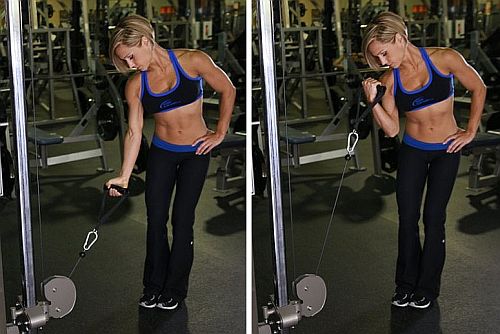
One arm cable arm curls – 3 sets of 15 repetitions
Cable tricep pushdowns – 3 sets of 12 repetitions
Seated dip machine – 3 sets of 10 repetitions

Friday – Hamstrings, Glutes, Abs:

Prone leg curls – 3 sets of 12 repetitions
Seated leg curls – 3 sets of 10 repetitions
Stiff legged deadlifts – 3 sets of 12 repetitions (please see my Glute Series Post: http://wp.me/p1TAxT-dk)
One legged leg presses – 3 sets of 15 repetitions (please see my Glute Series Post: http://wp.me/p1TAxT-ad)
Diagonal lunges – 3 sets of 15 repetitions (please see my Glute Series Post: http://wp.me/p1TAxT-kV)
Bench step ups – 3 sets of 12 repetitions (please see my Glut Series Post: http://wp.me/p1TAxT-59)
Stability ball crunches – 3 sets of 25 repetitions
Reverse crunches – 3 sets of 12 repetitions

Saturday – OFF

Sunday – OFF

Weight Training Splits: Upper Body/Lower Body Variation #1

Routine For Upper/Lower Four Day Split Variation #1:leg_extension

NOTE: Rest 30 to 45 seconds between sets.

Monday – Back, Biceps:

Wide grip lat pulldowns – 3 sets of 12 repetitions
Seated close grip cable rows – 3 sets of 12 repetitions
Bent over one arm dumbbell rows – 3 sets of 12 repetitions
Hyperextensions – 3 sets of 15 repetitions
Seated dumbbell arm curls – 3 sets of 12 repetitions
Standing barbell curls – 3 sets of 10 repetitions
One arm cable arm curls – 3 sets of 15 repetitions

Tuesday – Quads, Calves, Abs:

Leg extensions – 3 sets of 12 repetitions
Leg presses (feet shoulder width apart) – 3 sets of 12 repetitions
Bosu ball squats holding onto plate/weight – 4 sets of 12 repetitions
Seated calf raises – 3 sets of 12 repetitions
Calf raises on leg press machine – 3 sets of 12 repetitions
Stability ball crunches – 3 sets of 25 repetitions
Reverse crunches – 3 sets of 12 repetitions

Wednesday – OFF

Thursday – Chest, Shoulders, Triceps:

Seated chest press machine – 3 sets of 15 repetitions
Incline dumbbbell chest presses – 3 sets of 12 repetitions
Flat bench dumbbell chest flyes – 3 sets of 12 repetitions
Seated military shoulder presses – 3 sets of 12 repetitions
Dumbbell front raises – 3 sets of 12 repetitions
Dumbbell one arm side lateral raises – 3 sets of 10 repetitions
Cable tricep pushdowns – 3 sets of 12 repetitions
Seated dip machine – 3 sets of 10 repetitions

Friday – Hamstrings, Glutes:

Prone leg curls – 3 sets of 12 repetitions
Seated leg curls – 3 sets of 10 repetitions
Stiff legged deadlifts – 3 sets of 12 repetitions (please see my Glute Series Post: http://wp.me/p1TAxT-dk)
One legged leg presses – 3 sets of 15 repetitions (please see my Glute Series Post: http://wp.me/p1TAxT-ad)
Diagonal lunges – 3 sets of 15 repetitions (please see my Glute Series Post: http://wp.me/p1TAxT-kV)
Bench step ups – 3 sets of 12 repetitions (please see my Glut Series Post: http://wp.me/p1TAxT-59)

Saturday – OFF

Sunday – OFF