How To Be As Prepared As You Can Be for Your Big Run

I am posting this a second time with links embedded in the article. What a great contribution by Jason Lewis!

– Written by Jason Lewis

Mike Tyson once said, “everyone has a plan until they get punched in the mouth.” For those about to compete in a major race, the logic still applies. Everyone has a plan for their run until they come face to face with some of the harsh realities of the race running. It can be hard, and you may face what feels like insurmountable obstacles. But if you prepare yourself properly, you can make sure you have the best chance possible to beat whatever punch – metaphorically speaking of course – comes your way. Here are some tips.

Know how to properly hydrate

If there’s one thing that any runner must know, it’s proper hydration. Dehydration lowers your blood volume and when you have lower blood volume your heart has to work extra hard to get blood (oxygen) to your muscles. Long story short, you can’t run your best when dehydrated. So, drink as much water as you can before, during, and after your runs?

Not exactly. Overconsumption can be an issue. For the most part, you should drink when you’re thirsty – no more, no less. Don’t overcomplicate things. Here’s a good resource on how to properly hydrate for certain types of runs.  

One big question is whether water is good enough, or should you hydrate with sports drinks. Both are true, actually. Water is fine, but there are some benefits to Gatorade. Sports drinks contain carbs (in the form of sugars) and electrolytes (which you lose when you sweat) – two things your body needs when participating in demanding physical activity.

Find a routine and stick to it

You should develop a routine surrounding your runs and keep it the same through training and through race day. Eat the same thing before, during, and after runs. Wear the same shoes and clothing. Get the same amount of sleep the night before. Listen to the same music. This routine, if you keep to it, will help your body and mind stay strong through the tough stretches.

Know how to treat common running injuries

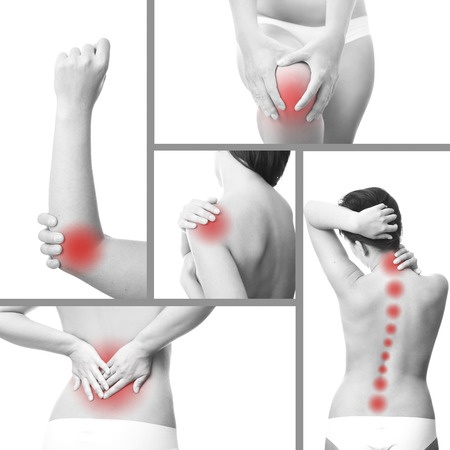
Running puts a good amount of stress on your body – whether it’s trail running, city running, or even practicing in a gym or on a treadmill. If you run a lot, you’re going to get hurt at some point. There’s no getting around it. It’s vital that you know how to deal with sprains, scrapes, blisters, and more. The shorthand guide is to always ice a sprain, stretch a cramp, pressure a wound, and leave a blister intact. For more on this, check here.

Know why you’re running

Sure, you’re running for the exercise and the feelings of personal accomplishment. The runner’s high isn’t an unwelcome byproduct. But in the end, running is about a mentality – even a spirituality for some. Focus on how running gives you a mental boost and makes you a stronger person: push your self to achieve goals you never thought possible; give yourself a chance to find a stronger you through self-discovery; heal from a broken past; overcome seemingly impossible obstacles. As Jim Friedrich says in the article The Spirituality of Running, “What we do with our bodies manifests and expresses inner states, the sacred ground of our being. But bodily practices can also induce inner states.”

Whether you’re running for fun, a charity 5K or a marathon – the principles of proper running preparation are pretty much the same. If you know how to hydrate, deal with inevitable injuries, and stick to what you know works, you will have a good chance at succeeding in whatever you do. “Success” is whatever you want it to be – only you can decide your own criteria.
Photo Credit: Pixabay.com

ABOUT THE AUTHOR
Jason Lewis is passionate about helping seniors stay healthy and injury-free. He created StrongWell.org to share his tips on senior fitness.

Working For Free – REPOST

bloggers-working-free

Have you ever completed a work project which offered no compensation except for a pat on the back? If so, did it bother you? It should have. By agreeing to slave away (pun definitely intended here) at an assignment with full awareness that you would receive absolutely no monetary compensation, you just devalued yourself.

I am not talking about volunteer work, or favors which you offer to do for a family member or friend. I am also not talking about getting your feet wet by taking on a task in an unfamiliar area so that you can gain valuable experience. I am instead referring to situations in which you are asked to provide your knowledge, expertise and service in an area in which you excel, and are coaxed into it with the promise that it’s a one-time favor, or that there will be compensation sometime in the future, only to discover that the promise was in fact a lie.

As a result of my abiding loyalty to companies, friends, family, and pets, I am the type of person who never leaves. You can count on me, and I honor my word. One of my faults is that I assume that other people are the same way, and even when I can plainly see that I am being taken advantage of, I often still hang on. This type of behavior spilled over into the world of medicine, wellness and fitness for a while, but a couple of years ago, I cut off all of the companies and individuals who got too much of a good thing for too long, essentially my time, services and knowledge for free.

In one situation, one company asked me to provide professional services on a monthly basis, stating that it would be unpaid to start out with, but that compensation would be given after a few months. Next thing I knew, I had provided those services free of charge for eighteen months! When I fired a warning shot, essentially stating that I no longer wanted to work for free, the company responded by inferring that the “exposure” I was receiving from them was payment enough. The funny thing is, I didn’t need the exposure, nor was this company in a position to help me. I merely agreed to the arrangement as a temporary favor to them, sort of a good faith move. All it ended up doing was getting me stuck in a monthly obligation which I got zero benefit from doing. Once I realized this, I severed ties immediately. Though I used very professional and polite language, it felt so good to tell them that I was done being an indentured servant. No longer did I have to put their assignments in my calendar, or resent the fact that each one of those assignments chewed up a good hour or two of my time.

More recently, I agreed to complete an assignment for free simply because I found it intriguing, and I had a small pocket of time in which to complete the assignment. I also felt that it was a good way to introduce my skill set to the company. However, I made it very clear that the assignment was isolated, and that if the company wanted my services in the future, I would only consider paid assignments.

Time is money, and because I hold a medical degree and a bachelor’s degree, am a board certified physician, and have worked in the fitness industry for three decades, I have value which deserves proper compensation. Would you like to work for free, especially if it is in an area in which you have expertise? Let’s face it, we all need to find a way to bring money in. We have skills, we have knowledge, and we deserve to get a financial return for services rendered in our chosen work environment.

If you are the type of person who has a tendency to take on more than your schedule can handle, perhaps it’s time to evaluate your obligations and see if any of them are a threat to your self-worth. If they are unpaid, uncontracted, require your skills in an area in which you are considered an expert, and are contributing to a decline in your quality of life because they are a time burden, then you should consider dropping those obligations.

The Challenges Of Traveling: How to Eat Clean and Train While On The Road

It can be extremely challenging to adhere to regular training and healthy eating habits while traveling. As if that wasn’t enough, the impending holiday season presents even more of a challenge because of the indulgent foods which emerge. That is why some die-hard fitness people are resistant to travel, and are almost terrified of the holidays. And while it is possible to stay on track with workouts and food while traveling, foraging for fitness resources like a gym to work out at and places which carry clean food selections can range from frustrating to impossible.

With a little determination, it is definitely possible to exercise regularly and eat clean when traveling. The guidelines listed here will give you a blueprint which you can use to manage and stay on track with your fitness goals.

WORKOUTS ON THE ROAD

A little creativity can go a long way in figuring out ways to get your daily workouts while on the road. Here are some suggestions on how to make the most of what is available to you when you are traveling.

1. Search for gyms in the area before you travel. Once you know your travel destination, you can do an online search of the area to find gyms and fitness centers. In some cases, hotels have very nice fitness centers which are fully equipped with free weights and exercise machines.

2. Try hotel room workouts. It is always possible to create intense workouts in any location by performing body weight exercises, exercises with resistance bands, and mat work. Resistance bands are lightweight and can easily be thrown into a suitcase.

3. Train outdoors. In most cases, you should be able to find a local park or school in which you can perform body weight exercises, plyometrics, calisthenics, stairclimbing, running, etc. You can use park benches or ledges for your workouts as well. Get creative, and keep up the intensity to get your body moving and the blood pumping!

FIT FOODS WHILE TRAVELING

Whether you are a seasoned competitor who is accustomed to following a strict meal plan, someone who wants to adopt healthier eating habits, or battling excess body weight, you may find it very difficult to pass up regular restaurant meals, fast foods, and holiday treats while on the road. The holidays can be especially brutal, since evil culinary temptations abound and threaten to sabotage any efforts at maintaining clean eating habits.

If you aren’t on prep, you can still indulge in small amounts of rich foods which are not considered clean as long as your other foods are healthy and clean. This means that your abs don’t have to hibernate during the holidays. However, if you compete and have competitions coming up, you can’t exactly throw caution to the wind and consume whatever you want. You will need to keep a tight rein on what you consume while traveling, a feat which is challenging, but which can be done.

Here are some tips to keep you in line with clean eating while traveling.

1. Invest in a great food cooler bag. A food cooler bag will enable you to enjoy your trip without having to worry about what you will eat throughout the day.

2. Make sure your meal plan is balanced. Don’t use traveling or the holidays as an excuse to rationalize bad food choices! Eat enough protein each day to keep you feeling full and fed so that hunger pangs are kept at bay, and drink plenty of water.

3. Prep your meals in advance. If you prep your own meals, you will have total control over ingredients, cooking method and portion sizes. Once you have prepared your food, store single serving sizes in individual containers or bags which are easy to pack. Freeze the food you will eat during your trip, and refrigerate the food which you will eat on the day you travel to your destination.

4. Ask the hotel for a refrigerator in your room. In most cases, hotels can supply a refrigerator upon request.

5. Consider a meal prep service. Meal prep services can be a blessing because they take the hassle of having to prep food out of the equation, and they can deliver directly to your destination.

6. Pack emergency fit foods. Non-perishable foods like protein powder, protein bars and nuts can be easily packed into your luggage and will ensure that you have backup food.

7. Consider staying in a room with a kitchenette. You can visit a local market, purchase fresh food, and prepare it in your hotel room.

8. Explore local produce and clean food selections in the area. Most countries tend to consume whole foods, so as long as you avoid sauces, you can often find clean dishes to eat.

9. Consume a small amount of lean protein right before you have a carb cheat. This will slow down digestion so that the carbs aren’t stored as readily.

10. Drink at least eight ounces of water before you indulge in a decadent treat. This will help to fill you up so you consume less food afterward.

11. Eat smaller, more frequent meals. If you have a holiday feast to attend, make sure to eat every 2-1/2 to 3 hours beforehand to ensure that you won’t be ravenous come party time.

12. Don’t cave in to peer pressure. Sometimes family and friends can sabotage clean meal plans by convincing others to eat forbidden foods. If you find yourself in such a situation, you need to ask yourself if it is worth unraveling your healthy eating habits in order to appease a relative or buddy.

When Your Joints Rebel: How To Modify Your Lifting Regimen So You Can Train With Joint Issues

You are a beast in the gym…that is, until a joint injury or flare-up from arthritis, bursitis or sprain threatens to deflate your motivation as a result of the pain. While it is always important to take preventative measures to protect the joints, such as warming up the surrounding soft tissues properly, using proper form during exercises, and taking supplements which promote joint health, there may be times when joint discomfort is so significant that a little TLC needs to be added to the regimen. The recommendation of complete rest usually falls on deaf ears when a fitness fanatic is the one suffering from joint woes, because the general mindset for such an individual is to push through the pain and continue training. However, in most cases, the pain and inflammation will throw a wrench in the works by adversely affecting range of motion and strength. As long as the joint pain isn’t severe, and is not caused by direct, acute injury to the joint, exercises can usually be modified to alleviate load stress on the affected area.

There are a number of exercise modifications which can be made to weightlifting exercises to minimize the loading on affected joints while still effectively training surrounding muscle groups. Bear in mind that you might not be able to perform certain exercises at all, even with a modified grip or stance. The most important thing is to pay attention to your body and stop doing anything which exacerbates the joint discomfort.

SAVE YOUR SHOULDERS AND ARMS

Since shoulder joint issues are relatively common, most of the suggestions made in this article for exercise modifications for the upper body will take this into account. Depending on the degree and location of shoulder pain, you might still be able to perform shoulder presses, but do not perform them behind the neck as they can cause impingement. Incidentally, you will also need to avoid pulling the bar behind your head when doing lat pulldowns. To perform overhead presses, use a straight bar with a grip slightly wider than shoulder width apart, or use dumbbells, and use a light weight. Another exercise which should be modified when shoulder pain is an issue is the bench press. Chest presses should be avoided on an incline bench due to increased abduction and a corresponding increased shear stress and strain on the glenohumeral joint.

Shoulder joint pain can also interfere with lower body barbell exercises like the back squat and lunges. Since the barbell must be stabilized across the back, the shoulder must remain in an externally rotated and abducted position. Even barbell deadlifts force the shoulder into a gravitational load in extension which can be enough to aggravate shoulder joint issues if a heavy weight is used. Modifications to these exercises include performing front squats while holding onto a kettlebell or dumbbell, and switching to dumbbells when performing lunges and deadlifts.

Most cases of shoulder pain from joint instability or arthritis can make it impossible to perform a plank for an extended period of time due to the superior-posterior stress across the shoulder joint complex, but this is easily remedied by modifying the plank so that you rest on your forearms instead of your hands, thus shortening the lever arm and decreasing the stress load.

If you have issues with your elbows, it is wise to avoid pullups, pushups, mountain climbers, overhead tricep extensions and planks, but bicep curls may also be difficult to do, especially as you supinate and flex the elbow. The elbow joint is a tricky one to train around, and the best approach is to completely avoid any direct movements which involve the elbow flexors if the pain is severe. If the pain is minimal, regular dumbbell bicep curls, hammer curls and cable tricep extensions can be performed with light weights. Using a false grip on dumbbells (in which the thumb is not engaged in opposition around the bar), using a cuff around the arm with a cable assembly, or switching to weight plates with a neutral (palms in) grip can also be helpful in minimizing the strain on the elbow stabilizers during delt training routines.

Wrist pain can often be eradicated by using lifting gloves which have wrist support to counteract some of the stress. Since bench dips can aggravate sore wrists, they should be avoided and replaced with cable tricep extensions, which can be performed without extending the wrist. Traditional pushups also force the wrists into a hyperextended position, but a simple switch in hand position, in which the fingers point out to the sides, with hands at least shoulder width apart, will minimize joint stress during the down phase of the movement.

WEIGHT BEARING JOINTS

If you have issues with the joints in your lower extremities (hips, knees, ankles, feet), ballistic movements, such as the ones performed in plyometrics and calisthenics, should be avoided. Unfortunately, exercises which are considered staples in a weightlifter’s regimen, such as squats, lunges and leg presses, can also wreak havoc on achy hips and creaky knees, especially if poor form and heavy weights are used. It’s best to trade these in, at least for a while, and instead turn to leg lifts on all fours, wall sits, front leg raises against a wall, and single leg deadlifts, all of which decrease the load on the hips and knees while still providing good isolation.

Since ankles and feet take the brunt of weight bearing, they should be babied when flare-ups occur, which means that calf raises, leg presses, and squats should be avoided and replaced with moves which do not require excessive joint motion under a loading force. Foot stance should be maintained at shoulder width to maintain the ankle position in a neutral plane and avoid any inversion or eversion. Mat exercises are also an excellent alternative to hardcore standard weight machines when dealing with joint flare-ups in the ankle or foot.

OHHHHH MY BACK

The incidence of low back pain is extremely high, especially among fitness devotees. Since it is usually triggered by extreme positions of flexion or extension, something as simple as standing with your heels on two weight plates and dropping the amount of weight lifted can be enough to maintain a more upright position and avoid the excessive lumbar flexion often seen with back squats. Another modification which spares the low back as well as the knee is performing Bulgarian squats, which keep the upper body in a vertical plane.

If you experience joint pain in your neck or upper back, you should avoid exercises mentioned earlier such as behind the head lat pulldowns and military presses, both of which cause excessive flexion in the cervical spine. In some cases, you will need to omit exercises which involve the use of a barbell behind the neck since this type of load increases flexion stress. You can modify these movements by using dumbbells or by switching to a machine, for example, switching from barbell squats to hack squats.

The most important thing to remember is to listen to your body and stop any movement if you feel sudden pain. By training wisely and making necessary modifications while your joints are inflamed, you will be able to bypass injury and continue to make gains at the gym.

Anti-Inflammatory Meds and Muscle Growth

NOTE: This was originally written for Oxygen Mag digital version.

There has been a heated debate over many years within the bodybuilding community about whether anti-inflammatory medications like ibuprofen (Advil, Motrin) and naproxen sodium hinder muscle growth. These medications inhibit the synthesis of prostaglandins, which also play a role in muscle synthesis. All it took was one clinical study published in the Journal of Clinical Endocrinology and Metabolism to put bodybuilders into a panic about reduced protein synthesis, and it didn’t matter that such results were found in laboratory rats. While there is some evidence to suggest that the anabolic signal is shut off when anti-inflammatories circulate in the bloodstream, nothing is absolutely conclusive, and what might be seen in the rat model might not necessarily be the case for humans.

While I will never advocate chronic use of painkillers and anti-inflammatory agents, I think they definitely serve a purpose when acute injury is present. When I find myself in the middle of disputes with bodybuilders who INSIST that a few days on such medications will completely destroy all their efforts in the gym, I simply shake my head in frustration. If you are injured and your lifting is adversely affected by the injury, whether it be a muscle strain, a ligament tear, or a minor disc herniation, you need to be aware that training through that injury, especially when it deranges your form and causes other body parts to compensate for the injury, will end up really messing you up over time. I honestly think that a minimal decrease in muscle mass over the course of a few days is preferable to the imbalance and asymmetry which usually occur when a bodybuilder foolishly pushes through heavy workouts despite an injury which has a domino effect on the body.

Common sense, and medical expertise, dictate that the inflammation must be removed from the area, most commonly through short term administration of anti-inflammatory agents, ice, and rest. Trust me, if you follow a regimen like this, you won’t lose all the muscle you have built over the years. Be sure to take these medications with food, and if you have any history of gastric ulcers. bleeding disorders, or kidney dysfunction, avoid taking them.

Remember that I am talking about DAYS, not weeks or months. This is one time when eating constantly has its benefits, since bodybuilders and fitness people can pretty easily fit in their medication administration with one of their meals. I know it’s difficult to back off from training, but if you truly want to HEAL, you must give the injured area time to repair itself. If you insist on continuing to train through the injury, especially, without any medications or other interventions on board, you can count on the injury either lingering or worsening over time.

L-Carnitine Tartrate For Athletic Performance

I am personally a big fan of l-carnitine supplementation. This amino acid compound, consisting of lysine and methionine, can be found in a couple of different forms. This article discusses L-carnitine tartrate, which is the form known to benefit athletic performance and recovery.

There are a couple of important points to consider when supplementing with carnitine. First of all, insulin must be present in the body for carnitine to enter muscle. One way of taking carnitine is to ingest carnitine with carbs so that there is an insulin release, but another effective option is to ingest carnitine with omega-3 fatty acids. Omega-3 fatty acids optimize cell membrane health, thus making cells more sensitive to insulin. Carnitine serves as a delivery system for fatty acids, so if carnitine levels are high, more fatty acids will be shuttled into cells to be utilized for energy.

Conversely, when carnitine levels are low, fewer fatty acids are moved into the cells and are instead stored as fat. Supplementation with carnitine before intense exercise, especially cardio, will switch the focus on burning fat rather than utilizing glycogen stores, resulting in longer sessions before glycogen stores are depleted. In addition, the presence of carnitine inhibits production of lactic acid, so recovery from intense exercise is more rapid.

Carnitine is not only an excellent performance supplement, it also serves as an excellent means of addressing metabolic syndrome. Metabolic syndrome, characterized by diabetes, atherosclerosis and high cholesterol, can be countered by carnitine’s ability to induce fat loss, prevent atherosclerosis and minimize the development of diabetes. After several months of carnitine supplementation, carnitine levels reach a level at which energy production and performance are enhanced. For this reason, it is best to consider carnitine an essential supplement in your daily regimen rather than as something taken only periodically.

Take 500 to 2,000 milligrams of l-carnitine tartrate daily, along with omega-3 fatty acids, for best results.

No Olympia For Me This Year

Fun times from Olympia 2011 with Anca and Farinaz

For the past seven years, I have attended Olympia every year and have always enjoyed the whole experience. This year, however, I will not be attending since the main sports supplement company I work with, SWAT Fuel, will not have a presence there this time around. What is strange for me is that I am not bothered by the fact that I won’t be rubbing elbows with the fitness and bodybuilding icons I have come to know over the years. In some sense I am actually relieved that I will get a break this year, since I have been traveling more this year and could use a staycation.

For those of you who are wondering what event I will be at next, please come by and say hi at the Ferrigno Legacy on November 18th and 19th. I will be at the Flexpo, handing out samples of SWAT Fuel’s 9mm+P, which is a combination preworkout/endurance/thermogenic formula unlike anything else on the market!

For more information and tickets to the Ferrigno Legacy, please visit: https://www.ferrignolegacy.com/

Jerry Frederick Of Ironman Magazine Fame

While at Joe Wheatley’s Muscle Beach event on Labor Day, I had the pleasant surprise of seeing Jerry Frederick, whom I hadn’t seen in several years. He was sitting under the main canopy, with his ever-present breakaway reading glasses around his neck. I was just tickled to see him. For those of you in the bodybuilding world, you know that this man had worked for Ironman Magazine as one of their staff photographers for several decades. He has always had a strong passion for the world of competitive bodybuilding, and has gone out of his way to create content with athletes such as myself to use for features within the publication.

Jerry and I chatted for several minutes, and he was full of smiles and that sweet, gentle demeanor which makes him so loveable. I was saddened to hear that he has a neuromuscular disorder which could be Parkinson’s but which hasn’t been definitively diagnosed yet. Hopefully Jerry will be placed on a treatment plan which halts the progression of the disorder.

Organifi Review from August 2016

Please check out my YouTube review of Organifi products here:

Though I shot and edited this video a year ago, the information hasn’t changed. I love how clean Organifi products are, and encourage people to try them. My favorite products are the Daily Turmeric Boost and the ProBiotic.

I’ve actually run out of both products, and am using other brands right now, but I honestly felt fantastic while on Organifi products. My digestive tract functioned better, and I had fewer aches and pains with the Turmeric Boost on board.